
Spine Surgery in Trois-Rivières: Preserve Natural Spinal Mechanics
May 16, 2026
IntraSPINE® in Sherbrooke: Approved Surgical Innovation
May 16, 2026
Sciatica, a distressing nerve pain originating from compression in the lower back, profoundly affects active adults in Saint-Eustache, disrupting daily functions and recreational pursuits. This condition can strike unexpectedly, impeding not only simple movements like walking and sitting but also more demanding activities such as sports and exercise therapy. In a community marked by youthful energy and active lifestyles, individuals facing chronic pain often seek dynamic, evidence-based solutions rooted in scientific innovation and personalized care.
Among the leaders transforming spinal care in the region is Dr. Sylvain Desforges, whose more than three decades of expertise uniquely blend rigorous clinical evaluation, advanced technology, and compassionate patient support. His commitment to ethical, scientifically grounded practice ensures that residents receive more than symptomatic relief—they experience comprehensive management tailored to their individual conditions. Groundbreaking spinal decompression therapy, augmented by laser treatments and osteopathic techniques, exemplifies the multidisciplinary approach that characterizes modern interventions under Dr. Desforges’ guidance.
Understanding the nuances of sciatica—the role of nerve irritation, the impact of lifestyle, and the promise of innovative non-surgical therapies—is crucial for patients looking to regain their mobility and reduce dependence on medications or invasive procedures. Saint-Eustache’s community is increasingly empowered through education and international collaboration, benefiting from streamlined patient pathways that connect Canadian care standards with global advancements.
Understanding Sciatica and Its Impact on Active Adults in Saint-Eustache
Sciatica refers to the pain caused by compression or irritation of the sciatic nerve, which extends from the lumbar spine down through the hips and legs. In Saint-Eustache, the condition commonly stems from herniated discs, spinal stenosis, or degenerative disc disease, all of which can severely impair the lives of active adults. Unlike occasional back discomfort, sciatica triggers sharp, radiating leg pain, tingling, numbness, and muscle weakness that can interrupt exercise routines, work, and even basic mobility.
For active adults, maintaining physical fitness and participating in community sports are central to health and well-being. The onset of sciatica between ages 30 and 50 coincides with peak career and family responsibilities, intensifying the urgency for effective pain management. Consider Marie, an avid runner from Saint-Eustache, whose struggle with a herniated disc led to debilitating leg pain. After professional intervention, she was able to resume her runs and daily activities with significantly less discomfort.
The typical symptoms include:
- Radiating leg pain: A sharp, shooting sensation that travels down the buttocks into the back of the leg.
- Numbness and tingling: Sensory disturbances that can affect balance and coordination.
- Muscle weakness: Difficulty performing exercises or lifting objects that were once routine.
- Pain aggravated by movement: Activities like sitting for long periods or bending can intensify symptoms.
The cumulative effect is not merely physical but emotional, with many individuals feeling anxiety or frustration due to chronic discomfort and disruptions to their lifestyles. Prompt, accurate evaluation is essential, which is why patients in Saint-Eustache benefit from Dr. Desforges’ comprehensive spinal assessments. These evaluations use advanced diagnostics to identify the precise causes of sciatic nerve compression and formulate personalized care plans.
Common Causes of Sciatica in Saint-Eustache Active Adults
| Cause | Description | Impact on Function |
|---|---|---|
| Herniated Disc | The disc’s inner material protrudes and presses on nerve roots (L4-S1). | Sharp radiating pain, impaired leg mobility, muscle weakness. |
| Spinal Stenosis | Narrowing of spinal canal causing nerve compression. | Chronic pain, numbness, reduced endurance for physical activity. |
| Degenerative Disc Disease | Disc wear triggers inflammation increasing nerve sensitivity. | Intermittent sharp pain, stiffness, limitation in sports participation. |
| Piriformis Syndrome | Muscle tightness compresses the sciatic nerve in the gluteal region. | Burning pain mimicking true sciatic nerve irritation, worsened by sitting or running. |
Understanding these diverse causes underscores the necessity of tailored interventions. Residents of Saint-Eustache are encouraged to consult with experts like Dr. Desforges, who integrate osteopathic knowledge with modern technological solutions to identify these underlying disorders accurately. This precise diagnosis prevents mismanagement, such as improper exercise routines or ineffective medications, which can exacerbate symptoms.
Blainville Lumbar Disc Rehabilitation Without Steroids
In the vibrant community of Blainville, patients suffering from lumbar disc issues find hope beyond traditional medical pathways dominated by steroid interventions. Lumbar disc rehabilitation has evolved significantly, especially in the realm of non-steroidal treatment options. This advancement enables individuals…
Advanced Spinal Decompression Therapy: A Non-Surgical Innovation for Sciatica Relief
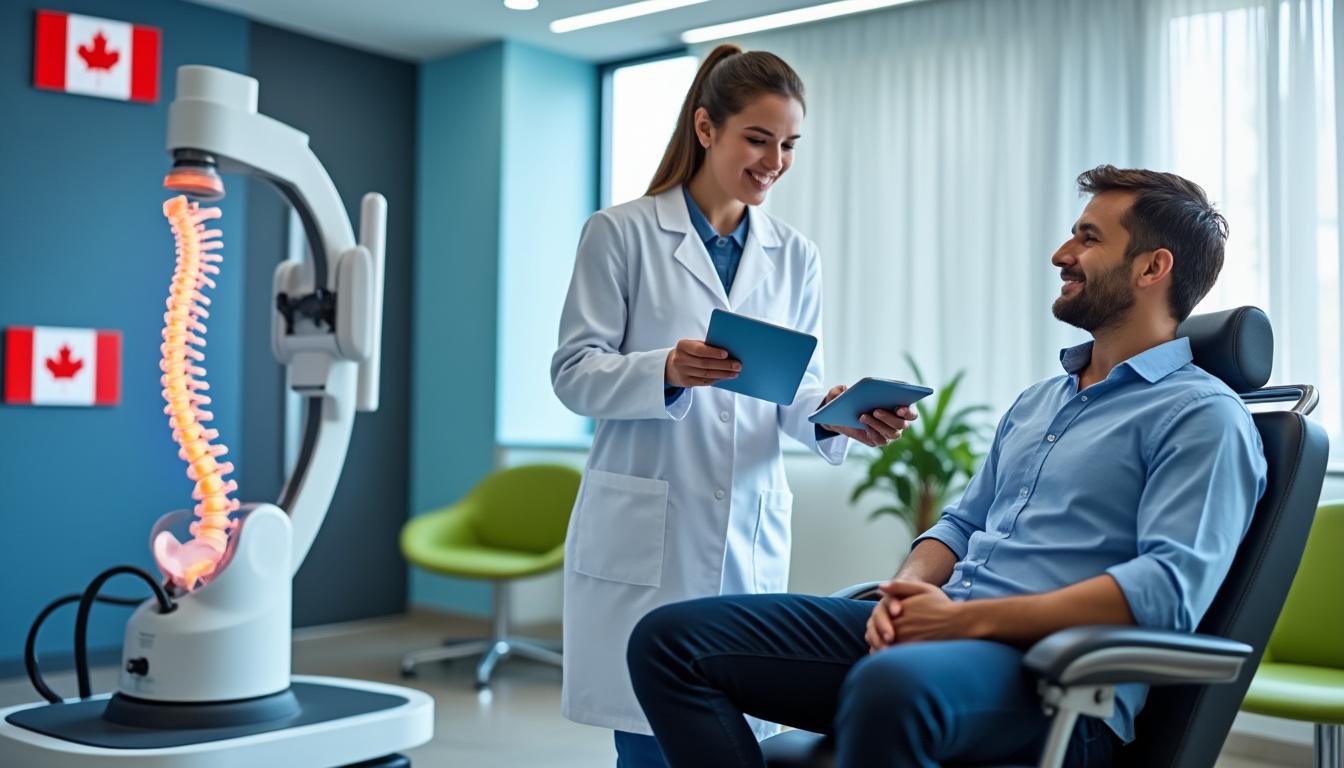
Modern spinal decompression therapy offers a revolutionary approach to managing sciatica by addressing the root compression on spinal nerves rather than simply masking the pain. At the Clinique TAGMED in Montréal and surrounding areas, this technology uses computer-assisted spinal stretching tables to create negative pressure inside the affected discs. This mechanical process gently encourages the retraction of herniated or bulging disc material, alleviating pressure on nerve roots such as L5 and S1 responsible for sciatic symptoms.
Unlike traditional traction methods, Dr. Sylvain Desforges’ technique leverages precision control and real-time monitoring to ensure patient comfort and safety, consistent with rigorous Canadian medical standards and ethical guidelines. The therapy sessions last about 20 to 30 minutes and typically span 12 to 20 sessions over 4 to 6 weeks, customized to each patient’s unique anatomy and symptom severity.
The clinical benefits include:
- Reduction of nerve root compression: Mitigates the primary source of pain and neurological symptoms.
- Disc rehydration and regeneration: Supports long-term spinal health by restoring disc height and flexibility.
- Improved circulation: Enhances nutrient delivery to affected tissues, fostering healing.
- Non-invasive nature: Avoids surgical risks such as infection, long recovery, and anesthesia side effects.
- Complementary therapies: Often paired with laser therapy and osteopathic manipulations for holistic improvement.
Saint-Eustache’s active population has witnessed rapid functional restoration following this innovative care pathway. For example, Carlos, a local professional who suffered chronic numbness and weakness, regained mobility and work performance after a personalized decompression regimen combined with physical therapy. Such outcomes reinforce the value of this intervention as a primary treatment before considering surgery.
Dr. Desforges’ commitment to integrating technology with hands-on expertise exemplifies the future of spinal care, particularly for those seeking lasting relief without invasive procedures. Detailed patient information and treatment protocols can be further explored through trusted online platforms discussing the potential of spinal decompression therapy for sciatica.
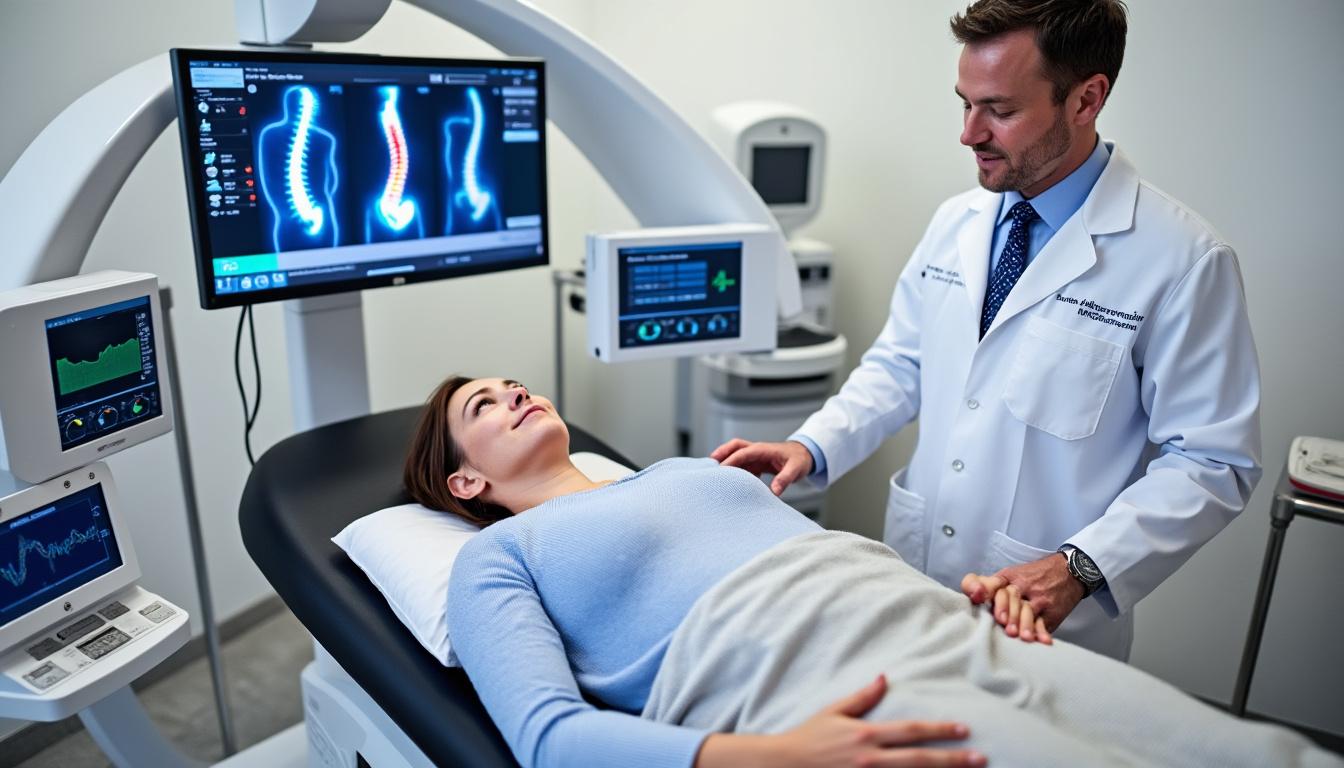
Repentigny Sciatica Relief Through TAGMED’s Technology
Sciatica is a debilitating nerve pain burdening many in Repentigny, interfering with daily activities and overall quality of life. Thanks to cutting-edge advancements at the TAGMED clinics, patients now access innovative, non-invasive treatments designed to tackle the root causes of…
Incorporating Massage Therapy to Complement Sciatica Pain Management
Massage therapy has emerged as a potent conservative method to alleviate sciatica symptoms through scientifically supported techniques that target muscle tension and nerve decompression. Licensed massage therapists use approaches such as trigger point therapy, myofascial release, and neural mobilization to reduce nerve irritation and improve functional mobility. This aligns closely with Dr. Desforges’ holistic treatment philosophy, advocating non-invasive solutions that prioritize long-term spinal health.
Multiple clinical studies and practitioner experience—including extensive data from experts like Sarah Mitchell, LMT—demonstrate that effective massage protocols can reduce pain by 30% to 50% within the early treatment weeks. Acute flares may require frequent sessions, while chronic cases benefit from planned regimens that foster sustained improvement.
Key massage therapy techniques include:
- Trigger Point Release: Targeting hyper-irritable muscle knots in the piriformis and gluteal muscles that mimic or intensify sciatica.
- Myofascial Release: Loosening fascia restrictions surrounding nerve pathways to enhance tissue mobility.
- Neural Mobilization (Nerve Flossing): Encouraging nerve gliding to reduce adhesions that exacerbate pain.
- Deep Tissue Massage: Alleviating deep muscle compression and inflammation, comparable in effect to anti-inflammatory medication.
- Swedish Massage: Offering gentle relaxation for acute flares and stress reduction.
Patients in Saint-Eustache who have combined massage with spinal decompression report improved pain management and quicker return to exercise routines and daily tasks. Home care guidance, such as self-massage with foam rollers or tennis balls, further bolsters recovery.
For those interested, comprehensive massage protocols for sciatic relief are detailed in expert resources like this complete guide to sciatica massage therapy, offering both patients and practitioners evidence-based strategies.

Brossard Neck Herniation Recovery Without Invasive Procedures
In the vibrant community of Brossard, many individuals grapple with neck herniation, a condition that challenges mobility and daily comfort. As medical advancements accelerate, a growing number of patients are turning toward non-invasive recovery options that prioritize natural healing over…
Customized Patient Journeys: From Evaluation to Long-Term Sciatica Relief in Saint-Eustache
Every pain management strategy begins with an in-depth clinical evaluation, a hallmark of the care provided under Dr. Sylvain Desforges’ leadership. This crucial step involves detailed symptom mapping, advanced imaging such as digital X-rays and MRI scans, and biomechanical assessments to accurately identify the cause of sciatic symptoms. Active adults in Saint-Eustache benefit from such thorough diagnostics, allowing treatments to be precisely tailored.
The personalized care plan typically unfolds through several phases:
- Initial Evaluation: A comprehensive assessment of pain distribution, posture, and neurological signs to inform therapy design.
- Therapeutic Interventions: A series of spinal decompression sessions, often complemented by osteopathic manipulation and laser therapy, scheduled over 4 to 6 weeks.
- Progress Monitoring: Regular follow-ups to adjust treatment parameters based on clinical response and patient feedback.
- Post-Therapy Wellness: Lifestyle advice including ergonomic recommendations, targeted exercises, and pain prevention tactics to sustain spinal health.
This structured approach, embedded in a supportive and communicative environment, ensures patients comprehend treatment rationales and engage fully with their recovery. The holistic support system emphasizes individualized solutions acknowledging each patient’s unique anatomy and activity levels.
Effective coordination of care also extends to international collaboration under Dr. Desforges’ respected roles in Canadian and French medical alliances. This network facilitates access to advanced spinal technologies and expert surgeons abroad, creating comprehensive pathways that offer Saint-Eustache patients the best of global spinal care innovations.
Typical Treatment Phases and Durations
| Phase | Description | Duration/Frequency | Patient Role |
|---|---|---|---|
| Evaluation | Thorough diagnostic assessment using imaging and physical exams. | 1-2 sessions within one week | Provide comprehensive symptom history, undergo testing. |
| Intervention | Spinal decompression and complementary therapies. | 12-20 sessions over 4-6 weeks, 2-3 times weekly. | Attend sessions, follow clinical guidance strictly. |
| Monitoring | Assess treatment effectiveness and adjust as needed. | Weekly or biweekly during therapy | Report symptoms, communicate changes to provider. |
| Maintenance | Lifestyle advice, exercises, and preventive measures. | Ongoing | Adhere to home exercises and ergonomic practices. |
Longueuil Chronic Back Pain Relief That Works
Chronic back pain remains a silent yet powerful force that disrupts the lives of millions, reshaping daily routines and aspirations. In Longueuil, a city bustling with diverse communities from seniors enjoying their golden years to active professionals balancing work and…
Exercise Therapy: Essential for Sciatica Recovery in Active Adults
Complementing clinical treatments with tailored exercise therapy shapes a cornerstone of effective sciatica management, especially for Saint-Eustache’s active population. Targeted stretches and mobility exercises improve flexibility, reduce nerve tension, and strengthen supporting musculature, facilitating sustained symptom relief.
Therapeutic exercises often focus on the lumbar spine, hips, and hamstrings to alleviate pressure on the sciatic nerve. Progressive routines address specific conditions such as herniated discs or piriformis syndrome, with protocols emphasizing slow, controlled movements and posture correction.
Scientific studies and clinical guidelines underline the importance of safe, appropriate exercise programs in reducing recurrence risk and enhancing back health. Patients are encouraged to engage in daily stretching regimes supported by expert resources that illustrate effective techniques, such as those detailed by the OrthoNJ sciatica exercise plans and Healthline’s recommended stretches.
Examples of beneficial exercises include:
- Piriformis Stretch: Targets tightness in the deep gluteal muscle compressing the sciatic nerve.
- Hamstring Stretch: Promotes flexibility in the posterior thigh muscles, unloading the lower back.
- Lower Back Rotation: Enhances spinal mobility and reduces nerve irritation.
- Pelvic Tilt: Strengthens core muscles to support spinal alignment.
- Nerve Gliding Exercises: Encourages gentle movement of the sciatic nerve within its sheath to prevent adhesions.
By incorporating these exercises into daily routines, active adults in Saint-Eustache can expedite recovery while regaining functional independence and the ability to enjoy physical activities without limitations.

Terrebonne Lumbar Disc Care After Sports Injury
In the dynamic world of sports, injuries affecting the lumbar spine are a common yet serious concern for athletes and active individuals in Terrebonne. Among these, lumbar disc injuries—especially herniated discs—pose significant challenges to recovery and ongoing spinal health. Careful…
International Collaboration and Ethical Innovation in Sciatica Care
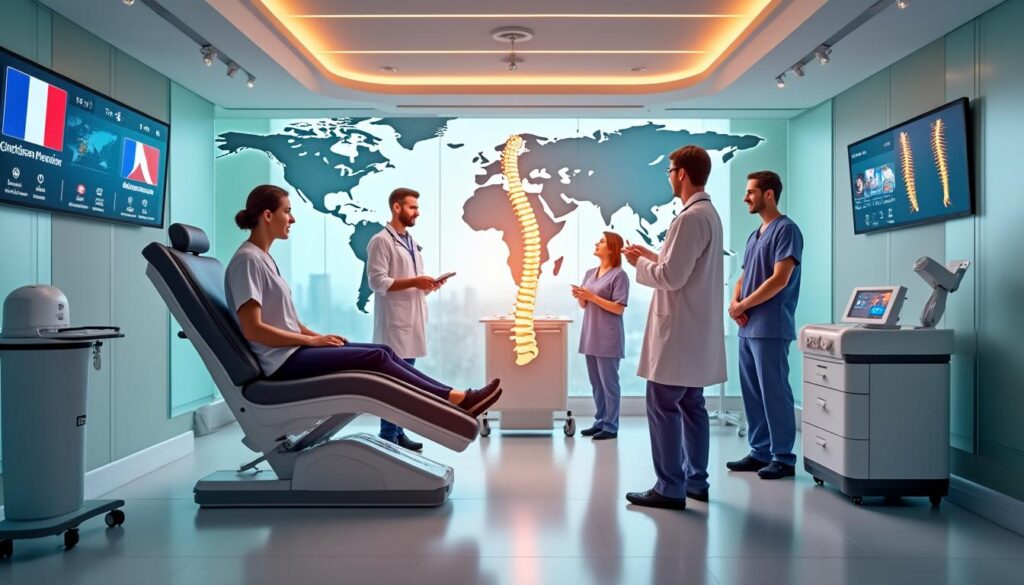
Dr. Sylvain Desforges’ pioneering work extends far beyond local clinical settings. As founder of the Alliance Canadienne de Médecine Alternative and the Canadian College of Osteopaths, he fosters a unique international partnership between Canadian and French spinal care teams. This coordination enhances access to advanced diagnostics, surgical innovations, and rehabilitation technologies that might otherwise be unavailable to Saint-Eustache residents.
Such collaboration is underpinned by strict adherence to ethical standards mandated by the Collège des médecins du Québec and federal Canadian regulations, ensuring all patient care is both safe and scientifically validated. Through platforms like SOS Tourisme Médical, patients benefit from streamlined transatlantic treatment pathways that minimize wait times and maximize personalized care quality.
The integration of technologies like neurovertebral decompression, laser therapy, and dynamic spinal implants exemplifies the innovative edge Dr. Desforges brings to spinal care. His approach balances scientific rigor with empathetic patient engagement, fostering trust and hope among individuals struggling with chronic sciatica.

Laval Chronic Disc Pain Prevention Strategies
Chronic disc pain remains a significant challenge for many individuals residing in Laval, impacting daily functioning and quality of life. With the prevalence of sedentary lifestyles, aging populations, and repetitive strain injuries, understanding prevention strategies tailored to this unique urban…
Unique Advantages of Consulting Dr. Sylvain Desforges for Sciatica Relief in Saint-Eustache
With more than 30 years of clinical experience, Dr. Sylvain Desforges stands out as an expert in spinal care and sciatica evaluation, combining formal qualifications (B.Sc., D.O., N.D.) with visionary leadership. His approach extends beyond mere symptom management, offering precise diagnostic assessments, access to exclusive technologies, and thorough patient education designed to demystify spinal disorders.
Patients visiting Clinique TAGMED benefit from:
- Comprehensive Evaluations: Advanced diagnostics to understand specific nerve compression mechanisms.
- Innovative Treatments: Incorporation of dynamic spinal implants and laser therapy alongside decompression technology.
- Personalized Care Plans: Tailored therapies considering each patient’s lifestyle, severity, and functional goals.
- International Medical Network: Facilitating access to global expertise and surgical options when indicated.
- Holistic Support: Guidance before, during, and after treatment for sustained recovery.
This unique combination positions Dr. Desforges as a trusted guide for active adults seeking reliable, non-invasive sciatica relief that empowers them to reclaim their active lifestyles with confidence.
Montreal Neck Herniation Relief Without Hospitalization
In the bustling city of Montreal, where innovation meets compassionate healthcare, the landscape of neck herniation treatment is evolving rapidly. Patients experiencing neck herniation often grapple with chronic pain, mobility limitations, and concerns about invasive procedures. Fortunately, the advancement of…
Essential Lifestyle and Prevention Tips for Long-Term Sciatica Management
In addition to clinical therapies, active adults in Saint-Eustache are encouraged to adopt lifestyle habits that protect spinal health and prevent recurrence of sciatica. Key recommendations include:
- Ergonomic Adjustments: Ensuring proper posture at workstations and during daily activities to minimize spinal stress.
- Regular Physical Activity: Maintaining strength and flexibility with low-impact exercises such as swimming, walking, or yoga.
- Weight Management: Controlling body weight to reduce load on the lumbar spine and joints.
- Proper Lifting Techniques: Using legs and maintaining a neutral spine when handling heavy objects.
- Stress Management: Incorporating relaxation techniques and mindfulness to mitigate muscle tension and inflammation.
By embracing these strategies alongside expert medical care, Saint-Eustache’s residents optimize their chances of lasting relief and enhanced quality of life.
{“@context”:”https://schema.org”,”@type”:”FAQPage”,”mainEntity”:[{“@type”:”Question”,”name”:”What is the usual duration of spinal decompression therapy for sciatica?”,”acceptedAnswer”:{“@type”:”Answer”,”text”:”Most patients undergo between 12 and 20 treatment sessions spread over 4 to 6 weeks, allowing gradual relief and tissue healing adapted to their specific condition.”}},{“@type”:”Question”,”name”:”Is massage therapy effective for all types of sciatica?”,”acceptedAnswer”:{“@type”:”Answer”,”text”:”Massage provides the most benefit for cases involving muscle-related nerve irritation, such as piriformis syndrome. It is a complementary therapy and should be tailored to the individualu2019s underlying cause and performed by trained professionals.”}},{“@type”:”Question”,”name”:”When should I seek medical evaluation for sciatica symptoms?”,”acceptedAnswer”:{“@type”:”Answer”,”text”:”Immediate medical attention is advised if you experience bowel or bladder changes, progressive leg weakness, saddle anesthesia (numbness in the inner thighs), or unrelenting night pain, as these could signal serious underlying conditions.”}},{“@type”:”Question”,”name”:”Can exercise therapy worsen sciatica pain?”,”acceptedAnswer”:{“@type”:”Answer”,”text”:”When properly guided, exercise therapy reduces pain and improves function. However, improper techniques or excessive strain may exacerbate symptoms, so personalized coaching and professional supervision are important.”}},{“@type”:”Question”,”name”:”Does spinal decompression therapy guarantee permanent sciatica relief?”,”acceptedAnswer”:{“@type”:”Answer”,”text”:”While many patients experience significant long-term improvements, spinal decompression is not a cure-all. Some structural issues may require additional interventions, but it remains a highly effective conservative option for most cases.”}}]}What is the usual duration of spinal decompression therapy for sciatica?
Most patients undergo between 12 and 20 treatment sessions spread over 4 to 6 weeks, allowing gradual relief and tissue healing adapted to their specific condition.
Is massage therapy effective for all types of sciatica?
Massage provides the most benefit for cases involving muscle-related nerve irritation, such as piriformis syndrome. It is a complementary therapy and should be tailored to the individual’s underlying cause and performed by trained professionals.
When should I seek medical evaluation for sciatica symptoms?
Immediate medical attention is advised if you experience bowel or bladder changes, progressive leg weakness, saddle anesthesia (numbness in the inner thighs), or unrelenting night pain, as these could signal serious underlying conditions.
Can exercise therapy worsen sciatica pain?
When properly guided, exercise therapy reduces pain and improves function. However, improper techniques or excessive strain may exacerbate symptoms, so personalized coaching and professional supervision are important.
Does spinal decompression therapy guarantee permanent sciatica relief?
While many patients experience significant long-term improvements, spinal decompression is not a cure-all. Some structural issues may require additional interventions, but it remains a highly effective conservative option for most cases.
Candiac Sciatica Recovery After Failed Conservative Care
Sciatica represents one of the most debilitating manifestations of nerve pain, burdening countless individuals with chronic discomfort radiating from the lower back down through the legs. In Candiac, patients enduring persistent sciatica often embark on long journeys of conservative treatments,…