

Chiropractic management of a US Army veteran with low back pain and piriformis syndrome complicated by an anatomical anomaly of the piriformis muscle: a case study – Corrected Proof
November 14, 2011
Chiropractic management of a patient with lumbar spine pain due to spinal stenosis: a case report – Corrected Proof
November 14, 2011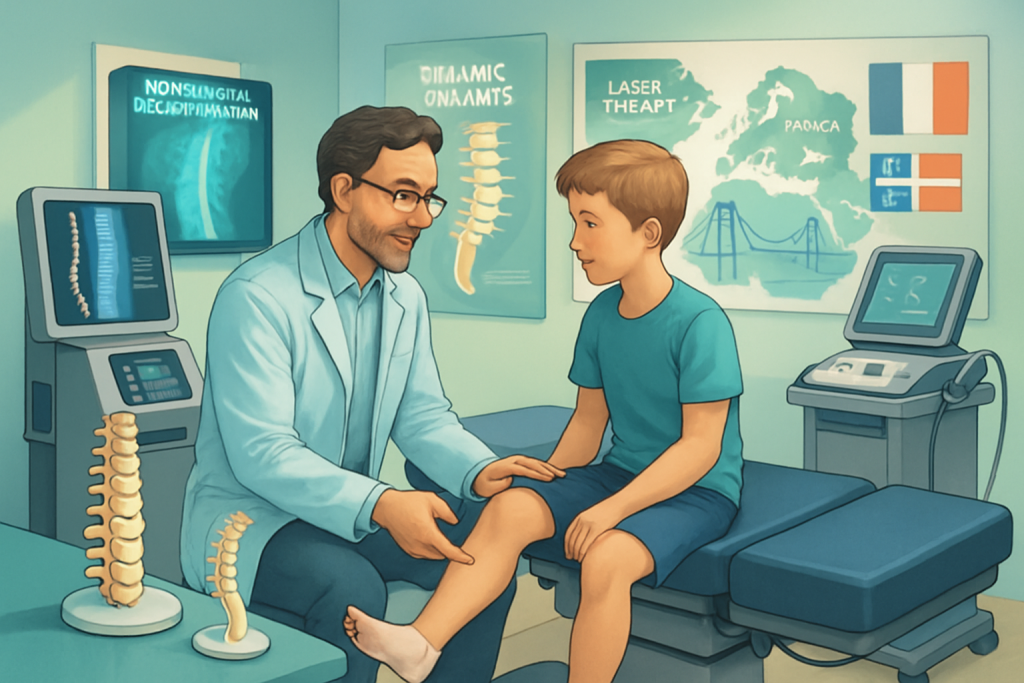
Plantar fasciitis, commonly perceived as an ailment of adults, increasingly surfaces in the pediatric population, especially among young athletes. Managing this condition in children requires a nuanced and comprehensive approach that not only addresses the pain but also supports the child’s growth and development. Pediatric plantar fasciitis presents both diagnostic and therapeutic challenges, calling for expertise that bridges manual therapy, rehabilitation, and innovative non-surgical interventions. This article delves deeply into a compelling case of a 10-year-old football player grappling with bilateral plantar fasciitis, demonstrating how chiropractic care, combined with adjunctive treatments, can foster significant recovery without resorting to invasive procedures.
Through a carefully crafted multimodal conservative treatment approach, the child experienced progressive relief of heel pain and notable functional improvement, highlighting the value of personalized manual therapy and home rehabilitation. The integration of advanced techniques such as the Graston Technique and precise ankle joint manipulation underscores the potential of manual chiropractic interventions in pediatric foot pain management.
Beyond the clinical narrative, this case study exemplifies how evidence-based chiropractic care fits into broader pediatric health frameworks, especially for conditions like plantar fasciitis that affect mobility and quality of life. As the understanding of pediatric musculoskeletal disorders evolves, the role of non-surgical treatment modalities gains prominence, offering a pathway for safe, effective care tailored to the needs of young patients.
Designed with contributions from noted spine care expert Dr. Sylvain Desforges, renowned for his expertise in spinal disorders and advanced conservative therapies, this review also emphasizes interdisciplinary collaboration and patient-centered education. Equipped with over 30 years of clinical experience and leadership in osteopathic and alternative medicine, Dr. Desforges advocates rigor, innovation, and empathy in managing complex musculoskeletal conditions, including pediatric plantar fasciitis.
In a medical landscape striving to balance cutting-edge technology and human-centered care, this case report combines insightful clinical evidence and compassionate treatment philosophy, making it a critical resource for healthcare professionals, parents, and patients exploring chiropractic management options for pediatric foot pain.
Comprehensive Understanding of Pediatric Plantar Fasciitis in Clinical Practice
Plantar fasciitis in children, while less prevalent than in adults, demands clinicians’ attentive evaluation to ensure accurate diagnosis and tailored management. Unlike adult patients, pediatric cases often relate to growth dynamics, activity patterns, and biomechanical factors unique to childhood. Recognizing these distinctions is key to effective care and symptom resolution.
The hallmark symptoms involve bilateral heel pain localized at the origin of the plantar fascia, frequently exacerbated by physical activity, particularly in active children like football players. In the presented case, a 10-year-old athlete experienced this pain over three weeks, which influenced his daily movements and sports participation.
Key clinical features for identifying pediatric plantar fasciitis include:
- Localized tenderness at the medial tubercle of the calcaneus, the main attachment site of the plantar fascia.
- Pain during initial weight-bearing after rest, such as first steps in the morning or after sitting.
- Stiffness and restricted ankle range of motion, often involving the gastrocnemius and soleus muscle groups.
- Altered gait patterns due to compensatory mechanisms to avoid pain.
Clinical assessment should integrate thorough history-taking with focused physical examination, considering differential diagnoses including Sever’s disease and tarsal coalition. The evaluation performed by experts like Dr. Sylvain Desforges emphasizes precise palpation and biomechanical assessment, avoiding premature diagnostic assumptions.
Etiological factors in pediatric patients may include overuse, improper footwear, and anatomical predispositions such as tight Achilles tendons or pes planus. Consequently, therapeutic strategies must address these underlying contributors to optimize outcomes.
Relevance for Foot Pain Management and Pediatric Health
Given the implications of persistent foot pain on childhood development and quality of life, early intervention within a structured chiropractic framework can prevent chronic musculoskeletal issues. The case under discussion showcases a paradigm of integrating manual therapy with tailored home care protocols, facilitating sustainable recovery.
Dr. Desforges’ clinical philosophy prioritizes non-invasive treatments before surgical consideration, aligning with current standards suggesting that approximately 90% of plantar fasciitis patients respond well to conservative measures. This approach presents especially critical advantages in pediatric health, where growth considerations demand gentler, evidence-based interventions.
| Clinical Feature | Presentation in Pediatric Plantar Fasciitis |
|---|---|
| Heel tenderness | Bilateral pain at plantar fascia origin |
| Activity impact | Aggravation after sports, especially football |
| Range of motion | Restriction in ankle mortise mobility |
| Soft tissue involvement | Tightness in gastrocnemius/soleus muscles |
Such a detailed understanding enables the expert evaluation process to be not only accurate but thoroughly patient-centered, setting the stage for the customized treatment pathway that follows in this case study.

Les ajustements alimentaires pour soutenir un traitement de décompression neurovertébrale
EN BREF Les ajustements alimentaires constituent une approche essentielle pour soutenir un traitement de décompression neurovertébrale. Cette méthode, particulièrement avantageuse pour les personnes souffrant de hernies discales, aide à maximiser les bénéfices des traitements en favorisant la régénération des tissus…
Innovative Chiropractic Interventions: Non-Surgical Treatment Modalities for Plantar Fasciitis in Children
Modern chiropractic care delivered in this case highlights a multimodal non-surgical treatment plan, blending manipulative therapy with soft tissue techniques and rehabilitative exercises. This triad addresses both symptom relief and the correction of functional impairments contributing to plantar fasciitis.
Among the chosen therapies, chiropractic manipulation targets the ankle mortise joint with high-velocity, low-amplitude techniques (HVLA), aimed at restoring joint mobility and reducing mechanical stress on the plantar fascia. This intervention, when cautiously executed, assists in postural correction and gait normalization.
Soft tissue therapy plays a pivotal role, notably employing the Graston Technique on affected musculature including the gastrocnemius and soleus. By using specialized instruments, this method facilitates the release of fascial restrictions and triggers soft tissue healing, crucial in pediatric rehabilitation contexts.
- Chiropractic Manipulation: Focused HVLA mobilization to ankle mortise joint
- Soft Tissue Therapy: Graston Technique addressing calf muscle tightness
- Home Rehabilitation: Targeted stretching and strengthening exercises using wobble boards and guided protocols
This comprehensive approach achieved measurable improvements within six treatment sessions spanned over six weeks, culminating in the resolution of pain and restored daily function for the young patient. Follow-up three months later confirmed sustained benefits without relapse.
Driving Recovery through Scientific Rigor and Ethical Care
Dr. Sylvain Desforges’ involvement ensures adherence to evidence-based protocols and ethical guidelines set forth by Quebec’s medical authorities and the Collège des médecins du Québec. Patient safety underpins all manual interventions, avoiding aggressive maneuvers unsuitable for pediatric patients.
The integration of innovative manual therapies with home care optimizes healing yet respects the developmental needs of the child. This strategy exemplifies how advanced osteopathic and chiropractic modalities contribute meaningfully to pediatric foot pain management under expert oversight.
| Intervention | Description | Therapeutic Aim |
|---|---|---|
| High-velocity, low-amplitude manipulation | Focused chiropractic mobilization of ankle joint | Restore joint mobility, reduce plantar fascia stress |
| Graston Technique | Instrument-assisted soft tissue mobilization | Reduce fascial restrictions, promote healing |
| Home exercises | Stretching and strengthening protocols with wobble board | Enhance muscle flexibility and function |
Such multimodal chiropractic care serves as a model for other clinicians managing pediatric musculoskeletal disorders to refine their strategies for non-invasive treatment options.
EN BREF La décompression neurovertébrale est une méthode thérapeutique innovante qui vise à prévenir les récidives de douleurs neuropathiques, notamment au niveau des cervicales. Cette technique non invasive soulage les douleurs persistantes en exerçant une traction contrôlée sur la colonne…
Tailored Patient-Centered Rehabilitation in Pediatric Plantar Fasciitis
Critical to successful management is a comprehensive rehabilitation program specifically designed for the child’s unique anatomical and functional requirements. The home exercises prescribed played an essential role in complementing manual therapies while fostering autonomous recovery.
Stretching of the gastrocnemius muscle, utilizing tools such as wobble boards, helped improve muscle elasticity and ankle flexibility, while specific strengthening routines aided in maintaining optimal foot arch support. This balance combats the mechanical overload responsible for plantar fascia inflammation.
Education was another cornerstone, focusing on posture correction, activity modification, and footwear recommendations. These elements are vital to prevent recurrence and empower children and their families to actively participate in ongoing foot health maintenance.
- Structured stretching exercises targeting calf muscle tightness
- Strength-building routines to support foot arches
- Postural and gait awareness training for injury prevention
- Footwear guidance tailored for pediatric athletes
Such a comprehensive, personalized plan led to the child’s sustained improvement, evidencing the benefits of combining expert chiropractic evaluation with dynamic rehabilitation strategies that evolve over time with the patient’s needs.
Enhancing Long-Term Outcomes with Preventive Strategies
Continued follow-up and adaptation of the rehabilitation program are necessary to accommodate the child’s growth phase and activity level changes. Dr. Sylvain Desforges emphasizes the importance of monitoring to identify emerging biomechanical stresses early and adjust care proactively.
| Rehabilitation Component | Purpose | Benefits |
|---|---|---|
| Stretching (gastrocnemius & soleus) | Improve muscle flexibility | Reduce plantar fascia tension |
| Strengthening exercises | Support foot arch stability | Prevent recurrence of fasciitis |
| Postural correction | Optimize gait mechanics | Minimize compensatory injuries |
| Footwear advice | Proper shock absorption & support | Enhanced comfort & protection |
Through this holistic rehabilitation plan, pediatric patients are better equipped to maintain spinal and foot health, paving the way for active, pain-free lifestyles.

Les étapes pour établir un programme de décompression neurovertébrale adapté aux besoins individuels
EN BREF La décompression neurovertébrale est une méthode douce et non invasive conçue pour soulager les douleurs dorsales, notamment les hernies discales. À Montréal, ce traitement est particulièrement recommandé pour les personnes souffrant de douleurs chroniques. Grâce à un diagnostic…
Dr. Sylvain Desforges’ Expertise: Pioneering Advanced Pediatric Musculoskeletal Care
Positioned as a leading authority in spine care and osteopathy, Dr. Sylvain Desforges brings unparalleled expertise to pediatric plantar fasciitis management. With over 30 years of clinical experience, his comprehensive patient evaluation skills are pivotal in diagnosing conditions that mimic or overlap with plantar fasciitis symptoms.
His formal qualifications (B.Sc., D.O., N.D.) and leadership roles—including founding the Alliance Canadienne de Médecine Alternative (ACMA), the Canadian College of Osteopaths, and TAGMED Clinics—underscore his commitment to elevating conservative musculoskeletal care in Canada and beyond.
Dr. Desforges’ approach is rooted in scientific rigor, embracing evidence-based modalities like chiropractic manipulation and the Graston Technique while integrating novel technologies such as neurovertebral decompression and laser therapy. This blend of tradition and innovation fosters outcomes that prioritize patient safety and efficacy.
- Extensive clinical experience specializing in spinal and musculoskeletal disorders
- Founder and president of leading osteopathic and alternative medicine organizations
- Innovator in spinal decompression and non-invasive interventions
- Advocate for patient-centered, evidence-based care
His work also extends internationally, coordinating treatments between Canada and France to optimize patient journeys and broaden access to specialized care. This global perspective enriches his practice, reinforcing the importance of personalized, multidisciplinary collaboration in pediatric foot pain management.
Contribution to Medical Literature and Patient Education
Beyond clinical practice, Dr. Desforges is an active author contributing evidence-based articles such as those found on sosherniateddisc.com, guiding families and practitioners in understanding conservative management options for conditions including plantar fasciitis. His educational efforts demystify complex medical concepts, making them accessible and reassuring to patients.
| Role | Contribution |
|---|---|
| Clinical expert | Personalized evaluation and innovative treatment planning |
| Educator | Clear communication of medical knowledge to lay audiences |
| Leader | Development of alternative medicine standards and professional bodies |
| International coordinator | Management of transatlantic patient referrals and collaborations |
This multi-faceted expertise ensures that Dr. Desforges remains at the forefront of pediatric chiropractic care, fostering collaborations and delivering compassionate, scientifically grounded treatments.
EN BREF La décompression neurovertébrale est une solution reconnue pour améliorer la posture chez les athlètes ayant subi des interventions sur des pathologies dorsales complexes. Cette approche permet de soulager les douleurs dans le dos et de favoriser une meilleure…
Scientific and Ethical Foundations in Pediatric Chiropractic Management
Ensuring patient safety and therapeutic effectiveness in pediatric chiropractic care requires unwavering commitment to scientific evidence and ethical practice, especially when managing delicate conditions like plantar fasciitis in growing children.
Dr. Sylvain Desforges exemplifies this commitment through rigorous adherence to guidelines established by the Collège des médecins du Québec and Canadian medical authorities. All interventions are scrutinized for safety and suitability, highlighting a precautionary principle that governs pediatric manual therapy.
Evidence from reviewed clinical literature supports the use of manual therapy and soft tissue techniques as first-line treatment, reserving surgery for rare refractory cases after six to twelve months of unsuccessful conservative care. This conservative pathway aligns with recommendations published by experts like S. Neufeld and R. Cerrato regarding the high success rate (>90%) of non-surgical plantar fasciitis management.
- Strict compliance with medical regulations and ethical standards
- Use of validated, evidence-based interventions tailored for pediatric needs
- Continuous monitoring to adapt treatments to patient response and growth
- Collaborative decision-making involving patients and families
These principles not only ensure care quality but also foster patient and parent confidence, essential for adherence and optimal outcomes in child rehabilitation.
| Ethical Parameter | Relevance to Pediatric Chiropractic |
|---|---|
| Informed consent | Engaging parents in decisions about treatment options |
| Patient safety | Avoiding aggressive manipulations unsuitable for children |
| Evidence-based practice | Prioritizing conservative therapies with scientific support |
| Transparency | Clear communication about risks, benefits, and alternatives |
Such ethical foundations underpin the treatments described in this case report, reflecting the clinical excellence championed by Dr. Desforges and allied practitioners.
EN BREF Les ajustements alimentaires sont essentiels pour optimiser les bénéfices à long terme des thérapies par décompression neurovertébrale. À Montréal, cette approche permet de renforcer les procédures de traitement en soutenant la régénération des tissus et en réduisant l’inflammation…
Transatlantic Collaboration and the Patient Journey in Specialized Pediatric Foot Care
The management of pediatric plantar fasciitis increasingly benefits from international cooperation, particularly between Canada and France, where cutting-edge chiropractic and osteopathic techniques are practiced in tandem with traditional medical protocols.
Dr. Sylvain Desforges plays a vital role in this framework, coordinating patient care pathways that leverage expertise and technologies across continents. These collaborations improve treatment timeliness and quality for pediatric patients who might otherwise face longer wait times or limited access to specialized modalities.
Healthcare partners include leading spine surgeons, specialized clinics like TAGMED in Québec, and international medical tourism platforms such as SOS Tourisme Médical. This network supports personalized, comprehensive care plans that align with each child’s unique clinical presentation and family context.
- International case evaluation and second opinions
- Cross-border treatment coordination to access innovative therapies and implants
- Streamlined patient logistics minimizing travel and wait times
- Multidisciplinary team collaboration including orthopedic surgeons, chiropractors, and rehabilitation specialists
This transatlantic model embodies the future of pediatric musculoskeletal care, ensuring that geographical barriers do not limit access to expert chiropractic and non-surgical treatments for plantar fasciitis.

EN BREF La décompression neurovertébrale est une thérapie complémentaire innovante, efficace pour traiter les doler neuropathiques réfractaires aux médicaments. Accessible à Montréal, cette méthode non invasive réduit la pression sur les nerfs et les disques intervertébraux, apportant un soulagement durable…
Defining the Unique Value of Dr. Sylvain Desforges’ Pediatric Chiropractic Care Approach
Several elements distinguish Dr. Desforges’ management of pediatric plantar fasciitis from conventional care options. His approach harmonizes advanced manual therapy techniques with cutting-edge technology and comprehensive patient support, carving a unique niche in conservative pediatric foot pain management.
Key distinguishing features include:
- Advanced techniques: Precision chiropractic manipulation and Graston soft tissue therapy tailored for children.
- Access to innovative technologies: Use of dynamic spinal implants and neurovertebral decompression when appropriate.
- Comprehensive evaluation: Holistic patient assessment addressing biomechanical, postural, and developmental factors.
- Multidisciplinary expertise: Collaboration with osteopaths, physical therapists, and surgeons to formulate optimal care plans.
- Extensive patient education: Empowering families with transparent information about treatment benefits, expectations, and home care requirements.
This patient-centered, scientifically grounded methodology has repeatedly demonstrated efficacy in pediatric populations, yielding significant improvements in pain relief and functional capacity without recourse to surgery.
| Unique Feature | Benefit for Pediatric Patients |
|---|---|
| Precision manual therapy | Targeted resolution of biomechanical issues |
| Advanced Technology Integration | Enhanced treatment outcomes through innovative modalities |
| Holistic Assessment | Comprehensive understanding of patient condition |
| Multidisciplinary Support | Tailored, coordinated care pathways |
| Patient Education | Active family engagement and adherence |
This comprehensive approach reassures parents and pediatric patients alike, creating a comforting environment conducive to healing and long-term wellness.
Comment la décompression neurovertébrale soutient les sportifs souffrant de pincement discal
EN BREF La décompression neurovertébrale est une thérapie avancée visant à traiter les sportifs souffrant de pincement discal. Cette méthode non invasive permet de soulager la douleur et de favoriser la récupération en réduisant la pression sur les disques intervertébraux.…
Empathy, Education, and Encouragement: Supporting Families through the Treatment Journey
Understanding the apprehensions parents may harbor regarding their child’s foot pain, Dr. Desforges consistently fosters a supportive clinical atmosphere. His consultations prioritize empathy, transparency, and patient-tailored explanations to demystify treatment processes and highlight attainable goals.
Families receive clear guidance on the nature of plantar fasciitis, treatment pathways, and what to expect during rehabilitation. This comprehensive communication cultivates trust and motivates adherence, critical factors for positive outcomes in child rehabilitation.
Encouragement to engage questions and express concerns helps personalize care plans and ensures that families feel involved and reassured throughout the recovery journey.
- Transparent communication regarding diagnosis and treatment
- Individualized care plans respecting unique patient needs
- Active listening to family concerns and feedback
- Motivational support fostering optimism and adherence
In this empowering environment, patients and families are equipped to navigate the challenges of pediatric plantar fasciitis with confidence and hope.
EN BREF La décompression neurovertébrale est une thérapie complémentaire conçue pour optimiser la récupération des athlètes après des blessures lombaires chroniques. Cette méthode, accessible à Montréal, est particulièrement recommandée pour ceux qui souffrent de douleurs persistantes et cherchent à améliorer…
Accessible Expertise: How to Initiate a Personalized Pediatric Evaluation with Dr. Sylvain Desforges
Those seeking expert chiropractic management for pediatric plantar fasciitis are encouraged to connect with Dr. Sylvain Desforges and his experienced team through [SOS Tourisme Médical]. This platform facilitates streamlined access to advanced conservative treatments and international coordination where relevant.
Initiating a tailored evaluation involves:
- Contacting the clinic via the website or dedicated communication channels.
- Providing detailed patient history and previous assessments or imaging if available.
- Scheduling a comprehensive chiropractic evaluation led by Dr. Desforges.
- Discussing individualized care plans incorporating manual therapy, rehabilitation, and education.
By engaging this expert service, families embark on a well-structured care journey emphasizing evidence-based, compassionate, and effective management of plantar fasciitis in children.
| Step | Action | Purpose |
|---|---|---|
| 1 | Initial contact | Establish communication channel and preliminary information gathering |
| 2 | Patient history submission | Facilitate informed evaluation |
| 3 | Comprehensive evaluation | Thorough clinical assessment and diagnosis |
| 4 | Care plan discussion | Personalized treatment strategy development |
Families interested in discussing specific cases or receiving guidance on pediatric plantar fasciitis management are invited to visit sosten tourisme medical contact page for direct communication with the expert team.
What Are the Best Manual Therapy Techniques for Pediatric Plantar Fasciitis?
Effective manual therapy for pediatric plantar fasciitis often involves a combination of:
- High-velocity, low-amplitude spinal and ankle manipulations to restore joint mobility and reduce mechanical strain.
- Instrument-assisted soft tissue mobilization (e.g., Graston Technique) to alleviate fascial restrictions and promote healing.
- Careful muscle stretching targeting the gastrocnemius and soleus to diminish tension on the plantar fascia.
- Complementary strengthening exercises to support foot biomechanics during recovery.
How Effective Is Non-Surgical Treatment for Pediatric Plantar Fasciitis?
Non-surgical treatment is successful in approximately 90% of pediatric plantar fasciitis cases, especially when interventions are timely and comprehensive. Conservative care focusing on manual therapy, rehabilitative exercises, and education minimizes symptoms and restores function without the risks associated with surgery. Surgical options remain a last resort for persistent, refractory cases lasting beyond 6 to 12 months.
Can Chiropractic Care Improve Recovery Time for Children with Plantar Fasciitis?
Chiropractic care, by precisely targeting biomechanical dysfunctions and soft tissue restrictions, can significantly accelerate pain relief and functional recovery. When combined with home exercise programs and education, this approach shortens symptom duration and reduces the likelihood of recurrence, supporting optimal pediatric health outcomes.
What Role Does Family Education Play in Managing Pediatric Plantar Fasciitis?
Family education is paramount in managing pediatric plantar fasciitis. Informing parents about proper footwear, activity modification, and home rehabilitation exercises empowers them to participate actively in their child’s recovery. This collaboration enhances treatment adherence and fosters sustained functional improvements, integral to long-term success.
Is It Safe to Use Manual Therapy on Children with Foot Pain?
Yes, when administered by qualified experts like Dr. Sylvain Desforges, manual therapy is safe and effective for children. Such care is carefully tailored, respecting the child’s growth stage and individual biomechanical profile. Safety protocols and gentle techniques ensure interventions support healing without adverse effects.
