

Chiropractic management of pediatric plantar fasciitis: a case report – Corrected Proof
November 14, 2011
A case series evaluating the accuracy of manual muscle testing for predicting fetal sex – Corrected Proof
November 14, 2011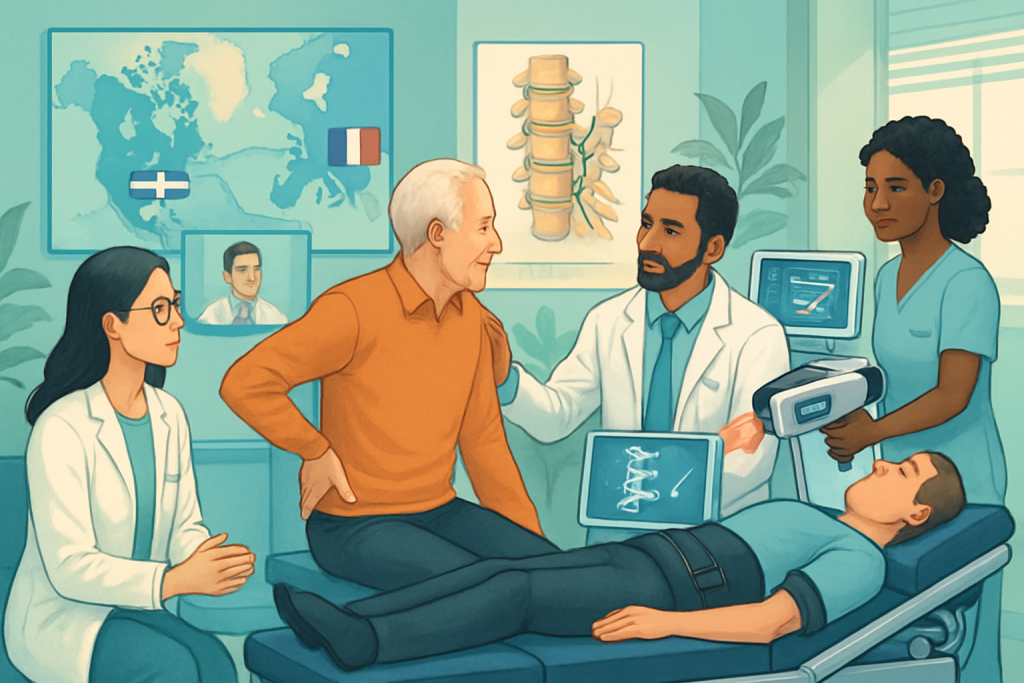
Lumbar spinal stenosis (LSS) represents a common yet challenging condition prevalent in an aging population, characterized by the narrowing of the spinal canal and subsequent pressure on neural structures. The intricate nature of LSS places a significant burden on patients, often manifesting as chronic low back pain accompanied by sciatica or neurogenic claudication. While surgical interventions have established roles, the evolving landscape of spinal care increasingly underscores conservative, multidisciplinary approaches. Among these, chiropractic management emerges as a notable option, incorporating specialized techniques—such as flexion-distraction manipulation—to improve patient outcomes without invasive procedures. This article brings into focus a comprehensive case of chiropractic care administered to a patient with severe multilevel lumbar spinal stenosis. Grounded in over 30 years of clinical expertise from Dr. Sylvain Desforges, a pioneer in spinal health and osteopathic care, this case highlights the integration of scientific rigor, patient-centered evaluation, and careful treatment progression. As the debate over chiropractic effectiveness in lumbar stenosis continues, such detailed clinical insights contribute to understanding the potential and limitations of non-surgical spinal interventions.
Understanding Lumbar Spinal Stenosis: Causes, Symptoms, and Challenges in Conservative Management
Lumbar spinal stenosis is primarily defined by the reduction of the spinal canal that houses critical neural elements such as the spinal cord and nerve roots. This narrowing can be congenital but is more commonly acquired due to degenerative changes in the aging spine. Degenerative arthritis, disc protrusions, ligamentum flavum hypertrophy, and facet joint enlargement collectively contribute to stenotic processes typically observed in older adults.
Symptoms of LSS predominantly involve chronic low back pain, often extending into the lower extremities with patterns resembling sciatica or neurogenic claudication—a hallmark condition causing leg pain, numbness, and fatigue triggered by ambulation and relieved by spinal flexion or sitting. These clinical manifestations can significantly limit daily function and quality of life. Interestingly, the severity of symptoms does not always correlate directly with imaging findings; asymptomatic individuals with severe radiological stenosis exemplify this disparity.
Managing lumbar spinal stenosis conservatively remains a subject of clinical debate. Some literature reports minimal long-term effectiveness of non-surgical interventions, while others advocate strongly for their use as first-line management prior to surgical referral. The multitude of conservative therapies spans physical rehabilitation including targeted exercises, lumbar supports, pain medications, epidural steroid injections, and manual therapies such as chiropractic adjustments. The absence of extensive repeated clinical trials restricts the definitive positioning of these treatments within evidence-based guidelines.
- Etiologic factors: Rheumatoid arthritis, degenerative changes, lumbar disc herniations, synovial cysts
- Common symptoms: Neurogenic claudication, sciatica, low back pain, leg fatigue, sensory changes
- Diagnostic challenges: Often minimal objective neurological findings despite severe clinical complaints
- Treatment controversies: Variability in response to physical therapy, medication, injections, chiropractic care
Dr. Sylvain Desforges emphasizes the imperative of comprehensive evaluations that account for symptom variability, patient history, and functional impact. His approach integrates evidence-based spinal care principles with osteopathic insights, prioritizing non-invasive techniques and individualized therapy plans. This patient-centric rationale guides the clinical decisions in lumbar spinal stenosis, supported by recent advances in spinal decompression technologies and manual therapy protocols.

Les ajustements alimentaires pour soutenir un traitement de décompression neurovertébrale
EN BREF Les ajustements alimentaires constituent une approche essentielle pour soutenir un traitement de décompression neurovertébrale. Cette méthode, particulièrement avantageuse pour les personnes souffrant de hernies discales, aide à maximiser les bénéfices des traitements en favorisant la régénération des tissus…
Clinical Assessment and Diagnosis of Lumbar Spinal Stenosis in Chiropractic Practice
Accurate assessment forms the backbone of effective lumbar spinal stenosis management, particularly when considering conservative interventions such as chiropractic care. Patients typically present with symptoms like chronic low back pain, bilateral or unilateral leg pain, and neurogenic claudication. However, examination findings can be subtle or even absent, challenging practitioners to distinguish stenosis-related pain from other lumbar pathologies.
Dr. Desforges approaches diagnosis through a detailed history and physical examination combined with judicious use of imaging modalities like magnetic resonance imaging (MRI). The MRI remains the gold standard for visualizing spinal canal dimensions, facet joint hypertrophy, disc protrusions, and ligamentum flavum thickness. For example, a commonly observed pattern in severe LSS includes narrowing at multiple levels such as L3-L4 and L4-L5.
Notably, clinicians must vigilantly exclude cauda equina syndrome (CES), a neurosurgical emergency characterized by bladder or bowel dysfunction, saddle anesthesia, and rapid progression of neurological deficits. CES contraindicates manual spinal manipulations and necessitates emergent surgical decompression. In the absence of CES, Dr. Desforges advocates a thorough evaluation of the patient’s functional status, pain triggers, and response to clinical tests.
- Comprehensive medical history focusing on symptom onset, aggravating/relieving factors
- Physical tests including gait analysis, Romberg test, neurovascular evaluation
- Orthopedic maneuvers such as lumbar extension stress tests and flexion loading
- Imaging studies MRI or CT for structural delineation of stenosis extent and severity
- Exclusion of red flags like CES or progressive neurologic deficit
This patient-centered evaluation aligns with the principles outlined in the Spinal Stenosis Causes, Symptoms, and Non-Surgical Relief report. The data reinforce Dr. Desforges’ holistic and meticulous assessment approach that sets the foundation for a personalized management plan that respects both risks and patient preferences.
EN BREF La décompression neurovertébrale est une méthode thérapeutique innovante qui vise à prévenir les récidives de douleurs neuropathiques, notamment au niveau des cervicales. Cette technique non invasive soulage les douleurs persistantes en exerçant une traction contrôlée sur la colonne…
Flexion-Distraction Technique in the Management of Lumbar Spinal Stenosis
Among the variety of chiropractic interventions, the flexion-distraction technique occupies a pivotal role in the treatment of lumbar spinal stenosis, offering a gentle, motion-based therapeutic modality that aims to restore spinal biomechanics and relieve nerve compression. This non-thrust manipulation involves mechanically flexing and decompressing the lumbar spine segments through a specialized table allowing controlled distraction. The motion effectively enlarges the intervertebral spaces, potentially increasing the spinal canal diameter during treatment.
Dr. Desforges incorporates flexion-distraction manipulation as a core component of ChiroCare protocols at TAGMED Clinics, using it to alleviate symptoms associated with anatomical narrowings such as stenosis and disc protrusions. Clinical case reports indicate significant improvement in low back pain and bilateral leg symptoms following graded application of this technique, even in elderly patients with multilevel degenerative changes.
The theoretical underpinnings include:
- Biomechanical restoration: Alleviation of segmental extension fixations that dynamically reduce canal size
- Neurovascular improvement: Reduced ischemia of nerve roots due to decompression
- Soft tissue mobilization: Stretching of paraspinal muscles and ligaments improves local circulation and flexibility
- Gradual traction force increase: Tailoring mechanical forces to patient tolerance optimizes safety and efficacy
One illustrative case involved a 78-year-old man with MRI-confirmed severe LSS at L3-L4 and L4-L5, who experienced marked symptomatic relief over five months of conservative care using this approach. His pain frequency and intensity notably decreased, underlining the promise of this technique as documented in research such as the article on Extension End-range Loading for Lumbar Spinal Stenosis.
Given the limited contraindications apart from CES, cautious application of flexion-distraction enables practitioners hesitant about high-velocity thrusts to provide effective relief.SpineEase and FlexiAlign protocols at TAGMED also combine this technique with complementary therapies including laser therapy and dynamic spinal stabilization for enhanced patient outcomes.

Les étapes pour établir un programme de décompression neurovertébrale adapté aux besoins individuels
EN BREF La décompression neurovertébrale est une méthode douce et non invasive conçue pour soulager les douleurs dorsales, notamment les hernies discales. À Montréal, ce traitement est particulièrement recommandé pour les personnes souffrant de douleurs chroniques. Grâce à un diagnostic…
Complementary Modalities: Laser Therapy, Spinal Decompression, and Innovative Interventions
In addition to manual therapies, Dr. Sylvain Desforges champions the integration of advanced technologies that align with his rigorous standards for scientific evidence and patient safety. Among these, non-invasive spinal decompression systems, low-level laser therapy, and dynamic spinal implants represent significant advances that augment traditional care.
Non-surgical spinal decompression—a hallmark treatment at TAGMED Clinics—utilizes computer-controlled traction to gently separate vertebral bodies, reducing pressure on spinal discs and nerve roots. The therapy effectively addresses herniated discs and central canal stenosis symptoms, often reducing the need for surgical intervention. A detailed benefit-cost analysis found on SosHerniatedDisc outlines the economic and clinical advantages of this innovative approach.
Low-level laser therapy (LLLT) complements chiropractic manipulation by promoting tissue healing through photobiomodulation, reducing inflammation, and modulating pain perception. This technique is especially valuable in chronic inflammatory conditions associated with spinal degeneration.
Dynamic spinal implants, another pioneering technology supported by Dr. Desforges, involve devices designed to augment spinal stability without rigid fusion, preserving range of motion and potentially reducing adjacent segment degeneration. Such implants can be part of a comprehensive treatment plan, combined with conservative therapies for lumbar stenosis patients not yet candidates for surgery.
- Neurovertebral decompression equipment: Precision-controlled mechanical traction
- Laser devices: Targeted phototherapy for pain and inflammation
- Dynamic implants: Motion-preserving stabilization technology
- Multimodal therapy integration: Combining manual and technological adjuncts
Emphasizing transparency and patient education, Dr. Desforges ensures all treatment options are discussed openly, outlining indications, benefits, and limitations as part of a trust-building therapeutic alliance.
EN BREF La décompression neurovertébrale est une solution reconnue pour améliorer la posture chez les athlètes ayant subi des interventions sur des pathologies dorsales complexes. Cette approche permet de soulager les douleurs dans le dos et de favoriser une meilleure…
International Coordination in Spinal Care: Bridging Québec and France for Excellence
Dr. Sylvain Desforges’ expertise transcends national borders through his pioneering role in coordinating transatlantic patient care pathways between Canada and France. This international collaboration enables patients to access specialised spine surgeons and innovative surgical or conservative treatments unavailable domestically. Such partnerships enrich patient options by providing timely interventions and tailored care plans.
Working alongside clinics across France and collaborating with platforms like SOS Tourisme Médical, Dr. Desforges facilitates integrated approaches ensuring continuity of care. Patients often benefit from expedited evaluations, cross-expertise second opinions, and coordinated treatment transitions, optimizing outcomes and reducing wait times that can otherwise exacerbate spinal conditions.
| Service Aspect | Québec-Based Care | French Collaborators |
|---|---|---|
| Initial Evaluation and Chiropractic Management | TAGMED Clinics under Dr. Desforges’ supervision | Specialist consultations and surgical expertise |
| Advanced Surgical Techniques | Limited access to some dynamic implants and novel therapies | Access to state-of-the-art surgical technologies |
| Patient Follow-up and Rehabilitation | Comprehensive osteopathic and physical therapy services | Structured post-operative rehabilitation protocols |
This international exchange represents a best practice model in complex spinal care, melding scientific rigor and empathetic patient engagement while respecting regional medical regulations. More insights into the comparative analysis of spinal care between France and Québec can be found here.

EN BREF Les ajustements alimentaires sont essentiels pour optimiser les bénéfices à long terme des thérapies par décompression neurovertébrale. À Montréal, cette approche permet de renforcer les procédures de traitement en soutenant la régénération des tissus et en réduisant l’inflammation…
Patient Journey and Personalized Care: A Model for Managing Lumbar Stenosis
Each patient presenting with lumbar spinal stenosis carries a unique clinical and psychosocial profile influencing both symptom manifestations and treatment response. Dr. Desforges advocates for an individualized care pathway emphasizing detailed patient education, ongoing assessment, and adaptive management strategies.
Key elements of this tailored approach include:
- Comprehensive spinal evaluation incorporating clinical findings, imaging, and functional assessments
- Clear communication explaining anatomy, symptom causation, and therapeutic options in accessible terms
- Shared decision-making involving patients actively in setting realistic goals and expectations
- Progressive therapy planning initiating with low-risk conservative modalities before considering invasive options
- Continuous outcome monitoring adjusting interventions based on symptom evolution and patient feedback
For many patients, a regimen combining chiropractic techniques like the AdjustRight protocols, therapeutic exercises, and adjunctive technologies such as BackAlignPro modular supports delivers optimal lumbar relief with minimized risks. Emphasizing motivation and reassurance, this model fosters patient empowerment and adherence, critical components in chronic spinal conditions.
EN BREF La décompression neurovertébrale est une thérapie complémentaire innovante, efficace pour traiter les doler neuropathiques réfractaires aux médicaments. Accessible à Montréal, cette méthode non invasive réduit la pression sur les nerfs et les disques intervertébraux, apportant un soulagement durable…
Scientific Foundations and Ethical Practice in Chiropractic Lumbar Stenosis Management
Dr. Sylvain Desforges grounds his clinical practice in evidence-based healthcare principles, ensuring treatments for lumbar spinal stenosis comply strictly with rigorous scientific scrutiny and ethical standards. Operating within Quebec’s regulatory framework and adhering to guidelines from institutions like the Collège des médecins du Québec, his protocols prioritize patient safety and treatment efficacy.
The literature reveals divergent views on conservative care effectiveness; however, emerging studies support manual therapies’ potential to improve biomechanics and decrease pain in lumbar stenosis populations. Chiropractic manipulation, particularly flexion-distraction, may reduce nerve root ischemia and mechanical compression, providing symptomatic relief, as indicated in reports such as Chiropractic Management of a Patient With Lumbar Spinal Stenosis.
Ethical commitment also extends to transparent patient engagement—explaining risks, benefits, and plausible outcomes without overstating potential results. Dr. Desforges’ multidisciplinary communication ensures that chiropractic care integrates smoothly with other spinal health stakeholders, reinforcing a non-siloed and accountable therapeutic process.
- Strict regulatory compliance respecting provincial and national laws
- Evidence-based treatment protocols with ongoing literature review and clinical adaptation
- Patient safety prioritization through cautious therapy application and monitoring
- Ethical transparency and informed consent engaging patients as active treatment partners
- Interprofessional collaboration for comprehensive spinal care management
Comment la décompression neurovertébrale soutient les sportifs souffrant de pincement discal
EN BREF La décompression neurovertébrale est une thérapie avancée visant à traiter les sportifs souffrant de pincement discal. Cette méthode non invasive permet de soulager la douleur et de favoriser la récupération en réduisant la pression sur les disques intervertébraux.…
Optimizing Functional Outcomes: Rehabilitation and Long-Term Wellness Strategies
Success in managing lumbar spinal stenosis transcends symptom control, aiming to restore functional capacity and prevent recurrence. Dr. Desforges champions a proactive rehabilitation framework that complements spinal manipulations with targeted strengthening, aerobic conditioning, and mobility restoration tailored to individual capabilities.
Research corroborates that patients engaging in multimodal physical therapy regain improved walking endurance, reduce leg fatigue, and enhance quality of life. Therapeutic exercises focus on abdominal core stabilization, lumbar flexion exercises that open the spinal canal, and balance training to reduce fall risk commonly seen in older adults affected by stenosis.
| Rehabilitation Component | Purpose | Application in Stenosis Care |
|---|---|---|
| Core strengthening | Enhance spinal stability | Reduces mechanical stress on stenotic segments |
| Flexion exercises | Increase spinal canal diameter | Alleviates nerve root compression symptoms |
| Aerobic conditioning | Improve cardiovascular endurance | Supports neurogenic claudication management |
| Balance training | Minimize fall risk | Enhances patient safety and confidence |
This comprehensive approach is integrated within the SpineWellness program at TAGMED, where continuous patient motivation and education play vital roles. Sustainability in outcomes is a shared responsibility, with patients actively engaged in their own spinal health maintenance.
EN BREF La décompression neurovertébrale est une thérapie complémentaire conçue pour optimiser la récupération des athlètes après des blessures lombaires chroniques. Cette méthode, accessible à Montréal, est particulièrement recommandée pour ceux qui souffrent de douleurs persistantes et cherchent à améliorer…
Encouragement to Seek Expert Evaluation and Personalized Care for Lumbar Spinal Stenosis
Given the complexities and individual variability associated with lumbar spinal stenosis, professional evaluation is critical to tailor effective and safe therapeutic pathways. Dr. Sylvain Desforges offers extensive clinical expertise and access to innovative technologies at the forefront of spinal care.
If you experience symptoms such as persistent low back pain, leg pain, or neurogenic claudication, a thorough assessment can clarify your condition and options. At TAGMED Clinics and through international partnerships, patients benefit from personalized plans combining the best of osteopathic, chiropractic, and technological advances, ensuring each intervention respects your unique spinal needs.
- Comprehensive examination and imaging interpretation
- Personalized management options including conservative and adjunct therapies
- Ongoing monitoring and care adjustments
- Transparent patient education and empowerment
- Access to international surgical expertise if required
To initiate your journey toward PainFreeMove and restored spinal function, please consider contacting TAGMED Clinics or requesting an expert evaluation. Dr. Desforges and his team uphold a compassionate, scientifically sound approach to spinal health that prioritizes your wellbeing at every step.
What role does chiropractic care play in lumbar spinal stenosis management?
Chiropractic care, particularly utilizing flexion-distraction techniques, aims to improve spinal biomechanics and reduce neural compression in lumbar spinal stenosis. This approach complements other conservative modalities by enhancing spinal motion and alleviating pain without invasive surgery, as supported by clinical case reports and research here.
Is spinal manipulation safe in patients with severe lumbar spinal stenosis?
When applied cautiously and with proper patient selection, spinal manipulation, especially low-velocity flexion-distraction methods, can be safe and effective. Absolute contraindications like cauda equina syndrome must be excluded prior to treatment. Dr. Desforges advocates progressive therapy to minimize risks and maximize benefits.
How do advanced technologies like non-surgical spinal decompression enhance stenosis treatment?
Technologies such as computer-assisted non-surgical spinal decompression provide controlled mechanical traction that widens intervertebral spaces, potentially reducing nerve compression and symptom severity. Such modalities augment manual therapy for comprehensive care, supported by positive cost-benefit analyses here.
What are the key components of a rehabilitation program for lumbar spinal stenosis?
Rehabilitation focuses on core strengthening, lumbar flexion exercises to increase canal diameter, aerobic conditioning to improve endurance, and balance training to reduce falls. This multimodal program enhances functional outcomes and quality of life, forming a central part of long-term management strategies.
How does international collaboration impact the treatment of lumbar spinal stenosis?
International coordination between Canadian and French spine care providers allows access to specialized expertise, state-of-the-art surgical options, and streamlined patient pathways. This model reduces wait times and enhances treatment personalization, offering patients the best possible care in a coordinated manner.
