

Neck pain is one of the most common complaints globally, affecting people across all age groups and occupations. Whether it manifests as a dull ache, stiffness, or sharp, shooting pain, its impact on daily life can be significant. Understanding the diverse symptoms of neck pain, their underlying causes, and the pathways to effective relief is crucial for improved spinal health and quality of life. With advances in medical technology and osteopathic care, symptoms that once seemed untreatable now benefit from innovative, non-invasive interventions designed to restore function and alleviate discomfort.
Expertise in spinal care, like that provided by Dr. Sylvain Desforges, brings a pivotal dimension to managing neck pain. Drawing from over 30 years of clinical experience, Dr. Desforges offers comprehensive evaluations ensuring that patients receive personalized, scientifically grounded recommendations tailored to their unique conditions. His approach emphasizes evidence-based techniques, patient education, and the integration of cutting-edge treatments such as spinal decompression therapy, laser treatments, and dynamic spinal implants. This article examines the crucial symptoms of neck pain, how they are diagnosed and managed, and highlights modern strategies for relief, aiming to empower readers with knowledge and hope.
Common Symptoms of Neck Pain and Their Clinical Significance
Neck pain often presents with a variety of symptoms that range in intensity and effect, from mild discomfort to disabling pain. Recognizing these symptoms early helps in timely intervention and prevents progression. Typical symptoms include:
- Stiffness and Limited Range of Motion: Difficulty turning or bending the neck is often one of the first signs, confirmed by a healthcare provider assessing head and neck alignment.
- Aching or Sharp Pain: Pain localized in the neck that may radiate to the shoulders or upper back, sometimes intensifying with movements such as coughing or looking down for extended periods.
- Numbness and Tingling: Pins-and-needles sensations in the fingers or arms can indicate nerve involvement, often from compressed nerves or herniated discs.
- Headaches: Tension in neck muscles can cause headaches, often described as a dull, persistent pain starting at the base of the skull.
Healthcare providers prioritize differentiating between benign symptoms and those signaling serious underlying pathology. For example, symptoms like progressive weakness in the arms, loss of bladder or bowel control, or severe pain after trauma suggest urgent evaluation.
- Chronic Neck Pain Symptoms
- Sharp or shooting pain radiating towards the arms
- Muscle tightness and spasms causing discomfort
- Headache associated with neck muscle tension
- Numbness or weakness in extremities due to nerve damage
| Symptom | Possible Cause | Clinical Implication | Recommended Action |
|---|---|---|---|
| Stiffness with limited movement | Muscle strain, arthritis | Restricts daily activities | Physical therapy, ergonomic adjustments |
| Radiating pain with numbness | Pinched nerve, herniated disc | Potential nerve damage | Comprehensive evaluation, advanced imaging |
| Severe pain post-injury | Fractures, ligament injury | Emergency condition | Immediate medical intervention |
| Chronic dull ache | Degenerative disc disease | Progressive discomfort | Non-surgical management, spinal decompression |
The complexity of neck pain symptoms necessitates a thorough clinical evaluation to guide targeted treatment and avoid complications.

Diagnosing Neck Pain: Comprehensive Evaluation Techniques
Effective management begins with an accurate diagnosis. A thorough evaluation by an expert like Dr. Sylvain Desforges involves a detailed medical history and physical examination. This initial step focuses on identifying any serious conditions that may require urgent attention, such as spinal cord compression or infections.
Medical History: The clinician investigates prior neck injuries, such as whiplash or herniated discs, work-related stressors, earliest symptom onset, location, severity, and duration of pain.
Physical Examination: Alignment of the head and neck is assessed alongside a range of motion tests. Palpation detects tenderness or muscle strain.
While imaging tests are not always necessary, they prove essential when symptoms persist or worsen:
- X-rays reveal bone abnormalities, fractures, alignment problems, and arthritis changes.
- MRI provides detailed visualization of soft tissues, spinal cord, nerve roots, discs, infections, or masses.
- CT scans serve as alternatives when MRI is unavailable, highlighting bone spurs and degeneration.
Additional diagnostic approaches might include electrodiagnostic tests to check nerve conduction and muscle response, and laboratory tests to exclude systemic causes such as rheumatologic disorders or infections.
| Diagnostic Test | Purpose | When It’s Used | Limitations |
|---|---|---|---|
| Medical History & Physical Exam | Identify symptoms and physical findings | First assessment step for all patients | Cannot visualize internal structures |
| X-Ray | Detect bony abnormalities and alignment | Suspected fracture or arthritis | Limited soft tissue visualization |
| MRI | Visualize discs, nerves, spinal cord | Persistent or severe symptoms | Contraindicated with some implants |
| CT Scan | Bone detail when MRI not possible | Unavailable MRI or trauma evaluation | Radiation exposure |
| Electrodiagnostic Studies | Assess nerve and muscle function | Suspected nerve damage | Invasive and may cause discomfort |
| Lab Tests | Rule out infection or inflammation | Systemic symptoms present | Non-specific results |
This layered diagnostic strategy ensures that every patient undergoes a personalized path towards relief based on accurate, evidence-supported findings.
Underlying Causes of Neck Pain: From Common to Complex
Understanding the origins of neck pain is fundamental to selecting effective treatments. Causes range from benign muscular strain to serious neurological conditions.
Most Common Causes Include:
- Muscle Strain and Poor Posture: Prolonged desk work, repetitive motions, or awkward sleeping positions can result in tension and fatigue in neck muscles.
- Degenerative Disc Disease and Arthritis: Age-related changes cause discs to lose cushioning capacity, contributing to joint stiffness and pain.
- Herniated Disc: A slipped or ruptured disc may press on nerve roots, causing radiating pain and neurological symptoms.
- Injury and Whiplash: Sudden trauma from accidents can damage soft tissues and vertebrae.
Less Frequent but Serious Causes:
- Infections: Such as meningitis, may present with stiff neck and systemic symptoms.
- Cervical Artery Dissection: A rare but dangerous cause that could lead to stroke.
- Tumors or Masses: Growths compressing spinal structures.
| Cause | Symptoms | Risk Factors | Treatment Approach |
|---|---|---|---|
| Muscle strain and poor posture | Localized pain, stiffness | Desk jobs, poor ergonomics | Posture correction, physical therapy |
| Herniated disc | Radiating pain, numbness | Heavy lifting, trauma | Non-surgical spinal decompression |
| Degenerative disc disease | Chronic dull ache | Age, smoking | Pain management, lifestyle changes |
| Infections | Fever, stiff neck | Immune compromise | Immediate medical treatment |
For comprehensive details on various causes, patients may explore specialized resources to understand their condition better and consider expert evaluation channels such as the one Dr. Desforges leads at this link.
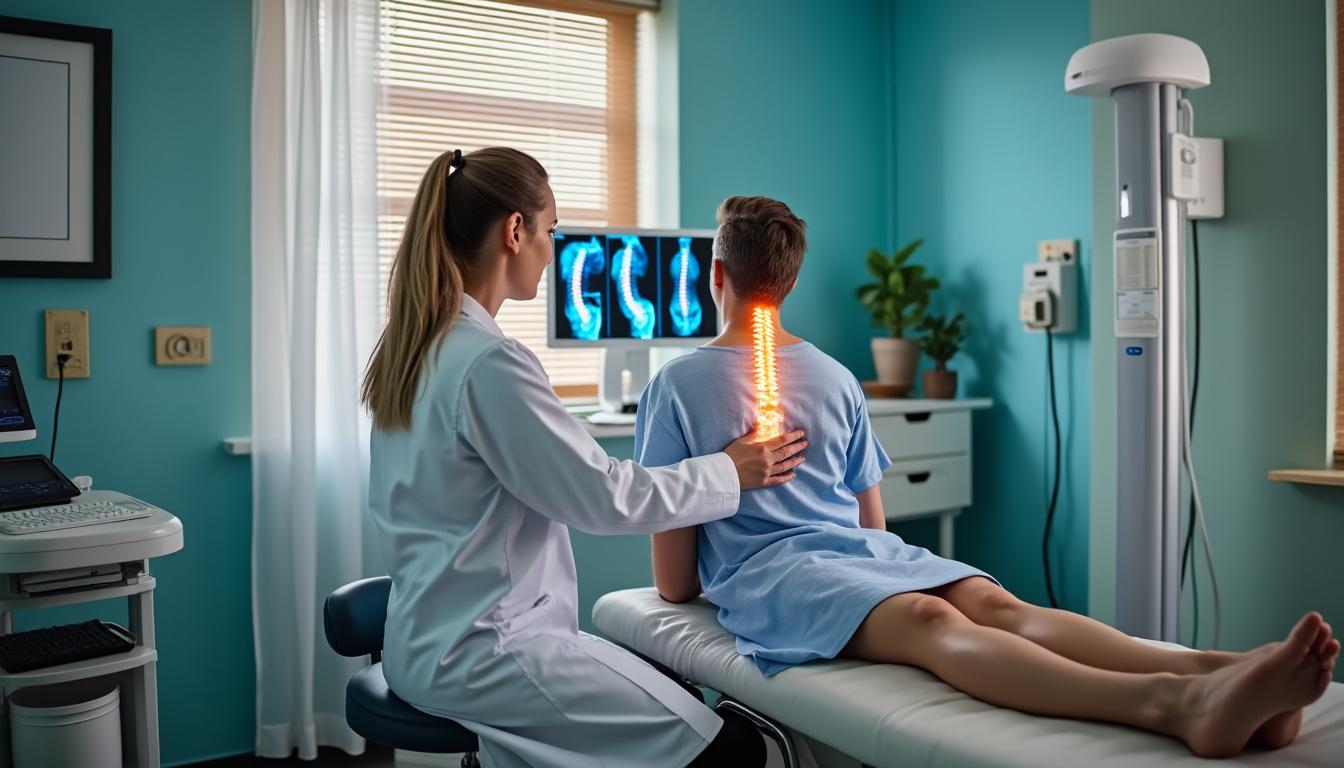
Conservative and Innovative Treatments for Neck Pain Relief
Most neck pain cases benefit from conservative measures, with a growing role for innovative non-invasive therapies under expert guidance. Treatment aims focus on relieving pain, restoring movement, and preventing recurrence.
Common Treatment Options:
- Pain Medications: Over-the-counter options like Advil or Tylenol ease pain and inflammation; muscle relaxants may be prescribed temporarily.
- Physical Therapy: Customized exercises improve flexibility and strengthen support muscles comprising the neck and upper back.
- Topical Analgesics: Products such as Salonpas, Icy Hot, Biofreeze, and Bengay provide targeted pain relief through heat or cooling effects.
- Alternative Therapies: Acupuncture, massage, osteopathic manipulation, and chiropractic adjustments — often chosen with careful patient assessment.
- Advanced Technologies: Spinal decompression machines and devices like Theragun massage tools enhance circulation and accelerate healing.
For cases refractory to initial treatment, steroid injections near nerve roots may reduce inflammation. In rare, severe instances, surgical interventions become necessary but are considered only after exhausting conservative care.
| Treatment | Purpose | When Recommended | Examples/Products |
|---|---|---|---|
| NSAIDs and Pain Relievers | Reduce pain and inflammation | Initial symptom management | Advil, Tylenol |
| Physical Therapy | Strengthen neck muscles, improve mobility | Persistent or chronic pain | TheraBand resistance exercises |
| Topical Treatments | Localized pain relief | Mild to moderate muscle pain | Salonpas, Bengay, Biofreeze, Icy Hot |
| Spinal Decompression Therapy | Non-invasive relief of nerve pressure | Herniated discs, nerve compression | TAGMED Clinic’s specialized protocols |
| Massage and Manual Therapy | Reduce muscle tension | Chronic stiffness | Osteopathic and chiropractic treatment |
Individuals seeking advanced, non-surgical intervention may consider clinics that specialize in spinal decompression and osteopathic care, such as TAGMED Clinic. Here, expert evaluation by Dr. Desforges ensures personalized treatment guided by the latest science and ethical practices.
Safe Self-Care Strategies to Alleviate and Prevent Neck Pain
Daily habits greatly influence neck health. Simple adjustments and self-care measures can relieve symptoms and minimize the risk of recurring pain episodes, empowering patients to take charge of their spinal wellness.
Effective Self-Care Tips:
- Apply Heat or Cold Therapy: Use a heating pad or take a warm shower to loosen muscles, or cold packs to diminish inflammation immediately after injury.
- Maintain Ergonomic Posture: Adjust seating, computer screens, and mobile device positions to keep the neck aligned.
- Incorporate Neck and Upper Back Exercises: Activities like scapular squeezes, Theraband rowing, and standing push-ups strengthen supportive muscles and improve posture.
- Manage Stress Levels: Mindfulness, yoga, and breathing exercises help relax tense muscles contributing to pain.
- Utilize Pain Relief Products Responsibly: Products including Bengay, Icy Hot, and Theragun devices can aid symptom relief but should be used under professional guidance.
- Optimize Sleep Environment: Use pillows like Tempur-Pedic or Mediflow designed to support neck curvature and promote proper alignment during rest.
- Avoid Overloading the Shoulder: Swap heavy shoulder bags for wheeled luggage to prevent strain.
| Self-Care Action | Benefit | Recommended Products or Techniques |
|---|---|---|
| Heat Therapy | Muscle relaxation and increased blood flow | Heating pads, warm showers |
| Cold Therapy | Reduction of inflammation | Ice packs, wrapped frozen vegetables |
| Ergonomic Adjustments | Maintain neutral neck posture | Proper workstation setup |
| Exercise | Strengthen supportive muscles | TheraBand, scapular squeezes |
| Stress Management | Reduce muscle tension | Yoga, meditation |
| Supportive Sleep Aids | Proper neck alignment during sleep | Tempur-Pedic, Mediflow pillows |
Adopting these measures can significantly impact both immediate symptom relief and long-term spinal health. For tailored guidance consistent with scientific rigor, patients are encouraged to seek consultation with experts at institutions like TAGMED Clinic.

Recognizing Urgent Neck Pain Warning Signs Demanding Immediate Attention
While neck pain is frequently benign, certain symptoms serve as red flags indicating potentially dangerous underlying conditions. Timely recognition and response to these warning signs can prevent serious complications.
Critical Warning Signs Include:
- Sudden Weakness or Paralysis: Loss of muscle control in limbs may suggest spinal cord injury.
- Severe Neck Pain After Trauma: Possible fractures or ligament damage requiring emergency care.
- Persistent Radiating Pain with Numbness: Signs of nerve compression that could lead to permanent damage.
- Systemic Symptoms: Fever, weight loss, or unexplained neurological signs such as difficulty speaking.
- Inability to Control Bladder or Bowels: A sign of severe spinal cord involvement needing urgent evaluation.
| Warning Sign | Potential Underlying Condition | Recommended Action |
|---|---|---|
| Sudden weakness/paralysis | Spinal cord injury, stroke | Call emergency services immediately |
| Severe pain after injury | Fracture, ligament tear | Prompt hospital evaluation |
| Fever with stiff neck | Meningitis or infection | Urgent medical care |
| Radiating numbness/weakness | Nerve compression, herniated disc | Specialist consultation |
| Loss of bladder/bowel control | Spinal cord compression | Immediate evaluation |
Patients experiencing these signs should seek emergency or specialist support without delay to minimize risks and optimize outcomes.
Long-Term Management and Prevention Strategies for Neck Pain
Chronic neck pain demands a strategic approach both to manage ongoing symptoms and to prevent recurrence. Preventative measures play a vital role alongside therapeutic interventions.
Key Prevention Strategies Include:
- Maintaining Good Posture: Regularly repositioning the workstation and devices to avoid slouching or forward head posture.
- Regular Physical Activity: Engagement in exercises targeting neck and upper back strength to preserve flexibility and muscular support.
- Ergonomic Adjustments: Using supportive seating and adjustable desks to reduce strain during prolonged periods of sitting.
- Healthy Lifestyle Choices: Avoiding smoking to reduce risks of disc degeneration and promoting effective healing.
- Sleep Positioning: Aligning the head and neck with quality pillows to reduce overnight stress on the cervical spine.
| Prevention Practice | Benefits | Implementation Tips |
|---|---|---|
| Good postural habits | Reduced neck strain | Monitor alignment, use reminders |
| Regular exercise | Stronger muscles, improved flexibility | Physical therapy guided routines |
| Ergonomic setup | Minimized repetitive stress | Adjust chair height, screen position |
| Smoking cessation | Slower disc degeneration | Support programs, counseling |
| Proper sleep posture | Spinal alignment during rest | Use Tempur-Pedic or Mediflow pillows |
Prevention is a cornerstone of spinal health. Ongoing education and personalized assessments by experts such as Dr. Sylvain Desforges facilitate durable improvements in cervical well-being. For further insights on prevention, readers can explore detailed resources here.
Understanding Chronic Neck Pain and Advanced Non-Surgical Treatment Options
Chronic neck pain may linger beyond typical timelines, often related to persistent disc issues or post-injury structural changes. Conventional treatments may fail or provide incomplete relief, requiring innovative approaches.
Non-Surgical Spinal Decompression Therapy: This approach gently stretches the spine to relieve pressure on the discs and nerves, promoting healing without surgery. Under the expert guidance of Dr. Sylvain Desforges, patients at TAGMED Clinic in Québec often find significant improvement in pain levels and mobility using this technology.
Additional Therapeutic Modalities Include:
- Laser therapy targeting inflamed tissues to accelerate recovery
- Dynamic spinal implants designed to stabilize and support cervical vertebrae while maintaining movement
- Integrative pain management combining physical therapy, manual manipulation, and advanced devices like Theragun for muscle recovery
Adopting a multidisciplinary, evidence-based treatment plan ensures optimal outcomes and reduces reliance on invasive procedures. Personalized care plans consider patient-specific factors, emphasizing safety and scientific rigor.
| Advanced Treatment | Mechanism | Indications | Expected Outcomes |
|---|---|---|---|
| Spinal Decompression Therapy | Controlled spinal stretching | Herniated discs, nerve compression | Pain relief, improved mobility |
| Laser Therapy | Stimulates tissue repair | Inflammation, chronic soft tissue pain | Reduced pain, faster healing |
| Dynamic Implants | Spinal stabilization with mobility preservation | Severe degeneration cases | Improved function, pain reduction |
| Theragun and Manual Therapy | Muscle relaxation and circulation | Muscle tightness and spasms | Enhanced recovery, pain management |
Patients interested in exploring these therapies should engage with clinics prioritizing individualized assessment and multidisciplinary expertise, such as TAGMED Clinic.
Signs Indicating the Need for Specialist Evaluation in Neck Pain Cases
While many neck pain episodes resolve with home care, certain persistent or worsening symptoms warrant specialist attention to avoid long-term complications and identify conditions needing specific treatments.
Indicators for Seeking Specialist Evaluation:
- Worsening pain despite conservative therapy over a week
- Progressive numbness or weakness in arms or hands
- Neck pain interfering with daily function and sleep
- Loss of fine motor skills such as writing or buttoning clothes
- Unexplained systemic symptoms combined with neck discomfort
At consultation, experts like Dr. Sylvain Desforges conduct detailed assessments to formulate personalized care strategies, focusing on safe, effective, and often non-surgical solutions for neck pain management.
| Referral Reason | Potential Diagnosis | Specialist Action |
|---|---|---|
| Persistent severe pain | Chronic nerve compression, arthritis | Advanced imaging, therapy planning |
| Neurological symptoms | Pinched nerve, radiculopathy | Electrodiagnostic testing, decompression therapy |
| Functional impairment | Muscle weakness, coordination loss | Rehabilitation program, follow-up |
Early specialist intervention helps prevent deterioration and supports quicker recovery via evidence-based treatments.
What are the first steps if I experience new neck pain?
Begin with rest, gentle neck exercises, and over-the-counter pain relievers such as Advil or Tylenol. If pain persists longer than a week or worsens, consult a healthcare provider for evaluation.
Are imaging tests always necessary for neck pain diagnosis?
No. Typically, a detailed history and physical examination suffice. Imaging studies like X-rays or MRI are reserved for persistent, severe symptoms or when serious conditions are suspected.
How effective is spinal decompression therapy for herniated discs causing neck pain?
Spinal decompression therapy has shown significant benefits in relieving pressure on nerves and promoting healing in patients with herniated discs, especially under specialized care at clinics like TAGMED.
Can lifestyle changes help prevent neck pain recurrence?
Absolutely. Maintaining proper posture, regular exercise, ergonomic work setups, and using supportive pillows such as Tempur-Pedic and Mediflow greatly reduce the risk of future neck discomfort.
When should I see a specialist for neck pain?
If neck pain worsens, is accompanied by numbness, weakness, or affects daily activities despite initial treatments, a specialist evaluation is recommended for targeted management.