

The lumbar spine is a marvel of human anatomy, tasked with bearing the weight of our upper bodies while allowing a remarkable range of motion. Yet, this region, particularly at the L4-L5 and L5-S1 segments, often becomes the epicenter of discomfort due to its susceptibility to various degenerative and mechanical issues. In 2025, advances in spinal care, championed by experts like Dr. Sylvain Desforges, demonstrate how understanding the nuanced patterns of lumbar radiculopathy can pave the way for tailored, effective relief strategies without immediately resorting to invasive surgery. This exploration delves into the biomechanics, symptomatology, and innovative treatment modalities that define lumbar radiculopathy today.
Exploring the L4-L5 and L5-S1 spinal segments reveals why they are the most common sites affected by lumbar radiculopathy. Patients often present symptoms ranging from sharp, radiating leg pain to numbness and muscular weakness, profoundly impacting their quality of life. The integration of evidence-based conservative therapies alongside cutting-edge technologies illuminates a path forward where personalized care is paramount. This comprehensive discussion aims to empower patients and healthcare professionals alike by demystifying the complexities of spinal nerve root compression and sharing actionable insights for managing and relieving lumbar radiculopathy.
Functional Anatomy and Biomechanical Importance of L4-L5 and L5-S1 Levels
The lumbar spine consists of five vertebrae, with the L4-L5 and L5-S1 segments representing critical junctions responsible for both weight bearing and mobility. These levels withstand the greatest biomechanical stress, making them predisposed to degenerative and traumatic conditions. Understanding the intricate anatomy of these segments is essential for grasping why radiculopathy arises here more than elsewhere.
The intervertebral discs act as shock absorbers, composed of a gel-like nucleus pulposus encased by a fibrous annulus fibrosus. At L4-L5 and L5-S1, these discs endure continuous compressive forces and torsional stresses during daily activities like bending, lifting, and twisting.
Additionally, the nerve roots exit below their corresponding vertebral pedicles through the intervertebral foramina at these levels. Herniation of the disc material at L4-L5 typically compresses the L5 nerve root, while herniations at L5-S1 affect the S1 nerve root. This precise relationship underpins the specific patterns of neurological symptoms experienced by patients.
- Load Distribution: Approximately 80% of axial load is transferred through the L4-L5 and L5-S1 discs.
- Mobility: These segments enable up to 60% of lumbar flexion and extension.
- Neural Pathways: The exiting nerve roots serve sensory and motor functions critical for lower limb movement and sensation.
Such biomechanical complexity explains why conditions like herniated discs, degenerative disc disease, and spondylolisthesis frequently target the L4-L5 and L5-S1 levels, producing radicular symptoms.
| Spinal Level | Primary Nerve Root Affected | Common Mechanical Stress | Frequent Pathologies |
|---|---|---|---|
| L4-L5 | L5 | High compressive and torsional load | Herniated disc, spinal stenosis, spondylolisthesis |
| L5-S1 | S1 | Highest axial load and flexion extension | Degenerative disc disease, foraminal stenosis, disc protrusion |
Understanding the Complex Presentation of Lumbar Radiculopathy Symptoms
Patients with lumbar radiculopathy at L4-L5 or L5-S1 frequently report a multifaceted pattern of symptoms. These manifestations arise from nerve root irritation or compression due to structural abnormalities in the spine. Identifying these signs with precision is fundamental to guiding appropriate evaluation and intervention.
Typical symptoms include:
- Radiating Pain: Sharp or burning pain traveling from the lower back down the leg following a dermatomal distribution.
- Neurological Sensory Changes: Numbness, tingling, or a “pins and needles” sensation typically localized to a specific leg area.
- Muscle Weakness: Decreased strength in muscles innervated by the compressed nerve root, potentially affecting foot dorsiflexion or plantarflexion.
- Reflex Alterations: Diminished or absent deep tendon reflexes corresponding to the affected nerve root.
Each symptom ties back to the particular nerve root involved; for example, compression at L4-L5 affecting the L5 nerve root can lead to weakness in the muscles that lift the foot, producing foot drop, whereas impingement at L5-S1 commonly results in diminished ankle reflexes and difficulty with plantarflexion.
The intensity and nature of symptoms may fluctuate, often exacerbated by activities such as prolonged sitting, heavy lifting, or twisting. Patients might also experience relief when lying down or walking, indicative of nerve root decompression in certain postures.
- Symptoms worsened by: Bending forward, sneezing, coughing, or sudden movements.
- Symptoms relieved by: Rest, altered posture, or specific physical therapy exercises.
Recognizing these patterns enables healthcare practitioners to differentiate lumbar radiculopathy from other causes of lower back pain and neurological disorders, ensuring targeted care.
| Symptom | L4-L5 Radiculopathy | L5-S1 Radiculopathy |
|---|---|---|
| Radiating Leg Pain | Runs down lateral thigh and dorsum of foot | Runs down posterior thigh and lateral foot |
| Muscle Weakness | Foot dorsiflexion weakness (foot drop) | Plantarflexion weakness, difficulty standing on toes |
| Reflex Changes | Decreased or absent patellar reflex | Decreased or absent Achilles tendon reflex |
Advanced Diagnostic Evaluation Focused on L4-L5 and L5-S1 Radiculopathy
Accurate assessment of lumbar radiculopathy at the L4-L5 and L5-S1 segments involves an integrative approach that combines a thorough clinical evaluation with advanced imaging and electrophysiological studies. Dr. Sylvain Desforges emphasizes this comprehensive diagnostic process to tailor patient care effectively.
Detailed history taking and physical examination remain cornerstones, focusing on neurological tests that assess muscle strength, sensory deficits, and reflex integrity. Special maneuvers such as the straight leg raise test may provoke radicular symptoms, supporting the diagnosis.
Imaging modalities primarily include magnetic resonance imaging (MRI), which offers high-resolution visualization of soft tissues, including spinal discs, nerve roots, and the spinal canal. MRI findings at L4-L5 and L5-S1 commonly reveal disc herniations, foraminal narrowing, or degenerative changes correlating with clinical symptoms.
Electrodiagnostic studies like electromyography (EMG) and nerve conduction studies provide functional insights into nerve root involvement and help exclude other neuromuscular conditions.
- Clinical Assessment: Strength testing, sensory exams, reflex evaluations
- Imaging: MRI, X-ray for bone structure evaluation, CT scan if MRI contraindicated
- Electrophysiology: EMG, nerve conduction velocity tests
Combining these diagnostic tools allows for a precise understanding of the pathology causing lumbar radiculopathy, enabling Dr. Desforges to recommend personalized, evidence-based care plans founded on clinical rigor and patient safety.
| Diagnostic Tool | Purpose | Typical Findings for L4-L5 / L5-S1 Radiculopathy |
|---|---|---|
| Physical Exam | Identify neurological deficits and provocative pain | Positive straight leg raise, muscle weakness, sensory loss |
| MRI | Visualize soft tissues and nerve root compression | Disc herniation, foraminal stenosis, nerve root impingement |
| EMG/Nerve Conduction | Assess nerve function and muscle denervation | Fibrillations, slowed conduction velocities |
Utilizing such a multimodal diagnostic approach underscores the commitment to scientific rigor and ethical standards essential in Quebec and Canadian medical frameworks, as advocated by Dr. Desforges.
Conservative Therapeutic Strategies Employed at the L4-L5 and L5-S1 Levels
Managing lumbar radiculopathy initially focuses on conservative, non-invasive interventions aimed at reducing pain, improving function, and preventing surgical necessity. At TAGMED Clinics, Dr. Sylvain Desforges integrates advanced osteopathic care with evidence-based methodologies to provide tailored treatment.
Conservative therapies typically include:
- Physical Therapy: Utilizes techniques such as the McKenzie Method, therapeutic stretching, and strengthening exercises to normalize spinal mechanics and enhance muscular support.
- Manual Therapy: Osteopathic manipulative treatment targeting soft tissue mobilization and joint manipulation around the lumbar region improves mobility and alleviates nerve root pressure.
- Adjunctive Modalities: Use of therapeutic aids such as Biofreeze for topical analgesia, TENS 7000 units for neuromodulation, and TheraBand or OPTP devices to support rehabilitation exercises.
- Ergonomic and Lifestyle Adjustments: Education on posture correction, lifting techniques, and activity modification to minimize further lumbar stress.
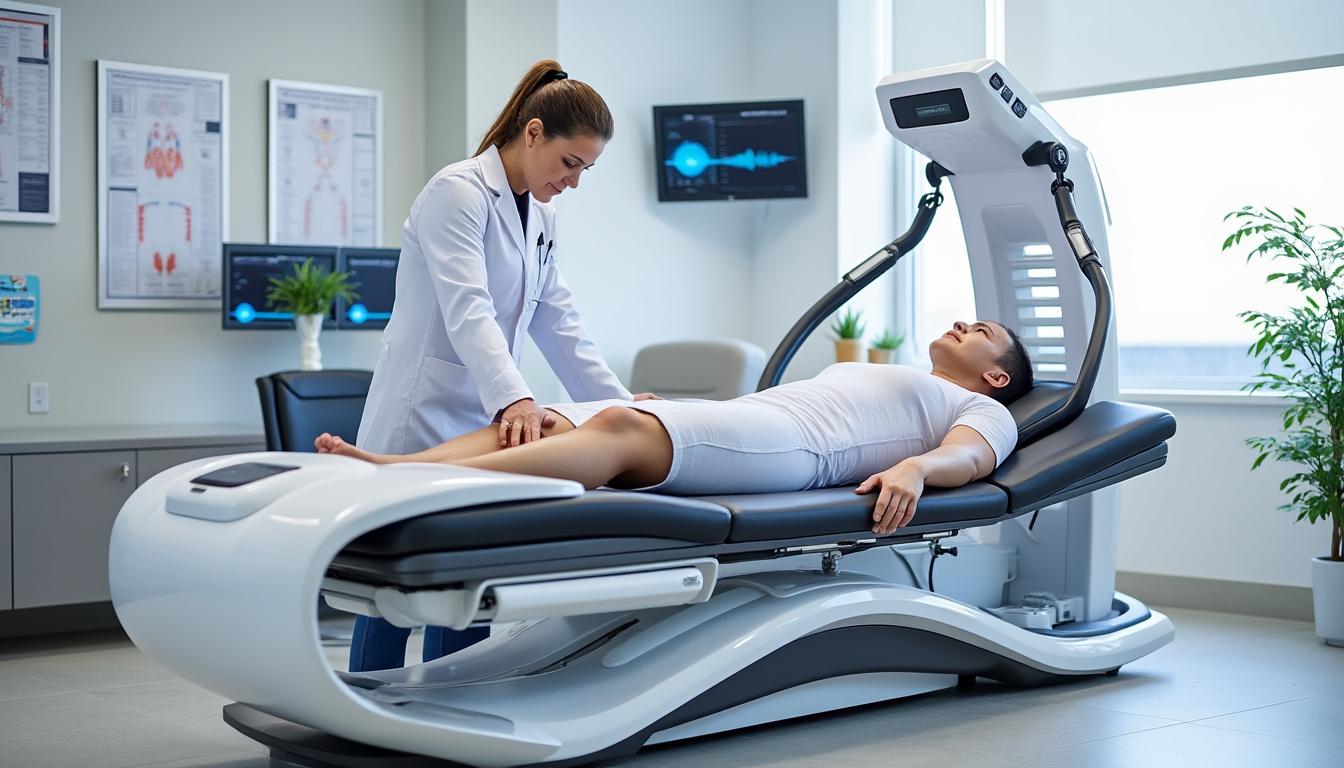
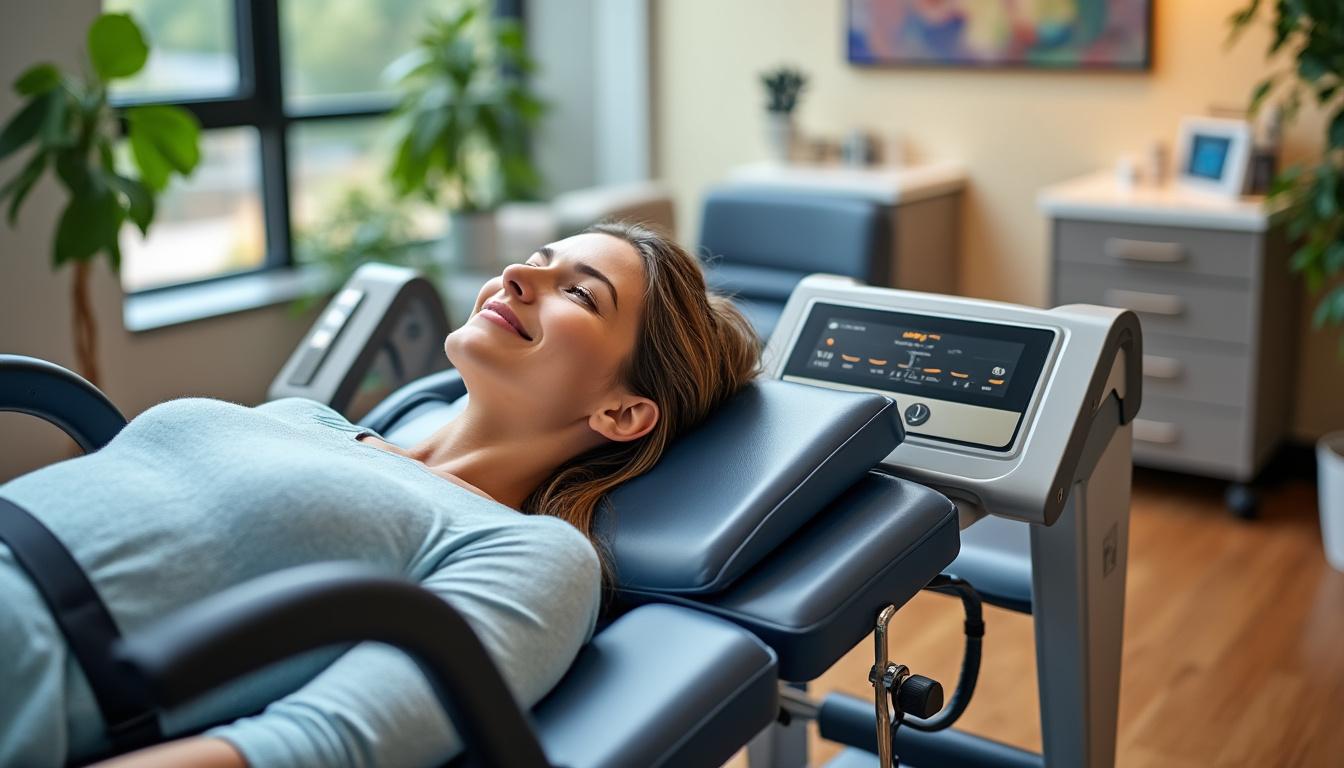
Innovation also comes into play with dynamic spinal decompression therapies, which gently and precisely relieve nerve root compression using state-of-the-art equipment, dramatically improving patient outcomes without requiring surgery.
Examples of benefits from conservative care include significant symptom relief within 6 to 12 weeks for many patients, decreased reliance on NSAIDs and opioids, and enhanced functional mobility facilitating return to daily activities.
| Therapy Type | Mechanism | Benefits | Associated Products/Methods |
|---|---|---|---|
| Physical Therapy | Strengthen lumbar musculature, improve flexibility | Reduced pain, improved posture, enhanced mobility | McKenzie Method, TheraBand, OPTP |
| Manual Osteopathic Care | Manipulate spinal joints and soft tissue | Alleviates nerve root pressure, improves spinal function | Osteopathic techniques |
| Modalities | Reduce inflammation and modulate pain signals | Pain relief, reduced muscle spasms | Biofreeze, TENS 7000, Icy Hot |
| Dynamic Spinal Decompression | Gentle spinal traction for nerve root decompression | Improved nerve function, decreased radiating pain | State-of-the-art decompression tables |
Interventional and Surgical Options for Lumbar Radiculopathy in Complex Cases
While most individuals with lumbar radiculopathy respond favorably to conservative care, some cases necessitate interventional procedures or surgery, especially when neurological deficits persist or worsen, or when pain severely impairs daily functioning.
Interventional approaches aim to reduce inflammation and interrupt pain signals through minimally invasive techniques, including:
- Epidural Steroid Injections: Targeted delivery of corticosteroids around the affected nerve root to decrease inflammation and swelling.
- Nerve Blocks: Injection of local anesthetic to temporarily interrupt pain transmission pathways.
- Radiofrequency Ablation: Use of thermal energy to disrupt nerve fibers transmitting pain signals.
When conservative and interventional methods prove inadequate, surgical options become important considerations. Each surgery type is selected based on specific pathology identified:
- Discectomy: Removal of herniated disc material compressing nerve roots.
- Laminectomy: Removal of part of the vertebral bone to enlarge the spinal canal and relieve nerve pressure.
- Spinal Fusion: Stabilization of affected vertebrae to prevent abnormal movement.
- Artificial Disc Replacement: Preservation of more natural spinal motion by replacing degenerated discs.
Throughout all care pathways, Dr. Desforges ensures patients receive comprehensive evaluations, clear explanations of indications and limitations, and personalized support to navigate these complex decisions ethically and safely.
| Procedure | Indication | Expected Benefits | Recovery Considerations |
|---|---|---|---|
| Epidural Steroid Injection | Inflammation around nerve root causing pain | Reduced pain and radiculopathy symptoms | Outpatient procedure, short recovery time |
| Discectomy | Severe disc herniation with neurological deficits | Relief of nerve compression and pain | Hospital stay, gradual return to activity |
| Spinal Fusion | Instability in vertebral segment | Spinal stabilization, prevention of further slippage | Extended recovery, physical therapy essential |
Integrative Role of Cutting-Edge Technologies in Spinal Care Provided by Experts like Dr. Sylvain Desforges
The landscape of spinal care is rapidly evolving with technologies that enhance diagnostic precision and therapeutic efficacy. Dr. Sylvain Desforges has been at the forefront of integrating such innovations into clinical practice in Quebec and Canada, always emphasizing patient safety and evidence-based approaches.
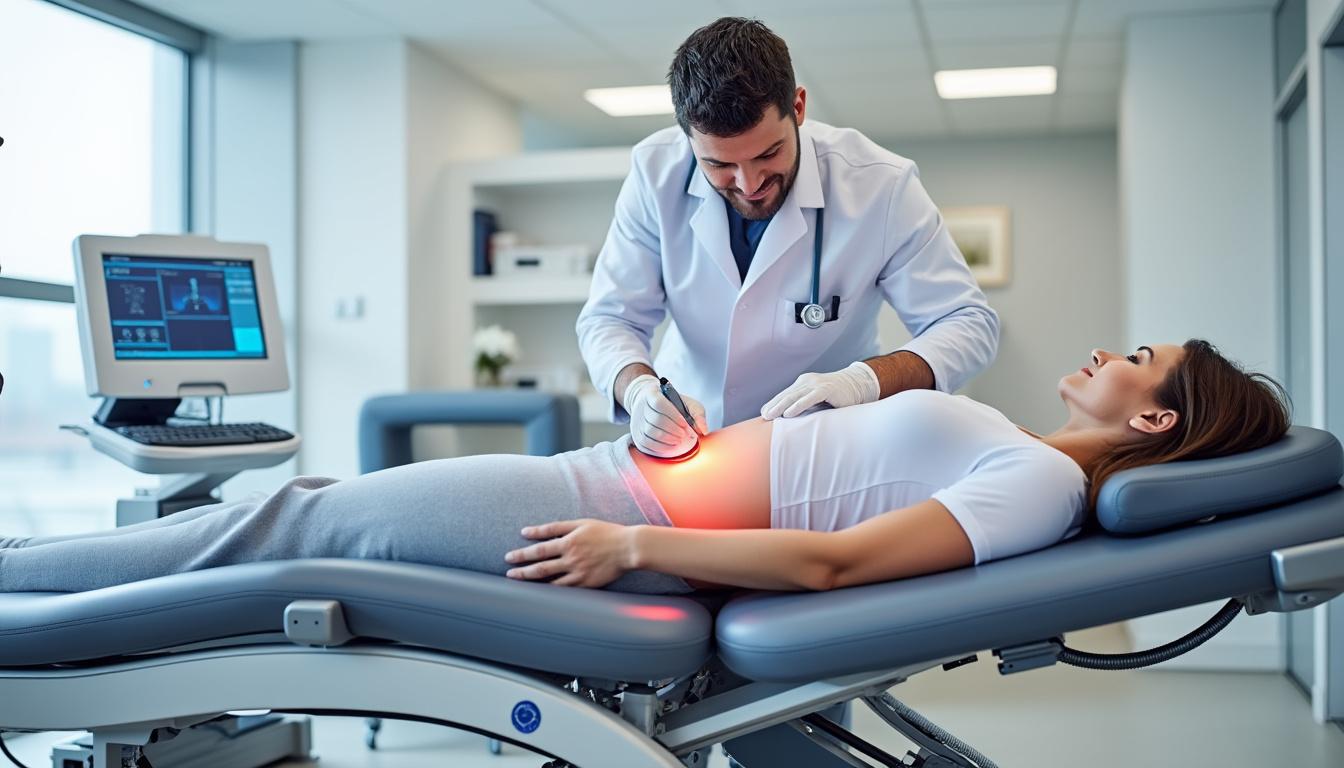
Among these technologies, neurovertebral decompression devices stand out. These machines use computer-controlled traction, enabling precise and adjustable decompression of affected nerve roots without surgery. Coupled with laser therapy for tissue healing and pain control, these tools provide a multifaceted approach to spinal pathology management.
Another breakthrough involves dynamic spinal implants designed to maintain spinal flexibility while stabilizing injured segments, reducing the stiffness commonly associated with traditional fusion procedures.
- Neurovertebral Decompression: Enhances nerve root relief without invasive surgery.
- Laser Therapy: Stimulates tissue regeneration and reduces inflammation.
- Dynamic Spinal Implants: Restore stability and maintain motion, minimizing post-surgical complications.
These innovations illustrate how the careful blending of traditional osteopathic principles with state-of-the-art technology can deliver superior outcomes, making the expertise of clinicians like Dr. Desforges indispensable for patients seeking advanced but safe care.
| Technology | Function | Benefits | Clinical Application |
|---|---|---|---|
| Neurovertebral Decompression | Spinal nerve root decompression via controlled traction | Non-invasive pain relief, improved mobility | Conservative treatment plans, adjunct to osteopathic care |
| Laser Therapy | Promotes tissue healing and reduces inflammation | Accelerated recovery, decreased discomfort | Chronic pain, post-intervention support |
| Dynamic Implants | Stabilizes spine while preserving motion | Reduced stiffness, enhanced patient satisfaction | Complex lumbar degenerative cases |
Personalized Patient Education and Support for Lumbar Radiculopathy Management
Dr. Sylvain Desforges believes early and clear patient education is central to successful lumbar radiculopathy management, particularly given the diversity of symptoms and available treatments. Empowering patients with accessible knowledge enables informed decisions and adherence to therapeutic plans.
Effective education addresses the following areas:
- Understanding Condition: Explanation of lumbar anatomy, nerve root involvement, and pathophysiology using simple, comprehensible language.
- Treatment Options: Overview of conservative, interventional, and surgical modalities, clarifying benefits, risks, and expected outcomes.
- Self-Management Strategies: Guidance on home exercises, safe movement techniques, and lifestyle modifications to promote recovery and prevent exacerbations.
- Setting Realistic Expectations: Honest discussion about timelines and the importance of gradual functional improvement rather than immediate pain elimination.
This educational approach fosters confidence and reduces anxiety, with patients expressing greater satisfaction and commitment resulting in better clinical results.
| Education Topic | Content Focus | Desired Patient Outcome |
|---|---|---|
| Anatomy & Pathology | Lumbar spine structure, nerve root impact | Enhanced patient understanding and engagement |
| Treatment Modalities | Conservative, interventional, surgical options | Informed decision-making |
| Self-Care Techniques | Home exercises, ergonomic advice | Increased adherence and symptom control |
| Recovery Expectations | Timeline and progression of improvement | Realistic outlook and patience |
Long-Term Management and Prevention Strategies for Sustainable Spinal Health
Lumbar radiculopathy management does not end with symptom resolution; ongoing care and prevention are critical to maintaining spinal health and reducing recurrence risk. Dr. Sylvain Desforges advocates a holistic approach that integrates lifestyle adjustments with regular clinical monitoring.
Key preventive strategies include:
- Maintaining Core and Back Strength: Consistent exercises using equipment like TheraBand, Compex, or Mueller Sports Medicine tools build muscular support.
- Ergonomic Practices: Proper posture at work and during activities minimizes spinal strain.
- Weight Management: Reduces mechanical load on lumbar discs and joints.
- Adequate Rest and Recovery: Balances activity with rest to prevent overuse injuries.
- Use of Supportive Therapeutic Aids: Products like DonJoy braces and Incrediwear compression wear may assist in maintaining joint alignment and circulation.
Regular follow-up examinations ensure early detection of degenerative changes and timely intervention. This proactive philosophy exemplifies the expert approach championed by Dr. Desforges, emphasizing personalized, ethical care grounded in scientific rigor.
| Preventive Strategy | Tools/Methods | Impact on Spinal Health |
|---|---|---|
| Exercise and Strengthening | TheraBand, Compex devices | Enhanced spinal support and stability |
| Ergonomics | Posture training, workplace modifications | Reduced mechanical stress on lumbar spine |
| Weight Control | Nutritional guidance and physical activity | Lowered disc and joint degeneration risk |
| Therapeutic Supports | DonJoy braces, Incrediwear compression wear | Improved alignment and circulation |
Empowering Patients through Ongoing Communication and Personalized Care Pathways
Recognizing the uniqueness of every patient’s experience with lumbar radiculopathy, Dr. Sylvain Desforges emphasizes open communication and individualized care plans as pillars of superior treatment outcomes.
Each patient benefits from a comprehensive evaluation coupling clinical findings with personal health goals. The transparent discussion about treatment indications, possible risks, and expected benefits fosters trust and adherence.
Dynamic adjustment of care protocols based on response allows flexibility, ensuring that patients are supported throughout their recovery journey.
- Personalized Evaluation: Tailored clinical assessment respecting individual symptom profiles.
- Clear Explanation: Evidence-based guidance on interventions and expected progress.
- Motivational Support: Encouragement and reassurance to maintain engagement with therapy.
- Accessibility: Availability of multidisciplinary teams and resources for comprehensive care.
This patient-centric approach underscores the importance of empathy and respect in spinal care, principles that have earned Dr. Desforges recognition as a trusted expert.
| Care Principle | Application | Patient Benefit |
|---|---|---|
| Comprehensive Evaluation | Multi-dimensional assessment of spinal condition | Accurate diagnosis and personalized treatment |
| Transparent Communication | Clear explanations, addressing patient concerns | Improved trust and therapy adherence |
| Continuous Support | Regular follow-ups and motivational guidance | Enhanced recovery and satisfaction |
| Resource Accessibility | Team-based care and educational materials | Comprehensive support covering all patient needs |
What distinguishes lumbar radiculopathy at L4-L5 versus L5-S1?
Lumbar radiculopathy at L4-L5 typically involves the L5 nerve root, affecting foot dorsiflexion and producing symptoms such as foot drop and lateral leg pain. In contrast, L5-S1 radiculopathy impacts the S1 nerve root, leading to plantarflexion weakness and pain radiating down the posterior leg and lateral foot.
How effective are conservative treatments for lumbar radiculopathy?
Most patients experience significant symptoms improvement with conservative care, including physical therapy, manual osteopathic treatments, and spinal decompression therapy, particularly when treatment plans are personalized and adherence is maintained.
When is surgery considered for lumbar radiculopathy?
Surgery is typically contemplated when conservative and interventional treatments fail to relieve severe pain or neurological deficits persist or worsen, necessitating procedures such as discectomy or spinal fusion to alleviate nerve compression and stabilize the spine.
What role does patient education play in managing lumbar radiculopathy?
Patient education is vital for demystifying the condition, outlining treatment options, encouraging self-care, and setting realistic recovery expectations, which collectively enhance treatment adherence and outcomes.