

The intricacies of diagnosing cervical radiculopathy demand precision and expertise. Among the variety of clinical maneuvers designed to identify nerve root compression in the cervical spine, Spurling’s test stands out due to its targeted physical assessment approach. This test, dating back several decades, continues to hold clinical relevance for practitioners evaluating patients with neck pain radiating to the upper limbs. In 2025, with advancements in spinal health diagnostics and treatment, the importance of accurately identifying nerve root involvement is more critical than ever, especially for patients seeking non-surgical alternatives or comprehensive evaluation methods.
Implementing Spurling’s test in a clinical assessment involves a patient-centered approach combined with cutting-edge understanding of cervical spine pathologies. It complements other modalities, such as advanced imaging, electromyography, and innovative decompression therapies provided by leading clinics. Dr. Sylvain Desforges, with over three decades of spinal care experience and as a founder of several Canadian osteopathic and alternative medical institutions, exemplifies the integration of clinical diligence and technological innovation. His commitment to personalized evaluation ensures that patients receive clear, evidence-based guidance reflecting the latest standards from regulatory bodies like the Collège des médecins du Québec.
For clinicians and patients alike, understanding how Spurling’s test functions, its implications, and its place within a broader treatment strategy enriches decision-making processes. This article delves deeply into the anatomy, technique, interpretation, nuances, and limitations of Spurling’s test, emphasizing the need for a thorough and ethical evaluation in spinal care practices.
Understanding Spurling’s Test in Cervical Radiculopathy Screening
Spurling’s test serves as a physical diagnostic tool used predominantly to identify cervical radiculopathy resulting from nerve root compression in the cervical spine. Cervical radiculopathy manifests when spinal nerves are irritated or compressed, commonly causing pain, numbness, or muscle weakness radiating down the arm. This test is named after Roy Spurling, who first described the maneuver as a method to reproduce symptoms associated with nerve root irritation.
Due to its specific design, Spurling’s test applies a combination of neck extension, rotation, and axial compression to effectively narrow the foraminal space where the nerve root exits. This mechanical narrowing reproduces the patient’s symptoms if nerve root impingement exists. Therefore, it enables clinicians to correlate clinical findings with patient-reported symptoms.
Mechanics and Execution of Spurling’s Test
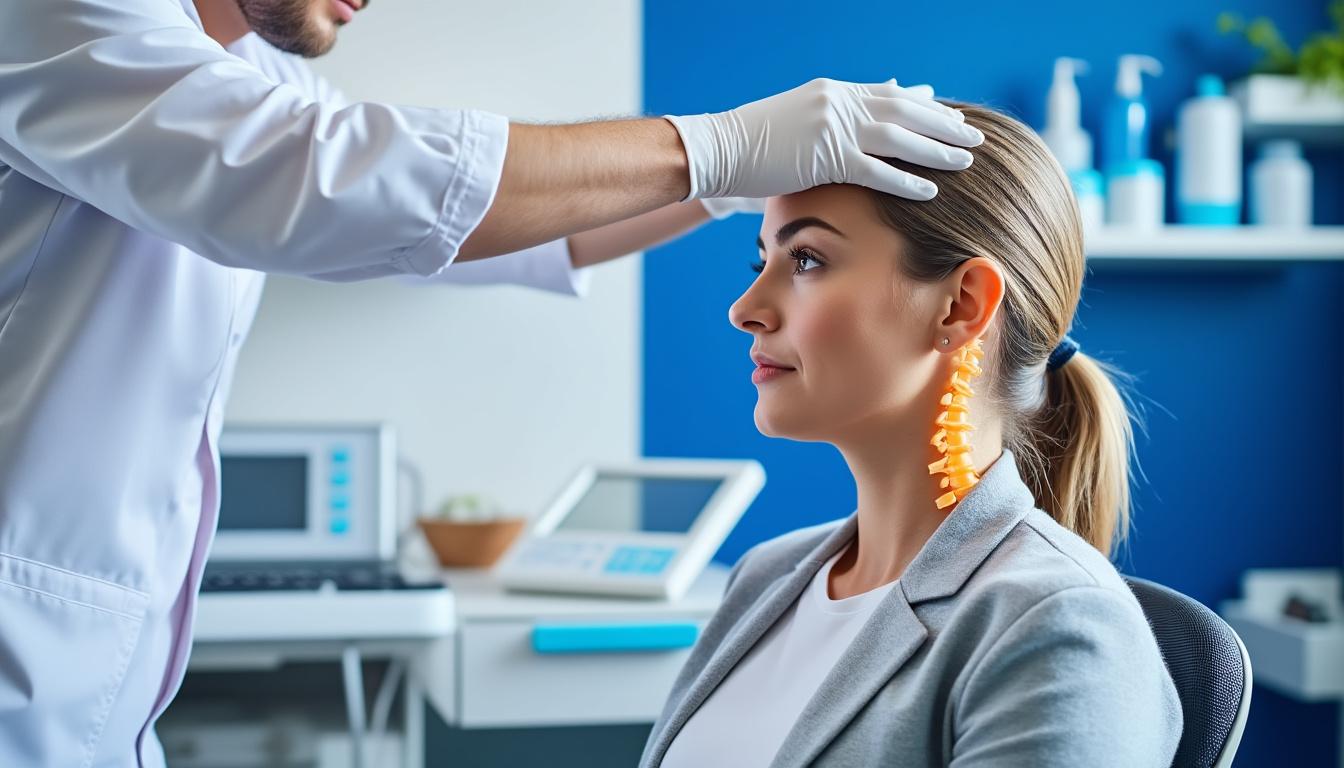
The test typically involves the patient seated or standing, with the head initially positioned neutrally. The examiner then guides the patient’s head into extension and rotation towards the symptomatic side while applying gentle downward pressure. This action simulates the mechanical forces that compress the cervical foramina, thereby stressing the nerve root where it might be compromised by herniated discs, bony spurs, or other degenerative changes.
When performed correctly, Spurling’s test is distinctive because:
- The patient’s symptoms are either reproduced or exacerbated, indicating a positive result.
- Physical response directs clinicians to the likely nerve root level affected, aiding in pinpointing the source of symptoms.
- Use of incremental pressure prevents unnecessary discomfort, ensuring the safety and comfort of the patient.
This test’s specificity makes it particularly useful in confirming clinical suspicions rather than serving as a broad screening tool.
Contextual Example: Clinical Case Application
Consider a 52-year-old patient presenting with unilateral arm pain and numbness post-office work involving prolonged computer use. After completing history-taking and general physical examination, a clinician might deploy Spurling’s test to clarify if cervical radiculopathy underlies these symptoms. Application of the test reveals exacerbation of pain radiating into the thumb and index finger, suggesting involvement of the C6 nerve root.
This finding guides subsequent investigations, such as MRI or electrodiagnostic studies, and influences non-invasive treatment plans that might include advanced spinal decompression therapies pioneered by experts like Dr. Sylvain Desforges. This precise localization via Spurling’s test exemplifies how clinical acumen combined with diagnostic tools enhances patient outcomes.
| Step | Procedure | Purpose |
|---|---|---|
| 1 | Patient seated or standing | Ensures stable baseline posture for accurate test execution |
| 2 | Extension and rotation of the head to affected side | Compresses the intervertebral foramina containing nerve roots |
| 3 | Application of gentle axial compression | Provokes nerve root irritation to reproduce symptoms |
| 4 | Observation of symptom reproduction | Determines positive or negative test result |
Preparation and Contraindications for Spurling’s Test in Clinical Practice
Preparation for the Spurling test involves minimal patient preparation since it is a straightforward physical maneuver. However, choosing appropriate patients and ensuring safety is paramount to prevent adverse events, given its mechanical nature.
Patients should wear comfortable clothing that allows unrestricted neck movement — loose collars, absence of restrictive scarves or heavy jewelry facilitates the exam. Head coverings may remain unless they obstruct visualization or movement.
Conditions Requiring Caution or Alternative Assessment
Healthcare providers must avoid performing the test when cervical spine instability or myelopathy is suspected, as the test’s mechanical forces could exacerbate these conditions. Contraindications commonly include:
- Cervical spine instability, due to trauma or congenital defects
- Cervical spondylotic myelopathy, where spinal cord compression is severe
- Recent cervical spine injury with uncertain healing status
- Rheumatoid arthritis, especially with atlantoaxial instability
- Known metastatic disease involving cervical vertebrae
In such cases, clinicians opt for alternative techniques and advanced imaging to assess nerve involvement safely, ensuring no further jeopardy to spinal integrity.
Patient Communication and Comfort During the Test
Prior to performing Spurling’s test, clearly explaining the procedure and goals to patients alleviates anxiety. Active communication during the test — encouraging patients to report any discomfort, numbness, or pain — facilitates timely modification or cessation of the maneuver. This responsive approach minimizes risks and ensures ethical standards aligned with guidelines endorsed by organizations such as the Collège des médecins du Québec.
| Preparation Aspect | Recommendation |
|---|---|
| Clothing | Wear loose, comfortable garments without restrictive collars or heavy necklaces |
| Medical History | Review for contraindications such as cervical trauma, myelopathy, or cancer |
| Communication | Explain steps clearly and encourage feedback regarding symptoms during testing |
| Alternative Tests | Prepare to employ alternative diagnostic methods if contraindications exist |
Interpreting Results: Positive and Negative Outcomes in Spurling’s Test
The interpretation of Spurling’s test is grounded in the reproduction or exacerbation of radiculopathy symptoms. A positive test occurs when pressure and positioning provoke the patient’s typical pain, numbness, or weakness radiating down the arm consistent with nerve root irritation.
However, the test is known for:
- High specificity but relatively low sensitivity, meaning it is better at confirming a suspected diagnosis than ruling out radiculopathy entirely.
- Variable results depending on examiner technique and patient factors, necessitating experience and clinical correlation.
- Complementing rather than replacing other diagnostic tools, including MRI and electrodiagnostic evaluation.
Common Patterns Observed in Positive Tests
When Spurling’s test is positive, patients typically report:
- Sharp or radiating pain following nerve root dermatome distribution
- Electrical sensations or numbness in the arm or fingers
- Localized neck discomfort exacerbated by head positioning
- Possible weakness or altered reflex in the muscle groups innervated by the impacted nerve root
| Outcome | Clinical Significance | Recommended Next Step |
|---|---|---|
| Positive | Highly indicative of cervical nerve root compression | Consider further confirmatory imaging and electrodiagnostics |
| Negative | Radiculopathy unlikely, but not excluded | Assess with additional clinical findings and imaging as needed |
| Inconclusive | Symptoms unclear or not reproducible | Reassess patient or employ alternative diagnostic methods |
Limitations and Risks Associated with Spurling’s Test in Modern Practice
While Spurling’s test provides valuable insights, it is constrained by inherent limitations and potential risks that practitioners must understand. Its sensitivity is flagged as relatively low in systematic reviews, meaning it can miss some cases of radiculopathy, especially when nerve root irritation is mild or intermittent.
Potential risks, though rare, include:
- Exacerbation of cervical pain and discomfort
- Possible transient neurological symptoms if cervical pathology is aggravated
- Very rare possibility of permanent nerve or spinal cord injury due to inappropriate application
Hence, this test demands cautious execution by trained experts capable of judging when to modify or abort the procedure. Dr. Sylvain Desforges exemplifies a model of best practice through his rigorous adherence to ethical standards and patient safety during cervical assessments.
| Limitation or Risk | Details | Mitigation Strategy |
|---|---|---|
| Low sensitivity | May not detect all cases of radiculopathy | Use alongside imaging and clinical correlation |
| Patient discomfort | Potential increase in neck or arm pain during test | Apply gentle pressure and monitor symptoms |
| Risk of injury | Very rare but possible neurological injury | Strict contraindication screening and experienced examiners |
Complementary Diagnostic Tools to Enhance Cervical Radiculopathy Evaluation
Given the Spurling test’s strengths and weaknesses, comprehensive cervical radiculopathy evaluation integrates multiple modalities. In modern clinics, innovative technologies from industry leaders including Medtronic, Zimmer Biomet, Stryker, DePuy Synthes, NuVasive, Globus Medical, Smith & Nephew, Cadwell Industries, Philips Healthcare, and GE Healthcare enhance the diagnostic clarity and treatment efficacy.
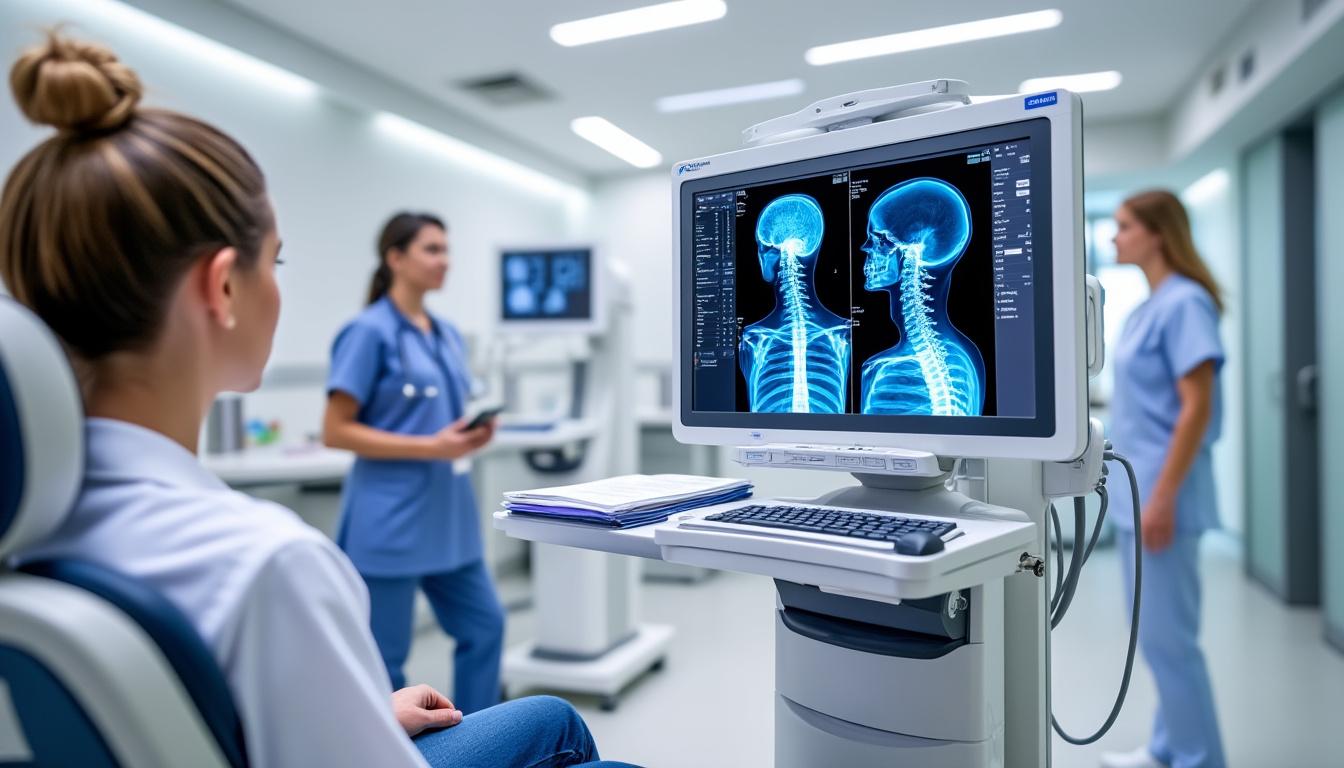
- Magnetic Resonance Imaging (MRI): Provides detailed visualization of soft tissues, discs, and nerve roots enabling confirmation of compression sites.
- Electrodiagnostic Studies: Nerve conduction studies and electromyography assess nerve function and detect abnormalities correlating with clinical symptoms.
- Dynamic Radiographs: Evaluate cervical stability and segmental movement to rule out instability before physical tests.
- Advanced Decompression Technology: Utilization of neurovertebral decompression tables and laser therapy for treatment planning and monitoring progress.
| Diagnostic Tool | Purpose | Industry Expert Technology |
|---|---|---|
| MRI | Soft tissue and nerve root visualization | Philips Healthcare, GE Healthcare |
| Electrodiagnostics | Assess nerve conduction and muscle activity | Cadwell Industries |
| Dynamic X-ray | Evaluate cervical segment movement | Medtronic |
| Neurovertebral Decompression | Non-surgical spinal decompression therapy | NuVasive, Globus Medical |
Practical Recommendations for Healthcare Providers Performing Spurling’s Test
Mastering Spurling’s test requires an expert grasp of cervical anatomy, nerve root pathology, and patient-centered communication. Healthcare providers should:
- Conduct a thorough patient history and review contraindications before testing.
- Explain the test clearly, ensuring informed patient consent.
- Perform the maneuver gently, observing patient feedback continuously.
- Combine findings with other clinical tests and imaging for a holistic diagnosis.
- Engage in ongoing training to refine technique and interpretation.
These recommendations align with both the scientific rigor upheld by experts such as Dr. Sylvain Desforges and compliance with Quebec and Canadian guidelines, emphasizing safety and efficacy.
| Provider Action | Best Practice | Expected Outcome |
|---|---|---|
| Pre-test Assessment | Evaluate contraindications and patient history | Minimized risk and optimized patient selection |
| Patient Communication | Clear explanation and consent | Increased patient comfort and cooperation |
| Test Execution | Gentle, stepwise application of pressure | Reliable symptom reproduction with reduced discomfort |
| Post-test Interpretation | Integrate with other diagnostic results | Comprehensive clinical picture guiding treatment |
Patient Guidance: Navigating Symptoms and Evaluations with Spurling’s Test
Patients experiencing neck pain radiating into their arms often feel uncertainty and anxiety about diagnostic processes and possible treatments. Educating patients about Spurling’s test empowers them to engage constructively with their healthcare providers.
Key points for patients include:
- This test is a brief, physical maneuver aimed at identifying nerve root irritation specifically.
- Patients should wear comfortable clothing permitting neck movement on the day of testing.
- Communication is encouraged: reporting symptoms promptly during the test ensures safety and accuracy.
- If symptoms worsen during or after testing, patients should notify their provider immediately.
- A positive test is a directional tool, not a definitive diagnosis – it paves the way for appropriate imaging and tailored care plans.
| Patient Preparation | Advice |
|---|---|
| Clothing | Wear loose garments, avoid restrictive neckwear |
| Symptom Communication | Verbally update clinician during test |
| Understand Test Purpose | It assesses nerve root status, not substitutes for imaging |
| Follow-up | Participate in recommended further evaluation if indicated |
Innovations and Future Directions in Cervical Spine Assessment
The landscape of spinal care continuously evolves with emerging technologies and multidisciplinary approaches. Following the footsteps of leaders like Dr. Sylvain Desforges, clinics increasingly incorporate advanced diagnostics and treatments harmonized with evidence-based medicine.
Recent innovations impacting cervical radiculopathy evaluation include:
- Integration of dynamic spinal implant assessments from companies such as Zimmer Biomet and DePuy Synthes, allowing real-time evaluation of spinal segment performance post-intervention.
- Application of laser therapy and neurovertebral decompression techniques by innovators like NuVasive and Globus Medical, providing minimally invasive symptom relief.
- Use of artificial intelligence-assisted imaging interpretation from Philips Healthcare and GE Healthcare, enhancing diagnostic precision.
- Implementation of multidisciplinary teams combining osteopathy, neurology, physiotherapy, and pain management to tailor patient-specific pathways.
As research advances, it is anticipated that Spurling’s test will remain a pivotal physical exam component, functioning synergistically with these enhanced tools to refine diagnostic accuracy and optimize individualized care plans.
| Innovative Aspect | Description | Key Collaborators |
|---|---|---|
| Dynamic Spinal Implants | Real-time monitoring of cervical segment mobility and stability | Zimmer Biomet, DePuy Synthes |
| Non-surgical Decompression & Laser Therapy | Minimally invasive symptom relief techniques | NuVasive, Globus Medical |
| AI-assisted Imaging | Enhanced precision in nerve root visualization | Philips Healthcare, GE Healthcare |
| Multidisciplinary Care Models | Integrated patient-centered evaluation and treatment pathways | TAGMED Clinics, Canadian College of Osteopaths |
What is the primary purpose of Spurling’s test?
Spurling’s test aims to reproduce symptoms of cervical radiculopathy by applying controlled pressure and positioning to identify nerve root compression in the cervical spine.
Are there any risks associated with Spurling’s test?
While generally safe when performed by an experienced clinician, risks include exacerbation of symptoms and, very rarely, neurological injury, emphasizing the need for thorough contraindication screening.
Can Spurling’s test be used as a sole diagnostic tool?
No, Spurling’s test has high specificity but low sensitivity; it should be combined with imaging and electrodiagnostic studies for a comprehensive assessment.
Who should avoid undergoing the Spurling test?
Patients with cervical spine instability, spondylotic myelopathy, recent cervical injuries, rheumatoid arthritis with instability, or metastatic cancer should avoid the test due to risk of harm.
How does Spurling’s test benefit patient care pathways?
It helps confirm the presence of cervical radiculopathy, informing personalized treatment plans which may include non-surgical therapies like those advanced by Dr. Sylvain Desforges and his colleagues.