

In the heart of Montreal, a rising concern among patients facing complex back issues, particularly herniated discs, is gaining attention: the importance of obtaining a second opinion. As healthcare evolves and non-surgical treatment options advance, Montreal’s residents increasingly seek reassurance and clarity before making decisions that could impact their quality of life. This environment has cultivated a unique demand for expert evaluations and innovative therapies targeting spinal health.
Among the city’s medical community, a network of experts, clinics, and specialized centers has emerged to provide comprehensive spinal assessments. These institutions emphasize patient education and individualized care, ensuring that each person understands their condition extensively before proceeding with any intervention. Montreal’s multidisciplinary approach to spine care not only supports those facing surgical choices but also promotes conservative, evidence-based alternatives.
This dialogue around second opinions encompasses the broader context of Canada’s healthcare challenges, including long wait times for surgeries and the rising costs of private medical care. Montreal’s clinics champion options that avoid unnecessary procedures, focusing instead on precise diagnostics and non-invasive therapies. The goal is to empower patients with knowledge and options, enhancing their autonomy and improving outcomes.
Benefits of a Montreal Spine Second Opinion: Clarity and Confidence in Herniated Disc Care
Choosing to pursue a second opinion for a herniated disc in Montreal offers patients a host of benefits that go beyond mere reassurance. A thorough evaluation by a dedicated spine expert ensures that individuals receive a comprehensive analysis of their condition, balancing clinical findings with the latest advances in spinal care.
Patients at centers such as the TAGMED Clinic benefit from the expertise of professionals with decades of experience in spinal disorders. These experts provide detailed explanations of the biomechanics of the spine, the nature of disc herniations, and the probable course of treatment suited to each unique case. This is crucial as herniated disc conditions can vary widely in severity and presentation, requiring personalized evaluation.
Furthermore, a second opinion often includes access to innovative technologies such as spinal decompression therapy, laser treatments, and precision manual therapies. Such approaches are particularly appealing to those seeking alternatives to surgical intervention, which might be riskier or less desirable due to personal preferences or medical contraindications.
- Comprehensive assessment: Detailed review of patient history, imaging, and physical examination.
- Personalized treatment options: Tailored plans combining manual therapy and advanced technology.
- Non-invasive alternatives: Emphasis on methods that reduce pain without surgery.
- Patient education: Clear communication about risks, benefits, and expectations.
- Evidence-based recommendations: Guided by the latest scientific research and clinical guidelines.
| Advantages | Details |
|---|---|
| Improved Satisfaction | Patients feel empowered by understanding all their options and receiving personalized care. |
| Reduced Risk | Second opinions help avoid unnecessary surgeries and associated complications. |
| Tailored Therapy | Treatment plans reflect the patient’s lifestyle and condition severity. |
| Access to Innovation | Introduction to state-of-the-art spinal decompression and laser therapies. |
| Better Outcomes | Combining expertise and technology leads to more effective pain relief and mobility restoration. |
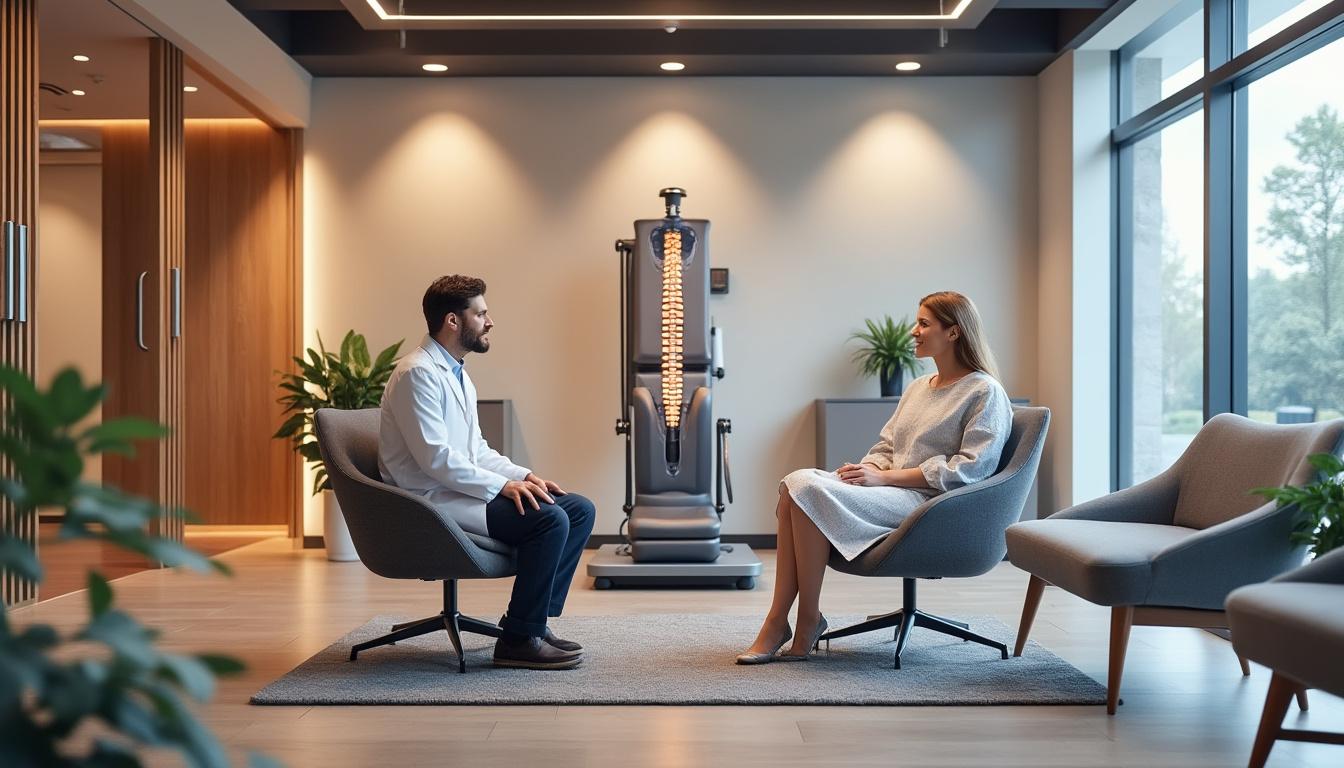
Understanding Herniated Disc and Why an Expert Spine Evaluation Center Matters
The herniated disc is a prevalent spinal condition that arises when the cushioning discs between vertebrae experience a rupture or bulge, resulting in nerve irritation, pain, and mobility issues. In Montreal, specialized centers cater specifically to the complexities of this issue, employing a spectrum of diagnostic tools and therapeutic methods.
The spine’s anatomy is intricate, comprising vertebrae, discs, nerves, ligaments, and muscles that work cohesively to support movement and protect neural pathways. When a disc herniates, the inner gel-like nucleus can press against spinal nerves, causing symptoms ranging from localized pain to radiating numbness or weakness.
An expert evaluation in such cases is indispensable. The detailed process typically involves an extensive patient history discussion, biomechanical physical assessments beyond routine neurological tests, and a careful review of imaging including MRI and dynamic X-rays. Montreal Spine Care experts are trained to interpret these findings with precision, differentiating between conditions that mimic herniations and discerning when surgical intervention is truly warranted.
- Thorough clinical examination: Including biomechanical and kinetic evaluations.
- Advanced imaging reviews: MRI, specialized spinal X-rays, and nerve conduction studies.
- Integration of patient history: Detailed symptom and lifestyle analysis.
- Differential diagnosis: Exclude other spine or neurological conditions with similar symptoms.
- Clear communication: Simplified explanations of complex spinal anatomy and pathology.
| Component | Purpose |
|---|---|
| History Taking | Understanding symptom duration, severity, and impact |
| Physical Assessment | Evaluate spinal mobility, nerve function, and pain triggers |
| Imaging Analysis | Identify disc herniation location, size, and nerve involvement |
| Functional Testing | Assess muscle strength and neurological deficits |
| Patient Consultation | Discuss findings and appropriate non-surgical or surgical options |
The role of a dedicated Spine Evaluation Center extends beyond diagnosis. By housing interdisciplinary specialists and integrating diverse technologies, these centers foster collaborative care plans tailored for long-term spinal health. Montreal’s expert clinics focus on patient-centric care, ensuring comfort and clarity throughout the evaluation journey.
The Role of NeuroSpine Second Opinion: Tailored Strategies Against Herniated Disc Symptoms
For many individuals suffering from herniated discs, the fear of invasive surgery looms large. NeuroSpine Second Opinion services in Montreal address this concern by highlighting conservative, yet effective, treatment modalities. Their expertise lies in crafting customized management strategies that align with each patient’s anatomical and lifestyle specifics.
Such second opinion consultations emphasize several critical areas:
- Confirming diagnosis: Ensuring the initial diagnosis is accurate and not conflated with other spinal conditions.
- Reviewing treatment history: Evaluating previous approaches and their outcomes to refine future plans.
- Discussing non-invasive options: Prioritizing treatments like spinal decompression therapy and targeted osteopathy.
- Evaluating surgical necessity: Objectively weighing the benefits and risks when surgery is considered.
- Empowering patient choices: Providing clear data-driven insights for informed decision-making.
This approach is especially beneficial in Montreal where private spine surgery options are scarce, and wait times through the public health system can be lengthy. Patients find peace of mind knowing their case has been reviewed by recognized herniated disc experts, offering alternatives that often avoid surgery altogether.
| Consideration | NeuroSpine Second Opinion Approach |
|---|---|
| Accuracy of Diagnosis | Re-evaluation of imaging and physical tests by experienced clinicians |
| Treatment Tailoring | Adjustments based on patient response and latest evidence-based options |
| Surgery Necessity | Critical assessment ensuring surgery is only pursued if strictly necessary |
| Alternative Therapies | Incorporation of spinal decompression, laser therapy, and osteopathy |
| Patient Empowerment | Detailed education fostering confident, informed choices |
Montreal Pain Assessment hubs collaborate closely with second opinion providers, streamlining referrals and ensuring continuity of care across multidisciplinary teams. This network ensures every patient’s needs are understood and met with the most advanced and ethically guided treatments.
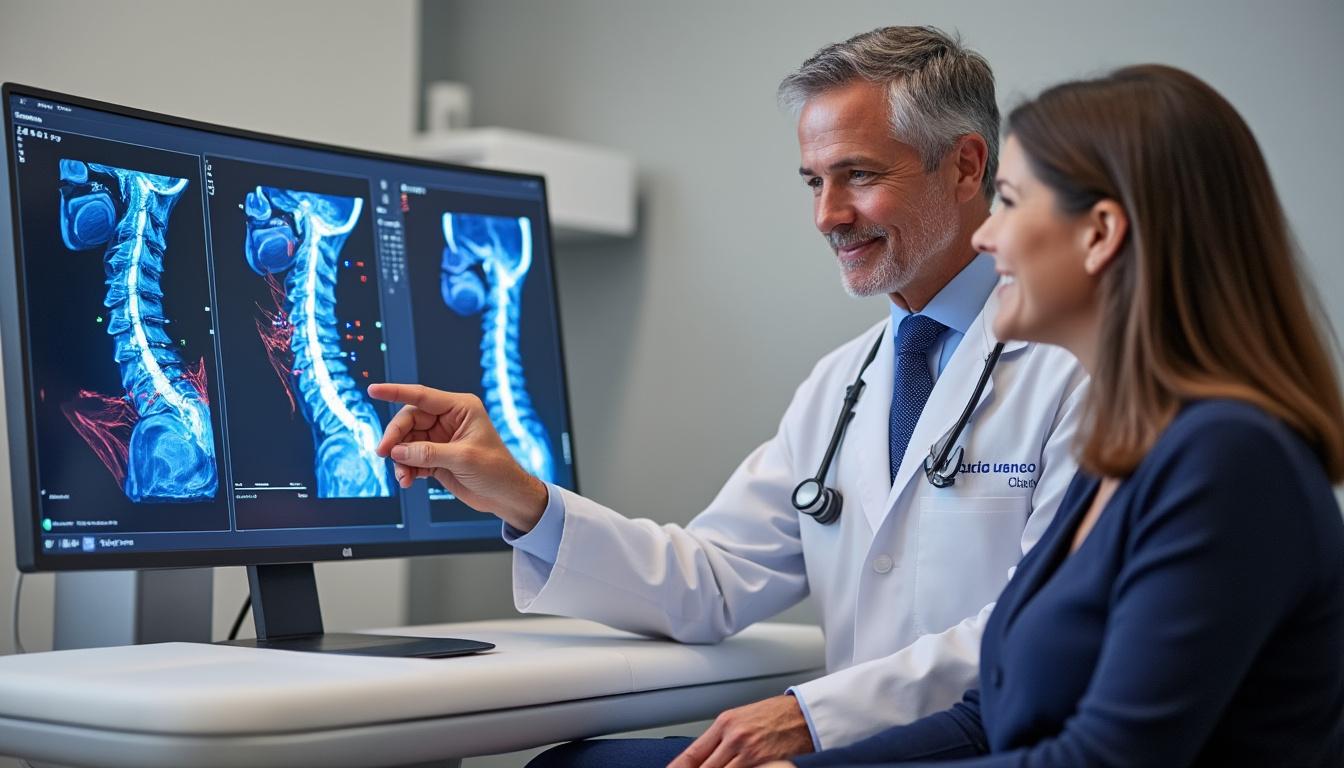
Advanced Treatments at the Disc Relief Clinic: Innovations in Non-Surgical Herniated Disc Care
The Disc Relief Clinic in Montreal is renowned for combining traditional expertise with innovative technology, offering cutting-edge therapies tailored specifically for herniated disc patients. Here, advanced non-surgical spinal decompression therapy forms the cornerstone of treatment, targeting the source of nerve compression and encouraging natural disc healing.
The clinic’s integrated approach includes several validated modalities:
- Neurovertebral decompression therapy: Utilizing robotic-controlled traction systems to create negative pressure within discs, enabling retraction of herniations.
- Specific osteopathy: Manual techniques focusing on restoring spinal mobility and correcting biomechanical imbalances.
- Laser therapy: Accelerates tissue repair by stimulating cellular metabolism and reducing inflammation.
- Shockwave therapy: Breaks down calcifications and promotes blood flow to assist recovery.
This multifaceted protocol is designed to reduce pain, improve function, and avoid surgery whenever appropriate. Patient feedback consistently highlights significant improvements following a course of these treatments, with enhanced quality of life and reduced reliance on medications.
| Treatment | Mechanism | Benefits |
|---|---|---|
| Neurovertebral Decompression | Controlled spinal traction to relieve nerve pressure and restore disc height | Reduced pain, improved mobility, promotes disc healing without surgery |
| Specific Osteopathy | Manual adjustments to correct spinal alignment and muscle function | Improves posture, reduces nerve irritation, enhances overall spinal health |
| Laser Therapy | Light energy stimulates tissue metabolism and repairs damage | Reduces inflammation, accelerates healing, non-invasive |
| Shockwave Therapy | Acoustic waves disrupt calcifications and improve circulation | Relieves chronic pain and promotes healing of tendinopathies |
Ongoing research from studies referenced by the clinic supports the effectiveness and safety of these techniques, contributing to their status as trusted options among Montreal’s spine care alternatives. Patients receive not only treatments but also detailed education on maintenance and prevention strategies tailored to their lifestyles.
How Back Solutions Montreal and Second Look Spine Foster Multidisciplinary Care for Herniated Disc Patients
Back Solutions Montreal and Second Look Spine represent a collaborative model aiming to bridge gaps in spinal healthcare for those suffering from herniated discs. These organizations provide access to diverse health professionals, each contributing specialized skills toward comprehensive patient management.
Key features of their multidisciplinary approach include:
- Integrated consultations: Patients benefit from coordinated evaluations involving osteopaths, physiotherapists, and pain management specialists.
- Personalized rehabilitation plans: Programs are designed emphasizing gradual mobility restoration and pain reduction.
- Collaborative decision-making: All team members communicate progress and adjust treatments dynamically.
- Continued patient education: Focused on posture correction, ergonomic advice, and lifestyle modifications.
- Innovation adoption: Use of therapeutic technologies including laser and shockwave therapy.
| Service | Description | Patient Benefit |
|---|---|---|
| Spine Evaluation | Comprehensive assessment of spinal function and pathology | Accurate diagnosis and individualized treatment planning |
| Therapeutic Interventions | Includes osteopathy, spinal decompression, and adjunct therapies | Efficient symptom management and functional restoration |
| Education and Support | Workshops and individualized education sessions | Empowered self-care and prevention of recurrence |
| Continuous Monitoring | Regular follow-ups tracking progress and treatment effects | Adaptive care ensuring optimal recovery |
By fostering a cooperative ecosystem, these centers underline Montreal’s commitment to innovative, patient-centered spine care. Coordination reduces redundancies and enhances quality across the care continuum, essential for complex herniated disc cases.
Preparing for Your Visit to Montreal’s Herniated Disc Experts: What to Know
When seeking a second opinion or treatment at specialized spine care centers in Montreal, preparation is key to an efficient and informative experience. Patients are encouraged to be proactive by gathering relevant medical information and understanding the clinic’s approach.
Important preparatory steps include:
- Compiling medical records: Bring all previous imaging reports, including X-rays, MRI scans, and prior assessments.
- Documenting symptoms: Maintain a diary of pain episodes, triggers, and functional limitations.
- Preparing questions: List concerns and queries regarding diagnosis, treatment options, risks, and expected outcomes.
- Filling pre-visit forms: Complete available health history questionnaires in advance to reduce appointment time.
- Arriving early: Arrive 15-20 minutes before the appointment to allow for administrative procedures and discussion.
| Preparation Item | Purpose |
|---|---|
| Medical Imaging | Supports accurate diagnosis and treatment planning |
| Symptom Diary | Illustrates pain patterns and impacts daily life |
| Question List | Ensures comprehensive understanding and patient engagement |
| Health History Form | Streamlines consultation and data accuracy |
| Early Arrival | Facilitates smooth appointment flow and detailed discussion |
Following these recommendations can maximize the visit’s value, enabling Montreal’s herniated disc experts to craft highly tailored and effective treatment plans. Patients also benefit from a less stressful and more collaborative healthcare experience, paving the way for successful recovery.

Comparing Surgical and Non-Surgical Paths: Insights from Montreal Pain Assessment Specialists
One of the pivotal decisions faced by patients with herniated discs is whether to pursue surgical intervention or opt for non-surgical management. The Montreal Pain Assessment community offers clear guidance rooted in scientific research and clinical experience to help navigate this choice.
Scientific literature increasingly supports that many patients benefit from conservative treatment without immediate surgery. In fact, well-conducted studies, including large cohort analyses, illustrate:
- Significant symptom improvement: Majority respond positively to non-surgical therapies within weeks to months.
- Reduced surgical risks: Avoidance of anesthesia-related complications, infections, and long recovery times.
- Cost-effectiveness: Conservative care often involves lower expenses than surgical procedures.
- Patient satisfaction: Many report sustained pain relief and function restoration without invasive procedures.
- Individualized approach: Surgery reserved for cases with clear neurological deficits or failed conservative treatment.
| Factor | Surgical Treatment | Non-Surgical Treatment |
|---|---|---|
| Recovery Time | Weeks to months with potential rehabilitation | Variable, often shorter with therapy and exercises |
| Risks | Infection, bleeding, nerve damage | Minimal risks, primarily related to therapy tolerance |
| Cost | Significantly higher | Generally more affordable |
| Indications | Severe nerve compression, progressive neurological loss | Mild to moderate symptoms without instability |
| Long-Term Outcome | Effective for severe cases, potential complications | Effective for majority with proper regimen |
Montreal’s herniated disc experts recommend initiating treatment with non-invasive methods, reserving surgery for clearly defined cases. Patients supported through this decision-making process maintain control and often experience better overall outcomes.
Essential FAQs on Seeking a Second Opinion for Herniated Disc in Montreal
{“@context”:”https://schema.org”,”@type”:”FAQPage”,”mainEntity”:[{“@type”:”Question”,”name”:”Why is getting a second opinion important for a herniated disc?”,”acceptedAnswer”:{“@type”:”Answer”,”text”:”A second opinion provides a comprehensive re-evaluation, confirming or revising initial diagnoses and ensuring that all treatment options, including non-surgical methods, are considered to tailor the best approach for each patient.”}},{“@type”:”Question”,”name”:”How long does it take to get an appointment for a second opinion in Montreal?”,”acceptedAnswer”:{“@type”:”Answer”,”text”:”Many specialized spine clinics in Montreal, including TAGMED Clinic, offer appointments within three days for new patients, with urgent cases sometimes accommodated the same day to expedite care.”}},{“@type”:”Question”,”name”:”Are non-surgical treatments effective for herniated disc?”,”acceptedAnswer”:{“@type”:”Answer”,”text”:”Yes, many patients experience significant pain relief and improved function through therapies such as spinal decompression, specific osteopathy, laser therapy, and shockwave treatment, especially when tailored to individual conditions.”}},{“@type”:”Question”,”name”:”Will insurance cover evaluations and treatments for herniated disc in Montreal?”,”acceptedAnswer”:{“@type”:”Answer”,”text”:”Coverage varies by insurance provider and policy, but many treatments administered by recognized health professionals are eligible for reimbursement. Patients should consult their insurers for specific details.”}},{“@type”:”Question”,”name”:”Can I start treatment during my first evaluation visit?”,”acceptedAnswer”:{“@type”:”Answer”,”text”:”At most Montreal spine care clinics, including TAGMED, treatment can often begin on the same day as the initial evaluation, unless additional tests are required for safety and proper diagnosis.”}}]}Why is getting a second opinion important for a herniated disc?
A second opinion provides a comprehensive re-evaluation, confirming or revising initial diagnoses and ensuring that all treatment options, including non-surgical methods, are considered to tailor the best approach for each patient.
How long does it take to get an appointment for a second opinion in Montreal?
Many specialized spine clinics in Montreal, including TAGMED Clinic, offer appointments within three days for new patients, with urgent cases sometimes accommodated the same day to expedite care.
Are non-surgical treatments effective for herniated disc?
Yes, many patients experience significant pain relief and improved function through therapies such as spinal decompression, specific osteopathy, laser therapy, and shockwave treatment, especially when tailored to individual conditions.
Will insurance cover evaluations and treatments for herniated disc in Montreal?
Coverage varies by insurance provider and policy, but many treatments administered by recognized health professionals are eligible for reimbursement. Patients should consult their insurers for specific details.
Can I start treatment during my first evaluation visit?
At most Montreal spine care clinics, including TAGMED, treatment can often begin on the same day as the initial evaluation, unless additional tests are required for safety and proper diagnosis.