

Back and neck pain remain foremost health concerns worldwide, often leaving individuals grappling with discomfort that impedes daily functioning. Among the common underlying causes, a pinched nerve and a herniated disc frequently surface, particularly in sensitive anatomical regions like the cervical (neck) and lumbar (lower back) spine. Differentiating between these conditions holds critical importance for patients seeking effective treatment options and tailored management strategies. Each condition presents with distinctive features, patterns of pain, and functional limitations, yet they also overlap in symptoms, complicating diagnosis. As the pursuit of spinal health advances in 2025, understanding the nuanced differences between a pinched nerve in the neck versus the lower back equips patients and clinicians to approach care with precision. This article delves into these contrasting conditions, analyzing their causes, symptoms, diagnostic pathways, and contemporary treatment modalities through a comprehensive lens that prioritizes patient-centered, evidence-based care.
Dr. Sylvain Desforges, with over three decades of clinical expertise and a commitment to innovation and scientific rigor, guides this exploration. His integrative approach at Clinique TAGMED highlights the convergence of cutting-edge technology—such as neurovertebral decompression and laser therapy—with empathetic patient education. This ensures that individuals confronting spinal discomfort not only receive advanced medical interventions but also clear, personalized guidance to navigate their care journey. Whether the pain originates from neural compression in the neck or lumbar regions, recognizing the distinct clinical presentations and treatment implications forms the cornerstone of effective intervention.
Understanding the Anatomy and Causes of Pinched Nerves in Neck vs. Lower Back
Pinched nerves develop when external pressures constrict a nerve, leading to impaired function and discomfort. The anatomical complexity of the cervical spine versus the lumbar spine influences the prevalence and source of nerve compression. In the neck, seven cervical vertebrae and their associated discs and joints support significant rotational and flexion movement, but their proximity to delicate neural pathways makes them vulnerable to compression from disc herniation, osteoarthritic changes, or muscular tightness.
In contrast, the lower back consists of five lumbar vertebrae designed to bear substantial weight and provide stability. The lumbar region is especially prone to wear and tear, leading to disc degeneration, osteophyte formation, and muscular imbalances that can impinge nerves, notably the sciatic nerve. Identifying the origin of nerve compression requires recognizing these regional anatomical distinctions:
- Cervical nerve compression frequently arises from herniated discs, spondylosis, or ligamentous hypertrophy, resulting in symptoms radiating into the shoulders, arms, and hands.
- Lumbar nerve compression commonly results from disc prolapse, spinal stenosis, or facet joint arthritis, manifesting as pain radiating down the legs or buttocks.
Crucial contributing factors include poor posture, repetitive strain, trauma, and age-related degeneration, each exerting varying impact dependent on the spinal region. Dr. Desforges emphasizes that an individualized assessment is necessary to understand these biomechanical and physiological contributors within each patient’s unique context.
| Feature | Cervical (Neck) Region | Lumbar (Lower Back) Region |
|---|---|---|
| Number of Vertebrae | 7 (C1-C7) | 5 (L1-L5) |
| Primary Functions | Supports head movement, vision orientation | Supports torso weight, provides mobility and stability |
| Common Causes of Nerve Compression | Disc herniation, cervical spondylosis, muscular tension | Disc herniation, spinal stenosis, facet arthritis |
| Affected Nerve Areas | Arms, shoulders, hands | Legs, buttocks, feet |
| Symptoms | Radiating pain, numbness, weakness in upper extremities | Radiating pain, sciatic-type symptoms, lower limb weakness |
Clinically, the distinction of location shapes diagnostic considerations and therapeutic strategies, highlighting why the management of pinched nerves must be tailored rather than generalized.
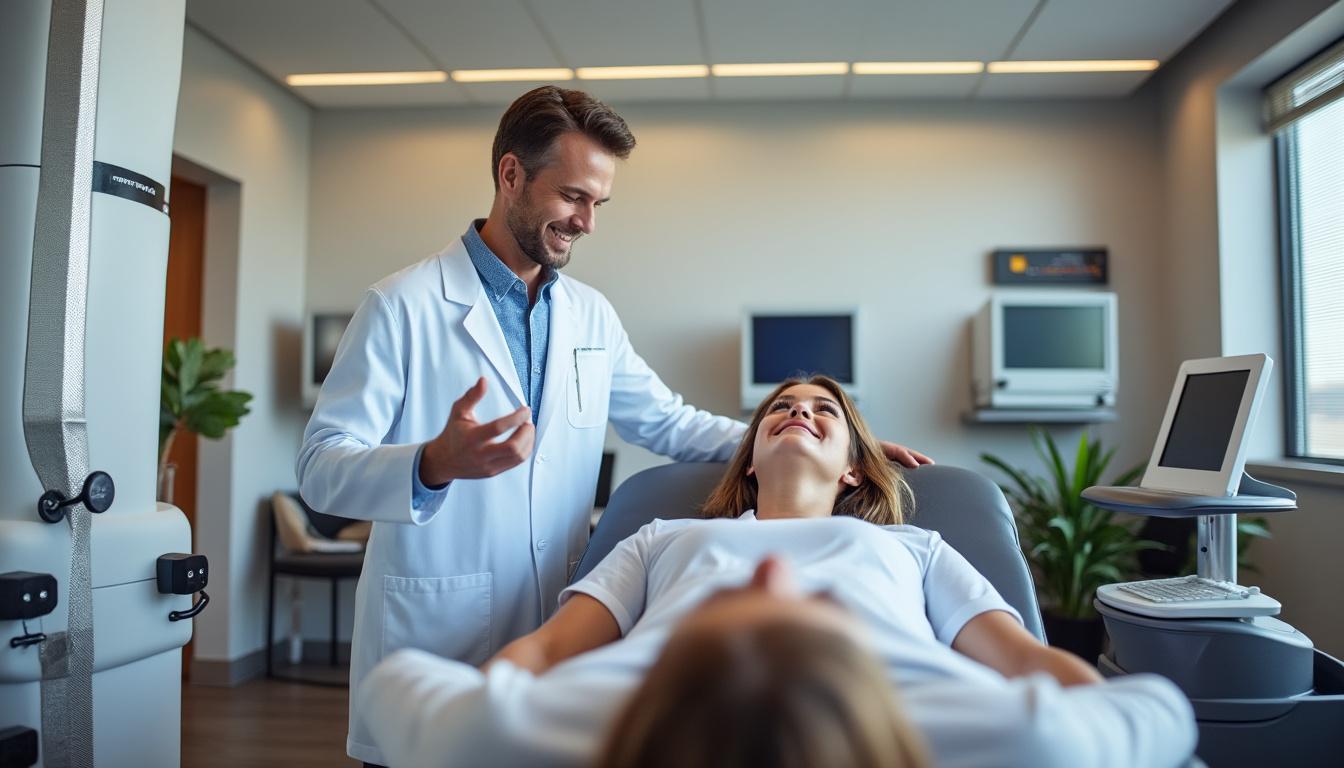
Comparing Symptomatology: Pinched Nerve Pain in the Neck Versus the Lower Back
Patients often report sharp, burning, or electric shock-like pain when nerve compression occurs. However, the distribution, triggers, and secondary symptoms vary substantially between the cervical and lumbar regions. Understanding these variances enhances clinical assessment and patient self-awareness.
Pinched Nerve in the Neck: Symptoms typically include a localized sharp pain around the cervical area. Pain frequently radiates towards the shoulder blades, down the arms, and into the fingers. Patients may experience numbness and tingling sensations resembling “pins and needles” particularly in the hands. Muscle weakness and diminished grip strength often accompany these symptoms. The pain can worsen with neck movement, especially rotation or extension.
Pinched Nerve in the Lower Back: Patients describe a deep, throbbing discomfort in the lumbar region, which may escalate to sharp shooting pains radiating through the buttocks along the sciatic nerve pathway, extending into the legs and feet. Sensory disturbances such as numbness and tingling typically affect the lower limbs on one side. Muscle weakness may manifest as difficulty standing, walking, or controlling foot movement. Bending forward or prolonged sitting tends to exacerbate symptoms.
- Neck-focused symptoms: burning sensations, arm numbness, difficulty gripping objects.
- Lower back-focused symptoms: sciatica-like pain, leg numbness, leg muscle weakness.
- Shared symptoms: radiating pain, tingling sensations, altered muscle strength.
The onset also offers clinical clues: a pinched nerve may invoke sudden electric shock sensations, whereas discomfort from degenerative changes evolves more gradually. Dr. Desforges underscores patient education on symptom tracking as a vital component of early intervention.
| Symptom | Pinched Nerve in Neck | Pinched Nerve in Lower Back |
|---|---|---|
| Pain quality | Sharp, burning, radiating down arms | Throbbing, shooting along legs, sciatica-like |
| Numbness location | Hands, fingers | Legs, feet |
| Muscle weakness | Grip weakness, arm fatigue | Leg weakness, difficulties walking |
| Movement impact | Neck turning worsens pain | Sitting or bending exacerbates pain |
Recognizing these symptom patterns is essential for a comprehensive clinical evaluation, enabling healthcare providers to recommend appropriate investigations and avoid misdiagnosis that delays recovery.
Diagnostic Approaches to Pinched Nerves in the Neck and Lower Back
Accurate diagnosis is a cornerstone for optimizing treatment outcomes in nerve compression syndromes. Dr. Sylvain Desforges recommends a multi-modal assessment combining patient history, physical examination, and advanced imaging techniques at Clinique TAGMED. Each diagnostic tool offers specific insights into the nature and extent of nerve involvement.
Patient History and Physical Exam: Detailed interviews illuminate symptom onset, aggravating and relieving factors, occupational hazards, and prior spinal issues. Neurological tests assess reflex changes, muscle strength, and sensory deficits corresponding to the affected spinal level.
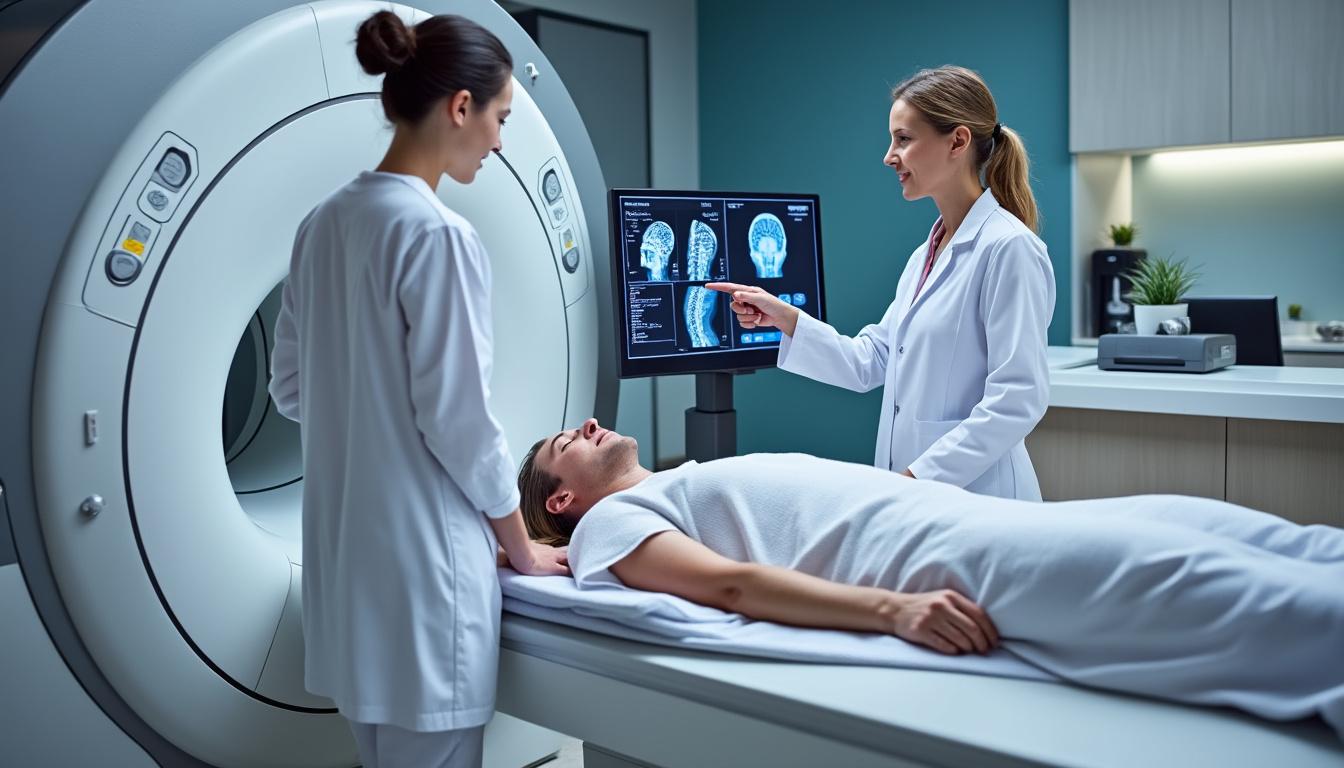
Imaging Modalities: Magnetic Resonance Imaging (MRI) remains the gold standard in visualizing soft tissue structures, including discs and nerve roots. Computed Tomography (CT) scans provide bony detail, important in evaluating foraminal narrowing or osteophyte presence. Dynamic X-rays can assess spinal instability or alignment.
Additional tests include nerve conduction studies and electromyography (EMG) which quantify nerve function and help differentiate pinched nerves from other neuromuscular disorders.
- Comprehensive patient symptom documentation
- Neurological assessments focusing on sensory and motor function
- MRI for detailed visualization of disc herniation and nerve impingement
- CT scans and X-rays to analyze bone structures and alignment
- Nerve conduction studies and EMG for functional evaluation
| Diagnostic Tool | Primary Use | Advantages | Limitations |
|---|---|---|---|
| MRI | Visualize soft tissues and nerve roots | Non-invasive, high-resolution images | Costly, limited availability in some regions |
| X-rays | Assess bony anatomy and alignment | Quick, accessible, helpful for spinal instability | Limited soft tissue detail |
| CT Scan | Detailed bone structure imaging | Provides more detail on foraminal narrowing | Radiation exposure concerns |
| Nerve Conduction Studies | Assess nerve pathway function | Specifically identifies nerve damage | Not widely available in all clinics |
| EMG | Evaluate muscle response to nerve stimulation | Differentiates nerve root from muscle disorders | May cause discomfort during testing |
Dr. Desforges stresses that integrating these diagnostic resources allows the formulation of a targeted and effective treatment plan, reducing unnecessary interventions and promoting patient safety.
Non-Surgical Treatment Strategies for Pinched Nerves in Neck and Lower Back
Nonsurgical interventions form the first-line treatment for pinched nerves, addressing both symptom relief and underlying causes without invasive procedures. Dr. Sylvain Desforges integrates evidence-based modalities, technologies, and patient-tailored approaches at Clinique TAGMED.
Core treatment principles include restoring nerve function, reducing inflammation, improving spinal biomechanics, and enhancing overall patient wellbeing. Common nonsurgical options are:
- Physical therapy: Strengthening paraspinal muscles, improving flexibility, and correcting posture to relieve nerve pressure.
- Spinal decompression therapy: Utilizing advanced devices that gently create negative pressure within discs, promoting retraction of herniated material and easing nerve impingement.
- Medications: Nonsteroidal anti-inflammatory drugs (NSAIDs) and muscle relaxants to diminish inflammation and muscle spasms.
- Chiropractic care and osteopathic manipulation: Tailored manual therapies addressing biomechanical dysfunctions to alleviate compression.
- Therapeutic modalities: Use of biofreeze gels, Theragun percussion devices, and laser therapy to reduce pain and stimulate circulation.
- Ergonomic advice and lifestyle modification: Patient education on body mechanics, Tempur-Pedic-supported rest, and avoiding aggravating positions.
According to clinical experience, the timeline for improvement varies, but consistent adherence to therapy and lifestyle adjustments greatly enhances recovery prospects.
| Treatment | Purpose | Examples | Expected Outcome |
|---|---|---|---|
| Physical Therapy | Restore strength and flexibility | Stretching, strengthening exercises | Reduced nerve pressure, improved mobility |
| Spinal Decompression | Relieve nerve impingement | Non-surgical decompression tables | Pain relief, disc recovery support |
| Medications | Manage inflammation and pain | NSAIDs, muscle relaxants | Reduced swelling and discomfort |
| Manual Therapy | Correct biomechanical issues | Osteopathic manipulation, chiropractic adjustments | Improved spinal alignment, decreased pain |
| Therapeutic Modalities | Alleviate superficial pain | Biofreeze, Theragun, laser therapy | Pain reduction, increased circulation |
Integration of advanced devices like Bauerfeind braces or Hyperice cold therapy complements traditional methods, reinforcing comprehensive care. Dr. Desforges’ approach embodies a balance of technological innovation and compassionate patient support.
Surgical Considerations and Advanced Therapies for Persistent Pinched Nerves
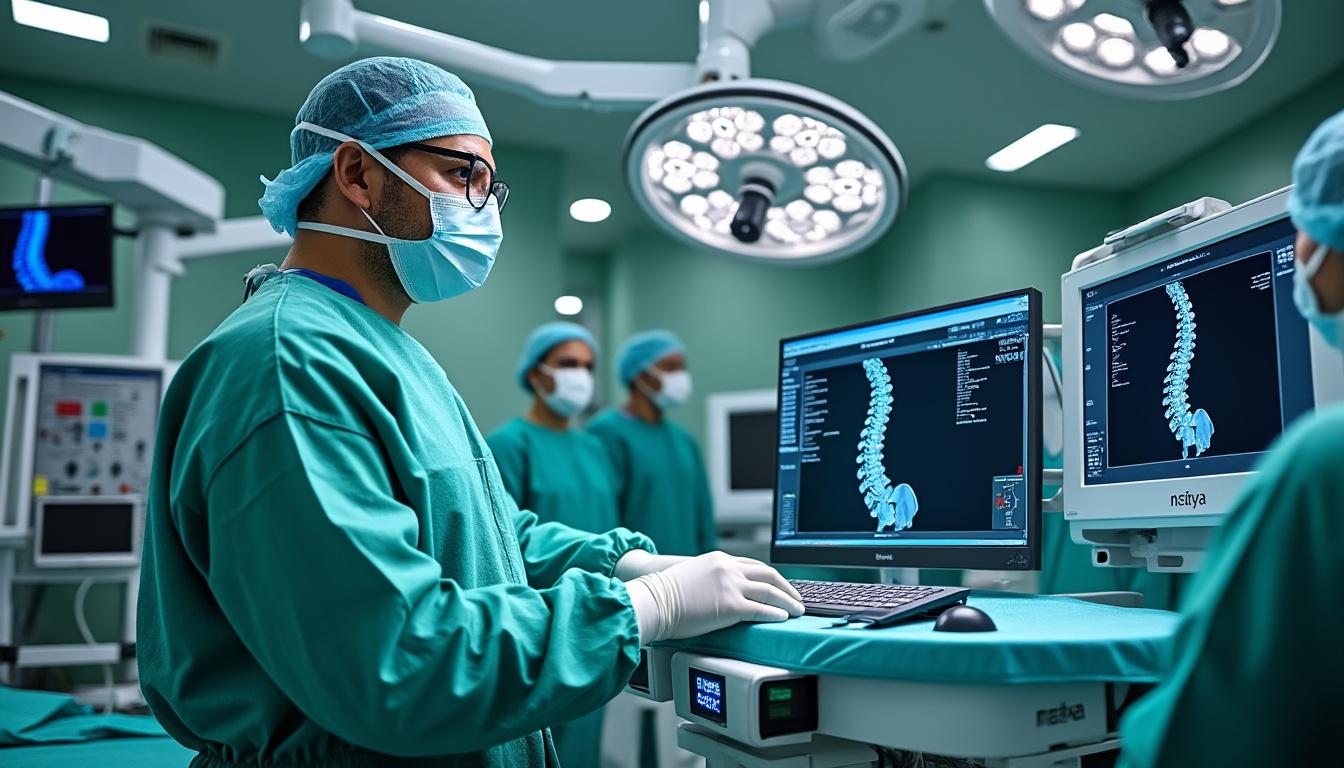
While most pinched nerve cases respond well to conservative care, persistent symptoms or progressive neurological deficits necessitate surgical evaluation. Dr. Sylvain Desforges advocates a cautious, evidence-based process before considering invasive interventions, emphasizing patient-informed decisions and adherence to Quebec and Canadian medical regulations.
Advanced surgical techniques available include:
- Microdiscectomy: Minimally invasive removal of herniated disc material applying meticulous precision to spare healthy structures.
- Laminectomy: Surgical decompression by excising parts of the vertebra to enlarge the spinal canal and relieve nerve pressure.
- Artificial disc replacement: Retains spinal motion while replacing damaged discs, reducing adjacent segment degeneration.
- Dynamic spinal implants: Innovative devices that stabilize yet allow natural spine movement.
Following surgery, Dr. Desforges coordinates multidisciplinary rehabilitation programs incorporating osteopathic care, physical therapy, and advanced recovery devices such as Compex muscle stimulators or Medtronic neuro-modulation systems, ensuring comprehensive neuro-muscular restoration.
| Surgical Option | Procedure Details | Benefits | Potential Risks |
|---|---|---|---|
| Microdiscectomy | Remove herniated disc portion minimally invasively | Faster recovery, less tissue damage | Infection, nerve injury |
| Laminectomy | Remove vertebral lamina to relieve pressure | Effective decompression | Spinal instability, scar tissue formation |
| Artificial Disc Replacement | Replace damaged disc with prosthesis | Maintains spinal mobility | Implant wear, eventual revision surgery |
| Dynamic Spinal Implants | Stabilize spine while allowing motion | Preserves natural biomechanics | Mechanical failure, implant migration |
Decision-making is complex and should reflect individual patient goals, symptom severity, and overall health. Dr. Desforges ensures that patients receive thorough consultations to understand risks, benefits, and alternatives before surgical pathways.
Integrating Complementary Technologies and Supports for Spinal Nerve Health
Beyond direct medical treatment, adjunctive technologies and supportive strategies play critical roles in managing pinched nerves. Dr. Desforges incorporates innovations that enhance recovery and patient comfort while respecting ethical and scientific standards.
Examples of these supportive measures include:
- Therapeutic Devices: Tools like Theragun percussion massagers assist in muscle relaxation, while Biofreeze topical analgesics provide temporary localized pain relief.
- Ergonomic Supports: Use of Tempur-Pedic cushions and DonJoy braces ensures spinal alignment and reduces mechanical stress during daily activities.
- Muscle Stimulation: Devices such as Compex electrical muscle stimulators promote healing by enhancing blood circulation and muscle activation.
- Cold and Heat Therapy: Hyperice systems deliver targeted thermal modulation to reduce inflammation and improve tissue resilience.
- Structural Strengthening: OsteoStrong programs focus on bone density and muscular support to prevent further spinal compromise.
These complementary aids augment conventional treatment, addressing multifactorial contributors to nerve compression and facilitating holistic recovery. Under Dr. Desforges’ stewardship, patient education on properly employing these resources forms a key pillar of care.
| Supportive Technology | Function | Clinical Benefit |
|---|---|---|
| Theragun | Percussion massage | Relaxed musculature, decreased nerve irritation |
| Biofreeze | Topical analgesic | Temporary pain relief |
| Tempur-Pedic | Ergonomic support cushion | Improved posture during rest and work |
| Compex | Electrical muscle stimulation | Enhanced muscle recovery and strength |
| DonJoy | Orthopedic braces | Mechanical support and stabilization |
How to Differentiate Pinched Nerve from Other Neck and Back Conditions
Spinal pain often overlaps a variety of musculoskeletal and neurological disorders, complicating precise diagnosis. Differentiating a pinched nerve from conditions such as strained muscles, arthritis, or herniated discs is crucial for directing treatment appropriately.
Key differentiators include:
- Radiation of Pain: Pinched nerves typically produce radiating pain following nerve pathways, whereas muscle strains cause localized pain without clear radiating patterns.
- Sensory Symptoms: Numbness, tingling, or weakness are hallmarks of nerve involvement, less common in purely muscular injuries.
- Response to Movement: Pinched nerve pain may intensify with specific movements compressing the nerve, while muscle strain pain often reduces with rest.
- Progression: Herniated discs often present with gradual worsening and can mimic pinched nerve symptoms but may involve localized disc pathology on imaging.
A thoughtful clinical exam combined with diagnostic imaging under Dr. Desforges’ expert evaluation ensures mistaken assumptions are minimized. Personalized care plans reflect these nuanced distinctions, avoiding unnecessary treatments while promoting recovery.
| Condition | Characteristic Pain | Associated Symptoms | Common Diagnostic Tools |
|---|---|---|---|
| Pinched Nerve | Radiating, sharp or burning | Numbness, tingling, muscle weakness | MRI, nerve conduction studies |
| Herniated Disc | Localized and radiating depending on severity | Nerve root compression signs | MRI, CT Scan |
| Muscle Strain | Localized, dull ache | Muscle tenderness, no nerve signs | Physical exam, patient history |
| Arthritis | Stiffness, localized deep pain | Joint swelling or reduced range of motion | X-rays, blood tests |
Empowering Patients: Education and Personalized Care Approaches
Empowerment through education lies at the heart of effective spine care. Dr. Sylvain Desforges dedicates substantial effort to clarifying complicated medical concepts and tailoring information to each patient’s circumstances. Understanding the implications of a pinched nerve or herniated disc aids patients in making informed decisions aligned with their values and lifestyle goals.
Patients are encouraged to actively engage in their care plans, ask questions, and communicate changes in symptoms. Dr. Desforges’ practice offers comprehensive resources explaining treatment options, expected outcomes, and preventive strategies including:
- Proper posture education to reduce nerve compression risk
- Guidance on ergonomic adjustments at work and home
- Exercise regimes calibrated to individual capabilities incorporating devices like Compex
- Awareness of when to seek timely medical evaluation for worsening symptoms
Accessible and clear communication complements the technical expertise deployed in treatment. This holistic approach supports sustained spinal health and functional recovery.
Frequently Asked Questions on Pinched Nerves in Neck and Lower Back
Can a pinched nerve heal on its own without surgery?
Yes, many pinched nerves improve with conservative treatments such as physical therapy, activity modification, and pain management, especially when addressed early.
How do I know if my symptoms are from a pinched nerve or a herniated disc?
While both share overlapping symptoms, MRI imaging combined with clinical examination typically clarifies the diagnosis. Radiating sharp pain with numbness often suggests nerve compression, whereas herniated discs involve disc material protrusion visualized on imaging.
Are there specific products that help relieve pinched nerve symptoms?
Products such as Biofreeze topical analgesics, Theragun massage devices, DonJoy orthopedic braces, and Tempur-Pedic ergonomic supports can alleviate symptoms and support recovery.
When should I seek immediate medical attention for pinched nerve symptoms?
Seek urgent care if you experience severe weakness, loss of bladder or bowel control, or worsening numbness, as these may indicate serious nerve damage requiring prompt intervention.
Can lifestyle changes reduce the risk of developing pinched nerves?
Yes, maintaining proper posture, engaging in regular low-impact exercise, ergonomic adjustments, and early treatment of spinal conditions significantly decrease the risk of nerve compression.