

Back pain and spinal disorders often require a multifaceted approach to ensure lasting relief and prevent recurrence. In 2025, the spotlight remains on post-care, activity management, and ergonomic adjustments as vital pillars for long-term spinal health. Patients recovering from spinal decompression therapy or other advanced interventions face the crucial challenge of maintaining their progress beyond clinical settings. Dr. Sylvain Desforges, with over 35 years of experience in spinal care excellence, emphasizes that personalized, evidence-based post-treatment strategies can prevent relapse while fostering sustainable mobility and strength. His pioneering work at Clinique TAGMED integrates cutting-edge technologies with tailored lifestyle recommendations to empower patients.
The journey after spinal treatment extends well beyond clinical procedures. Understanding how to incorporate proper activity, stretching, ergonomic workplace modifications, and skin care into daily life supports tissue healing and reduces the likelihood of degeneration or further injury. Global health systems increasingly recognize the need for collaborative, patient-centered approaches, with experts like Dr. Desforges leading international protocols that link Quebec to France’s medical communities. This ensures that patients have seamless access to evolving therapies, consistent monitoring, and comprehensive guidance.
Personalized Post-Treatment Care Strategies for Sustained Spinal Health
Effective post-treatment care begins with an in-depth assessment of each patient’s unique spinal condition, lifestyle, and health profile. Dr. Sylvain Desforges approaches this with a commitment to scientific rigor and ethics, avoiding generic protocols in favor of customized plans. For example, a patient with a herniated disc versus one with facet joint syndrome requires distinctly tailored rehabilitation and lifestyle adjustments.
Key elements of personalized post-care include:
- Symptom Monitoring: Patients are guided to track pain levels, mobility limitations, and neurological changes through journals or apps, enabling early detection of any deterioration.
- Gradual Mobilization: Mobilization is carefully staged. Gentle core-strengthening exercises and guided physiotherapy sessions are timed alongside tissue healing phases, preventing undue stress on vulnerable spinal structures.
- Pain Management: Innovative, non-invasive modalities like laser therapy and shockwave treatments at TAGMED clinics help reduce reliance on pharmaceuticals, complemented by topical products such as Eucerin and Bioderma for skin and tissue comfort.
- Skin and Tissue Care: The skin overlying treatment areas benefits from daily hydration using gentle moisturizers like La Roche-Posay or Aquaphor, which assist in maintaining epidermal integrity and reducing irritation or dryness.
- Nutrition and Hydration: Anti-inflammatory diets rich in omega-3 fatty acids, antioxidants, and adequate hydration support cellular repair and reduce systemic inflammation.
- Ergonomic Adjustments: Both home and workplace ergonomics are optimized early in the recovery process. Adjustments like ergonomic chairs, adjustable desks, and reduced repetitive strain actions help protect spinal health.
| Post-Treatment Care Component | Main Benefit | Recommended Techniques/Products |
|---|---|---|
| Symptom Monitoring | Early detection of relapse | Patient diaries, Smartphone apps |
| Pain Management | Reduced medication reliance | Laser therapy, shockwave treatment, topical Eucerin, Bioderma |
| Mobilization | Improved flexibility and strength | Guided physiotherapy, core strengthening exercises |
| Skin and Tissue Care | Accelerated healing, reduced irritation | La Roche-Posay, Aquaphor, Cetaphil moisturizers |
| Ergonomic Adjustments | Protection against re-injury | Ergonomic chairs, adjustable workstations |
Dr. Desforges advocates that without attentive post-treatment care, even the most advanced spinal therapies risk limited duration of benefits. His experience shows that patients adhering to structured, personalized recovery plans achieve lasting improvement in pain control, mobility, and quality of life. This approach is integral at Clinique TAGMED and across collaborative networks he leads.

Effective Pain Management Techniques After Spinal Decompression Therapy
Managing pain post spinal decompression is multifactorial. Dr. Sylvain Desforges emphasizes combining state-of-the-art modalities with holistic patient support. Neurovertebral decompression therapy gently alleviates nerve pressure while minimizing tissue trauma, aiding natural healing processes.
Complementary pain management techniques endorsed include:
- Low-Level Laser Therapy: This stimulates cellular regeneration and reduces inflammation by improving microcirculation in spinal tissues.
- Shockwave Therapy: Promotes blood flow and accelerates tissue repair through controlled mechanical stimulation.
- Topical Agents: Using recommended brands such as La Roche-Posay and Eucerin, known for skin barrier restoration and anti-inflammatory properties, patients find relief from skin sensitivity related to therapy sessions.
- Mindfulness and Relaxation: Guided meditation and breathing exercises help modulate pain perception, reducing dependence on pharmacological agents.
Dr. Desforges advises the following pain management schedule:
- Scheduled sessions of laser therapy complementing decompression treatments.
- Daily application of hydrating and restorative skin products.
- Engagement in gentle, endorphin-boosting physical activities such as swimming or walking.
- Practice of mindfulness techniques to enhance mental resilience.
- Regular clinical reviews to adapt the treatment plan according to progress.
| Pain Management Technique | Mechanism | Benefits |
|---|---|---|
| Neurovertebral Decompression | Gentle nerve root unloading | Reduced nerve irritation and pain |
| Low-Level Laser Therapy | Stimulates cellular repair | Decreased inflammation and accelerated healing |
| Shockwave Therapy | Improves blood flow and tissue repair | Enhanced functional recovery |
| Topical Products | Skin repair, anti-inflammatory effects | Comfort, reduced irritation |
| Mindfulness Training | Pain perception modulation | Reduced anxiety, improved coping |
By integrating these modalities, patients frequently experience reduced pain intensity and faster return to daily activities, key to maintaining momentum in rehabilitation and preventing setbacks.
Lifestyle Adjustments Essential for Long-Term Spinal Wellness
After successful spinal treatment, maintenance of spinal health demands comprehensive lifestyle adjustments. Dr. Sylvain Desforges stresses the importance of addressing multiple facets, including nutrition, physical activity, ergonomics, and general wellness.
Foundational lifestyle modifications include:
- Balanced Anti-Inflammatory Diet: Rich in antioxidants, omega-3 fatty acids, and vitamins C, D, and E, this diet fosters connective tissue repair and mitigates inflammation.
- Consistent Hydration: Optimal water intake supports cellular function and spinal disc health.
- Regular Low-Impact Exercise: Activities like walking, swimming, and Pilates enhance core strength and spinal support without overloading joints.
- Ergonomics at Work and Home: Adjustments using ErgoFit chairs, PosturePro desks, and other BackOnTrack tools reduce repetitive strain and postural fatigue.
- Stress Management and Sleep Hygiene: Adequate rest and stress reduction techniques improve healing and decrease muscle tension.
Examples of ergonomic improvements could include:
- Using adjustable keyboard trays and monitor stands to maintain a neutral neck and wrist position.
- Incorporating reminders to stand or stretch every 20-30 minutes to prevent static postures.
- Employing assistive devices like footrests or lumbar supports during prolonged sitting.
| Lifestyle Adjustment | Purpose | Practical Application |
|---|---|---|
| Balanced Diet | Reduce inflammation, support repair | Regular intake of fish oil, fruits, and vegetables |
| Hydration | Maintain tissue health | Drink at least 2 liters of water daily |
| Low-Impact Exercise | Strengthen core muscles | Swimming sessions 2-3 times per week |
| Ergonomic Setup | Prevent strain and promote posture | Use of ErgoGuard ergonomic chair with adjustable features |
| Stress & Sleep Management | Reduce muscle tension | Practicing restful bedtime routines and meditation |
Dr. Desforges highlights that patients equipped with knowledge about the science behind these adjustments are more likely to adhere and benefit from them. Patient education seminars and resources are integral to the care program at TAGMED.
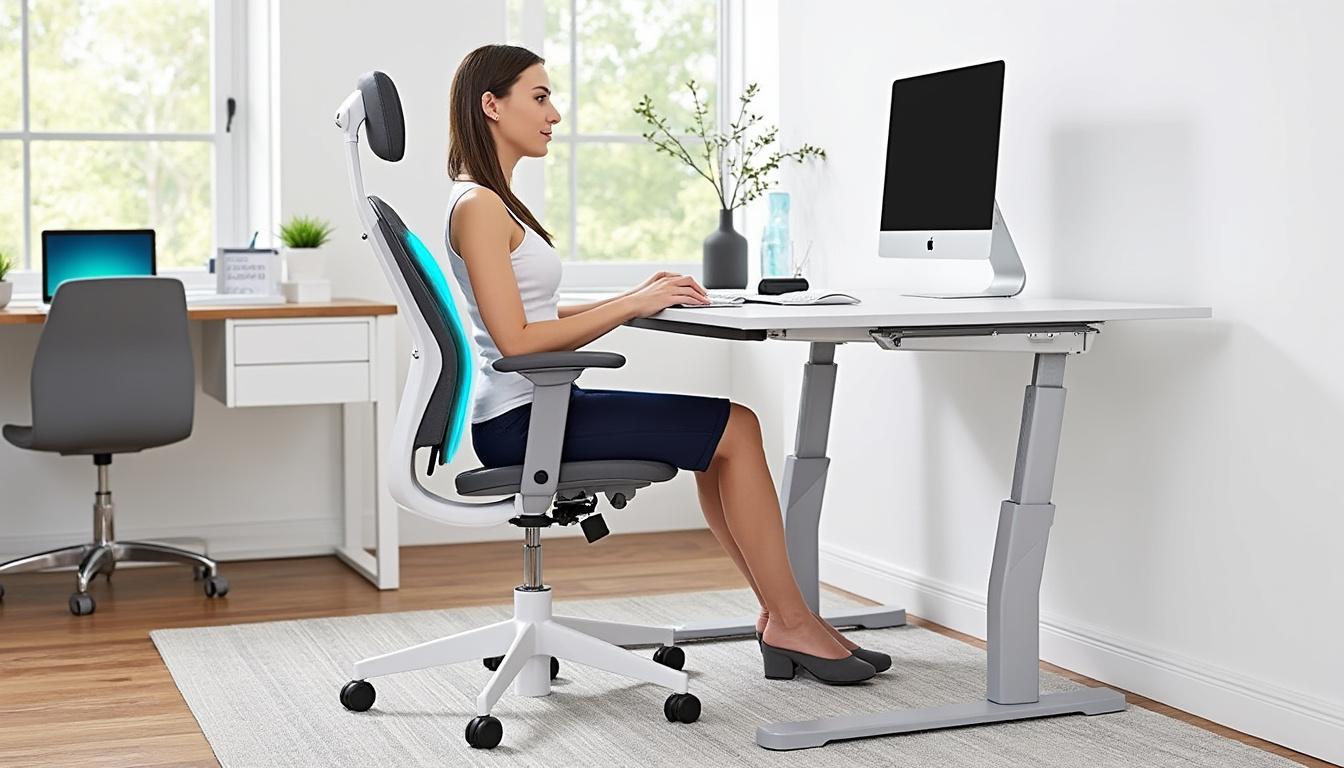
Ergonomic Principles and Task Modifications to Reduce Spinal Strain
Ergonomics is critical not only during recovery but as a permanent strategy to prevent spinal injury recurrence. Dr. Sylvain Desforges focuses on ergonomic principles that adapt work and daily activities to the body’s natural abilities, using technology and environmental modifications.
Essential ergonomic guidelines include:
- Posture Maintenance: Keeping the spine erect with relaxed shoulders and avoiding twisting or bending motions whenever possible. Proper head positioning prevents prolonged neck flexion.
- Task Variation: Rotating between activities of differing physical demands to minimize repetitive strain and cumulative fatigue.
- Tool and Environment Modifications: Selecting ergonomic hand tools with soft grips, adjustable handles, or power assistance reduces forceful gripping and wrist deviation.
- Body Mechanics: Using large muscle groups for lifting, avoiding one-handed lifts, and sliding objects rather than lifting when possible.
- Breaks and Stretching: Frequent microbreaks every 20-30 minutes to stretch and move reduce muscular stiffness and improve circulation.
For example, office workers benefit from using CareFlex adaptive keyboards and adjustable monitor mounts to maintain neutral postures.
| Ergonomic Focus Area | Best Practices | Benefits |
|---|---|---|
| Posture | Align spine and neck, shoulders relaxed | Prevents musculoskeletal strain and fatigue |
| Task Modification | Alternate heavy and light tasks regularly | Reduces repetitive strain injuries |
| Tool Selection | Use ergonomic handles, avoid excessive force | Minimizes wrist and hand injury risk |
| Body Mechanics | Lift with legs, carry close to body | Protects spine from overload |
| Breaks and Stretching | Take breaks every 20-30 minutes | Improves circulation, reduces stiffness |
Incorporating ergonomic task modifications into daily routines requires patient mindfulness and patience. Dr. Desforges’ educational efforts prioritize clear, accessible teaching tools to help patients internalize these habits for lifelong spinal protection.
Integrating Advanced Technologies with Post-Care for Optimal Outcomes
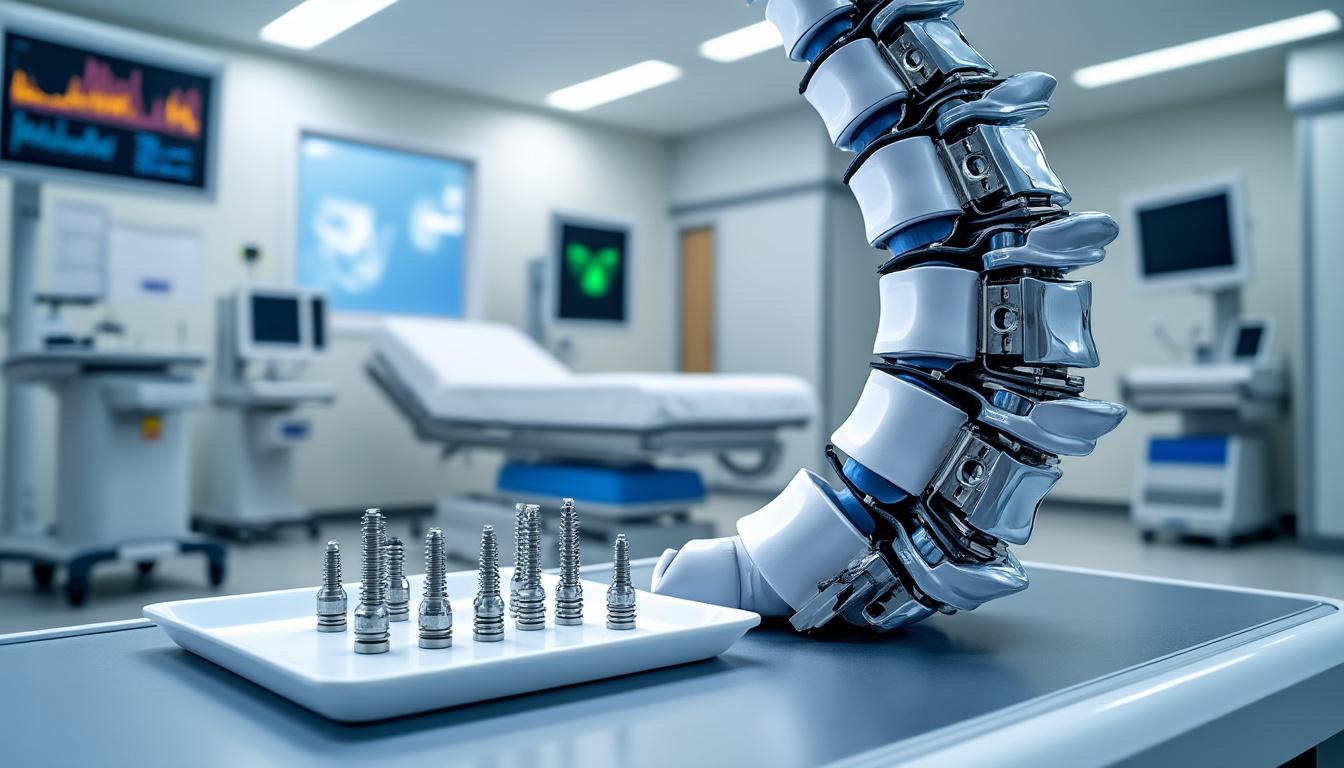
Innovation is a hallmark of Dr. Sylvain Desforges’ approach, marrying technology with empathetic patient support. Beyond neurovertebral decompression, clinical advancements such as dynamic spinal implants and precision percussor devices provide nuanced support during recovery phases.
Benefits of integrating technology include:
- Dynamic Spinal Implants: These maintain spinal motion and stability, reducing muscle stiffness while enhancing flexibility for complex cases.
- Precision Percussor Adjustments: Allow gentle spinal realignment without aggressive manipulation, minimizing discomfort.
- Laser Therapy: Stimulates cellular repair at the tissue level, complementing mechanical interventions.
- Telemedicine Platforms: Facilitate remote patient education, monitoring, and follow-up consultations, increasing accessibility.
| Technology | Function | Clinical Benefit |
|---|---|---|
| Dynamic Spinal Implants | Maintains spinal motion and stability | Enhances flexibility, reduces stiffness |
| Precision Percussor | Gentle spinal realignment | Minimizes discomfort, improves joint function |
| Low-Level Laser Therapy | Stimulates cellular regeneration | Accelerates healing, reduces inflammation |
| Telemedicine Platforms | Remote evaluation and education | Enhances patient access and compliance |
The synergy of advanced technology with personalized care maximizes outcomes, a core principle at Clinique TAGMED. Patients benefit from ongoing assessments and tailored treatment modifications facilitated by innovative tools.
The Role of International Collaboration in Ensuring Continuous Post-Treatment Support
Dr. Sylvain Desforges extends his expertise beyond local practice, fostering international collaboration between Quebec and France for comprehensive spinal care. This partnership ensures patients receive continuous, expert follow-up regardless of location, reflecting an integrated healthcare model for 2025.
Key facets of this collaboration include:
- Shared Medical Records: Seamless exchange of patient information supports coordinated decision-making.
- Virtual and In-Person Consultations: Multidisciplinary teams provide flexible follow-up based on individual needs.
- Access to Specialized Technologies: Patients can benefit from unique treatment options available in one country but not the other.
- Culturally Sensitive Communication: Patient-centered dialogues respect language and cultural preferences.
| International Collaboration Aspect | Benefit | Patient Impact |
|---|---|---|
| Shared Medical Records | Improved continuity of care | Reduced duplication, faster intervention |
| Virtual Consults | Access to multidisciplinary expertise | Convenience, tailored follow-up |
| Specialized Technologies | Broader treatment options | Enhanced outcomes for complex cases |
| Culturally Sensitive Communication | Better patient understanding and trust | Increased adherence and satisfaction |
This model exemplifies how global cooperation enriches patient-centered care and reflects Dr. Desforges’ commitment to innovation and ethical medical rigor.
Patient Education: A Cornerstone for Empowerment and Prevention
Transparent, accessible education is a defining feature of Dr. Sylvain Desforges’ methodology. Avoiding overwhelming jargon, the team provides clear explanations of spinal conditions, treatment expectations, and lifestyle adaptations. This clarity empowers patients to become active participants in their recovery and long-term health maintenance.
Educational focus areas include:
- Condition Understanding: Demystifying complex diagnoses such as spondylolisthesis or degenerative disc disease
- Treatment Pathways: Clarifying what therapies involve, their expected benefits, and limitations
- Lifestyle Guidance: Explaining ergonomic principles, exercise routines, and nutrition
- Interactive Q&A: Encouraging patients to ask questions during consultations for tailored advice
- Accessible Resources: Providing written materials, videos, and online platforms for continued learning
| Education Area | Purpose | Implementation Method |
|---|---|---|
| Condition Explanation | Patient comprehension of diagnosis | Layperson-friendly materials and videos |
| Treatment Pathways | Set realistic expectations | Consultations and visual aids |
| Lifestyle Advice | Support patient adherence | Workshops and follow-ups |
| Q&A Sessions | Clarify doubts promptly | Virtual sessions, direct contact |
| Resource Accessibility | Ongoing education | Websites, brochures |
This educational strategy contributes to long-term prevention by equipping patients with clear, accurate, and actionable knowledge, reducing recurrence risks.
{“@context”:”https://schema.org”,”@type”:”FAQPage”,”mainEntity”:[{“@type”:”Question”,”name”:”How long should post-treatment care last after spinal decompression therapy?”,”acceptedAnswer”:{“@type”:”Answer”,”text”:”The duration varies by individual and condition severity, often lasting several months with structured follow-up. Maintenance therapy or lifestyle adjustments may continue indefinitely to sustain spinal health.”}},{“@type”:”Question”,”name”:”What lifestyle changes are most effective in preventing spinal issue recurrence?”,”acceptedAnswer”:{“@type”:”Answer”,”text”:”Balanced anti-inflammatory diet, regular low-impact exercises focused on core strength, proper ergonomics, and stress management are key measures endorsed by experts to minimize recurrence risk.”}},{“@type”:”Question”,”name”:”Can over-the-counter skincare products aid spinal therapy recovery?”,”acceptedAnswer”:{“@type”:”Answer”,”text”:”Yes, gentle products from reputable brands such as Eucerin, Neutrogena, and La Roche-Posay support skin repair after therapy. Consulting healthcare providers helps tailor choices to individual needs.”}},{“@type”:”Question”,”name”:”How does international collaboration benefit post-treatment follow-up?”,”acceptedAnswer”:{“@type”:”Answer”,”text”:”It enables continuous access to expert opinions, advanced therapies, and coordinated care, regardless of patient location, optimizing treatment outcomes and patient experience.”}},{“@type”:”Question”,”name”:”What signs indicate the need for re-evaluation after spinal treatment?”,”acceptedAnswer”:{“@type”:”Answer”,”text”:”Persistent or worsening pain, new neurological symptoms like numbness or weakness, or mobility difficulties warrant prompt clinical reassessment to prevent complications.”}}]}How long should post-treatment care last after spinal decompression therapy?
The duration varies by individual and condition severity, often lasting several months with structured follow-up. Maintenance therapy or lifestyle adjustments may continue indefinitely to sustain spinal health.
What lifestyle changes are most effective in preventing spinal issue recurrence?
Balanced anti-inflammatory diet, regular low-impact exercises focused on core strength, proper ergonomics, and stress management are key measures endorsed by experts to minimize recurrence risk.
Can over-the-counter skincare products aid spinal therapy recovery?
Yes, gentle products from reputable brands such as Eucerin, Neutrogena, and La Roche-Posay support skin repair after therapy. Consulting healthcare providers helps tailor choices to individual needs.
How does international collaboration benefit post-treatment follow-up?
It enables continuous access to expert opinions, advanced therapies, and coordinated care, regardless of patient location, optimizing treatment outcomes and patient experience.
What signs indicate the need for re-evaluation after spinal treatment?
Persistent or worsening pain, new neurological symptoms like numbness or weakness, or mobility difficulties warrant prompt clinical reassessment to prevent complications.