

Chronic low back pain remains a pervasive challenge affecting millions globally, often resistant to straightforward diagnosis and treatment. Among the myriad causes, Modic changes, visible on magnetic resonance imaging (MRI), have emerged as a significant phenomenon associated with vertebral endplate and bone marrow alterations. These changes often co-exist with degenerative disc disease, complicating the diagnostic landscape for both clinicians and patients. Understanding the nature, implications, and treatment perspectives of Modic changes is crucial for effective spinal care in 2025 and beyond.
Advances in spinal imaging have led to increasing recognition of Modic changes as potential contributors to low back pain. However, despite extensive research and clinical attention, the precise role of these vertebral marrow alterations in chronic pain remains a topic of ongoing investigation and debate within the medical community. This complex interplay demands a comprehensive, evidence-based approach to diagnosis and patient support, emphasizing personalized care over generic solutions.
Patients seeking relief from low back pain caused or influenced by Modic changes should be aware of the current scientific understanding, diagnostic techniques, and conservative management strategies. This is especially important as new technologies and therapies continually evolve, reshaping the landscape of spinal health management. With a focus on both state-of-the-art medical insights and compassionate patient care, this article aims to illuminate key aspects of Modic changes and their clinical relevance.
Modic Changes Explained: Types, Mechanisms, and Diagnostic Insights in Low Back Pain
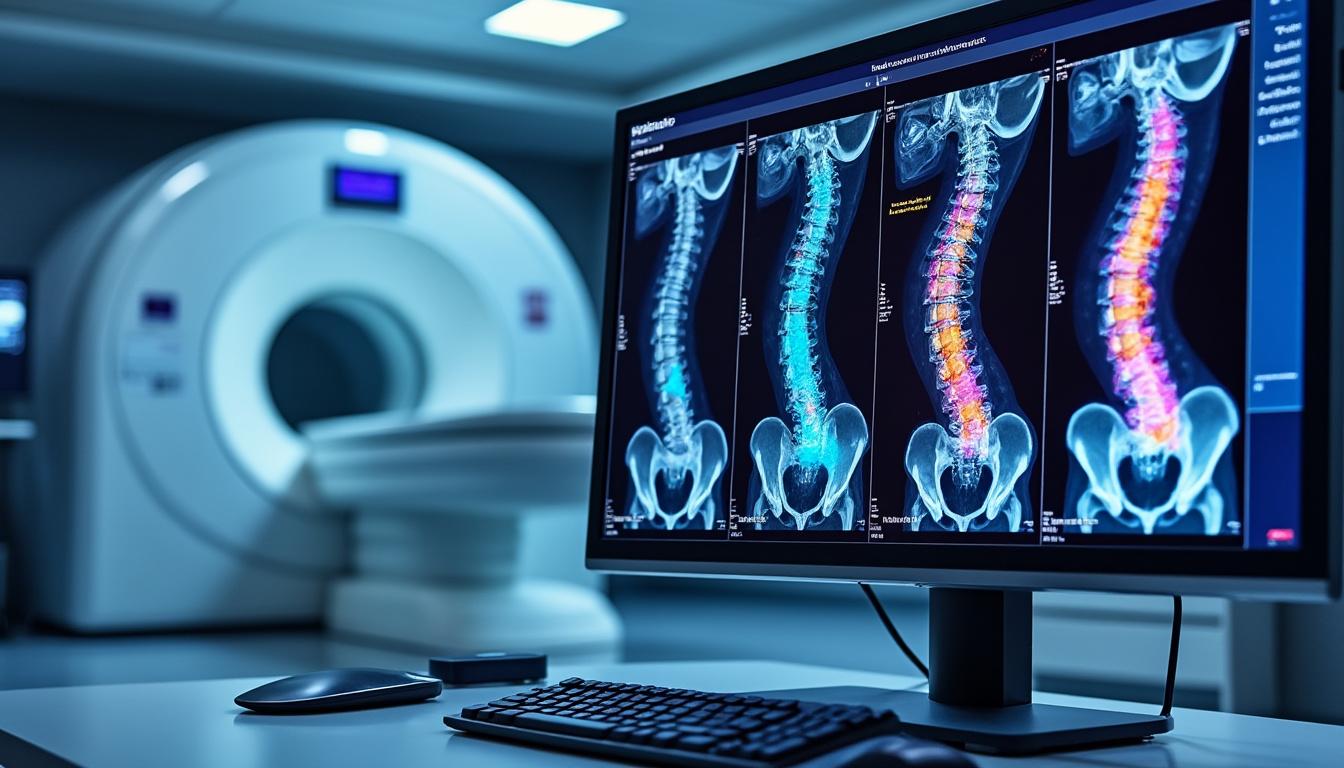
Modic changes refer to MRI-detected signal alterations in the vertebral bone marrow adjacent to the endplates of lumbar vertebrae. Classified into three primary types by Dr. Michael Modic in 1988, these changes reflect distinct pathological processes within the spinal structure.
- Type 1 Modic Changes indicate bone marrow edema and inflammation, appearing hypointense on T1-weighted images and hyperintense on T2-weighted images. This type is often associated with active inflammation and may relate closely to episodes of acute or severe low back pain.
- Type 2 Modic Changes correspond to fatty replacement of the bone marrow, exhibiting hyperintensity on both T1- and T2-weighted images. These changes represent a chronic, stable phase of marrow degeneration with comparatively less inflammation.
- Type 3 Modic Changes signify subchondral bone sclerosis, characterized by hypointensity on both T1- and T2-weighted sequences, indicating advanced, often irreversible alterations suggestive of bone hardening.
Diagnostic imaging with high-field MRI scanners, typically 1.5 Tesla and above, remains the gold standard for detecting Modic changes. The sensitivity and specificity depend on the imaging protocols used, notably T1- and T2-weighted sequences, and the radiologist’s experience in interpreting subtle vertebral endplate variations. Notably, advances by companies such as Medtronic and NuVasive in imaging software and spinal device integration have enhanced spatial resolution and diagnostic confidence.
The underlying mechanisms of Modic change development involve complex interactions:
- Disc/endplate injury: Repeated biomechanical stress leads to microtraumas in the vertebral endplate and adjacent disc, initiating an inflammatory cascade.
- Inflammation and bone marrow reaction: The presence of cytokines and immune mediators triggers edema (notably in Type 1), followed by fat infiltration and sclerosis in later stages.
- Potential occult infections: Certain studies implicate bacteria such as Propionibacterium acnes in maintaining inflammation, although this remains controversial.
- Autoimmune responses: The body’s immune reaction against degenerated disc material may perpetuate vertebral marrow changes.
This nuanced pathophysiology highlights why Modic changes are dynamic, evolving manifestations rather than static markers, complicating both diagnosis and management strategies.
| Modic Type | MRI Appearance | Histological Findings | Clinical Implications |
|---|---|---|---|
| Type 1 | T1 hypo-, T2 hyperintense | Bone marrow edema and inflammation | Often linked to acute low back pain and active inflammation |
| Type 2 | T1 and T2 hyperintense | Fatty marrow replacement | Represents chronic, stable phase, less inflammatory |
| Type 3 | T1 and T2 hypointense | Bone sclerosis | Signifies advanced degeneration with sclerosis |
Scientific Evidence on the Association Between Modic Changes and Low Back Pain
The scientific community has extensively investigated the relationship between Modic changes and low back pain over the past three decades. While many studies suggest a connection, the nature and strength of this association remain debated, largely due to methodological diversity and conflicting findings.
Meta-analyses and systematic reviews encompassing multiple observational studies reveal mixed outcomes:
- Positive associations: Several investigations report significantly increased odds of experiencing low back pain in patients with Modic changes, especially Type 1 changes, with odds ratios (ORs) ranging approximately from 1.5 to over 10, dependent on lesion size and location.
- No or inverse associations: Contrarily, other rigorous studies, including some with low risk of bias, have found no significant relationship or even inverse associations, casting doubt on a direct causal link.
- Heterogeneity in study design: Differences in patient populations, imaging protocols, definitions of pain, duration, and coexistence of other spine pathologies contribute to inconsistent results across studies.
Important factors identified that may influence the prevalence and symptomatic impact of Modic changes include:
- Patient age and sex; older men are predisposed to higher incidence.
- Comorbidities such as diabetes mellitus and obesity.
- Occupational factors bearing heavy spinal loads.
- Genetic and lifestyle elements including smoking.
- Severity of coexisting degenerative disc disease and vertebral deformities.
| Study | Population | Type of MC studied | Observed Association with Low Back Pain |
|---|---|---|---|
| Määttä et al. (2015) | Middle-aged adults | Type 1 and 2 | OR 2.7 for severe and disabling pain with Type 1 MC |
| Kovacs et al. (2012) | Southern European subjects | All Modic types | Inverse association, OR 0.31 against chronic LBP |
| Hancock et al. (2012) | Young adults with acute pain | Any Modic change | OR 6.0 to 10.7 indicating strong positive association |
| Nakamae et al. (2016) | Elderly patients with scoliosis | Large Type 1 MCs | Very strong positive association, OR > 120 for large lesions |
Given these conflicting data, international experts recommend cautious interpretation: Modic changes might be one of several contributing factors to low back pain, but their presence alone should not drive clinical decision-making indiscriminately.
Risk Factors for Developing Modic Changes: Identifying Patient Profiles
Understanding the risk profile for patients predisposed to Modic changes allows more tailored management and potential preventive strategies.
- Age and sex: Males above 40 years are more frequently affected, in line with increased degenerative spinal changes.
- Degenerative disc disease: The presence of chronic disc degeneration dramatically raises the likelihood of adjacent Modic changes.
- Metabolic and lifestyle factors: Diabetes, obesity, and tobacco use contribute to metabolic and vascular changes impairing disc and bone health.
- Occupational stresses: Jobs involving manual handling, repetitive heavy lifting, or prolonged spinal loading increase spinal microtrauma risk.
- Genetics: Emerging studies indicate hereditary factors influence vulnerability to vertebral endplate degeneration.
- Spinal deformities: Conditions such as scoliosis or abnormal spinopelvic alignment alter load distribution, increasing Modic change prevalence.
A study on body mass index and lumbar spine health revealed obese individuals with low back pain exhibit more severe intervertebral disc degeneration and a higher incidence of Modic changes, particularly among women, emphasizing the intersection of metabolic and mechanical contributors.
| Risk Factor | Impact on Modic Changes Prevalence | Additional Comments |
|---|---|---|
| Age (>40 years) | Significant increase | Associated with accumulating degenerative changes |
| Male sex | Higher risk | Hormonal and biomechanical factors implicated |
| Diabetes Mellitus | Moderate increase | Vascular insufficiency and inflammation augmentation |
| Obesity | Marked increase | Correlated with severe fatty infiltration and disc degeneration |
| Smoking | Elevated risk | Impairment of microcirculation and disc nutrition |
| Occupational Load | Significant influence | Heavy manual labor and repetitive spinal stress |
| Genetic Predisposition | Emerging evidence | Under investigation, but notable familial trends observed |
| Spinal Deformity | Notable increase | Load distribution alteration among vertebral segments |
Clinical Evaluation of Patients with Suspected Modic Changes in Low Back Pain
The comprehensive clinical evaluation is essential to distinguish the presence of Modic changes and to tailor management appropriately. It integrates meticulous patient history, physical examination focusing on neurological deficits, and detailed imaging review.
- Patient History:
- Nature, duration, and intensity of low back pain episodes.
- Previous episodes and treatments tried, including success with conservative measures.
- Occupational, lifestyle, and comorbidity assessments.
- Psychosocial factors that may influence pain perception.
- Nature, duration, and intensity of low back pain episodes.
- Previous episodes and treatments tried, including success with conservative measures.
- Occupational, lifestyle, and comorbidity assessments.
- Psychosocial factors that may influence pain perception.
- Physical Examination:
- Evaluation of spinal range of motion and tenderness.
- Neurological assessment including reflexes, motor strength, and sensory function.
- Special tests to provoke or relieve symptoms, e.g., straight leg raise.
- Evaluation of spinal range of motion and tenderness.
- Neurological assessment including reflexes, motor strength, and sensory function.
- Special tests to provoke or relieve symptoms, e.g., straight leg raise.
- Imaging Assessment:
- Review of MRI scans focusing on vertebral endplates and adjacent bone marrow signal intensity.
- Distinction between Modic types to infer stage and activity of vertebral changes.
- Integration of disc degeneration grading and other spinal pathology evaluation.
- Review of MRI scans focusing on vertebral endplates and adjacent bone marrow signal intensity.
- Distinction between Modic types to infer stage and activity of vertebral changes.
- Integration of disc degeneration grading and other spinal pathology evaluation.
- Comprehensive Evaluation by Spine Care Experts:
- Personalized assessment considering all clinical and imaging data.
- Formulation of a holistic, patient-centered care plan.
- Personalized assessment considering all clinical and imaging data.
- Formulation of a holistic, patient-centered care plan.
Expert evaluation by seasoned practitioners, such as Dr. Sylvain Desforges of Clinique TAGMED, who adheres strictly to evidence-based protocols and Quebec’s medical regulations, ensures precise patient support and innovative treatment options. Such an approach reinforces ethical patient care and optimizes outcomes without resorting prematurely to invasive procedures.
| Evaluation Component | Key Elements | Purpose |
|---|---|---|
| History | Pain characteristics, lifestyle, comorbidities | Identify contributing factors and pain context |
| Physical Exam | Neurological signs, spinal mobility | Assess functional impact and rule out serious pathology |
| Imaging | MRI review focusing on Modic changes and degenerative features | Confirm anatomical and pathological basis |
| Expert Consultation | Comprehensive clinical correlation | Develop personalized care plan |
Advanced Conservative Therapies for Modic Changes-Associated Low Back Pain
With growing concerns related to surgical risks and healthcare costs, conservative management remains the cornerstone of treatment for patients exhibiting Modic changes with low back pain.
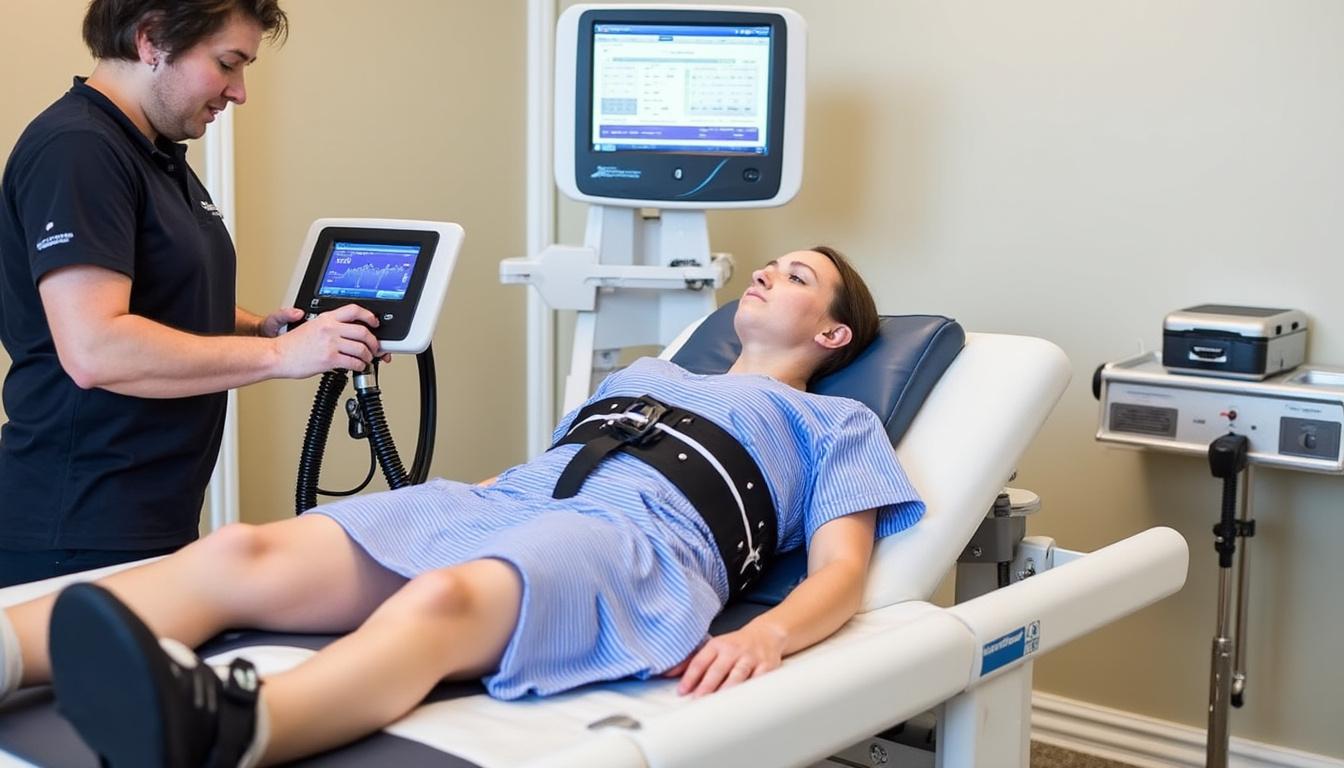
- Spinal Decompression Therapy: Modern devices, some developed in collaboration with industry leaders like SpineWave and Globle Medical, utilize non-invasive distraction techniques to relieve intervertebral pressure, promote nutrient diffusion to discs, and reduce inflammation.
- Osteopathic Manipulative Techniques: Integrated approaches including those practiced by Dr. Sylvain Desforges combine precise manual adjustments with soft tissue therapies to alleviate biomechanical stress and improve spinal alignment.
- Laser Therapy: Low-level laser therapy serves as an adjunct to reduce inflammation and promote tissue repair.
- Physical Rehabilitation: Tailored exercises focus on strengthening paraspinal muscles, improving posture, and enhancing flexibility to stabilize the spine.
- Pharmacologic Management: Targeted use of non-steroidal anti-inflammatory drugs (NSAIDs) or other analgesics to manage pain and inflammation.
- Lifestyle Modification: Attention to weight management, smoking cessation, and ergonomic corrections plays a pivotal role in long-term spinal health.
These treatment avenues rely on individualized patient evaluations, focusing on safety and adherence to proven scientific principles. The use of dynamic spinal implants by companies like Zimmer Biomet and Depuy Synthes is generally reserved for advanced cases where surgery might be warranted. However, emphasis remains on exploring every possible conservative option before invasive interventions.
| Therapy | Description | Benefits |
|---|---|---|
| Non-Surgical Spinal Decompression | Mechanical traction decreasing disc pressure | Pain relief, improved disc hydration |
| Osteopathic Manipulation | Manual techniques adjusting spine and soft tissues | Reduced musculoskeletal stress, improved alignment |
| Laser Therapy | Low-level laser application | Anti-inflammatory, promotes tissue repair |
| Physical Therapy | Exercise and posture correction | Enhanced strength, flexibility, spinal stability |
| Medications | NSAIDs and analgesics | Pain and inflammation management |
| Lifestyle Changes | Weight loss, smoking cessation | Improves overall spinal environment |
The Evolving Role of Advanced Technologies and Industry Innovations in Managing Modic Changes
The landscape of spinal care continues to be transformed by innovations in medical technology and industry partnerships, enabling more precise, effective, and minimally invasive solutions for patients with Modic changes and associated low back pain.
- Dynamic Spinal Implants: Products from Zimmer Biomet, Boston Scientific, and Depuy Synthes include smart, adaptive implants that stabilize degenerative spinal segments while preserving mobility, mitigating progression of vertebral changes.
- Neurovertebral Decompression Devices: Emerging platforms, often developed in collaboration with Globus Medical and Orthofix, utilize sophisticated decompression algorithms that cater to individual patient anatomy and pathology.
- Laser and Photo-Therapeutic Innovations: Enhanced laser therapy systems combine precision and depth control, allowing targeted inflammatory modulation at the vertebral endplate level.
- Integrative Diagnostic Tools: Advances in MRI software interpretations, powered by AI and proprietary algorithms from industry leaders such as Medtronic, aid in early detection and longitudinal monitoring of Modic changes.
- Telemedicine and Patient Monitoring: Integrated digital platforms facilitate continuous patient engagement and adherence to rehabilitation protocols, ensuring dynamic personalization of treatment plans.
Dr. Sylvain Desforges and Clinique TAGMED actively incorporate these innovations, harmonizing cutting-edge technology with patient-centered care. Such synergy fosters treatment efficacy, reduces recovery times, and improves functional outcomes for diverse patient populations, making the future of spinal health promising and accessible.
| Technology | Industry Leader | Function | Clinical Benefit |
|---|---|---|---|
| Dynamic Spinal Implants | Zimmer Biomet, Boston Scientific, Depuy Synthes | Segment stabilization and motion preservation | Reduced progression of spine degeneration |
| Neurovertebral Decompression | Globus Medical, Orthofix | Custom decompression therapy | Pain relief, improved disc nutrition |
| Advanced Laser Therapy | Medtronic, Stryker | Targeted inflammation modulation | Enhanced tissue healing and pain control |
| AI-Driven Imaging Analysis | Medtronic, NuVasive | Early detection and monitoring of Modic changes | Improved diagnostic accuracy |
| Telemedicine Platforms | Clinique TAGMED internal platform | Remote patient engagement | Personalized treatment adherence and monitoring |
Patient Education and Communication: Understanding Modic Changes Clearly and Compassionately
Clear and accessible patient education plays a pivotal role in managing low back pain associated with Modic changes. Complex medical terms and ambiguous imaging findings can overwhelm patients, potentially leading to anxiety or misunderstanding.
Effective communication involves:
- Simplifying complex concepts: Explaining Modic changes as “changes in the spine’s bone structure and marrow visible on MRI” rather than technical jargon.
- Highlighting individual variability: Emphasizing that not all cases with Modic changes cause pain, and that each person’s experience is unique.
- Discussing realistic treatment options: Outlining benefits and limitations of available therapies to set clear expectations and encourage active involvement in care decisions.
- Encouraging questions and ongoing dialogue: Offering patients opportunities to express concerns and seek clarifications fosters trust and adherence.
- Providing trustworthy resources: Directing patients to reliable websites and literature, including Clinique TAGMED’s expert content, helps empower informed choices.
For example, a patient recently diagnosed with Type 1 Modic changes reported increased understanding and relief after learning the potential for inflammation-driven pain states that respond well to conservative management. Another patient emphasized the reassurance gained from stepwise treatment planning tailored by spine care experts like Dr. Sylvain Desforges.
| Communication Strategy | Patient Benefit |
|---|---|
| Use of plain language | Enhances comprehension |
| Individualized explanations | Reduces anxiety and confusion |
| Transparency about treatment | Improves trust and adherence |
| Open question encouragement | Fosters engagement and empowerment |
| Resource provision | Supports on-going education |
Ethical Considerations and Regulatory Compliance in Modic Change Management
Ensuring patient safety and adhering to strict ethical standards is fundamental in spinal care. Experts like Dr. Sylvain Desforges prioritize compliance with Quebec and Canadian regulations, aligning with guidelines from the Collège des médecins du Québec.
This commitment includes:
- Evidence-based practice: Employing treatments validated by rigorous research and clinical trials.
- Informed consent: Guaranteeing patients fully understand the scope, benefits, and limitations of their treatment plans.
- Patient confidentiality: Strictly protecting personal health information during clinical evaluations and telemedicine interactions.
- Continuous professional development: Staying current with advances in spine care, including technologies from Medtronic, Stryker, and NuVasive.
- Transparency in outcomes: Openly discussing potential successes and risks, including limitations of Modic change-focused interventions.
This adherence fosters a therapeutic environment centered on trust, safety, and optimal patient outcomes.
| Ethical Principle | Implementation Detail |
|---|---|
| Evidence-Based Practice | Only scientifically validated modalities are applied. |
| Informed Consent | Detailed patient discussions and documentation. |
| Confidentiality | Secure handling of medical records and communications. |
| Professional Development | Regular training and updates on new spinal care innovations. |
| Outcome Transparency | Clear communication on treatment expectations. |
Frequently Asked Questions on Modic Changes and Low Back Pain
{“@context”:”https://schema.org”,”@type”:”FAQPage”,”mainEntity”:[{“@type”:”Question”,”name”:”What exactly are Modic changes and how are they detected?”,”acceptedAnswer”:{“@type”:”Answer”,”text”:”Modic changes are MRI-visible changes in the vertebral bone marrow adjacent to endplates, classified into three types based on imaging characteristics. They are diagnosed using specific MRI sequences, primarily T1- and T2-weighted images, by skilled radiologists.”}},{“@type”:”Question”,”name”:”Do all Modic changes cause low back pain?”,”acceptedAnswer”:{“@type”:”Answer”,”text”:”Not all Modic changes cause pain; some individuals have Modic changes without symptoms. Pain causation depends on the type, extent, and associated inflammatory activity. Type 1 changes are more commonly linked with pain.”}},{“@type”:”Question”,”name”:”Can Modic changes be treated without surgery?”,”acceptedAnswer”:{“@type”:”Answer”,”text”:”Yes, most patients benefit from conservative treatments such as spinal decompression therapy, osteopathic manipulation, physical therapy, and lifestyle modifications. Surgery is usually reserved for severe or refractory cases.”}},{“@type”:”Question”,”name”:”Is there a definitive link between bacteria and Modic changes?”,”acceptedAnswer”:{“@type”:”Answer”,”text”:”Some studies suggest that bacteria like Propionibacterium acnes might contribute to inflammation in Modic type 1 changes, but this remains controversial and is not a standard diagnostic criterion or treatment target.”}},{“@type”:”Question”,”name”:”How can patients best manage their low back pain if affected by Modic changes?”,”acceptedAnswer”:{“@type”:”Answer”,”text”:”Patients should engage in multidisciplinary care involving specialists such as spine care experts, follow prescribed conservative treatments, maintain healthy lifestyles, and have regular follow-ups for personalized adjustments.”}}]}What exactly are Modic changes and how are they detected?
Modic changes are MRI-visible changes in the vertebral bone marrow adjacent to endplates, classified into three types based on imaging characteristics. They are diagnosed using specific MRI sequences, primarily T1- and T2-weighted images, by skilled radiologists.
Do all Modic changes cause low back pain?
Not all Modic changes cause pain; some individuals have Modic changes without symptoms. Pain causation depends on the type, extent, and associated inflammatory activity. Type 1 changes are more commonly linked with pain.
Can Modic changes be treated without surgery?
Yes, most patients benefit from conservative treatments such as spinal decompression therapy, osteopathic manipulation, physical therapy, and lifestyle modifications. Surgery is usually reserved for severe or refractory cases.
Is there a definitive link between bacteria and Modic changes?
Some studies suggest that bacteria like Propionibacterium acnes might contribute to inflammation in Modic type 1 changes, but this remains controversial and is not a standard diagnostic criterion or treatment target.
How can patients best manage their low back pain if affected by Modic changes?
Patients should engage in multidisciplinary care involving specialists such as spine care experts, follow prescribed conservative treatments, maintain healthy lifestyles, and have regular follow-ups for personalized adjustments.