

An annular tear, also known as an annular fissure, is a spinal condition involving damage to the outer ring of the intervertebral disc called the annulus fibrosus. This tough outer layer surrounds the soft, gel-like nucleus pulposus inside the disc, which functions as a shock absorber for the spine. When the annulus experiences a tear or fissure, it can lead to pain, inflammation, and in some cases, progression to more severe conditions such as herniated discs. The complexity of these injuries means that understanding their causes, symptoms, and management options is essential for anyone experiencing related back or neck pain. With over 30 years of expert clinical experience, Dr. Sylvain Desforges provides clear, evidence-based insights into how annular tears affect spinal health and how emerging therapies can support recovery.
Annular tears result primarily from age-related degeneration, but they can also arise from traumatic events or repetitive mechanical stresses on the spine. Despite often being asymptomatic, when symptoms do manifest, they can significantly impact quality of life. Dr. Desforges emphasizes a comprehensive evaluation process to tailor patient care plans that prioritize non-invasive methods first, ensuring both safety and efficacy. This approach reflects his dedication to scientific rigor, rich clinical expertise, and compassionate patient support at the forefront of spine care innovation.
Understanding the Anatomy and Function of the Annulus Fibrosus in Spinal Health
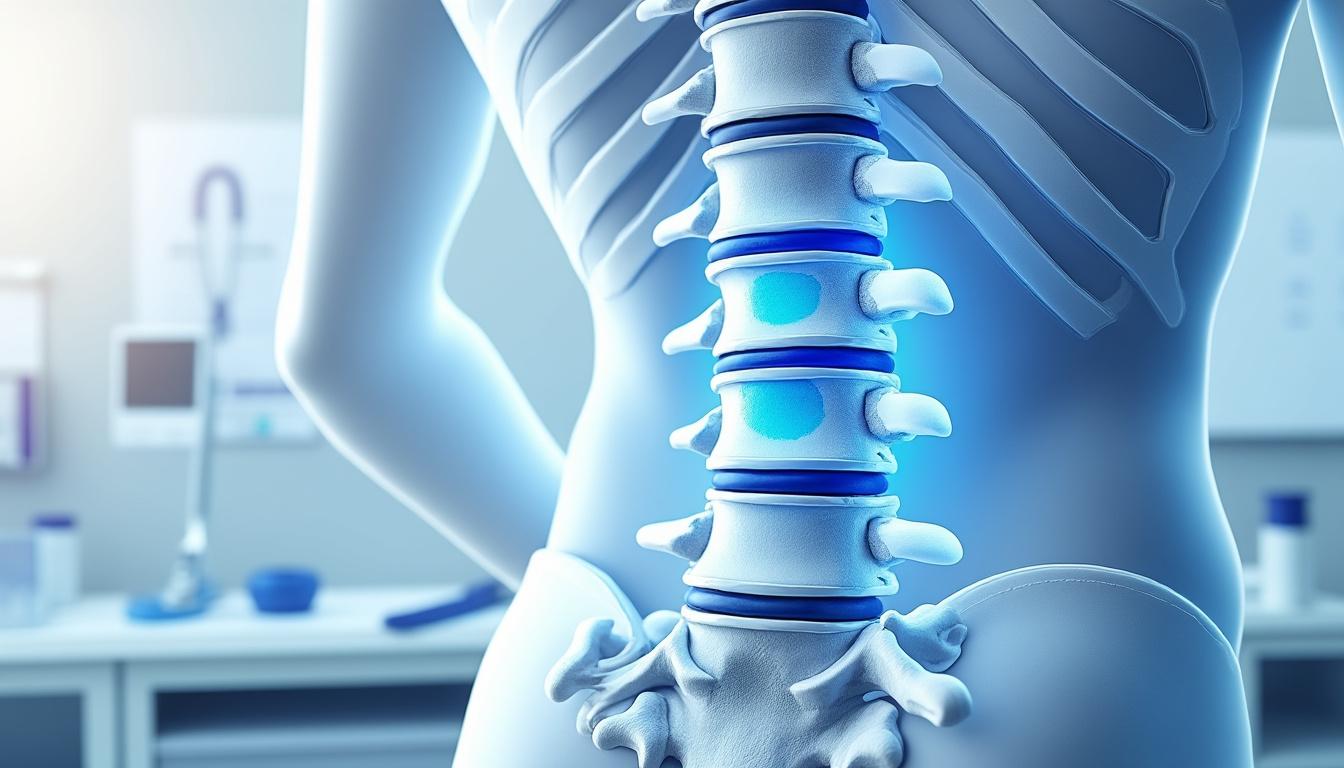
The annulus fibrosus is the robust outer layer of an intervertebral disc, composed of multiple concentric layers of fibrocartilage fibers arranged in a crisscross pattern. This architectural design creates a resilient scaffolding that encapsulates the disc’s interior nucleus pulposus, a jelly-like substance responsible for absorbing shocks and maintaining spinal flexibility and integrity.
Each annulus layer contributes to the disc’s strength, allowing it to withstand mechanical forces such as bending, twisting, and compression associated with everyday movements. When these fibers remain intact, they prevent the nucleus from escaping, protecting nearby nerves and supporting spinal structure.
An annular tear or fissure occurs when some of these fibers either break, separate, or become detached from their anchor points on the adjacent vertebrae. This disruption can expose the nucleus pulposus to leakage, potentially irritating nerve roots and contributing to neurological symptoms such as radiculopathy. Dr. Sylvain Desforges highlights the importance of carefully assessing these changes using advanced diagnostic imaging and clinical evaluation to distinguish between asymptomatic tears and those that warrant intervention.
- Role of the annulus fibrosus: Provides structural support and containment for the nucleus pulposus.
- Shock absorption: Maintains cushioning between vertebrae during physical activity.
- Protection of nerve tissue: Prevents gel-like disc material from pressing on nerve roots.
- Mechanical resilience: Enables spine flexibility and resistance to repetitive stress.
| Annulus Fiber Layer | Function | Potential Impact of Tear |
|---|---|---|
| Outer Layers | Protect nucleus and provide tensile strength | Peripheral tears causing local pain and vulnerability |
| Intermediate Layers | Maintain disc shape and resist torsional forces | Weakening leads to reduced support and increased risk of herniation |
| Inner Layers | Contain nucleus and distribute pressure evenly | Radial tears enabling nucleus leakage and nerve irritation |
Key Causes and Risk Factors Leading to Annular Fissures
Annular fissures predominantly develop through degenerative changes associated with the natural aging process, which gradually weaken the structural integrity of spinal discs. However, they can also emerge from acute trauma or repeated mechanical strain impacting the lumbar or cervical regions of the spine. Understanding these causes is crucial for effective prevention and tailored treatment strategies.
The term “annular tear” is somewhat misleading as it implies a sudden traumatic event, but in clinical practice, most fissures result from accumulated wear and tear over time. This degenerative process involves dehydration of the nucleus pulposus, loss of disc height, and micro-injuries to the annulus fibers, making the disc more susceptible to fissuring.
Several modifiable and non-modifiable factors influence the risk and progression of annular fissures:
- Age: Risk increases significantly after the age of 40 due to natural disc degeneration.
- Posture: Poor ergonomic habits, especially during prolonged sitting or repetitive movement, lead to uneven disc loading.
- Repetitive Activities: Frequent bending, lifting, or twisting exacerbate mechanical stress.
- Body Weight: Excess weight adds compressive forces to the spinal column.
- Smoking: Nicotine impairs blood flow and nutrient delivery to spinal discs, fueling degeneration.
- Genetic Predisposition: Family history of spine disorders can increase vulnerability.
| Risk Factor | Mechanism | Preventive Measures Recommended |
|---|---|---|
| Age-Related Degeneration | Disc dehydration and fiber weakening | Regular low-impact exercise and hydration |
| Poor Posture | Inefficient weight distribution causing fiber stress | Ergonomic adjustments and core strengthening |
| Repetitive Mechanical Stress | Micro-tears and chronic inflammation | Avoidance of repetitive strain and proper lifting techniques |
| Smoking | Reduced blood supply and delayed healing | Smoking cessation support programs |
Dr. Sylvain Desforges, with his extensive background in osteopathic and alternative medical approaches, stresses that recognizing and addressing these causes early can slow disc degeneration and reduce the incidence of painful annular fissures. He advocates for educating patients on lifestyle adaptations and prevention, which serve as foundational steps before considering more invasive treatments.
Manifestations and Clinical Presentation of Annular Tears
While many annular tears remain symptom-free, the subset that becomes symptomatic often exhibits a spectrum of pain and neurological disturbances dependent on inflammation and nerve involvement. Recognizing these patterns expedites accurate diagnosis and appropriate intervention.
Typical symptoms experienced by patients include:
- Localized Pain: Sharp or dull pain at the site of the tear, typically in the lumbar or cervical spine.
- Muscle Stiffness and Spasm: Protective muscular responses to injury causing reduced mobility.
- Increased Pain with Movement: Activities like coughing, sneezing, bending, or lifting exacerbate discomfort.
- Neurological Symptoms: Numbness, tingling, or electric shock sensations radiating into the arms or legs if adjacent nerves are irritated.
- Weakness: Muscular weakness correlating with nerve compression in more severe cases.
It is important to discern annular tear symptoms from similar conditions such as herniated or bulging discs. Dr. Desforges employs advanced diagnostic modalities and comprehensive clinical evaluation to differentiate these disorders effectively.
| Symptom | Possible Cause | Impact on Patient Function |
|---|---|---|
| Localized Back or Neck Pain | Annulus fiber inflammation | Limits daily movements, work activities |
| Muscle Spasm | Defensive reaction to pain | Stiffness interferes with mobility |
| Radiating Pain | Nerve root irritation due to disc material | Reduced arm or leg function, numbness |
| Weakness or Numbness | Severe nerve compression | Potential loss of motor control |
In his patient-centered practice, Dr. Desforges emphasizes clear communication regarding symptom interpretation and encourages patients to report any neurological changes promptly as part of an individualized evaluation and management plan.

Diagnostic Approaches for Detecting Annular Fissures Accurately
A thorough diagnostic process is essential to confirm the presence of annular tears and to outline an effective treatment plan. Dr. Sylvain Desforges integrates hands-on clinical examination with cutting-edge imaging to maximize diagnostic accuracy.
Primary diagnostic tools include:
- Clinical Examination: Assessing range of motion, pain response to specific maneuvers, and neurological testing.
- Magnetic Resonance Imaging (MRI): The gold standard imaging technique for visualizing annular fissures, disc degeneration, and nerve involvement.
- Computed Tomography (CT) Scans: Offers detailed bone imaging to detect osteophytes or bone spurs contributing to annular damage.
- X-rays: Used to evaluate spinal alignment and disc space narrowing.
Advanced MRI techniques can differentiate between asymptomatic and symptomatic tears by revealing inflammation or granulation tissue near the annulus, which may correlate with pain. Dr. Desforges also advocates for the use of emerging imaging modalities aligned with scientific and ethical standards to refine diagnosis further.
| Diagnostic Tool | Purpose | Limitations |
|---|---|---|
| Physical Exam | Initial assessment of pain and neurological function | Cannot visualize disc integrity directly |
| MRI | Detailed soft tissue imaging, confirms annular tears | Expensive, not always accessible |
| CT Scan | Bone structure analysis, detects osteophytes | Less detail on soft tissues |
| X-ray | Assesses alignment and disc space | Limited soft tissue information |
Conservative and Innovative Therapeutic Strategies for Annular Fissure Management
Treatment of annular tears varies widely based on symptom severity, patient health, and specific disc pathology. Dr. Sylvain Desforges recommends a stepped approach focusing initially on conservative therapies supported by the latest technologies in spine care.
Conservative management includes:
- Physical Therapy: Tailored exercises promoting core strength, spinal stability, and flexibility.
- Anti-inflammatory Medications: Over-the-counter or prescribed drugs to reduce inflammation and pain.
- Activity Modification: Avoiding activities that exacerbate symptoms and learning proper lifting and posture techniques.
- Injections: Corticosteroid injections for inflammation control or platelet-rich plasma (PRP) injections to promote tissue healing.
For patients with persistent symptoms, advanced interventions such as minimally invasive procedures, spinal decompression therapies, and specialized implants from leading manufacturers like Spineology, Medtronic, Stryker, NuVasive, and Zimmer Biomet may be considered. At Clinique TAGMED, Dr. Desforges integrates these cutting-edge technologies with his osteopathic expertise to optimize patient outcomes without premature surgical interventions.
| Treatment Modality | Indication | Benefits | Limitations |
|---|---|---|---|
| Physical Therapy | Mild to moderate symptoms | Improves strength and flexibility, reduces recurrence | Requires patient commitment and time |
| Medications (NSAIDs) | Inflammation and pain control | Accessible and effective short-term relief | Potential side effects with long-term use |
| Injection Therapies | Persistent inflammation | Targeted pain reduction and healing stimulation | Invasive, risk of infection or nerve damage |
| Minimally Invasive Surgery | Refractory or severe cases | Reduced recovery time compared to open surgery | Surgical risks, not appropriate for all patients |
Lifestyle Adjustments and Rehabilitation Techniques to Support Healing and Prevent Recurrence
Recovery from annular tears involves more than immediate pain relief; it requires lifestyle changes and rehabilitation aimed at strengthening the spine and preventing further injury. Dr. Sylvain Desforges emphasizes a human-centric approach where each patient’s unique lifestyle factors and challenges are integrated into their care strategy.
Key recommendations include:
- Core Strengthening Exercises: Enhance spinal stability by developing abdominal and back muscles.
- Postural Awareness: Educate patients on maintaining neutral spine during daily activities.
- Weight Management: Reduce unnecessary spinal loading by achieving healthy body weight.
- Smoking Cessation: Improve disc nutrition and healing capacity.
- Ergonomic Modifications: Workplace and home adjustments to minimize spinal strain.
- Low-Impact Activities: Encourage walking, yoga, Tai Chi, and Pilates to improve flexibility and balance.
| Rehabilitation Strategy | Primary Benefit | Patient Guidance |
|---|---|---|
| Core Strengthening | Supports spinal alignment and reduces disc stress | Consistency and gradual progression in exercises |
| Posture Correction | Prevents uneven loading of discs | Conscious habit formation and ergonomic tools |
| Weight Loss | Minimizes compressive forces on spine | Balanced diet and supervised physical activity |
| Smoking Cessation | Enhances tissue repair and blood flow | Access to support groups and counseling |
| Ergonomic Changes | Reduces repetitive strain injury risk | Customized workstation and home environment setup |
Cutting-Edge Technologies Enhancing Annular Tear Diagnosis and Treatment in 2025
Innovations in spinal care technology are transforming the diagnosis and treatment of annular tears. Clinics like TAGMED, led by experts such as Dr. Sylvain Desforges, incorporate advanced devices and materials from renowned industry leaders like Spineology, Boston Scientific, Joimax, Depuy Synthes, and Alphatec Spine to improve patient outcomes.
Some of the remarkable technological advances include:
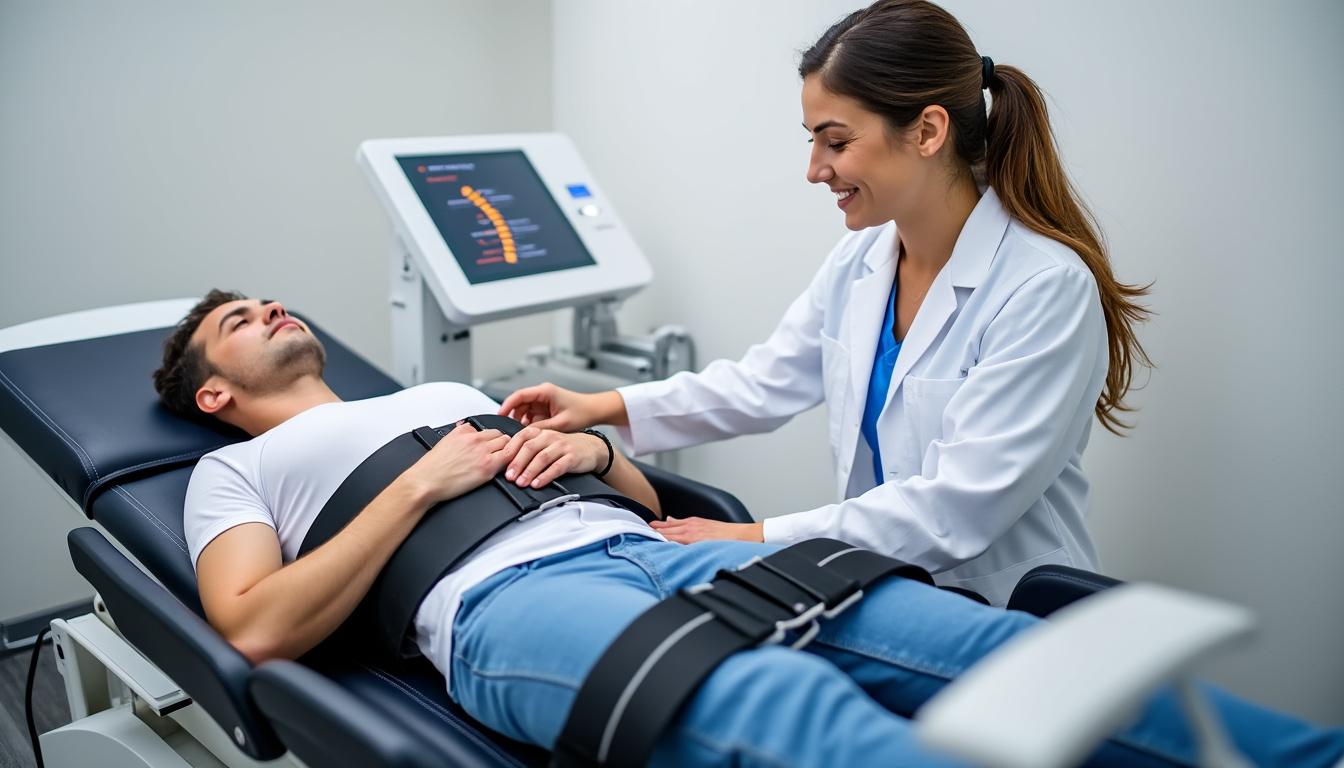
- Neurovertebral Decompression Systems: Non-invasive tables that provide targeted spinal decompression, relieving pressure on discs and nerves gradually without surgery.
- Laser Disc Therapy: Minimally invasive use of lasers to stimulate disc healing and reduce inflammation.
- Dynamic Spinal Implants: Innovative implants that maintain spine mobility while stabilizing damaged segments.
- Image-Guided Minimally Invasive Surgery: High-precision techniques reducing trauma and speeding recovery times.
Dr. Desforges combines these technologies with comprehensive osteopathic evaluation to offer personalized, evidence-based interventions that emphasize patient comfort and safety. His roles in prominent Canadian organizations further reinforce his commitment to ethical and innovative care in the Quebec medical landscape.
| Technology | Description | Clinical Benefits | Manufacturers |
|---|---|---|---|
| Spinal Decompression Tables | Non-surgical devices that relieve spinal pressure | Reduce pain and enhance disc healing | Spineology, Stryker, NuVasive |
| Laser Therapy | Minimally invasive laser treatment for discs | Accelerates healing and reduces inflammation | Boston Scientific, Joimax |
| Dynamic Implants | Maintain mobility while stabilizing spine | Improves function and decreases adjacent segment disease | Zimmer Biomet, Alphatec Spine |
| Image-Guided Surgery | Precision minimally invasive surgical techniques | Lower complications and faster recovery | Depuy Synthes, Globus Medical |
Individualized Patient Education and Empowerment for Long-Term Spine Health
Effective management of annular tears hinges significantly on clear, accessible patient education. Dr. Sylvain Desforges prioritizes delivering information that demystifies complex spinal conditions and treatment modalities in a compassionate, understandable manner, empowering patients to engage actively in their care.
Key components of educational efforts include:
- Clarifying the Anatomy and Pathophysiology: Helping patients visualize how annular fissures impact spinal function.
- Explaining Diagnostic Processes: Ensuring patients understand the role and limits of imaging and clinical exams.
- Presenting Treatment Options: Detailing benefits, risks, and realistic expectations for conservative and advanced therapies.
- Encouraging Patient Questions: Fostering open dialogue to address individual concerns and tailor care plans.
- Motivating Lifestyle Changes: Supporting sustainable habits that protect spinal health over the long term.
| Education Focus | Purpose | Patient Benefit |
|---|---|---|
| Anatomy & Pathophysiology | Improves understanding of condition | Empowers self-care and adherence to treatments |
| Diagnostic Clarity | Reduces anxiety about testing | Enhances cooperation and accurate symptom reporting |
| Treatment Explanation | Informs decision-making | Sets realistic expectations and adherence |
| Open Dialogue | Builds trust and individualized care | Improves satisfaction and outcomes |
| Lifestyle Motivation | Promotes preventive behaviors | Supports long-term spine health |
Comprehensive Patient Support and Next Steps in Annular Tear Care
Managing annular tears requires a multidisciplinary approach emphasizing continuity of care, patient safety, and ongoing support. Dr. Sylvain Desforges, with extensive expertise and leadership in Canada’s alternative and osteopathic medicine communities, guides patients through each stage from evaluation to long-term management.
Patients are encouraged to seek thorough evaluations to clarify their condition. Early intervention through lifestyle changes and conservative therapies is the cornerstone of effective management, reserving surgical options for refractory cases or complex degenerative disease.
Contacting specialized clinics like Clinique TAGMED provides access to expert clinical evaluation, state-of-the-art technology, and supportive care tailored to individual needs. Dr. Desforges and his team prioritize ethical, evidence-based treatment pathways that respect current Quebec and Canadian medical regulations and encourage active patient involvement.
- Step 1: Comprehensive Evaluation – Detailed clinical exam and imaging to understand tear severity and nerve involvement.
- Step 2: Conservative Treatment – Physical therapy, medication, and lifestyle changes targeting symptoms and disc health.
- Step 3: Advanced Therapies – Minimally invasive procedures or implantable devices as necessary.
- Step 4: Ongoing Rehabilitation – Maintenance exercises and education for prevention of recurrence.
- Step 5: Patient Empowerment – Continuous support through education and open communication.
| Care Stage | Focus | Patient Action | Expected Outcome |
|---|---|---|---|
| Evaluation | Accurate diagnosis and assessment | Attend clinical and imaging appointments | Informed treatment plan |
| Conservative Therapy | Symptom management and strengthening | Engage in physical therapy and lifestyle changes | Reduced pain and improved function |
| Advanced Intervention | Address refractory or severe cases | Discuss minimally invasive options | Potential for surgical relief and stability |
| Rehabilitation | Prevent recurrence and maintain spinal health | Commit to long-term exercise and education | Enhanced quality of life |
| Education & Support | Empowerment and ongoing guidance | Maintain communication with providers | Improved adherence and patient satisfaction |
Patients looking to begin their personalized evaluation are invited to contact Clinique TAGMED for expert guidance. Dr. Desforges remains committed to partnering with every patient to promote spinal health through ethically grounded, innovative, and compassionate care.
{“@context”:”https://schema.org”,”@type”:”FAQPage”,”mainEntity”:[{“@type”:”Question”,”name”:”What is an annular tear and how does it affect my spine?”,”acceptedAnswer”:{“@type”:”Answer”,”text”:”An annular tear, or annular fissure, is a crack or separation in the tough outer ring (annulus fibrosus) of a spinal disc. This can cause pain and increase the risk of disc herniation, potentially compressing nerves and affecting mobility.”}},{“@type”:”Question”,”name”:”Can annular tears heal without surgery?”,”acceptedAnswer”:{“@type”:”Answer”,”text”:”Many annular tears, especially mild ones, can heal or be managed effectively with conservative treatments like physical therapy, anti-inflammatory medications, and lifestyle changes. Surgery is generally reserved for severe or persistent cases.”}},{“@type”:”Question”,”name”:”What symptoms suggest I might have an annular tear?”,”acceptedAnswer”:{“@type”:”Answer”,”text”:”Symptoms often include localized back or neck pain, muscle stiffness, pain worsened by movement or coughing, and sometimes radiating pain, numbness, or weakness if nerve roots are involved.”}},{“@type”:”Question”,”name”:”Which advanced technologies are used to treat annular tears?”,”acceptedAnswer”:{“@type”:”Answer”,”text”:”Innovations such as neurovertebral decompression systems, laser therapy, dynamic spinal implants, and image-guided minimally invasive surgery from leading manufacturers like Spineology, Medtronic, and NuVasive help treat annular tears effectively while minimizing surgical risks.”}},{“@type”:”Question”,”name”:”How can I prevent annular tears from worsening?”,”acceptedAnswer”:{“@type”:”Answer”,”text”:”Maintaining good posture, regular core strengthening exercises, weight management, and avoiding smoking are key preventive measures. Patients should also consider ergonomic adjustments and low-impact physical activities to protect spinal health.”}}]}What is an annular tear and how does it affect my spine?
An annular tear, or annular fissure, is a crack or separation in the tough outer ring (annulus fibrosus) of a spinal disc. This can cause pain and increase the risk of disc herniation, potentially compressing nerves and affecting mobility.
Can annular tears heal without surgery?
Many annular tears, especially mild ones, can heal or be managed effectively with conservative treatments like physical therapy, anti-inflammatory medications, and lifestyle changes. Surgery is generally reserved for severe or persistent cases.
What symptoms suggest I might have an annular tear?
Symptoms often include localized back or neck pain, muscle stiffness, pain worsened by movement or coughing, and sometimes radiating pain, numbness, or weakness if nerve roots are involved.
Which advanced technologies are used to treat annular tears?
Innovations such as neurovertebral decompression systems, laser therapy, dynamic spinal implants, and image-guided minimally invasive surgery from leading manufacturers like Spineology, Medtronic, and NuVasive help treat annular tears effectively while minimizing surgical risks.
How can I prevent annular tears from worsening?
Maintaining good posture, regular core strengthening exercises, weight management, and avoiding smoking are key preventive measures. Patients should also consider ergonomic adjustments and low-impact physical activities to protect spinal health.