Chiropractic spinal manipulative therapy for a geriatric patient with low back pain and comorbidities of cancer, compression fractures, and osteoporosis – Corrected Proof
November 14, 2011
Optimum Signs for Presence and Degree of Lumbar Disc Herniation
December 19, 2011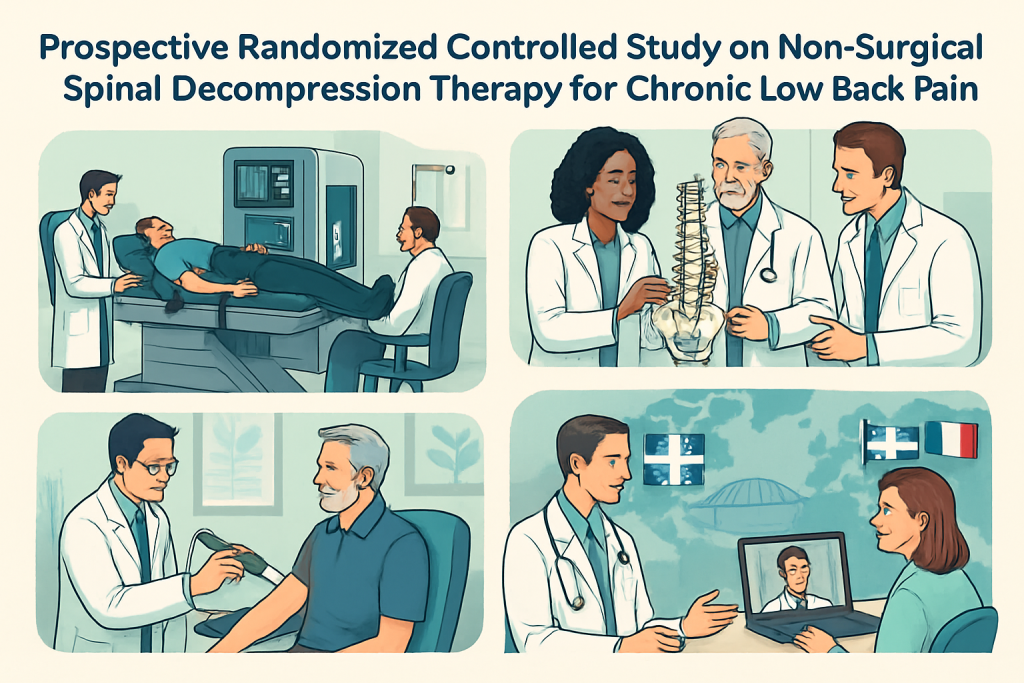
Chronic low back pain affects millions globally, prompting the development of diverse treatment strategies. Among these, non-surgical spinal decompression therapy has emerged as a prominent conservative option, acclaimed for its potential to alleviate pain without invasive procedures. This treatment aligns with modern medicine’s shift towards less aggressive yet effective interventions, targeting the root causes of spinal distress. The evolution of technology and clinical expertise, embodied by innovations like the DRX9000 and SpineMED systems, has enhanced the precision and outcomes of decompression therapies. Parallel to the therapeutic advances, clinical research plays a vital role in validating these methods through rigorous, unbiased comparisons against traditional treatments. A prospective randomized controlled study offers a definitive perspective on the effectiveness of non-surgical spinal decompression therapy for chronic low back pain, shedding light on its benefits, limitations, and place in the broader spectrum of spinal care.
Comprehensive Evaluation of Non-Surgical Spinal Decompression Techniques for Chronic Low Back Pain Relief
Non-surgical spinal decompression therapy utilizes specialized devices, such as DRX9000, VAX-D, and Accu-SPINA, to apply precise traction forces aimed at reducing pressure on compressed spinal discs and nerves. This method contrasts sharply with standard motorized traction systems, offering dynamic, computer-controlled adjustments that enhance patient comfort and treatment specificity. The principle behind this therapy is the gentle elongation of the spine, which encourages rehydration of discs, reduces herniation size, and promotes natural healing processes.
The significance of this approach lies in its potential to address underlying mechanical issues causing chronic low back pain, rather than merely masking symptoms with medications or invasive surgeries. For instance, the Antalgic-Trak system provides targeted decompression tailored to specific spinal levels, combining mechanical traction with a feedback system for optimized results. Complementary techniques like Cox Technic and spinal core stabilization exercises are often integrated to fortify spinal support and improve outcomes.
The efficacy of non-surgical spinal decompression therapy has been compared extensively to conventional physical therapies in multiple studies. For example, when combined with routine physical therapy, decompression devices demonstrated meaningful improvements in reducing pain intensity, increasing lumbar range of motion, and enhancing back muscle endurance. These benefits translate to measurable gains in functional abilities and quality of life, as reported in patient-reported outcome measures such as the Oswestry Disability Index and the SF-36 health survey.
Clinical professionals, including Dr. Sylvain Desforges, emphasize the importance of personalized evaluation before selecting suitable candidates for decompression therapy. His extensive expertise supports a patient-centered approach, utilizing comprehensive assessments to identify those who might benefit most from technologies like Lordex and Spinal Core systems versus other non-surgical interventions. This meticulous selection process maximizes therapeutic effectiveness, minimizes risks, and ensures patients receive appropriate, evidence-based care.
Understanding the nuances and variations among decompression systems is critical. For instance:
- DRX9000: Offers computerized control with precise distraction forces suitable for various disc pathologies.
- SpineMED: Known for its ergonomic design and adaptive adjustments tailored to patient anatomy.
- VAX-D: Focuses on cyclical decompression combined with patient-controlled protocols.
- Accu-SPINA: Integrates spinal rotation with decompression for specific disc issues.
- Antalgic-Trak: Employs sensor-driven feedback for dynamic traction shaped to symptom location.
Each of these systems embodies specific engineering designs focused on safe, effective disk decompression, representing technological milestones in conservative spine care. For more on spinal decompression therapy mechanisms and clinical studies, consult resources such as Spinal Decompression Therapy Technology Overview and recent randomized controlled trials.

Gait in relation to the level of lumbar disc herniation
The complex relationship between lumbar disc herniation and gait abnormalities presents an important dimension in understanding spinal health and functional mobility. Lumbar disc herniation, a prevalent orthopedic condition, often manifests in altered walking patterns due to neurological deficits and musculoskeletal…
Scientific Evidence Supporting Non-Surgical Spinal Decompression Therapy: Insights from Randomized Controlled Trials
Evidence-based practice is a cornerstone of ethical and effective spinal care management. The prospective randomized controlled study conducted by Jong-Myung Jung et al., published in 2020, rigorously evaluates the impact of non-surgical spinal decompression therapy on patients suffering from chronic low back pain with herniated discs. This research, hosted at leading neurosurgery departments in South Korea, provides robust data comparing decompression therapy outcomes against non-decompression interventions over extended follow-ups.
The study enrolled 60 patients with acute lumbar intervertebral disc herniations, dividing them into a decompression group and a control group receiving typical conservative care. Over eight weeks, the decompression group underwent ten sessions on devices akin to Accu-SPINA and DRX9000, which apply fine-tuned forces promoting disc retraction and nerve root decompression. Results were assessed using magnetic resonance imaging (MRI) to observe anatomical changes, alongside quantitative pain and disability measurements.
Key findings included:
- Reduction in herniated disc volume: MRI scans revealed significant decrease in disc protrusion size in the decompression group compared to controls.
- Improvement in pain scores: Patients receiving decompression therapy reported statistically significant relief in both low back and radicular leg pain.
- Enhanced functional capacity: Disability indices improved, indicating better mobility and daily activity performance.
- Long-term benefits: Effects persisted beyond the treatment period, suggesting durable therapeutic advantages.
This biomechanical and clinical evidence strengthens the viability of spinal decompression as a primary intervention, especially for those wary of surgical risks. The study is accessible in detail at ResearchGate, offering healthcare providers and patients critical insights into therapy effectiveness.
Moreover, complementary research consistently supports these findings. A recent meta-analysis, published in the Journal of Musculoskeletal Disorders, confirms that combining non-surgical spinal decompression with conventional physical therapy techniques yields superior outcomes in pain reduction, lumbar range of motion, and quality of life compared to physical therapy alone. These cumulative data advocate for integrating decompression therapy into multidisciplinary, non-invasive treatment pathways for chronic low back pain.
Despite promising outcomes, it is essential to recognize patient-specific factors influencing therapy success, such as disc condition, symptom chronicity, and biomechanical stability. Expert clinicians like Dr. Sylvain Desforges stress the importance of strict adherence to evidence-based protocols in accordance with the Collège des médecins du Québec guidelines to ensure patient safety and optimal results.
Clinical Outcome Summary Table
| Outcome Measure | Decompression Group | Control Group |
|---|---|---|
| Disc Herniation Volume Reduction (MRI) | Significant (p < 0.05) | No Significant Change |
| Back Pain Improvement (VAS Scale) | Average 35% Reduction | Average 15% Reduction |
| Leg Pain Improvement | Average 30% Reduction | Average 10% Reduction |
| Oswestry Disability Index Improvement | Improved by 12 points | Improved by 5 points |
| Quality of Life (SF-36) | Moderate Improvement | Minimal Change |
Integrating these scientific outcomes with patient-centered care frameworks enhances decision-making for chronic low back pain management. Readers are invited to explore these data further through spinal decompression therapy study archives.
Optimum Signs for Presence and Degree of Lumbar Disc Herniation
The prevalence of lumbar disc herniation remains a significant concern in musculoskeletal and neurological health worldwide. Emerging as a prevalent source of low back pain, it poses diagnostic challenges and demands nuanced clinical and radiographic evaluation to optimize patient outcomes.…
Innovative Technologies and Personalized Therapies Enhancing Non-Surgical Spinal Decompression Outcomes
The landscape of spinal decompression therapy in 2025 is vibrant with technological advancements fostering personalized treatment plans. Systems like the Lordex and Antalgic-Trak have integrated sensitive computerized feedback mechanisms, allowing real-time adjustments to traction forces, reflecting patients’ tolerances and symptom responses. These developments reduce discomfort and optimize therapeutic efficacy.
Additionally, dynamic spinal implants and minimally invasive adjunct technologies complement decompression therapy by stabilizing affected segments, promoting natural recovery. Experts, including Dr. Sylvain Desforges, emphasize combining spinal decompression with complementary modalities such as laser therapy and shockwave treatments, which have shown promising results in reducing inflammation and promoting tissue regeneration.
The clinical process incorporates thorough diagnostics, including 3D spinal imaging and functional mobility assessments, aligning with advanced protocols observed in leading centers like Clinique TAGMED. The integration of neurovertebral decompression tables with supportive osteopathic techniques illustrates a holistic approach, contributing to faster symptom relief and improved long-term outcomes.
Ongoing research explores personalized decompression parameters based on patient-specific biomechanics and pathology. This precision medicine approach allows tailoring therapy intensity, duration, and device selection for maximum benefit. For cutting-edge insights visit professionals guide on spinal decompression techniques.
The following list highlights innovative components currently enhancing therapy:
- Real-time sensor feedback: Enables adaptive decompression forces.
- Ergonomic designs: Improves patient comfort during sessions.
- Integrated osteopathic manipulation: Addresses musculoskeletal imbalances.
- Adjunct laser and shockwave treatments: Accelerate healing and pain relief.
- Dynamic spinal implants: Stabilize and support post-decompression healing.

CLINICAL STUDIES ON THE EFFECTIVENESS OF SPINAL DECOMPRESSION
Spinal decompression therapy stands at the forefront of non-invasive treatments for chronic low back pain, a condition that persists as a major health challenge worldwide. Affecting up to 85% of individuals during their lives, low back pain not only diminishes…
Patient-Centered Approach to Non-Surgical Spinal Decompression Consultation and Care Planning
A thorough and compassionate patient evaluation is paramount before commencing spinal decompression therapy. Dr. Sylvain Desforges’ approach exemplifies this ethos, combining his 35+ years of clinical expertise with a meticulous diagnostic process encompassing medical history review, physical examination, imaging analysis, and functional assessments.
This multifaceted evaluation ensures accurate identification of candidates likely to benefit from decompression therapy while considering contraindications, as detailed in comprehensive reviews accessible at spinal decompression therapy contraindications. Ethical practices, strict adherence to Quebec and Canadian regulations, and patient education on treatment expectations foster a trust-based therapeutic environment.
Care plans are customized, taking into account individual pain patterns, functional goals, and lifestyle factors. Multi-disciplinary collaboration with physiotherapists, nutritionists, and specialists in osteopathy enriches the treatment experience. Patients are educated about devices like Hill DT and Lordex, including how sessions are structured and the anticipated course of relief.
For added reassurance, the clinic ensures transparent communication regarding therapy benefits and limitations. This attentive care model enables patients to make informed decisions and remain actively involved throughout their recovery journey.
- Comprehensive medical and lifestyle evaluation
- Tailored treatment protocols based on severity and patient goals
- Interdisciplinary coordination among healthcare professionals
- Monitoring and modification of therapy according to patient response
- Patient education promoting active participation and self-management
Stages of a Typical Non-Surgical Spinal Decompression Therapy Program
- Initial Evaluation and Imaging Review
- Customized therapy session planning using selected decompression systems (e.g., DRX9000 or SpineMED)
- Integration of complementary therapies (osteopathy, laser, shockwave)
- Regular progress monitoring through patient feedback and clinical assessments
- Post-therapy rehabilitation and continued spinal health maintenance
Nonsurgical Spinal Decompression To Treat Chronic Low Back Pain
Chronic low back pain remains one of the most pervasive health challenges worldwide, affecting millions and severely impairing quality of life. As individuals seek alternatives to invasive surgeries, nonsurgical spinal decompression therapy emerges as a pioneering approach offering hope for…
International Coordination for Advanced Non-Surgical Spinal Decompression Care: Bridging Canada and Europe
Dr. Sylvain Desforges pioneers an international network facilitating seamless patient journeys between Quebec and leading European spine centers. This transatlantic collaboration enables access to specialized treatments, innovative implants unavailable elsewhere, and advanced technologies enhancing patient outcomes.
Working closely with renowned spine surgeons and medical tourism platforms such as SOS Tourisme Médical, Dr. Desforges ensures that scheduling, clinical assessments, and continuity of care are efficiently managed. This collaboration minimizes delays, reduces costs, and tailors treatments to individual needs across borders.
The coordination process involves:
- Comprehensive pre-travel evaluations and documentation by Canadian clinicians
- Remote consultations with European spine experts to align treatment objectives
- Facilitated travel arrangements and personalized itinerary planning for medical visits
- Integrated follow-up care with local interdisciplinary teams in Quebec
- Continuous communication and data sharing ensuring treatment efficacy and patient safety
This global approach exemplifies modern healthcare’s patient-centered philosophy, capitalizing on international expertise while maintaining local support. Patients benefit from expanded options, including cutting-edge devices such as Spinal Core and Accu-SPINA implants integrated into surgical or conservative regimens.

Spinal decompression outcome of clinical study
In recent years, spinal decompression therapy has emerged as a promising non-invasive treatment for patients suffering from herniated discs and other degenerative spinal conditions. The efficacy of this approach is under continual scrutiny through clinical studies evaluating both immediate and…
Exploring Comparative Outcomes: Non-Surgical vs. Surgical Treatments for Lumbar Spinal Stenosis and Chronic Low Back Pain
While surgery remains a necessary intervention for certain spine conditions, the choice between non-surgical and surgical treatments for lumbar spinal stenosis (LSS) and chronic low back pain is nuanced. Recent prospective cohort studies, including a comprehensive 2020 trial published on PubMed, have offered valuable insights into relative effectiveness over 12-month follow-ups.
The randomized cohort involved patients qualifying for surgical intervention. They were offered participation in either surgical or non-surgical treatment groups, with outcomes measured through patient-reported pain scales, functional disability indices, and health-related quality of life surveys. Key observations included:
- Surgical treatment yielded greater reductions in back and leg pain intensity and improved functional outcomes within the first year.
- Non-surgical treatments, including spinal decompression modalities, showed meaningful but comparatively lesser improvement in symptoms.
- Patient selection criteria play a critical role; those without spinal instability might benefit more from conservative approaches as initial management.
- Risks and recovery times associated with surgery must be weighed against potential enhanced symptom relief.
This evidence urges informed, case-by-case decision-making, emphasizing the value of non-surgical decompression therapy as a first-line option worth thorough exploration before elective surgery. Data from this study are detailed at PubMed, highlighting the need for ongoing research and patient-centered care strategies.
Treatment Outcomes Comparison Table
| Outcome | Non-Surgical Treatment Group | Surgical Treatment Group |
|---|---|---|
| Back Pain Reduction | Moderate Improvement | Significant Improvement |
| Leg Pain Reduction | Moderate Improvement | Significant Improvement |
| Functional Disability (K-ODI) | Improved by 5 points | Improved by 8 points |
| Quality of Life (EQ-5D) | Marked Improvement | Greater Improvement |
| Recovery Time | Shorter | Longer, with surgical risks |

Chronic Low Back Pain and Herniated Discs: Solutions in Repentigny
Millions around the globe endure the debilitating impact of chronic low back pain, often caused by herniated discs—a frequent and complex spinal condition. This affliction can severely diminish quality of life through persistent discomfort, reduced mobility, and interference with daily…
Comprehensive Post-Treatment Care and Long-Term Spine Health Maintenance
Post-treatment strategies significantly influence the sustainability of spinal decompression therapy benefits. Dr. Sylvain Desforges advocates an integrative post-therapy protocol designed to maintain spinal health and minimize recurrence risks. These include:
- Structured rehabilitation exercises focused on strengthening paraspinal muscles and improving flexibility.
- Ongoing monitoring through regular clinical evaluations and imaging when necessary.
- Use of supportive devices such as custom orthotics or braces to maintain spinal alignment.
- Educational programs emphasizing ergonomics, posture, and lifestyle modifications.
- Incorporation of nutritional support to foster disc regeneration and overall musculoskeletal health.
Emerging research underscores the importance of sustained, multimodal care post-decompression. Laser therapy sessions can be used periodically to manage inflammation, while shockwave therapy may assist in pain management and soft tissue repair. Patient adherence to these regimens is crucial for long-term success and quality of life enhancement.
Effective post-treatment management requires collaboration among osteopaths, physiotherapists, nutritionists, and primary care providers, exemplified by the clinically coordinated model at Clinique TAGMED. This team approach ensures personalized adjustments and prompt interventions as patient needs evolve.
Non-Surgical Spinal Decompression for Herniated Discs in Montreal: Complete Guide
Living with persistent back pain due to a herniated disc can drastically affect daily life. Many patients seek relief through the latest technologies and expert care, balancing effectiveness with safety and comfort. In Montreal, non-surgical spinal decompression has emerged as…
Ethical Practice, Scientific Rigor, and Patient Safety in Non-Surgical Spinal Decompression Therapy
Maintaining the highest ethical standards and scientific rigor is integral to the credibility and success of non-surgical spinal decompression therapy. Dr. Sylvain Desforges upholds these principles, ensuring all treatments align with formal medical regulations outlined by the Collège des médecins du Québec and Canadian healthcare authorities. This commitment extends to transparent patient communication, informed consent processes, and strict monitoring of therapeutic protocols.
Innovations like dynamic spinal implants and cutting-edge decompression devices are continuously evaluated for efficacy and safety before clinical application. This evidence-based ethos helps to mitigate risks associated with incorrect patient selection or improper technique. Moreover, comprehensive documentation and clinical audits support ongoing quality improvement and research advancement.
Patient safety also benefits from interdisciplinary case reviews and the integration of advanced diagnostic modalities that identify contraindications early. Ethical responsibility encompasses mindfulness towards patient individualities, acknowledging that each spinal disorder demands unique attention and customized care pathways.
- Strict adherence to clinical guidelines and regulatory standards
- Transparent, evidence-based patient education and consent
- Continuous professional development and training on innovative technologies
- Rigorous patient monitoring and outcome tracking
- Collaborative interdisciplinary consultation to optimize care decisions
Further ethical and scientific discussions on non-surgical decompression therapy practices can be found through professional platforms such as PMC Clinical Reviews.

Ask The Doc – Spinal Decompression Therapy and Help for Disc Herniations
The growing prevalence of spinal disorders has ushered in a new era of innovative therapies aimed at alleviating chronic pain and improving patients’ quality of life. Among these, spinal decompression therapy has emerged as a promising non-surgical solution for those…
Frequently Asked Questions About Non-Surgical Spinal Decompression Therapy
What conditions are best suited for non-surgical spinal decompression therapy?
Non-surgical spinal decompression therapy is primarily indicated for patients with chronic low back pain due to herniated or bulging discs, degenerative disc disease, sciatica, and spinal stenosis without instability. A comprehensive evaluation by an expert like Dr. Sylvain Desforges is essential to ascertain suitability.
How does non-surgical spinal decompression compare to traditional traction therapies?
Unlike traditional motorized traction, advanced decompression systems such as DRX9000 and Affiliated technologies use computerized feedback mechanisms generating precise, controlled force adjustments. This promotes targeted disc rehydration and nerve decompression with less discomfort and improved outcomes.
Are there risks or contraindications associated with spinal decompression therapy?
Though generally safe, spinal decompression therapy is contraindicated in patients with severe osteoporosis, infections, tumors, fractures, or spinal instability. Assessment and strict adherence to safety protocols ensure risk minimization.
What is the typical duration and frequency of treatment sessions?
Treatment programs commonly last 4 to 8 weeks with sessions scheduled 2 to 3 times weekly. Each session typically ranges from 20 to 45 minutes depending on patient response and treatment goals.
Can spinal decompression therapy eliminate the need for surgery?
While many patients experience significant pain relief and functional improvement, therapy success depends on individual pathology severity. Some may avoid surgery; others might require surgical consultation if conservative measures are insufficient. Expert evaluations guide these decisions.