

Emerging adjunct therapies, particularly laser treatments and other innovative modalities, have gained considerable attention in recent years for their potential to enhance traditional medical and dental care. With over 47% of adults over 30 affected by chronic periodontal conditions alone, the integration of adjunct methods aims to improve clinical outcomes, reduce treatment durations, and provide minimally invasive alternatives. In 2025, as technological advancements accelerate, these therapies are becoming more accessible and tailored, yet their effectiveness remains subject to ongoing research, debate, and clinical scrutiny.
In the context of spinal health, orthodontics, and periodontal management, adjunct therapies such as low-level laser therapy (LLLT), vibrational devices, and probiotics have transformed patient care pathways. Recognized experts like Dr. Sylvain Desforges bring empirical rigor, enhanced patient evaluation, and ethical assurance to these evolving interventions. Aligning evidence-based science with innovation, these therapies can mitigate inflammation, alleviate pain, and expedite healing processes without resorting to invasive procedures. Understanding when and how these adjunctive treatments truly benefit patients is vital in guiding therapeutic decisions both for healthcare professionals and individuals seeking care.
Understanding Low-Level Laser Therapy (LLLT) as an Adjunct: Mechanisms and Clinical Applications
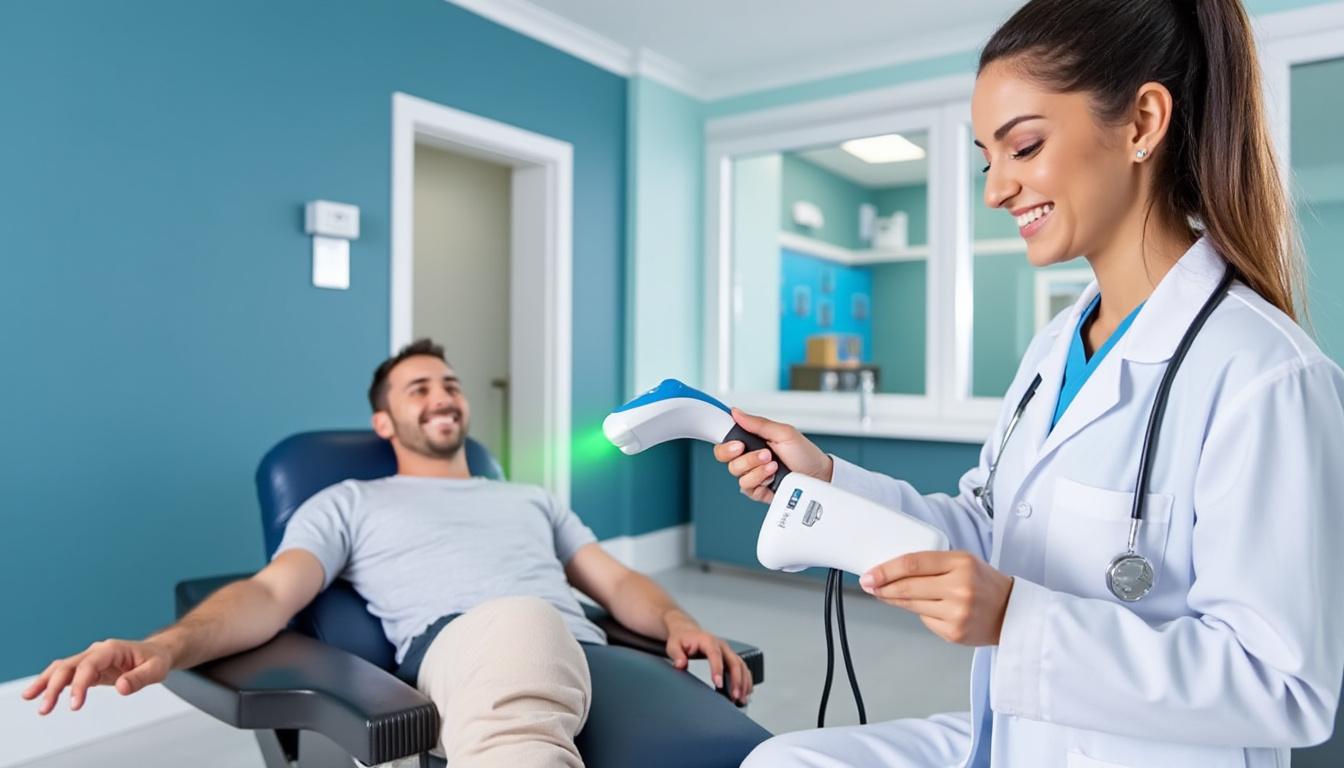
Low-Level Laser Therapy (LLLT), also called photobiomodulation, uses specific wavelengths of light, typically between 800 and 980 nm, to stimulate cellular function. Unlike high-intensity lasers used for cutting or ablating tissue, LLLT operates at lower power, triggering photochemical reactions that support tissue repair, reduce inflammation, and enhance cellular metabolism.
In orthodontics and periodontal care, LLLT can accelerate tooth movement by modulating osteoclastic and osteoblastic activities, facilitating bone remodeling necessary for treatment progression. For instance, studies have shown that LLLT increases ATP production in mitochondria, boosting energy available for cellular proliferation and differentiation. Immune mediators like IL-1β, RANKL, and osteoprotegerin also display altered activity patterns promoting balanced bone resorption and formation.
Key clinical advantages of LLLT include:
- Acceleration of orthodontic tooth movement, potentially reducing overall treatment time
- Reduction in inflammation and associated pain, improving patient comfort
- Promotion of tissue healing and repair in periodontal pockets
- Minimal to no side effects with proper dosing and application protocols
Various devices such as TheraLase, BioFlex Laser, LiteCure, and K-Laser are at the forefront of delivering precise LLLT protocols. However, a challenge in standardized treatment arises due to heterogeneity in laser parameters, session durations, and application frequency noted across clinical trials. Dr. Sylvain Desforges, with his expertise in patient-tailored evaluation, advocates for customized LLLT regimens ensuring optimal dosages tailored to each patient’s unique pathology.
| Laser Device | Wavelength Range (nm) | Typical Application Duration | Clinical Use |
|---|---|---|---|
| TheraLase | 808–980 | 2–5 minutes per point | Orthodontic acceleration, pain reduction |
| BioFlex Laser | 904–980 | 3 minutes per session | Inflammation modulation, tissue repair |
| LiteCure | 810–980 | 1–4 minutes per point | Periodontal therapy adjunct |
| K-Laser | 800–970 | 1–3 minutes per session | Low-level laser biostimulation |
Despite promising clinical results, the variation in study outcomes reflects the ongoing need for standardized protocols, which Dr. Desforges emphasizes, supported by his commitment to scientific rigor and patient safety within his clinical practices at TAGMED Clinics.
Vibrational Therapy in Orthodontics and Spine Care: Evaluating Efficacy and Limitations
Vibrational therapy utilizes mechanical oscillations—typically at frequencies around 30 Hz—to stimulate tissue metabolism, bone remodeling, and pain relief. In orthodontics, devices like AcceleDent apply controlled vibrations to accelerate tooth movement by enhancing cellular response in the periodontal ligament. Similarly, in spinal care, vibrational modalities complement decompression therapies to facilitate recovery and reduce discomfort.
Seven randomized clinical trials involving over 250 patients have assessed vibrational therapy’s impact, often applying daily 20-minute sessions over periods from six weeks to six months. Results reveal a mixed picture:
- Some research reports significant acceleration in tooth movement and promotion of osteoblastic activity.
- Other studies observe minimal or no effect compared to control groups, underscoring inconsistencies in methodology and patient adherence.
- Patients experience variable pain relief results, possibly influenced by the “gate control” theory of pain modulation.
The following table summarizes findings from prominent vibrational therapy studies in orthodontics:
| Study | Patient Age Range | Vibrational Frequency & Force | Treatment Duration | Reported Outcome |
|---|---|---|---|---|
| Pavlin et al., 2015 | 13-40 | 30 Hz, 0.25 N | 12 weeks | Accelerated tooth movement |
| Mayama et al., 2022 | 15-35 | 30 Hz, 0.2 N | 6 weeks | Significant acceleration observed |
| DiBiase et al., 2018 | 14-50 | 30 Hz, 0.3 N | 6 months | No significant difference |
Variability in patient use outside clinical supervision, anatomy differences affecting vibration delivery, and compliance discrepancies affect outcomes. Dr. Desforges stresses the importance of clinical oversight when employing vibrational devices to optimize therapeutic efficacy and safety.
In addition, vibrational therapies are being integrated with other advanced technologies in spine care offered at TAGMED Clinics. By combining dynamic implants and laser treatments, vibrational modalities can support tissue regeneration and pain management effectively.
Probiotics as Adjunctive Therapies: Modulating Oral Microbiota in Inflammation Control
Probiotics are live microorganisms that confer health benefits by balancing microbiota and modulating the immune response. In orthodontics and periodontal disease, probiotics aim to reduce pathogenic bacterial colonization, limiting excessive inflammation associated with fixed appliances and facilitate healthier oral environments.
Randomized controlled trials examining probiotic adjuncts feature diverse strains, delivery methods, and durations, highlighting the complexities of efficacy assessment:
- Lozenges, liquid drops, probiotic-enriched yogurt or kefir, and probiotic toothpaste are common administration forms.
- Duration ranges from 3 weeks to as long as 17 months, with strain-specific benefits fluctuating accordingly.
- Strains such as Bifidobacterium animalis, Lactobacillus reuteri, and Streptococcus salivarius M18 show antimicrobial and immunomodulatory potentials.
Some trials reveal probiotic benefits in reducing Streptococcus mutans levels, halitosis improvement, and salivary pH optimization, whereas others find no significant differences compared to controls. Complex host factors, study designs, and probiotic formulations contribute to these divergences.
| Probiotic Strain | Delivery Method | Duration | Reported Effects |
|---|---|---|---|
| Bifidobacterium animalis | Yogurt | 3 weeks | Mixed effects on bacterial counts |
| Lactobacillus reuteri | Drops | 4 weeks | Increased plaque pH, reduced inflammation |
| Streptococcus salivarius M18 | Lozenges | 8 weeks | Reduced halitosis, limited microbiota impact |
| Kefir biofilm and toothpaste | Kefir + toothpaste | 12 weeks | Reduction in pathogenic bacteria |
Dr. Desforges encourages practitioners to await larger-scale, standardized trials before broadly recommending probiotics but recognizes their promise, especially in personalized treatment plans complementing osteopathic and laser approaches.
Scientific and Ethical Standards in Adopting Adjunct Therapies: A Commitment to Quebec and Canadian Healthcare Regulations
Adopting adjunct therapies within clinical practice mandates strict compliance with medical standards, regulatory frameworks, and evidence-based protocols. Dr. Sylvain Desforges, leading TAGMED Clinics and the Canadian College of Osteopaths, consistently upholds scientific rigor and ethical patient care.
Some of the core principles in deploying adjunct treatments include:
- Comprehensive patient evaluation: Ensuring each treatment decision is grounded in thorough clinical assessment rather than a generalized protocol.
- Informed consent and communication: Clearly explaining benefits, limitations, and potential risks, fostering patient autonomy.
- Adherence to guidelines: Aligning with Quebec’s Collège des médecins du Québec and other regulatory bodies.
- Maintenance of accurate records: Documenting treatment parameters, observations, and clinical outcomes meticulously.
- Continuous professional development: Staying informed on emerging data and updating clinical protocols accordingly.
Such ethical foundations promote safe, innovative care, avoiding unnecessary invasive surgeries when effective conservative options exist.
| Regulatory Aspect | Clinical Consideration | Implementation |
|---|---|---|
| Patient Safety Compliance | Use evidence-based devices and protocols | Regular training, equipment calibration, monitoring |
| Legal Documentation | Informed consent forms and risk disclosures | Standardized documentation aligned with Quebec laws |
| Professional Accountability | Ongoing reviews and audits of clinical data | Internal quality control and accreditation processes |
Integrating Adjunct Laser Therapy with Non-Surgical Spinal Treatments: Innovations at TAGMED Clinics
Non-invasive spinal treatment modalities have evolved significantly due to technological advances in laser and decompression therapies. At TAGMED Clinics, spearheaded by Dr. Sylvain Desforges, the integration of Erchonia and Aspen Laser devices enhances traditional spinal decompression approaches, delivering pain relief and promoting tissue healing without surgery.
Therapies are customized based on comprehensive evaluations that Dr. Desforges performs, ensuring alignment with individual spinal pathology. Key benefits observed include:
- Improved intervertebral disc health via enhanced blood flow and cellular regeneration
- Reductions in neuropathic pain through targeted photobiomodulation
- Minimization of peri-spinal muscular inflammation
- Accelerated post-injury recovery times
The synergy between laser therapy and advanced epidural decompression technologies, including dynamic spinal implants and BTL Therapies, heightens functional outcomes and patient satisfaction. These methodologies, paired with the compassionate care approach prioritized by Dr. Desforges, markedly transform patient journeys.
| Technology | Function | Clinical Impact |
|---|---|---|
| Erchonia Laser | Cold laser photobiomodulation | Reduced inflammation and enhanced nerve repair |
| Aspen Laser | Low-level laser therapy | Facilitates tissue regeneration and pain relief |
| BTL Therapies | Dynamic musculoskeletal treatment | Improved muscle function and accelerated healing |
Challenges and Future Directions in Adjunct Therapies: Optimizing Patient Outcomes through Personalized Protocols
Despite encouraging results, adjunctive therapies such as LLLT, vibrational devices, and probiotics display variable outcomes influenced by diverse patient profiles and adherence patterns. Challenges include:
- Variability in device parameters and treatment protocols
- Limited large-scale randomized controlled trials for vibrational and probiotic therapies
- Patient compliance with home-use devices affecting treatment consistency
- Strain-specific effects and delivery mechanisms complicating probiotic efficacy
- Cost considerations and insurance coverage hurdles for laser and vibrational devices
Dr. Sylvain Desforges emphasizes that overcoming these limitations requires:
- Large, multi-center clinical studies with standardized protocols
- Personalized treatment plans considering individual anatomical and biological differences
- Enhanced patient education for better adherence and understanding
- Integration of adjunct therapies into interdisciplinary care pathways
- Continuous technological innovation, especially in device customization and monitoring
| Challenge | Proposed Strategy | Expected Outcome |
|---|---|---|
| Protocol inconsistency | Developing clinical guidelines for therapy applications | Improved treatment predictability |
| Patient adherence | Comprehensive education and support programs | Higher compliance and better outcomes |
| Technology limitations | Advanced, individualized device design | Enhanced efficacy and patient satisfaction |
Patient Education and Communication: Decoding Adjunct Therapies for Informed Decisions
To maximize benefits and minimize uncertainties about adjunct therapies, effective communication strategies are vital. Dr. Sylvain Desforges prioritizes educating patients regarding:
- Mechanisms behind laser, vibrational, and probiotic therapies
- Expected benefits and realistic outcomes
- Limitations and when adjunct therapies may not be appropriate
- Importance of personalized evaluation as no “one-size-fits-all” approach exists
- How adjunct therapies fit within overall treatment plans aimed at conservative, patient-centred care
By engaging patients empathetically and fostering open dialogue, care providers can empower individuals to participate actively in their health management, reducing anxiety and promoting positive treatment adherence.
| Educational Focus Area | Communication Method | Patient Benefit |
|---|---|---|
| Scientific Mechanisms | Clear, jargon-free explanations and visual aids | Improved understanding and confidence |
| Therapy Expectations | Realistic goal setting discussions | Better treatment adherence |
| Personalized Care Plans | Individual consultations and tailored advice | Higher satisfaction and outcomes |
Practical Insights: When Do Adjunct Therapies Truly Help Patients?
While adjunct therapies hold great promise, their optimal utility emerges from judicious application based on comprehensive clinical evaluation. Consider these guiding principles:
- Patient-specific factors: Adjunctive laser or vibrational therapy may be most effective when matched to patient biological responses, pain thresholds, and treatment complexity.
- Condition severity and type: Early-stage inflammatory conditions or mild to moderate discs and periodontal issues often benefit more from adjunct support than advanced pathology requiring surgical interventions.
- Therapy integration: Using adjunct modalities in combination with evidence-based osteopathic manipulation, spinal decompression, or conventional orthodontic treatments enhances holistic outcomes.
- Monitoring and adjusting protocols: Continuous evaluation by experts like Dr. Desforges ensures treatment is timely adjusted to maximize benefits while preventing overtreatment.
Understanding these nuances equips patients and clinicians alike to navigate the complex landscape of adjunctive care, encouraging informed, confident treatment journeys.
What conditions benefit most from low-level laser therapy?
Low-level laser therapy is effective in accelerating healing and reducing inflammation in conditions such as chronic periodontitis, orthodontic tooth movement, and certain spinal disorders. Its non-invasive nature makes it suitable for conservative treatments.
Are vibrational therapies proven to accelerate orthodontic treatment?
Current research shows mixed results; while some studies report acceleration of tooth movement and pain relief, overall evidence lacks consensus. Patient adherence and device usage consistency play significant roles.
How do probiotics complement periodontal and orthodontic treatments?
Probiotics help balance the oral microbiota, reducing pathogenic bacteria and inflammation, which supports periodontal health and may alleviate side effects of orthodontic appliances. Their effectiveness depends on strain, dosage, and administration mode.
Is laser therapy safe for all patients?
When applied by trained experts like Dr. Sylvain Desforges using evidence-based protocols, laser therapy is safe with minimal side effects. Proper patient evaluation ensures individualized and secure treatment plans.
How can patients know if adjunct therapies are right for them?
A thorough and personalized evaluation by an expert is essential. Patients should discuss symptoms, treatment goals, and options with their healthcare provider to determine if adjunct therapies fit their individual needs.