Repentigny Chronic Back Pain Solved with TAGMED’s Approach
October 26, 2025
Boucherville Lumbar Disc Pain Relief Without Surgery
October 26, 2025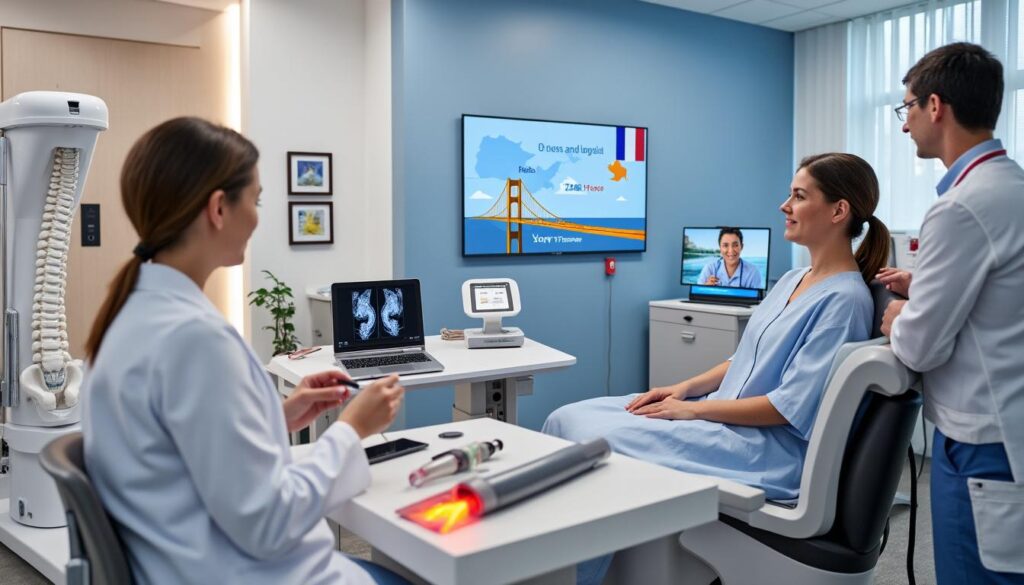
Experiencing a cervical herniated disc can be a daunting challenge, impacting not only physical health but also daily routines and overall quality of life. Yet, the trajectory from diagnosis to recovery does not always necessitate invasive procedures or immediate surgery. In regions like Blainville, patients increasingly seek effective and innovative non-surgical solutions that offer relief without the risks associated with operative interventions. The journey to recovery often involves a multidisciplinary approach, emphasizing patient education, conservative care modalities, and advanced therapeutic technologies.
Dr. Sylvain Desforges, a recognized leader in spinal care with over 30 years of clinical experience, has been at the forefront of pioneering non-surgical methods to address cervical herniated discs. His integrative patient support through Clinique TAGMED and collaborations with international spine care networks, including those in France and Canada, exemplify a refined approach to personalized treatment. Patients benefit from thorough evaluations that focus on tailored care plans respecting both safety and efficacy underpinned by the latest scientific evidence.
Across Blainville and beyond, the growing emphasis on therapies such as spinal decompression, laser treatments, and advanced manual osteopathic techniques illustrates a shift towards healing pathways that prioritize mobility restoration and pain relief with minimal disruption. This article explores the spectrum of non-surgical treatments available for cervical herniated discs, shedding light on their mechanisms, clinical outcomes, and how patients can navigate their recovery journey alongside expert care providers like Dr. Desforges.
Understanding Cervical Herniated Disc: Mechanisms and Symptoms Driving Non-Surgical Options
At the core of effective non-surgical treatment is a detailed understanding of the cervical herniated disc itself. The cervical spine’s intervertebral discs serve as flexible cushions between vertebrae, facilitating movement and absorbing mechanical stress. A herniated disc occurs when the gel-like nucleus pulposus breaches the tough annulus fibrosus, which may exert pressure on adjacent nerves, resulting in pain and neurological symptoms.
Common symptoms that patients report include localized neck pain, radiating pain down the arms, numbness, tingling, and muscular weakness. With a variety of presentations and severity levels, a comprehensive patient evaluation by experts such as Dr. Sylvain Desforges is crucial. This evaluation not only confirms the diagnosis but also assesses functional impairments and patient-specific factors guiding the non-surgical therapeutic approach.
Several physiological and lifestyle factors contribute to the development and progression of cervical disc herniation. For instance, repetitive strain from occupational activities, postural imbalances, and smoking can exacerbate disc degeneration and inflammation. By addressing these root causes through patient education and targeted interventions, the likelihood of successful non-surgical recovery is significantly enhanced.
- Physiological elements: Disc anatomy, age-related degeneration, and biomechanical stressors.
- Symptomatology: Pain intensity, sensory disturbances, and motor deficits influencing treatment choices.
- Lifestyle factors: Smoking, obesity, sedentary behavior affecting healing potential.
| Key Aspect | Impact on Recovery Strategy |
|---|---|
| Disc Herniation Size | Moderate to small herniations suitable for conservative care; large herniations may require advanced interventions. |
| Symptom Duration | Acute symptoms often respond better to non-invasive methods compared to chronic cases. |
| Neurological Involvement | Presence of nerve deficits necessitates close monitoring and possibly adjunct therapies. |
| Patient Lifestyle | Modifications in activity and habits crucial for sustained improvement. |
Boucherville Lumbar Disc Recovery Without Hospitalization
In the serene city of Boucherville, a transformative approach to treating lumbar disc conditions is reshaping patient experiences and redefining spinal care standards. This method focuses on delivering effective lumbar disc recovery without the need for hospitalization, combining modern technology,…
Medication and Pain Management: Foundation Stones of Non-Surgical Cervical Disc Care
Medication remains a fundamental component in the initial management of cervical herniated disc symptoms. Nonsteroidal anti-inflammatory drugs (NSAIDs) like naproxen and ibuprofen serve dual purposes—reducing inflammation and alleviating pain. Dr. Sylvain Desforges emphasizes judicious use of medications, weighing benefits against individual patient risk factors such as gastrointestinal sensitivity or cardiovascular concerns.
In cases where over-the-counter solutions provide insufficient relief, the therapeutic strategy may incorporate prescription muscle relaxants or neuropathic pain modulators like gabapentin or low-dose antidepressants. The objective is to create a pain environment conducive to engaging in rehabilitative activities without undue sedation or adverse effects.
Alternatives such as acetaminophen are preferred for patients unable to tolerate NSAIDs. The integration of medication with other treatment modalities enhances recovery trajectories, exemplified by the approach used at Renew Spine Therapy and other clinics affiliated with Dr. Desforges.
- Types of medications: NSAIDs, acetaminophen, muscle relaxants, neuropathic agents.
- Considerations: Patient history, side effect profile, and interaction with therapy sessions.
- Goals: Mitigate pain sufficiently to enable physical therapy and lifestyle modifications.
| Medication Type | Primary Effect | Consideration for Use |
|---|---|---|
| NSAIDs (ibuprofen, naproxen) | Anti-inflammatory and analgesic | Avoid in patients with ulcers or cardiac risk |
| Acetaminophen | Pain relief only | Preferred in sensitive individuals |
| Gabapentin | Nerve pain modulation | Useful for radicular symptoms |
| Muscle relaxants | Reduce muscle spasms | Short-term use recommended |
It’s important for patients to understand that medication is one aspect of care and is most effective when combined with therapies focused on mechanical and functional recovery. Dr. Desforges advocates for a balanced, evidence-based approach that favors patient safety and tailored protocols.
Blainville Sciatica Relief in Professional Athletes
Sciatica pain is a significant challenge for many, particularly professional athletes in Blainville who rely on peak physical condition to perform. Chronic sciatic nerve discomfort can sideline even the most dedicated sports professionals, impacting their athletic performance, injury recovery, and…
Physical Therapy: The Cornerstone of Non-Surgical Rehabilitation for Cervical Herniated Discs
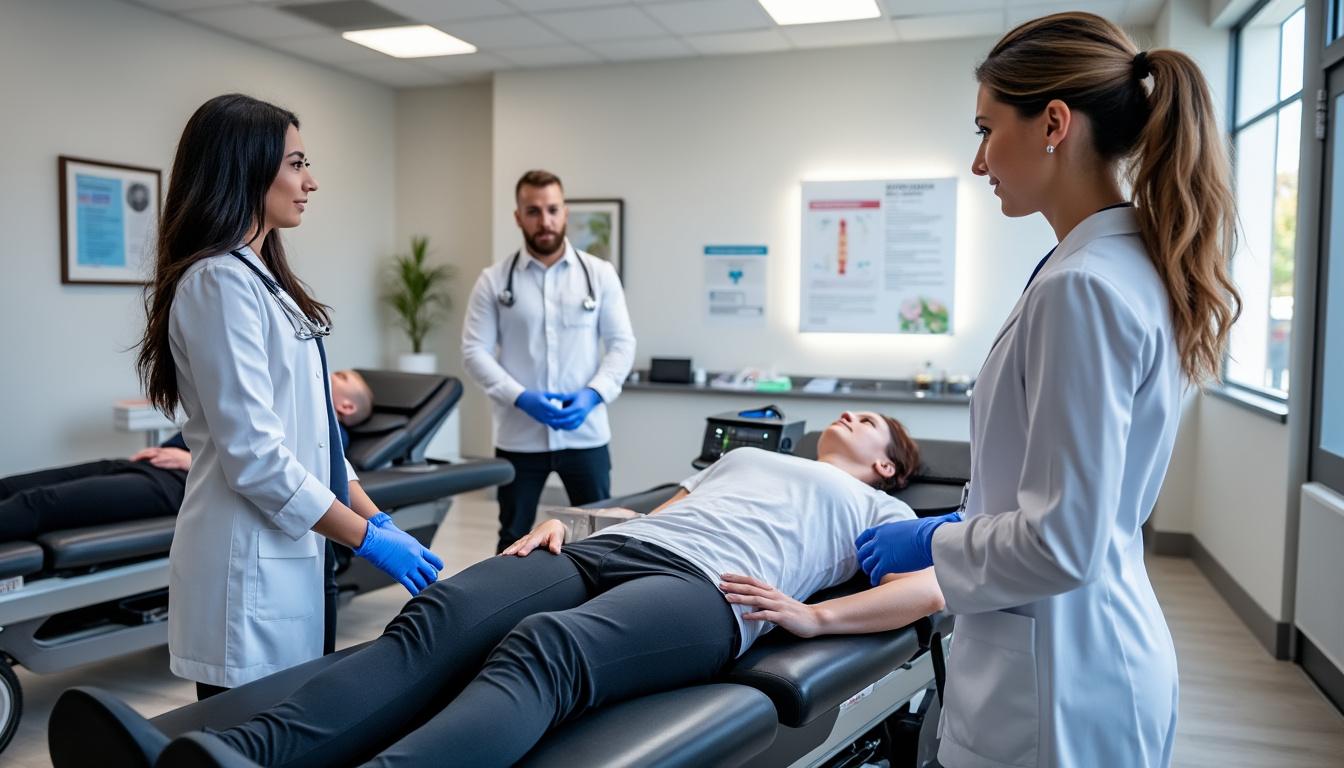
Physical therapy professionals, working in concert with experts like Dr. Sylvain Desforges, play a pivotal role in restoring function and reducing pain associated with cervical herniated discs. Contemporary physical therapy programs are designed with precision to accommodate individual symptom profiles and goals.
Typical physical therapy regimens include a combination of:
- Strength training: Targeted exercises to fortify cervical and paraspinal muscles supporting spine stability.
- Stretching routines: Enhancing flexibility and reducing muscular tension around affected areas.
- Modalities like TENS and ultrasound: Advanced techniques employed to modulate pain signals and encourage tissue healing.
- Manual therapy: Osteopathic manipulations and massage optimized by Dr. Desforges’ expertise to alleviate pressure on nerve roots.
- Ergonomic education: Training patients on posture correction and daily activity adjustments to minimize aggravation.
Evidence supports that stabilization exercises specifically can reduce pain and stiffness, speeding the healing process. Through consistent participation, patients experience incremental improvements in cervical mobility and quality of life.
| Therapy Component | Purpose | Expected Outcome |
|---|---|---|
| Strength Training | Muscle support and spinal stability | Improved posture and reduced nerve compression |
| Stretching | Increase flexibility | Less muscle tension and pain relief |
| TENS/Ultrasound | Pain relief and tissue repair | Reduced inflammation and swelling |
| Manual Therapy | Spinal alignment and nerve decompression | Enhanced mobility and decreased neurological symptoms |
Physical therapy is not a one-size-fits-all solution. A thorough assessment ensures patients receive coherent programs aligned with their specific needs. Dr. Desforges observes that success hinges on patient engagement and ongoing collaboration to adjust treatment as recovery progresses.
Repentigny Neck Pain Solutions Without Surgery
In Repentigny and the greater Québec area, chronic neck pain has emerged as a pervasive challenge that profoundly disrupts daily life and well-being for many adults. Neck discomfort caused by cervical disc problems—ranging from mild irritation to severe herniation—can restrict…
Innovative Non-Surgical Technologies in Cervical Disc Herniation Care
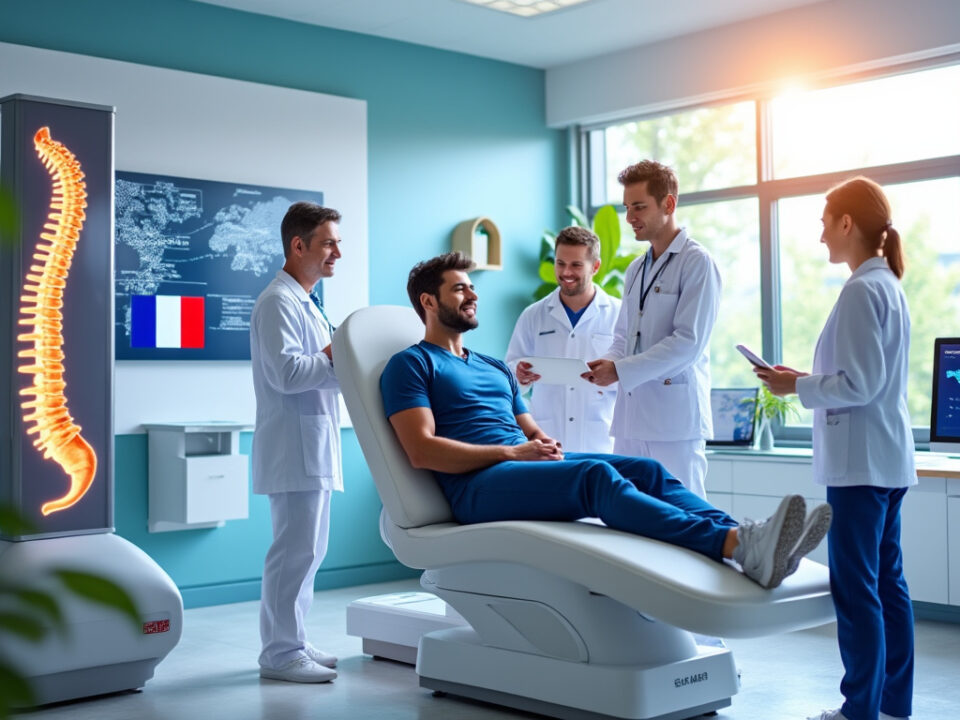
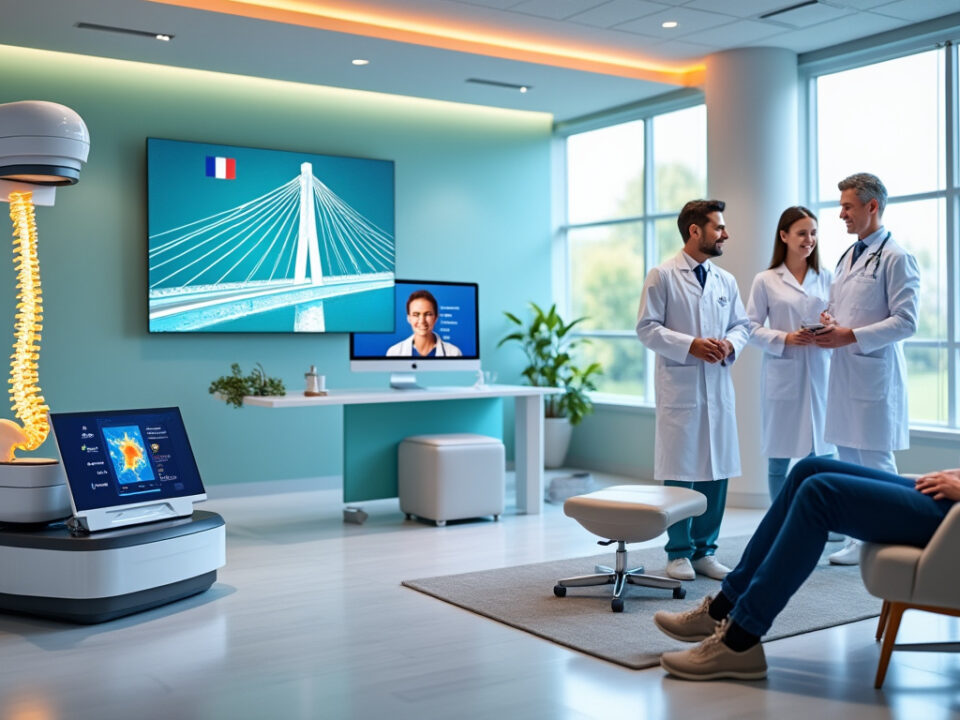
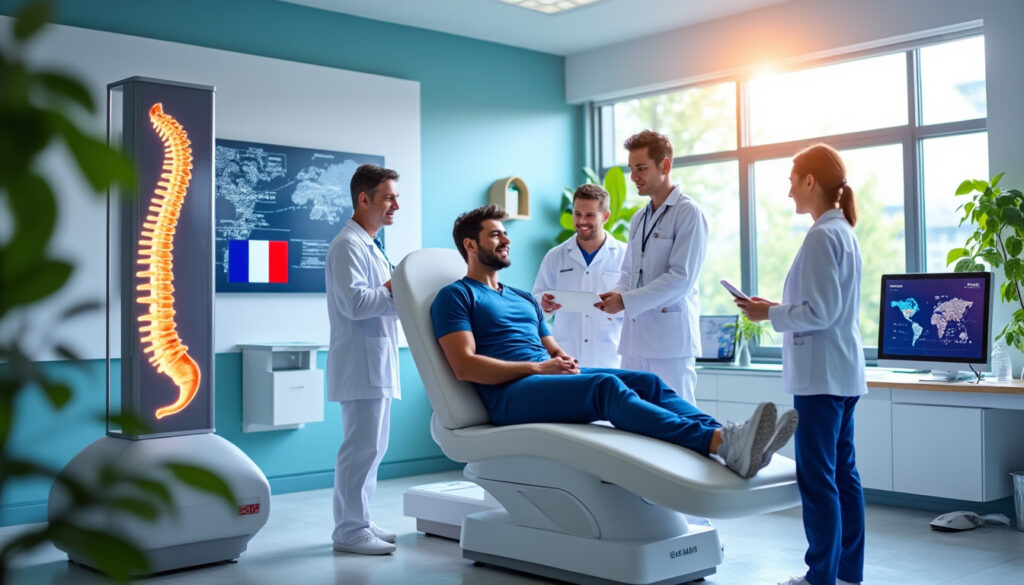
In 2025, advancements in medical technology have revolutionized non-surgical options for cervical herniated disc patients. Dr. Desforges integrates cutting-edge devices and methods at TAGMED Clinic to provide targeted therapies that accelerate recovery with less discomfort.
Notable technologies include:
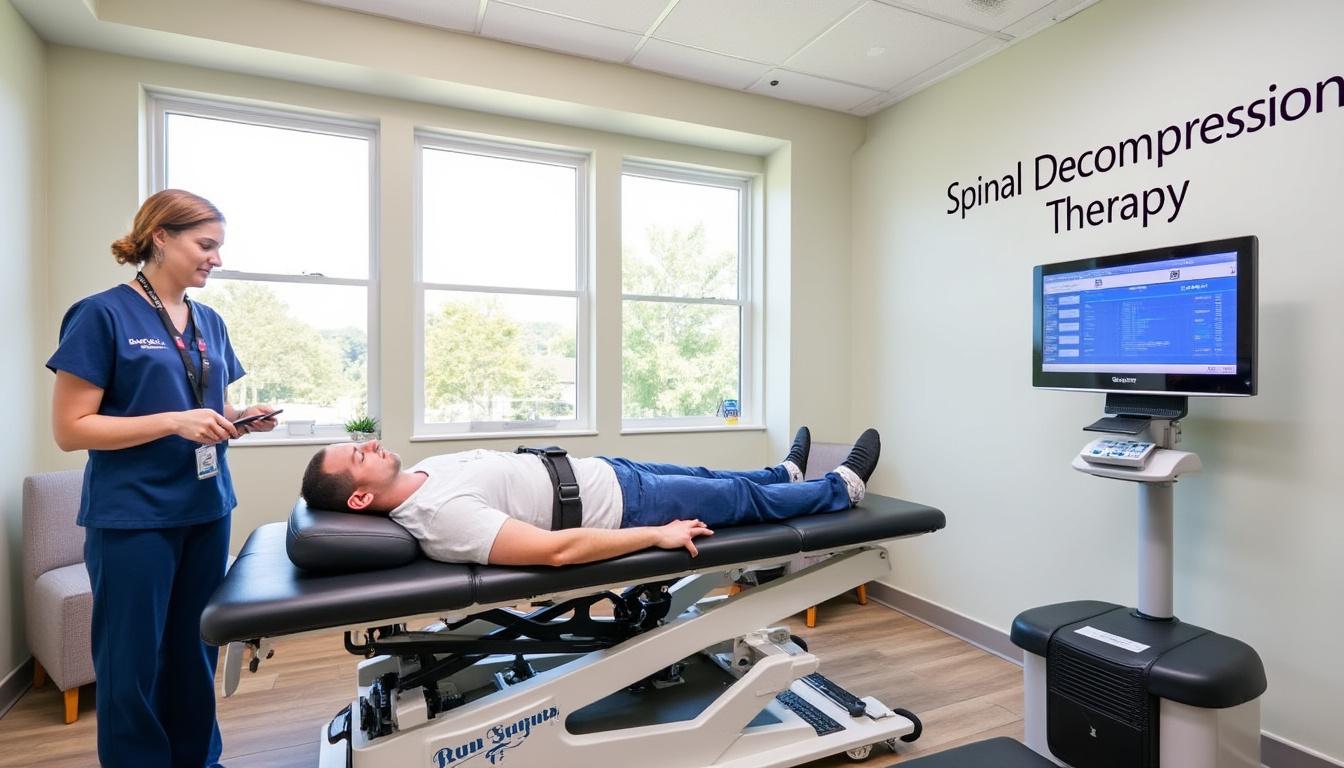
- Spinal decompression therapy devices: These machines use controlled mechanical traction to gently separate vertebrae, reducing pressure on nerve roots and promoting disc rehydration.
- Laser therapy: Low-level lasers stimulate cellular repair, diminish inflammation, and alleviate pain.
- Dynamic spinal implants: Advanced devices aimed at stabilizing affected areas without limiting natural motion, enhancing long-term outcomes.
- Shockwave therapy: A non-invasive technique improving blood flow and tissue remodeling in chronically affected regions.
At the core of these innovations is a strong commitment to patient safety and regulatory compliance. All technologies used under Dr. Desforges’ oversight adhere rigorously to standards set by Canadian and Quebec health authorities.
| Technology | Benefit | Application |
|---|---|---|
| Spinal Decompression | Reduction of nerve pressure and disc healing | Non-invasive traction sessions |
| Laser Therapy | Cellular regeneration and pain control | Targeted application over affected cervical area |
| Dynamic Implants | Spinal stabilization maintaining mobility | Surgical adjunct or future care options |
| Shockwave Therapy | Tissue repair and circulation enhancement | Applied to soft tissues around cervical spine |
These tools expand the therapeutic landscape, facilitating options that circumvent surgery while optimizing healing. Patients at the Blainville Spine Clinic and connected centers gain access to these advanced modalities, contributing to their journey toward pain-free living.
Brossard Chronic Back Pain Managed with TAGMED Protocol
Residents of Brossard facing chronic back pain are increasingly turning to innovative treatments that offer hope beyond traditional therapies. The TAGMED Protocol, developed and implemented by renowned expert Dr. Sylvain Desforges, represents a breakthrough in non-surgical spinal therapy. This comprehensive…
Role of Lifestyle Modifications and Ergonomics in Cervical Disc Recovery
Beyond clinical interventions, lifestyle changes form a critical pillar in managing cervical herniated discs non-surgically. Dr. Sylvain Desforges stresses the importance of patient education and proactive behavioral adaptations to sustain therapeutic gains.
Key lifestyle factors influencing recovery include:
- Weight management: Reducing excess body weight decreases mechanical stress on the cervical spine.
- Exercise Regularity: Incorporating low-impact aerobic activities enhances circulation and strengthens supporting musculature.
- Smoking cessation: Smoking impairs oxygen delivery crucial for disc and nerve health; quitting is strongly encouraged.
- Ergonomic optimization: Proper workstation setups, use of supportive chairs, and mindful posture prevent exacerbation of disc pathology.
- Sleep position adjustments: Aligning cervical spine during sleep with supportive pillows reduces overnight stress.
| Lifestyle Factor | Impact on Spine Health | Recommended Action |
|---|---|---|
| Weight Management | Relieves undue pressure on cervical discs | Balanced nutrition and calorie control |
| Regular Exercise | Strengthens muscles and improves blood flow | Daily low-impact activities like walking, swimming |
| Smoking Cessation | Improves oxygen delivery and healing capacity | Professional support programs and counseling |
| Ergonomic Setup | Prevents postural strain | Ergonomic assessments and adjustments |
| Sleep Habits | Minimizes nocturnal cervical stress | Use of cervical pillows and posture education |
By integrating these modifications early in the recovery pathway, patients improve outcomes and reduce the likelihood of recurrent symptoms. Resources such as the Cervical Health Hub provide valuable guidance supporting sustained wellness.
Terrebonne Neck Herniation Care for Older Adults
In Terrebonne, the increasing prevalence of neck herniation among older adults presents significant challenges to maintaining quality of life and independence. This condition, primarily involving the deterioration or displacement of cervical discs, often leads to debilitating pain and restricted mobility.…
International Collaboration: Optimizing Patient Outcomes through Canada-France Coordination
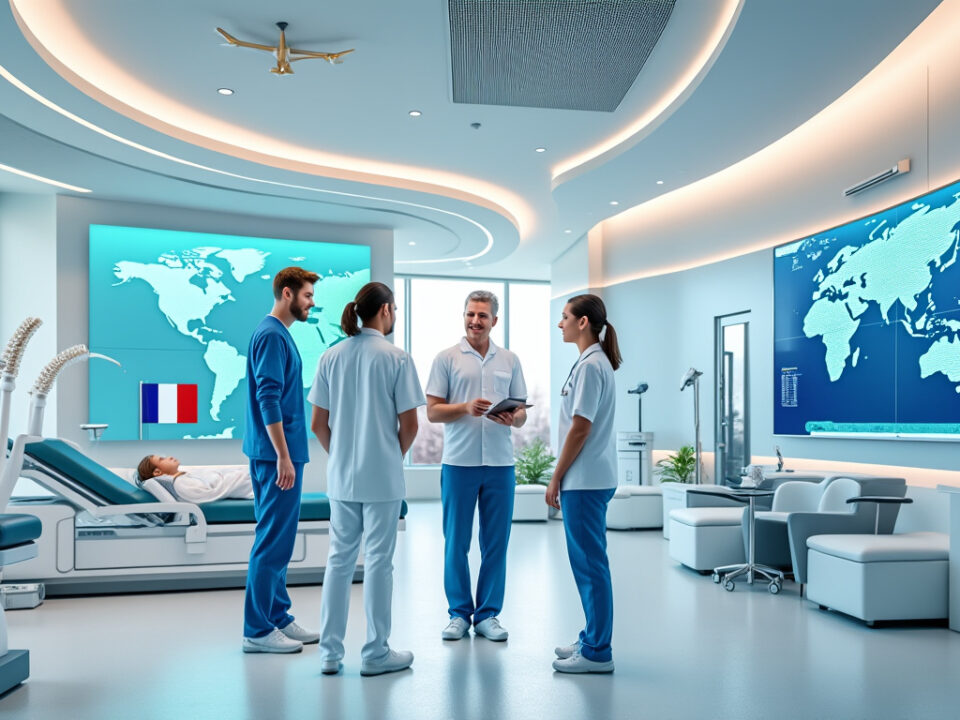
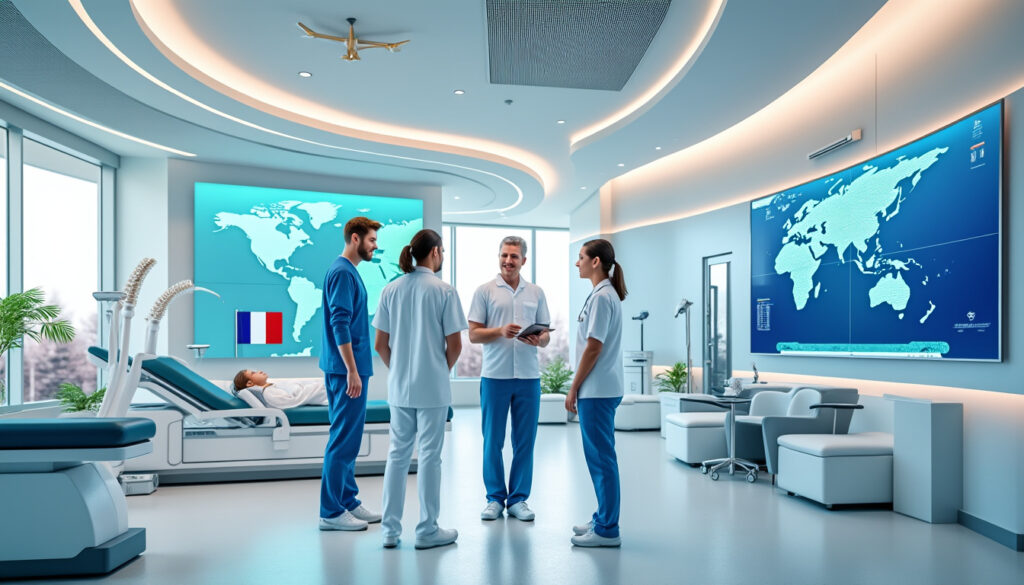
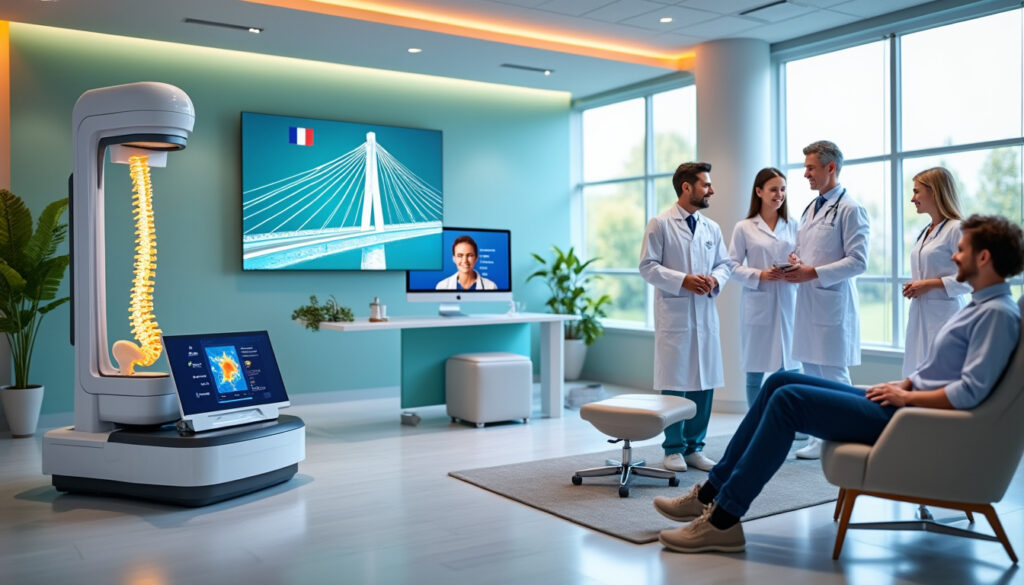
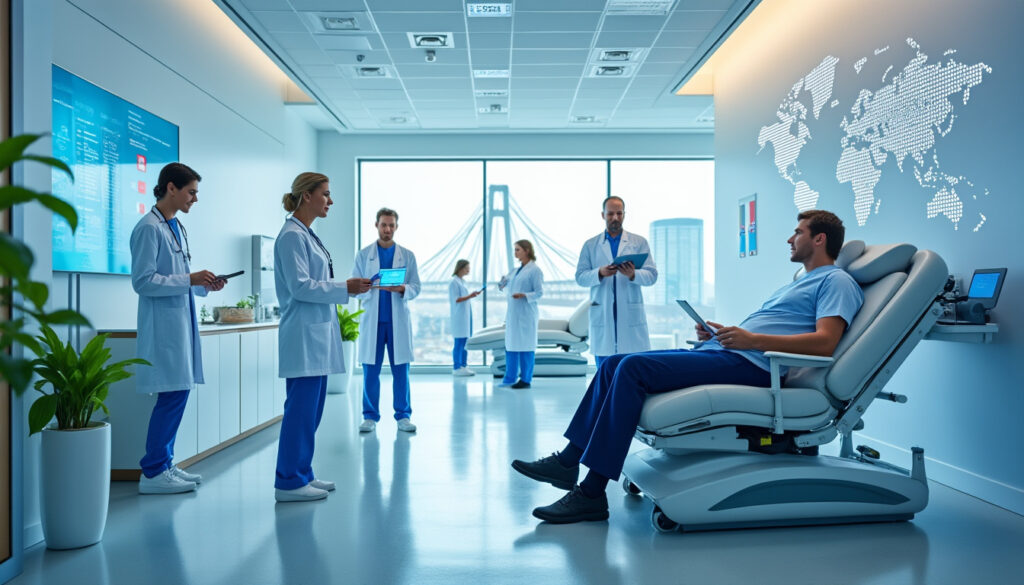
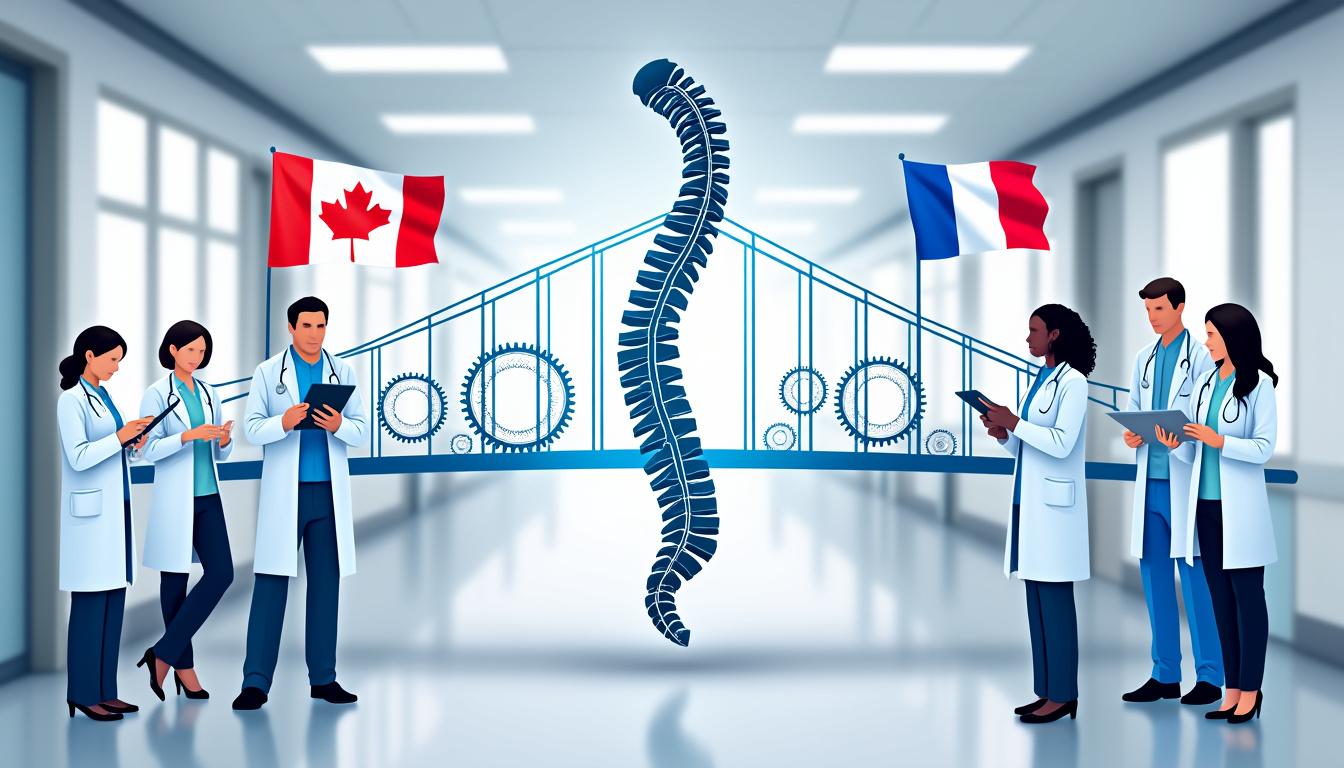
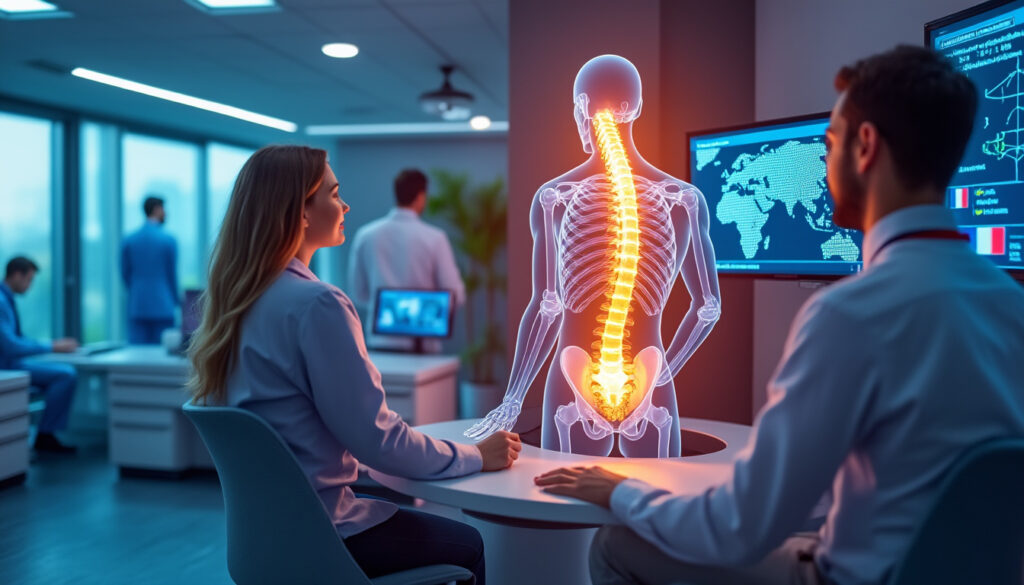
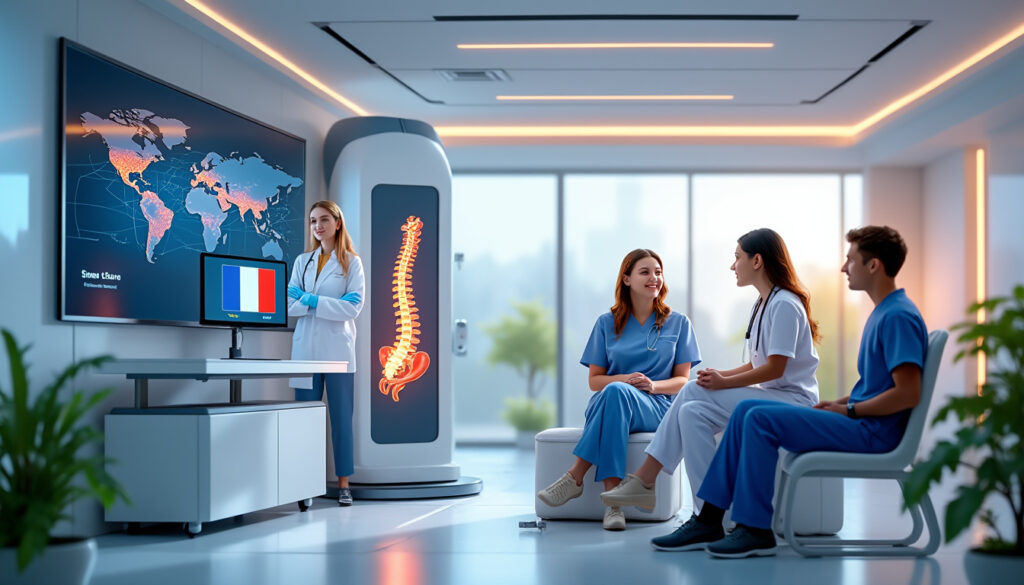
One of the distinctive features of Dr. Sylvain Desforges’ practice is the seamless international coordination offered to patients navigating care between Canada and France. This transatlantic collaboration connects patients with world-class spine surgeons, advanced clinics, and medical tourism platforms such as SOS Tourisme Médical, ensuring personalized and timely treatment access.
This international network addresses common challenges in specialized spinal care, including long wait times and variable access to cutting-edge technologies. Patients in Blainville benefit from care pathways designed to synchronize non-surgical and, if necessary, surgical interventions across continents without compromising continuity or quality.
- Coordinated evaluation: Bilateral expertise to finalize diagnosis and treatment plans.
- Access to innovative procedures: Including specialized implants and minimally invasive techniques not widely available in Canadian settings.
- Streamlined logistics: Patient travel, scheduling, and follow-up coordinated to minimize treatment delays.
- Comprehensive support: Multidisciplinary teams ensuring holistic patient well-being across stages.
| Service Aspect | Benefits to Patients |
|---|---|
| Cross-border Consultations | Access to global experts without duplication of tests |
| Shared Clinical Protocols | Consistency in treatment regardless of location |
| Patient-Centered Logistics | Simplified medical travel and care transitions |
This cooperative framework embodies a model of modern spine care, reflecting Dr. Desforges’ commitment to innovation and integrated support for the unique needs of each patient.
Laval Sciatica Recovery After Failed Injections
Living with sciatica can be a debilitating experience, especially when common treatments like injections fail to bring the relief patients hope for. In Laval and across Québec, many individuals suffering from this nerve pain find themselves at a crossroads after…
Unique Non-Surgical Care Offerings at Clinique TAGMED in Blainville and Beyond
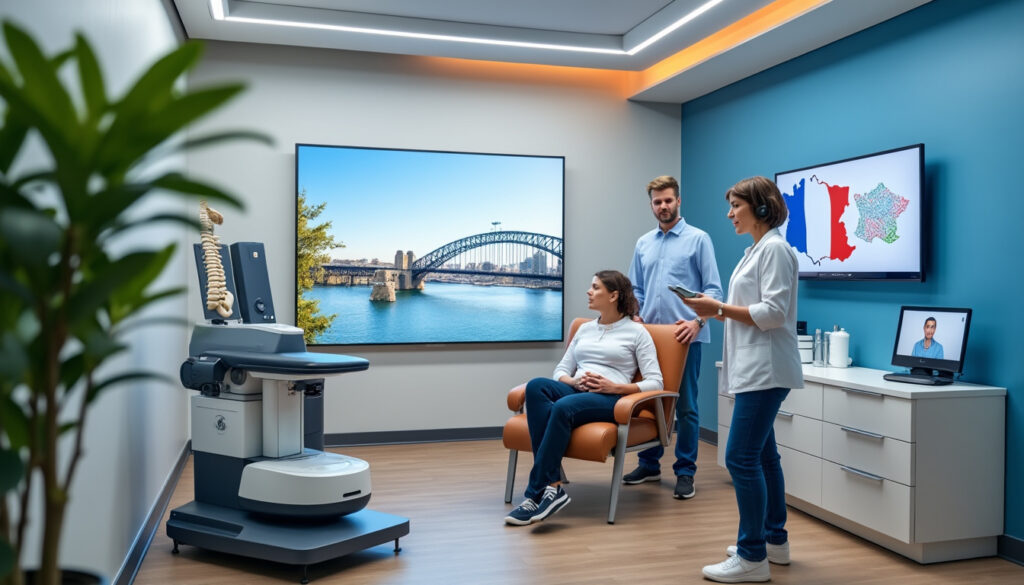
Dr. Sylvain Desforges and his team at Clinique TAGMED have curated a suite of non-surgical services that distinguish their approach in the region. Their commitment to scientific rigor and patient-centric care translates into comprehensive, evidence-based protocols emphasizing safety and efficacy.
Among the hallmark offerings are:
- Personalized spinal decompression therapy utilizing state-of-the-art tables designed to reduce nerve impingement.
- Advanced laser and shockwave therapies tailored for tissue healing and pain reduction.
- In-depth osteopathic evaluations harnessing Dr. Desforges’ unique expertise to design individualized treatment plans.
- Pre- and post-treatment education and support ensuring patients understand indications, limitations, and the progression of their recovery.
- Team-based interdisciplinary care spanning osteopathy, physiotherapy, and ergonomic consultations.
| Service | Key Feature | Patient Benefit |
|---|---|---|
| Spinal Decompression | Precision mechanical traction | Non-invasive nerve pressure relief |
| Laser Therapy | Cellular regeneration stimulation | Reduced inflammation and faster healing |
| Osteopathic Evaluation | Comprehensive spinal and neuromuscular assessment | Customized treatment pathways |
| Patient Education | Clear communication of care process | Empowered patient decision-making |
Patients seeking ActiveSpine Recovery and non-invasive solutions value the balanced combination of evidence-driven protocols with compassionate support at TAGMED.
Montreal Chronic Neck Pain Solutions Without Invasive Care
Chronic neck pain affects countless individuals across Montreal and beyond, often leading to frustration due to persistent discomfort and limitations in daily activities. While invasive surgical options exist, many patients seek safer, more natural alternatives that focus on relief without…
Motivational Support and Patient Empowerment Throughout Non-Surgical Care
Psychological resilience and patient motivation are pivotal elements often underappreciated in recovery from cervical herniated discs. Dr. Sylvain Desforges integrates empathic communication and realistic goal setting to foster patient engagement.
Patients often enter care feeling uncertain about prognosis or overwhelmed by symptoms, yet personalized education alleviates fear and supports adherence to prescribed therapies. Dr. Desforges stresses that non-surgical recovery is a process demanding patience and active participation.
- Reinforcing uniqueness: Every patient’s spine and lifestyle differ, requiring tailored guidance.
- Explaining treatment rationale: Clear, jargon-free information about therapeutic choices.
- Encouraging questions: Inviting dialogue to address concerns and build trust.
- Providing hope: Highlighting success stories and realistic timelines for improvement.
| Supportive Strategy | Patient Outcome |
|---|---|
| Empathetic Listening | Increased trust and treatment adherence |
| Clear Communication | Reduced anxiety and better understanding |
| Personalized Goal Setting | Motivation and realistic expectations |
| Success Story Sharing | Encouragement and sustained hope |
This compassionate approach resonates with patients accessing care through programs like PainFree Discs and CerviWell Center, ensuring a grounded yet positive recovery environment.
Candiac Lumbar Disc Care Without Steroid Injections
Back pain caused by lumbar disc issues is a widespread condition affecting adults globally, posing significant challenges in everyday activities and overall quality of life. In Candiac and the greater Québec region, the quest for effective spinal care solutions has…
Practical Steps to Initiate Non-Surgical Cervical Disc Treatment in Blainville
Individuals facing a cervical herniated disc diagnosis in Blainville can take proactive measures to embark on a non-surgical recovery path. Dr. Sylvain Desforges and his team recommend the following initial steps:
- Comprehensive Evaluation: Schedule a detailed assessment with an expert to understand your specific condition and rule out complications.
- Imaging and Diagnostics: Obtain current MRI or CT scans, which can be evaluated by the team to tailor the treatment strategy.
- Discuss Treatment Options: Explore non-surgical alternatives such as decompression, therapy modalities, and lifestyle adjustments.
- Commit to a Personalized Plan: Engage in physical therapy, medication management, and patient education with ongoing expert guidance.
- Monitor Progress: Regular follow-ups to refine care and address emerging needs effectively.
| Step | Purpose | Expected Outcome |
|---|---|---|
| Evaluation | Confirm diagnosis and baseline status | Informed treatment decisions |
| Imaging Review | Structural insights to guide care | Precise therapy targeting |
| Option Discussion | Aligning treatment with patient preferences | Enhanced cooperation and satisfaction |
| Plan Commitment | Active participation in recovery | Optimized outcomes and functional gains |
| Progress Monitoring | Adjust care dynamically as needed | Continuous improvement and prevention of relapse |
Through this structured approach, patients join many others experiencing significant benefit from conservative care pathways championed by leaders like Dr. Desforges, avoiding unnecessary surgeries while regaining active lifestyles.
Frequently Asked Questions About Non-Surgical Cervical Herniated Disc Care
Can a cervical herniated disc heal without surgery?
Yes, many cervical herniated discs can heal or improve significantly with non-surgical treatments such as physical therapy, medication, and spinal decompression therapy. Early assessment and tailored care plans are key to successful recovery.
What role does physical therapy play in herniated disc recovery?
Physical therapy strengthens neck muscles, improves flexibility, and alleviates nerve pressure, helping reduce pain and restore function. It is considered a fundamental non-surgical treatment for cervical herniated discs.
Are medications safe for managing herniated disc symptoms?
When carefully prescribed and monitored by healthcare experts like Dr. Desforges, medications such as NSAIDs and neuropathic agents can safely manage pain and inflammation to facilitate participation in rehabilitation.
How do lifestyle changes affect recovery from a herniated disc?
Lifestyle changes such as quitting smoking, maintaining a healthy weight, practicing good posture, and engaging in regular exercise can significantly improve healing outcomes and prevent symptom recurrence.
What makes Dr. Sylvain Desforges’ approach to herniated disc care unique?
Dr. Desforges combines over three decades of clinical expertise with innovative technologies, rigorous scientific standards, international collaboration, and compassionate patient education to deliver personalized non-surgical care focused on holistic recovery.