Spine Surgery in Trois-Rivières: French Surgical Innovation
May 15, 2026
Repentigny Lumbar Disc Bulge Resolved with Decompression
May 15, 2026
In Brossard, where vibrant community life meets active lifestyles, the challenge of recovering from a herniated disc is becoming increasingly prominent. This spinal condition, resulting from the protrusion or rupture of intervertebral discs, often interrupts daily routines and threatens the mobility that many residents cherish. However, advances in non-surgical spinal care, particularly those led by recognized leaders such as Dr. Sylvain Desforges, have revolutionized how patients can reclaim their active lives. With more than three decades of experience and a multidisciplinary, evidence-based approach, Dr. Desforges offers personalized recovery pathways that integrate state-of-the-art therapies—spanning neurovertebral decompression, precise physical therapy exercises, and innovative pain management modalities. Residents of Brossard now have access to comprehensive care that balances scientific rigor with empathetic patient support, empowering individuals to navigate the complexities of spinal health effectively while retaining a lifestyle rich in movement and engagement.
The emphasis on early evaluation and structured rehabilitation enables many to avoid invasive surgical options, yielding superior functional outcomes. Moreover, coordinated transatlantic collaborations enhance these recovery possibilities by connecting patients to cutting-edge techniques and expert spine surgeons abroad when necessary. This article explores the multi-faceted dimensions of herniated disc recovery in Brossard’s active population, highlighting the critical role of expert evaluation, tailored exercise therapy, lifestyle modifications, and advanced technologies. Alongside providing practical guidance, the discussion also sheds light on the ethical and innovative standards upheld by Dr. Desforges and his team, making spine care not only accessible but also deeply personalized and motivating for sustained wellness.
Understanding Herniated Disc Pathology and Its Impact on Brossard’s Active Patients
The intricate spinal anatomy consists of vertebrae cushioned by intervertebral discs, which act as shock absorbers and support motion. Each disc contains a soft, gel-like nucleus surrounded by a resilient fibrous ring. A herniated disc occurs when this nucleus bulges or ruptures through the outer layer, often compressing nearby nerves and triggering symptoms such as localized pain, radiating numbness, or muscle weakness. For the physically active population of Brossard, these symptoms can dramatically interfere with daily functions such as work, exercise, or family activities.
Dr. Sylvain Desforges emphasizes that a comprehensive evaluation is paramount to differentiate herniated disc symptoms from other conditions that mimic back or neck pain. His expertise, grounded in over 30 years of clinical experience and multiple advanced degrees (B.Sc., D.O., N.D.), ensures that the diagnosis is accurate and that the treatment plan reflects the patient’s specific presentation and lifestyle needs. For example, a local recreational runner struggling with sciatica after a lumbar herniation may require a distinct rehabilitation strategy compared to an office worker with sedentary habits and cervical disc discomfort.
The variability in symptomatology means that not all herniated discs produce the same level of dysfunction. Some patients may experience minimal discomfort while others face debilitating nerve pain. The progression of the condition can also differ, influenced by factors such as age, activity level, and existing musculoskeletal health. In Brossard, where residents prioritize remaining active, addressing these nuances early is key to preventing chronic disability and promoting functional restoration.
Recognizing typical signs of disc herniation—persistent back pain, limb numbness, or muscular weakness—is the first step toward seeking expert guidance. Dr. Desforges guides patients through clear education, avoiding medical jargon, so they understand the spinal anatomy’s role and how disc pathology affects nerve function. This understanding reduces anxiety and helps individuals appreciate the rationale behind tailored non-surgical interventions, setting realistic expectations for their recovery journey.
Examples of common herniated disc symptoms include:
- Localized lower back or neck pain intensified by movement
- Radiating pain into arms or legs, often described as sharp or burning
- Numbness or tingling sensations in extremities
- Muscle weakness affecting daily tasks like gripping or walking
- Stiffness and reduced flexibility in spinal regions
By thoroughly assessing these factors in the context of an individual’s lifestyle, Dr. Desforges ensures that care plans do not merely aim to manage pain but also restore active engagement and long-term spinal health. The goal for Brossard residents is not only disc recovery but also resuming and enhancing their functional abilities in a sustainable manner.

Boucherville Lumbar Disc Recovery Without Hospitalization
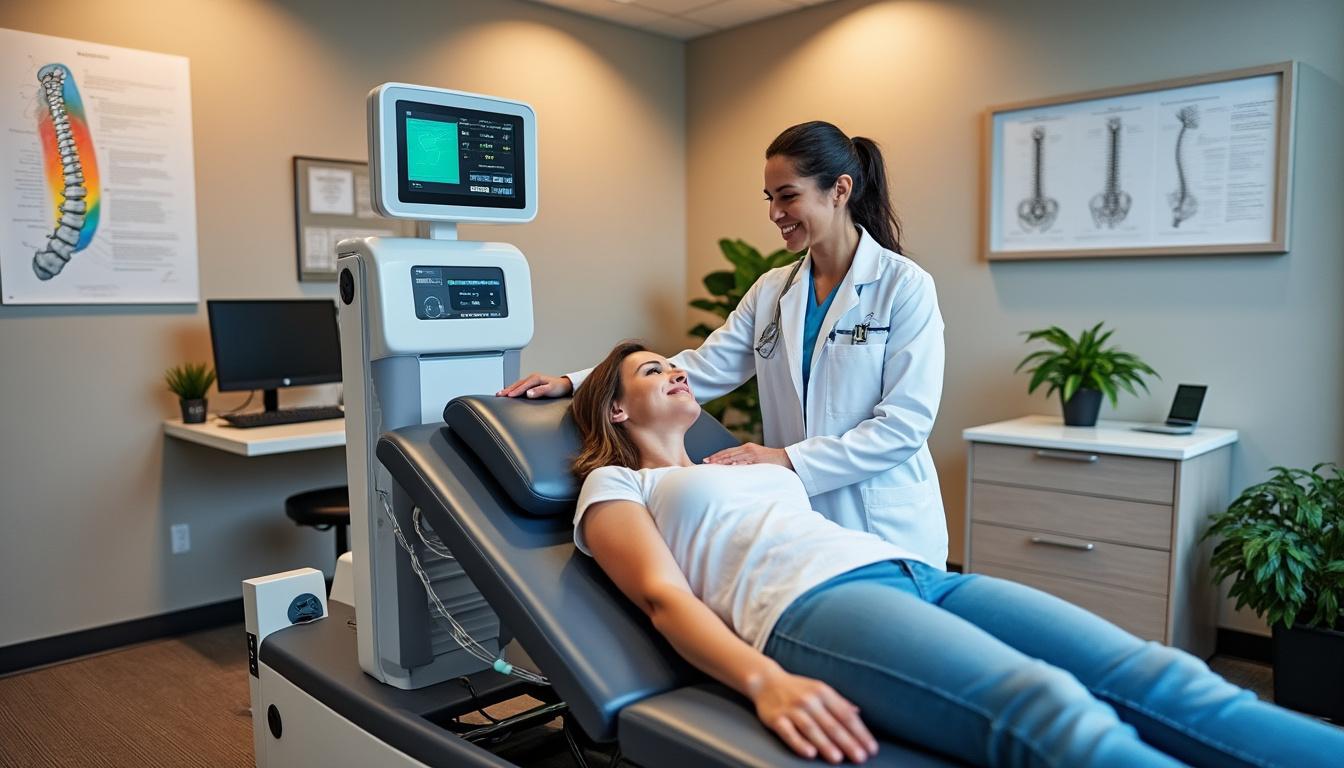
In the serene city of Boucherville, a transformative approach to treating lumbar disc conditions is reshaping patient experiences and redefining spinal care standards. This method focuses on delivering effective lumbar disc recovery without the need for hospitalization, combining modern technology,…
Effective Non-Surgical Treatment Modalities for Herniated Disc Recovery in Brossard
Many patients in Brossard initially fear that a herniated disc diagnosis necessitates surgery. However, evidence robustly supports the efficacy of conservative treatments, especially when implemented early and under expert supervision. Dr. Sylvain Desforges champions a multidisciplinary, patient-centered approach, integrating multiple non-invasive therapies tailored to individual needs.
Some core non-surgical treatments available locally include:
- Medication Management: Judicious use of over-the-counter and prescription anti-inflammatory medications, muscle relaxants, and pain relievers to control symptoms without masking the underlying condition.
- Corticosteroid Injections: Targeted to mitigate nerve inflammation and radicular pain, offering temporary relief and facilitating participation in rehabilitation.
- Physical Therapy: Structured protocols involving core stabilization, stretching, strengthening, and spinal mobilization to restore function and reduce nerve compression, discussed in detail later.
- Spinal Decompression Therapy: A cornerstone innovation at Clinique TAGMED, using computer-controlled tables to apply precise, gentle axial traction that repositions herniated disc material and improves nutrient exchange.
- Adjunctive Modalities: Incorporating laser therapy and shockwave treatment to accelerate tissue repair, reduce inflammation, and modulate pain in chronic cases.
Dr. Desforges’ extensive clinical experience ensures these treatments are not applied randomly; instead, they follow a comprehensive assessment that identifies which modality or combination best suits the patient’s stage of recovery, severity, and lifestyle demands. For example, neurovertebral decompression is particularly effective for chronic disc protrusions in active patients who have not responded adequately to initial physical therapy.
These options represent a safer alternative to surgery for the majority of patients, with success rates mirroring or exceeding those associated with operative interventions over the long term, as supported by clinical research. Through regular monitoring and ongoing communication, Dr. Desforges adjusts treatments dynamically, optimizing outcomes while maintaining strict adherence to Quebec’s medical regulations and ethical standards.
| Treatment Option | Primary Benefit | Typical Patient Profile | Limitations |
|---|---|---|---|
| Medication | Pain and inflammation control | Mild to moderate disc herniation symptoms | Does not address disc structural issues |
| Corticosteroid Injections | Rapid nerve inflammation relief | Severe radicular pain unresponsive to meds | Temporary effect, no repair of herniation |
| Physical Therapy | Improved spine mobility and strength | Most patients with nerve compression | Requires patient commitment and adherence |
| Spinal Decompression Therapy | Repositions disc material, promotes healing | Chronic protrusions and non-surgical candidates | Multiple sessions needed, not a quick fix |
| Adjunctive Modalities | Enhanced tissue repair and pain control | Complex and chronic presentations | Complementary role, supportive only |
For those seeking a comprehensive resource detailing these options in the local context, the Brossard Patient Guide to Non-Surgical Disc Herniation Solutions curated by Dr. Desforges’ team offers a thorough exploration of treatment pathways.
Blainville Sciatica Relief in Professional Athletes
Sciatica pain is a significant challenge for many, particularly professional athletes in Blainville who rely on peak physical condition to perform. Chronic sciatic nerve discomfort can sideline even the most dedicated sports professionals, impacting their athletic performance, injury recovery, and…
Physical Therapy as the Cornerstone of Disc Recovery in Active Lifestyles
Physical therapy forms the backbone of conservative herniated disc management. Its focus on core strengthening, spinal stabilization, and flexibility restoration directly addresses the mechanical and neurological challenges caused by the disc herniation. Dr. Desforges prioritizes exercise therapy programs adapted to each patient’s unique condition, ensuring progressive advancement tailored to active individuals in Brossard.
The nine physical therapy exercises most commonly prescribed include McKenzie extensions, pelvic tilts, bird-dog exercises, cat-cow stretches, hamstring stretches, partial crunches, knee-to-chest stretches, glute bridges, and low-impact aerobic activities like walking or aquatic therapy. These exercises collectively help normalize spinal mechanics, reduce nerve irritation, and rebuild muscular support essential for a pain-free active lifestyle.
Each exercise targets specific therapeutic goals:
- Core stabilization: Pelvic tilts, partial crunches, and bird-dogs strengthen deep abdominal and lumbar muscles, creating a natural brace for the spine.
- Spinal mobility: McKenzie extensions and cat-cow stretches improve functional movement and encourage “centralization” of disc material away from nerves.
- Muscle flexibility: Hamstring and knee-to-chest stretches alleviate tension that can exacerbate nerve compression.
- Postural strength: Glute bridges activate the posterior chain, reducing undue stress on lower back structures.
- Cardiovascular conditioning: Low-impact aerobic exercise promotes tissue healing and overall fitness, crucial for sustained recovery.
An anecdote from a Brossard patient exemplifies this process: a 58-year-old retired teacher initially unable to perform basic activities like tying shoes experienced a reduction of leg pain by nearly one-third within a few weeks of diligently following these exercises under expert supervision. This reinforces the importance of consistency and proper guidance.
Progression is key, as early-stage exercises provide gentle activation while later stages reintroduce more dynamic movements. Avoiding contraindicated activities like heavy lifting, deep spinal flexion, or high-impact running during recovery prevents setbacks and promotes healing.
Research from institutions like the Cleveland Clinic and NCBI StatPearls supports that roughly 90 percent of patients recover through structured physical therapy programs alone. This emphasizes the effectiveness of conservative care in Brossard’s context.
Repentigny Neck Pain Solutions Without Surgery
In Repentigny and the greater Québec area, chronic neck pain has emerged as a pervasive challenge that profoundly disrupts daily life and well-being for many adults. Neck discomfort caused by cervical disc problems—ranging from mild irritation to severe herniation—can restrict…
Incorporating Lifestyle Modifications to Support Herniated Disc Healing in Brossard
While targeted therapies play a pivotal role, successful recovery from a herniated disc also depends on sustainable lifestyle adjustments. Residents of Brossard engaged in active lifestyles are encouraged to integrate changes that both prevent recurrence and foster spinal health.
Key lifestyle considerations include:
- Posture awareness: Ergonomic corrections at work and home reduce undue spinal stress.
- Weight management: Maintaining healthy body weight reduces mechanical load on the lumbar spine.
- Regular low-impact exercise: Activities like swimming, walking, or cycling enhance conditioning without exacerbating back stress.
- Ergonomic sleeping positions: Utilizing supportive mattresses and pillows to maintain spinal alignment during rest.
- Nutrition: Anti-inflammatory diets rich in omega-3 fatty acids, antioxidants, and vitamins support tissue repair and reduce systemic inflammation.
Dr. Desforges’ practice actively educates patients on these factors, ensuring that medical recommendations extend beyond clinic walls into daily routines. This holistic approach not only alleviates pain but also preserves the active lifestyle that is central to many Brossard residents’ identity. For further insights on adopting such optimal habits, readers can refer to an expert overview of lifestyle changes to prevent and manage lumbar disc herniation.


Brossard Chronic Back Pain Managed with TAGMED Protocol
Residents of Brossard facing chronic back pain are increasingly turning to innovative treatments that offer hope beyond traditional therapies. The TAGMED Protocol, developed and implemented by renowned expert Dr. Sylvain Desforges, represents a breakthrough in non-surgical spinal therapy. This comprehensive…
Managing Pain and Enhancing Rehabilitation Through Advanced Technologies
Dr. Sylvain Desforges integrates innovative technologies that complement traditional rehabilitation efforts, enhancing pain control and accelerating tissue healing. Among these are:
- Neurovertebral Decompression Therapy: Using precision-controlled spinal traction to gently alleviate nerve pressure and reposition disc material.
- Laser Therapy: Facilitating cellular regeneration and reducing inflammation through targeted photobiomodulation.
- Shockwave Therapy: Promoting circulation and modulating chronic pain syndromes via acoustic waves.
- Dynamic Spinal Implants: Though primarily associated with surgical applications, these implants represent a future frontier in minimally invasive spinal alignment and function restoration.
Such therapies are carefully selected based on individual case evaluations and incorporated into personalized care plans that prioritize safety and evidence-based benefits. These technologies represent Dr. Desforges’ commitment to pioneering advances in spine care, always grounded in scientific rigor and ethical practice as defined by Quebec’s healthcare regulations.
Terrebonne Neck Herniation Care for Older Adults
In Terrebonne, the increasing prevalence of neck herniation among older adults presents significant challenges to maintaining quality of life and independence. This condition, primarily involving the deterioration or displacement of cervical discs, often leads to debilitating pain and restricted mobility.…
International Collaboration Enhances Patient Care Pathways in Brossard Herniated Disc Recovery
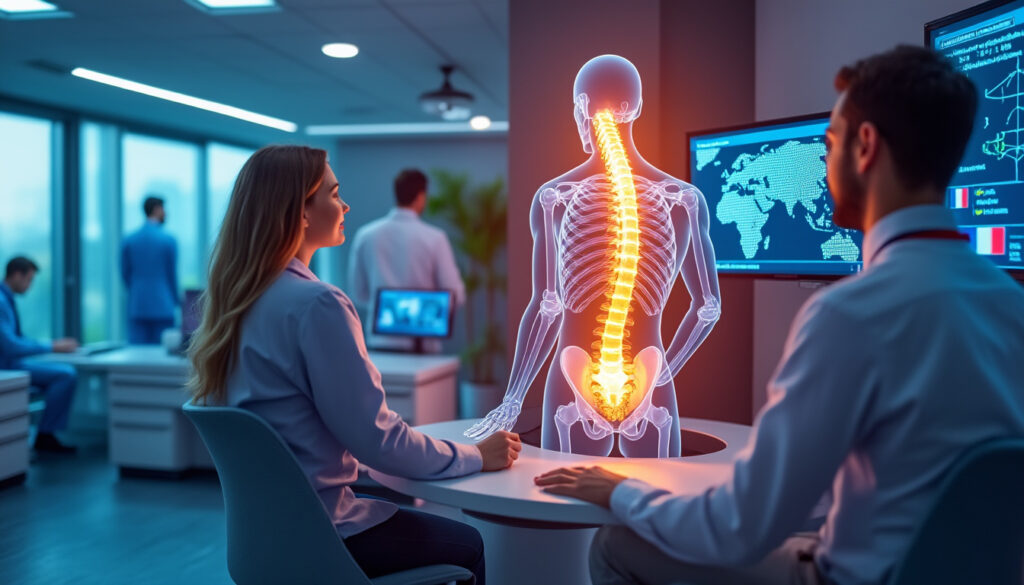
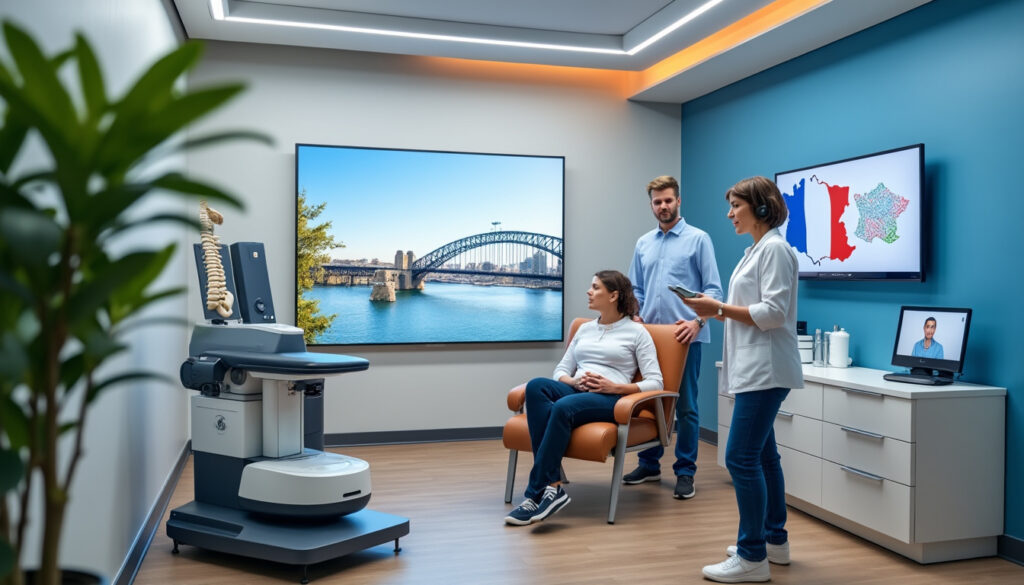
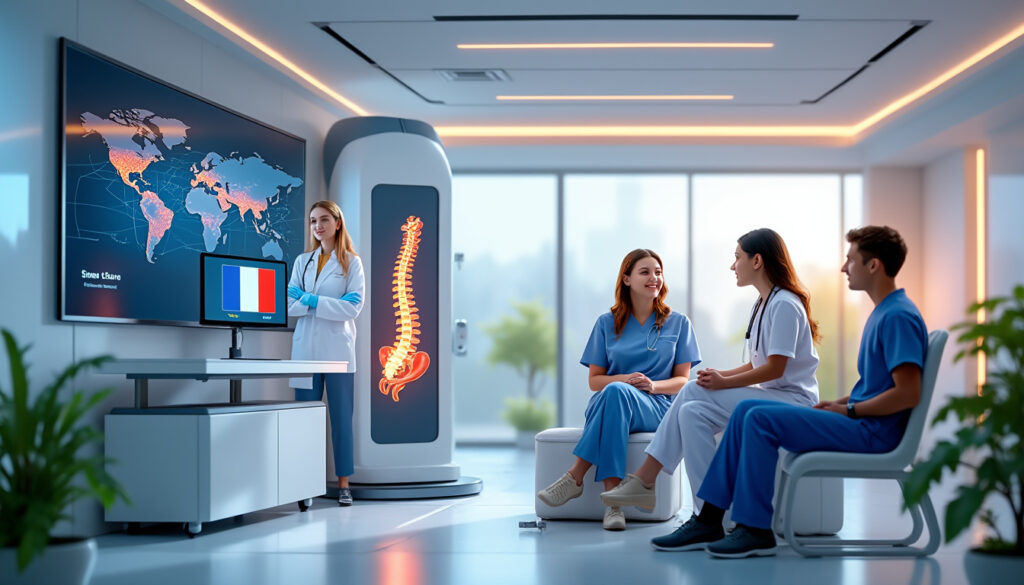
One of the notable facets of Dr. Desforges’ practice is the seamless medical coordination that transcends borders. By leveraging partnerships between clinics in Quebec and Europe, particularly France, patients gain access to wider treatment options and the latest surgical innovations when non-surgical care requires augmentation. This transatlantic collaboration optimizes timelines, reduces waiting periods, and ensures comprehensive pre- and post-treatment support.
For example, a patient in Brossard with a complex herniated disc may undergo initial non-surgical decompression therapy locally and be referred for specialized surgical consultation or dynamic implant evaluation in a leading French spine center. Telemedicine facilitates ongoing monitoring, while dedicated teams manage logistical concerns and patient education throughout the journey.
This global network enhances the quality and personalization of care, underscoring Dr. Desforges’ role as a pioneer and leader. His adherence to professional ethics and patient-focused transparency ensures that patients are active participants in their health decisions, receiving clear, jargon-free information about indications, benefits, and limitations at every stage.
Laval Sciatica Recovery After Failed Injections
Living with sciatica can be a debilitating experience, especially when common treatments like injections fail to bring the relief patients hope for. In Laval and across Québec, many individuals suffering from this nerve pain find themselves at a crossroads after…
Comprehensive Patient Education and Empowerment for Lasting Spinal Health
At the core of successful herniated disc rehabilitation lies not only expert treatment but also patient understanding and commitment. Dr. Desforges’ practice fosters a nurturing environment where individuals feel empowered to ask questions, understand their condition deeply, and actively engage in their recovery.
Educational efforts include:
- Simple explanations of spinal anatomy and pathology to alleviate confusion
- Clear discussion of treatment options tailored to patient lifestyles and goals
- Motivational strategies encouraging adherence to exercise therapy and lifestyle changes
- Access to workshops and peer support to build community and resilience
This comprehensive education model aligns with the latest global best practices and has been shown to improve outcomes by reducing anxiety, enhancing treatment compliance, and promoting sustained behavioral changes essential for spinal health maintenance. Brossard patients benefit significantly from this approach, leading to better pain management and long-term functional restoration.
Montreal Chronic Neck Pain Solutions Without Invasive Care
Chronic neck pain affects countless individuals across Montreal and beyond, often leading to frustration due to persistent discomfort and limitations in daily activities. While invasive surgical options exist, many patients seek safer, more natural alternatives that focus on relief without…
Setting Realistic Expectations for Herniated Disc Recovery Timelines and Outcomes
Recovery from a herniated disc typically unfolds over weeks to months, influenced by factors such as injury severity, patient age, activity level, and adherence to treatment plans. Dr. Desforges utilizes clinical data and decades of experience to guide patients through realistic milestones, mitigating frustration and fostering patience.
Statistical recovery timelines suggest:
| Timeframe | Typical Recovery Percentage | Clinical Milestones |
|---|---|---|
| Weeks 1-2 | 15% | Pain reduction begins, gentle mobility introduced |
| Weeks 3-4 | 30-40% | Improved function, reduction of nerve symptoms |
| Month 2 | 55% | Strengthening exercises integrated, moderate activity resumed |
| Month 3 | 75% | Consistent pain relief, near-normal mobility |
| Month 6 | 90% | Return to full activities, ongoing maintenance |
Understanding this prognosis helps Brossard patients stay committed and motivated, recognizing that most non-surgical pathways lead to meaningful recovery without the risks associated with surgery. It also emphasizes the importance of starting physical therapy promptly, as earlier intervention correlates strongly with improved outcomes.
How long does it typically take to recover from a herniated disc with non-surgical treatment?
Most patients experience significant pain relief within 1 to 3 months, with up to 90% recovery achievable by 6 months through consistent physical therapy and complementary non-surgical options. Early intervention accelerates healing and reduces complications.
Can I continue my active lifestyle while recovering from a herniated disc?
Yes, with appropriate modifications and guided physical therapy, patients can maintain many activities. Low-impact exercises and structured rehabilitation support safe recovery without exacerbating symptoms.
Are all herniated discs suitable for non-surgical treatment?
While most patients benefit from conservative care, certain cases with severe neurological deficits or complications may require surgical intervention. Comprehensive evaluation by experts like Dr. Desforges identifies the best path forward.
What exercises should be avoided during herniated disc recovery?
High-impact activities such as running, heavy lifting, deep spinal flexion (like full sit-ups), and loaded twisting movements are typically contraindicated during recovery to prevent worsening symptoms or re-injury.
Does international care coordination impact treatment quality?
Absolutely. Dr. Desforges leverages global partnerships ensuring patients access cutting-edge interventions, seamless follow-up, and personalized care strategies that transcend geographic boundaries, enhancing overall outcomes.
Candiac Lumbar Disc Care Without Steroid Injections
Back pain caused by lumbar disc issues is a widespread condition affecting adults globally, posing significant challenges in everyday activities and overall quality of life. In Candiac and the greater Québec region, the quest for effective spinal care solutions has…