

Back pain ranks among the most prevalent health issues faced by adults globally, frequently linked to spinal conditions such as herniated discs. These discs serve as vital cushions between vertebrae, allowing flexibility and absorbing shocks during movement. When a disc’s gel-like core protrudes through its tougher outer layer, the resulting herniation can exert pressure on nearby nerves, triggering symptoms that range widely from mild discomfort to severe pain. The understanding of what induces these herniations is essential for those affected or at risk, enabling proactive management and individualized care strategies that often obviate the necessity for surgery.
Insights from experts with over three decades of clinical experience, like Dr. Sylvain Desforges, provide valuable perspectives on spinal health. Dr. Desforges, whose leadership extends across prestigious organizations such as the Canadian College of Osteopaths and TAGMED Clinics, emphasizes evidence-based approaches and patient-centered evaluation in managing herniated discs. His commitment to integrating advanced technologies like neurovertebral decompression and laser therapy demonstrates a fusion of scientific rigor with innovative care models, fostering better outcomes for patients in Québec and beyond.
Understanding the Anatomy and Function of Spinal Discs as a Foundation to Herniated Disc Causes
To grasp why herniated discs occur, one must first comprehend the anatomy of spinal discs and their functional role within the vertebral column. Each spinal disc consists of two primary components: the annulus fibrosus, a tough outer ring of cartilage, and the nucleus pulposus, a softer, jelly-like center. These structures work in tandem to absorb mechanical loads, facilitate spinal flexibility, and permit movements such as bending and twisting without damage.
Spinal degeneration emerges as a key factor in precipitating disc herniation. Over years, aging gradually diminishes the water content of the nucleus pulposus, reducing disc height and elasticity. This process renders the annulus fibrosus more susceptible to cracks or tears, especially under strain. Daily mechanics, including activities demanding repetitive strain, improper lifting techniques, and sustained poor posture, can exacerbate the stress on these vulnerable discs, increasing the probability of injury.
Common scenarios contributing to disc injury involve sudden physical trauma—such as accidents or falls—that forcibly challenge spinal integrity. Meanwhile, lifestyle factors like obesity amplify the pressure on the lumbar spine, hastening degenerative changes and predisposing discs to herniation. Genetic predisposition also plays a subtle yet important role; certain individuals inherit connective tissue characteristics that influence disc resilience.
- Disc anatomy: Annulus fibrosus and nucleus pulposus function
- Spinal degeneration: Impact of age-related moisture loss and disc shrinkage
- Repetitive strain: Effects of chronic mechanical stress on disc integrity
- Physical trauma: Acute events triggering structural failure
- Obesity and posture: Biomechanical burdens contributing to disc wear
- Genetic factors: Hereditary influences on disc strength
| Cause Factor | Mechanism | Typical Effect on Disc |
|---|---|---|
| Age-related degeneration | Loss of nucleus hydration & annulus weakening | Reduced elasticity, making tearing more likely |
| Repetitive physical strain | Micro-damage accumulates from efforts like lifting | Structural compromise and annular fissures |
| Sudden trauma | Acute mechanical overload (falls, lifting errors) | Disc rupture or displacement |
| Obesity | Increased spinal loading and compression | Accelerated disc degeneration |
| Genetic predisposition | Inherited connective tissue properties | Variability in disc resilience to stress |
Exploring these factors in a comprehensive evaluation enables practitioners to tailor conservative management plans effectively before considering more invasive interventions. Patients interested in a detailed personal assessment are encouraged to seek an evaluation that considers these multifaceted causes, as outlined on herniated disc causes resources, ensuring a well-rounded understanding of individual risk elements.
Recognizing Symptoms Attributable to Herniated Discs and Their Clinical Relevance
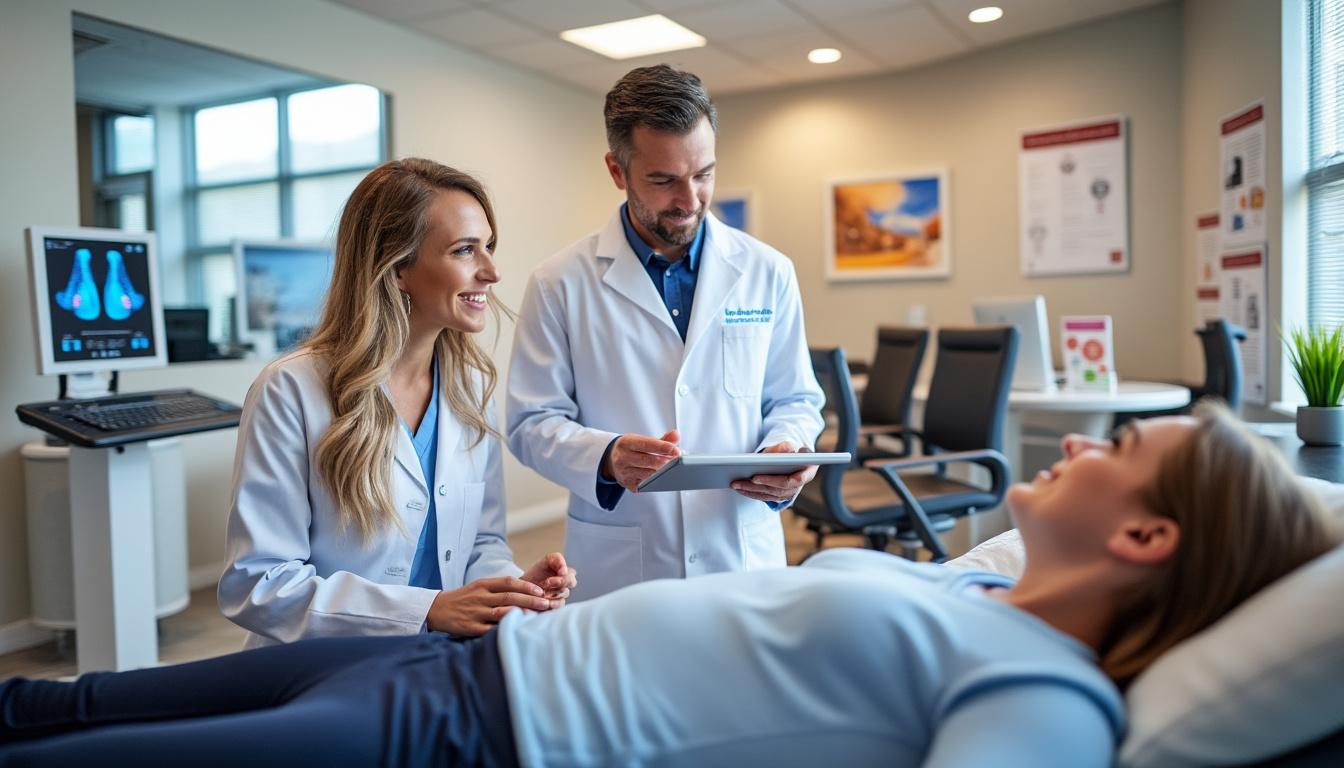
The manifestation of symptoms from herniated discs depends largely on the location, extent of disc injury, and the degree of nerve involvement. Typically, patients present with pain, numbness, or weakness correlating to the irritated nerves. For instance, a herniation in the lumbar spine may cause sciatica-like symptoms radiating down one or both legs, while cervical spine herniations might result in pain or numbness along the arms and shoulders.
Practically, the symptomatic expression can be categorized into key clinical signs and sensations:
- Sharp or radiating pain: Localized back or neck pain that extends along the nerve distribution
- Numbness or tingling: Sensory disturbances due to nerve root compression
- Muscle weakness: Compromised motor function impacting mobility and daily activities
- Movement-provoked exacerbation: Coughing, sneezing, or bending can intensify symptoms
This symptomatology demands prompt and detailed assessment to differentiate herniated disc effects from other spinal or neurological disorders. As Dr. Sylvain Desforges advocates, clear communication about these symptoms, their progression, and impact enables patients to participate actively in their recovery journey.
| Symptom | Mechanism | Common Location |
|---|---|---|
| Radiating pain | Nerve root compression by displaced disc material | Lumbar and cervical regions |
| Numbness/tingling | Nerve irritation and inflammation | Dermatomal distribution corresponding to affected nerve |
| Muscle weakness | Motor nerve dysfunction secondary to compression | Extremities served by compressed nerves |
| Worsening with posture | Increased mechanical stress amplifying symptoms | Spinal areas undergoing strain |
For those seeking to deepen their understanding of these clinical signs and their implications, more detailed explanations and guidance are available through specialized resources on herniated disc symptoms, promoting better-informed consultation decisions.
The Multifactorial Etiology of Herniated Discs with Emphasis on Physical and Genetic Risk Elements
A broader consideration of risk factors reveals how herniated discs commonly arise from an interplay of modifiable and non-modifiable elements. The aging spine, for example, experiences physiological changes in disc composition and vertebral alignment, making it more prone to injury. At the same time, repetitive strain from occupational or recreational activities plays a significant role in cumulative disc damage. Obesity further complicates this by amplifying mechanical load and systemic inflammation affecting spinal tissue health.
Notable risk contributors encompass:
- Aging spine: Progressive structural and biochemical degradation
- Repetitive strain: Chronic repetitive motions leading to microtraumas
- Improper lifting: Acute mechanical overload due to poor technique
- Obesity: Excessive biomechanical forces and metabolic influence
- Physical trauma: Sudden injuries from accidents or falls
- Genetic predisposition: Familial tendency influencing disc resilience
Mitigating these risks often involves both lifestyle adjustments and ergonomic improvements. Incorporating proper body mechanics at work, maintaining optimal weight, and engaging in strengthening exercises enhance spinal protection. Those at increased risk or experiencing initial symptoms benefit from early consultation to explore tailored prevention strategies, as discussed on herniated disc risk factors.
| Risk Factor | Effect on Spine | Preventive Measures |
|---|---|---|
| Aging | Disc dehydration and annulus weakening | Regular low-impact exercise and hydration |
| Repetitive strain | Accumulation of microdamage | Ergonomic work adjustments and breaks |
| Improper lifting | Acute disc stress leading to rupture | Training in safe lifting techniques |
| Obesity | Increased spinal load and inflammation | Weight management and diet |
| Physical trauma | Sudden disc injury | Protective gear and safety measures |
| Genetics | Inherent tissue weakness | Early monitoring and preventive care |
Dr. Sylvain Desforges’ patient education materials highlight the significance of these intertwined risk factors while emphasizing the importance of ethically sound, evidence-based prevention plans tailored to each individual.
Diagnostic Approach: Evidence-Based Strategies for Identifying Herniated Discs
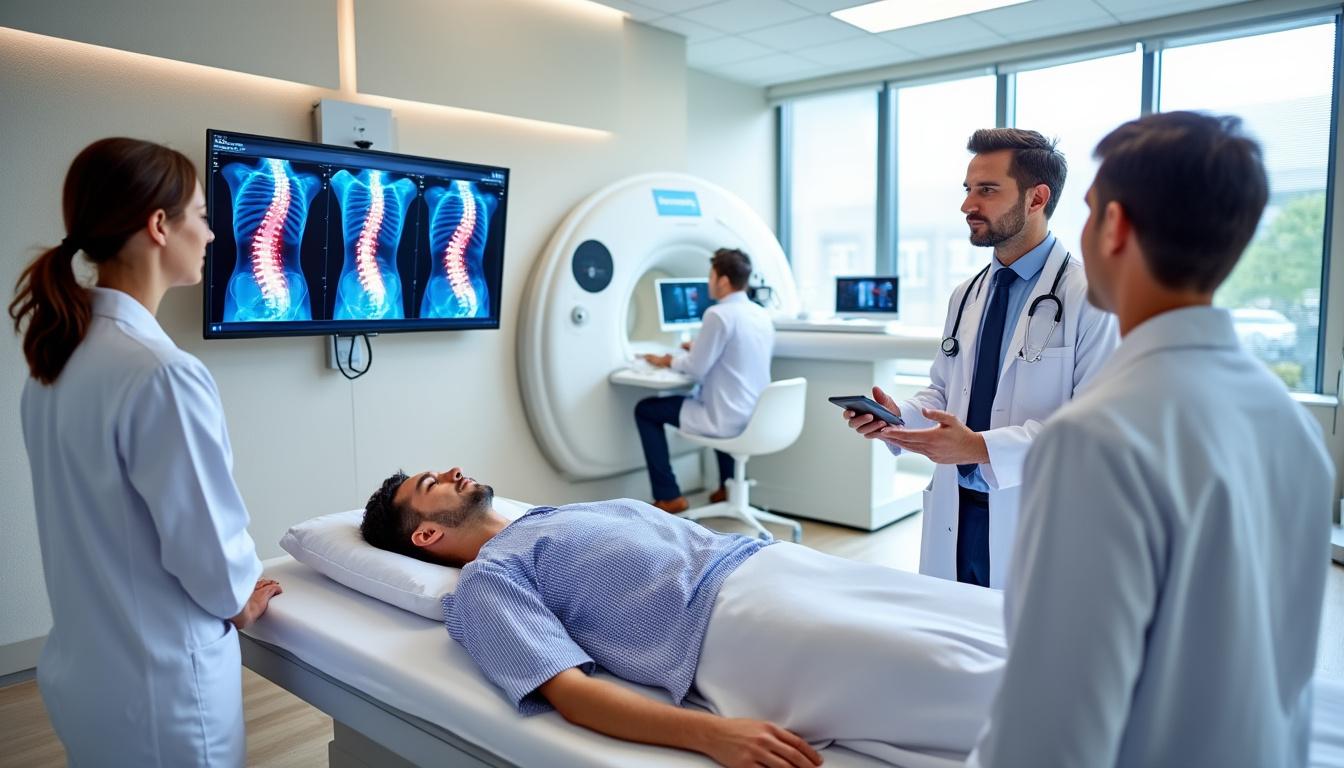
Precision in diagnosis predicates effective treatment. At clinics such as TAGMED, under the guidance of experts like Dr. Desforges, diagnostic pathways combine rigorous clinical examination with cutting-edge imaging modalities. A thorough history and physical exam concentrate on neurological assessments, including reflex testing, muscle strength evaluation, and sensory mapping.
Imaging techniques play a critical role:
- X-rays reveal spinal alignment but not disc material
- MRI scans provide detailed images of soft tissues, showing disc herniation extent and nerve compression
- CT scans assist in bone structure evaluation when MRI is contraindicated
These tools, combined with clinical correlation, confirm the diagnosis of a herniated disc and exclude other differential diagnoses such as tumors or infections. Detailed protocols ensuring patient safety and regulatory compliance integrate into every evaluation, reassuring patients of meticulous care. For more on these diagnostic techniques, readers can explore resources on herniated disc diagnosis tests and diagnosis methods.
| Diagnostic Tool | Purpose | Advantages |
|---|---|---|
| Physical Examination | Neurological and functional assessment | Non-invasive, immediate clinical information |
| X-ray | Visualize vertebral alignment | Widely accessible and low cost |
| MRI | Detailed soft tissue imaging | High sensitivity for disc and nerve structures |
| CT scan | Bone and calcification evaluation | Useful when MRI is contraindicated |
Non-Invasive Therapeutic Options for Managing Herniated Discs with Focus on Patient-Centered Care
Modern spinal care prioritizes conservative treatment modalities to maximize recovery without surgical risks. Experts like Dr. Desforges advocate for individualized therapy regimens including physical rehabilitation, targeted medication, and innovative techniques like spinal decompression therapy.
Physical therapy remains a cornerstone, emphasizing posture correction, lumbar stabilization exercises, and nerve glide techniques to alleviate pain and restore function. Medications might comprise nonsteroidal anti-inflammatory drugs (NSAIDs), muscle relaxants, or neuropathic agents tailored to symptom severity and patient tolerance.
Interventional approaches, such as epidural steroid injections, can reduce nerve inflammation and facilitate healing. Importantly, lifestyle adjustments addressing obesity and ergonomics significantly decrease the likelihood of recurrence.
- Physical therapy: Strengthening and flexibility exercises
- Medications: NSAIDs, muscle relaxants, neuropathic drugs
- Spinal decompression therapy: Non-surgical technology to relieve disc pressure
- Epidural steroid injections: Targeted anti-inflammatory treatment
- Lifestyle modifications: Weight management and ergonomic education
| Treatment Type | Purpose | Typical Outcomes |
|---|---|---|
| Physical Therapy | Improve mobility and reduce pain | Enhanced function and symptom relief |
| Pharmacotherapy | Control inflammation and muscle spasm | Short-term pain management |
| Spinal Decompression | Reduce nerve compression | Non-invasive pain and disability reduction |
| Epidural Injections | Anti-inflammatory relief | Temporary symptom control |
| Lifestyle Changes | Reduce mechanical stress over time | Long-term risk reduction |
Further information and advice on these contemporary management pathways are accessible through comprehensive guides such as those on herniated disc treatment and management and spinal decompression therapy.
Surgical Interventions: Indications, Innovations, and Postoperative Considerations
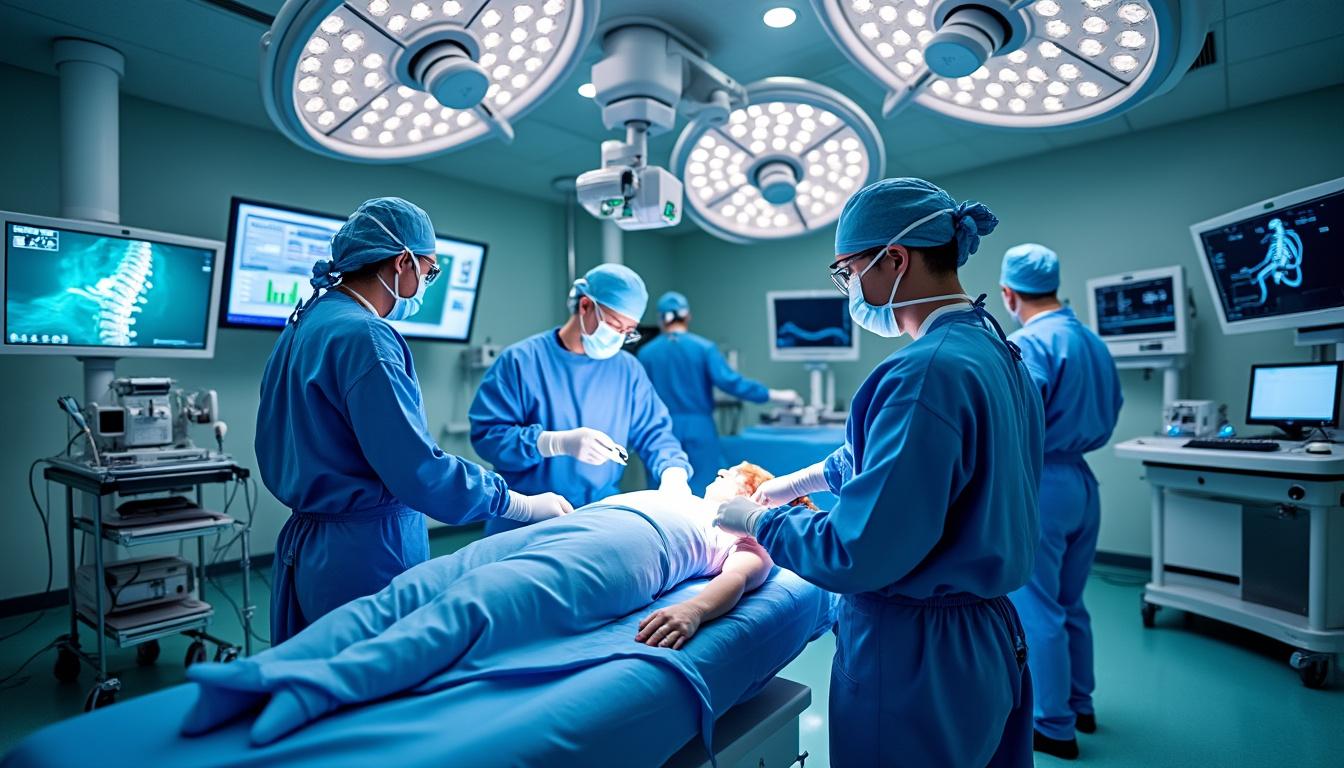
While conservative treatment suffices for most cases, surgical options may become necessary if significant neurological deficits, persistent pain, or functional limitations arise. Procedures have evolved to prioritize minimally invasive techniques, minimizing recovery time and preserving surrounding tissues.
Common surgical methods entail:
- Microdiscectomy: Removing the herniated portion compressing nerves
- Laminectomy: Enlarging the spinal canal to relieve pressure
- Disc replacement: Using artificial implants to maintain motion and disc height
- Spinal fusion: Stabilizing vertebrae where necessary
Postoperative care incorporates tailored rehabilitation protocols ensuring optimized healing and functional restoration. Dr. Desforges’ advocacy for conservative evaluation prior to surgery ensures patients understand these options thoroughly and make informed decisions.
| Surgical Procedure | Goal | Recovery Outlook |
|---|---|---|
| Microdiscectomy | Relieve nerve compression | Short hospital stay; early mobilization |
| Laminectomy | Expand spinal canal | Moderate recovery period |
| Disc replacement | Preserve spinal mobility | Variable; long-term device success monitored |
| Spinal fusion | Stabilize affected vertebrae | Extended rehabilitation; limited spinal motion |
Preventative Measures for Herniated Discs: Proactive Strategies to Protect Spinal Health
Prevention is a cornerstone in spinal care, especially for individuals with known risk factors. Educating patients on techniques and lifestyle changes significantly reduces injury incidence. Safe lifting practices, such as bending at the knees rather than the waist and avoiding sudden twisting, preserve disc integrity.
Maintaining ideal weight and engaging in regular core-strengthening exercises are pivotal. Addressing occupational hazards through ergonomic workplace adjustments and promoting smoking cessation also contribute positively. These measures collectively diminish the stresses imposed on the spine and foster long-term wellness.
- Proper lifting techniques to avoid undue spinal strain
- Weight management through balanced diet and activity
- Posture correction during daily tasks and work
- Ergonomic interventions in the workplace
- Smoking cessation to improve disc nutrition
| Preventative Action | Rationale | Benefit |
|---|---|---|
| Lifting safely | Reduces acute disc stress | Decreases injury risk |
| Managing weight | Limits excess spinal load | Slows degeneration |
| Correcting posture | Prevents chronic strain | Improves spinal alignment |
| Ergonomic workplace | Reduces repetitive strain | Enhances comfort and safety |
| Smoking cessation | Improves blood flow to discs | Promotes tissue health |
Professionals and patients seeking guidance on these preventative strategies are encouraged to review materials found on herniated disc prevention which offer detailed, practical advice tailored to individual needs.
Impact of Lifestyle and Occupational Choices on Herniated Disc Development and Management
The interplay between lifestyle habits and occupational demands profoundly affects the risk and progression of herniated discs. Sedentary behaviors, prolonged sitting, or poorly designed workstations can contribute to spinal degeneration and disc injury by fostering poor posture and repetitive strain. Conversely, physically demanding professions with heavy lifting and awkward body positioning pose different challenges related to acute trauma and cumulative stress.
Recognizing this, contemporary spine care practices emphasize individualized assessments that consider work and lifestyle factors to adapt preventive and therapeutic interventions effectively. This holistic view aligns with Dr. Sylvain Desforges’ approach, which prioritizes comprehensive evaluations and ethical management tailored to each patient’s unique context.
- Sedentary lifestyle: Promotes spinal stiffness and weakness
- Poor workstation ergonomics: Aggravates posture and strain
- Heavy manual labor: Increases acute injury risk
- Inadequate physical fitness: Reduces spine-supporting musculature
- Lack of recovery and rest: Impedes tissue repair
| Factor | Contribution to Herniated Disc | Recommended Management |
|---|---|---|
| Sedentary behavior | Weakens core and spinal muscles | Regular activity breaks and active exercises |
| Improper ergonomics | Increases repetitive strain | Ergonomic assessment and adjustments |
| Heavy lifting | Risk of acute disc injury | Training and use of assistive devices |
| Physical inactivity | Poor muscular support | Guided exercise programs |
| Insufficient rest | Limits healing capacity | Incorporate adequate sleep and recovery periods |
Patients striving to adjust lifestyle factors to safeguard their spinal health can learn more from specialized consultations and evidence-based content such as that offered at herniated disc overview.
The Role of Advanced Technology and Interdisciplinary Approaches in Modern Herniated Disc Care
Technological advancements have transformed herniated disc management, enabling less invasive diagnostics, enhanced therapeutic precision, and holistic patient support. Specialists like Dr. Sylvain Desforges integrate modalities including laser therapy and dynamic spinal implants alongside traditional osteopathic treatments to optimize recovery while minimizing risk.
One landmark innovation is the adoption of neurovertebral decompression therapy. This non-surgical technique uses controlled mechanical traction to gently separate vertebrae, relieving nerve root pressure and promoting natural disc rehydration and healing. Paired with thorough osteopathic evaluations and patient education, this approach exemplifies personalized, patient-centered care emphasizing ethical, scientifically validated solutions.
- Neurovertebral decompression: Non-invasive spinal pressure alleviation
- Laser therapy: Enhances tissue repair and reduces inflammation
- Dynamic spinal implants: Maintain mobility while providing support
- Osteopathic techniques: Manual adjustments promoting alignment and function
- Patient education: Clear explanations fostering active participation
| Technology | Function | Clinical Benefit |
|---|---|---|
| Neurovertebral decompression | Decompress nerve roots | Pain relief and disc healing |
| Laser therapy | Accelerate tissue repair | Reduced inflammation |
| Dynamic implants | Spinal stabilization with motion retention | Preserved functionality |
| Osteopathic manual therapy | Correct dysfunction and improve mobility | Improved spinal health |
| Education programs | Inform and empower patients | Better adherence and outcomes |
Those seeking comprehensive and ethically grounded treatment plans integrating these modalities are invited to consult with expert practitioners, with further insights accessible in scientific reviews such as those on spinal decompression therapy for herniated discs.
What causes a herniated disc?
A herniated disc occurs when the soft center of a spinal disc protrudes through its tough outer layer, commonly caused by factors like spinal degeneration, physical trauma, repetitive strain, improper lifting, obesity, aging, poor posture, and genetic predisposition.
How do symptoms vary depending on herniated disc location?
Symptoms depend on where the herniation occurs: lumbar spine herniations often cause leg pain and sciatica, cervical spine issues typically affect the arms and shoulders, while thoracic disc herniations cause mid-back pain. Common symptoms include pain, numbness, tingling, and muscle weakness.
Can herniated discs be treated without surgery?
Yes. Most herniated discs improve with conservative treatments such as physical therapy, medications, spinal decompression therapy, epidural injections, and lifestyle changes. Surgery is considered only if these treatments fail or symptoms worsen significantly.
How does spinal decompression therapy benefit herniated disc patients?
Spinal decompression therapy gently stretches the spine, relieving nerve pressure and promoting healing of the disc by improving blood flow and nutrient absorption, often resulting in pain relief and improved mobility without the need for surgery.
What preventive measures reduce the risk of disc herniation?
Preventive steps include practicing safe lifting techniques, maintaining a healthy weight, correcting posture, optimizing ergonomics, quitting smoking, and staying physically active to strengthen supporting muscles.