

The cervical spine, a complex structure comprising seven vertebrae, serves a crucial role in supporting the head and facilitating a wide range of neck motions. When a cervical disc herniates, it disrupts this intricate balance and can trigger significant discomfort and functional limitations. This article delves into the multifaceted nature of cervical herniated discs, emphasizing the expertise of Dr. Sylvain Desforges, whose three decades of clinical practice have profoundly shaped evidence-based, patient-centered spinal care in Québec. Understanding the origin, manifestation, and modern management of cervical herniated discs is essential for those seeking progressive yet empathetic healthcare solutions amidst increasing technological advancements in spine therapy.
Symptoms arising from cervical disc herniation not only affect neck and arm mobility but also profoundly impact quality of life, interfering with daily activities and work productivity. Unraveling this condition involves a clear understanding of the anatomical, neurological, and bio-mechanical aspects underlying the pain and dysfunction. Through an exploration of state-of-the-art diagnostics and treatments developed with a foundation of scientific rigor and ethics, especially as advocated by Dr. Desforges, patients are better equipped to make informed decisions about their care pathways.
Recognizing Cervical Herniated Disc Symptoms: From Neck Pain to Neurological Changes
The hallmark of a cervical herniated disc is the leakage of the nucleus pulposus—the soft inner core—through a tear in the annulus fibrosus, the tough outer ring. This extrusion irritates both local tissues and spinal nerves, leading to a spectrum of symptoms.
Key symptoms include:
- Neck pain: Often ranging from mild stiffness or tenderness to sharp, burning sensations on the back or sides of the neck.
- Radicular pain: Pain radiating from the neck into the shoulder, arm, hand, or fingers, sometimes described as sharp, electric shock-like, or hot stabbing sensations.
- Cervical radiculopathy: Nerve root involvement can result in numbness, tingling, and muscle weakness affecting the upper extremities.
- Activity-related exacerbation: Movements such as head rotation, forward tilting, lifting heavy weights, or playing sports often worsen symptoms.
- Restricted neck motion: Pain and inflammation may cause stiffness, limiting the cervical range of motion.
These symptoms typically depend on the affected nerve root, with herniations at different levels producing distinct neurological patterns.
| Disc Level | Affected Nerve Root | Common Symptoms | Typical Weakness Areas |
|---|---|---|---|
| C4-C5 | C5 nerve root | Shoulder pain, numbness, or tingling | Deltoid muscle (shoulder) |
| C5-C6 | C6 nerve root | Pain in thumb and forearm, tingling | Biceps, wrist extensors |
| C6-C7 | C7 nerve root | Pain in middle finger and hand | Triceps, finger extensors |
| C7-T1 | C8 nerve root | Pain in pinky finger and outer forearm | Finger flexors (grip strength) |
Early recognition of these symptoms is critical to initiate effective conservative therapies and reduce risks of chronic nerve damage. Dr. Sylvain Desforges emphasizes personalized evaluations addressing the root cause of symptoms while educating patients on safe movement and symptom management tailored to their unique condition.
Diagnostic Approaches to Cervical Herniated Disc: Combining Clinical Acumen and Advanced Imaging
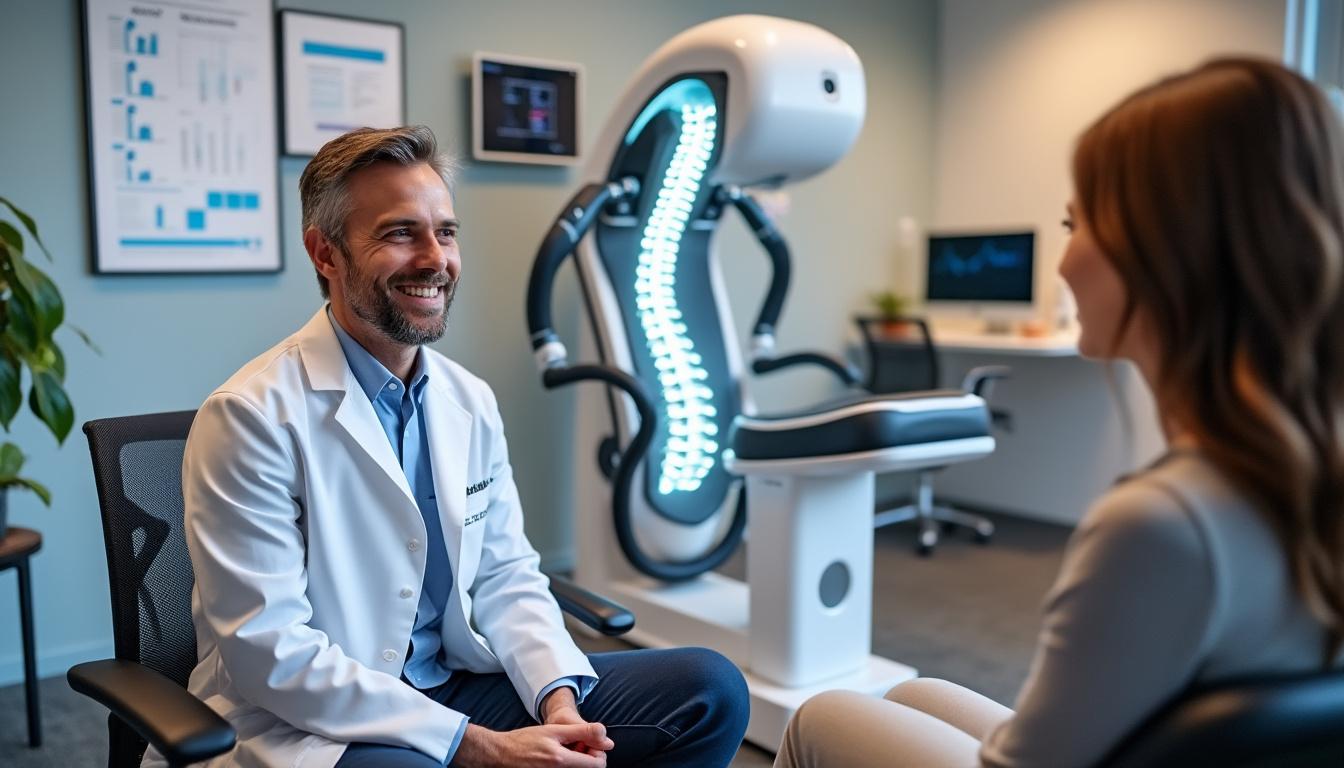
Diagnosing a cervical herniated disc demands a thorough clinical evaluation paired with imaging techniques that reveal both bony and soft tissue integrity. Dr. Sylvain Desforges’ approach, grounded in over 30 years of experience, integrates the latest imaging modalities with clinical findings to ensure tailored, precise evaluations.
Diagnostic steps typically include:
- Clinical history and physical examination: Detailed documentation of symptom onset, progression, and neurological deficits.
- X-rays: Useful to detect vertebral alignment issues or degenerative changes but limited in soft tissue visualization.
- Magnetic Resonance Imaging (MRI): The gold standard for visualizing disc herniations and nerve root impingement through high-resolution soft tissue imaging.
- Computed Tomography (CT): Generally used when MRI is contraindicated or to evaluate bone pathology.
- Nerve conduction studies and electromyography (EMG): These assess nerve function and help distinguish radiculopathies from peripheral neuropathies.
- Myelography: Occasionally employed to assess spinal cord compression when other imaging is inconclusive.
| Diagnostic Method | Purpose | Benefits | Limitations |
|---|---|---|---|
| Physical Exam | Symptom assessment, neurological testing | Non-invasive, immediate feedback | Subjective, varies by examiner skill |
| X-ray | Bone structure | Quick, affordable | Poor soft tissue detail |
| MRI | Disc pathology, nerve root compression | High soft tissue contrast | Expensive, contraindicated with some implants |
| CT Scan | Bone abnormalities, fractures | 3D detail of bone | Radiation exposure |
| EMG/Nerve Conduction | Nerve function | Objective nerve assessment | Invasive, uncomfortable for some patients |
Patient safety and regulatory compliance are paramount in all diagnostic procedures, aligning with Quebec’s medical standards and endorsed by the Collège des médecins du Québec. Dr. Desforges ensures evaluations provide clear, understandable explanations, empowering patients to grasp the nature of their condition and informing their shared decision-making processes.
Non-Surgical Treatment Modalities: Foundations of Cervical Herniated Disc Care
With up to 90% of cervical herniated discs responding favorably to conservative management, a non-surgical approach forms the cornerstone of initial treatment. Dr. Sylvain Desforges, a recognized pioneer in spinal care, advocates individualized care plans built on a combination of evidence-based therapies and patient education, emphasizing symptom relief and functional restoration.
Main conservative treatments include:
- Rest and activity modification: Avoiding aggravating positions and limiting heavy lifting aids symptom reduction.
- Cervical collars and immobilization: Temporary use helps reduce movement, promoting healing.
- Physical therapy: Tailored exercises to improve neck strength, flexibility, and posture.
- Medication: Nonsteroidal anti-inflammatory drugs (NSAIDs), muscle relaxants, and analgesics address inflammation and pain.
- Spinal decompression therapy: Advanced non-surgical technology to reduce nerve impingement by gently stretching the cervical spine.
- Laser-assisted neural decompression: Using minimally invasive laser techniques to relieve nerve irritation while promoting tissue healing.
Technologies from leading manufacturers like Medtronic, NuVasive, and Stryker are integral to modern decompression devices and minimally invasive therapies, enabling precise and effective treatment delivery.
| Treatment Type | Description | Benefits | Limitations |
|---|---|---|---|
| Rest & Activity Modification | Limiting neck strain | Reduces inflammation | May cause muscle deconditioning if prolonged |
| Cervical Collars | Temporary immobilization | Supports healing | Potential stiffness if overused |
| Physical Therapy | Strengthening & flexibility | Improves function & reduces pain | Requires patient commitment |
| Medications | NSAIDs, muscle relaxants | Reduces inflammation & pain | Possible side effects with prolonged use |
| Spinal Decompression Therapy | Non-surgical nerve decompression | Relieves nerve pressure | Not suitable for all cases |
| Laser-Assisted Decompression | Minimally invasive laser treatment | Faster recovery, precise nerve relief | Requires specialized equipment |
Dr. Desforges’ holistic approach encompasses patient education to clarify the indications, benefits, and limitations of each treatment before proceeding, fostering trust and adherence to therapy for optimal outcomes.
Advanced Minimally Invasive Therapies: Bridging Innovation and Patient Safety
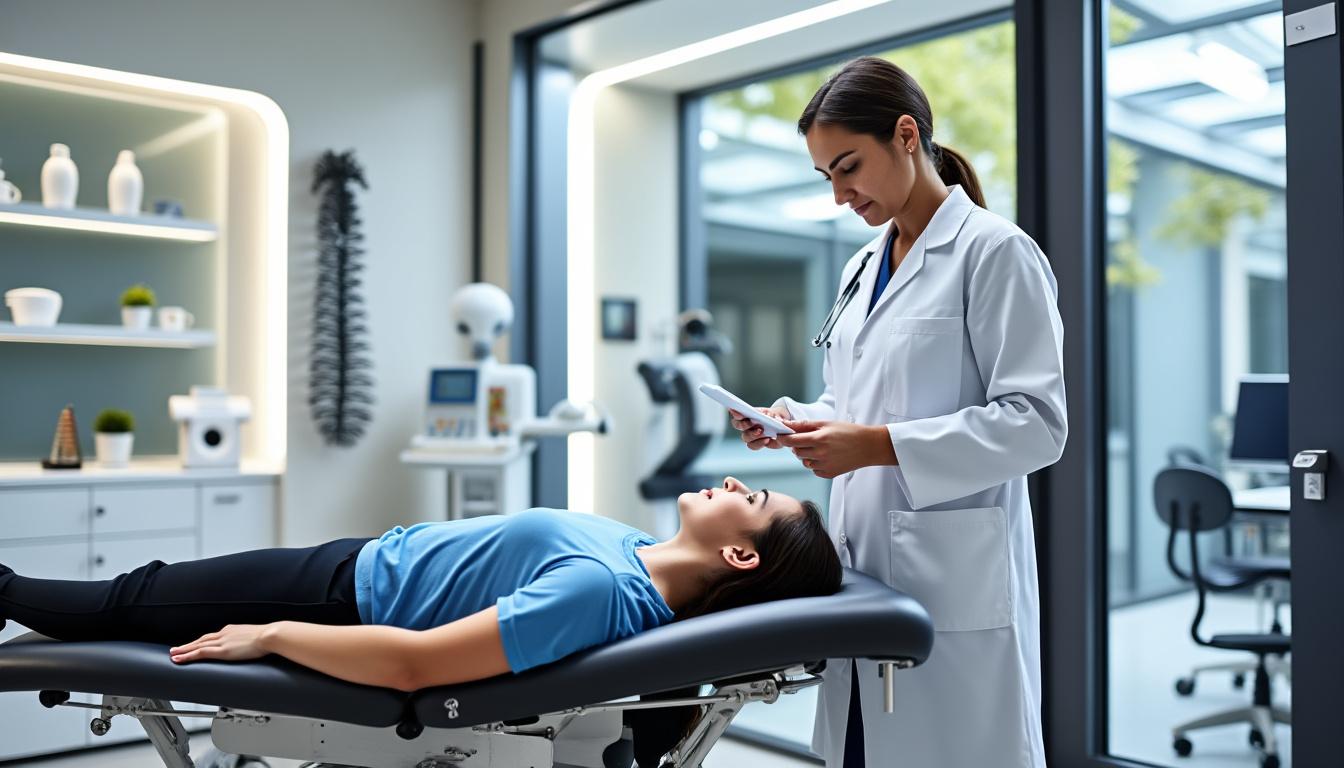
Technological progress in spinal care continually unveils novel options for treating cervical herniated discs while minimizing invasiveness. Dr. Sylvain Desforges champions integrating these advanced therapies with rigorous ethical standards and scientific evidence.
The leading minimally invasive interventions include:
- Discography and biologic injections: Injections like the DISC procedure use donor tissue grafts to promote disc repair and regeneration.
- Epidural steroid injections: Target localized inflammation, providing symptomatic relief.
- Laser-assisted neural decompression (LAND): Utilizes laser energy to reduce disc volume and tissue irritation with precision.
- Dynamic spinal implants: Devices manufactured by firms such as Zimmer Biomet, Depuy Synthes, and Orthofix support vertebral stability while preserving motion.
- Neurovertebral decompression technologies: Innovations by companies like Globus Medical and Aesculap offer refined decompression options that reduce recovery times and improve outcomes.
| Therapy | Mechanism | Primary Benefits | Considerations |
|---|---|---|---|
| DISC Procedure | Biological graft injection | Supports disc repair | Best for select patients |
| Epidural Steroid Injections | Inflammation reduction | Rapid symptom relief | Temporary effect |
| Land Procedure | Laser tissue ablation | Minimally invasive nerve decompression | Requires specialized center |
| Dynamic Implants | Spinal stabilization | Preserves motion | Implant risks must be considered |
| Neurovertebral Decompression | Precise spinal nerve relief | Enhanced recovery | New technology, long-term data pending |
The goal is to offer patients tailored, evidence-based solutions that optimize outcomes while mitigating risks. As a passionate advocate for patient safety and innovation, Dr. Desforges continually evaluates emerging technologies and applies scientific rigor to their clinical application within Quebec’s regulatory framework.
The Role of Surgery: When Conservative Treatments Are Not Enough
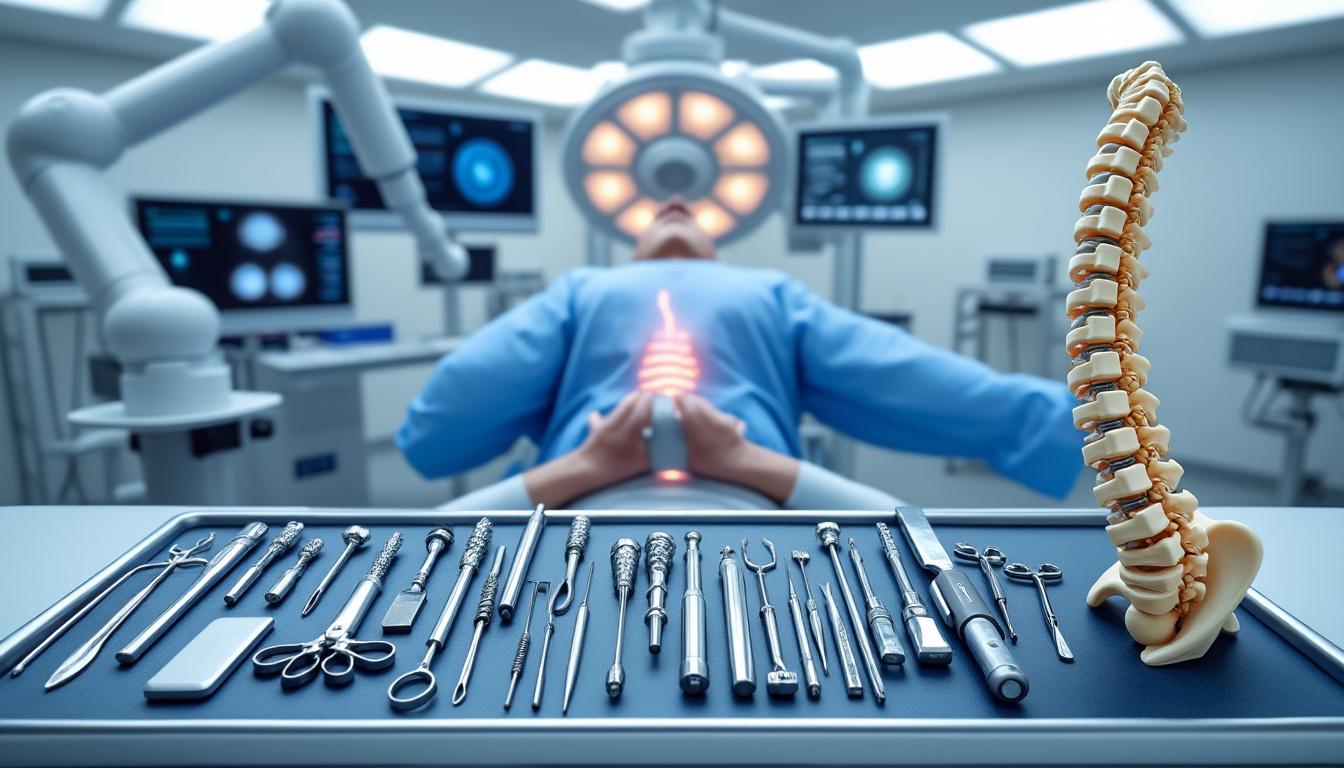
While the majority of cervical herniated disc cases respond positively to conservative therapies, certain scenarios necessitate surgical consideration. Dr. Sylvain Desforges advises that surgery should be regarded as a carefully evaluated option, reserved for patients experiencing persistent or severe neurological deficits, among other criteria.
Common surgical procedures include:
- Anterior Cervical Discectomy and Fusion (ACDF): Removal of herniated disc material via an anterior approach, followed by spinal fusion for stability.
- Microdiscectomy: A minimally invasive removal of the offending disc fragment decompressing the nerve root.
- Total Disc Replacement: Artificial disc implantation to maintain motion of the cervical segment.
- Foraminotomy: Enlargement of the nerve root exit canal to relieve pressure.
- Spinal Fusion: Stabilizes the vertebrae across one or more levels to prevent abnormal movement.
| Surgical Technique | Purpose | Pros | Cons |
|---|---|---|---|
| ACDF | Remove herniated disc + fuse vertebrae | Effective for pain relief and stability | Loss of segment motion, fusion risks |
| Microdiscectomy | Remove disc fragment | Minimally invasive, quicker recovery | Not suitable for all disc herniations |
| Total Disc Replacement | Replace disc, maintain motion | Preserves motion | Potential implant complications |
| Foraminotomy | Enlarge nerve root canal | Relieves nerve pressure | Possible instability |
| Spinal Fusion | Stabilize vertebrae | Effective for instability | Reduced motion and adjacent segment risk |
Though not a primary focus of Dr. Desforges’ practice, his deep understanding of surgical options enables him to guide patients regarding indications, limitations, and postoperative care advice. This integrative knowledge enhances multidisciplinary collaborations ensuring patients receive the most appropriate care at every stage.
Patient Education: Understanding Risks, Benefits, and Pathways
Dr. Sylvain Desforges strongly promotes transparent, evidence-based education designed to empower patients navigating the complexities of cervical herniated disc treatment. A clear comprehension of each therapy’s rationale, expected outcomes, and potential risks strengthens patient engagement and treatment adherence.
Fundamental points patients should understand include:
- The anatomy and function of the cervical spine and discs.
- The nature and mechanisms behind disc herniation and nerve root irritation.
- Distinctions between conservative, minimally invasive, and surgical treatments.
- The realistic expectations of symptom relief and functional recovery timelines.
- Potential side effects and complications of each intervention.
- The importance of individualized care plans tailored to the patient’s unique clinical presentation.
| Information Type | Purpose | Patient Benefits |
|---|---|---|
| Anatomical Education | Explain cervical spine structure and function | Improves understanding and reduces anxiety |
| Symptom Explanation | Describe causes of pain and neurological symptoms | Facilitates self-monitoring and early intervention |
| Treatment Options | Outline all available interventions | Enables informed decision-making |
| Expectations Management | Set realistic goals for recovery | Enhances patient satisfaction and compliance |
| Risk Awareness | Highlight potential side effects and complications | Prepares patients for informed consent |
This educational framework, cultivated over decades by Dr. Desforges, reflects his commitment to dignified, patient-focused care, encouraging patients to ask questions and actively participate in their healing journey.
Multidisciplinary Approach: Collaborative Care for Optimal Outcomes
The complexity of cervical herniated disc management often necessitates collaboration across multiple healthcare disciplines. At the forefront of this approach, Dr. Sylvain Desforges fosters integrative care models that combine osteopathy, physical therapy, pain medicine, and advanced spinal technologies.
Key components of this collaborative model include:
- Osteopathic evaluation and manual therapies: Addressing biomechanical imbalances and enhancing musculoskeletal function.
- Physical therapy: Focused rehabilitation to restore mobility, strength, and function.
- Pain management specialists: Expertise in medication optimization and interventional procedures such as epidural steroid injections.
- Advanced technology integration: Utilization of spinal decompression devices and laser therapy for targeted treatment.
- Patient counseling and education: Ensuring psychological support and motivational strategies to encourage adherence.
| Role | Contribution | Outcome |
|---|---|---|
| Osteopath | Manual therapy and structural assessment | Improved joint mobility and pain relief |
| Physical Therapist | Prescribed therapeutic exercises | Enhanced functional capacity |
| Pain Specialist | Medication and injection protocols | Reduced nerve inflammation and pain |
| Technologist | Administration of decompression and laser devices | Precise and safe therapy delivery |
| Patient | Active participation and feedback | Personalized treatment success |
This integrated framework, spearheaded by Dr. Desforges through Clinique TAGMED and the Canadian College of Osteopaths, exemplifies a high standard of patient safety, scientific rigor, and innovative care delivery.
Empowering Patients Through Personalized Evaluation and Ongoing Support
Every individual presents a unique spinal condition shaped by genetic, lifestyle, and biomechanical factors. Dr. Sylvain Desforges underscores the importance of comprehensive, personalized evaluation to identify these variables and develop tailored care plans.
His method includes:
- Detailed patient history and symptom analysis.
- Functional assessment incorporating osteopathic principles.
- Integration of diagnostic imaging and neurophysiological testing.
- Clear communication of findings and treatment options.
- Active involvement of the patient in the decision-making process.
- Continuous monitoring and adjustment of treatment plans as needed.
| Evaluation Aspect | Description | Patient Benefit |
|---|---|---|
| History & Symptoms | Comprehensive clinical inquiry | Identifies specific pain generators |
| Functional Tests | Movement and neurological assessment | Guides therapeutic focus |
| Imaging Analysis | Review of MRI, CT results | Confirms pathology, excludes others |
| Patient Consultation | Discussion of findings & options | Informed, confident decisions |
| Ongoing Follow-up | Regular progress assessments | Optimizes outcomes and adapts care |
Dr. Desforges’ compassionate communication style fosters trust and motivation, encouraging patients to actively engage in their recovery process while feeling supported throughout. Individuals facing cervical herniated disc challenges are invited to reach out to Clinique TAGMED for a comprehensive assessment led by an expert deeply committed to non-surgical spinal care excellence.
{“@context”:”https://schema.org”,”@type”:”FAQPage”,”mainEntity”:[{“@type”:”Question”,”name”:”What are the early signs of a cervical herniated disc?”,”acceptedAnswer”:{“@type”:”Answer”,”text”:”Early signs include persistent neck pain, radiating arm pain, numbness or tingling in the fingers, and muscle weakness. These symptoms often worsen with specific movements or activities.”}},{“@type”:”Question”,”name”:”How is a cervical herniated disc diagnosed without surgery?”,”acceptedAnswer”:{“@type”:”Answer”,”text”:”Diagnosis involves a clinical examination focusing on symptoms and neurological tests, complemented by imaging such as MRI or CT scans that reveal disc herniation and nerve root involvement.”}},{“@type”:”Question”,”name”:”Can spinal decompression therapy relieve cervical herniated disc pain?”,”acceptedAnswer”:{“@type”:”Answer”,”text”:”Yes, spinal decompression therapy is an effective, non-invasive method that can reduce nerve pressure and inflammation, providing symptom relief without surgery.”}},{“@type”:”Question”,”name”:”When should surgery be considered for a cervical herniated disc?”,”acceptedAnswer”:{“@type”:”Answer”,”text”:”Surgery is generally recommended only if conservative treatments fail over time or if neurological deficits worsen significantly, such as increasing weakness or signs of spinal cord compression.”}},{“@type”:”Question”,”name”:”How does Dr. Sylvain Desforges personalize treatment for each patient?”,”acceptedAnswer”:{“@type”:”Answer”,”text”:”Dr. Desforges conducts comprehensive evaluations, incorporates patient feedback, and adapts therapies to individual clinical presentations, ensuring tailored care aligned with each patientu2019s unique needs.”}}]}What are the early signs of a cervical herniated disc?
Early signs include persistent neck pain, radiating arm pain, numbness or tingling in the fingers, and muscle weakness. These symptoms often worsen with specific movements or activities.
How is a cervical herniated disc diagnosed without surgery?
Diagnosis involves a clinical examination focusing on symptoms and neurological tests, complemented by imaging such as MRI or CT scans that reveal disc herniation and nerve root involvement.
Can spinal decompression therapy relieve cervical herniated disc pain?
Yes, spinal decompression therapy is an effective, non-invasive method that can reduce nerve pressure and inflammation, providing symptom relief without surgery.
When should surgery be considered for a cervical herniated disc?
Surgery is generally recommended only if conservative treatments fail over time or if neurological deficits worsen significantly, such as increasing weakness or signs of spinal cord compression.
How does Dr. Sylvain Desforges personalize treatment for each patient?
Dr. Desforges conducts comprehensive evaluations, incorporates patient feedback, and adapts therapies to individual clinical presentations, ensuring tailored care aligned with each patient’s unique needs.