

The increasing prevalence of cervical radiculopathy—compression or irritation of nerve roots in the neck—has drawn significant attention in recent years, especially as it manifests through distinct symptoms affecting the neck, shoulder, and arm. Understanding the nuances of this condition is crucial for patients and healthcare providers keen on implementing effective treatment strategies that minimize disability and enhance quality of life. Persistent neck pain accompanied by radiating discomfort into the shoulder and arm poses not only a diagnostic challenge but also demands a detailed, patient-centered approach for management.
Dr. Sylvain Desforges, a leading expert with over three decades of experience in spinal care and osteopathy, emphasizes a comprehensive evaluation technique combined with cutting-edge spinal decompression therapies. His commitment to scientific rigor and patient-centered care offers a blueprint for managing cervical radiculopathy without immediately resorting to invasive surgical procedures. Through advanced technologies like neurovertebral decompression and laser therapies, patients under his care benefit from tailored plans addressing their specific spinal issues, contributing notably to symptom relief and functional recovery.
In this exploration, we dissect the characteristic symptoms that cervical radiculopathy produces in the neck, shoulder, and arm regions, delve into diagnostic strategies, and overview current and emerging treatment options. This detailed perspective aims to empower individuals with knowledge and to support clinicians in delivering empathetic, evidence-based spinal care aligned with the highest standards of ethics and professional responsibility in Québec and beyond.
Recognizing Key Symptoms of Cervical Radiculopathy Affecting Neck, Shoulder, and Arm
Cervical radiculopathy arises when nerve roots exiting the cervical spine become compressed, inflamed, or irritated. This condition often produces a complex symptom profile involving pain, sensory disturbances, and motor deficits radiating from the neck into the shoulder and arm. Early identification of these hallmark signs is essential for timely intervention and improved outcomes.
Patients frequently report the following symptoms:
- Neck pain: Ranging from dull aches to sharp, stabbing sensations, often exacerbated by neck movement.
- Radiating shoulder pain: Discomfort or burning sensations spreading into the shoulder region, sometimes mimicking shoulder joint disorders.
- Arm symptoms: Tingling, numbness, or weakness, particularly affecting specific muscle groups linked to the compressed nerve root.
- Reduced neck mobility: Difficulty or pain when turning, bending, or tilting the head.
These symptoms stem from nerve root dysfunction caused by factors such as herniated discs, bone spurs, or cervical spine degeneration. For instance, a herniated disc pressing on the C6 nerve root can trigger pain and numbness along the outer forearm and thumb, while C7 nerve root involvement often affects the middle finger and associated muscles.
Understanding the localization of symptoms helps differentiate radiculopathy from other musculoskeletal or neurologic disorders. For example, shoulder pain exclusively from rotator cuff injury will not produce arm numbness or weakness typical of radiculopathy. Similarly, neurological deficits like diminished tendon reflexes or muscle atrophy warrant thorough assessment.
| Symptom | Typical Cervical Nerve Root Affected | Description and Location |
|---|---|---|
| Neck pain with stiffness | C5-C6 | Pain concentrated at lower neck, often radiating to shoulder |
| Shoulder and arm tingling/numbness | C6 | Numbness in thumb and forearm, pain extending to lateral arm |
| Weakness in arm muscles | C7 | Difficulty with wrist extension and finger movement, pain in middle finger |
| Shoulder blade pain | C5 | Pain around scapula, sometimes causing discomfort in upper arm |
A personalized assessment by a qualified expert like Dr. Sylvain Desforges ensures correct nerve root localization and distinguishes cervical radiculopathy from mimicking conditions. This approach emphasizes patient-specific symptom patterns, contributing to a more focused and successful intervention plan.
Diagnostic Methods and Clinical Evaluation of Cervical Radiculopathy Symptoms
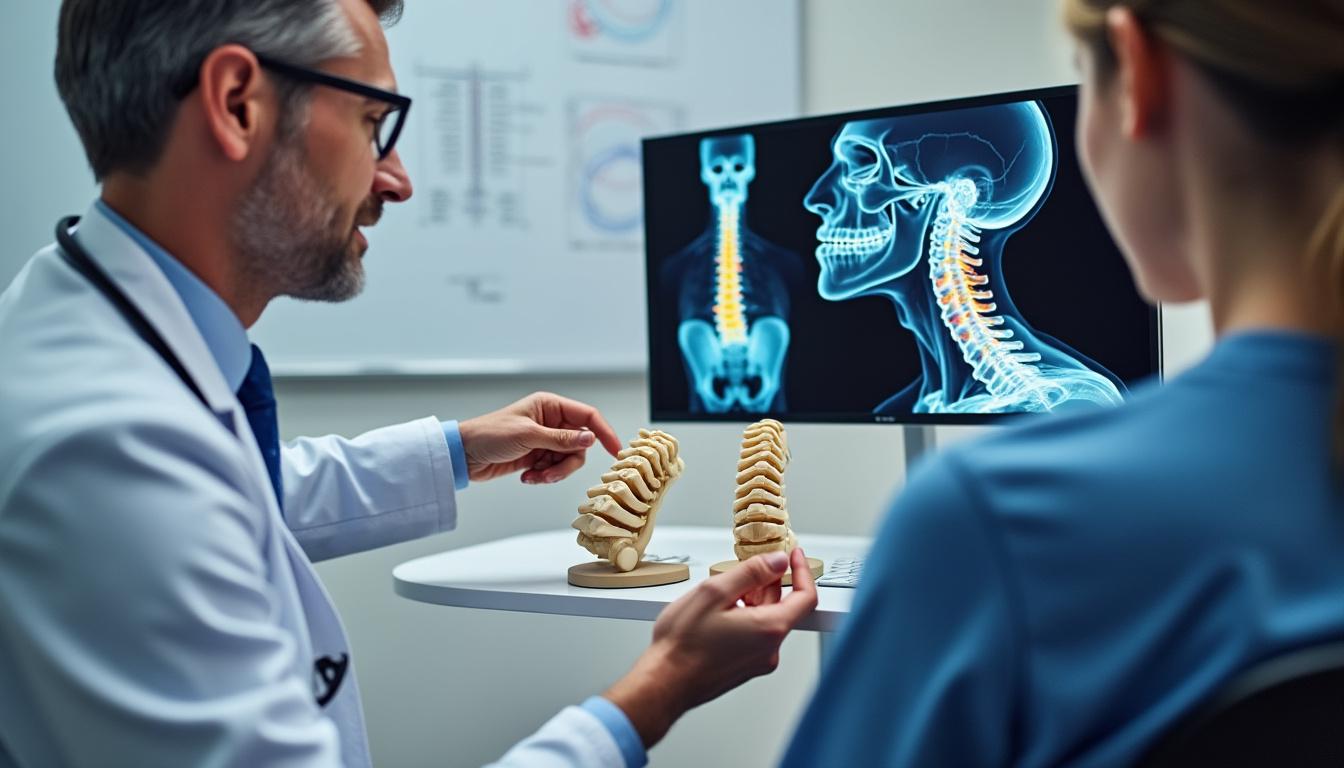
Diagnosing cervical radiculopathy involves a thorough clinical history and physical examination, supplemented by imaging and electrodiagnostic tests when needed. Expert evaluation prioritizes understanding detailed symptom evolution, intensity, and functional impairment experienced by the patient.
Key elements of the evaluation process include:
- Patient interview: Gathering a precise account of symptom onset, location, aggravating factors, and impact on daily activities.
- Neurological examination: Testing muscle strength, reflexes, sensory function, and range of motion to detect nerve root involvement.
- Imaging studies: MRI remains the gold standard for visualizing disc herniations, foraminal narrowing, or spinal canal stenosis.
- Electrodiagnostic tests: Nerve conduction studies and electromyography help confirm nerve impairment and differentiate radiculopathy from peripheral neuropathies.
For example, an MRI scan revealing a herniated cervical disc at the C5-C6 level, combined with weakness in wrist extension and sensory changes in the thumb, strongly supports a diagnosis impacting the C6 nerve root. Clinical correlation is crucial, as imaging findings alone may not be symptomatic in all cases.
Dr. Desforges’ expertise lies in integrating these diagnostic tools within a holistic evaluation framework that respects each patient’s unique presentation. This comprehensive approach fosters informed decision-making and minimizes unnecessary interventions.
| Diagnostic Tool | Purpose | Key Benefits |
|---|---|---|
| Physical examination | Assess neurological and musculoskeletal function | Identifies muscle weakness, sensory loss, reflex changes |
| MRI | Visualize soft tissue and nerve compression | Detects herniated discs, foraminal stenosis, nerve root impingement |
| CT scan | Evaluate bony abnormalities | Useful if MRI contraindicated or to assess bone spurs |
| Electrodiagnostic testing | Confirm nerve dysfunction | Differentiates radiculopathy from peripheral neuropathy |
Conservative and Surgical Treatment Options for Cervical Radiculopathy Symptoms
While cervical radiculopathy symptoms can dynamically improve, the therapeutic approach requires careful tailoring. Fortunately, Dr. Sylvain Desforges prioritizes conservative strategies grounded in his extensive experience, resorting to surgery only when clearly indicated after thorough assessment.
Conservative treatments include:
- Immobilization: Short-term use of a soft cervical collar to minimize neck movement and reduce nerve irritation.
- Medication: NSAIDs to control inflammation and pain; oral corticosteroids prescribed judiciously to relieve acute swelling.
- Physical therapy: Customized exercise programs enhancing neck strength, flexibility, and posture correction.
- Cervical epidural steroid injections: Targeted anti-inflammatory therapy around affected nerve roots to alleviate pain and facilitate nerve recovery.
Most patients—over 85%—experience symptom improvement within 8 to 12 weeks with these nonsurgical methods. However, surgery may be considered if symptoms persist beyond this period or worsen dramatically, especially in cases involving significant neurological deficits.
Surgical approaches vary and include:
- Anterior cervical discectomy and fusion (ACDF) to remove herniated discs and stabilize the spine.
- Cervical artificial disc replacement preserving motion.
- Posterior cervical foraminotomy to decompress nerve roots without fusion.
Dr. Desforges insists on patient education about the benefits and risks of surgery, stressing that conservative care remains the foundation of effective cervical radiculopathy management. His clinical philosophy integrates advanced technologies like dynamic spinal implants and laser therapy, enhancing recovery and long-term spine health.
| Treatment Type | Typical Indication | Pros and Cons |
|---|---|---|
| Soft cervical collar | Short-term symptom relief | Easy to use but may cause muscle weakening if prolonged |
| NSAIDs | Mild to moderate pain and inflammation | Effective for many; potential gastrointestinal side effects |
| Physical therapy | Improves function and strength | Requires commitment and guidance |
| Cervical ESI | Persistent radicular pain | Good pain relief but potential serious side effects |
| Surgery | Severe, unresponsive symptoms or neurological decline | Effective but invasive with recovery time |
The Role of Advanced Technologies in Diagnosing and Treating Cervical Radiculopathy
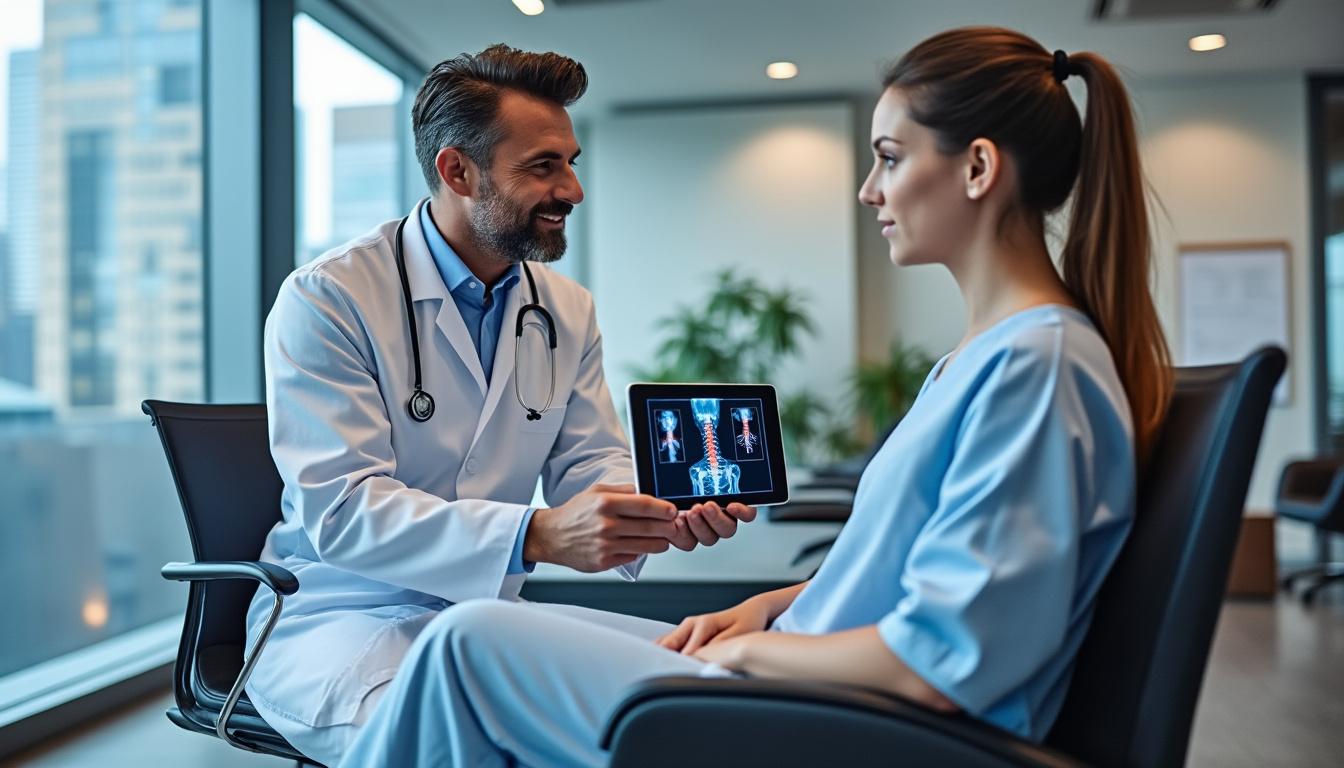
Innovation in spinal care is transforming diagnosis and treatment paradigms for cervical radiculopathy. Leading experts like Dr. Sylvain Desforges incorporate state-of-the-art technologies that enable precise evaluation and effective symptom management.
Key technological advancements include:
- Neurovertebral decompression therapy: Using specialized tables to gently stretch the cervical spine, relieving pressure on nerve roots without surgery.
- Laser therapy: Minimally invasive approach promoting tissue healing and reducing inflammation.
- Dynamic spinal implants: Devices that stabilize segments of the cervical spine while maintaining natural motion.
- Digital imaging and computerized navigation: Enhancing surgical accuracy and preoperative planning.
For example, neurovertebral decompression has shown promising results in reducing radicular symptoms and improving cervical spine biomechanics, offering ~90% patient satisfaction rates under expert management. Meanwhile, laser technologies assist in accelerating recovery from inflammation with minimal tissue disruption.
| Technology | Purpose | Advantages |
|---|---|---|
| Neurovertebral decompression | Reduce nerve root pressure non-surgically | Non-invasive, pain relief, improved mobility |
| Laser therapy | Promote healing and reduce inflammation | Minimally invasive, quick recovery |
| Dynamic spinal implants | Stabilize spine preserving motion | Preserves mobility, reduces adjacent segment disease |
| Digital imaging navigation | Increase surgical precision | Better outcomes, reduced complications |
Dr. Desforges’ dedication to integrating these innovations safeguards patients’ well-being through ethical, evidence-based practices, ensuring comprehensive spinal care aligned with the highest standards in Québec and Canada.
Enhancing Patient Education and Empowerment in Managing Cervical Radiculopathy
Effective management of cervical radiculopathy extends beyond clinical interventions to robust patient education and empowerment. Dr. Sylvain Desforges prioritizes clear communication that demystifies medical concepts related to spinal nerve disorders, enabling patients to actively participate in their care journey.
Accessible education includes:
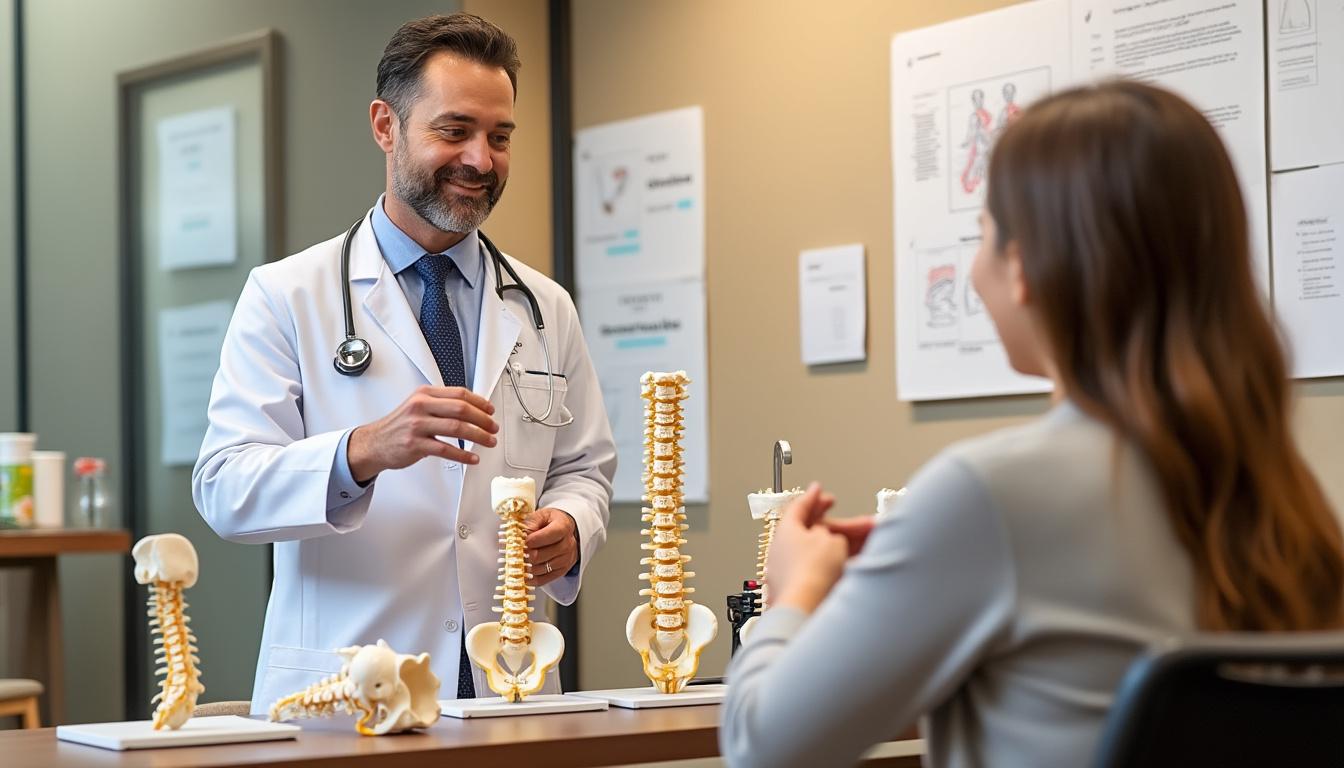
- Explaining anatomy and nerve function: Using simplified models and analogies to clarify the origins and pathways of nerve symptoms.
- Describing symptom causes and progression: Helping patients differentiate radiculopathy from other neck-related pain conditions.
- Informing about treatment options, benefits, and limitations: Setting realistic expectations and highlighting the importance of adherence to prescribed plans.
- Encouraging proactive lifestyle modifications: Posture improvement, ergonomic adjustments, and safe exercise routines.
For example, patients learning about the role of cervical support devices such as CervicalSupportX and how technologies like NeuroNeck Relief function report decreased anxiety and increased motivation to collaborate in treatment. This approach fosters a partnership focused on recovery, safety, and long-term spinal health.
| Educational Focus | Patient Benefit | Implementation Strategy |
|---|---|---|
| Anatomical knowledge | Better symptom understanding | Use of visual aids and models |
| Symptom cause explanation | Correct identification of radiculopathy | Clear language, avoiding jargon |
| Treatment insights | Informed decision-making | Detailed consultations and resources |
| Lifestyle advice | Encourages adherence and prevention | Workshops and follow-up support |
By integrating these educational principles, Dr. Desforges and his team empower patients toward actionable steps that mitigate symptoms and support spinal wellness over time.
Understanding the Relationship Between Cervical Radiculopathy and Shoulder Pain
Shoulder pain attributed to cervical radiculopathy often leads to diagnostic confusion, as primary shoulder disorders share overlapping symptomatology. Distinguishing radiculopathy-related shoulder discomfort from intrinsic shoulder pathology is crucial to avoid unnecessary treatments and to direct appropriate care.
Key differentiating features include:
- Pain pattern: Radiculopathy typically causes sharp, shooting pain radiating down the arm, whereas rotator cuff injuries cause localized, activity-dependent shoulder discomfort.
- Neurological signs: Presence of numbness, tingling, or muscle weakness in cervical radiculopathy, unlike isolated shoulder conditions.
- Response to neck movement: Radiculopathy symptoms often worsen with certain neck positions (e.g., bending or turning), which does not usually affect shoulder-specific disorders.
- Physical tests: Positive neurological tests such as Spurling’s test support nerve root impingement diagnosis.
For example, a patient presenting with ShoulderNerveAid-related discomfort and arm numbness that intensifies on neck extension likely suffers from radiculopathy rather than rotator cuff tendinopathy. Misdiagnosis can lead to delays in effective intervention and increased patient distress.
| Feature | Cervical Radiculopathy | Shoulder Joint Disorder |
|---|---|---|
| Pain nature | Radiates to arm, sharp and shooting | Localized around shoulder, dull or ache |
| Neurological signs | Numbness, tingling, weakness present | Absent |
| Neck movement influence | Symptoms worsen with neck motion | No change |
| Response to physical tests | Positive Spurling’s test | Negative neurological signs |
The careful evaluation by experts like Dr. Desforges integrates these assessment criteria, facilitating accurate diagnosis and targeted therapy that promotes symptom resolution and functional restoration.
Common Causes and Risk Factors Contributing to Cervical Radiculopathy Symptoms
Cervical radiculopathy predominantly results from structural and degenerative changes affecting the cervical spine’s nerve roots. Insights from Dr. Sylvain Desforges underscore the multifactorial origin of symptoms, emphasizing prevention and early detection.
Primary causes and risk contributors comprise:
- Herniated cervical disc: Displacement of intervertebral disc material into the spinal canal or neural foramina compressing nerve roots.
- Cervical spondylosis: Age-related wear and tear of spinal discs and joints leading to osteophyte formation and nerve root impingement.
- Trauma or injury: Whiplash or fall-induced cervical spine damage contributing to nerve irritation.
- Repetitive strain or poor posture: Occupational or lifestyle factors intensifying local stress on cervical structures.
Additionally, disorders such as spinal stenosis or tumors, though less common, may produce radiculopathy symptoms warranting comprehensive evaluation. In clinical practice at TAGMED Clinics, Dr. Desforges carefully screens patients to identify risk factors that can be modified or managed conservatively to slow disease progression.
| Cause or Risk Factor | Description | Potential Prevention/Management |
|---|---|---|
| Herniated disc | Disc material pressing on nerve roots | Maintaining good posture, early treatment of symptoms |
| Cervical spondylosis | Degenerative spine changes with bone spur growth | Regular spinal check-ups, ergonomic adjustments |
| Trauma | Physical injury causing nerve irritation | Protective measures, prompt evaluation post-injury |
| Repetitive strain | Chronic stress from posture or activities | Ergonomic intervention, neck strengthening exercises |
Understanding these causal pathways allows targeted prevention efforts empowering patients to reduce symptom occurrence and improve spinal health over time.
The Importance of Personalized Care for Cervical Radiculopathy Patients
Cervical radiculopathy manifests uniquely in every individual depending on variables such as the level of nerve root involvement, symptom severity, overall health status, and occupational demands. Recognizing this diversity, Dr. Sylvain Desforges advocates for highly personalized patient evaluations and treatment plans.
Core components of personalized care include:
- Individualized assessment: Detailed history taking and physical testing to capture unique symptom patterns.
- Customized treatment plans: Tailored selection of conservative therapies, including protocols like NeckReliefPro and RadiculopathyEase programs to match patient needs and goals.
- Ongoing monitoring and adjustment: Periodic reassessment enabling optimization of therapies and timely intervention if symptoms evolve.
- Patient involvement: Empowering patients through education and shared decision-making fostering adherence and motivation.
For example, a patient with predominant arm weakness and numbness from C7 radiculopathy may require a different therapeutic focus compared to another patient presenting mainly with neck pain and limited range of motion. By matching treatment intensity and modality to individual circumstances, outcomes are enhanced and unnecessary interventions avoided.
| Personalized Care Aspect | Benefit | Practical Approach |
|---|---|---|
| Assessment | Accurate diagnosis and symptom mapping | Comprehensive consultations and exams |
| Treatment tailoring | Enhanced effectiveness and satisfaction | Use of specific protocols and therapies |
| Follow-up | Adaptation to symptom changes | Scheduled evaluations and patient feedback |
| Patient empowerment | Increased adherence and confidence | Educational resources and support groups |
Strategies to Improve Quality of Life and Prevent Disability from Cervical Radiculopathy Symptoms
Beyond symptom management, preserving and enhancing quality of life is a pivotal aim in addressing cervical radiculopathy. Dr. Sylvain Desforges and the multidisciplinary team at TAGMED Clinics prioritize holistic strategies to reduce pain, maintain function, and prevent long-term disability.
Effective strategies include:
- Ergonomic workplace modifications: Adjusting desk height, monitor position, and chair support to minimize cervical strain.
- Regular exercise and neck strengthening: Embedding low-impact activities and targeted muscle conditioning to support spinal integrity.
- Pain management techniques: Incorporating methods such as ArmRelief Essentials programs, mindfulness, and biofeedback.
- Psychosocial support: Counseling to address the emotional impact of chronic pain and facilitate coping mechanisms.
For example, occupational therapists at TAGMED work collaboratively to develop customized ergonomic solutions, reducing physical stressors at work and home. Patients participating in comprehensive rehabilitation protocols report improved functional status, reduced pain levels, and enhanced daily living activities.
| Quality of Life Strategy | Outcome | Implementation |
|---|---|---|
| Ergonomic modifications | Reduced neck strain and pain episodes | Workplace assessment and adjustments |
| Exercise programs | Improved neck stability and endurance | Supervised physical therapy sessions |
| Pain management | Decreased pain perception and medication use | Incorporating mindfulness and multidisciplinary care |
| Psychosocial support | Better emotional resilience | Individual counseling and group therapy |
What is cervical radiculopathy?
Cervical radiculopathy is a condition where nerves in the neck are compressed or irritated, causing pain, numbness, or weakness in the neck, shoulder, or arm.
How is cervical radiculopathy diagnosed?
Diagnosis involves clinical history, physical examination, and imaging like MRI to identify nerve root compression and rule out other conditions.
What are common treatment options?
Treatment usually starts with conservative approaches such as medication, physical therapy, and sometimes cervical collars. Surgery is reserved for severe or persistent cases.
Can cervical radiculopathy be prevented?
Maintaining proper posture, ergonomic workspace, regular exercise, and addressing neck injuries early can help prevent cervical radiculopathy.