

Cervical radiculopathy is an increasingly recognized medical condition that causes significant discomfort and functional limitations in the neck, shoulder, and arm regions. With a growing number of adults experiencing symptoms associated with nerve root compression in the cervical spine, understanding this condition has become crucial for both patients and healthcare providers. Characterized by radiating pain, sensory disruptions, and motor weakness, cervical radiculopathy often requires a careful evaluation of the underlying spinal pathology and a tailored treatment plan that prioritizes patient safety, efficacy, and comfort.
Spinal experts such as Dr. Sylvain Desforges, with over three decades of clinical experience and leadership in osteopathic and alternative medical associations in Canada, emphasize a holistic approach to managing cervical radiculopathy. His work in integrating innovative, evidence-based therapies and patient education underlines the importance of early detection and personalized care. This article delves into the complex symptomatology of cervical radiculopathy, differentiates it from similar musculoskeletal disorders, and explores advanced non-surgical interventions designed to restore function and alleviate pain, promoting a patient-centered recovery journey.
Understanding Cervical Radiculopathy: Causes and Pathophysiology of Neck and Arm Symptoms
Cervical radiculopathy occurs when a nerve root exiting the cervical spine becomes compressed or irritated, resulting in a cascade of symptoms affecting the neck, shoulder, and arm. This nerve compression may arise from various causes, with cervical disc herniation, degenerative disc disease, and osteoarthritic changes often implicated. As intervertebral discs lose hydration and elasticity with age, the spine’s natural anatomy alters, leading to potential nerve impingement.
Causes of Cervical Radiculopathy include:
- Herniated cervical discs: The most common cause, where the disc nucleus protrudes and compresses adjacent nerve roots.
- Bone spurs (osteophytes): Bony growths developing due to arthritis can narrow neural foramina and pinch nerves.
- Degenerative cervical spondylosis: Chronic wear causes facets and uncovertebral joints to hypertrophy.
- Spinal misalignments: Abnormal curvature or biomechanics can place uneven pressure on nerve roots.
- Trauma: Injuries from accidents can cause acute or chronic nerve root irritation.
The irritation of nerves leads to inflammation, which heightens pain perception and disrupts nerve signaling. Symptoms commonly include neck stiffness, a burning or aching sensation radiating to the shoulder blade, and neurological issues in the arm and hand.
Neural Anatomy and Symptom Correlation
The cervical nerve roots, particularly C5 through C8, govern motor and sensory functions of the upper limbs. Compression of specific roots produces distinctive symptom patterns:
- C5 nerve root: Pain and weakness in the shoulder and upper arm muscles, diminished biceps reflex.
- C6 nerve root: Symptoms include pain radiating to the thumb, weakness in wrist extension, and reduced brachioradialis reflex.
- C7 nerve root: Often manifests as pain extending down the triceps and middle finger, with weakness in elbow extension.
- C8 nerve root: Causes numbness and tingling in the forearm and ring and little fingers, along with grip weakness.
Understanding the anatomy facilitates accurate localization of symptoms and guides further diagnostic workup and treatment planning.
| Cervical Nerve Root | Common Symptom Locations | Typical Motor Weakness | Reflex Changes |
|---|---|---|---|
| C5 | Shoulder, upper arm | Deltoid weakness (shoulder abduction) | Biceps diminished |
| C6 | Thumb, lateral forearm | Wrist extension weakness | Brachioradialis diminished |
| C7 | Middle finger, posterior arm | Elbow extension weakness | Triceps may be reduced |
| C8 | Ring and little fingers, medial forearm | Grip weakness | None typical |
In clinical practice, a thorough history and physical exam focusing on these patterns help differentiate cervical radiculopathy from other causes of neck and shoulder pain, such as rotator cuff injuries or peripheral neuropathies, enabling targeted interventions.
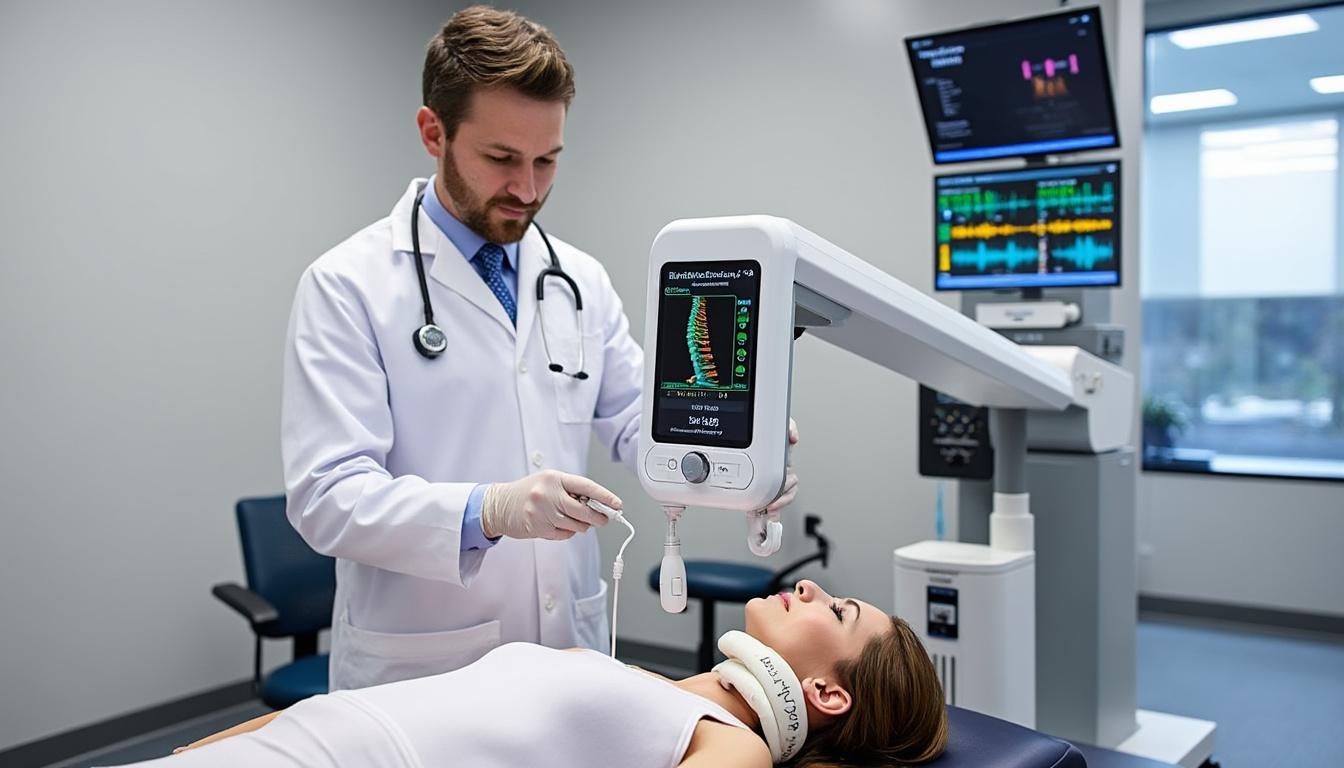
Clinical Presentation: Identifying Neck, Shoulder Blade, and Arm Symptoms of Cervical Radiculopathy
Patients with cervical radiculopathy typically report a constellation of symptoms that can range from mild discomfort to significant functional impairment. The hallmark is pain radiating from the neck into the shoulder and down the arm, often accompanied by sensory abnormalities and muscle weakness which may interfere with daily activities.
Common symptoms include:
- Persistent neck pain: Frequently worsened by neck movements such as rotation and extension, limiting range of motion.
- Shoulder blade pain: Pain described as burning or aching around the scapular region, often refractory to local treatments like massage or stretching.
- Radicular pain in the arm or hand: Sharp, shooting pains following the nerve distribution.
- Paresthesia: Numbness, tingling, or ‘pins and needles’ sensation, often noticed in specific fingers or parts of the arm.
- Muscle weakness: Difficulty with grip strength or certain arm movements such as wrist extension or elbow flexion, suggesting motor involvement.
It is critical to recognize that the shoulder blade pain does not originate from the shoulder joint but is referred pain from irritated cervical nerves. Up to 50% of patients report this specific symptom, which often leads to diagnostic confusion.
Functional Limitations and Impact on Quality of Life
The discomfort and neurological deficits of cervical radiculopathy may interfere with basic tasks such as lifting objects, typing, or personal hygiene. Patients often experience sleep disturbances due to pain, further affecting day-to-day function and mental health. Identifying these impacts is a critical element of clinical assessment to formulate a comprehensive treatment plan.
| Symptom | Typical Severity | Impact on Function | Common Triggers |
|---|---|---|---|
| Neck pain | Mild to severe | Limits head turning and posture maintenance | Neck rotation, extension, prolonged sitting |
| Scapular pain | Moderate | Decreased shoulder mobility, discomfort during arm movement | Shoulder use, massaging, stretching without relief |
| Arm pain and paresthesia | Sharp to burning | Difficulties in fine motor tasks and gripping | Arm elevation, repetitive movements |
| Muscle weakness | Variable | Reduced arm strength, affecting lifting and carrying | Heavy lifting, sustained arm use |
Understanding specific triggers allows tailored advice on activity modification, which is a cornerstone of conservative management advocated by experts like Dr. Sylvain Desforges, ensuring that treatment addresses both symptoms and lifestyle factors.
Advanced Diagnostic Strategies for Precise Evaluation in Cervical Radiculopathy
A comprehensive and accurate diagnosis of cervical radiculopathy is paramount to effective management. Dr. Sylvain Desforges emphasizes a rigorous, evidence-based evaluation process that combines clinical examination with modern imaging and electrophysiological studies, while maintaining patient safety and regulatory compliance.
Key elements of diagnostic work-up include:
- Detailed patient history: Exploration of symptom onset, distribution, exacerbating and relieving factors, and previous interventions.
- Physical and neurological examination: Testing dermatomal sensory changes, muscle strength, and reflexes to pinpoint affected nerve roots.
- Provocative maneuvers: Such as the Spurling test, performed carefully to confirm nerve root irritation without causing undue harm.
- Imaging techniques: MRI remains the gold standard to visualize disc herniations, foraminal stenosis, and other structural causes.
- Electrodiagnostic studies: EMG and nerve conduction velocity help differentiate cervical radiculopathy from peripheral neuropathies.
This multidisciplinary diagnostic approach ensures that patients receive precise identification of affected structures and appropriate recommendations for treatment pathways.
| Diagnostic Tool | Purpose | Benefits | Limitations |
|---|---|---|---|
| Patient History | Symptom characterization | Guides clinical suspicion and examination focus | Relies on patient recall and description |
| Neurological Exam | Localization of nerve root | Immediate, cost-effective | Variable sensitivity and specificity depending on examiner skill |
| Spurling Test | Provokes radicular pain | Specific test to confirm nerve root irritation | Not safe if severe symptoms or acute weakness |
| MRI | Visualizes soft tissue and bone defects | High resolution; helps rule out serious pathology | Costly; may reveal incidental findings |
| Electrodiagnostics | Differentiates radiculopathy from neuropathy | Provides functional nerve data | Invasive and may be uncomfortable for patient |
Dr. Desforges recommends integrating results from these evaluations before determining treatment plans to avoid unnecessary procedures and ensure patient safety and comfort.
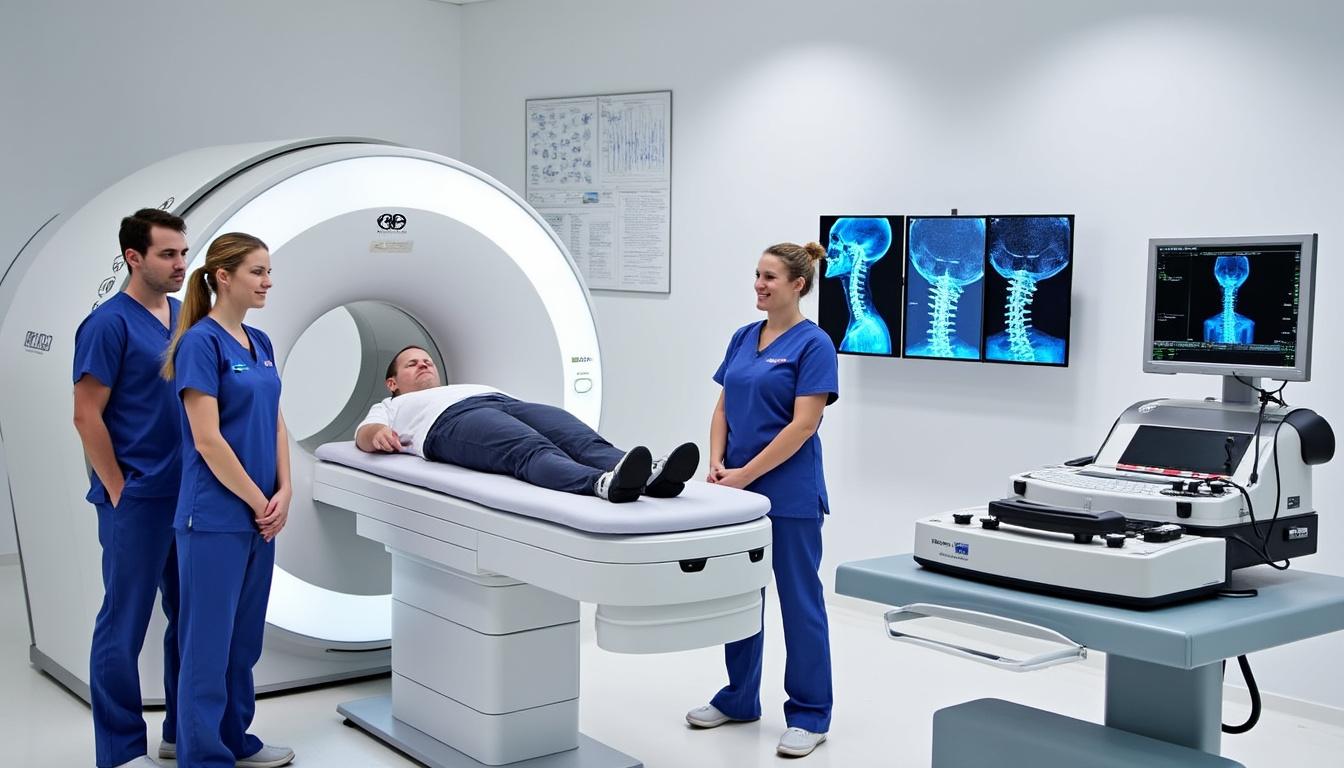
Non-Surgical Treatment Modalities for Cervical Radiculopathy: Effective Pain Relief and Function Restoration
Non-invasive treatment remains the first-line approach for most cervical radiculopathy cases. Dr. Sylvain Desforges, an expert in osteopathic and alternative spinal care, emphasizes combining multiple therapeutic techniques tailored to individual needs while strictly following evidence-based protocols.
Conservative treatments include:
- Spinal decompression therapy: Using advanced tables to gently relieve nerve root pressure and promote disc healing.
- Osteopathic manipulative therapy: Precise manual adjustments to restore spinal alignment and reduce irritation.
- Physical therapy: Exercises focusing on cervical and scapular muscle strengthening, postural correction, and nerve mobilization.
- Pharmacological management: Short-term use of anti-inflammatory drugs and analgesics under professional supervision.
- Ergonomic and lifestyle modifications: Advising on posture, workstation setup, and activity pacing to minimize recurrence.
Benefits and Practical Outcomes
When implemented effectively, these conservative modalities can markedly reduce pain and improve function. Many patients experience symptom relief within weeks and avoid the risks associated with surgery. Regular follow-up and patient education, championed by clinicians such as Dr. Desforges, support adherence and optimize outcomes.
| Therapy Type | Mechanism | Evidence of Effectiveness | Patient Considerations |
|---|---|---|---|
| Spinal decompression | Non-surgical nerve root decompression | Clinically shown to reduce herniated disc symptoms | Requires multiple sessions; not suitable for severe instability |
| Osteopathic manipulations | Manual realignment and soft tissue release | Improves mobility and reduces pain | Requires skilled practitioner to avoid complications |
| Physical therapy | Muscle strengthening and nerve gliding | Reduces recurrence and enhances function | Needs patient commitment and regular exercise |
| Medication | Anti-inflammatory and pain relief | Effective for flare-ups | Should be used temporarily; monitor side effects |
| Lifestyle adjustments | Ergonomic improvements and activity pacing | Prevents worsening and recurrence | Dependent on patient education and motivation |
Integrating these approaches in a cohesive care plan allows for personalized management that aligns with the unique presentation of each patient, fostering autonomy and recovery.
Future Innovations in Conservative Therapy
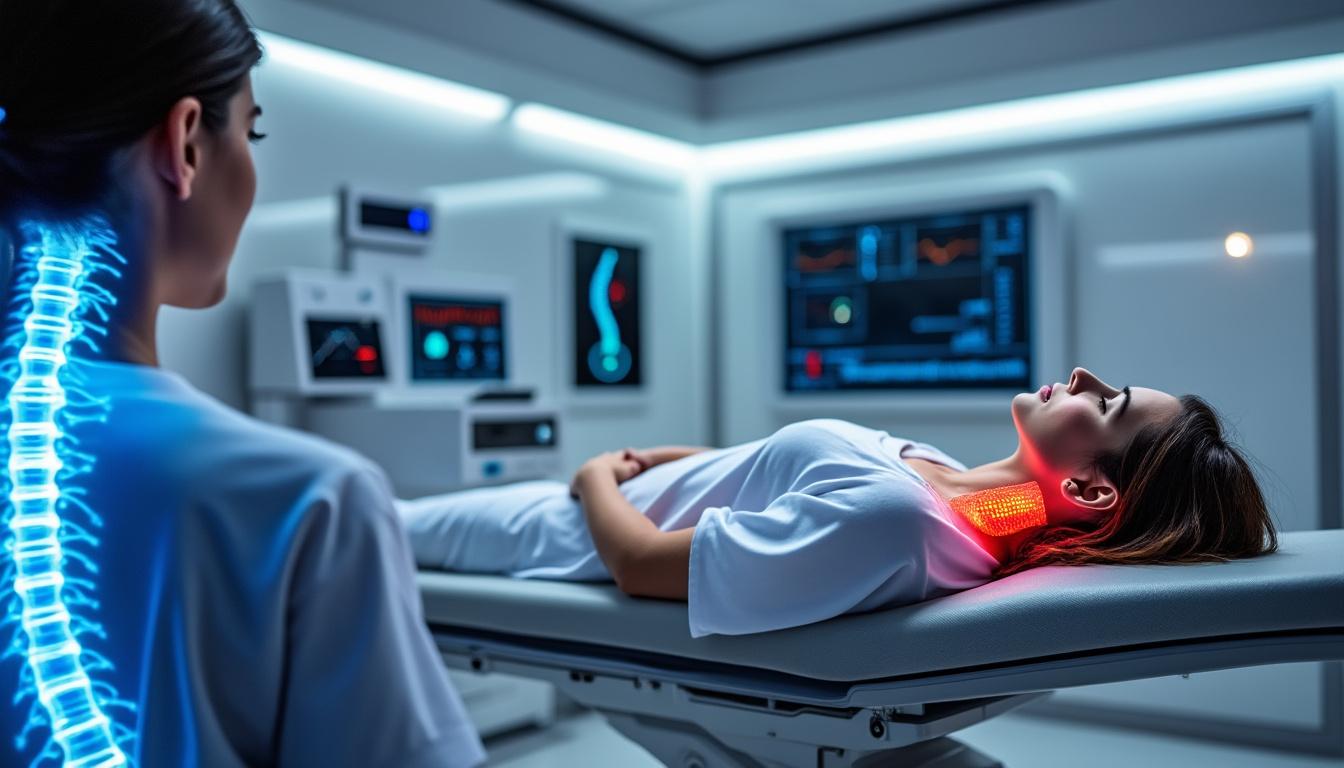
Emerging technologies such as laser therapy and dynamic spinal implants are gaining attention as adjunct tools in managing cervical radiculopathy. These innovations represent exciting frontiers in non-invasive care, offering potential benefits in reducing inflammation and supporting spinal stability without surgical incisions.
Distinguishing Cervical Radiculopathy from Rotator Cuff and Other Shoulder Conditions
One of the biggest challenges in evaluating neck and shoulder pain is differentiating cervical radiculopathy from shoulder pathologies like rotator cuff tendinopathy or tears. Misdiagnosis can lead to ineffective treatment and prolonged symptoms, underscoring the importance of detailed clinical scrutiny.
Key distinguishing features include:
- Location of pain: Radiculopathy often presents with pain radiating below the elbow and into the hand, whereas rotator cuff pain commonly stays localized to the lateral shoulder.
- Neurologic symptoms: Only cervical radiculopathy produces numbness, tingling, or weakness in specific nerve distributions.
- Pain triggers: Rotator cuff symptoms worsen with overhead activities and night pain on the affected side, while radiculopathy symptoms may worsen with certain neck postures.
- Reflex and strength testing: Neurological deficits are typical in radiculopathy but absent in rotator cuff disorders.
Simple self-assessment techniques, such as the arm squeeze test and the shoulder-abduction relief sign, help patients and clinicians identify the pain source:
- Arm squeeze test: Increased pain when squeezing the mid-arm compared with shoulder or forearm indicates a neck origin.
- Shoulder-abduction relief sign: Resting the hand on top of the head often reduces radicular symptoms.
| Criterion | Cervical Radiculopathy | Rotator Cuff Injury |
|---|---|---|
| Pain location | Neck to arm, distal to elbow | Lateral shoulder and upper arm |
| Neurologic symptoms | Numbness, tingling, weakness | Absent |
| Pain trigger | Neck movement | Overhead activity |
| Reflex changes | Present | Absent |
Properly identifying the source prevents unnecessary surgeries and guides effective rehabilitation programs, highlighting the expertise necessary in spinal care provided by professionals like Dr. Desforges.
Ergonomic and Lifestyle Strategies to Prevent Cervical Radiculopathy Recurrence
Prevention strategies focus on minimizing risk factors that exacerbate nerve root compression and degeneration. For individuals who have experienced cervical radiculopathy, adopting ergonomic and lifestyle changes is paramount to reduce recurrences and improve spinal health long-term.
Recommended preventative measures include:
- Maintain good posture: Keep the head aligned over the shoulders during sitting and standing to reduce cervical plexus strain.
- Optimize workstation ergonomics: Position computer screens at eye level and use chairs with appropriate neck support.
- Take frequent breaks: Avoid prolonged static postures, especially in desk jobs and during smartphone use.
- Perform regular neck and shoulder exercises: Strengthening cervical and scapular muscles supports spinal stability.
- Avoid repetitive neck motions: Reducing repetitive flexion, extension or rotation decreases mechanical stress on nerves.
| Strategy | Benefit | Implementation Tips |
|---|---|---|
| Postural awareness | Decreases nerve compression by optimal alignment | Use reminders, ergonomic desks, and smartphone apps |
| Ergonomic workspace | Reduces strain from static postures | Adjust chair height, monitor angle, and use wrist supports |
| Regular breaks | Prevents prolonged nerve irritation | Set timers for 20-30 minute intervals to stand and stretch |
| Neck exercises | Enhances muscular support and flexibility | Perform chin tucks, shoulder rolls, and scapular squeezes |
| Motion moderation | Limits mechanical stress to nerve roots | Avoid excessive neck flexion or rotation during activities |
Experts like Dr. Sylvain Desforges advocate for patient education in implementing these practical steps, facilitating long-term improvements in spine health and patient autonomy.
When to Seek Medical Evaluation and the Role of a Comprehensive Assessment
Recognizing the appropriate timing for professional evaluation is essential to preventing complications in cervical radiculopathy. Certain symptoms signal the need for prompt medical attention and thorough assessment by experienced clinicians.
Warning signs requiring immediate evaluation:
- Progressive weakness or worsening numbness in arm or hand muscles.
- Sudden loss of fine motor skills or grip strength.
- Severe, unremitting neck or arm pain unresponsive to medication.
- Signs of spinal cord compression such as balance issues or leg weakness.
- Red flags like unexplained weight loss, fever, or trauma history.
Dr. Sylvain Desforges promotes a comprehensive assessment approach including patient history, physical examination, and advanced diagnostics to create individualized evaluation reports, assisting healthcare providers and patients in making informed choices about care pathways.
| Symptom or Sign | Suggested Action | Potential Consequences if Ignored |
|---|---|---|
| Increasing muscle weakness | Urgent clinical assessment and imaging | Permanent nerve damage, loss of function |
| Severe pain not relieved by medications | Specialist referral | Chronic pain syndrome development |
| Neurological deficits indicating myelopathy | Immediate spine specialist evaluation | Spinal cord injury, paralysis |
| Systemic symptoms (fever, weight loss) | Investigation for infection or malignancy | Serious underlying disease progression |
Early and professional evaluation averts unnecessary suffering and informs the most suitable treatment approach, emphasizing the value of expert-led clinics like Clinique TAGMED.
Emerging Technologies and Innovations in the Management of Cervical Radiculopathy
The evolution of spinal care has brought forth innovative medical technologies that enhance diagnosis and treatment outcomes for patients with cervical radiculopathy. Dr. Sylvain Desforges is at the forefront of integrating these advancements with scientific integrity and ethical standards within his clinics.
Notable technology advancements include:
- Neurovertebral decompression devices: State-of-the-art equipment applying controlled traction to alleviate nerve root pressure.
- Laser therapy: Targeted low-level laser treatments that reduce inflammation and promote tissue repair.
- Dynamic spinal implants: Minimally invasive implants designed to preserve spine movement while stabilizing affected segments.
- High-resolution imaging enhancements: Advanced MRI and 3D imaging for precise pathology mapping.
- Telemedicine platforms: Facilitating remote evaluation and follow-up, improving accessibility for chronic cases.
Integrating these technologies enables a comprehensive and customized treatment plan, improving patient engagement and outcomes while respecting patient safety regulations and ethical considerations at all times.
| Innovation | Functionality | Clinical Benefit | Implementation Setting |
|---|---|---|---|
| Neurovertebral decompression | Controlled spinal traction | Non-invasive nerve relief, enhanced disc healing | Specialized spine clinics |
| Laser therapy | Anti-inflammatory phototherapy | Reduces pain and accelerates recovery | Outpatient clinics |
| Dynamic implants | Segmental spinal stabilization | Motion preservation, reduced fusion complications | Advanced surgical/neurosurgical centers |
| High-resolution imaging | Detailed anatomical visualization | Improved diagnosis, targeted treatments | Radiology departments |
| Telemedicine | Remote consultations | Better access, continuous care | Clinic networks |
By harnessing these innovations, experts can develop more effective, less invasive, and patient-centered strategies for cervical radiculopathy.
Collaborative Patient Education and Support: Empowering Through Understanding and Personalized Care
Patient education is a cornerstone of managing cervical radiculopathy. Dr. Sylvain Desforges prioritizes clear, jargon-free explanations tailored to each patient’s comprehension level. This approach ensures that individuals understand their condition, the rationale behind proposed treatments, and realistic expectations.
Essential topics covered in patient consultations include:
- Explanation of cervical spine anatomy and nerve root function.
- Clarification of symptoms and their relation to nerve compression.
- Discussion of treatment options, including benefits and limitations.
- Instructions for at-home exercises and ergonomic adjustments.
- Awareness of warning signs requiring prompt medical attention.
Additionally, personalized care plans are developed with patient input, respecting their unique situations and goals. This collaborative model empowers patients, promotes adherence, and fosters trusting therapeutic relationships, which are integral to successful outcomes.
| Education Component | Content Focus | Patient Benefit |
|---|---|---|
| Anatomical understanding | Insights into cervical nerves and spinal structures | Enhances engagement and cooperation in care |
| Symptom explanation | Linking pain and sensory changes to nerve irritation | Improves symptom management strategies |
| Treatment navigation | Clarifying non-surgical and surgical options | Facilitates informed decision-making |
| Self-care instructions | Ergonomics, exercises, relapse prevention | Supports long-term spine health and autonomy |
| Early warning signs | Identifying symptoms requiring professional evaluation | Promotes timely intervention and safety |
Dr. Desforges’ approach serves as a model for interdisciplinary patient support, incorporating empathy and scientific rigor to optimize the care experience.
Can cervical radiculopathy cause shoulder blade pain without arm tingling?
Yes, irritation of nerve roots such as C5-C6 can produce referred pain in the shoulder blade area without necessarily causing arm numbness or tingling. Careful clinical evaluation helps distinguish this symptom.
Is the Spurling test safe to perform at home?
A gentle, self-applied Spurling test can occasionally provide information in mild cases; however, it should not be done if symptoms are severe or worsening. Consultation with a healthcare provider is preferred for proper diagnosis.
How long does recovery from cervical radiculopathy typically take?
Recovery timelines vary, but many patients experience improvement within weeks to a few months using conservative, non-surgical treatments such as physical therapy and spinal decompression.
When should I see a spine expert for my neck and arm symptoms?
Seek expert evaluation if you have progressive weakness, sustained numbness, severe pain unresponsive to treatment, or any signs of spinal cord dysfunction.
Can ergonomic adjustments really help prevent cervical radiculopathy?
Yes, optimizing posture and workstation ergonomics reduces mechanical stress on the cervical spine, which helps prevent nerve root irritation and recurrent symptoms.