
CLINICAL STUDIES ON THE EFFECTIVENESS OF SPINAL DECOMPRESSION
September 16, 2011
Manipulation under anesthesia for patients with failed back surgery: retrospective report of 3 cases with 1-year follow-up – Corrected Proof
November 14, 2011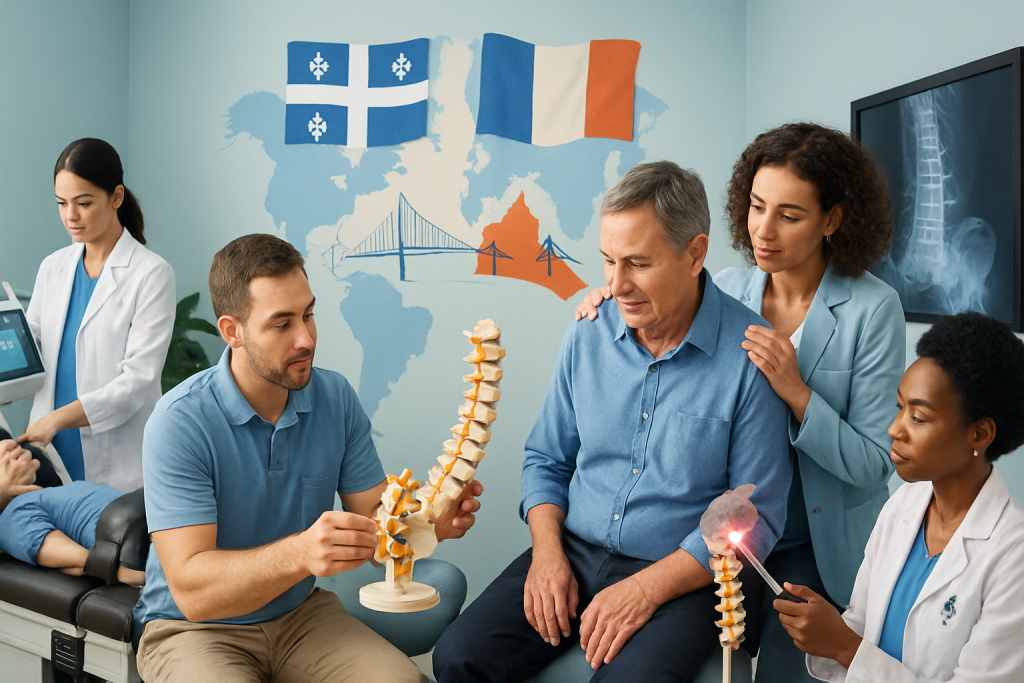
Chronic idiopathic meralgia paresthetica represents a perplexing and often debilitating nerve condition impacting countless individuals. Characterized chiefly by tingling, numbness, and burning sensations on the lateral aspect of the thigh, it significantly impairs daily function and quality of life. Patients frequently encounter challenges in obtaining precise diagnosis and effective non-invasive treatments. Within this context, chiropractic care emerges as a vital, evidence-backed avenue, uniquely positioned to alleviate symptoms by targeting nerve compression and biomechanical dysfunctions. Drawing from comprehensive clinical expertise, this approach not only addresses symptom relief but also prioritizes long-term spinal health and patient-specific factors. Through advanced manipulative techniques and integrative therapies, chiropractic professionals provide a holistic alternative to conventional approaches often limited to pharmacologic or surgical interventions.
In 2025, as the landscape of spinal health evolves with innovative technologies like Spinal Decompression Systems, Erchonia Laser, and the Leander Table, chiropractic care’s role becomes increasingly relevant for conditions such as meralgia paresthetica. The integrative use of established methods such as Activator Methods, Thompson Technique, Gonstead, and Flexion-Distraction enhances outcomes. This article draws attention to the insights derived from a documented case study of chronic idiopathic meralgia paresthetica managed through chiropractic intervention, highlighting the significance of precise evaluation, personalized care, and interdisciplinary collaboration. It also emphasizes the leading role of experts like Dr. Sylvain Desforges, who advocate a patient-centered, scientifically rigorous framework for spinal disorders, and who leverage international expertise to enhance treatment opportunities. Exploring the intricacies of chiropractic management for this condition sheds light on a promising path toward improved patient experience, functional recovery, and quality of life.

Understanding Chronic Idiopathic Meralgia Paresthetica and Its Neuropathic Origins
Meralgia paresthetica is a neuropathic condition that results from the compression or irritation of the lateral femoral cutaneous nerve (LFCN). This sensory nerve supplies the skin on the anterolateral thigh. When compromised, patients experience a distinct constellation of symptoms including burning pain, numbness, tingling, and heightened sensitivity that disrupt their normal activities and comfort.
Chronic idiopathic meralgia paresthetica refers to cases where the cause of nerve compression is unclear or develops spontaneously, without an identifiable injury or external factor. The idiopathic nature poses diagnostic challenges and often leads to prolonged discomfort and frustration. Unlike secondary cases linked to trauma, obesity, pregnancy, or tight garments, idiopathic cases demand meticulous clinical evaluation to uncover subtle biomechanical or postural contributors.
Causes and Mechanisms of Nerve Compression
Compression at the inguinal ligament, where the lateral femoral cutaneous nerve passes through a narrow anatomical space, is the typical site of entrapment. Factors influencing this compression include:
- Postural imbalances: Pelvic tilt or spinal misalignments can increase tension on the nerve pathway.
- Muscular tightness: The iliopsoas or tensor fasciae latae muscles exert additional pressure on the nerve.
- Repetitive hip flexion: Frequent bending activities or occupations demanding prolonged standing can aggravate nerve irritation.
- Systemic health conditions: Diabetes mellitus and peripheral neuropathies exacerbate nerve vulnerability.
The intricate nature of nerve entrapment reinforces the need for therapeutic strategies addressing not only local compression but also overall biomechanical balance.
Symptoms and Differential Diagnosis
Patients with chronic idiopathic meralgia paresthetica usually report:
- Persistent burning or tingling sensations over the lateral thigh
- Numbness or decreased sensation in the affected area
- Occasional hypersensitivity to touch, sometimes perceived as pain
- Discomfort exacerbated by prolonged standing or walking
Its symptoms must be differentiated from lumbar radiculopathies, femoral neuropathies, and other musculoskeletal disorders. Utilizing advanced clinical assessments and electromyographic studies often facilitates precise diagnosis. This precision is essential for guiding treatment and avoiding unnecessary interventions.
| Condition | Key Symptom | Diagnostic Feature |
|---|---|---|
| Meralgia Paresthetica | Lateral thigh burning and numbness | Positive Tinel’s sign at inguinal ligament |
| Lumbar Radiculopathy | Radiating leg pain, muscle weakness | Positive straight leg raise test, MRI changes |
| Femoral Neuropathy | Anterior thigh weakness, quadriceps atrophy | Electromyography showing femoral nerve lesion |
Understanding the nuanced presentation of meralgia paresthetica equips clinicians and patients to identify the condition early and begin conservative care promptly, improving prognosis and long-term outcomes.
Les ajustements alimentaires pour soutenir un traitement de décompression neurovertébrale
EN BREF Les ajustements alimentaires constituent une approche essentielle pour soutenir un traitement de décompression neurovertébrale. Cette méthode, particulièrement avantageuse pour les personnes souffrant de hernies discales, aide à maximiser les bénéfices des traitements en favorisant la régénération des tissus…
Chiropractic Evaluation and Diagnostic Techniques for Meralgia Paresthetica
A cornerstone of effective chiropractic management is a detailed and methodical evaluation. Clinical history review, symptom description, and physical examination focused on spinal alignment and nerve function are pivotal. At TAGMED Clinics, under the guidance of Dr. Sylvain Desforges, this process exemplifies unparalleled depth and precision in assessing spinal disorders.
In addition to standard orthopedic and neurological testing, chiropractic experts integrate advanced diagnostic tools including the use of ChiroTouch software platforms to analyze patient data and monitor treatment progress accurately. This technological support complements traditional palpatory and motion assessments.
Key Evaluation Components
- Postural and gait analysis: Detecting asymmetries or pelvic misalignment impacting nerve pathways.
- Spinal palpation: Identifying restricted segments through Thompson Technique and Gonstead method palpation techniques.
- Neurological testing: Including sensory mapping and reflex assessments to localize nerve impairment.
- Provocative maneuvers: Compressing the inguinal region to reproduce symptoms aids in confirming nerve entrapment diagnosis.
Collaborative coordination with primary care physicians ensures comprehensive patient assessment. Relevant literature advocates for integrated care models for meralgia paresthetica, underlining the importance of multidisciplinary approaches source.
| Diagnostic Method | Purpose |
|---|---|
| Physical examination | Identify pain areas, sensory deficits, and mechanical dysfunction |
| ChiroTouch data analysis | Track spinal motion and treatment response |
| Provocative nerve tests | Confirm lateral femoral cutaneous nerve entrapment |
| Neurological sensory mapping | Localize affected nerve distribution |
Such comprehensive diagnostics empower experts like Dr. Desforges to formulate highly individualized care plans designed around the patient’s unique neuromusculoskeletal profile, enhancing treatment precision and efficacy. This approach aligns with evidence-based paradigms and Quebec’s stringent healthcare regulations.

EN BREF La décompression neurovertébrale est une méthode thérapeutique innovante qui vise à prévenir les récidives de douleurs neuropathiques, notamment au niveau des cervicales. Cette technique non invasive soulage les douleurs persistantes en exerçant une traction contrôlée sur la colonne…
Innovative Chiropractic Treatment Modalities For Symptom Relief
Chiropractic management of chronic idiopathic meralgia paresthetica combines time-tested manual techniques with emerging technologies such as Spinal Decompression Systems and Erchonia Laser therapy. These modalities contribute to reducing nerve compression, resolving inflammation, and promoting tissue healing alongside classic adjustment methods.
Each patient receives a tailored treatment plan incorporating methods like the Activator Methods, Thompson Technique, and Gonstead adjustments, all proven to realign spinal segments and improve biomechanical function. Flexion-Distraction technique is employed intensively when addressing lumbar and pelvic dysfunctions that influence nerve pathways.
Combination of Manual and Technological Techniques
- Activator Methods: Precise, low-force adjustments that target nerve irritations without discomfort.
- Gonstead Technique: Detailed spinal analysis and correction focusing on biomechanical restoration.
- Thompson Technique: Utilizes specialized tables like the Leander Table for drop-assisted adjustments.
- Spinal Decompression Systems: Non-invasive devices that gently stretch the spine to reduce nerve pressure.
- Erchonia Laser Therapy: Cold laser application promoting cellular repair and reducing inflammation.
Together, these methods create a multimodal approach that not only targets symptoms but also addresses underlying contributing factors. Patient adherence and understanding of treatment goals are prioritized, with education delivered in accessible language to enhance engagement.
| Treatment Method | Mechanism | Expected Benefits |
|---|---|---|
| Activator Methods | Low-force, rapid mechanical impulse | Reduction of nerve irritation and pain relief |
| Thompson Technique with Leander Table | Drop-assisted spinal adjustments | Enhanced spinal mobility and decreased nerve compression |
| Spinal Decompression Systems | Controlled spinal stretching | Alleviation of pressure on nerve roots and faster recovery |
| Erchonia Laser | Cold laser therapy | Reduced inflammation and acceleration of tissue repair |
Notably, spinal decompression therapy has gained recognition for its utility in treating nerve entrapment syndromes, with recent studies supporting its efficacy source. This supports the integration of cutting-edge therapies in chiropractic practice. Moreover, Dr. Desforges’ clinics offer exclusive access to these advanced technologies, unavailable in many parts of Canada, emphasizing their commitment to innovation and patient-centered care source.
Les étapes pour établir un programme de décompression neurovertébrale adapté aux besoins individuels
EN BREF La décompression neurovertébrale est une méthode douce et non invasive conçue pour soulager les douleurs dorsales, notamment les hernies discales. À Montréal, ce traitement est particulièrement recommandé pour les personnes souffrant de douleurs chroniques. Grâce à un diagnostic…
Patient Stories and Case Studies Featuring Chiropractic Success
Real-world evidence underscores the impactful role of chiropractic management in chronic idiopathic meralgia paresthetica. One notable case involved a 35-year-old professional woman who presented with bilateral symptoms and concurrent sacroiliac joint dysfunction. Through the application of a structured chiropractic protocol emphasizing the Gonstead and Activator Methods, she experienced significant symptom reduction and restoration of mobility within weeks.
Another illustrative example includes a U.S. Veteran suffering from persistent anterolateral thigh pain accompanied by bilateral meralgia paresthetica. Comprehensive chiropractic care consisting of spinal adjustments and soft tissue therapies resulted in marked symptomatic relief and enhanced quality of life source.
- Detailed initial assessment identifying biomechanical contributors
- Integration of multiple adjustment techniques for maximal effect
- Regular progress evaluation with ChiroTouch monitoring
- Patient education emphasizing lifestyle adaptations and preventive measures
- Non-surgical management leading to durable symptom remission
These case studies reflect the broader clinical experience of experts like Dr. Sylvain Desforges, who navigate complex patient presentations through collaborative interdisciplinary approaches and innovative treatment protocols. The growing body of literature concurs, highlighting the importance of multifaceted chiropractic care for nerve compressive syndromes source.

EN BREF La décompression neurovertébrale est une solution reconnue pour améliorer la posture chez les athlètes ayant subi des interventions sur des pathologies dorsales complexes. Cette approche permet de soulager les douleurs dans le dos et de favoriser une meilleure…
Interdisciplinary Collaboration and Transatlantic Patient Care Coordination
Chronic idiopathic meralgia paresthetica care benefits immensely from interdisciplinary collaboration involving chiropractors, primary care physicians, neurologists, and orthopedic surgeons. Dr. Sylvain Desforges exemplifies leadership in this domain by fostering international partnerships that enhance diagnostic precision and therapeutic options.
One key aspect of such collaboration includes the coordination of patient pathways between Québec and France, optimizing timelines and access to specialized surgical innovations when necessary. Working closely with spine surgeons and leveraging medical tourism platforms such as SOS Tourisme Médical, patients receive personalized care plans that balance conservative management with surgical consideration in advanced cases.
Benefits of Transatlantic Cooperation for Complex Cases
- Access to cutting-edge surgical techniques unavailable locally
- Reduced wait times through international appointment scheduling
- Comprehensive pre- and post-operative chiropractic support
- Shared medical records enhancing continuity and safety
- Cost-effective solutions combining public and private care resources
These partnerships reflect Dr. Desforges’ ethical commitment to patient-centered care within stringent Quebec and Canadian regulations. Continuous research and innovation further ensure that therapeutic interventions remain rooted in scientific rigor, maximizing efficacy and safety source.
EN BREF Les ajustements alimentaires sont essentiels pour optimiser les bénéfices à long terme des thérapies par décompression neurovertébrale. À Montréal, cette approche permet de renforcer les procédures de traitement en soutenant la régénération des tissus et en réduisant l’inflammation…
Education and Empowerment: Making Complex Nerve Conditions Understandable
Effective management of chronic idiopathic meralgia paresthetica hinges not only on therapeutic intervention but also on patient education. Dr. Sylvain Desforges strongly advocates clear, empathetic communication that demystifies spinal and nerve disorders, enabling informed decision-making and active participation in healing.
Complex anatomical and physiological processes are elucidated in plain language, avoiding medical jargon that often alienates patients. This transparency builds trust and reassures patients that their condition is understood and manageable through conservative care pathways.
Key Educational Topics Covered with Patients
- Understanding lateral femoral cutaneous nerve anatomy and function
- Explaining the biomechanical causes of nerve compression
- Clarifying treatment rationales for chiropractic adjustments and adjunct therapies
- Setting realistic expectations regarding symptom relief timelines
- Highlighting lifestyle modifications and ergonomic considerations
Education sessions often include multimedia resources, handouts, and interactive consultations that cater to diverse learning styles. This patient-centered approach empowers individuals to embrace proactive care, reducing dependency on pharmacological agents or invasive surgeries.
| Educational Element | Purpose |
|---|---|
| Anatomy 101 | Familiarize patient with nerve pathways involved in symptoms |
| Biomechanics Simplified | Illustrate how body alignment affects nerve health |
| Treatment Plan Overview | Clarify procedures and responsibilities for healing |
| Lifestyle and Ergonomics | Provide practical advice to sustain long-term relief |
EN BREF La décompression neurovertébrale est une thérapie complémentaire innovante, efficace pour traiter les doler neuropathiques réfractaires aux médicaments. Accessible à Montréal, cette méthode non invasive réduit la pression sur les nerfs et les disques intervertébraux, apportant un soulagement durable…
Long-Term Management and Preventive Strategies in Chiropractic Care
Managing chronic idiopathic meralgia paresthetica requires a balance between immediate symptom relief and preventive strategies to avoid recurrence. Dr. Sylvain Desforges’ approach integrates regular monitoring and maintenance chiropractic visits to sustain spinal alignment and nervous system function effectively.
Preventive care focuses on:
- Consistent spinal adjustments via techniques like Gonstead and Thompson Technique
- Postural correction through therapeutic exercises and ergonomic assessment
- Use of dynamic spinal implants in select cases to enhance structural support
- Ongoing patient education to reinforce self-care habits and injury prevention
- Integration of advanced technology such as ChiroTouch for continuous progress evaluation
This structured long-term management improves patient outcomes, reduces healthcare costs, and supports sustainable lifestyle improvements. It exemplifies how science-driven chiropractic care complements broader healthcare frameworks effectively.
Comment la décompression neurovertébrale soutient les sportifs souffrant de pincement discal
EN BREF La décompression neurovertébrale est une thérapie avancée visant à traiter les sportifs souffrant de pincement discal. Cette méthode non invasive permet de soulager la douleur et de favoriser la récupération en réduisant la pression sur les disques intervertébraux.…
Contact Experienced Spine Care Experts for Personalized Evaluation and Support
If you are experiencing symptoms associated with chronic idiopathic meralgia paresthetica, seeking a thorough evaluation is essential. Dr. Sylvain Desforges, with over 35 years of clinical experience and leadership in advanced spinal care, provides a comprehensive, scientifically rigorous pathway tailored to your needs. Utilizing a patient-centered approach and the latest innovations in chiropractic therapy, Dr. Desforges’ teams at TAGMED Clinics are dedicated to helping you regain comfort and mobility.
To initiate the assessment or discuss your condition in detail, contact the clinic directly or visit specialized platforms facilitating international cooperation and surgical access. Early intervention and personalized care increase the likelihood of symptom resolution and improve quality of life substantially.
- Personalized spinal and neurological evaluation using state-of-the-art technology
- Access to advanced chiropractic techniques, including Activator Methods and Flexion-Distraction
- Integration with international spine care networks for comprehensive management
- Ethically grounded and evidence-based treatment planning adhering to Quebec regulations
- Compassionate support with clear education and patient empowerment
Taking the first step towards recovery is a collaborative journey. Contact TAGMED Clinics via SOS Tourisme Médical to arrange a personalized consultation today.
EN BREF La décompression neurovertébrale est une thérapie complémentaire conçue pour optimiser la récupération des athlètes après des blessures lombaires chroniques. Cette méthode, accessible à Montréal, est particulièrement recommandée pour ceux qui souffrent de douleurs persistantes et cherchent à améliorer…
What are the common symptoms of meralgia paresthetica and how can chiropractic care alleviate them?
Meralgia paresthetica typically manifests as burning pain, tingling, numbness, and hypersensitivity on the outer thigh due to lateral femoral cutaneous nerve compression. Chiropractic care addresses these symptoms by realigning spinal and pelvic structures to reduce nerve pressure, employing techniques like Activator Methods and Gonstead adjustments that restore biomechanical harmony, improving nerve function and reducing discomfort.
Is chiropractic treatment suitable for all patients with meralgia paresthetica?
While chiropractic care is effective for many, suitability depends on individual health status and specific clinical presentations. Patients with certain contraindications should undergo thorough evaluation before proceeding. Experts like Dr. Sylvain Desforges ensure comprehensive assessments incorporating neurological and orthopedic evaluations to determine appropriate candidacy.
How does interdisciplinary collaboration improve outcomes in managing meralgia paresthetica?
Collaboration between chiropractors, primary care physicians, neurologists, and surgeons ensures a holistic understanding of each case. This interdisciplinary model enhances diagnostic accuracy, facilitates timely interventions, and offers access to advanced surgical options when conservative measures are insufficient, ultimately improving patient outcomes and satisfaction.
What innovative technologies enhance chiropractic management of nerve compression syndromes?
Cutting-edge devices such as Spinal Decompression Systems, Erchonia Laser therapy, and precision diagnostic tools like ChiroTouch significantly advance chiropractic care for meralgia paresthetica. These technologies augment traditional manual therapies by promoting nerve decompression, accelerating tissue repair, and providing data-driven treatment customization, adding a new dimension of efficacy and safety.
Where can patients learn more or schedule an evaluation with Dr. Sylvain Desforges?
Patients interested in personalized evaluation and advanced chiropractic management can connect with Dr. Sylvain Desforges’ teams at TAGMED Clinics through online platforms including SOS Tourisme Médical. This access point also facilitates interdisciplinary coordination and international treatment pathways for optimal care experiences.
