

Spinal health plays a critical role in overall well-being, yet millions face challenges related to disc degeneration, spinal stenosis, and radiculopathy. These conditions, often interconnected, can severely impact mobility, induce chronic pain, and diminish quality of life. As life expectancy extends and modern lifestyles become more sedentary, the prevalence of spinal disorders is rising sharply, making expert evaluation and innovative treatment solutions more essential than ever. The focus on cutting-edge technologies alongside a patient-centered approach empowers individuals to reclaim their physical capacity without resorting to invasive surgeries.
Dr. Sylvain Desforges, a notable expert with over three decades of clinical experience, pioneers a comprehensive and compassionate approach to spinal care. Through founding the Canadian College of Osteopaths and TAGMED Clinics, he has advanced evidence-based, non-surgical interventions such as neurovertebral decompression and laser therapy to treat herniated discs and stenosis. This article addresses common clinical questions on disc pathology, spinal stenosis, and radiculopathy, providing clear educational insights tailored for both patients and healthcare professionals.
Understanding Lumbar Spinal Stenosis: Mechanisms, Causes, and Symptoms
Lumbar spinal stenosis is a condition characterized by the narrowing of the spinal canal in the lower back, which compresses nerve roots and the spinal cord itself. This compression arises from degenerative changes such as osteoarthritis, thickening of ligaments like the ligamentum flavum, hypertrophy of facet joints, and bulging or herniation of intervertebral discs. As individuals age, these changes occur progressively, contributing to spinal canal constriction and resultant symptoms.
Clinically, patients with lumbar spinal stenosis often report symptoms including chronic lower back pain, numbness, and tingling sensations in the legs or feet, muscle weakness, and difficulty walking or maintaining balance. A distinctive feature clinicians observe is symptom relief when patients bend forward or sit, as this position increases spinal canal diameter and lessens nerve pressure.
Several contributing factors include:
- Degenerative Disc Disease: Disc dehydration and loss of disc height exacerbate instability and lead to space reduction.
- Osteoarthritis: Growth of osteophytes and joint hypertrophy narrow the foraminal canal.
- Congenital Narrowing: Anatomical predispositions can amplify the risk of early or severe stenosis.
- Trauma: Fractures or spinal injuries may trigger secondary degenerative changes.
| Cause | Pathophysiology | Common Symptoms |
|---|---|---|
| Osteoarthritis | Facet joint hypertrophy and osteophyte formation | Chronic localized pain, stiffness, neurogenic claudication |
| Disc Herniation | Protrusion or extrusion compressing nerve roots | Radiating leg pain, numbness, muscle weakness |
| Ligamentum Flavum Thickening | Reduced canal diameter causing nerve impingement | Numbness, leg cramps, gait difficulties |
| Congenital Narrow Canal | Reduced anteroposterior canal diameter from birth | Early onset of symptoms, severe stenosis signs |
Understanding these mechanisms allows targeted management, prioritizing interventions that reduce nerve compression while maintaining spinal stability and function.
Radiculopathy Explained: Nerve Root Compression Symptoms and Causes
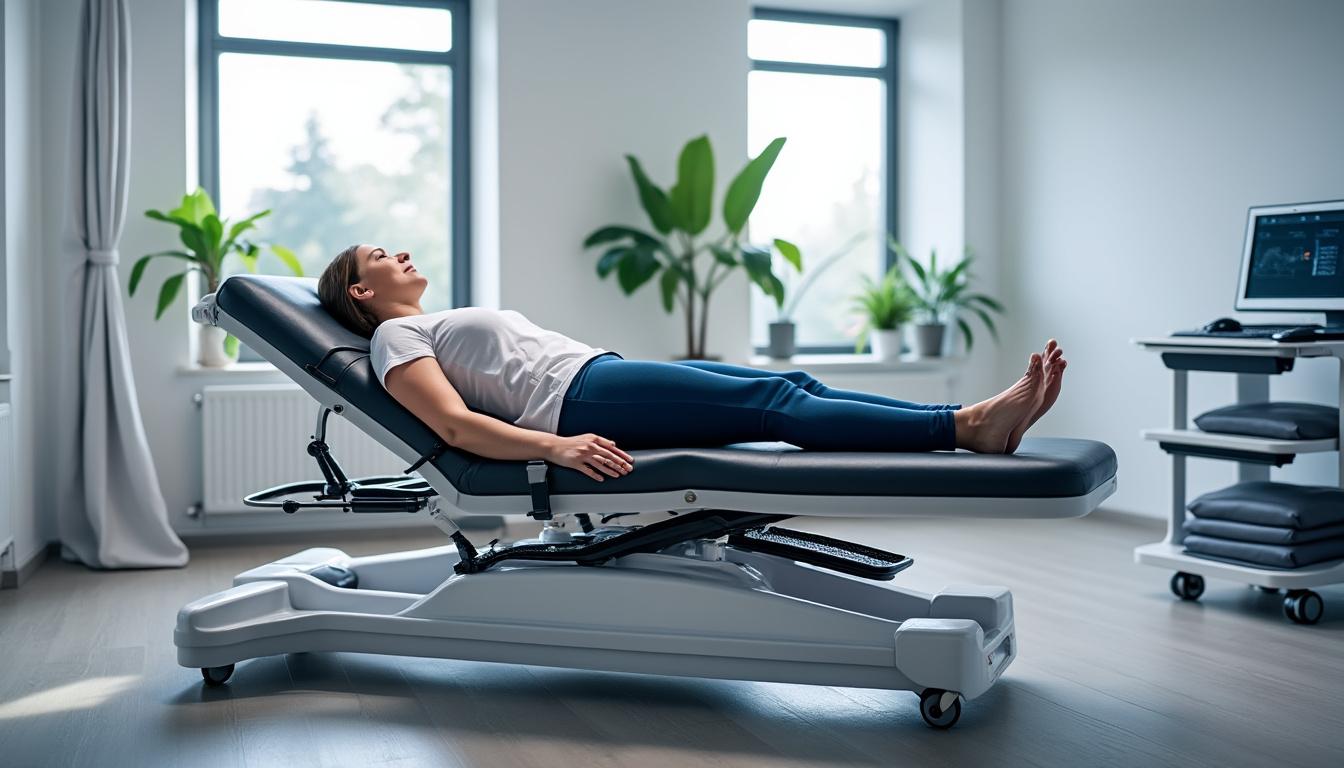
Radiculopathy results from irritation or compression of spinal nerve roots, producing pain, sensory changes, or motor deficits along the distribution of the affected nerve. Lumbar and cervical regions are most commonly involved, with cervical radiculopathy affecting the neck, shoulders, and arms, and lumbar radiculopathy impacting the lower back, buttocks, and legs.
The most frequent etiologies include herniated discs impinging on nerve roots, degenerative spinal narrowing (stenosis), bone spurs, and traumatic injuries. For example, a herniated disc at the L4-L5 level may compress the L5 nerve root, causing sciatica—a radiating leg pain pattern accompanied by numbness and weakness.
Key symptoms of radiculopathy often encompass:
- Sharp, shooting pain: Radiating from the spine into limbs.
- Muscle weakness: Difficulty in foot dorsiflexion or grip strength loss, corresponding to nerve involvement.
- Altered sensation: Numbness or tingling along specific dermatomes.
- Reflex changes: Absent or diminished deep tendon reflexes.
| Type of Radiculopathy | Common Sites | Predominant Symptoms |
|---|---|---|
| Cervical Radiculopathy | C5-C6, C6-C7 | Neck pain radiating to arm, hand numbness, deltoid/triceps weakness |
| Lumbar Radiculopathy | L4-L5, L5-S1 | Lower back pain radiating to leg, foot drop, sensory deficits |
| Thoracic Radiculopathy | T1-T12 (rare) | Chest or upper back radicular pain |
Early identification and precise evaluation are essential for optimal outcomes. Dr. Sylvain Desforges, with extensive osteopathic training, conducts detailed evaluations to discern the source of radicular symptoms, ensuring tailored therapeutic strategies focusing on nerve decompression and functional restoration.
Advanced Diagnostics in Spinal Disorders: Combining Clinical and Imaging Excellence
Accurate diagnosis of spinal stenosis and radiculopathy hinges on a multifaceted approach integrating clinical examination with advanced imaging and neurophysiological assessments. Dr. Desforges employs rigorous evaluation protocols consistent with Canadian regulations and ethical standards to deliver dependable assessments.
Clinical evaluation encompasses comprehensive history-taking to establish symptom chronology, severity, and impact on daily function, followed by neurological examination to detect motor, sensory, and reflex abnormalities. The examination identifies patterns consistent with nerve root involvement and informs imaging choices.
Imaging modalities used include:
- Magnetic Resonance Imaging (MRI): The gold standard for visualizing soft tissue, nerve root compression, and disc pathology.
- Computed Tomography (CT) Scan: Provides detailed bone structure imaging, essential for detecting osteophytes and bony stenosis.
- X-rays: Useful for assessing spinal alignment, instability, and degenerative changes.
Electrodiagnostic tests such as electromyography (EMG) and nerve conduction velocity studies supplement imaging by evaluating functional nerve integrity, differentiating chronic from acute nerve injury, and guiding prognosis.
| Diagnostic Tool | Purpose | Advantages |
|---|---|---|
| MRI | Soft tissue and nerve visualization | Non-invasive, high-resolution images, detects herniations and stenosis |
| CT Scan | Bone and joint detail | Excellent for bony abnormalities, faster imaging time |
| X-rays | Structural bone evaluation | Cost-effective, useful for dynamic flexion-extension views |
| EMG/Nerve Conduction | Functional nerve assessment | Differentiates nerve injury severity and location |
Such a thorough diagnostic workup ensures each patient’s unique spinal pathology is comprehensively understood before initiating any treatment plan, emphasizing personalized care.
Conservative Management Strategies for Disc Herniation and Stenosis
For many patients, non-surgical treatment options provide effective symptom relief and functional improvement. Dr. Desforges champions a holistic approach combining osteopathic manipulative treatment with evidence-based conservative therapies.
Core conservative strategies include:
- Physical Therapy: Focused on strengthening core and back muscles, improving flexibility, and reducing spinal load.
- Pharmacologic Pain Management: Using NSAIDs, acetaminophen, or short-term muscle relaxants to control pain and inflammation.
- Epidural Steroid Injections: Targeted corticosteroid delivery to decrease perineural inflammation, offering symptom relief especially in radiculopathy cases.
- Activity Modification: Avoiding aggravating movements like heavy lifting or prolonged standing.
- Education and Behavioral Strategies: Teaching correct posture and ergonomically safe practices to prevent symptom exacerbation.
| Conservative Treatment | Mechanism | Typical Outcome |
|---|---|---|
| Physical Therapy | Muscle strengthening, flexibility enhancement | Reduced pain, improved mobility |
| NSAIDs | Inflammation reduction | Short-term symptom relief |
| Epidural Steroid Injection | Local anti-inflammatory effect | Temporary radiculopathy relief |
| Activity Modification | Reduced mechanical stress | Symptom control |
Each patient’s treatment plan is tailored, reflecting their distinct clinical picture and preferences. The emphasis remains on conservative management as a first-line approach, reserving surgery for refractory or severe cases.
Innovations in Non-Surgical Spine Care: Neurovertebral Decompression and Beyond
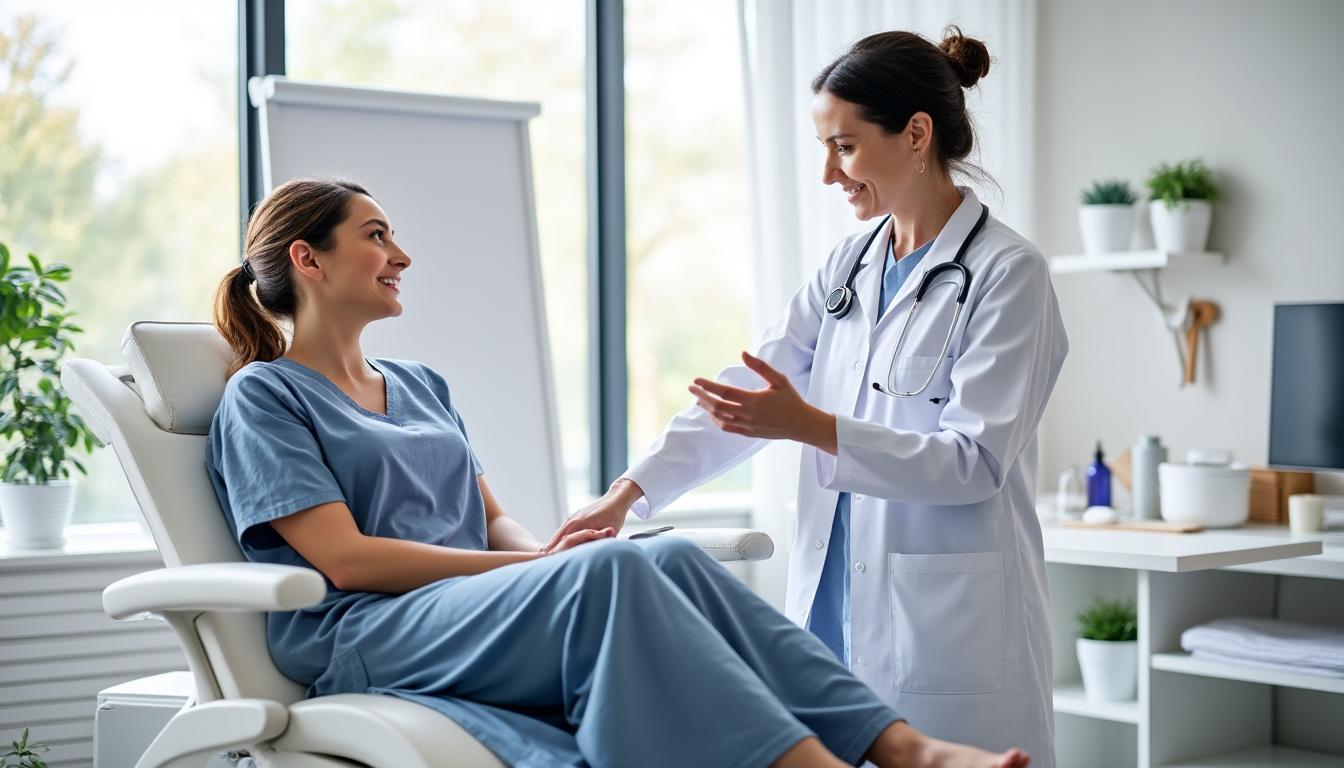
Modern technology has revolutionized the treatment landscape for spinal disorders. Among the most significant advances is neurovertebral decompression therapy, which employs specialized tables to gently stretch the spine. This process reduces intradiscal pressure, facilitating retraction of herniated disc material and relieving nerve root compression without invasive procedures.
Dr. Sylvain Desforges integrates neurovertebral decompression alongside other cutting-edge technologies including low-level laser therapy and dynamic spinal implants. This integration exemplifies a commitment to innovation combined with scientific rigor and patient safety.
The benefits include:
- Non-Invasive: Minimizes risks associated with surgery such as infection or anesthesia complications.
- Effective Symptom Relief: Patients often report decreased pain and improved function within a few treatment sessions.
- Enhanced Healing Environment: Promotes nutrient diffusion and cellular repair within spinal discs.
- Personalized Protocols: Treatments customized based on individual spinal pathology and response.
| Technology | Mechanism | Clinical Application |
|---|---|---|
| Neurovertebral Decompression | Spinal stretching reduces disc pressure | Herniated discs, lumbar stenosis |
| Low-Level Laser Therapy | Modulation of inflammation and pain | Chronic pain syndromes |
| Dynamic Spinal Implants (e.g., from Medtronic, NuVasive) | Spinal stabilization with maintained mobility | Moderate instability cases |
Continuous development by leading manufacturers such as Medtronic, Stryker, DePuy Synthes, Zimmer Biomet, and others ensures that patients benefit from the latest advancements incorporated into clinical practice under expert guidance.
When Surgery Becomes Necessary: Indications and Surgical Options
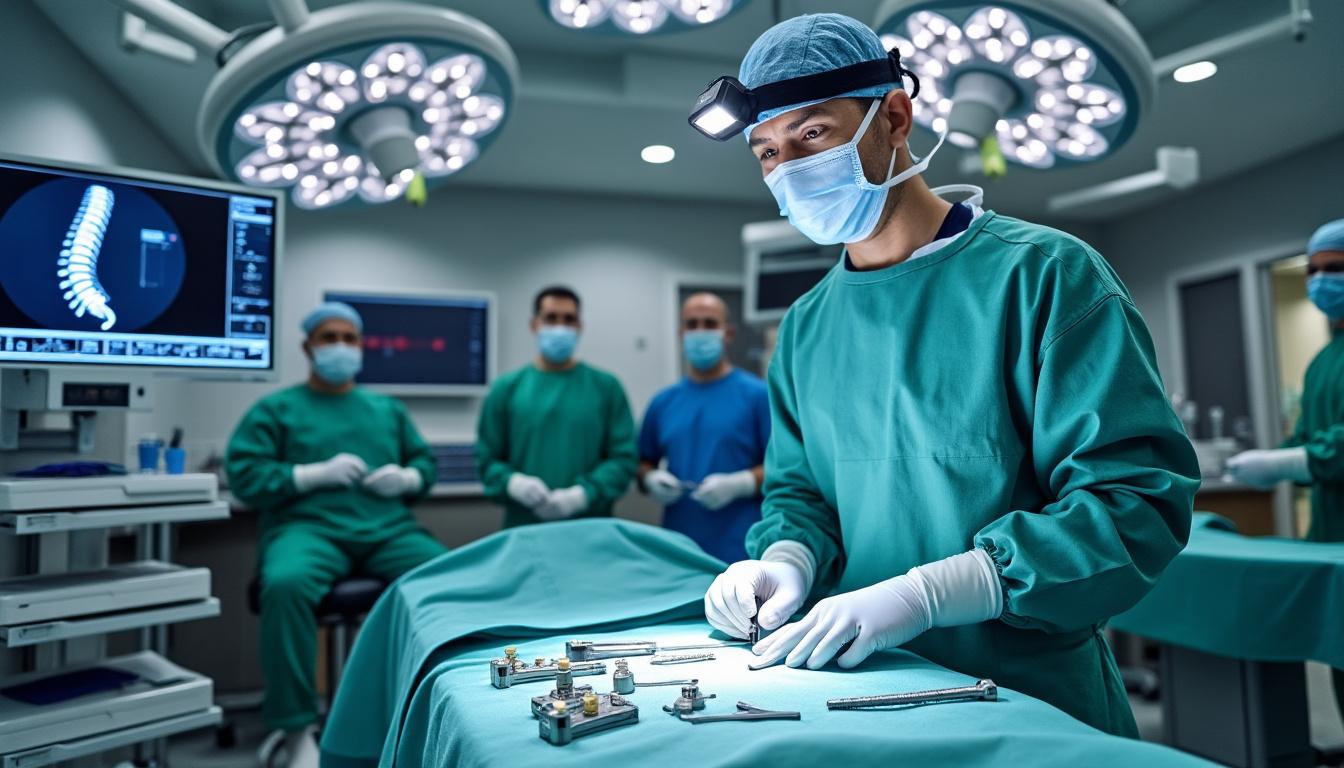
Despite the effectiveness of conservative and innovative non-surgical treatments, specific cases necessitate surgical intervention. Dr. Desforges advocates for thorough evaluation before surgery, ensuring it’s reserved for patients with persistent or worsening symptoms refractory to other treatments.
Common indications for spinal surgery include:
- Progressive Neurological Deficits: Worsening weakness, loss of bladder or bowel control.
- Intractable Pain: Severe symptoms unresponsive to conservative measures.
- Spinal Instability: Structural abnormalities threatening spinal integrity.
- Severe Disc Herniation or Stenosis: Causing significant nerve compression.
Available surgical techniques include:
| Surgical Procedure | Description | Typical Indications |
|---|---|---|
| Laminectomy | Removal of lamina to decompress nerve roots and spinal cord | Severe spinal stenosis with neurological compromise |
| Discectomy | Removal of herniated disc material compressing nerve roots | Herniated discs causing radiculopathy |
| Spinal Fusion | Stabilization of vertebrae by fusing adjacent segments | Spinal instability, spondylolisthesis |
| Dynamic Implant Placement | Insertion of devices allowing motion preservation (e.g., Alphatec Spine technologies) | Moderate instability needing motion preservation |
Manufacturers like Globus Medical, Smith & Nephew, and Orthofix provide state-of-the-art surgical implants and devices enhancing surgical outcomes and patient recovery trajectories.
Lifestyle and Preventive Measures to Protect Spinal Health
Prevention remains the cornerstone of spinal health, reducing the risk of onset or progression of stenosis and radiculopathy. Dr. Desforges emphasizes lifestyle modifications alongside medical interventions for sustainable well-being.
Key preventive actions include:
- Regular Low-Impact Exercise: Activities such as swimming, walking, and yoga to strengthen muscles and maintain flexibility.
- Maintaining Healthy Body Weight: Reduces mechanical stress on the spine.
- Ergonomic Practices: Proper posture in sitting, standing, and lifting to minimize spinal strain.
- Smoking Cessation: Smoking negatively impacts disc nutrition and healing capacity.
- Balanced Nutrition: Adequate calcium and vitamin D intake promotes bone strength.
| Preventive Strategy | Benefit | Recommended Frequency |
|---|---|---|
| Exercise | Increases spinal support, flexibility | At least 150 minutes/week |
| Healthy Weight Management | Decreases spine load | Ongoing |
| Ergonomic Adjustments | Reduces mechanical stress | Daily |
| Smoking Cessation | Enhances disc and bone health | Immediate and sustained |
| Nutrition | Maintains bone density | Daily |
Consistent application of these measures supports longer-term spine function and complements therapeutic interventions.
Rehabilitation and Recovery: Optimizing Outcomes Post-Treatment
The recovery phase following the management of spinal stenosis or radiculopathy, whether treated conservatively or surgically, demands a structured rehabilitation plan. It maximizes functional restoration, reduces recurrence, and supports patients’ return to daily activities.
Rehabilitation components often include:
- Physical Therapy: Tailored exercises emphasizing flexibility, strength, and posture correction.
- Neuromuscular Reeducation: Restores coordination and balance.
- Patient Education: Provides knowledge of spinal health maintenance and symptom monitoring.
- Pain Management: Utilizes non-pharmacologic techniques and gradual activity resumption.
| Rehabilitation Component | Objective | Typical Duration |
|---|---|---|
| Physical Therapy | Strengthen muscles, improve mobility | 6-12 weeks |
| Neuromuscular Training | Enhance balance and coordination | Variable based on patient progress |
| Education | Prevent relapse, improve compliance | Ongoing |
| Pain Management | Reduce discomfort during recovery | First 3 months post-treatment |
Dr. Desforges ensures patients receive personalized rehabilitation protocols that respect individual capacities, optimizing recovery speed and effectiveness.
{“@context”:”https://schema.org”,”@type”:”FAQPage”,”mainEntity”:[{“@type”:”Question”,”name”:”What differentiates spinal stenosis from radiculopathy?”,”acceptedAnswer”:{“@type”:”Answer”,”text”:”Spinal stenosis is the narrowing of spaces within the spine causing nerve compression, while radiculopathy is the clinical syndrome resulting from nerve root irritation, characterized by pain, numbness, or weakness in the nerve’s distribution.”}},{“@type”:”Question”,”name”:”Can these spinal conditions be managed without surgery?”,”acceptedAnswer”:{“@type”:”Answer”,”text”:”Yes. Many patients experience symptom relief through conservative treatments like physical therapy, medication, epidural injections, and neurovertebral decompression therapy. Surgery is typically reserved for severe or unresolved cases.”}},{“@type”:”Question”,”name”:”How should I choose a treatment approach?”,”acceptedAnswer”:{“@type”:”Answer”,”text”:”Treatment strategies should be personalized based on symptom severity, diagnostic findings, and patient preferences. Expert evaluation by professionals like Dr. Sylvain Desforges ensures precise assessment and tailored planning.”}},{“@type”:”Question”,”name”:”What are the risks of spinal surgery?”,”acceptedAnswer”:{“@type”:”Answer”,”text”:”While spinal surgery can be effective, it carries inherent risks including infection, nerve injury, and longer recovery times. Minimally invasive and new dynamic implant technologies have helped reduce complications.”}},{“@type”:”Question”,”name”:”Is it necessary to follow a rehabilitation plan post-treatment?”,”acceptedAnswer”:{“@type”:”Answer”,”text”:”Yes. Rehabilitation is critical for optimizing outcomes, restoring function, and preventing recurrence. It includes physical therapy, education, and often pain management techniques.”}}]}What differentiates spinal stenosis from radiculopathy?
Spinal stenosis is the narrowing of spaces within the spine causing nerve compression, while radiculopathy is the clinical syndrome resulting from nerve root irritation, characterized by pain, numbness, or weakness in the nerve’s distribution.
Can these spinal conditions be managed without surgery?
Yes. Many patients experience symptom relief through conservative treatments like physical therapy, medication, epidural injections, and neurovertebral decompression therapy. Surgery is typically reserved for severe or unresolved cases.
How should I choose a treatment approach?
Treatment strategies should be personalized based on symptom severity, diagnostic findings, and patient preferences. Expert evaluation by professionals like Dr. Sylvain Desforges ensures precise assessment and tailored planning.
What are the risks of spinal surgery?
While spinal surgery can be effective, it carries inherent risks including infection, nerve injury, and longer recovery times. Minimally invasive and new dynamic implant technologies have helped reduce complications.
Is it necessary to follow a rehabilitation plan post-treatment?
Yes. Rehabilitation is critical for optimizing outcomes, restoring function, and preventing recurrence. It includes physical therapy, education, and often pain management techniques.