

Motion Surgery in Terrebonne: Safeguarding Your Spine Health
June 14, 2026
Effective Preparation Strategies for rTMS Integration Following Surgery
June 14, 2026
Deciding between conservative treatments and surgery for spinal conditions is a complex process influenced by medical insights, patient experiences, and treatment options. As patients face chronic pain and mobility challenges, many seek personalized approaches that best suit their individual health needs and recovery goals. The debate around non-surgical remedies versus surgical outcomes has grown more nuanced, reflecting advancements in both conservative care and surgical technologies. Through an organized exploration of real-world personal stories and insights from healthcare professionals, this analysis sheds light on how choices between conservative and surgical pathways impact quality of life, healthcare decisions, and overall recovery experiences.
In regions like Quebec, where access to cutting-edge surgical solutions may necessitate international collaboration, patients encounter innovative treatment frameworks balancing initial conservative management with advanced surgical techniques. The evolving landscape integrates novel technologies such as robot-assisted neurovertebral decompression and motion-preserving spinal implants, aiming to reduce invasive procedures while optimizing patient function. This narrative invites contemplation of key factors, including treatment duration, potential risks, and personalized follow-ups that inform the decision-making process and long-term outcomes.
Understanding Conservative Treatments for Spinal Disorders: Techniques and Patient Perspectives
Conservative treatments serve as the foundational approach in spinal care, focusing on symptom management, functional restoration, and the avoidance of surgery whenever possible. They encompass a range of non-invasive interventions designed to address inflammation, pain, and mechanical stress on the spine. Typical modalities include physiotherapy, pharmacologic therapies such as anti-inflammatory infiltrations, and innovative techniques like robot-assisted neurovertebral decompression.
Physiotherapy under expert supervision aims at improving muscle strength, enhancing posture, and optimizing spinal biomechanics. Tailored exercise regimens meticulously consider patient-specific profiles, adapting to the severity of symptoms and functional impairments. For instance, lumbar stabilization exercises can alleviate compressive forces contributing to chronic low back pain, as highlighted by patients who have documented significant improvement after consistent sessions.
Infiltration therapies, commonly corticosteroid injections, reduce localized inflammation and provide temporary pain relief. Their use often complements physiotherapeutic interventions, benefiting patients with radicular symptoms by decreasing nerve root irritation. However, the transient nature of relief and potential steroid-related side effects necessitate thoughtful application within a comprehensive treatment plan.
A notable advancement in conservative care is the introduction of robot-assisted neurovertebral decompression techniques. Exclusive to specialized centers like Clinique TAGMED, this method utilizes precise computerized applications of targeted spinal traction, effectively reducing pressure on intervertebral discs and nerve roots. Patients report marked pain reduction and enhanced mobility without exposure to surgical risks. The biomechanical advantages of this high-precision method represent a promising development, especially valuable for patients seeking alternatives to invasive surgeries.
Evaluating patient experiences reveals an overwhelming preference for pursuing conservative therapies initially. Testimonials emphasize the importance of a dedicated phase spanning at least three to six months before exploring surgical options. Such a timeline allows for observation of treatment effectiveness and natural tissue healing. However, the persistence of disabling pain or progressive neurological deficits typically signals the need for reconsideration of the therapeutic strategy.
The synergy of multidisciplinary conservative approaches exemplifies patient-centered care, integrating physical rehabilitation, pain management, and patient education. This comprehensive framework encourages active patient participation in healthcare decisions, fostering confidence and adherence to recovery plans. Many patients sharing their personal stories online, such as in specialized forums, highlight improved outcomes and satisfaction when given the opportunity to try extensive conservative treatments prior to surgical intervention.
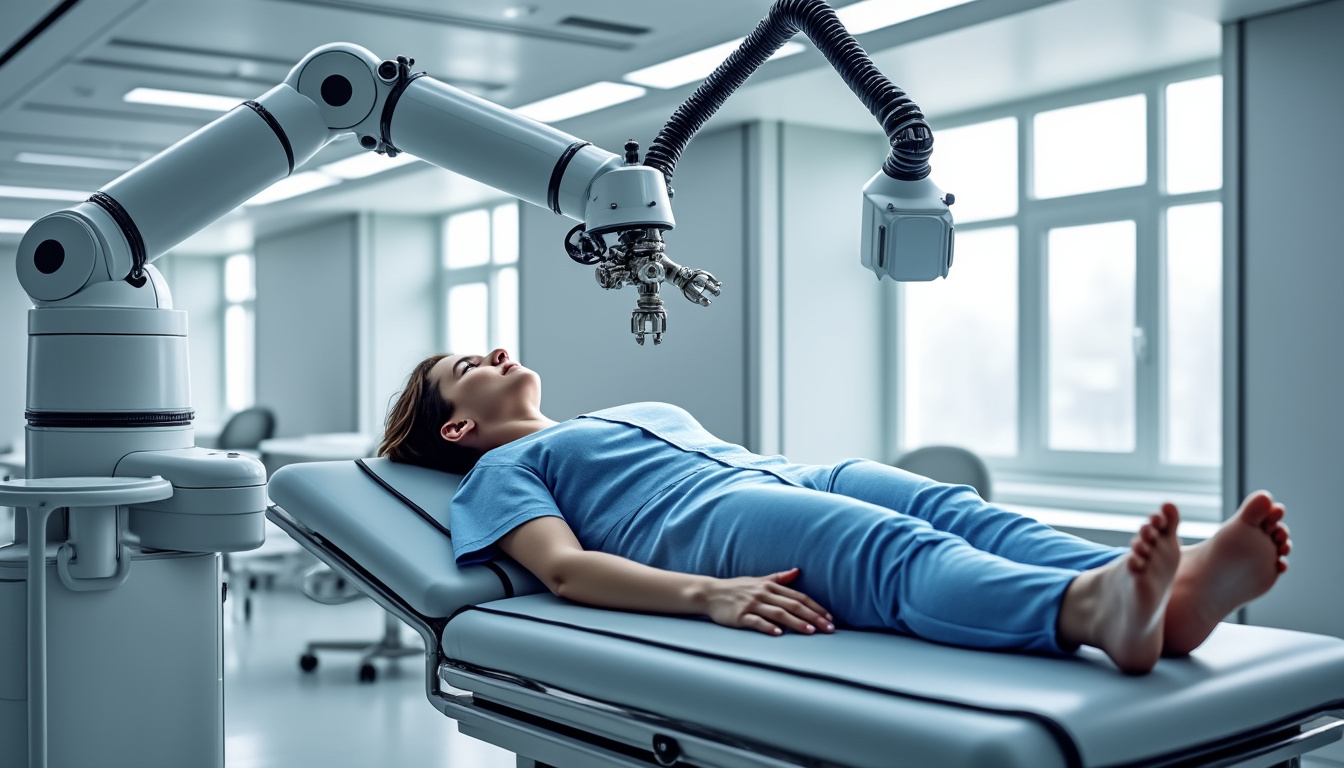

Understanding Sciatic Pain: Key Symptoms and When to Seek Medical Advice
Sciatic pain is a prevalent condition impacting a wide demographic, manifesting primarily as intense pain radiating from the lower back down the leg. This pain stems from irritation or compression of the sciatic nerve, a major nerve extending through the…
Modern Surgical Techniques for Spinal Conditions: Innovations and Patient Outcomes
When conservative measures fail to provide sufficient relief or when structural spinal instability is detected, surgery becomes a warranted consideration. Advancements in spinal surgery, particularly in specialized centers across France, offer minimally invasive and motion-preserving options, reflecting trends towards reduced morbidity and enhanced postoperative quality of life.
Surgical interventions range from simple decompression to complex fusion and implant placement. Simple decompression surgeries aim to alleviate nerve root pressure by removing osteophytes or thickened ligaments. This approach is less aggressive, carrying shortened recovery times suitable for patients without significant mobility concerns.
Traditional spinal fusion involves immobilizing affected vertebral segments to suppress painful motion. Although effective in reducing mechanical pain, it often results in restricted segmental mobility, potentially increasing stress on adjacent segments. To address this, motion-preserving implants such as TOPS and Intraspine have been developed. These systems maintain segmental flexibility while securing spinal stability, which may reduce the risk of adjacent segment degeneration and improve long-term function.
Mini-invasive and endoscopic spine surgeries represent a revolutionary shift, utilizing small incisions and specialized instruments to minimize tissue trauma. These techniques enhance recovery experiences by limiting hospital stays, reducing postoperative pain, and lowering complication rates. Endoscopic discectomy, for example, enables precise removal of herniated disc material with minimal collateral damage.
Disc replacement prostheses add another dimension to surgical options, preserving the motion of diseased discs. Particularly beneficial for younger, active patients, these implants attempt to sustain natural spinal kinematics, yielding favorable postoperative quality of life.
However, surgery carries inherent risks, including neurological complications reported in varying frequencies. Continuous advancements in operative techniques, robotic navigation systems, and preoperative planning aim to mitigate these risks. The collaboration with organizations and courses like IRCAD Strasbourg and the SFCR ensures surgeons remain proficient in the latest modalities. Moreover, logistical coordination by dedicated medical tourism agencies facilitates patients’ access to specialized surgical care abroad, especially for regions facing long surgical wait times.
The following table summarizes key surgical techniques highlighting their indications, advantages, and limitations:
| Technique | Primary Objective | Advantages | Limitations |
|---|---|---|---|
| Simple Decompression | Relieve nerve root compression | Minimally invasive, rapid recovery | May be insufficient for complex cases |
| Spinal Fusion | Stabilize painful spinal segments | Established technique, effective | Loss of segmental mobility, adjacent segment stress |
| Motion-Preserving Implants (TOPS, Intraspine) | Maintain spinal mobility with stability | Reduces adjacent segment degeneration | High cost, limited availability |
| Mini-Invasive & Endoscopic Surgery | Reduce operative trauma and complications | Accelerated recovery, reduced pain | Requires specialized expertise |
| Disc Prostheses | Preserve disc mobility | Enhances postoperative quality of life | Not suitable for all patient profiles |
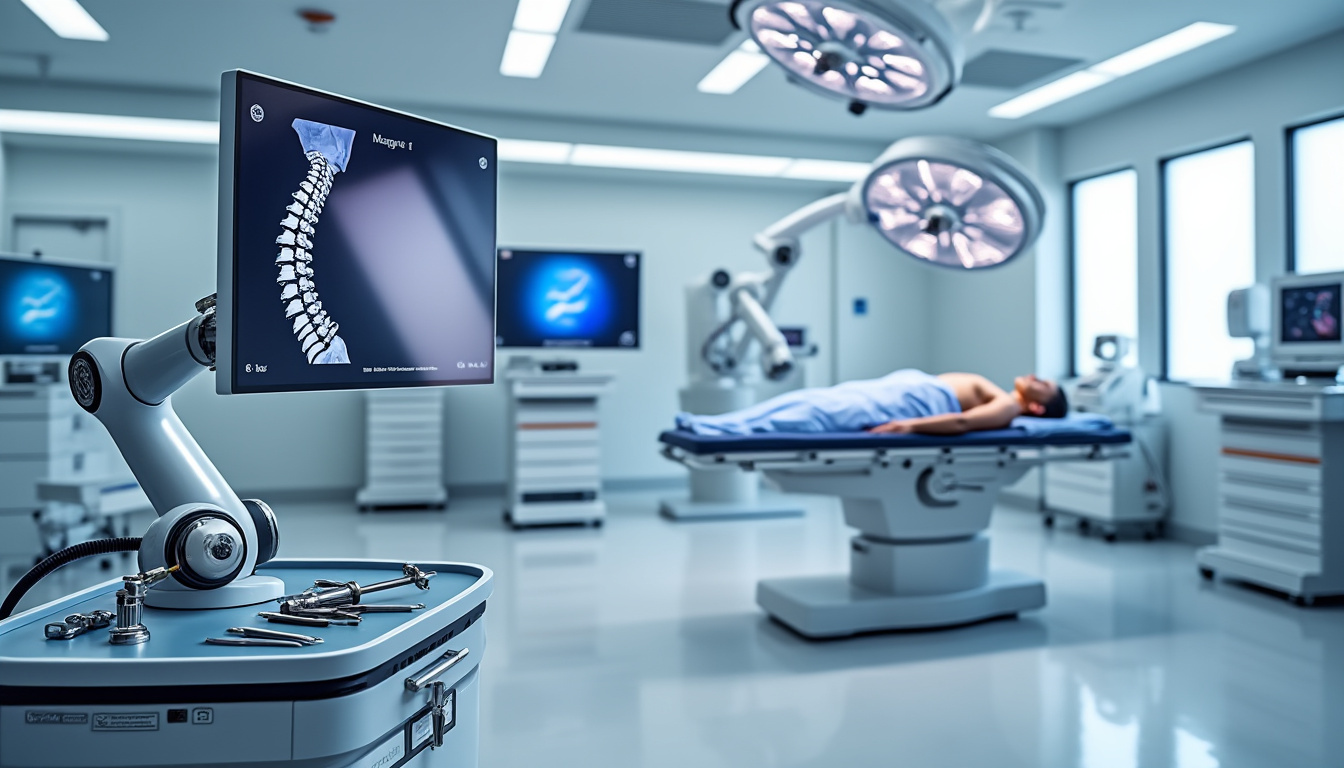

The Stepwise Role of Functional Recovery in Achieving Successful Outcomes
The journey to full recovery following spinal surgery is often complex and multifaceted, demanding a meticulously structured approach to ensure optimal functional outcomes. In recent years, the concept of functional recovery through a stepwise approach has garnered significant attention in…
Personal Stories Highlighting Choices Between Conservative Treatments and Surgery
Individual patient stories provide invaluable insights that bridge medical theory and lived reality. Many patients narrate journeys that began with non-surgical remedies—physiotherapy, medication, and targeted interventions like neurovertebral decompression—which in some cases resulted in sustained pain relief and functional restoration. These success narratives underscore the importance of a rigorous conservative phase and informed patient engagement.
Conversely, other personal accounts describe scenarios in which prolonged conservative management was insufficient, culminating in surgery. Patients often report substantial improvement following surgical intervention, especially when neurological symptoms or structural instability posed risks to daily function. Recovery experiences frequently emphasize the significance of specialized postoperative follow-up and rehabilitation in maximizing surgical outcomes.
Common themes emerging from these stories include the emotional impact of chronic pain, the anxiety surrounding surgical decisions, and the transformative role of thorough, transparent medical guidance. Forums where patients discuss their routes—such as those on Reddit—reveal a spectrum of opinions and practical advice on daily routines and adherence strategies during conservative care phases. They also highlight the psychological comfort drawn from knowing all options and side effects are comprehensively communicated.
The dynamic interplay between patient preferences, medical insights, and evolving treatment technologies illustrates the necessity of shared decision-making. Evidence-based discussions, combined with empathetic consideration of individual lifestyles and goals, enhance healthcare decisions’ quality and satisfaction.

Transatlantic Patient Journey: Insights into Indications, Benefits, and Challenges
The emergence of the Transatlantic Patient Journey as a strategic model within healthcare continues to capture attention for its innovative potential, especially in specialized fields such as spinal surgery. This cross-border care pathway integrates rigorous medical evaluation from Quebec with…
The Role of Robotic and Technological Advances in Shaping Treatment Options
Technology-driven innovations have dramatically reshaped both conservative and surgical management of spinal disorders. Robotic-assisted procedures provide unparalleled precision in interventions like neurovertebral decompression, enhancing effectiveness and reducing operator variability. Such technologies enable tailored traction forces that suit specific spinal regions—cervical or lumbar—minimizing nerve pressure without invasive incisions.
In parallel, surgical robotics facilitate minimally invasive spine surgeries with real-time 3D imaging and computer-assisted navigation. These capabilities increase safety margins, shorten procedure duration, and support complex implant placements, improving outcomes. The integration of robotics in spine surgery reflects a global trend toward high-precision, patient-specific care driven by data and technology.
Moreover, biomechanical implants designed to preserve motion provide an engineering solution to complications associated with traditional fusion. They act as shock absorbers, maintaining functional dynamics and reducing degenerative progression in adjacent spinal segments.
Healthcare teams now collaborate internationally to integrate these technologies in patient care pathways. For instance, partnerships enable access to advanced techniques in countries like France, while patients may begin conservative treatments locally. This transatlantic model optimizes waiting times, cost efficiency, and clinical outcomes while promoting patient-centered recovery experiences.
As robotic systems receive regulatory approvals and enter mainstream clinical use, ongoing training and certification, such as diplomas offered by institutions like SFCR and educational courses hosted by EuroSpine, ensure surgeons remain adept at employing these technologies proficiently.
Conservative Treatments vs Surgery: Personal Stories and Insights from Real Experiences
| Advantages ▲▼ | Conservative Treatments ▲▼ | Surgery ▲▼ |
|---|
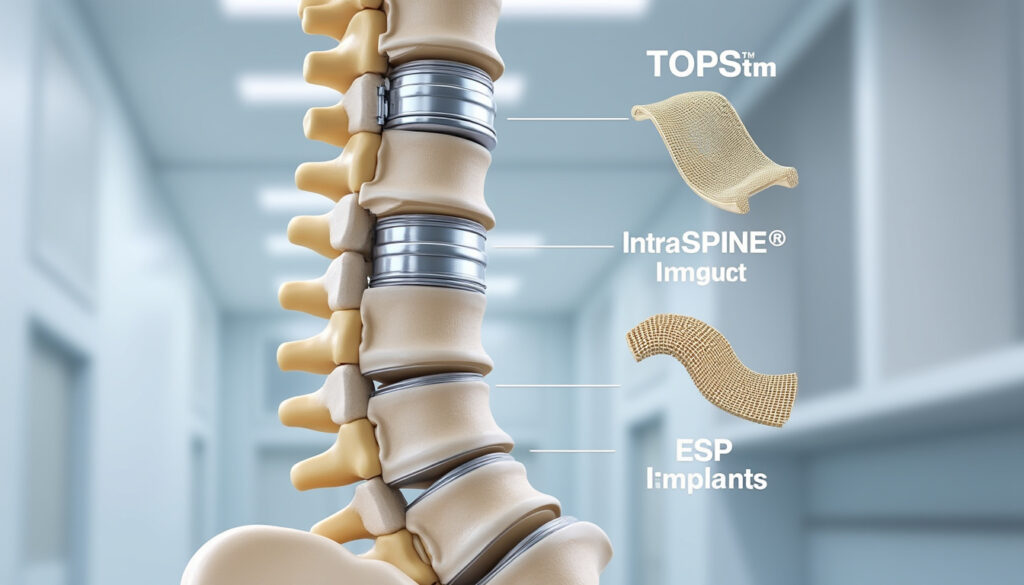
The evolving field of spinal surgery is witnessing a transformative shift, fueled by cutting-edge implant technologies such as TOPS, Intraspine, and ESP. These innovative implants redefine treatment possibilities by emphasizing preservation of natural spinal mechanics, while ensuring durable stabilization and…
Factors Influencing Healthcare Decisions: Patient Preferences and Clinical Recommendations
Healthcare decisions surrounding spinal disorders demand consideration beyond clinical indicators. Patient values, lifestyles, occupational demands, and psychological readiness significantly influence treatment choice. Some individuals prioritize avoiding surgery due to personal or cultural beliefs, while others seek expedited functional restoration through operative means.
Medical professionals advocate thorough evaluations, recognizing that most spine issues respond to initial conservative strategies. The recommendation to maintain a conservative treatment phase spanning three to six months stems from substantial evidence indicating the potential for spontaneous improvement and response to non-surgical care. This period also allows for clear identification of cases where surgery becomes indispensable, particularly when nerve compression worsens or neurological impairments emerge.
Transparent communication about risks, benefits, alternatives, and expected outcomes is crucial to informed consent and patient empowerment. Shared decision-making models, featuring collaborative discussions between clinicians and patients, promote trust and optimize adherence. For example, a patient dealing with a herniated disc might initially attempt physical therapy before considering lumbar discectomy if symptoms persist, exemplifying a stepwise approach.
Awareness of innovations such as robotic decompression and motion-preserving implants contributes to a more nuanced understanding of available options. Patients can also access educational courses, workshops, and peer support groups to enhance their comprehension and resolve uncertainties, thereby enriching healthcare decisions.

- Importance of individualized treatment plans tailored to patient history and symptoms
- Need for multidisciplinary teams for comprehensive assessment and management
- Consideration of non-surgical remedies and their potential before surgery
- Detailed explanation of surgical risks and benefits to prepare patients psychologically
- Supportive post-treatment rehabilitation for both conservative and surgical pathways

Preparing for Surgery in France: Key Indications, Benefits, and Limitations
In an evolving global healthcare landscape, France emerges as a beacon of advanced surgical expertise, particularly attracting international patients seeking expedited and innovative medical interventions. Patients from regions experiencing long wait times, such as Quebec, increasingly view France as an…
Recovery Experiences: Contrasting Outcomes Between Conservative and Surgical Approaches
Recovery trajectories for spinal conditions vary significantly between conservative treatment recipients and surgical patients. Conservative approaches typically involve gradual improvements over weeks or months, dependent on patient compliance, therapy intensity, and individual biological healing. Physical therapy routines focusing on muscle strengthening and posture correction are cornerstones of recovery, ensuring sustainable relief and mobility enhancement.
Conversely, surgical recovery often entails an initial acute phase with pain, limited mobility, and potential complications, followed by rehabilitation efforts aimed at restoring function. Patients undergoing motion-preserving implant procedures frequently report quicker resumption of activities compared to traditional fusion recipients, yet all surgical options require diligent adherence to postoperative guidelines.
Patient feedback collected during follow-ups consistently emphasizes the value of personalized care plans, comprehensive physiotherapy, and psychological support to facilitate both physical and mental recuperation. Those benefiting from innovative conservative technologies like robot-assisted decompression often describe avoidance or delay of surgery and sustained symptom relief. Meanwhile, surgical patients highlight marked improvements in neurological function and pain reduction, particularly when preoperative counseling and postoperative follow-up are meticulous.
Understanding these recovery nuances helps patients set realistic expectations and prepares them for the commitment needed, regardless of the treatment path chosen.

Unveiling the Hidden Benefits of Quality and Certification in Devices
The landscape of device manufacturing and clinical application in 2026 has been fundamentally shaped by the rigorous interplay between quality management and certification processes. Within this complex framework, the hidden benefits of adhering to international standards and obtaining relevant certifications…
Global Perspectives and Cross-Border Collaborations Enhancing Spine Care Quality
International cooperation in spinal care exemplifies the potential to integrate best practices from diverse healthcare systems, leveraging technological and clinical advancements to improve patient outcomes globally. Notably, transatlantic partnerships enable patients from Canada to access surgical innovations in France, combining local conservative care with advanced operative solutions unavailable domestically.
This framework addresses challenges such as local surgical wait times and high costs, providing streamlined travel, accommodation, and treatment coordination managed by specialized agencies and healthcare teams. The comprehensive nature of this approach enhances patient confidence and contributes to superior clinical results.
Such collaborations also foster professional exchange programs, continuous education, and research initiatives that propel the evolution of spine care standards worldwide. Patients benefit not only from state-of-the-art treatments but also from holistic support surrounding their medical journey.

Why Experts Advocate for Comprehensive Preoperative Evaluations
In the complex and demanding field of spinal surgery, the emphasis on comprehensive preoperative evaluations has become a fundamental pillar supporting successful surgical outcomes. These evaluations, far beyond mere routine checks, integrate detailed analyses of patient health, surgical risk assessments,…
Ethical Considerations and Patient Education in Choosing Between Conservative Management and Surgery
Ethical practice in spinal care prioritizes patient safety, informed consent, and the prudent use of medical resources. Emphasizing a conservative treatment period before surgery aligns with principles discouraging unnecessary invasive interventions. This approach aligns with regulatory frameworks in Quebec and Canada, reinforcing the importance of patient-centered care founded on evidence-based medicine.
Effective patient education plays a pivotal role, equipping individuals to comprehend the benefits, risks, and realistic expectations associated with both treatment pathways. By fostering transparency and dialogue, clinicians empower patients to become active participants in their healthcare, potentially improving satisfaction and outcomes.
Moreover, respecting patient autonomy requires clinicians to provide a balanced presentation of options, while also recognizing when surgery is clinically indicated to prevent irreversible functional decline. This ethical balance contributes to preserving quality of life and minimizing potential complications linked to premature or unnecessary surgery.
Continuous professional development through specialized diplomas and certifications, such as those offered by the Société Française de Chirurgie Rachidienne, reinforces the ethical and technical proficiency of surgeons engaged in spine care.
What are the main advantages of conservative treatments for spine issues?
Conservative treatments offer low-risk, non-invasive options like physiotherapy and targeted therapies that reduce pain and improve function without surgical complications. They are often effective during an initial 3 to 6 month period and encourage active patient involvement in recovery.
When should surgery be considered over conservative care for spinal conditions?
Surgery is typically considered when conservative treatments fail after several months, especially if severe pain persists, neurological deficits appear, or structural instability compromises spinal function. Surgical options vary in invasiveness and are chosen based on individual pathology and patient needs.
How do robotic technologies improve spine treatment outcomes?
Robotic assistance enhances the precision of both conservative and surgical procedures by enabling targeted interventions with minimal trauma. This results in reduced pain, fewer complications, and quicker recovery, reflecting a significant advancement in patient care.
What role does patient education play in healthcare decisions for spinal treatment?
Patient education ensures individuals understand treatment options, risks, and benefits, facilitating informed consent and empowering them to participate actively in their care. It improves adherence to treatment plans and satisfaction with outcomes.
Can conservative treatments completely avoid the need for surgery?
In many cases, comprehensive conservative management can significantly reduce symptoms and delay or negate the need for surgery. However, some patients with advanced spinal pathologies may ultimately require surgical intervention for lasting relief and functional improvement.
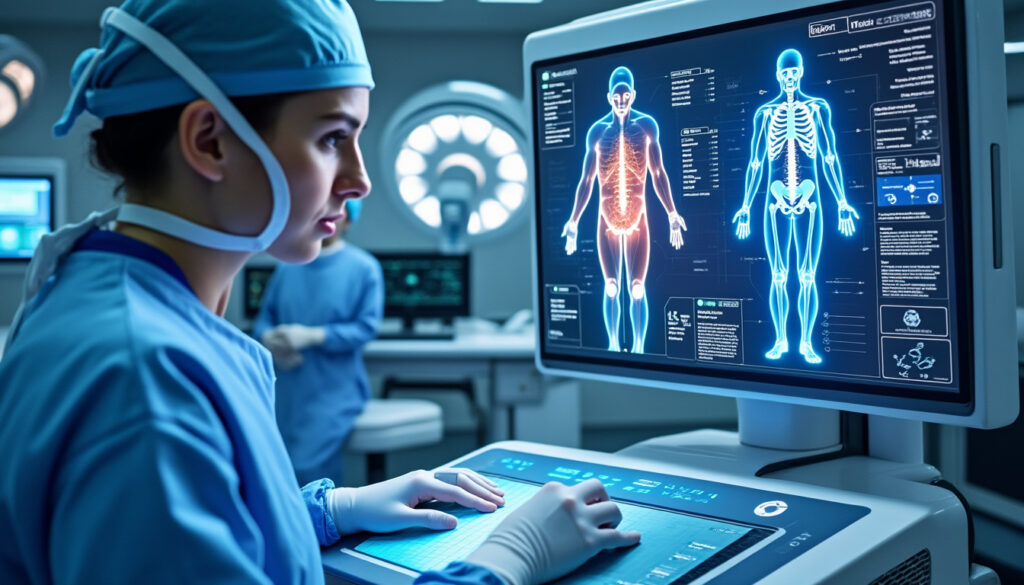
The Future of Surgery Lies in Stepwise Functional Recovery
The evolution of surgical care in 2026 reveals a compelling shift toward approaches that prioritize the holistic recovery of patients, moving beyond traditional metrics like length of hospital stay or mortality rates. This modern paradigm highlights the principle that the…