

Spinal decompression therapy has emerged as a pivotal innovation in the treatment of back and neck pain, offering non-invasive relief for patients with herniated discs and nerve compression conditions. At the forefront of this advancement stands Dr. Sylvain Desforges, an osteopath with over 30 years of clinical experience, whose expertise uniquely bridges scientific rigor with compassionate, patient-centered care. Decompression tables, with their sophisticated targeting capabilities, play a vital role in precision spinal care by enabling focused treatment on specific vertebral segments, enhancing therapeutic outcomes.
As healthcare evolves, so do the technologies that support spinal health, incorporating digital command centers and multi-axis adjustments to precisely align and decompress affected spine regions. This nuanced approach to targeting is essential not only for patient comfort but for maximizing the effectiveness of treatment and reducing symptoms such as numbness, weakness, and chronic pain. With innovations in dynamic spinal implants, laser therapy, and osteopathic evaluation methods, experts like Dr. Desforges are charting new pathways in spinal care that harmonize advanced technology with ethical, evidence-based methods.
The Science Behind Decompression Tables & Precision Targeting in Spinal Care
Decompression tables are designed to stretch the spine carefully, aiming to unlock compressed spinal nerves by reducing pressure on intervertebral discs. The principle is simple yet highly effective: by creating a negative pressure within the disc, herniated or bulging material can be gently pulled back into place, allowing nerves to regain their space and function. However, the true innovation lies in the precision targeting mechanisms integrated into advanced decompression tables.
Modern decompression units, such as the DOC Decompression Table, utilize state-of-the-art digital command centers allowing practitioners to manipulate axial rotation, lateral flexion, and elevation angles. This multi-axis functionality enables the delivery of customized treatment tailored to the patient’s unique spinal anatomy and the location of their specific nerve compression.
Such targeting capabilities make it possible to:
- Focus decompression forces on specific vertebrae rather than applying a generalized stretch.
- Adjust treatment in real-time in response to patient feedback and clinical observation.
- Enhance treatment safety by minimizing undue stress on unaffected spinal segments.
This level of customization is essential because spinal disorders rarely affect the spine uniformly. For example, a patient with a herniated disc at L4-L5 will benefit greatly from targeted decompression focusing on those vertebrae, whereas generalized traction might not effectively relieve nerve impingement.
Dr. Sylvain Desforges has extensively incorporated these precise targeting decompression tables within TAGMED clinics, emphasizing their integration with osteopathic evaluations to create a comprehensive treatment plan. His approach underscores that spinal care must balance high-tech equipment with expert clinical insight to ensure optimal patient outcomes.
| Feature | Benefit | Clinical Impact |
|---|---|---|
| Digital Command Center | Real-time control of vertebral targeting | Enhanced precision reduces treatment risk and boosts effectiveness |
| Multi-Axis Adjustment (Axial Rotation & Lateral Flexion) | Customizes decompression angles for specific spinal segments | Improved symptom relief tailored to patient pathology |
| Full Lumbar Harness Support | Accommodates patients of all body sizes | Ensures consistent treatment quality for diverse patients |
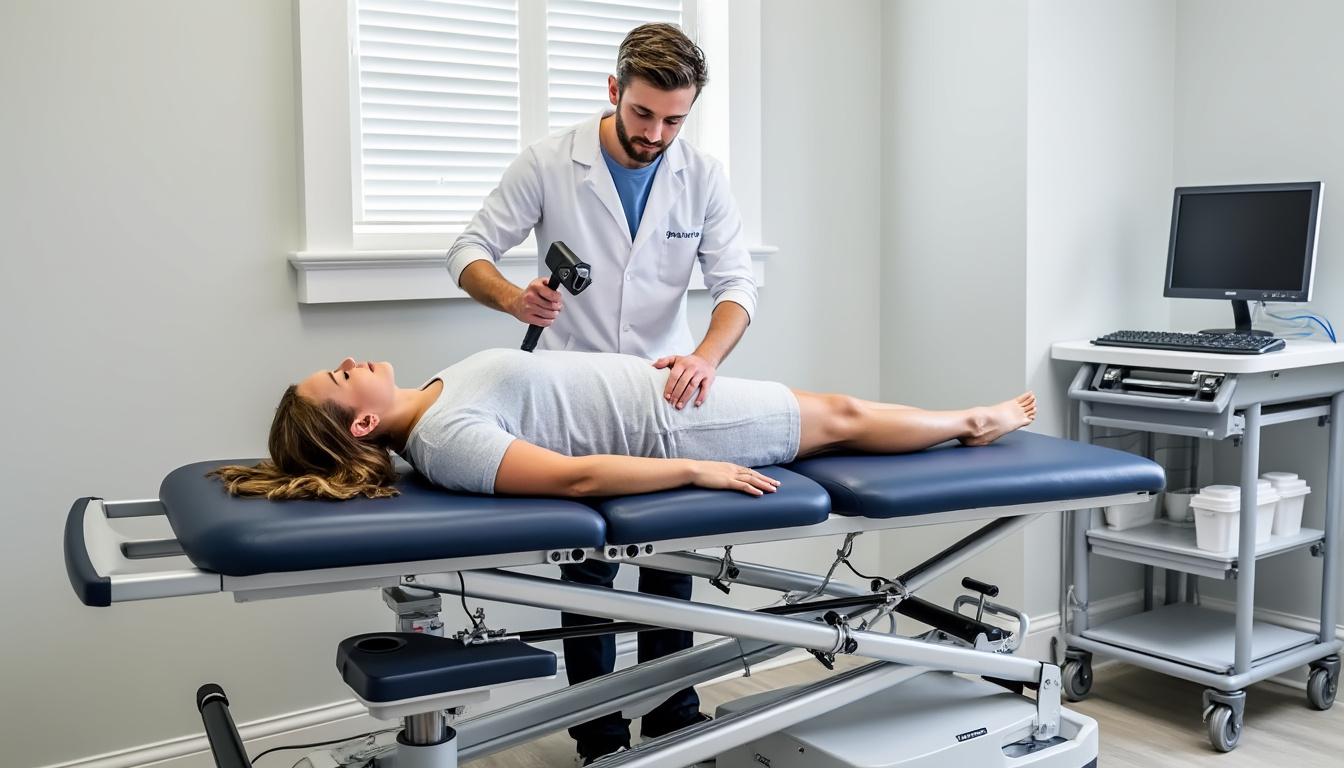
Dr. Sylvain Desforges: Pioneering Expertise in Precision Spinal Decompression Care
With credentials including a Bachelor of Science (B.Sc.), Doctor of Osteopathy (D.O.), and Naturopathic Doctor (N.D.) degree, Dr. Sylvain Desforges brings unparalleled clinical insight to spinal care. Throughout his 30+ year career, he has championed an approach that integrates advanced technology with patient-centered strategies, reflecting a deep commitment to ethical, evidence-based practice adhering strictly to Quebec and Canadian regulations, including guidelines from the Collège des médecins du Québec.
Dr. Desforges is the founder and president of key institutions such as the Alliance Canadienne de Médecine Alternative (ACMA), the Canadian College of Osteopaths, and TAGMED Clinics. These organizations exemplify his dedication to promoting innovation, interdisciplinary collaboration, and advancing conservative treatment options that prioritize patient safety and long-term health.
He emphasizes that spinal decompression should never be a one-size-fits-all protocol. Instead, every patient warrants a personalized evaluation to identify the precise spinal level and pathophysiological changes contributing to their pain. This philosophy is pivotal when selecting decompression settings, treatment duration, and complementary osteopathic techniques.
- Conducts comprehensive spinal evaluations focusing on biomechanical and neurological assessment.
- Tailors decompression protocols based on individual anatomy and pathology.
- Integrates dynamic spinal implants and laser therapy where indicated for enhanced regeneration and pain control.
- Leads multidisciplinary teams to ensure holistic patient support throughout recovery.
Dr. Desforges’ extensive experience is a testament to his belief that precision in spinal care must coalesce with compassion and patient education. He actively encourages patients to understand their condition, facilitating an open dialogue to build trust and treatment adherence.
| Role | Contribution | Impact |
|---|---|---|
| Founder and President of ACMA | Advocates alternative medicine integration | Raises standard of care within complementary medicine in Canada |
| Founder of Canadian College of Osteopaths | Improves osteopathic education and practitioner standards | Enhances quality and consistency of osteopathic spine care |
| Lead Practitioner at TAGMED Clinics | Implements advanced decompression therapy and osteopathic methods | Delivers effective non-surgical relief for herniated disc patients |
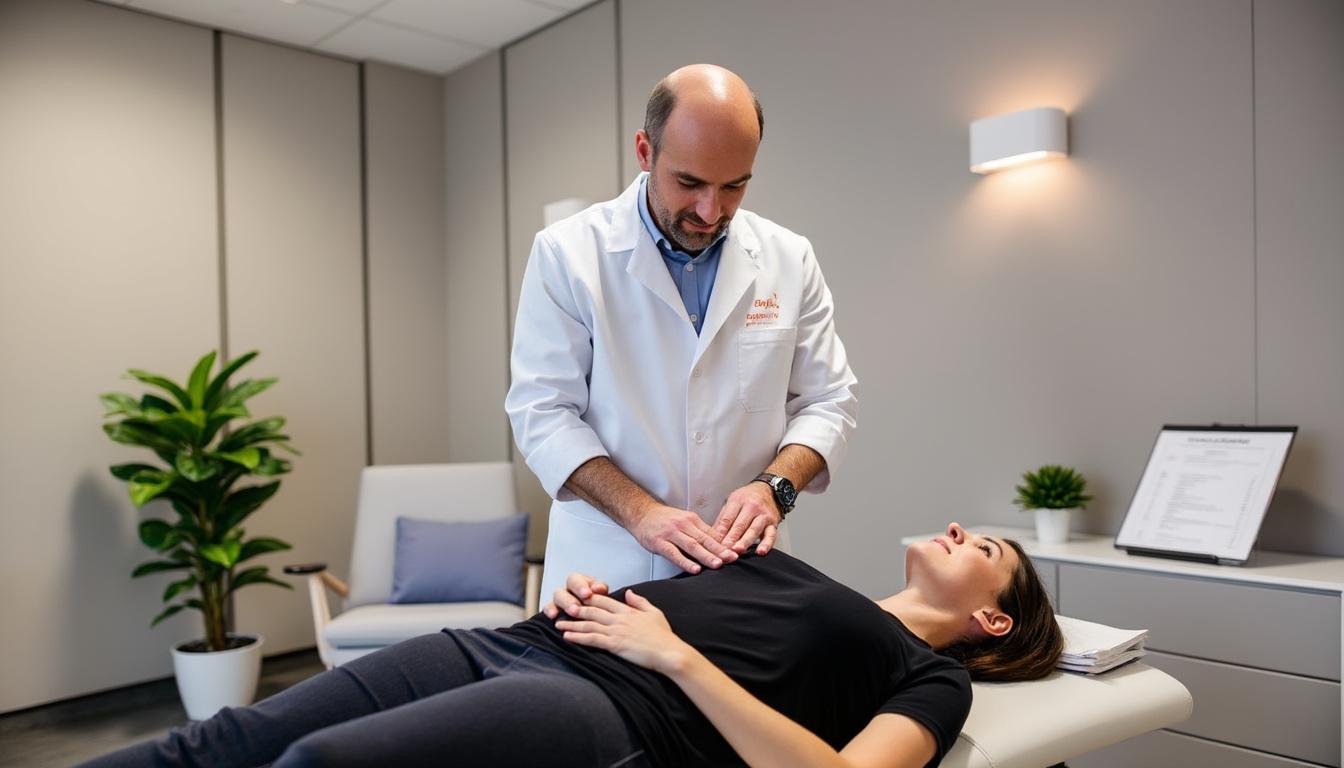
How Precision Targeting Enhances Efficacy of Spinal Decompression Therapies
General spinal traction or inversion tables provide uniform stretching but lack the capability to direct treatment precisely where it is needed. Multi-axis decompression tables revolutionize this by allowing spinal specialists to target specific vertebral segments with scientific accuracy.
This targeting is crucial because nerve impingement often results from a localized structural compromise. By isolating segments such as the cervical vertebrae C5-C6 or lumbar vertebrae L4-L5, therapies can achieve:
- Pinpoint relief of nerve root compression reducing radicular pain and neurological symptoms.
- Re-establishment of normal spinal biomechanics enhancing mobility and stability.
- Reduced risk of adjacent segment strain by avoiding unnecessary general traction forces on unaffected areas.
Clinical studies support that patients undergoing decompression therapy with precise targeting experience superior outcomes in pain reduction, functional improvement, and quality of life.
| Condition | Target Area | Expected Benefit | Typical Treatment Frequency |
|---|---|---|---|
| Herniated Lumbar Disc | L4-L5 | Reduced sciatic pain, improved nerve conduction | Three sessions per week, 30-45 minutes |
| Cervical Radiculopathy | C5-C6 | Alleviation of arm pain and tingling | Two sessions per week, 30 minutes |
| Bulging Discs with Foraminal Stenosis | Specific lumbar or cervical foramina | Decompression of nerve exit pathways | Varies; patient-specific |
Under Dr. Desforges’ guidance, treatment plans leverage this targeted approach combined with ongoing osteopathic assessment to monitor and adjust protocols in response to patient progress, illustrating the vital role of precision targeting in contemporary spinal care.
Integrating Advanced Technologies with Evidence-Based Care in Spine Health
Ongoing innovation defines the landscape of spinal decompression therapy. Beyond multi-axis tables, technologies like neurovertebral decompression systems, laser therapy, and dynamic implants are expanding therapeutic possibilities.
Dr. Sylvain Desforges incorporates these modalities with a strict commitment to scientific rigor and ethical standards. His practice within Quebec abides by all medical regulations, ensuring treatments are both safe and effective. Here are key technologies integrated at TAGMED Clinics:
- Neurovertebral decompression: precisely reduces nerve compression using advanced computerized control.
- Laser therapy: promotes tissue healing and pain modulation through targeted photobiomodulation.
- Dynamic spinal implants: support stabilization and enable controlled motion in cases that require surgical adjuncts.
These technologies complement decompression table therapy, creating a comprehensive non-surgical package aimed at pain reduction and functional restoration while minimizing risks associated with invasive procedures.
| Technology | Primary Use | Clinical Advantage |
|---|---|---|
| Neurovertebral Decompression | Nerve root decompression | Greater precision, minimal discomfort |
| Laser Therapy | Tissue healing and inflammation reduction | Accelerated recovery times |
| Dynamic Spinal Implants | Spinal stabilization with mobility preservation | Improved post-operative quality of life |
The integration of these techniques underscores Dr. Desforges’ philosophy that combining technology with individualized clinical evaluation creates the best outcomes for patients suffering from spinal disorders.
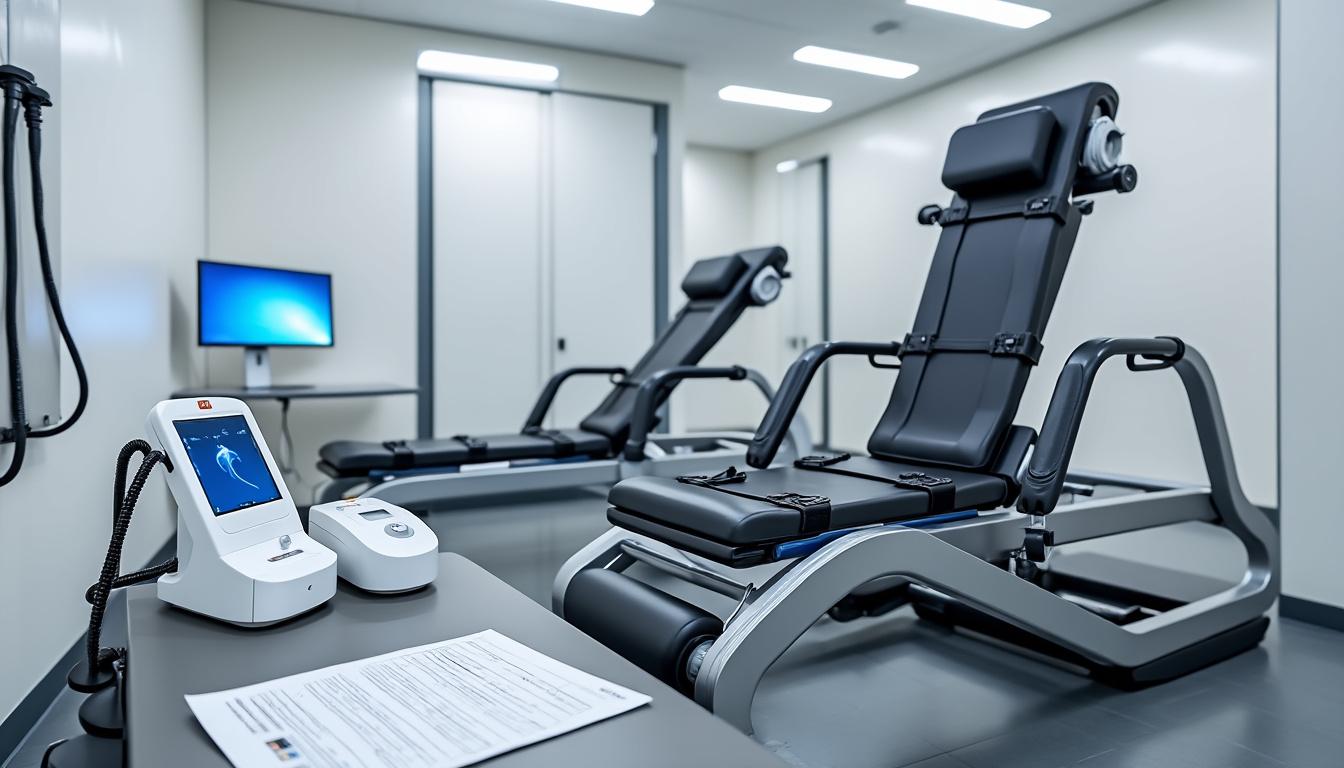
Patient Experience: Comfort, Safety, and Customized Therapy Paths
Underpinning the technical excellence of decompression tables is a commitment to patient comfort and empowerment. Decompression therapy can require multiple sessions weekly, each lasting from 30 to 45 minutes. Ensuring the patient’s physical and emotional needs are met is essential for sustained adherence and success.
Dr. Desforges’ clinics emphasize a welcoming, empathetic atmosphere alongside clear, accessible education regarding therapy indications and realistic expectations. Patients are gently strapped to the decompression table, with harness systems accommodating all body types for optimal support during treatment.
- Customized decompression cycles: tailored elongation and relaxation periods to maximize results.
- Ongoing assessment: frequent clinical monitoring to adjust therapy based on symptom evolution.
- Educational support: simplified explanations avoiding medical jargon empower patients to engage actively in their care.
This holistic approach is designed to reduce anxiety and promote a sense of safety while reinforcing that spinal decompression is just one component of a comprehensive spinal health strategy. The therapy is complemented by osteopathic manipulations and lifestyle guidance, resulting in a balanced treatment plan.
| Patient Need | Clinic Response | Result |
|---|---|---|
| Physical Support | Full lumbar harness and adjustable table settings | Improved comfort during prolonged sessions |
| Emotional Reassurance | Patient education and empathetic communication | Higher therapy adherence and reduced treatment apprehension |
| Individualized Care | Comprehensive evaluations and tailored protocols | Optimized clinical outcomes |
Comparing Decompression Tables with Other Traction Devices
Spinal decompression tables should be distinguished from traditional traction tables and inversion therapy devices, which are less targeted and often less effective for long-term nerve decompression. The design and capabilities of modern decompression tables reflect substantial clinical research emphasizing the importance of precise mechanical control.
Traditional traction tables usually provide uniform longitudinal force to stretch the spine but do not allow dynamic adjustments to target specific spinal segments or control the degree of axial rotation or lateral flexion. Inversion tables employ gravity by tilting the patient upside down, offering a generalized spinal elongation but lack the technological sophistication to customize treatment accurately.
- Decompression Tables: Provide multi-axis, electronically controlled targeting with harness support, enhancing specificity and treatment comfort.
- Traction Tables: Single-axis, manual adjustments with less precise targeting options; generally less effective for herniated disc treatment.
- Inversion Tables: Non-clinical devices offering passive spinal elongation without targeted decompression; limited evidence supporting long-term benefits.
Choosing the right device depends critically on clinical evaluation, patient condition, and desired outcomes. As Dr. Desforges advocates, precision targeting is fundamental when addressing nerve compression issues and avoiding unnecessary strain on other spinal regions.
| Device Type | Targeting Precision | Clinical Control | Typical Use Cases |
|---|---|---|---|
| Decompression Table (e.g., DOC) | High – Multi-axis adjustments and digital controls | Practitioner-controlled real-time targeting | Herniated discs, nerve impingement, foraminal stenosis |
| Traction Table | Low – Limited manual adjustments | Basic practitioner control | General spinal stretch, mild disc bulges |
| Inversion Table | Minimal – Use of gravity only | Patient self-controlled | Occasional back pain relief, non-targeted stretching |
Conservative Management and the Path to Non-Surgical Relief
Before considering invasive procedures, patients with spinal nerve compression symptoms are encouraged to explore conservative therapies, including decompression table therapy. The majority of herniated discs undergo a natural healing process where extruded disc material is gradually reabsorbed by the body, a process supported by adequate spinal decompression to reduce symptoms.
Typical conservative management includes:
- Low-impact exercises to strengthen spinal muscles without aggravating nerve roots.
- Pain management strategies including medications and laser therapy for inflammation control.
- Osteopathic adjustments to optimize biomechanical alignment and reduce mechanical stress.
- Patient education to encourage postural correction and lifestyle modifications.
If conservative care does not provide relief after several months, evaluation for minimally invasive surgical options may be recommended. Clinics led by experts like Dr. Desforges provide thorough assessments, leveraging advanced imaging and tailored decompression tables to identify candidates suitable for non-invasive or minimally invasive interventions.
| Therapy Type | Role in Spinal Health | Expected Outcomes |
|---|---|---|
| Decompression Table Therapy | Spinal stretch for nerve relief | Reduced pain, improved mobility |
| Osteopathic Evaluation & Treatment | Personalized biomechanical realignment | Decreased nerve irritation, spinal stability |
| Complementary Laser Therapy | Tissue healing and pain modulation | Accelerated recovery, reduced inflammation |
The Role of Industry Leaders: Oceaneering, Dräger, and Other Innovators in Decompression Technology
Several industry leaders drive continuous advancements in decompression and diving-related technologies, with overlap in safety, precision, and biomechanical engineering that benefit spinal care. Companies such as Oceaneering and Dräger bring extensive expertise in pressure systems and life-support technologies including submarine escape systems, relevant for developing accurate decompression protocols in medical contexts.
Manufacturers like Aqualung, Shearwater Research, Mares, Suunto, and Bauer Compressors specialize in diving instruments, gas systems, and monitoring devices that track decompression dynamics closely. This technology feeds into sophisticated biomedical engineering that supports both traditional decompression for diving and spinal decompression in clinical applications.
- Oceaneering: Leader in advanced decompression and pressure technologies for underwater operations.
- Dräger: Innovator in life-support and monitoring systems ensuring safety in complex environments.
- Aqualung, Shearwater Research, Mares, Suunto: Providers of precision diving equipment with applications in physiological monitoring.
- Bauer Compressors and Divex: Experts in gas supply and management critical for controlled decompression processes.
- DAN (Divers Alert Network): Provider of safety protocols and research supporting decompression health sciences.
This interdisciplinary technology network enriches spinal decompression therapy by informing safer, more effective clinical protocols and equipment design, contributing to patient safety and outcome improvements championed by practitioners like Dr. Desforges.
{“@context”:”https://schema.org”,”@type”:”FAQPage”,”mainEntity”:[{“@type”:”Question”,”name”:”What distinguishes precision targeting decompression tables from traditional traction tables?”,”acceptedAnswer”:{“@type”:”Answer”,”text”:”Precision targeting decompression tables use multi-axis digital controls to focus decompression forces on specific spinal segments, offering better symptom relief and safety, whereas traditional traction tables provide a more generalized spinal stretch with limited targeting abilities.”}},{“@type”:”Question”,”name”:”How does Dr. Sylvain Desforges ensure personalized spinal care?”,”acceptedAnswer”:{“@type”:”Answer”,”text”:”Dr. Desforges conducts thorough spinal evaluations to identify affected vertebrae and designs individualized treatment plans using advanced decompression technologies combined with osteopathic techniques, always adhering to evidence-based and regulatory standards.”}},{“@type”:”Question”,”name”:”Are decompression tables effective for all spinal nerve compressions?”,”acceptedAnswer”:{“@type”:”Answer”,”text”:”While they offer significant benefits for many patients, decompression tables are most effective when combined with a comprehensive evaluation. Some cases may require additional interventions like laser therapy or minimally invasive surgery for optimal results.”}},{“@type”:”Question”,”name”:”How long does a typical spinal decompression treatment program last?”,”acceptedAnswer”:{“@type”:”Answer”,”text”:”Treatment usually involves multiple sessions per week, ranging from 30 to 45 minutes per session, and may continue for several months depending on the severity and individual patient response to therapy.”}},{“@type”:”Question”,”name”:”What role do diving technology companies play in spinal decompression therapy advancements?”,”acceptedAnswer”:{“@type”:”Answer”,”text”:”Companies specializing in diving decompression technology contribute expertise in pressure dynamics and safe decompression practices, which inform the design and safety measures of clinical spinal decompression equipment.”}}]}What distinguishes precision targeting decompression tables from traditional traction tables?
Precision targeting decompression tables use multi-axis digital controls to focus decompression forces on specific spinal segments, offering better symptom relief and safety, whereas traditional traction tables provide a more generalized spinal stretch with limited targeting abilities.
How does Dr. Sylvain Desforges ensure personalized spinal care?
Dr. Desforges conducts thorough spinal evaluations to identify affected vertebrae and designs individualized treatment plans using advanced decompression technologies combined with osteopathic techniques, always adhering to evidence-based and regulatory standards.
Are decompression tables effective for all spinal nerve compressions?
While they offer significant benefits for many patients, decompression tables are most effective when combined with a comprehensive evaluation. Some cases may require additional interventions like laser therapy or minimally invasive surgery for optimal results.
How long does a typical spinal decompression treatment program last?
Treatment usually involves multiple sessions per week, ranging from 30 to 45 minutes per session, and may continue for several months depending on the severity and individual patient response to therapy.
What role do diving technology companies play in spinal decompression therapy advancements?
Companies specializing in diving decompression technology contribute expertise in pressure dynamics and safe decompression practices, which inform the design and safety measures of clinical spinal decompression equipment.