

Neck pain remains one of the most prevalent complaints encountered in clinical practice, affecting millions worldwide and significantly impacting quality of life. Its causes are diverse, ranging from simple muscular strain to serious neurological disorders, demanding a comprehensive and systematic diagnostic approach. In an era marked by rapid technological advances and increasing patient awareness, understanding neck pain’s multifaceted nature is vital for both patients and healthcare providers. Effective diagnosis not only alleviates suffering but also guides tailored treatment plans that improve functional outcomes and prevent chronic disability.
In 2025, the diagnostic landscape for neck pain continues to evolve, enriched by breakthroughs in imaging technologies provided by world leaders such as Siemens Healthineers, GE Healthcare, and Philips Healthcare. Coupled with a deeper scientific understanding of spine pathologies, these advances offer unprecedented opportunities for precision medicine in spinal care. This progress aligns with the ethos championed by Dr. Sylvain Desforges, a distinguished expert in spinal disorders and osteopathic care, whose pioneering work incorporates cutting-edge diagnostic techniques and holistic patient-centered evaluations.
The complexity of neck pain diagnosis necessitates consideration of a broad spectrum of potential etiologies. From referred pain originating in cardiac or abdominal organs to rheumatologic diseases, infections, tumors, traumatic injuries, and degenerative changes, a meticulous and evidence-based approach reduces diagnostic delays and unnecessary investigations. This article explores these diverse possibilities through a systematic framework, grounded in clinical expertise and supported by current scientific literature, aiming to demystify the process and empower readers with clear knowledge about neck pain evaluation.
Comprehensive Clinical Evaluation for Effective Neck Pain Diagnosis
The foundation of accurate neck pain diagnosis lies in a detailed clinical evaluation, which remains indispensable despite the advances in imaging and laboratory investigations. Dr. Sylvain Desforges emphasizes the critical importance of obtaining an exhaustive patient history and performing a thorough physical examination, enabling clinicians to delineate the underlying causes before resorting to further tests.
A meticulous history should include the onset, duration, intensity, and character of the pain, as well as any associated neurological symptoms such as numbness, tingling, or weakness. Attention to aggravating and relieving factors, any recent trauma, and personal or family history of systemic diseases are equally crucial. For instance, a sudden onset of neck pain accompanied by fever and stiffness might raise suspicion for an infectious process, while gradually progressing pain with morning stiffness often points towards inflammatory arthritis.
The physical examination focuses on inspection, palpation, range of motion assessment, and neurologic testing. Palpation may reveal localized tenderness or muscle spasm, whereas range of motion tests can uncover limitations due to pain or mechanical obstruction. Neurologic examination includes evaluation of reflexes, motor strength, and sensory function to detect radiculopathy or myelopathy. Dr. Desforges advocates integrating osteopathic principles during these assessments, which allow for detecting subtle dysfunctions and contribute to a holistic understanding of the patient’s condition.
Below is a table summarizing key clinical features and their diagnostic implications:
| Clinical Feature | Possible Diagnosis | Diagnostic Focus |
|---|---|---|
| Acute neck pain with trauma history | Fracture, ligamentous injury | Imaging: X-ray, CT scan |
| Neck pain with fever and stiffness | Infection (discitis, osteomyelitis) | Laboratory: CRP, ESR, cultures; MRI |
| Radicular pain with numbness/weakness | Herniated disc, foraminal stenosis | MRI, neurophysiology studies |
| Chronic neck pain with morning stiffness | Rheumatic disease (e.g., ankylosing spondylitis) | Rheumatic panels, imaging |
While history and examination provide a strong diagnostic basis, Dr. Desforges reminds patients and clinicians alike that comprehensive evaluation often requires integrating multiple data points. This integrative approach not only enhances diagnostic accuracy but also ensures that personalized and safe care plans can be developed for every individual.

Leveraging Advanced Imaging Modalities for Accurate Neck Pain Diagnosis
Advancements in imaging technologies have revolutionized the evaluation of neck pain, offering clinicians unparalleled visualization of anatomical structures and pathological changes. Equipment from industry leaders such as Siemens Healthineers, Canon Medical Systems, and Fujifilm Healthcare has introduced high-resolution magnetic resonance imaging (MRI), computed tomography (CT), and digital radiography, which aid in differentiating complex spinal conditions.
Magnetic resonance imaging stands as the gold standard for assessing soft tissues of the cervical spine, including intervertebral discs, spinal cord, nerve roots, and ligaments. It is especially valuable for detecting herniated discs, spinal stenosis, tumors, infections, and inflammatory processes. Dr. Desforges highlights that MRI, when combined with clinical findings, allows for comprehensive spinal decompression planning, essential for non-surgical treatment. Meanwhile, CT scans provide superior osseous detail, indispensable in evaluating fractures and congenital malformations.
The integration of neurophysiological studies such as electromyography (EMG) and nerve conduction velocity tests contributes further by confirming nerve root involvement and assessing the severity of radiculopathy. Such multidisciplinary diagnostic methods support Dr. Desforges’ patient-focused approach, ensuring that each diagnostic step contributes meaningfully to the overall understanding of the condition.
A diagnostic imaging framework can be categorized as follows:
- Plain Radiography: First-line assessment for trauma, degenerative changes, and alignment abnormalities.
- MRI: Evaluation of soft tissues, nerve roots, spinal cord, infections, and neoplasms.
- CT Scan: Detailed bone assessment, useful in trauma and complex bony pathology.
- Neurophysiology: EMG and nerve conduction to verify nerve compression and function.
This structured imaging strategy ensures diagnostic efficiency, reduces unnecessary testing, and accelerates personalized care pathways. By keeping patient safety and evidence-based practice at the forefront, Dr. Desforges’ method exemplifies the intersection of innovation and ethics in modern spine care.
| Imaging Tool | Primary Use | Limitations |
|---|---|---|
| X-ray | Bone anatomy, alignment, fractures | Limited soft tissue detail |
| MRI | Discs, spinal cord, nerve roots, soft tissues | Contraindicated in some implants, longer duration |
| CT Scan | Detailed bony structures, fractures | Radiation exposure, limited soft tissue contrast |
| EMG/Nerve Studies | Assessment of nerve function and radiculopathy | Operator dependent, may cause discomfort |
Referred Pain and Its Diagnostic Challenges in Neck Pain Cases
Referred pain complicates neck pain diagnosis due to its nature of originating from non-spinal sources but manifesting as neck discomfort. Dr. Sylvain Desforges stresses the importance of recognizing these patterns to avoid misdiagnosis and inappropriate treatment. Various visceral and systemic pathologies can present with neck pain symptoms without any local spinal pathology.
Cardiovascular events exemplify classic cases of referred pain. For instance, myocardial ischemia can manifest as interscapular or neck pain, sometimes accompanied by nonspecific symptoms such as sweating or palpitations. Similarly, aortic aneurysm dissection might cause acute neck or upper back pain. Pulmonary conditions like pleuritis, pneumothorax, or lung tumors, especially those encroaching upon the thoracic inlet, may radiate pain to the neck. Abdominal and renal pathologies, including pancreatitis or renal colic, may present with referred lumbar or thoracic pain that mimics spinal disorders.
Recognizing referred pain involves a high index of suspicion and careful clinical assessment. Signs such as absence of tenderness over the cervical spine, lack of movement limitation, or presence of systemic symptoms may guide practitioners toward an alternative diagnosis. Dr. Desforges encourages utilization of diagnostic tools such as thoracic and abdominal imaging, electrocardiogram, and laboratory tests to discern these conditions.
- Common causes of referred pain presenting as neck pain include:
- Myocardial infarction and ischemia
- Aortic aneurysm and dissection
- Pulmonary embolism, pleuritis, pneumothorax
- Renal colic and infections
- Abdominal tumors and gastrointestinal complications
A systematic approach incorporating clinical history, physical examination findings, and appropriate ancillary testing is vital in differentiating referred pain from primary spinal causes. This judicious workup reduces unnecessary spine imaging and focuses treatment on the actual pathology.
| Referred Pain Origin | Typical Symptoms | Diagnostic Tests |
|---|---|---|
| Cardiac (Myocardial ischemia) | Neck/upper back pain, sweating, palpitations | ECG, cardiac enzymes, chest imaging |
| Pulmonary (Pleuritis, pneumothorax) | Sudden neck/thoracic pain, dyspnea | Chest X-ray, CT scan |
| Renal (Colic, infection) | Flank pain radiating to groin, urinary symptoms | Urinalysis, abdominal ultrasound, CT abdomen |
| Abdominal (Pancreatitis, tumors) | Lumbar pain radiating anteriorly, systemic symptoms | Abdominal CT, blood tests |

Trauma and Overuse Injuries in Neck Pain: Diagnostic Considerations
Injuries related to trauma and overuse represent significant causes of neck pain, demanding prompt and precise evaluation to prevent long-term disability. Dr. Sylvain Desforges, with his decades of clinical experience, highlights how subtle presentations sometimes obscure serious injuries.
Trauma-induced neck pain encompasses a range from minor strains and sprains to severe fractures and ligamentous disruptions. Notably, conditions like whiplash injury—a rapid extension and flexion motion of the neck—may present with delayed symptoms yet cause significant discomfort. In contrast, uncommon fractures such as the “clay shoveler’s fracture,” an avulsion injury of the spinous processes at the cervical-thoracic junction, are often associated with repetitive strain activities rather than acute trauma.
Spinal cord injuries without radiographic abnormality (SCIWORA) pose specialized diagnostic challenges, particularly in pediatric and elderly populations. MRI plays a pivotal role in identifying cord contusions or edema absent on x-rays or CT scans. Central cord syndrome can result from neck hyperextension, leading to disproportionate motor weakness in upper limbs, a clinical hallmark that requires urgent assessment.
Overuse injuries such as stress fractures of the pars interarticularis (spondylolysis) are prevalent among adolescent athletes, commonly encountered in sports like volleyball and weightlifting. Scheuermann’s disease, or adolescent kyphosis, manifests with vertebral body abnormalities and may cause chronic discomfort, necessitating targeted evaluation.
- Key diagnostic considerations in trauma and overuse neck pain include:
- History of injury or repetitive strain
- Development and progression of neurological deficits
- Imaging studies including X-ray, CT, and MRI
- Awareness of rare syndromes such as Brown-Sequard and SCIWORA
Timely diagnosis is critical for effective management, and Dr. Desforges advocates for a multidisciplinary approach incorporating advanced imaging and osteopathic assessment to guide conservative or surgical pathways.
| Condition | Typical Presentation | Diagnostic Tools |
|---|---|---|
| Whiplash injury | Neck pain post-acceleration injury, stiffness | Clinical exam, MRI if neurological signs |
| Clay shoveler’s fracture | Localized cervical-thoracic pain after strain | X-ray, CT scan |
| SCIWORA | Spinal cord signs without radiological fracture | MRI evaluation |
| Spondylolysis | Adolescent lumbar pain aggravated by activity | X-ray, CT scan, MRI |
Tumorous and Infectious Causes of Neck Pain: Identification and Evaluation
While less common, tumorous and infectious etiologies of neck pain demand urgent recognition due to potential severe complications. Dr. Sylvain Desforges underscores the ethical imperative to identify these conditions early, ensuring appropriate referral and treatment.
Primary spinal tumors, including benign lesions like osteoid osteomas, and malignant tumors such as lymphoma or metastatic carcinomas, can directly cause nociceptive and neuropathic pain through direct tissue invasion and nerve compression. Early symptoms might be insidious, with persistent night pain and systemic features like weight loss. Imaging using gadolinium-enhanced MRI and biopsy is often required for definitive diagnosis.
Infections of the spinal column include osteomyelitis, discitis, and epidural abscesses, which may present with severe neck pain, fever, elevated inflammatory markers, and neurologic deficits. Immunosuppressed individuals warrant particular vigilance, as fungal infections or tuberculosis may manifest atypically and progress silently. Laboratory investigations alongside MRI and cultures enable comprehensive assessment.
- Essential diagnostic steps include:
- Detailed history emphasizing systemic symptoms
- Laboratory tests: blood cultures, CRP, ESR
- Contrast-enhanced MRI for soft tissue and cord involvement
- Histopathological evaluation when indicated
| Condition | Key Clinical Features | Primary Diagnostic Tools |
|---|---|---|
| Osteomyelitis/Discitis | Neck pain with fever, elevated inflammatory markers | MRI, blood cultures, CRP, ESR |
| Spinal tumors | Persistent pain, night pain, neurological deficits | MRI with contrast, biopsy |
| Fungal infections | Chronic pain, immunosuppression, neurological signs | MRI, cultures, serology |
| Epidural abscess | Severe pain, fever, possible paralysis | MRI, blood cultures |
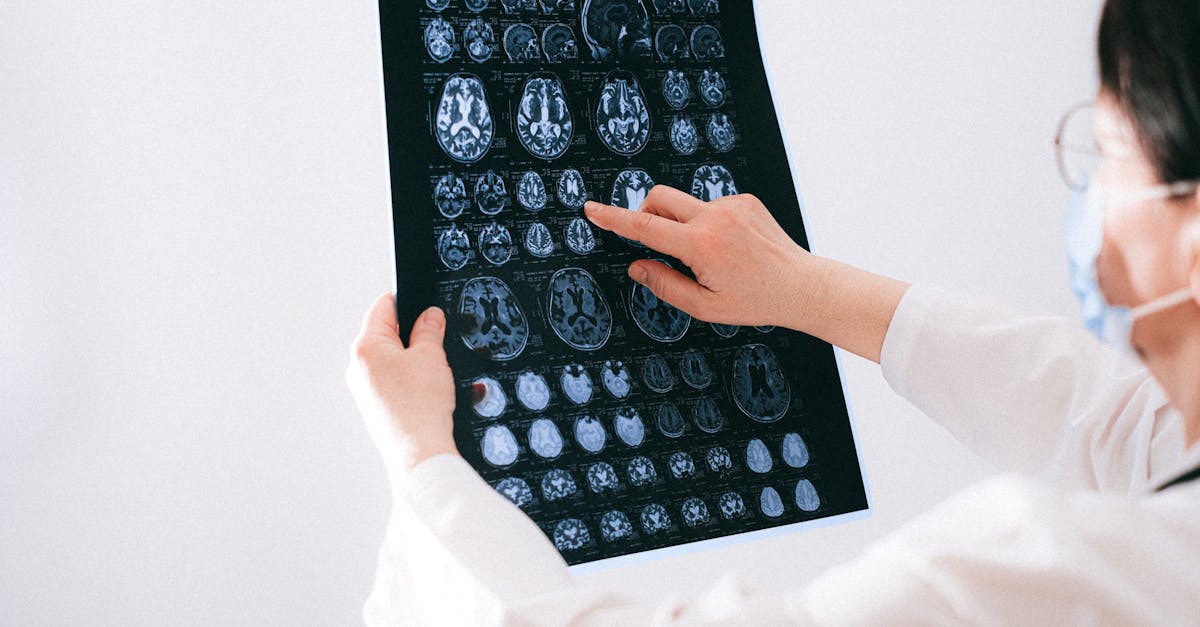
Degenerative, Rheumatic, and Autoimmune Diseases Manifesting as Neck Pain
Degenerative and inflammatory spinal disorders contribute significantly to chronic neck pain, necessitating nuanced understanding and diagnostic precision. Dr. Sylvain Desforges’ extensive expertise elucidates how these conditions can be differentiated and managed effectively.
Intervertebral disc degeneration is a common cause linked to aging and mechanical stress, often resulting in axial neck pain and radiculopathy when herniations compress nerve roots. Radiological findings typically demonstrate disc height loss, Modic changes in vertebral endplates, and osteophyte formation. Rheumatic disorders like ankylosing spondylitis exhibit characteristic inflammatory pain patterns, including prolonged morning stiffness relieved by activity, and may involve sacroiliac joints as well. Autoimmune diseases such as rheumatoid arthritis affect the upper cervical spine, potentially causing atlantoaxial instability, demanding early detection due to risks of spinal cord compression.
Other entities like fibromyalgia and myofascial pain syndrome mimic neck pain but lack specific structural abnormalities, highlighting the importance of clinical discernment. Laboratory tests including HLA-B27 typing, rheumatoid factor, ESR, and CRP assist in differential diagnosis. Multimodal imaging and clinical correlation guide management decisions tailored to the patient’s unique presentation.
- Diagnostic clues in degenerative and rheumatic neck pain:
- Pain worsening with activity vs. stiffness improving with NSAIDs
- Presence of systemic symptoms or multiple joint involvement
- Laboratory markers of inflammation and autoimmunity
- Radiographic evidence of bone and joint changes
| Disease | Features | Diagnostic Tests |
|---|---|---|
| Disc degeneration | Axial neck pain, radiculopathy, disc herniation | MRI, X-ray |
| Ankylosing spondylitis | Inflammatory pain, morning stiffness, sacroiliitis | HLA-B27, ESR, CRP, pelvic X-rays |
| Rheumatoid arthritis | Neck pain with joint swelling, cervical instability risk | Rheumatoid factor, anti-CCP antibody, MRI |
| Fibromyalgia | Diffuse pain with tender points, no inflammation | Clinical diagnosis, exclusion of other causes |
Red Flags and When Not to Worry: Prioritizing Patient Safety in Neck Pain Assessment
Identifying red flags in neck pain assessment is essential to safeguard patients from serious pathologies requiring urgent intervention. Dr. Sylvain Desforges promotes a balanced approach guided by scientific rigor and patient-centered care principles.
Red flags include signs and symptoms suggestive of neoplasms, infections, fractures, or neurological compromise, such as sudden onset of severe pain, nocturnal pain, unexplained weight loss, fever, history of cancer, immunosuppression, and progressive neurological deficits. However, indiscriminate reliance on red flags risks over-testing and undue anxiety. Hence, clinical judgment supported by structured algorithms is paramount.
Below is a prioritized list of common red flags and their recommended clinical responses:
- History of malignancy: Prompt imaging and oncological referral.
- Fever and signs of infection: Laboratory evaluation and targeted imaging.
- Trauma with neck pain: Urgent radiography to exclude fractures.
- Neurological deficits: MRI and surgical consultation as needed.
- Progressive or severe night pain: Detailed investigation to exclude sinister causes.
By distinguishing risk levels effectively, Dr. Desforges’ methodology optimizes patient flow, minimizes unnecessary radiation exposure, and enhances timely intervention where necessary. This patient safety framework aligns with recommendations from professional societies and regulatory guidelines from the Collège des médecins du Québec.
| Red Flag Sign | Clinical Significance | Recommended Action |
|---|---|---|
| History of cancer | Possible metastatic disease | Urgent MRI, oncology referral |
| Fever and chills | Potential spinal infection | Blood tests, MRI, antibiotics |
| Recent significant trauma | Risk of fracture/instability | X-ray/CT, spine specialist consult |
| Neurological deficits | Myelopathy or radiculopathy | MRI, neurology/neurosurgery referral |
| Unexplained weight loss | Possible malignancy or systemic disease | Comprehensive imaging and labs |
Patient-Centered Communication and Education in Neck Pain Diagnosis
Effective communication and education form the cornerstone of an empathetic and motivating clinical environment. Dr. Sylvain Desforges relentlessly advocates for clarity and transparency in explaining complex diagnostic processes, ensuring patients fully understand the nature of their condition and the rationale behind recommended investigations and treatments.
This approach fosters trust and empowers patients to actively participate in their care journey. Simplifying medical jargon without diluting content allows patients and healthcare providers from diverse backgrounds to grasp diagnostic intricacies sustainably. For example, instead of merely labeling a condition as “radiculopathy,” Dr. Desforges describes how nerve root compression manifests as specific symptoms and how targeted therapies may address these.
A list of communication strategies proven effective includes:
- Utilizing visual aids such as diagrams or imaging results during explanations.
- Encouraging patient questions and addressing concerns patiently.
- Providing written summaries or directing to reputable resources for further reading.
- Offering clear outlines of next steps and expected timelines in diagnostic evaluation.
- Ensuring cultural sensitivity and accommodating patient health literacy levels.
Such patient-centered strategies improve adherence to diagnostic protocols and empower individuals to manage their health proactively, reducing anxiety and enhancing outcomes. For personalized guidance or to initiate an evaluation with Dr. Sylvain Desforges, patients are encouraged to reach out via the clinic contact page or explore authoritative resources like herniated disc diagnosis explanations.
Integrating Cutting-Edge Technologies in Neck Pain Diagnostic Workflows
Incorporation of advanced technologies into diagnostic workflows enhances precision and patient comfort, a principle central to Dr. Sylvain Desforges’ practice. Companies such as Medtronic and Stryker contribute to this landscape through the development of sophisticated spinal imaging and intervention systems. Laser therapy and dynamic implant technologies increasingly refine diagnostic and therapeutic capabilities for spinal disorders.
Modern spinal decompression systems facilitate non-invasive assessment of disc pathology, while dynamic spinal implants offer real-time biomechanical data, informing patient-specific treatment plans. Integration with electronic health records enables seamless data sharing among multidisciplinary teams, fostering comprehensive and coordinated care. These innovations improve diagnostic timelines and reduce exposure to invasive procedures.
- Benefits of technology integration include:
- Enhanced imaging resolution and functional assessment
- Real-time patient monitoring and biomechanical analysis
- Streamlined interdisciplinary collaboration
- Improved patient safety and comfort
- Data-driven personalized treatment planning
| Technology | Application | Contribution to Diagnosis |
|---|---|---|
| Laser Therapy Devices | Non-invasive tissue assessment and pain relief | Enhances soft tissue visualization and treatment efficacy |
| Dynamic Spinal Implants | Real-time biomechanical feedback | Informs personalized spinal stability and intervention strategies |
| Advanced Imaging Systems (Siemens, GE, Philips) | High-resolution MRIs, CT scans | Superior anatomical and functional clarity |
Guidelines and Ethical Considerations in Neck Pain Diagnostics
Adherence to ethical standards and clinical guidelines remain paramount in neck pain diagnosis, ensuring patient safety, efficacy, and quality of care. Dr. Sylvain Desforges exemplifies this commitment by strictly following evidence-based protocols and regulatory compliance, including guidelines from the Collège des médecins du Québec.
Ethical considerations encompass obtaining informed consent, ensuring patient confidentiality, and applying diagnostic tests judiciously to avoid overuse. The principle of beneficence guides the balance between thorough investigation and avoiding harm from unnecessary procedures. Additionally, transparency about diagnostic uncertainties and limitations fosters trust and informed decision-making.
- Key ethical principles applied in diagnostics include:
- Respect for patient autonomy through informed consent
- Non-maleficence by minimizing unnecessary exposure and harm
- Justice in providing equitable access to diagnostic resources
- Scientific rigor in employing validated diagnostic methods
The integration of these ethical considerations with advanced clinical expertise defines the gold standard of neck pain evaluation. Patients benefit from personalized care pathways that honor their unique clinical profile, informed preferences, and safety.
| Ethical Principle | Application in Neck Pain Diagnosis |
|---|---|
| Informed Consent | Explaining risks, benefits, and alternatives of tests |
| Non-maleficence | Avoidance of unnecessary imaging or invasive procedures |
| Justice | Ensuring fair access to advanced diagnostics |
| Scientific Rigor | Adherence to evidence-based guidelines and standards |
What initial clinical signs help differentiate serious neck pain causes?
Key signs include sudden severe pain, neurological deficits, fever, history of malignancy, and trauma. These require immediate investigation using imaging and laboratory tests to rule out infections, fractures, or tumors.
How does Dr. Sylvain Desforges’ approach improve neck pain diagnosis?
Dr. Desforges combines extensive clinical experience, evidence-based protocols, and advanced imaging technologies to deliver comprehensive evaluations focused on personalized and safe patient care.
When is imaging recommended for neck pain patients?
Imaging, particularly MRI and CT, is recommended when neurological signs, trauma, infection suspicion, or persistent unexplained pain exist. Early imaging facilitates accurate diagnosis and appropriate treatment planning.
What are common causes of referred neck pain?
Referred pain can originate from heart conditions, lung diseases, abdominal and renal pathologies, manifesting as neck discomfort without direct spinal pathology. Clinical evaluation and targeted testing are essential.
How do ethical principles guide neck pain diagnostics?
Ethical principles ensure that diagnostic interventions minimize harm, respect patient autonomy, use resources fairly, and adhere to scientific standards, culminating in high-quality, patient-centered care.