

Disc desiccation and loss of disc height represent significant aspects of spinal aging, drawing a fine line between natural wear and symptomatic pain conditions. As individuals age, their spinal discs progressively lose hydration and structural integrity, which may or may not be accompanied by discomfort or neurological challenges. Understanding the distinctions between normal age-related changes and pathological conditions informs patient care, prevention strategies, and treatment options. Through a comprehensive approach grounded in scientific rigor, advanced technologies, and patient-centered evaluation, healthcare providers can better address this complex interplay between ageing and pain. This article delves deeply into the anatomy, physiology, clinical manifestations, diagnostics, and therapeutic avenues related to disc desiccation and the consequential loss of disc height, offering insights aimed at both patients and healthcare professionals alike.
Understanding the Anatomy and Physiology of Spinal Discs in Disc Desiccation and Height Loss
The spine’s structural and functional success heavily depends on its intervertebral discs. These discs form the cushioning elements between vertebrae, vital for shock absorption, flexibility, and spinal integrity. Each spinal disc comprises two critical components: the nucleus pulposus (NP) and the annulus fibrosus (AF). The NP is a gel-like core rich in water, collagen, and proteoglycans, responsible for maintaining disc elasticity and resilience. Surrounding the NP, the AF is a tough, fibrous ring safeguarding the nucleus and providing structural support.
Disc desiccation begins when the NP progressively loses water content, transforming what is normally a supple material into a dried and brittle structure. This physiologic degeneration is mostly linked to ageing but can be accelerated by trauma, repetitive strain, or systemic conditions.
The loss of hydration reduces the disc’s ability to evenly distribute compressive forces, which alters spinal biomechanics. The thinning or flattening of the disc — termed loss of disc height — leads to reduced spacing between vertebrae and can instigate nerve compression or inflammation.
Key functions of spinal discs and their relation to disc desiccation
- Shock absorption: Spinal discs cushion shocks from daily activities such as walking, lifting, and twisting.
- Flexibility and mobility: Disc hydration ensures flexibility of the spine for smooth movement.
- Structural spacing: Proper disc height maintains adequate neural foramina spaces, critical for nerve root passage.
How disc desiccation initiates the degeneration cascade
- Loss of proteoglycans and water content in the NP.
- Increased stiffness and brittleness of the disc material.
- Reduction in disc height, causing altered load distribution.
- Increased mechanical stress on the annulus fibrosus, making it vulnerable to fissures and tears.
| Disc Component | Role | Effect of Desiccation |
|---|---|---|
| Nucleus Pulposus | Hydrated gel maintaining elasticity and shock absorption | Becomes dehydrated, loses tensile strength, less cushioning |
| Annulus Fibrosus | Fibrous outer ring providing containment and protection | Increased risk of tears or fissures due to increased load |
Disc desiccation results in a chain reaction reducing spinal flexibility, structural integrity, and increases susceptibility to pain-inducing conditions.
Distinguishing Age-Related Disc Changes from Painful Pathologies
Disc desiccation and height loss become universally present with ageing but do not always manifest as pain or neurological symptoms. Differentiating normal spinal ageing from pathological conditions that warrant clinical attention is crucial to avoid unnecessary interventions and focus on meaningful care.
Many adults above 40-50 years demonstrate radiographic signs of disc desiccation without complaints. These asymptomatic findings emphasize that changes in disc hydration alone do not dictate clinical outcomes. Instead, the progression to symptomatic degenerative disc disease involves additional factors such as disc bulging, annular fissures, osteophyte (bone spur) formation, and nerve root irritation or compression.
Clinical manifestations linked to painful disc degeneration include:
- Localized back stiffness and discomfort: Loss of disc height can compromise normal spinal mechanics, causing muscle fatigue and strain.
- Radiating pain and neurological symptoms: Nerve root compression from disc degeneration or herniation can induce tingling, numbness, or weakness, often affecting lower limbs or arms.
- Decrease in range of motion: Reduced disc flexibility tightens movement and increases discomfort with activity.
Understanding these clinical presentations requires a thorough, patient-centered evaluation, including a detailed history and physical examination, precisely the expertise of established spine care experts like Dr. Sylvain Desforges. His extensive clinical experience facilitates discriminating symptomatic patients who require intervention from those experiencing benign ageing changes.
| Feature | Ageing Disc Changes | Symptomatic Degenerative Changes |
|---|---|---|
| Back Pain | Usually absent or mild, intermittent | Often significant and persistent |
| Range of Motion | Normal or slightly reduced | Clearly limited and painful |
| Nerve Symptoms | Absent | Tingling, numbness, weakness, bladder/bowel impact |
| Imaging Findings | Desiccation and mild height loss without nerve compression | Bulging, herniation, impingement, osteophytes |
If neurological signs arise, including muscle weakness or bladder changes, urgent evaluation is necessary to avoid long-term damage. Disc desiccation in isolation does not call for surgical intervention, but the associated complications might.
Comprehensive Evaluation Techniques for Disc Desiccation and Loss of Disc Height
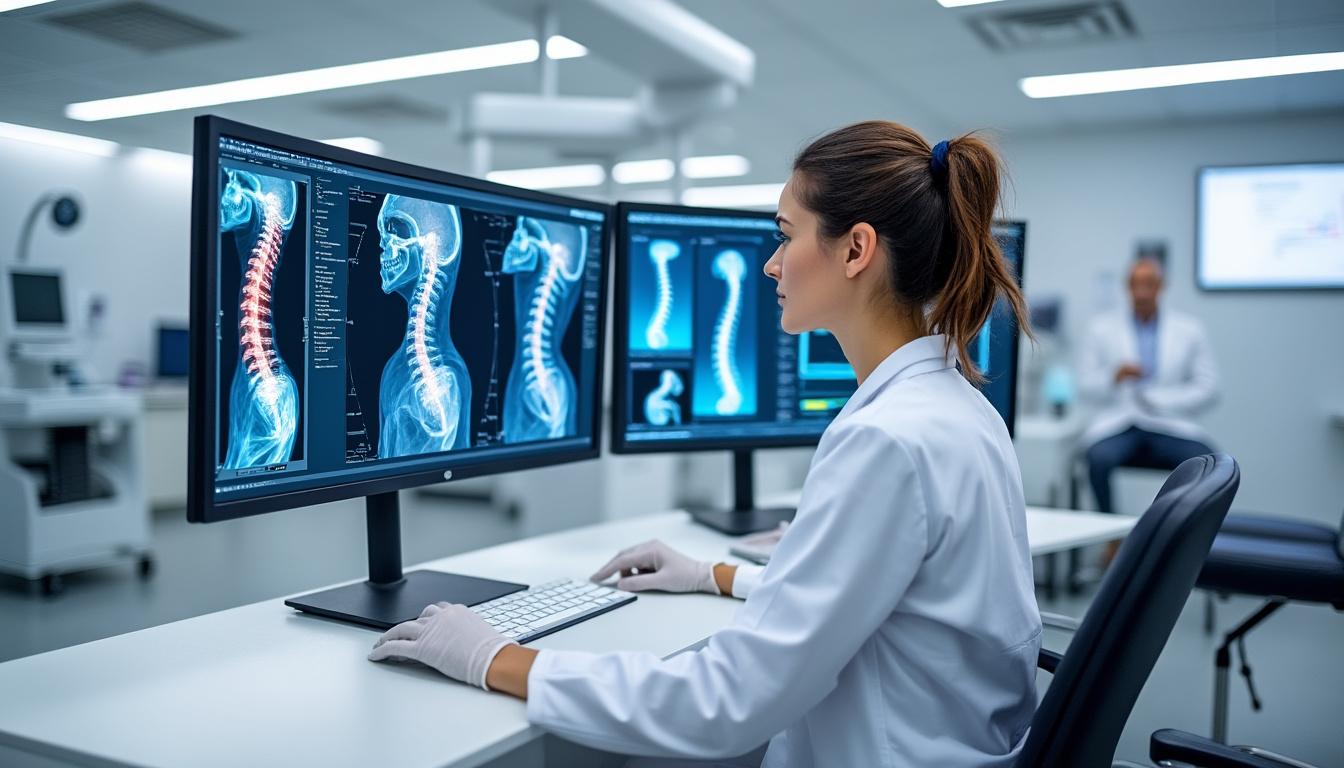
Accurate evaluation plays a pivotal role in tailoring appropriate care plans. With over three decades of experience, Dr. Sylvain Desforges employs a systematic approach incorporating clinical assessment and the latest imaging tools to create a precise patient profile.
Clinical Assessment Components
- Detailed Patient History: Exploration of symptom onset, intensity, aggravating or relieving factors, trauma history, occupational exposures.
- Physical Examination: Testing spinal range of motion, palpation for tenderness, flexibility of spinal segments.
- Neurological Examination: Reflexes, sensory tests, motor strength, gait analysis, proprioception.
Diagnostic Imaging Modalities
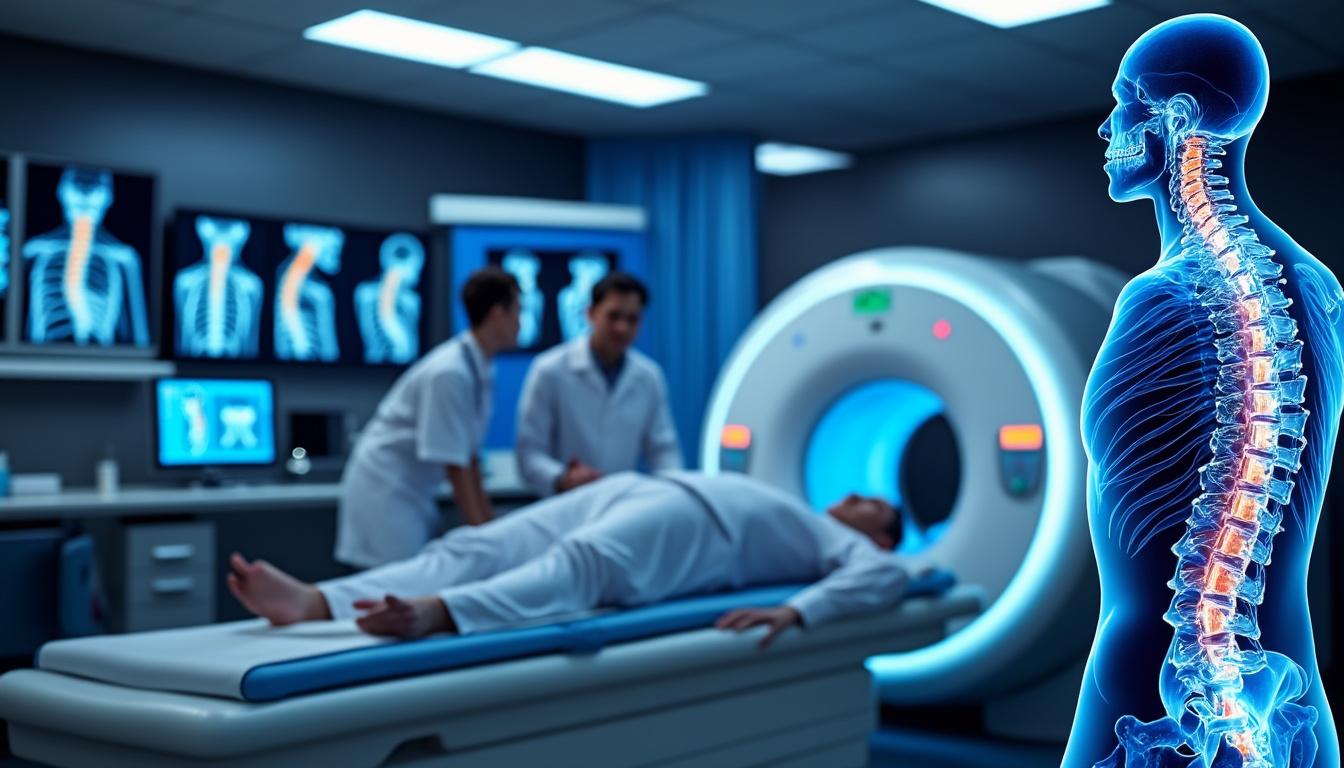
- MRI (Magnetic Resonance Imaging): The gold standard visualizes water content, disc morphology, and surrounding neural structures with high resolution.
- X-Rays: Useful to assess disc height and vertebral alignment but less detailed for soft tissue changes.
- CT Scans: Employed where bone pathology or subtle fractures are suspected.
| Imaging Technique | Purpose | Advantages | Limitations |
|---|---|---|---|
| MRI | Evaluate disc hydration, morphology, nerve involvement | High soft tissue resolution, non-invasive, no radiation | Long scan time, contraindications in some patients |
| X-Ray | Measure disc height, vertebral alignment | Fast, widely available, low cost | Limited soft tissue detail |
| CT Scan | Visualize bone abnormalities | Excellent bone detail, rapid imaging | Radiation exposure, less detail on discs |
These investigative steps allow specialists to rule out other causes of pain, such as tumors or infections, and to detect early disc pathologies that might benefit from specific interventions.
Advanced Non-Surgical Treatments for Managing Disc Desiccation and Height Loss
Addressing disc desiccation symptoms without resorting to surgery has become feasible thanks to remarkable innovations in spine care technology and personalized treatment protocols. These treatments aim to support the healing environment of affected discs, alleviate nerve compression, and improve patient function.
Key non-invasive treatment modalities recommended by experts
- Spinal Decompression Therapy: Utilizes specialized tables endorsed by companies such as Medtronic and NuVasive to reduce intradiscal pressure gently, promoting fluid exchange and nutrient delivery to discs.
- Physical Therapy: Tailored exercise regimes focus on strengthening core muscles, enhancing postural alignment, and increasing spinal flexibility.
- Laser Therapy: Low-level laser treatment stimulates cellular repair and reduces inflammation.
- Injection Therapies: Corticosteroid injections or nerve blocks can manage inflammation and disable pain signals temporarily.
- Advanced Orthopedic Devices: Incorporation of dynamic implants from companies like Stryker, Zimmer Biomet, and Orthofix supports spinal stabilization while preserving motion in selective cases.
These modalities integrate modern technology with compassionate patient-centric care. Clinicians provide detailed education about treatment mechanisms, expected outcomes, and limitations to empower patients in their recovery journeys.
| Treatment Type | Mechanism | Clinical Benefit | Provider Examples |
|---|---|---|---|
| Spinal Decompression | Mechanical traction reduces intradiscal pressure | Relieves nerve compression, promotes disc hydration | Medtronic, NuVasive, Spine Wave |
| Physical Therapy | Targeted muscle strengthening and mobilization | Improves function, reduces pain, prevents further injury | Clinics with certified rehab specialists |
| Laser Therapy | Photobiomodulation stimulates tissue healing | Decreases inflammation, reduces pain | Various medical laser technologies |
| Injection Therapy | Anti-inflammatory and analgesic medication delivery | Temporary pain relief, reduced nerve irritation | Integra LifeSciences, Aesculap |
| Dynamic Implants | Provide spinal support allowing motion preservation | Maintains spinal biomechanics, enhances recovery | Stryker, Zimmer Biomet, Orthofix |
Lifestyle Modifications to Slow Disc Desiccation and Preserve Disc Height
The natural progression of spinal disc ageing can be modulated through lifestyle choices, which help maintain disc hydration, structural health, and spinal stability. Initiatives led by Spine Care Experts emphasize actionable and evidence-based interventions that patients can incorporate sustainably.
Effective lifestyle strategies to maintain healthy spinal discs include:
- Regular Exercise: Incorporating aerobic activity and core strengthening preserves muscle tone and spinal support.
- Maintaining Healthy Weight: Reduces mechanical load on spinal structures and slows degeneration.
- Good Posture: Avoids disproportionate stress on spinal discs and helps optimize loading.
- Hydration: Ensures adequate water intake to assist disc hydration, an often overlooked but vital factor.
- Smoking Cessation: Protects disc vascularization and overall spine health by limiting oxidative stress.
| Habit | Benefit to Disc Health | Example |
|---|---|---|
| Exercise | Improves circulation and strengthens supporting muscles | Yoga, Pilates, swimming |
| Hydration | Maintains disc fluid content for flexibility | Drinking 1.5–2 liters of water daily |
| Posture | Reduces biomechanical stresses on discs | Ergonomic workstations, mindful sitting |
While ageing inevitably affects spinal discs, these lifestyle habits help delay symptom onset and reduce the severity of discomfort resulting from disc degeneration.

When Surgical Intervention Becomes Necessary for Disc Height Loss and Desiccation Complications
While most disc desiccation and height loss conditions benefit from conservative management, certain cases necessitate surgical intervention for optimal patient outcomes. Surgical options should always be considered as last resorts after thorough multidisciplinary evaluation.
Surgical indications often include:
- Severe or progressive neurological deficits such as muscle weakness.
- Bladder or bowel dysfunction related to nerve compression.
- Persistent, debilitating pain unresponsive to comprehensive conservative management.
- Radiographic evidence of spinal instability or severe disc collapse.
Common surgical techniques include:
- Spinal Fusion Surgery: Fuses vertebrae at the affected segment using bone grafts and specialized hardware, as offered by leading manufacturers like DePuy Synthes and Aesculap. This procedure stabilizes the spine but limits segmental motion.
- Disc Replacement Surgery: Implants artificial discs manufactured by companies such as Globus Medical and NuVasive to maintain motion and disc height.
- Decompression Procedures: Surgical removal of disc fragments or osteophytes pressing on nerves.
| Surgical Procedure | Purpose | Advantages | Considerations |
|---|---|---|---|
| Spinal Fusion | Spinal stabilization by fusing vertebrae | Eliminates motion-induced pain, stabilizes spine | Loss of segmental motion, longer recovery |
| Disc Replacement | Restores disc height and motion | Maintains spinal flexibility | Requires precise patient selection |
| Decompression | Relieves nerve pressure | Immediate nerve symptom relief | May require fusion if instability present |
These surgical interventions are supported by advanced implants and instrumentation developed by industry leaders, enabling minimally invasive techniques that improve recovery times and outcomes.
The Role of Innovative Technologies in Modern Management of Disc Desiccation
Progress in medical technology is transforming how spinal conditions related to disc desiccation and loss of height are managed. Industry pioneers like Medtronic, Stryker, and Globus Medical are leading innovations in spinal decompression systems, dynamic implants, and laser therapies.
Emerging technologies integrate precision with safety, often embedded in multidisciplinary care pathways that combine osteopathic evaluation with state-of-the-art interventions. This approach aligns with the comprehensive method favored by experts such as Dr. Sylvain Desforges, who prioritizes evidence-based practice alongside empathy and personalized patient education.
Breakthrough technologies revolutionizing disc treatment include:
- Neurovertebral decompression machines: Devices that gently alleviate pressure on discs and nerves using computer-controlled traction.
- Advanced dynamic spinal implants: Devices designed by Zimmer Biomet and Orthofix that support movement while stabilizing spinal segments.
- Minimally invasive laser therapies: Enhanced targeting of inflamed or degenerated tissue with reduced collateral impact.
| Technology | Function | Benefits | Key Industry Players |
|---|---|---|---|
| Neurovertebral Decompression | Computerized spinal traction to relieve disc pressure | Non-invasive, reduces nerve irritation | Medtronic, Spine Wave |
| Dynamic Spinal Implants | Maintain spinal mobility while stabilizing | Preserves function, reduces adjacent segment stress | Zimmer Biomet, Orthofix |
| Laser Therapy | Stimulates tissue repair and reduces inflammation | Minimally invasive, effective pain control | Stryker, Integra LifeSciences |
Such innovations exemplify the blend of scientific rigor, patient safety, and compassionate care emphasized by leading osteopathic experts in Québec’s spine care landscape.
Empowering Patients Through Education on Disc Desiccation and Pain Management
Transparent communication and education are paramount in helping patients understand their condition and actively participate in their care plans. Education must demystify complex spinal pathology terms, focusing instead on personalized, accessible explanations tailored to individual patient experiences.
Essential educational topics for patients with disc desiccation and related pain:
- Natural ageing process vs pathological changes: Clarifying when spinal wear is expected and when symptoms warrant further evaluation.
- Symptom recognition: Identifying warning signs like persistent pain, neurological symptoms, or functional limitations.
- Conservative care options: Immediate steps for symptom relief and improving spinal health.
- When to consider advanced interventions: Understanding surgical indications and the role of innovative treatments.
- Importance of multidisciplinary collaboration: Integrating osteopathy, rehabilitation, medical specialists, and technology.
By fostering a reassuring, empathetic environment, experts ensure patients feel comfortable discussing symptoms and concerns, which strengthens trust and improves health outcomes. Appropriately timed education supports motivation for lifestyle changes and adherence to therapy plans.
| Educational Element | Purpose | Example |
|---|---|---|
| Understanding Ageing | Normalize spinal changes to reduce anxiety | Explaining disc hydration loss |
| Symptom Awareness | Early identification of concerning signs | Recognizing nerve compression symptoms |
| Care Options | Guide patients through treatment pathways | Non-surgical therapies vs surgery |
Guidance on Seeking Professional Evaluation and Personalized Care Plans
Because every patient’s spinal condition is unique, a comprehensive professional evaluation is essential to develop tailored care pathways. Experts like Dr. Sylvain Desforges emphasize detailed clinical assessments combining osteopathic principles with advanced diagnostic tools.
Patients are encouraged to seek evaluation early when experiencing symptoms such as persistent stiffness, localized pain, or neurological effects like numbness or weakness. This proactive approach enables identification of reversible or manageable conditions before serious complications occur.
Healthcare teams offer collaborative, interdisciplinary support to outline a continuum of conservative to advanced treatments aligned with patient preferences and medical indications.
- Contacting specialized clinics: Reach out to centers equipped with cutting-edge technology and experienced clinicians.
- Scheduling comprehensive assessments: Detailed history, physical, neurological exams, and imaging.
- Understanding individualized treatment plans: Combining lifestyle intervention, physical therapy, technology-assisted methods, or surgical referral if necessary.
| Step | Action | Expected Outcome |
|---|---|---|
| Initial Contact | Consult clinic or expert for symptom discussion | Establish clinical history and symptom severity |
| Clinical Evaluation | Comprehensive examination and imaging | Clear diagnosis and treatment options |
| Personalized Care Plan | Selection of suitable treatments | Optimized symptom management and spinal health |
Early referral and expert guidance empower patients to pursue effective, evidence-based care, enhancing quality of life and minimizing unnecessary procedures.