

Back and neck pain accompanied by numbness or weakness can be puzzling and disruptive to everyday life. These symptoms frequently point to narrowing spaces within the spine, a condition broadly termed spinal stenosis. However, not all stenosis is identical—two primary forms exist: foraminal stenosis and central canal stenosis. Understanding the distinction between these two conditions is critical for targeted treatment and effective relief. This detailed exploration clarifies these differences by diving into spinal anatomy, symptom patterns, diagnostic approaches, and modern treatment strategies. Drawing on over 35 years of clinical insight from Dr. Sylvain Desforges, an acknowledged leader in spinal care, readers are guided through the complexities with clarity and empathy. The goal is to empower each individual with the knowledge needed to take active, informed steps toward spinal health and well-being.
Understanding the Spine Structure: The Foundation for Distinguishing Foraminal and Central Canal Stenosis
The spine is more than just a column of bones; it is a sophisticated assembly designed to protect the spinal cord while allowing flexible movement. This dual function relies on several critical anatomical components:
- Vertebrae: These bony segments stack to form the spinal column, providing structure and support.
- Spinal Cord: Running through the center of the vertebral column, this nerve bundle serves as the crucial communication pathway between brain and body.
- Nerve Roots: Emerging from the spinal cord, these nerves exit the spine through openings called foramina to transmit signals to specific body regions.
- Intervertebral Discs: Acting as shock absorbers, these discs cushion the vertebrae and enable flexibility.
- Foramina: Small openings between vertebrae where nerve roots exit the spinal canal.
- Spinal Canal: The central tunnel within vertebrae that houses the spinal cord.
To fully grasp the nature of stenosis, consider this: central canal stenosis refers to narrowing within the spinal canal that compresses the spinal cord, while foraminal stenosis involves tightening of the foraminal openings where nerve roots pass. Both affect the nervous system but impact different structures.
Dr. Sylvain Desforges frequently uses detailed imaging and patient consultations to explain these distinctions compassionately. For example, he notes that understanding the difference can demystify symptoms that otherwise seem similar, such as leg pain or tingling. Clear visualization—whether through MRIs or educational models—assists patients in comprehending the spatial relationship between vertebrae, nerve roots, and discs.
| Spinal Component | Function | Relation to Stenosis |
|---|---|---|
| Vertebrae | Structural support | May develop bone spurs contributing to stenosis |
| Spinal Cord | Transmits nerve signals | Compressed in central canal stenosis |
| Nerve Roots | Exit spinal canal via foramina to limbs | Compressed in foraminal stenosis |
| Intervertebral Discs | Cushions and enables spine movement | Herniations can cause narrowing of canal or foramina |
Recognizing these anatomical distinctions sets the stage for understanding symptom patterns and selecting appropriate therapies.
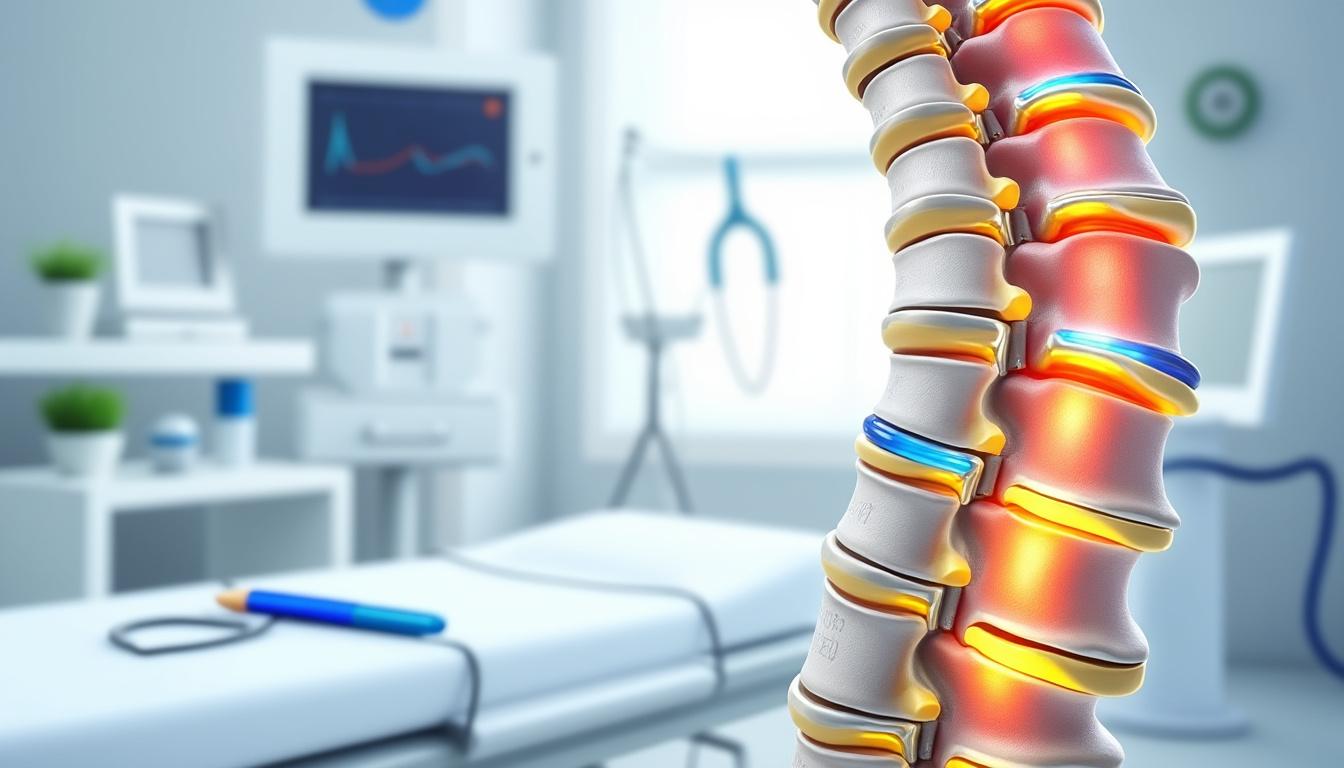
Symptoms and Clinical Presentation: Differentiating Foraminal Stenosis and Central Canal Stenosis
Both forms of stenosis lead to constriction that irritates or compresses nerves, but the location of narrowing dictates the nature and distribution of symptoms.
Typical Symptoms of Central Canal Stenosis
- Broad pain and stiffness: Central stenosis often causes diffuse back or neck pain rather than sharp localized pain.
- Neurological symptoms: Weakness, numbness, or tingling can be present on both sides of the body depending on the location and severity.
- Claudication: A hallmark symptom, particularly in lumbar stenosis, involves leg pain that worsens with walking but improves when sitting or bending forward.
- Balance and coordination problems: This occurs especially in cervical canal stenosis due to spinal cord involvement.
- Severe signs: Rarely, bowel or bladder dysfunction can arise, requiring immediate attention.
Typical Symptoms of Foraminal Stenosis
- Localized radicular pain: Pain that radiates along the distribution of a specific nerve root, sharp and shooting in nature.
- Unilateral symptoms: Symptoms such as numbness or weakness tend to be confined to one limb or one side of the body, consistent with involvement of a single nerve root.
- Muscle weakness: Weakness aligned with the particular nerve root compressed, for example foot drop from L5 nerve root irritation.
- Sensory changes: Burning, tingling, or numbness in distinct areas supplied by compressed nerves.
Dr. Desforges highlights the importance of detailed symptom mapping during consultations. He often demonstrates to patients how radicular pain follows a distinct pattern reflecting the specific nerve root involved, which contrasts with the more generalized discomfort of central canal stenosis.
| Symptom | Central Canal Stenosis | Foraminal Stenosis |
|---|---|---|
| Pain Location | Generalized, bilateral | Localized, unilateral |
| Weakness | Possible bilateral weakness | Typically unilateral, nerve root specific |
| Numbness | May involve broad areas | Precise distribution of one nerve root |
| Functional Impact | Balance issues, gait disturbances | Radicular limb pain with motor deficits |
Accurate symptom identification attentively informs the diagnostic process and enhances personalized treatment development.
Comprehensive Diagnostic Approach for Foraminal vs Central Canal Stenosis
Diagnosing these conditions demands rigorous evaluation that goes beyond simple imaging. Dr. Sylvain Desforges’ comprehensive assessment protocol emphasizes combining patient history, physical examination, and advanced diagnostics, observing rigorous scientific and ethical standards.
Medical History and Clinical Examination
- Symptom chronology and aggravating factors: Careful discussion allows differentiation of intermittent versus constant symptoms, patterns of pain spread, and precipitating activities.
- Neurological exam: Tests of muscle strength, reflexes, sensory responses, and coordination help localize nerve involvement.
Imaging Modalities
- Magnetic Resonance Imaging (MRI): Considered the gold standard, MRI clearly delineates spinal canal and foraminal dimensions, revealing signs of nerve compression.
- Computed Tomography (CT) Scan: Provides detailed images of bony structures, important for detecting osteophytes responsible for stenosis.
- X-rays: Useful for identifying vertebral alignment issues and detecting degenerative changes.
Electrophysiological Testing
- Electromyography (EMG) and Nerve Conduction Studies: Help quantify nerve root involvement and differentiate stenosis from peripheral nerve disorders.
Utilizing these tools, Dr. Desforges crafts an individualized diagnosis that reflects each patient’s unique anatomy and symptomatology, critical to guiding targeted interventions.
| Diagnostic Tool | Main Purpose | Relevance to Spinal Stenosis |
|---|---|---|
| Medical History & Physical Exam | Symptom assessment & localization | Distinguishes spinal canal vs foraminal involvement |
| MRI | Visualizes soft tissues & nerve compression | Reveals extent of stenosis in canal and foramina |
| CT Scan | Visualizes bone structures | Detects bone spurs, facet joint hypertrophy causing stenosis |
| X-rays | Assess spine alignment | Identifies degenerative scoliosis or spondylolisthesis |
| EMG/Nerve Conduction | Measures nerve function | Confirms nerve root irritation or damage |
Innovative Non-Surgical Treatment Modalities for Foraminal and Central Canal Stenosis
Conservative management often greatly improves symptoms and function without surgery. Dr. Sylvain Desforges advocates evidence-based, patient-centered protocols emphasizing safety and innovation.
- Physical therapy: Customized exercises improve spinal stability, increase flexibility, and reduce nerve compression.
- Pain management: Non-steroidal anti-inflammatory drugs (NSAIDs) and selective use of analgesics diminish inflammation and pain.
- Neurovertebral decompression therapy: This advanced technology gently stretches the spine to relieve pressure on nerve roots and the spinal cord.
- Epidural steroid injections: Anti-inflammatory medications reduce nerve root inflammation temporarily.
- Laser therapy: Emerging as an adjunct option, low-level laser treatments promote tissue healing and reduce pain.
Furthermore, Dr. Desforges incorporates cutting-edge devices from leading brands such as Medtronic, Stryker, NuVasive, and Globus Medical to optimize non-invasive treatments. His multidisciplinary teams collaborate closely, ensuring that care plans adapt to patient responses.
Innovations like dynamic spinal implants pioneered by companies such as Zimmer Biomet, DePuy Synthes, Alphatec Spine, Orthofix, SpineWave, and LDR Spine illustrate the expanding toolkit for spine care professionals and enhance options for patients when surgical intervention becomes necessary.
| Treatment | Mechanism | Benefits |
|---|---|---|
| Physical Therapy | Muscle strengthening and flexibility | Improves spinal support, reduces nerve irritation |
| Neurovertebral Decompression | Spinal traction to relieve pressure | Non-invasive, promotes nerve recovery |
| Epidural Steroid Injection | Anti-inflammatory medication administration | Reduces nerve root inflammation, pain relief |
| Laser Therapy | Tissue repair with low-level laser | Decreases pain and promotes healing |
Patients are encouraged to ask about the latest technologies and how these might fit into their care. Dr. Desforges stresses the importance of customized regimens over one-size-fits-all solutions, aligning treatment with patient goals and lifestyles.
Surgical Interventions: When Conservative Care Requires Augmentation
When symptoms persist despite non-invasive measures or when neurological deficits worsen, surgical options become necessary to restore spinal integrity and alleviate nerve compression.
- Laminectomy: Removal of the vertebral lamina to expand the spinal canal.
- Foraminotomy: Surgical enlargement of the foraminal tunnel to decompress nerve roots.
- Spinal fusion: Stabilization of adjacent vertebrae to prevent movement causing recurrent stenosis.
- Minimally invasive procedures: Developed through partnerships with leaders like Alphatec Spine and Orthofix, these approaches reduce recovery time and surgical risks.
It is essential to align surgical choices with rigorous medical guidelines. Dr. Desforges advises patients to engage in a thorough evaluation and discussion to weigh benefits and risks tailored to their unique spine health.
| Surgical Procedure | Purpose | When Recommended |
|---|---|---|
| Laminectomy | Increases spinal canal space | Severe central stenosis with spinal cord compression |
| Foraminotomy | Widens foramina | Severe foraminal stenosis with nerve root compression |
| Spinal Fusion | Stabilizes the spine | Spinal instability or degenerative disc disease |
| Minimally Invasive Surgery | Reduces soft tissue damage | Selected cases requiring surgery with faster recovery aim |
Patient-Centered Strategies for Living with Stenosis
Managing foraminal or central canal stenosis requires lifestyle adaptations and ongoing care beyond clinical settings. Dr. Desforges advocates an integrative approach, valuing patients’ active roles in their recovery journeys.
- Weight management: Excess weight increases mechanical stress on the spine.
- Regular low-impact exercise: Swimming, walking, and yoga help maintain spinal flexibility and muscle support.
- Postural awareness: Maintaining correct spinal alignment both during movement and rest reduces pressure.
- Ergonomic adjustments: Proper workplace and home setup prevent exacerbation of symptoms.
- Pain coping techniques: Use of heat, cold therapy, massage, and relaxation reduces discomfort.
- Ongoing medical follow-up: Monitoring progress and adapting treatment as needed ensures sustained well-being.
Patient testimonials often emphasize the value of this holistic method, highlighting regained mobility and reduced pain. Tailored advice from reputable clinics like TAGMED under the guidance of experts such as Dr. Desforges emphasizes these principles.
Educational Empowerment: Understanding Your Condition is the First Step to Recovery
An informed patient is an empowered patient. Dr. Desforges places education at the forefront, ensuring that explanations are accessible and devoid of confusing jargon. Providing clear insights into a patient’s individual condition fosters confidence and compliance.
- Understanding symptom patterns: Differentiating nerve-root related pain from central spinal canal issues.
- Knowing when to seek help: Recognizing red flags such as sudden weakness or loss of bladder control.
- Comprehending treatment modalities: Exploring non-surgical and surgical options with risks and benefits transparently presented.
- Encouraging questions: Patients are advised to actively discuss concerns and treatment goals.
This transparency aligns with Dr. Desforges’ commitment to ethical practice and ensures patients in Quebec, following Collège des médecins du Québec recommendations, are fully supported.
When to Contact a Spine Care Expert: Seeking Comprehensive Evaluation and Personalized Care
Anyone experiencing persistent back or neck pain, shooting extremity pain, numbness, or weakness should consider a thorough spinal evaluation to accurately define the problem and initiate appropriate interventions. Dr. Sylvain Desforges, with over three decades of expertise and leading roles in recognized institutions such as ACMA, the Canadian College of Osteopaths, and TAGMED Clinics, offers comprehensive evaluations that eschew diagnoses but provide in-depth understanding and care pathways.
- Early assessment: Improves outcomes through timely conservative management.
- Individualized treatment planning: Based on precise anatomical and functional assessment.
- Access to advanced technologies: Including neurovertebral decompression and state-of-the-art imaging.
- Multidisciplinary support: Incorporating physiotherapy, osteopathy, and pain management specialists.
Patients seeking clarity and relief are encouraged to take the first step by contacting clinics like TAGMED to discuss their condition and begin tailored care. Personalized attention recognizes the uniqueness of each case, reinforcing treatment efficacy and patient satisfaction.
{“@context”:”https://schema.org”,”@type”:”FAQPage”,”mainEntity”:[{“@type”:”Question”,”name”:”What is the main difference between foraminal stenosis and central canal stenosis?”,”acceptedAnswer”:{“@type”:”Answer”,”text”:”Foraminal stenosis narrows the openings where nerve roots exit the spine (foramina), causing localized radiating pain, whereas central canal stenosis narrows the main spinal canal, potentially compressing the spinal cord and causing broader symptoms.”}},{“@type”:”Question”,”name”:”Can foraminal stenosis and central canal stenosis occur together?”,”acceptedAnswer”:{“@type”:”Answer”,”text”:”Yes, these stenoses can co-exist, often complicating symptom patterns and requiring comprehensive evaluation for precise treatment.”}},{“@type”:”Question”,”name”:”Are all cases of spinal stenosis treated with surgery?”,”acceptedAnswer”:{“@type”:”Answer”,”text”:”No, many cases respond well to conservative treatments like physical therapy, medication, and neurovertebral decompression. Surgery is typically reserved for severe or progressive cases.”}},{“@type”:”Question”,”name”:”How does neurovertebral decompression therapy help with spinal stenosis?”,”acceptedAnswer”:{“@type”:”Answer”,”text”:”It gently stretches the spine to enlarge the spinal canal and foraminal spaces, reducing nerve compression and promoting healing without surgery.”}},{“@type”:”Question”,”name”:”When should I seek immediate medical attention for stenosis symptoms?”,”acceptedAnswer”:{“@type”:”Answer”,”text”:”Seek urgent care if you experience sudden bowel or bladder dysfunction, severe weakness, or loss of mobility, as these can indicate serious nerve damage.”}}]}What is the main difference between foraminal stenosis and central canal stenosis?
Foraminal stenosis narrows the openings where nerve roots exit the spine (foramina), causing localized radiating pain, whereas central canal stenosis narrows the main spinal canal, potentially compressing the spinal cord and causing broader symptoms.
Can foraminal stenosis and central canal stenosis occur together?
Yes, these stenoses can co-exist, often complicating symptom patterns and requiring comprehensive evaluation for precise treatment.
Are all cases of spinal stenosis treated with surgery?
No, many cases respond well to conservative treatments like physical therapy, medication, and neurovertebral decompression. Surgery is typically reserved for severe or progressive cases.
How does neurovertebral decompression therapy help with spinal stenosis?
It gently stretches the spine to enlarge the spinal canal and foraminal spaces, reducing nerve compression and promoting healing without surgery.
When should I seek immediate medical attention for stenosis symptoms?
Seek urgent care if you experience sudden bowel or bladder dysfunction, severe weakness, or loss of mobility, as these can indicate serious nerve damage.