

The complexity of spinal terminology often presents a formidable barrier for patients and even healthcare professionals striving to make informed decisions about spine care. Understanding key terms related to spinal anatomy, common disorders, and treatment modalities is vital for fostering clear communication and informed consent throughout the care process. This comprehensive glossary aims to demystify spine-related terminology by offering concise, jargon-free explanations that highlight their significance in diagnosis, treatment, and patient education, ultimately supporting a stronger collaboration between patients and healthcare providers such as Dr. Sylvain Desforges, a recognized leader in spinal health with over 30 years of clinical experience.
By exploring essential terms from A to Z, readers new to the subject can gain clarity on spinal anatomy encompassing vertebrae, discs, ligaments, and nerves, as well as become acquainted with prevalent conditions like herniated discs and spinal stenosis. Accompanying detailed definitions are practical examples of how these terms inform treatment options such as neurovertebral decompression therapy, employed by experts like Dr. Desforges. The glossary further underscores the importance of innovation and evidence-based practice in enhancing patient outcomes, spotlighting advanced technologies and conservative care approaches as alternatives to invasive surgery.
Understanding Vertebrae and Spinal Anatomy: Key Terms for SpineCare
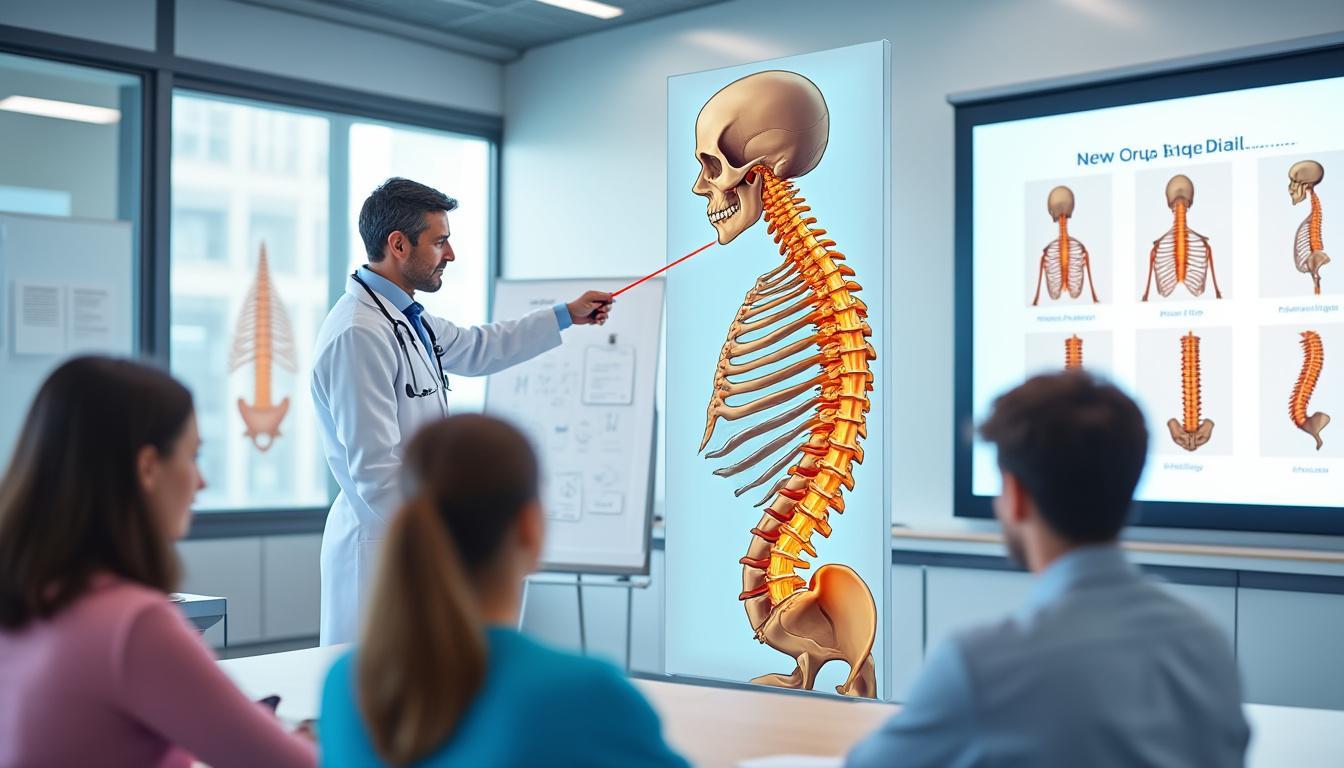
Central to mastering spine terminology is a thorough knowledge of the vertebrae and their structural components. The spine consists of 33 vertebrae stacked in a column, each shaped to protect the spinal cord while allowing flexibility and strength. Vertebrae are divided into three main regions:
- Cervical vertebrae located in the neck region, supporting head movement.
- Thoracic vertebrae attached to the rib cage, offering thoracic stability.
- Lumbar vertebrae forming the lower back, bearing most body weight.
Each vertebra features a vertebral body—a thick, weight-bearing front portion—and a posteriorly situated neural arch protecting the spinal cord. The neural arch comprises pedicles, laminae, and processes essential for muscular and ligament attachments. Together, these structures form the protective bony passageway for nerves and are critically evaluated during diagnostic procedures.
Connecting the vertebrae are various ligaments including the anterior longitudinal ligament (ALL) running along the front of the vertebral bodies, an essential structure to maintain spinal stability and limit excessive extension. The bony and ligamentous architecture supports the complex mobility and alignment of the spine, crucial for balancing daily activities and enabling proper posture.
| Term | Definition | Importance in Clinical Context |
|---|---|---|
| Vertebra | Individual bones that compose the spinal column, each with a vertebral body and neural arch. | Foundational structural units examined in spinal disorders and evaluated by experts like Dr. Desforges in comprehensive assessments. |
| Neural Arch | Posterior part of vertebra protecting spinal cord, including pedicles and laminae. | Integrity is vital to prevent nerve compression and ensure spinal cord safety. |
| Anterior Longitudinal Ligament (ALL) | Ligament along front of vertebrae maintaining spine stability. | Often involved in injury; its condition guides treatment planning. |
- Recognizing vertebral regions and components helps in understanding the site and nature of spinal pathology.
- Knowledge of ligaments supports awareness of injury mechanisms and rehabilitation protocols.
- Spinal anatomy terms serve as a foundational backbone for discussing disorders like herniated discs or spinal stenosis.
Common Spinal Disorders Explained Without Medical Jargon
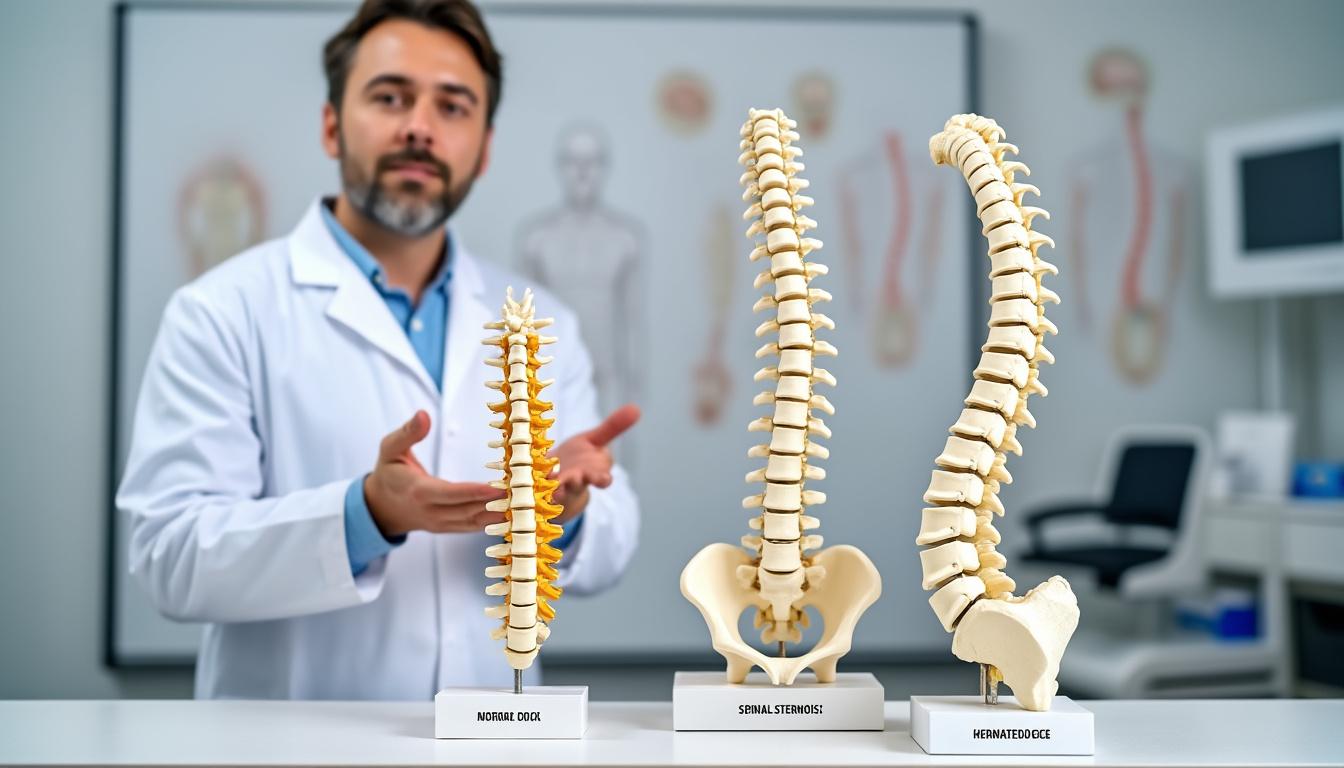
The spine can develop a variety of disorders that impact mobility and quality of life. This section clarifies key conditions frequently encountered in spine care practices.
Herniated Disc (DiscEase) – What It Means and Why It Matters
A herniated disc occurs when the soft, gel-like interior of an intervertebral disc pushes through a tear in the tougher outer layer. This protrusion can irritate nearby nerves causing pain, numbness, or weakness. Understanding this term helps patients recognize the source of their symptoms and the rationale behind treatments such as spinal decompression therapy.
Spinal Stenosis and Its Effects on SpinalHealth
Spinal stenosis refers to narrowing of spaces within the spine, which can compress nerves impinging on normal function and causing symptoms ranging from discomfort to severe mobility limitations. This condition highlights the importance of imaging and expert evaluation to tailor care plans effectively.
Spondylolisthesis – What Happens When a Vertebra Shifts
This condition describes the slippage of one vertebra over another, impacting spinal stability and nerve function. Identifying it is crucial for planning interventions aimed at restoring CoreAlign and preventing worsening symptoms.
| Spinal Disorder | Description | Impact on Patient |
|---|---|---|
| Herniated Disc | Inner disc material protrudes causing nerve irritation. | Back pain, radiating pain, numbness in limbs. |
| Spinal Stenosis | Narrowing of spinal canal or neural foramina compressing nerves. | Leg pain, weakness, balancing difficulties. |
| Spondylolisthesis | Vertebral slippage affecting alignment and nerve roots. | Lower back pain, restricted movement. |
- Recognizing symptoms linked to these common disorders facilitates timely consultation.
- Understanding pathophysiology promotes patient engagement in flexible care plans.
- These disorders often benefit from non-surgical, innovative therapies championed by experts like Dr. Desforges.
Innovative Non-Surgical Treatments Elevating SpineCare Results
In the evolving field of spine health, conservative and evidence-based non-surgical treatments represent a growing emphasis. Dr. Sylvain Desforges, known for pioneering neurovertebral decompression therapy, integrates advanced technologies and precise osteopathic techniques to achieve substantial patient relief without invasive procedures.
Neurovertebral Decompression Therapy: CoreAlign and NerveSupport Synergy
This therapy involves gently stretching the spine using specialized equipment to alleviate pressure on compressed discs and nerves. It aims to facilitate healing of DiscEase conditions by restoring proper vertebral alignment and improving blood flow. Regular sessions can significantly reduce pain and improve mobility.
Laser Therapy and Its Role in Accelerating Recovery
Laser therapy utilizes targeted light energy to reduce inflammation and promote tissue repair. This adjunct treatment complements spinal decompression and osteopathic care by enhancing cellular metabolism at the affected site, supporting the body’s natural healing mechanisms.
Dynamic Spinal Implants for Advanced Vertebra Stabilization
Though still an emerging technology, dynamic spinal implants provide an alternative to traditional fusion surgeries by stabilizing vertebrae while preserving motion. Integration of such solutions reflects the commitment to innovation and patient-centered goals in spinal healthcare.
| Treatment | Mechanism | Clinical Benefits |
|---|---|---|
| Neurovertebral Decompression Therapy | Spinal stretching to relieve nerve and disc pressure. | Decreased pain, improved spinal function. |
| Laser Therapy | Non-invasive light energy reducing inflammation. | Accelerated healing, pain alleviation. |
| Dynamic Spinal Implants | Motion-preserving vertebral stabilization. | Maintains mobility, long-term spine support. |
- Embracing advanced therapies limits the need for surgical intervention.
- Combining technologies offers a personalized approach enhancing SpinalHealth outcomes.
- Expert evaluation ensures treatment suitability and safety in compliance with Canadian medical regulations.
Clear Patient Communication: Breaking Down BackBasics for Better Care
Effective spine care relies on transparent dialogue between the practitioner and patient. Dr. Desforges emphasizes simplifying complex back health concepts to empower patients to understand their condition and treatment options clearly.
For example, terms such as “annulus,” “cauda equina,” or “central canal” can sound intimidating but become approachable when explained with straightforward language and relatable analogies. Educating patients about their unique condition fosters shared decision-making and confidence in pursuing personalized care plans integrating FlexSpine principles.
- Use visual aids and analogies to clarify complex anatomical or pathological information.
- Provide summaries of indications, benefits, and potential limitations of treatments.
- Maintain ongoing dialogue encouraging questions and addressing concerns without jargon.
| Term | Plain Language Explanation |
|---|---|
| Annulus | The tough outer ring of a spinal disc that keeps the gel-like core in place. |
| Cauda Equina | Bundle of nerves at the bottom of the spinal cord resembling a horse’s tail. |
| Central Canal | The passageway within the spine that holds cerebrospinal fluid and the spinal cord. |
Scientific Rigor and Ethical Standards in SpineCare Evaluations
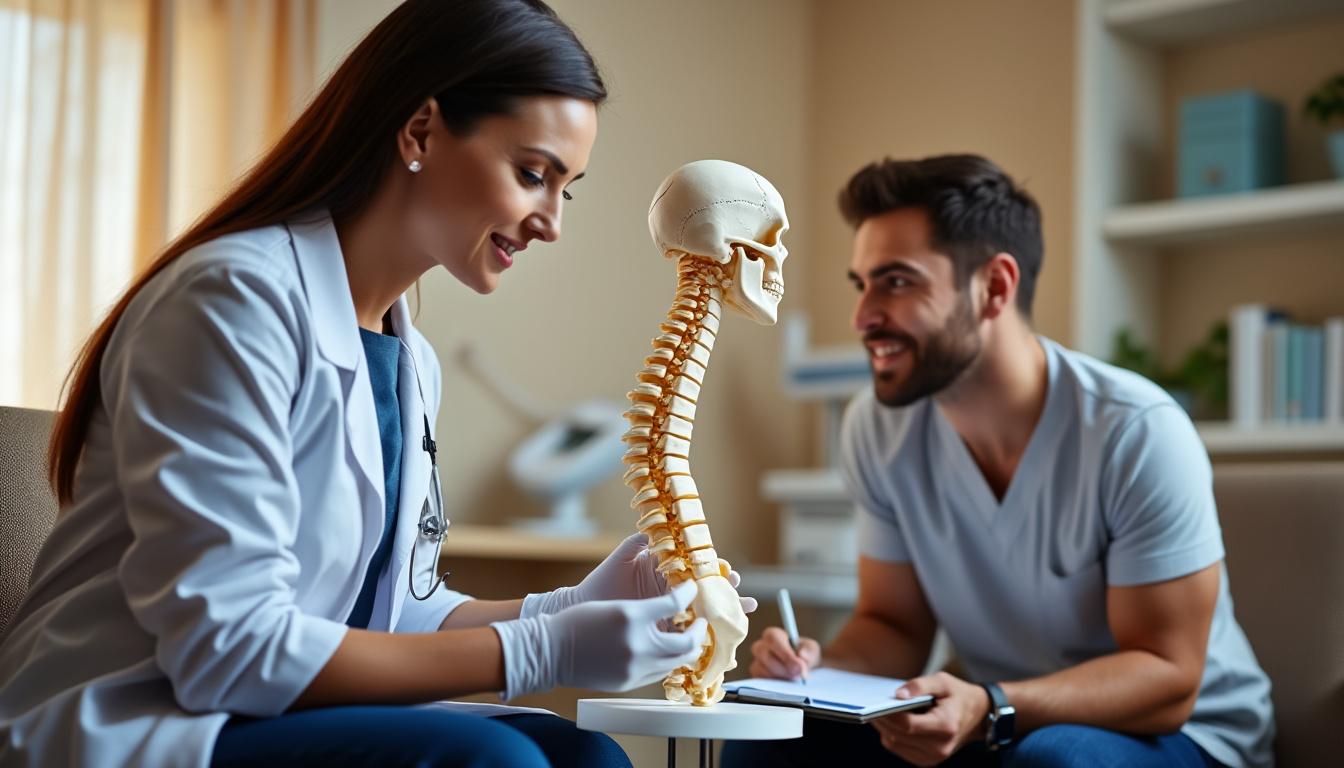
Expert evaluation is fundamental to developing effective and safe care plans. Dr. Sylvain Desforges adheres strictly to the highest scientific and ethical standards, emphasizing evidence-based practice while fulfilling all Quebec and Canadian regulatory requirements, such as those from the Collège des médecins du Québec. This comprehensive evaluation includes detailed patient history, physical examination, and review of diagnostic imaging to holistically understand the individual’s spinal condition.
Adhering to such standards protects patient safety and maximizes therapeutic outcomes while respecting individual patient needs and values. Dr. Desforges’ approach exemplifies the commitment to responsible, patient-centered care that balances advanced technology use with compassionate support.
- Patients receive thorough assessment before proposing any care pathway.
- Evaluation respects legal and ethical guidelines ensuring transparency and safety.
- Scientific basis of treatments is continually reviewed to align with latest medical evidence.
| Evaluation Step | Purpose | Outcome |
|---|---|---|
| Detailed History | Gathering patient symptoms, past care, lifestyle factors. | Contextualizes condition for personalized planning. |
| Physical Examination | Assessing spinal mobility, neurological function. | Identifies specific impairments and precautions. |
| Imaging Review | Evaluating MRI, CT, or X-rays for structural insights. | Confirms diagnosis and guides treatment selection. |
Patient-Centered Care Plans: AlignWell Strategies for Effective Healing
Recognizing that every spinal condition is unique, Dr. Desforges ensures each patient receives a tailored care plan harmonizing medical insight and patient priorities. AlignWell strategies encompass integrating physical therapy, osteopathic manipulation, neurovertebral decompression, and lifestyle interventions to promote sustainable recovery.
Customized care plans optimize outcomes by balancing treatment intensity with the patient’s tolerance and goals, encouraging active participation and self-management. Through patient education and motivational support, individuals are empowered to improve their SpinalHealth holistically.
- Develop plans based on comprehensive evaluation data and patient input.
- Incorporate conservative and innovative treatments for best results.
- Focus on long-term spinal function and quality of life improvements.
| Care Component | Role in Healing | Benefits |
|---|---|---|
| Osteopathic Manipulation | Realigns spinal structures and eases muscle tension. | Improved mobility and pain relief. |
| Neurovertebral Decompression | Reduces nerve compression. | Enhanced disc healing and symptom reduction. |
| Physical Therapy | Strengthens supporting muscles. | Increased spine stability and function. |
Interdisciplinary Collaboration and Role of TAGMED Clinics
Delivering optimal spine care requires integrated efforts from diverse healthcare disciplines. TAGMED Clinics, founded and led by Dr. Desforges, exemplify this interdisciplinary model by combining expertise in osteopathy, physical therapy, and cutting-edge technological interventions to provide comprehensive SpineCare services.
The clinics prioritize patient comfort and education, fostering an environment where patients are actively involved in their treatment journey with support from a unified team. Evidence-based protocols and continuous innovation underpin every aspect of care, ensuring responsiveness to evolving patient needs.
- Promotes collaboration across healthcare disciplines enhancing care quality.
- Utilizes advanced diagnostic and treatment technologies for precision care.
- Maintains patient-centered philosophy embracing transparency and personalized plans.
| Clinic Role | Contribution to SpineCare | Benefit to Patients |
|---|---|---|
| Osteopathic Services | Provides structural evaluation and manual therapy. | Corrects alignment, reduces pain. |
| Physical Therapy | Rehabilitates and strengthens muscles supporting the spine. | Improves function and decreases recurrence risk. |
| Technology Integration | Offers neurovertebral decompression and laser therapies. | Non-surgical options improving recovery. |
Empowering Patients Through Education and Accessibility
One of the pillars of effective SpineCare lies in education and accessibility. Dr. Desforges and his teams prioritize clear communication to ensure patients fully grasp their condition and treatment pathways. This includes simplifying terminology, outlining clinical processes, and discussing expectations honestly.
Transparent education supports patients in actively participating in their care, asking informed questions, and making choices aligned with their lifestyle and goals. Accessibility is enhanced through options like remote consultations, flexible scheduling at TAGMED Clinics, and personalized assessments tailored to address individual needs.
- Simplifying medical language to facilitate understanding.
- Encouraging active patient engagement and feedback.
- Providing flexible, accessible care to diverse patient populations.
| Educational Approach | Features | Patient Benefits |
|---|---|---|
| Clear Terminology | Using plain language to explain complex concepts. | Reduces anxiety and confusion. |
| Personalized Communication | Tailored discussions based on patient knowledge level. | Enhances confidence and trust. |
| Accessible Services | Offers telehealth and convenient clinic locations in Montréal and Terrebonne. | Improves treatment adherence and outcomes. |
What is the role of vertebrae in spine function?
Vertebrae serve as the spine’s fundamental building blocks providing structural support, protection for the spinal cord, and enabling flexible movement essential for daily activities.
How does neurovertebral decompression therapy help with herniated discs?
This therapy gently stretches the spine to reduce pressure on discs and nerves, promoting healing and reducing pain without surgery.
What makes TAGMED Clinics different in spine care?
TAGMED Clinics integrate osteopathic expertise, physical therapy, and advanced technology in a patient-centered, interdisciplinary approach led by Dr. Sylvain Desforges.
Are spinal treatments at TAGMED Clinics compliant with medical regulations?
Yes, all treatments adhere strictly to Quebec and Canadian medical regulations, ensuring evidence-based, safe, and ethical care.
Why is patient education emphasized in spinal health?
Education empowers patients to understand their condition and treatment choices, encouraging active involvement and improving overall care outcomes.