

Disc pain, especially from a herniated disc, can transform the simple act of sleeping into a challenging ordeal. The spine’s delicate structure, when disrupted by a disc herniation, causes nerve irritation that often manifests as intense pain, numbness, or tingling sensations. Rest is essential for the body’s natural healing, yet incorrect sleeping positions can amplify pain and obstruct recovery. In 2025, spinal health care expert Dr. Sylvain Desforges emphasizes that understanding proper sleep posture and adopting scientifically supported habits profoundly impacts patient outcomes. This article explores the interplay between spinal biomechanics and sleep, offering advanced recommendations grounded in over 30 years of clinical expertise shared by Dr. Desforges to enhance comfort and facilitate healing for individuals living with disc-related pain.
From selecting the right mattress to refining sleep position strategies, knowledge is power when managing herniated discs. This text will guide readers through targeted practices to decompress affected spinal areas during rest periods. These approaches are supported by rigorous clinical observations and encompass both general advice and specialized recommendations tailored to disc location. Chronic pain sufferers can particularly benefit from these insights, gaining actionable measures to reclaim restful nights without resorting prematurely to surgery. Recognizing the individuality of each patient’s anatomy and symptoms, Dr. Desforges advocates for personalized assessments to complement these practical sleep modifications, ensuring a comprehensive, human-centered approach to spine care.
How Back Sleeping with Knee Support Alleviates Disc Pain
Sleeping on the back is often the most recommended position for people suffering from herniated discs in the lumbar region. This posture encourages the spine to maintain its natural alignment, which is crucial to reducing pressure on affected discs and nearby nerves. Through Dr. Sylvain Desforges’ extensive clinical experience at Clinique TAGMED, it’s clear that supporting the knees with a pillow or rolled towel allows the lower back to flatten slightly against the mattress, lowering lumbar curve tension.
The rationale behind this positioning lies in spinal biomechanics: elevating the knees reduces lumbar lordosis (the inward curvature), thereby diminishing compressive forces on the posterior intervertebral discs. This promotes optimal disc rehydration and nutrient exchange, accelerating healing. To maximize benefits, patients should use a medium-firm mattress—brands like Tempur-Pedic, Saatva, or Purple offer models that balance cushioning with robust support.
- Place a pillow under the knees to reduce lumbar stress.
- Support the cervical spine with a medium-height pillow to maintain neck alignment.
- Avoid using pillows that are too thick or too flat, as improper support can induce strain.
Clinical observations demonstrate that patients adopting this simple adjustment often report significant pain reduction within days. Consistency is key; even during travel, maintaining this knee-supported back sleeping position can facilitate recovery. It is advisable to integrate gradual stretches targeting spinal decompression during daytime hours to complement nighttime positioning.
| Sleeping Position | Key Benefit | Recommended Mattress Types | Helpful Accessories |
|---|---|---|---|
| Back Sleeping with Knee Support | Reduces lumbar lordosis and relieves disc pressure | Medium-firm (Tempur-Pedic, Saatva, Purple) | Pillow under knees, medium-height neck pillow |
By collaborating with professionals like Dr. Desforges, patients receive tailored advice on suitable sleep setups, emphasizing safety and evidence-based recommendations throughout the Quebec healthcare framework. Through this approach, the confidence to effectively self-manage symptoms increases significantly, empowering patients to take control of their spinal health.

Side Sleeping Techniques with Pillow Placement for Herniated Disc Relief
Side sleeping is a widely endorsed alternative for patients with disc herniations who find back sleeping uncomfortable or painful. The critical component of this position, validated by Dr. Sylvain Desforges’ clinical protocols, is to maintain spinal neutrality while minimizing torsional forces on affected discs. Placing a firm pillow between the knees acts as a spacer, aligning the hips, pelvis, and spine to prevent rotation that could exacerbate nerve irritation.
Patients with unilateral herniation often find that sleeping on the side opposite the herniation can reduce nerve compression. For cervical disc problems, a high-quality cervical contour pillow plays an essential role in maintaining the neck’s physiological curve, preventing strain during sleep. For lumbar issues, gently drawing the knees slightly toward the chest in a controlled fetal-style posture creates additional space between vertebrae, encouraging nerve decompression.
- Use a firm pillow between knees to maintain pelvic and spinal alignment.
- Select a contoured pillow supporting cervical curvature during side sleep.
- Ensure legs are not curled too tightly to prevent restricted breathing and muscular strain.
- Alternate sides if required, favoring the side opposite disc herniation for relief.
Research data corroborates that side sleeping with proper support consistently improves sleep quality in patients with herniated discs. Mattress selections from Sleep Number and Leesa, noted for adjustable firmness, provide enhanced customization catering to individual spinal contours. Over time, these adjustments can reduce pain frequency and intensity, avoiding further nerve irritation.
| Position Element | Purpose | Recommended Product Types | Clinical Impact |
|---|---|---|---|
| Pillow Between Knees | Maintains spinal and hip alignment | Firm orthopedic or memory foam pillows | Reduces torque on affected discs |
| Cervical Contour Pillow | Supports neck curvature | Contour cervical pillows with memory foam | Prevents neck strain and nerve irritation |
By integrating these techniques, patients adopting side sleeping positions under Dr. Desforges’ guidance can experience tangible symptom improvements while reinforcing spinal health maintenance. Personalization of pillow choice and mattress firmness is paramount to avoid overcorrection, which might lead to new discomforts.

Advantages of the Fetal Position for Lumbar Herniated Discs
The fetal sleeping position, characterized by lying on one’s side with knees drawn gently toward the chest, stands out as a therapeutic posture for lumbar disc herniations. This approach is recommended extensively by Dr. Sylvain Desforges as it naturally increases intervertebral spacing, which can diminish nerve root compression and alleviate sciatica symptoms.
The key to efficacy lies in moderation: overly tight curling can impede respiratory efficiency and provoke muscular stiffness, negating benefits. When performed correctly, the fetal position reduces pressure on the lumbar discs and facilitates improved lumbar hydration and healing during sleep. Patients often combine this posture with a pillow between the knees to sustain proper pelvic alignment.
- Draw knees gently toward chest without over-flexing.
- Use a supportive pillow between knees to maintain hip alignment.
- Choose a medium-firm mattress to facilitate comfortable spinal positioning.
- Avoid excessive curling that may reduce lung capacity and cause tension.
Longitudinal case studies illustrate that patients utilizing the fetal position report decreased night-time pain intensity and improved morning mobility. Brands such as Sealy and Avocado Mattress provide options with natural and hypoallergenic materials that contribute to an allergy-free, restful environment conducive to spinal recovery.
| Fetal Position Component | Benefit | Recommended Mattress/Pillow | Sleep Improvement Outcome |
|---|---|---|---|
| Knees Curled Gently | Increases intervertebral spacing | Medium-firm mattresses like Sealy | Reduces nerve pressure and sciatica pain |
| Pillow Between Knees | Maintains pelvic alignment | Orthopedic pillows with memory foam filling | Improves comfort and spinal neutrality |
With Dr. Desforges’ emphasis on scientific rigor and patient-centered care, adapting the fetal position is often paired with neurovertebral decompression therapies to maximize spinal healing without invasive procedures. This holistic strategy exemplifies state-of-the-art care that balances comfort with long-term spinal wellness.
Why Sleeping on the Stomach Should Be Avoided for Disc Pain
Sleeping on the stomach is generally discouraged for individuals suffering from herniated discs, particularly in the lumbar and cervical regions. According to spinal care expert Dr. Sylvain Desforges, this position disrupts the natural curvature of the spine by forcing the lower back into hyperextension and requiring excessive neck rotation, which exacerbates nerve irritation and disc stress.
This position compels the muscles and ligaments supporting the spine to work harder throughout the night, often resulting in increased morning stiffness and pain flare-ups. Patients who habitually sleep on their stomachs are encouraged to transition gradually to back or side sleeping techniques, supplementing this shift with supportive pillows to ease adjustment.
- Stomach sleeping flattens the lumbar curve and strains neck alignment.
- Causes muscle fatigue due to unnatural spinal extension.
- Leads to higher risk of nerve compression and inflammation.
- Transition tools include abdominal pillows and gradual positional training.
In some cases where patients struggle to avoid stomach sleeping, placing a thin pillow beneath the abdomen can help maintain a more neutral spine, but this is considered a suboptimal compromise. For sustainable relief, reconditioning sleep posture is essential, often guided by experienced practitioners such as Dr. Desforges who tailor advice to unique patient anatomies and symptoms.
| Stomach Sleeping Impact | Spinal Consequence | Temporary Mitigation | Recommended Long-Term Solution |
|---|---|---|---|
| Hyperextension of lumbar spine | Increased pressure on discs and nerves | Thin pillow under abdomen | Adopt back or side sleeping with proper support |
| Neck rotation strain | Potential nerve irritation and muscle tension | Soft or no pillow under head | Cervical support pillows for side/back positions |
Understanding the adverse effects of stomach sleeping is crucial for patients looking to improve spinal health. Dr. Desforges’ holistic evaluation model identifies sleep posture as a pivotal factor, reinforcing the necessity of lifestyle modifications and structured support to prevent pain recurrence or progression.
Selecting the Optimal Mattress and Pillow to Support Spinal Health
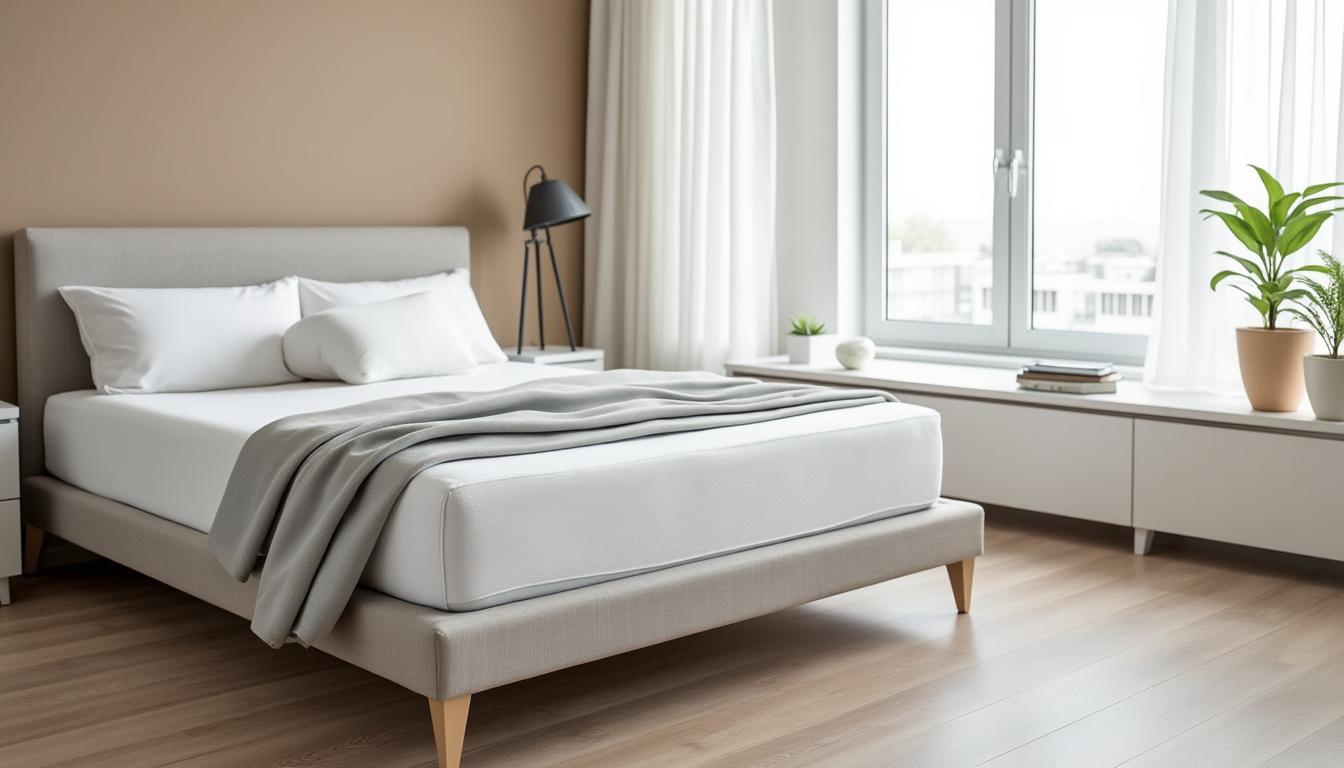
Among many factors influencing sleep quality for those with herniated discs, mattress and pillow selection undoubtedly ranks at the top. Expert Dr. Sylvain Desforges underscores how a mattress’s firmness and material composition directly impact spinal alignment and pressure points during rest.
Medium-firm mattresses—such as those from Casper, Sleep Number, and Brookstone—offer a balanced combination of softness and support, enabling the spine to maintain its natural curves while reducing localized stress. Memory foam and latex layers help distribute body weight uniformly, avoiding harmful pressure zones.
Pillow choice complements mattress support by stabilizing the cervical spine position. Contoured pillows or those made with memory foam can maintain neck curvature, essential for reducing cervical nerve irritation. Adjustable pillows and wedge supports may be needed for patients with specific disc locations or coexisting conditions.
- Choose a medium-firm mattress for balanced spinal support.
- Opt for memory foam or latex for pressure distribution.
- Use contoured cervical pillows to support neck curvature.
- Consider adjustable pillows or wedges for specific disc issues.
- Replace sleep accessories every 2-3 years to maintain support.
| Product Type | Recommended Brands | Primary Benefits | Ideal User Profile |
|---|---|---|---|
| Medium-Firm Mattress | Casper, Sleep Number, Brookstone, Avocado Mattress | Supports spinal alignment, pressure relief | Most herniated disc patients seeking balanced support |
| Memory Foam Pillow | Medline, specialized orthopedic brands | Maintains cervical curve, reduces neck strain | Cervical disc herniation sufferers |
| Adjustable Wedge Pillow | Sleep Number, Purple | Elevates upper body or legs to reduce nerve pressure | Patients with cervical and lumbar nerve involvement |
Integrating mattress and pillow choice with individualized sleep protocols enhances outcomes for patients treated under Dr. Desforges’ guidance. This comprehensive approach aligns with Quebec and Canadian regulatory standards emphasizing safety, evidence-based care, and innovation in conservative spine management.
Complementary Strategies: Stretching, Heat and Cold for Nighttime Pain Management
To support optimal sleep, Dr. Sylvain Desforges recommends integrating gentle, targeted stretches and temperature therapies into the evening routine for herniated disc patients. These modalities complement sleeping position adjustments by relaxing muscles and reducing inflammation to enhance comfort.
Simple pre-sleep stretches, such as pelvic tilts and cat-cow poses, promote spinal mobility and reduce tension. These exercises are low impact and can be performed in under ten minutes. Heat therapy, applied via heating pads, relaxes muscular tightness and increases local blood flow, helping alleviate stiffness. Conversely, cold packs reduce inflammation and numb acute pain when applied selectively.
- Incorporate gentle spinal stretches before bedtime.
- Apply heat for 15-20 minutes to loosen muscles.
- Use cold packs to reduce inflammation as needed.
- Avoid overstretching or vigorous exercises in the evening.
- Consult professionals for personalized stretch regimes.
| Therapy Type | Purpose | Recommended Application Time | Expected Effect |
|---|---|---|---|
| Gentle Stretching | Reduce muscular tension and promote mobility | 5-10 minutes before sleep | Improved comfort and spinal flexibility |
| Heat Therapy | Relax muscles, increase blood circulation | 15-20 minutes pre-bedtime | Decreased stiffness and pain |
| Cold Therapy | Reduce inflammation and numb acute pain | 10-15 minutes as needed | Relief from acute disc irritation |
Scientific backing affirms that these adjuncts foster an environment conducive to restful sleep, especially when combined with optimized sleep postures and appropriate bedding. Dr. Desforges’ clinic employs such holistic protocols to promote healing while prioritizing patient comfort and safety.
Innovative Non-Surgical Therapies to Enhance Sleep Quality and Disc Recovery
In recent years, leading spine care expert Dr. Sylvain Desforges has pioneered the use of advanced non-surgical spinal decompression therapy to accelerate healing for patients suffering from herniated discs. This cutting-edge approach utilizes computer-controlled traction tables that gently stretch the spine, creating negative pressure that encourages the retraction of protruded disc material and relieves nerve compression.
Patients benefit from improved spinal hydration and reduced inflammation without the risks associated with surgical intervention. This modality, integrated within a comprehensive rehabilitative program including osteopathic evaluation, stretches, and lifestyle guidance, aligns seamlessly with ethical standards and evidence-based best practices upheld by Canadian healthcare authorities.
- Non-invasive spinal decompression using precision traction tables.
- Promotes disc retraction and nerve relief.
- Enhances natural disc healing and hydration.
- Often reduces or eliminates need for surgery.
- Used in conjunction with personalized osteopathic care.
| Therapy | Mechanism | Clinical Benefits | Patient Suitability |
|---|---|---|---|
| Non-Surgical Spinal Decompression | Gentle traction reduces intradiscal pressure | Disc material retraction, nerve decompression | Herniated disc patients seeking non-invasive relief |
| Osteopathic Care | Manual adjustment and soft tissue therapy | Enhanced musculoskeletal balance and pain reduction | Patients requiring holistic evaluation and treatment |
For long-term relief and improved sleep, Dr. Desforges integrates these therapies in his Montreal and Terrebonne clinics, ensuring treatment plans are individualized based on comprehensive patient evaluation. This model demonstrates how innovation, ethics, and clinical expertise combine to optimize disc pain management in 2025.
Customized Sleep Strategies for Cervical vs. Lumbar Disc Herniations
Different spinal segments necessitate tailored sleep positioning to address pathological nuances. Dr. Sylvain Desforges emphasizes this distinction, insisting that optimal sleeping postures depend heavily on whether the cervical or lumbar discs are affected.
For cervical disc herniations, the supine position with a specialized cervical pillow or a gentle incline achieved by wedge supports helps maintain neutral neck alignment, reducing nerve root irritation. Avoiding excessive neck rotation during sleep is critical to preventing symptom exacerbation.
Conversely, lumbar disc herniations respond well to side sleeping with pillow support or a back sleeping posture with knee elevation, as these positions decompress lower spinal nerves and foster optimal disc hydration. The fetal position is especially advantageous here by increasing intervertebral spacing.
- Cervical Herniations: Supine with cervical support or slight elevation.
- Lumbar Herniations: Side sleeping with pillow between knees or back sleeping with knee support.
- Avoid neck twisting or lumbar hyperextension positions.
- Adjust sleeping aids based on specific disc location and pain pattern.
| Disc Location | Recommended Sleep Position | Supportive Accessories | Physiological Benefit |
|---|---|---|---|
| Cervical | Back sleeping with cervical pillow or incline | Contoured cervical pillows, wedge pillows | Maintains neck alignment and reduces nerve compression |
| Lumbar | Side sleeping with pillow between knees or back sleeping with knee support | Firm knee pillows, medium-firm mattress | Decompresses lumbar nerves, improves hydration |
A personalized evaluation by an expert like Dr. Desforges can guide patients in selecting the precise combination of positions and supports to optimize sleep quality and minimize pain flare-ups. This approach respects the complexity of spinal anatomy and disease manifestations.
Lifestyle Modifications Supporting Restful Sleep with Disc Pain
Beyond positioning and therapy, lifestyle factors substantially influence sleep quality for individuals experiencing herniated disc discomfort. Dr. Sylvain Desforges advocates an integrative approach which includes mindfulness of daily activities and habits that promote spinal health and restful sleep.
Key modifications include maintaining a consistent sleep schedule to regulate circadian rhythms, avoiding late caffeine or heavy meals, and creating a calming environment free of excessive light or noise. Incorporation of gentle daytime exercise, such as walking or low-impact swimming, encourages overall musculoskeletal resilience. Additionally, stress reduction through meditation or relaxation aids reduces muscle tension that can aggravate disc-related pain.
- Maintain consistent sleep and wake times to stabilize circadian rhythms.
- Avoid stimulants like caffeine or nicotine in the evening hours.
- Create a restful bedroom environment: cool, dark, and quiet.
- Engage in moderate, regular exercise tailored for spine health.
- Use relaxation techniques such as meditation to reduce muscle tension.
| Modification | Purpose | Impact on Sleep | Recommended Practices |
|---|---|---|---|
| Consistent Sleep Schedule | Regulate biological clock | Improved sleep quality and duration | Fixed bedtimes and wake times daily |
| Evening Routine | Reduce stress and muscle tension | Facilitates rapid sleep onset | Meditation, light stretching, avoiding screens |
| Environment Control | Minimize sensory disruptions | Enhanced deep sleep cycles | Dark curtains, white noise machines, temperature control |
Adopting these thoughtful lifestyle changes complements sleep posture and therapeutic interventions, producing a synergistic effect on pain reduction and increased night-time comfort. Dr. Desforges’ patient-centered philosophy underscores the need for holistic care that extends beyond the immediate physical symptoms.
{“@context”:”https://schema.org”,”@type”:”FAQPage”,”mainEntity”:[{“@type”:”Question”,”name”:”What is the best sleeping position for a herniated disc?”,”acceptedAnswer”:{“@type”:”Answer”,”text”:”Sleeping on the back with a pillow under the knees or on the side with a pillow between the knees are the most recommended positions, as they maintain spinal alignment and reduce nerve pressure. The fetal position is also beneficial for lumbar disc herniations.”}},{“@type”:”Question”,”name”:”Can mattress choice affect herniated disc pain?”,”acceptedAnswer”:{“@type”:”Answer”,”text”:”Yes. A medium-firm mattress from brands like Tempur-Pedic, Casper, or Sealy supports spinal alignment and reduces pressure points, directly impacting pain levels and sleep quality.”}},{“@type”:”Question”,”name”:”Why should stomach sleeping be avoided with disc pain?”,”acceptedAnswer”:{“@type”:”Answer”,”text”:”Stomach sleeping causes hyperextension of the lumbar spine and forces neck rotation, which exacerbates disc and nerve irritation, leading to increased pain and stiffness.”}},{“@type”:”Question”,”name”:”Are non-surgical treatments effective for herniated discs?”,”acceptedAnswer”:{“@type”:”Answer”,”text”:”Non-surgical spinal decompression therapy, combined with osteopathic care and lifestyle adjustments, has shown significant success in relieving pain and promoting healing without surgery.”}},{“@type”:”Question”,”name”:”When should I consult a healthcare professional about my herniated disc sleep issues?”,”acceptedAnswer”:{“@type”:”Answer”,”text”:”If pain persists despite proper sleep positioning and lifestyle changes or if neurological symptoms worsen, such as numbness or muscle weakness, seek medical advice promptly.”}}]}What is the best sleeping position for a herniated disc?
Sleeping on the back with a pillow under the knees or on the side with a pillow between the knees are the most recommended positions, as they maintain spinal alignment and reduce nerve pressure. The fetal position is also beneficial for lumbar disc herniations.
Can mattress choice affect herniated disc pain?
Yes. A medium-firm mattress from brands like Tempur-Pedic, Casper, or Sealy supports spinal alignment and reduces pressure points, directly impacting pain levels and sleep quality.
Why should stomach sleeping be avoided with disc pain?
Stomach sleeping causes hyperextension of the lumbar spine and forces neck rotation, which exacerbates disc and nerve irritation, leading to increased pain and stiffness.
Are non-surgical treatments effective for herniated discs?
Non-surgical spinal decompression therapy, combined with osteopathic care and lifestyle adjustments, has shown significant success in relieving pain and promoting healing without surgery.
When should I consult a healthcare professional about my herniated disc sleep issues?
If pain persists despite proper sleep positioning and lifestyle changes or if neurological symptoms worsen, such as numbness or muscle weakness, seek medical advice promptly.