

Spinal health remains a cornerstone of overall well-being for millions of people worldwide. The demand for non-invasive, effective treatments for spinal conditions such as herniated discs, nerve compression, and chronic back pain has never been higher. Among the various therapeutic methods, spinal traction has distinguished itself as a key approach, offering relief and correction without surgical intervention. In 2025, the debate between mechanical and manual traction continues to interest patients and practitioners alike, with evolving technologies and refined clinical methods shaping care worldwide. This article explores the intricacies of how mechanical traction works compared to manual traction, illuminating the role of innovation, clinical expertise, and patient-centered approaches in modern spinal care.
Mechanical traction leverages advanced equipment and controlled force to alleviate spinal pressure, while manual traction relies on the skillful application of hands-on techniques by highly trained experts. Dr. Sylvain Desforges, an osteopath with more than 35 years of experience and founder of the TAGMED clinics (TECHNIQUE AVANT GARDE MEDS INC.) in Québec, exemplifies the integration of scientific rigor and empathetic care in spinal traction therapy. His commitment to patient safety, regulatory compliance, and the use of state-of-the-art technologies ensures that patients receive thorough evaluations and tailored treatment plans. With this rich clinical context, understanding the mechanics, benefits, and appropriate use cases of each traction type empowers patients and healthcare providers to make informed decisions towards optimal spinal health.
Fundamentals of Mechanical Traction: Technology and Application in Spinal Care
Mechanical traction in chiropractic and osteopathic care is a specialized treatment technique involving the use of mechanical devices designed to apply a controlled stretching force to specific parts of the spine. The primary goal is to increase the space between vertebrae, decompress spinal discs, and reduce nerve irritation—especially pertinent in conditions like herniated discs, degenerative disc disease, and compressed nerves. This method distinguishes itself through its reliance on technologically supported devices such as computerized traction tables, weights, pulleys, and slings, which provide precise and sustained traction forces.
Devices from renowned manufacturers like Chattanooga, Saunders, and DJO Global feature prominently in clinics worldwide, including those led by Dr. Desforges. These systems allow practitioners to customize traction parameters — including angle, force, duration, and intermittency — according to each patient’s unique spinal pathology and tolerance. For example, advanced tables from Lumex Traction integrate computer-controlled traction protocols that alternate between stretching and relaxation, enhancing therapeutic effectiveness. Such design refinements are especially crucial in treating sensitive patient populations and complex spinal deformities.
- Targeted application: Mechanical traction is versatile, used effectively for cervical (neck), thoracic (mid-back), and lumbar (lower back) spine regions.
- Controlled force delivery: Adjustable traction force ranging typically from 20 to 60 pounds, enabling patients’ comfort and safety.
- Duration and scheduling: Sessions may last between 20 to 30 minutes, with treatment courses extending over several weeks to months.
- Feedback systems: Integration of sensors and feedback loops for monitoring patient response and ensuring stable traction.
- Use in complex cases: Especially well-suited for severe spinal conditions requiring longer traction times or specific postural adjustments.
| Device/Brand | Key Feature | Primary Use | Patient Benefit |
|---|---|---|---|
| Chattanooga | Computerized traction tables | Cervical and lumbar traction | Precise force control, customizable settings |
| Saunders | Intermittent traction with pulleys and weights | Neuromuscular decompression | Improved nerve relief, muscle relaxation |
| DJO Global | Dynamic, adjustable traction devices | Comprehensive spinal decompression | Adaptability to various patient sizes and conditions |
| Spinalight | Laser-enhanced traction integration | Combined decompression and laser therapy | Enhanced tissue healing and inflammation reduction |
Mechanical traction therapy sessions typically involve the patient lying comfortably while the practitioner adjusts the machine for optimal positioning and force application. For instance, in cervical traction, the patient’s head is cradled within a carefully designed sling. The clinician then programs the device to gently pull the cervical vertebrae apart rhythmically, thereby replenishing disc hydration and relieving nerve stress. This hands-free approach provides a key advantage: clinicians can monitor patient reactions closely and fine-tune parameters without exerting physical effort, which is vital for prolonged or repeated sessions.
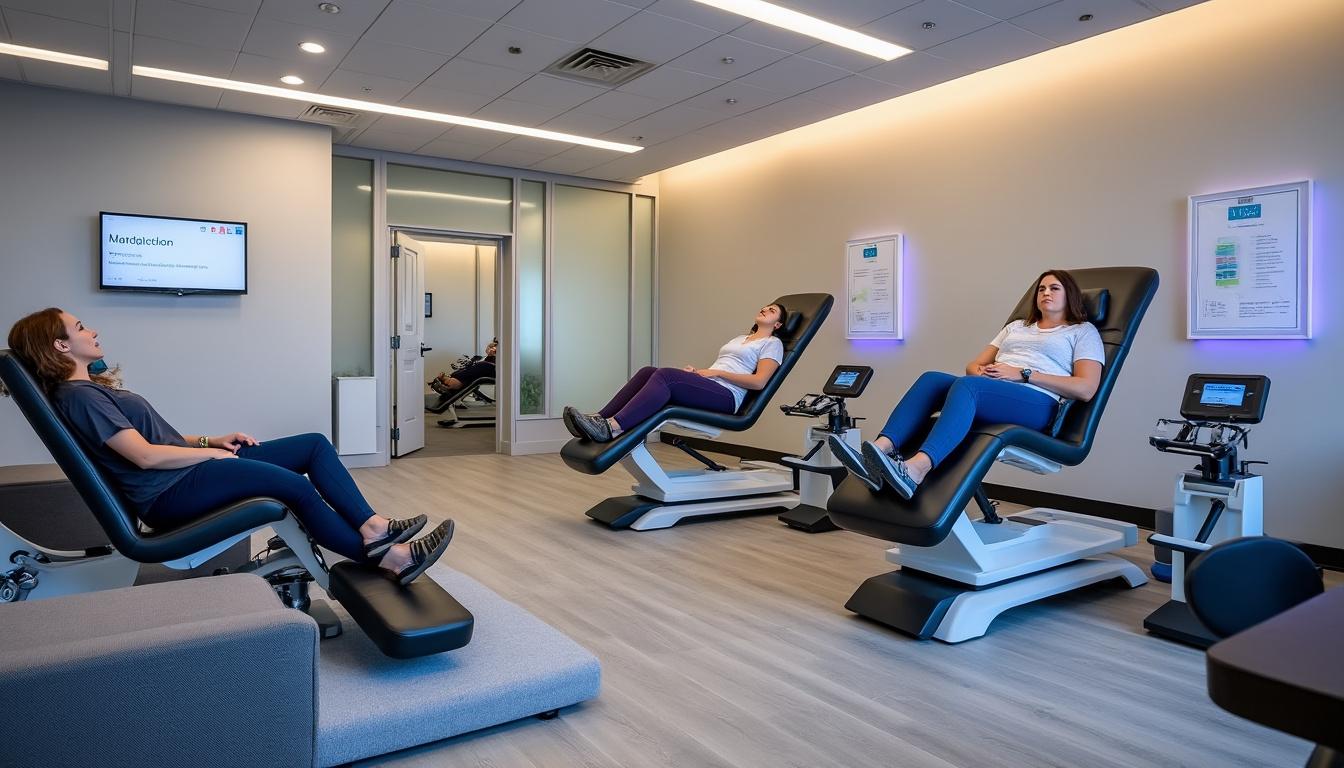
Examples of Clinical Applications of Mechanical Traction
In Dr. Desforges’ practice, a patient presenting with an L4-L5 herniated disc accompanied by radiculopathy may undergo lumbar mechanical traction using tables from Lumex Traction or DJO Global. After a thorough evaluation, traction is applied intermittently to decompress the lumbar spine, mitigate nerve root pressure, and reduce inflammation.
Similarly, in cases of cervical radiculopathy, Saunders traction devices can apply intermittent force to the cervical spine to alleviate symptoms such as neck pain, tingling, and muscle weakness. Alongside traction therapy, complementary treatments like laser therapy from Spinalight may be integrated to accelerate tissue repair and decrease inflammatory markers, showcasing a multidisciplinary approach.
- Chronic neck and lower back pain
- Pinched or compressed nerves causing neurological symptoms
- Spinal stenosis and degenerative disc disease
- Postural corrections and maintenance therapy
Manual Traction: Hands-On Expertise and Real-Time Adjustment
Manual traction is a dynamic, hands-on technique relying on the practitioner’s tactile skills to apply therapeutic stretching and decompression of the spine. Unlike mechanical traction, which is machine-driven, manual traction requires expert control, precision, and responsiveness to patient feedback throughout the treatment process. This method is deeply rooted in osteopathic and chiropractic traditions, with clinicians like Dr. Sylvain Desforges emphasizing personalized evaluation and hands-on patient support.
In manual cervical traction, for example, the patient lies on a treatment table while the practitioner gently pulls and manipulates the head and neck in specific directions to separate vertebrae and relieve nerve compression. Depending on patient tolerance and clinical goals, the traction can be applied as a steady, continuous pull or as a series of rhythmic, low-velocity stretches.
- Real-time tactile assessment: The practitioner can feel muscular resistance, joint movement, and subtle spinal shifts during traction.
- Immediate adjustment of force: The clinician modulates traction strength instantly based on patient responses.
- Versatility: Can be customized to complex patient anatomies and varying pain thresholds.
- Integration with other therapies: Often combined with mobilizations and manual therapy techniques.
- Personalized patient interaction: Enables empathetic patient communication and reassurance during treatment.
| Feature | Manual Traction | Advantages |
|---|---|---|
| Force Application | By the practitioner’s hands | Precise, adjustable in real time |
| Patient Interaction | Direct, tactile feedback during treatment | Immediate adaptation and comfort |
| Responsiveness | High | Customizable to patient tolerance and condition |
| Duration | Typically shorter sessions (10-20 minutes) | Minimized discomfort and tailored interventions |
| Equipment | Minimal (treatment table) | Portability and integration with manual therapy |
For instance, a patient with upper cervical joint dysfunction may benefit from gentle manual cervical traction performed by Dr. Desforges to alleviate localized muscle spasm and promote normal joint mechanics. This hands-on approach is particularly advantageous when the patient’s condition calls for nuanced adjustments during the procedure that machines cannot replicate.
Manual traction also plays an essential role in providing an empathetic patient experience. The physical presence of the practitioner allows reassurance through touch and dialogue, helping alleviate patient anxiety and fostering cooperative healing. This compassionate dimension aligns perfectly with the clinical philosophy employed at TAGMED Clinics and the Canadian College of Osteopaths.

Comparative Effectiveness: Mechanical versus Manual Traction Outcomes
Understanding when to apply mechanical or manual traction requires an appreciation of their respective strengths, patient suitability, and specific condition dynamics. Both techniques aim to decompress the spine, reduce pain, and restore mobility, but their methodologies differ fundamentally.
Scientific studies, including randomized controlled trials cited in recent research, demonstrate that both mechanical and manual cervical traction combined with mobilization and exercise can effectively manage cervical radiculopathy and other radicular syndromes. The choice depends on severity, patient anatomy, practitioner expertise, and treatment goals.
- Mechanical traction offers consistent, long-duration stretches suitable for severe nerve compression and degenerative disc disease.
- Manual traction delivers highly controlled, responsive adjustments optimal for patients requiring nuanced force modulation and feedback.
- Both forms can be complementary: mechanical traction may be used initially to achieve decompression, followed by manual traction to fine-tune spinal alignment.
- Consideration of patient comfort and treatment tolerance guides modality selection, ensuring adherence and better outcomes.
| Aspect | Mechanical Traction | Manual Traction | Ideal Use Cases |
|---|---|---|---|
| Force Consistency | High due to mechanical control | Variable, dependent on practitioner | Severe cases needing sustained decompression |
| Force Responsiveness | Low (preset) | High (real-time adjustments) | Patients with sensitivity or complex anatomy |
| Patient Interaction | Low | High | Enhancing comfort and compliance |
| Session Duration | 20-30 minutes | 10-20 minutes | Prolonged decompression or integrated therapy |
| Equipment Requirements | Specialized traction tables and devices | Minimal equipment | Limited clinic space or travel restrictions |
Dr. Desforges’ extensive clinical experience allows him to tailor treatment plans that optimally balance the advantages of both methods. This flexibility is a hallmark of his patient-focused philosophy, prioritizing safety, efficacy, and personalized care in all spinal evaluations and therapies.
Leveraging Hybrid Approaches in Modern Traction Therapy
Innovative clinical protocols increasingly integrate both mechanical and manual traction techniques within a comprehensive corrective care strategy. For example, Chiropractic BioPhysics (CBP), a highly regarded methodology in spinal correction, emphasizes the use of mechanical traction alongside manual interventions to achieve mirror-image adjustments that promote optimal spinal alignment.
In practice, a patient’s care may begin with mechanical traction to provide consistent decompression and space restoration, followed by manual traction sessions where skilled practitioners adjust fine spinal articulations with tactile feedback. This hybrid approach maximizes therapeutic effect while minimizing discomfort and risk.
- Sequential application: Starting with mechanical traction to relax tissues, then manual traction for precision correction.
- Enhanced patient education: Use of mechanical traction devices facilitates patient postural training and home exercise adherence.
- Reduced treatment time: Combined modalities can accelerate recovery and improve outcomes.
- Customization: Adjusting traction parameters on a case-by-case basis improves patient satisfaction and compliance.
| Component | Mechanical Traction Role | Manual Traction Role | Benefit in Combined Therapy |
|---|---|---|---|
| Decompression | Primary provider of sustained spinal stretch | Supportive role in fine alignment | Improves disc health and nerve relief |
| Force Modulation | Preset force application | Real-time adjustments to patient needs | Optimizes comfort and safety |
| Patient Engagement | Hands-free for clinician focus on monitoring | Direct contact fosters reassurance | Better patient cooperation and trust |
| Postural Education | Facilitates device-guided training | Reinforces manual correction techniques | Enhances long-term spinal health |
Clinics like TAGMED under Dr. Desforges’ leadership exemplify this integrative model, combining therapies such as laser-assisted spinal decompression (via Spinalight technology) with manual osteopathic techniques to provide comprehensive, evidence-based care. These innovations reflect a broader ethical commitment to patient safety, scientific rigor, and regulatory compliance set forth by the Collège des médecins du Québec and Canadian healthcare guidelines.
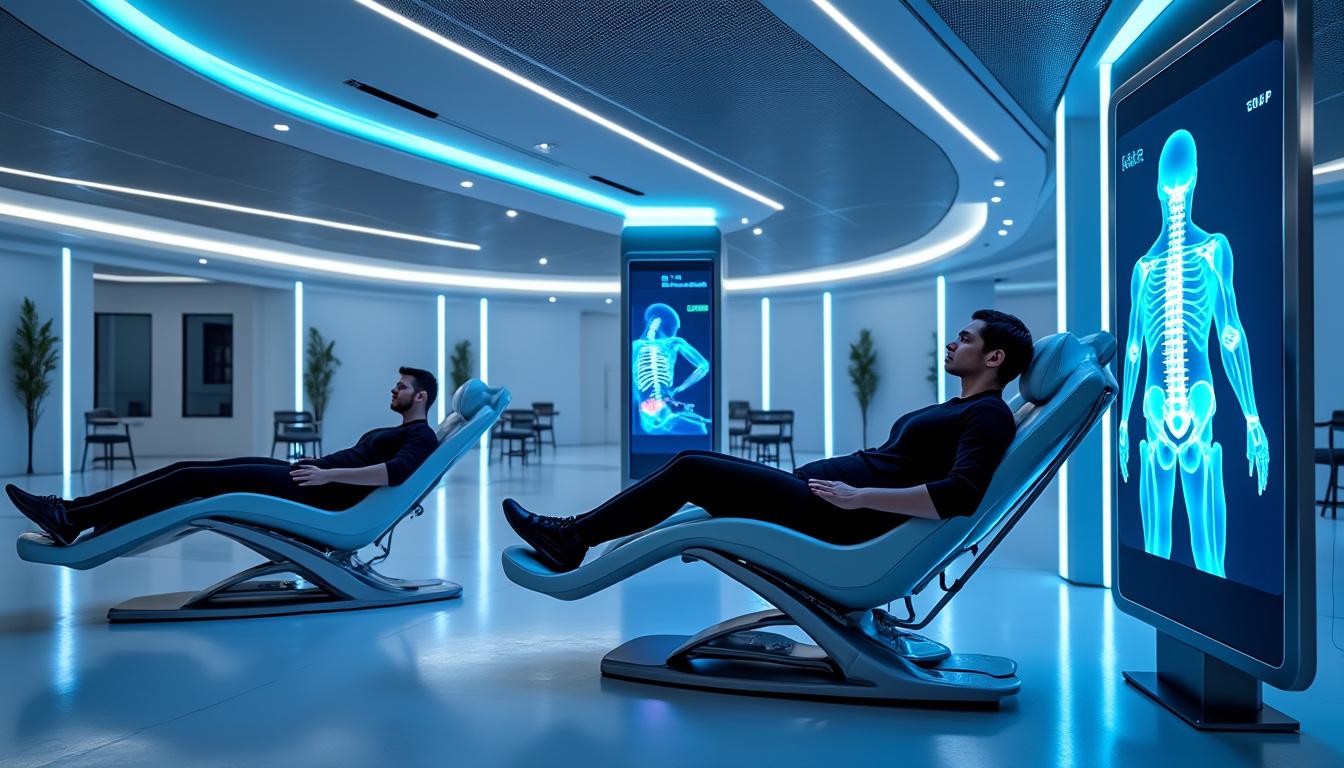
Understanding the Range of Mechanical Traction Techniques in Chiropractic Care
Mechanical traction encompasses a variety of specialized techniques tailored to different spinal regions and patient needs. These include cervical traction, lumbar traction, intersegmental traction, pelvic traction, spinal decompression therapy, and extremity traction. Each method has unique mechanisms and applications aimed at alleviating specific musculoskeletal challenges.
- Cervical Traction: Application of stretching forces to the neck vertebrae for relieving cervical radiculopathy and neck pain. May involve both manual or mechanical devices like those from Lumex Traction.
- Lumbar Traction: Targets the lower back to address herniated discs and sciatica, frequently using DJO Global traction tables.
- Intersegmental Traction: Specialized tables with rollers that apply rhythmic movements along the spine, promoting relaxation and circulation.
- Pelvic Traction: Focused on decompressing pelvic joints and the lower lumbar area, often used to reduce leg, hip, and lower back discomfort.
- Spinal Decompression Therapy: Both surgical and nonsurgical; nonsurgical types use mechanical traction combined with laser or electrical stimulation to relieve nerve pressure.
- Extremity Traction: Used primarily to aid healing of fractured bones with pulley and weight systems to achieve bone alignment.
| Traction Type | Primary Treatment Area | Common Conditions | Devices Used |
|---|---|---|---|
| Cervical Traction | Neck vertebrae | Neck pain, radiculopathy | Chattanooga, Saunders |
| Lumbar Traction | Lower back | Herniated discs, sciatica | DJO Global, Lumex Traction |
| Intersegmental Traction | Full spine | Muscle spasms, back pain | Specialty roller tables |
| Pelvic Traction | Pelvis and lower lumbar | Hip, leg, and lower back pain | Custom traction setups |
| Spinal Decompression Therapy | Specific spinal segments | Disc herniation, stenosis | Spinalight (laser-assisted), DJO tables |
| Extremity Traction | Limbs and associated bones | Fractures | Weight-pulley systems |
The variety of mechanical traction techniques enables practitioners to adapt care to the full spectrum of spinal and musculoskeletal conditions they encounter. Dr. Desforges’ team at TAGMED integrates these methods with osteopathic evaluation to deliver personalized, precise treatment plans that consider biomechanics, symptomatology, and patient goals.
Patient Education and Safety in Mechanical and Manual Traction Therapies
Patient understanding and safety are paramount in any therapeutic intervention, particularly for spinal traction that involves force application near sensitive neural and musculoskeletal structures. Dr. Sylvain Desforges champions clear, jargon-free communication to ensure patients comprehend both the potential benefits and limitations of traction therapy.
Key educational points conveyed to patients include:
- Indications: Explanation of the conditions traction can address, such as herniated discs, nerve compression, and chronic spinal pain.
- Procedure specifics: What to expect during a traction session, whether manual or mechanical, including duration, positioning, and sensations experienced.
- Risks and contraindications: Awareness of possible adverse effects like transient discomfort, headache, or tissue irritation, as well as conditions contraindicating traction, such as fractures or severe osteoporosis.
- Role of evaluation: Emphasis on comprehensive evaluation prior to traction to rule out underlying pathologies and customize therapy.
- Posture and home care: Instruction on maintaining proper spinal alignment outside clinic visits to maximize treatment benefits.
| Patient Information Aspect | Details Provided | Patient Benefit |
|---|---|---|
| Condition Suitability | Specific diagnosis linked to traction eligibility | Patient confidence in treatment choice |
| Procedure Overview | Step-by-step session description | Reduced anxiety and increased cooperation |
| Safety Precautions | Potential side effects and contraindications | Informed consent and risk management |
| Personalized Assessments | Comprehensive spinal evaluation prior to therapy | Optimal treatment customization |
| Post-Treatment Guidance | Exercises and posture advice | Enhanced long-term spinal health |
Patient safety protocols at TAGMED adhere rigorously to Quebec and Canadian medical regulations, including standards from the Collège des médecins du Québec. This regulatory compliance ensures that treatments balance innovation with ethical responsibility. Patients are encouraged to ask questions and engage actively with their healthcare providers, fostering a partnership essential for successful care outcomes.
Technological Innovations Shaping the Future of Spinal Traction
Advancements in technology continue to redefine spinal traction therapies, blending precision engineering with biological understanding to enhance care quality. Devices incorporating laser therapy, neurovertebral decompression systems, and dynamic spinal implants are transforming the landscape of non-surgical spinal treatments.
For example, the integration of Spinalight laser modalities with mechanical traction devices presents a dual-action approach. While traction decompresses spinal components, laser therapy stimulates cellular repair and reduces inflammatory mediators, resulting in faster symptom relief and tissue healing. Similarly, dynamic spinal implants offer promising adjunctive support for patients with structural spinal instability, allowing for controlled mobility and reduced degeneration risk.
- Computer-assisted traction devices: Ensure precision and reproducibility of therapy.
- Laser-enhanced decompression: Combines mechanical force with photobiomodulation.
- Neurovertebral decompression: Focused traction techniques targeting specific nerve pathways.
- Dynamic implants: Innovative implants that support natural spinal motion post-therapy.
- Wearable feedback technology: Emerging tools for real-time monitoring of posture and spinal load between sessions.
| Innovation | Application | Patient Impact |
|---|---|---|
| Spinalight Laser Therapy | Noninvasive augmentation of traction | Accelerates healing and reduces inflammation |
| Neurovertebral Decompression | Targeted nerve root traction | Improves neurological symptoms |
| Dynamic Spinal Implants | Support postural correction and mobility | Reduces degeneration and pain recurrence |
| Wearable Posture Monitors | Feedback during daily activities | Enhances long-term treatment compliance |
These emerging technologies are incorporated carefully in clinical protocols at leading facilities, including TAGMED. They reflect the ongoing evolution toward personalized, minimally invasive spinal therapies that prioritize patient well-being throughout the treatment continuum.
Customized Patient Care: The Role of Expert Evaluation in Traction Therapy Planning
No traction therapy is administered without a thorough, individualized evaluation. Dr. Sylvain Desforges emphasizes this principle, ensuring each patient’s spinal condition is meticulously assessed using a combination of clinical examination, diagnostic imaging, and patient history. This expert evaluation enables the creation of an optimized treatment plan that may include manual traction, mechanical traction, or a combination adapted to the patient’s unique anatomy and symptoms.
The evaluation process typically encompasses:
- Medical history review: Identification of prior injuries, surgeries, or conditions affecting the spine.
- Physical examination: Assessment of spinal mobility, muscle tone, neurological deficits, and pain patterns.
- Imaging studies: MRI or X-ray analyses to visualize disc integrity, vertebral alignment, and nerve compression.
- Functional assessment: Evaluation of posture, gait, and daily activity impacts for comprehensive insight.
- Collaborative discussion: Educating the patient and involving them in care decisions for informed consent and active participation.
| Evaluation Component | Purpose | Impact on Treatment |
|---|---|---|
| Medical History | Contextualize spinal issues | Identify contraindications |
| Physical Exam | Assess condition severity | Customize traction approach |
| Imaging | Visual confirmation of pathology | Guide treatment parameters |
| Functional Tests | Evaluate impact on daily life | Determine adjunct therapies |
| Patient Consultation | Inform and empower patient | Increase compliance and outcome |
This comprehensive evaluation forms the backbone of safe and effective traction therapy. It ensures that both manual and mechanical traction methods are employed judiciously, respecting the patient’s individual context and optimizing therapeutic success. Patients are encouraged to initiate care discussions early through TAGMED Clinics or ACMA to receive expert guidance tailored to their spinal health journey.
Common Questions on Mechanical and Manual Traction Answered
{“@context”:”https://schema.org”,”@type”:”FAQPage”,”mainEntity”:[{“@type”:”Question”,”name”:”How does mechanical traction differ from manual traction?”,”acceptedAnswer”:{“@type”:”Answer”,”text”:”Mechanical traction uses machines and devices to apply controlled, sustained force to the spine, whereas manual traction is performed directly by a practitioneru2019s hands, allowing for real-time adjustments and tactile feedback. Both aim to decompress the spine but suit different clinical needs and patient preferences.”}},{“@type”:”Question”,”name”:”Can both types of traction be used together?”,”acceptedAnswer”:{“@type”:”Answer”,”text”:”Yes, many treatment plans incorporate both mechanical and manual traction sequentially or in combination to maximize decompression effects and fine-tune spinal alignment. This integrative approach benefits patients with complex or severe conditions.”}},{“@type”:”Question”,”name”:”Is mechanical traction painful?”,”acceptedAnswer”:{“@type”:”Answer”,”text”:”Mechanical traction generally causes minimal to no discomfort during treatment. Machines deliver gentle, controlled forces designed to avoid pain while promoting decompression and relaxation of spinal tissues. Patient comfort is a priority during all sessions.”}},{“@type”:”Question”,”name”:”What conditions respond best to traction therapy?”,”acceptedAnswer”:{“@type”:”Answer”,”text”:”Traction therapy is effective for herniated discs, nerve root compression, degenerative disc disease, chronic neck and back pain, muscle spasms, and sciatica. The choice between manual or mechanical traction depends on individual patient assessment by experienced clinicians.”}},{“@type”:”Question”,”name”:”How long are typical traction therapy sessions?”,”acceptedAnswer”:{“@type”:”Answer”,”text”:”Sessions usually last between 20 and 30 minutes for mechanical traction, while manual traction sessions tend to be shorter, about 10 to 20 minutes. Treatment duration may extend over several weeks, depending on condition severity and response.”}}]}How does mechanical traction differ from manual traction?
Mechanical traction uses machines and devices to apply controlled, sustained force to the spine, whereas manual traction is performed directly by a practitioner’s hands, allowing for real-time adjustments and tactile feedback. Both aim to decompress the spine but suit different clinical needs and patient preferences.
Can both types of traction be used together?
Yes, many treatment plans incorporate both mechanical and manual traction sequentially or in combination to maximize decompression effects and fine-tune spinal alignment. This integrative approach benefits patients with complex or severe conditions.
Is mechanical traction painful?
Mechanical traction generally causes minimal to no discomfort during treatment. Machines deliver gentle, controlled forces designed to avoid pain while promoting decompression and relaxation of spinal tissues. Patient comfort is a priority during all sessions.
What conditions respond best to traction therapy?
Traction therapy is effective for herniated discs, nerve root compression, degenerative disc disease, chronic neck and back pain, muscle spasms, and sciatica. The choice between manual or mechanical traction depends on individual patient assessment by experienced clinicians.
How long are typical traction therapy sessions?
Sessions usually last between 20 and 30 minutes for mechanical traction, while manual traction sessions tend to be shorter, about 10 to 20 minutes. Treatment duration may extend over several weeks, depending on condition severity and response.