Candiac Herniated Disc FAQs Answered by TAGMED Experts
October 26, 2025
Lower Back Herniated Disc Recovery in Laval with Decompression
October 26, 2025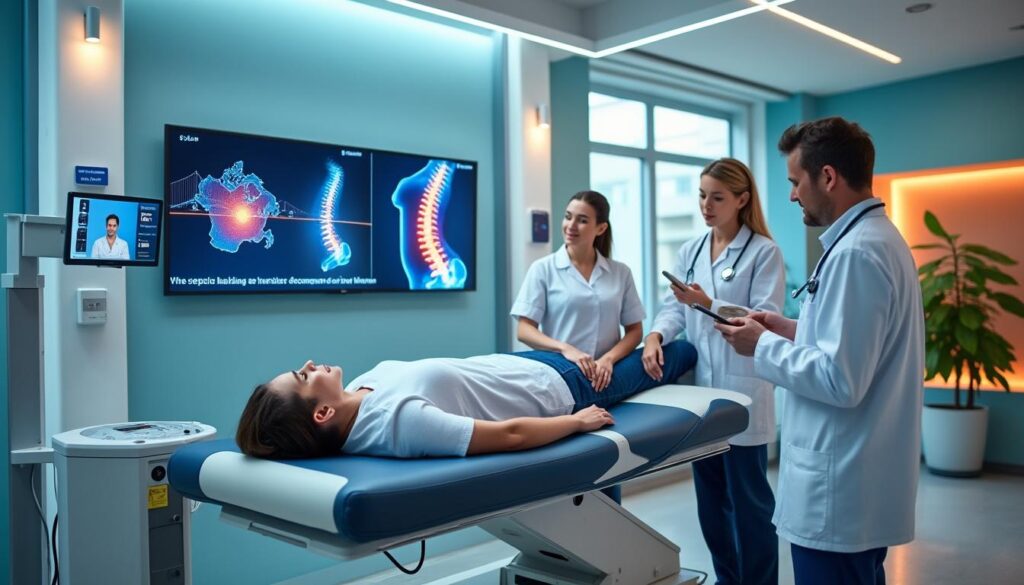
Montreal’s bustling office environment presents unique challenges for desk workers, especially when it comes to spinal health. Long hours spent seated at desks, often in suboptimal postures, have contributed to a rising incidence of herniated discs—a condition that, if untreated, can lead to chronic pain and disability. However, in 2025, advances in ergonomic office design, non-surgical spinal therapies, and patient-centric care are providing hope and practical solutions to prevent surgery. This evolution owes much to pioneering figures like Dr. Sylvain Desforges, whose expertise in spinal evaluation and comprehensive patient support has reshaped the way herniated discs are managed in Quebec.
Many desk workers worry about the prospect of invasive procedures, but today, through a combination of workplace adjustments and innovative therapy options, individuals can often chart a path toward relief without surgery. Beyond technological progress, there is a growing emphasis on educating professionals about spine-friendly habits and tools, ensuring that knowledge translates into everyday practice. This commitment extends from Montreal’s local clinics to coordinated international collaborations, fostering swift access to cutting-edge treatment methods for those living with herniated discs.
Common Spinal Challenges for Desk Workers and Preventive Strategies
Desk jobs are synonymous with sedentary work combined with repetitive postural stress, factors that prominently contribute to spinal disorders such as herniated discs. These issues primarily manifest as pain, numbness, or weakness in limbs caused by nerve compression deep within the cervical or lumbar spine. According to clinical observations, most lumbar herniated discs involve the L4-L5 or L5-S1 vertebrae, causing sciatica or leg pain, which can be severely aggravated by certain daily movements like bending and twisting.
Office workers typically suffer from radicular pain—sharp, shooting sensations radiating from the spine—and radiculopathy, characterized by numbness or tingling. This occurs because prolonged sitting increases pressure on the intervertebral discs, particularly when combined with poor posture, such as slouching or leaning forward. The good news is that several effective preventive strategies can be integrated into a typical workday:
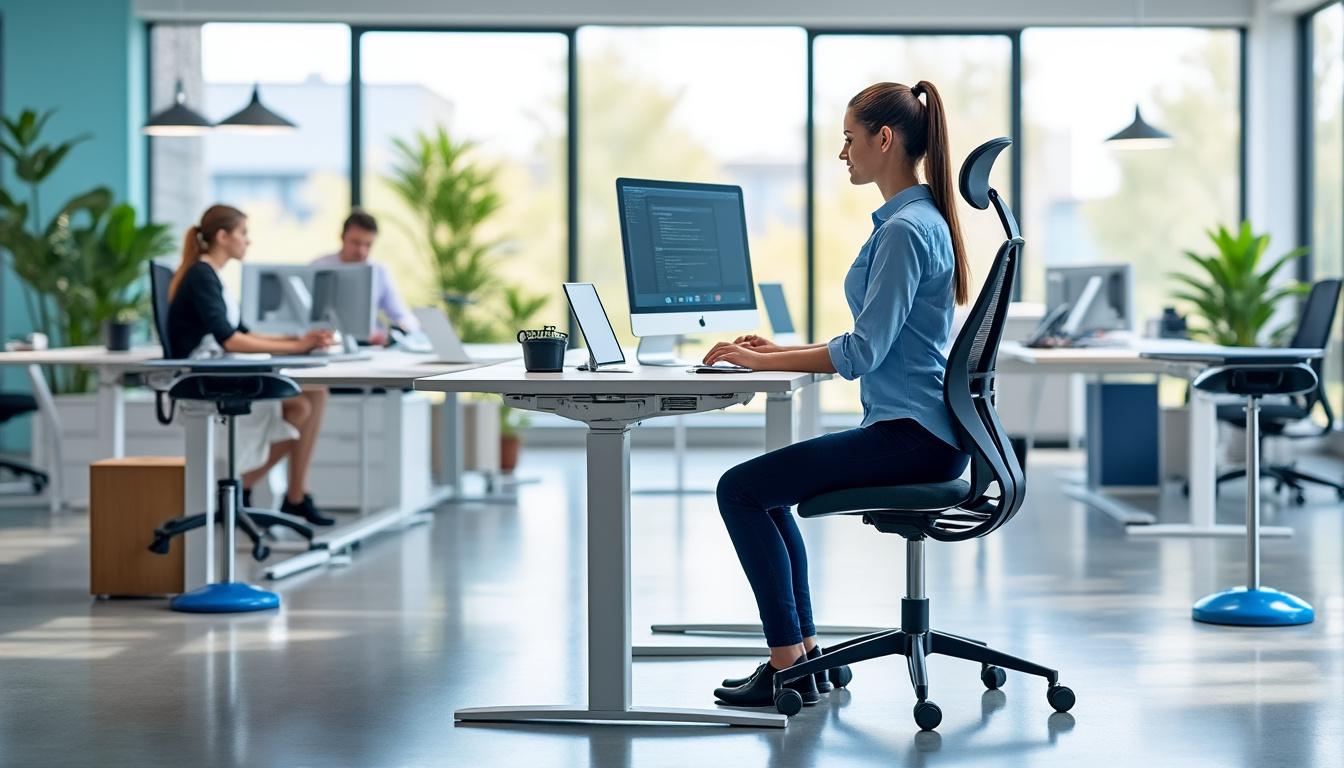
- Ergonomic Office Furniture: Utilizing chairs equipped with lumbar support, ergonomic desks, and monitor arm mounts ensures the spine maintains its natural curvature.
- Posture Correction Devices: These wearable or desk-mounted devices alert users to correct spinal alignment continuously.
- Movement Reminder Apps: Technology plays a role in initiating regular breaks, stretching, and repositioning throughout the day.
- Standing Desk Solutions: Alternating between sitting and standing reduces disc pressure and encourages active posture management.
In addition to these, accessories like orthopedic seat cushions and foot rests can ease spinal strain. An approach combining these elements significantly lowers the risk of progressive disc damage.
| Risk Factor | Impact on Spine | Preventive Measure |
|---|---|---|
| Prolonged Sitting | Increased pressure on lumbar discs | Use ergonomic chairs and stand desks; take regular movement breaks |
| Poor Posture | Spinal misalignment causing nerve compression | Employ posture correction devices and support cushions |
| Repetitive Movements | Muscle fatigue and disc irritation | Alternate tasks and stretch frequently |
Evidence suggests that adopting these measures early can not only relieve existing discomfort but dramatically slow the progression of disc herniation. Dr. Sylvain Desforges emphasizes that education and preventive strategies are cornerstone elements of non-surgical spinal care, reducing the need for invasive procedures. For more insights on ergonomic solutions, consider resources like this workplace ergonomics guidance tailored for spinal health improvement.

Boucherville Lumbar Disc Recovery Without Hospitalization
In the serene city of Boucherville, a transformative approach to treating lumbar disc conditions is reshaping patient experiences and redefining spinal care standards. This method focuses on delivering effective lumbar disc recovery without the need for hospitalization, combining modern technology,…
Effective Postural Habits and Lighting the Path to Surgical Avoidance
Despite the demands of desk-bound careers, developing healthy postural habits is critical for protecting spinal discs. Poor posture, such as forward head tilt, hunching shoulders, or pelvic tilting, accelerates disc wear and nerve root irritation. Dr. Sylvain Desforges, with his thirty-plus years in spinal care, advocates a tailored approach that involves comprehensive spinal evaluation followed by personalized postural training and ergonomic interventions.
Practical steps to nurture spine-friendly habits include:
- Maintain a Neutral Spine: Keep your ears aligned with shoulders and hips; avoid slumping or leaning forward excessively.
- Regular Microbreaks: Stand, walk, or stretch at least every 30 minutes to relieve disc compression.
- Set Up a Spine-Friendly Workstation: Position computer screens at eye level to avoid neck flexion, and keep keyboard and mouse close to minimize arm reaching.
- Use Foot Rests and Anti-Fatigue Mats: These adjuncts promote optimal lower limb circulation and support lumbar alignment when standing.
It’s essential to stay attuned to subtle signs of discomfort and adopt early corrective measures, as ongoing stress can lead to exacerbated radicular symptoms and costly interventions. Complementary to ergonomic adjustments, integrating low-impact movements like gentle stretching aids spinal fluid circulation and disc nutrition.
| Postural Issue | Common Cause | Recommended Solution |
|---|---|---|
| Forward Head Posture | Monitor positioned too low or far | Adjust monitor height; use monitor arm mounts |
| Slouched Shoulders | Unsupported seating | Choose lumbar support chairs; utilize posture correction devices |
| Pelvic Tilt | Incorrect chair height or lack of seat cushion | Use orthopedic cushions; adjust chair height so hips and knees align |
Workers struggling with cervical herniated discs may benefit from adapted workstation setups, avoiding craning or downward gaze, which can aggravate C6-C7 disc issues. For further personalized recommendations, TAGMED experts provide valuable insights on cervical disc management.
Blainville Sciatica Relief in Professional Athletes
Sciatica pain is a significant challenge for many, particularly professional athletes in Blainville who rely on peak physical condition to perform. Chronic sciatic nerve discomfort can sideline even the most dedicated sports professionals, impacting their athletic performance, injury recovery, and…
Managing Herniated Disc Pain at the Desk Through Non-Invasive Techniques
Non-surgical treatment modalities have seen remarkable advancement in relieving herniated disc symptoms safely and effectively. Dr. Sylvain Desforges is a leading proponent of combining osteopathic evaluation with innovative therapies such as neurovertebral decompression, laser therapy, and shockwave treatments. These methods target mechanical unloading of the disc, promote tissue healing, and reduce inflammation without surgical risks.
Key strategies for pain management while maintaining work productivity include:
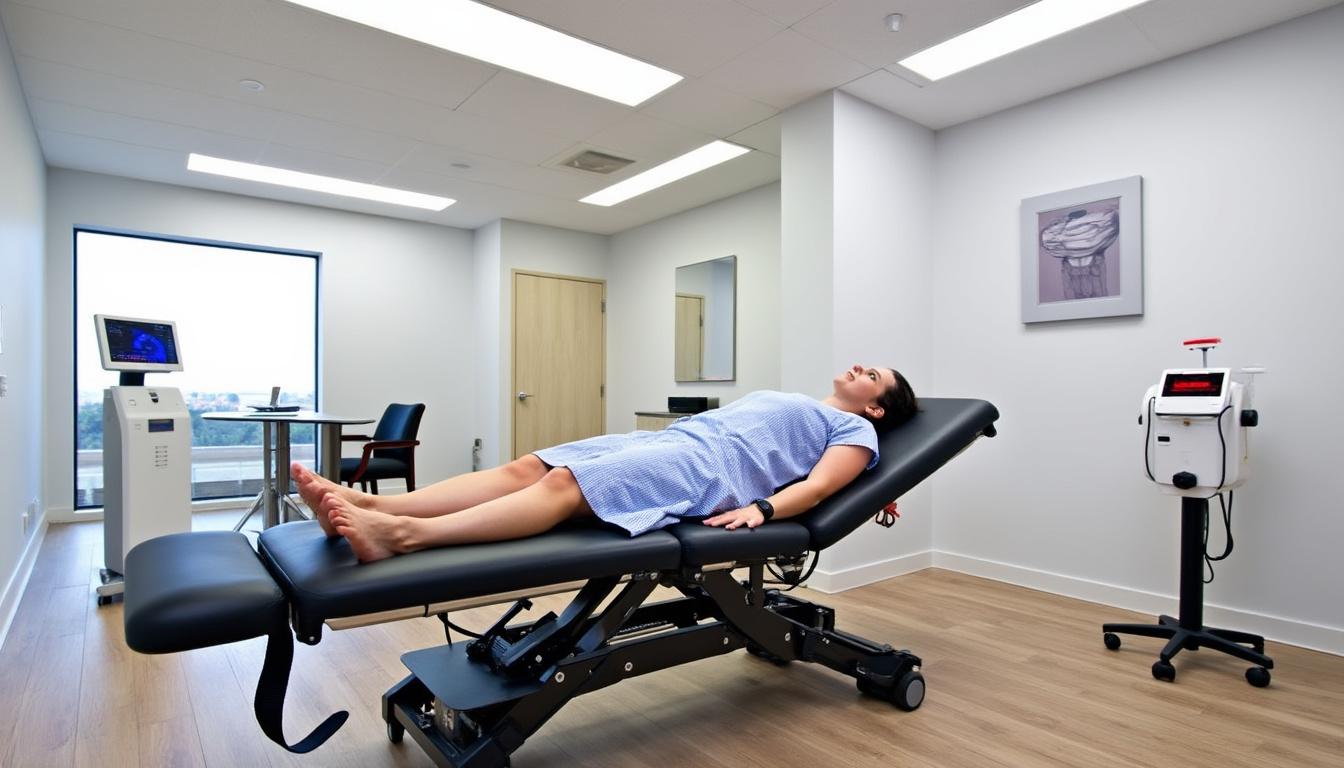
- Spinal Decompression Therapy: Utilizing advanced tables designed to gently stretch the spine reduces disc pressure, eases nerve root irritation, and facilitates healing.
- Laser Therapy: Non-invasive laser applications accelerate tissue regeneration and alleviate pain in affected areas.
- Shockwave Therapy: Helps break down fibrous tissue and fosters blood circulation around the damaged spinal elements.
- Application of Orthopedic Seat Cushions: Providing tailored lumbar support reduces muscle fatigue and disc stress during prolonged sitting.
Integrating these with ergonomic furniture like active sitting stools ensures dynamic postural adjustment, avoiding static muscle load. Patients report significant improvement in comfort and productivity when employing such comprehensive care plans.
| Therapy | Mechanism | Benefit |
|---|---|---|
| Neurovertebral Decompression | Gentle spinal traction | Reduces disc pressure and nerve compression |
| Laser Therapy | Photon energy to stimulate cellular repair | Accelerates healing and reduces pain |
| Shockwave Therapy | Acoustic waves breaking down scar tissue | Improves circulation and mobility |
For more comprehensive details on these advanced treatments, explore non-surgical spinal decompression therapies in Montreal.
Repentigny Neck Pain Solutions Without Surgery
In Repentigny and the greater Québec area, chronic neck pain has emerged as a pervasive challenge that profoundly disrupts daily life and well-being for many adults. Neck discomfort caused by cervical disc problems—ranging from mild irritation to severe herniation—can restrict…
Optimizing Work Environment: Ergonomics That Prevent Herniated Disc Surgeries
Workplace ergonomics remain a pivotal factor in preventing the escalation of spinal conditions among desk professionals. Montreal-based experts stress the importance of a workspace designed to maintain the natural spinal curves and promote healthy movement behavior. Achieving this entails selecting appropriate equipment and implementing behavior changes, including:
- Investing in Lumbar Support Chairs: Chairs that adapt to the lower back curve reduce disc loads effectively.
- Employing Anti-Fatigue Mats: These encourage micro-movements when standing, improving lumbar circulation.
- Incorporating Foot Rests: Keeping feet at appropriate heights supports pelvis alignment and reduces lumbar stress.
- Adopting Monitor Arm Mounts: Facilitates correct screen positioning, preventing neck strain.
Such ergonomic adaptations can be coupled with movement reminder apps to foster habitual breaks and physical activity, curbing sedentary risks. Data from several studies confirms that workers who use ergonomic furniture report fewer instances of back pain and herniated disc symptoms progression.
| Ergonomic Element | Function | Spinal Benefit |
|---|---|---|
| Lumbar Support Chairs | Supports natural lumbar curve | Reduces disc pressure and lower back fatigue |
| Anti-Fatigue Mats | Encourages subtle foot movement while standing | Improves blood flow and reduces stiffness |
| Foot Rests | Maintains optimal pelvis and leg alignment | Prevents undue lumbar strain |
| Monitor Arm Mounts | Allows precise screen height adjustment | Prevents neck and upper back tension |
Clinicians urge employers and employees in Montreal to prioritize such workplace improvements to reduce long-term spinal injury risks. Additional guidance can be accessed via expert resources on preventing herniated discs through workplace ergonomics.

Brossard Chronic Back Pain Managed with TAGMED Protocol
Residents of Brossard facing chronic back pain are increasingly turning to innovative treatments that offer hope beyond traditional therapies. The TAGMED Protocol, developed and implemented by renowned expert Dr. Sylvain Desforges, represents a breakthrough in non-surgical spinal therapy. This comprehensive…
The Role of Pain Management and Physical Activity Balance in Rehabilitation
Effective herniated disc management involves a delicate balance between pain relief and maintaining appropriate physical activity. Inactivity can exacerbate spinal stiffness, while excessive strain risks worsening disc herniation. Dr. Sylvain Desforges stresses this equilibrium, underpinning his patient-centered treatment philosophy.
Recommended pain management and activity strategies for desk workers include:
- Alternating Hot and Cold Therapy: Application of heat relaxes tight muscles, while cold packs reduce inflammation.
- Core Strengthening Exercises: Engaging abdominal and back muscles enhances spinal support.
- Low-Impact Activities: Walking, swimming, or stationary cycling promote circulation without jarring the discs.
- Scheduled Movement Breaks: Incorporating brief walks or gentle stretching every 30-60 minutes minimizes sedentary stress.
Integrating these methods supports disc healing and functional restoration. Patients are advised to closely monitor pain levels during activities and consult care teams for customized adaptations. For practical activity modification tips, the International Spine, Pain & Performance Center provides excellent recommendations, including managing herniated disc pain at desk jobs.
| Activity | Effect on Herniated Disc | Recommended Approach |
|---|---|---|
| Walking | Boosts circulation and spinal fluid exchange | Perform 15–30 minutes, multiple times daily |
| Core Exercises | Improves spinal stability and posture | Focus on gentle, progressive strengthening |
| Hot/Cold Therapy | Relieves muscle tension and inflammation | Alternate applications based on symptoms |
| Sedentarism | Increases risk of disc stiffness and pain | Limit by using movement reminders and breaks |
Fostering such a balanced lifestyle is instrumental in avoiding surgical interventions and promoting long-term spine health.


Terrebonne Neck Herniation Care for Older Adults
In Terrebonne, the increasing prevalence of neck herniation among older adults presents significant challenges to maintaining quality of life and independence. This condition, primarily involving the deterioration or displacement of cervical discs, often leads to debilitating pain and restricted mobility.…
Customizing Patient Care: Dr. Sylvain Desforges’ Innovative Approach
What distinguishes Dr. Sylvain Desforges’ spinal care practice is its foundation on scientific rigor, ethical commitment, and innovation. With formal qualifications including B.Sc., D.O., and N.D., Dr. Desforges leads TAGMED Clinics in Montréal and beyond, integrating advanced technology and multidisciplinary collaboration to improve patient outcomes.
His evaluation approach emphasizes:
- Comprehensive Clinical Assessment: Thorough history taking and physical examination to understand the patient’s unique spinal condition.
- Evidence-Based Treatment Planning: Utilizing scientifically validated therapies tailored to the individual’s needs, minimizing unnecessary interventions.
- Use of Cutting-Edge Technologies: Such as dynamic spinal implants and neurovertebral decompression devices not widely available in other Canadian centers.
- Patient Education and Support: Clear communication regarding treatment plans, expected outcomes, and lifestyle adjustments to empower self-management.
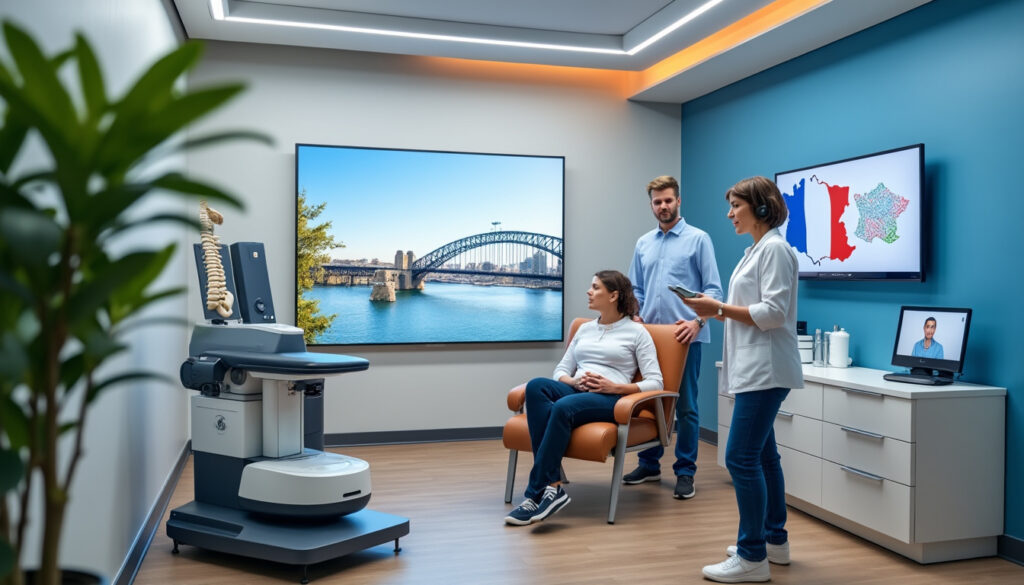
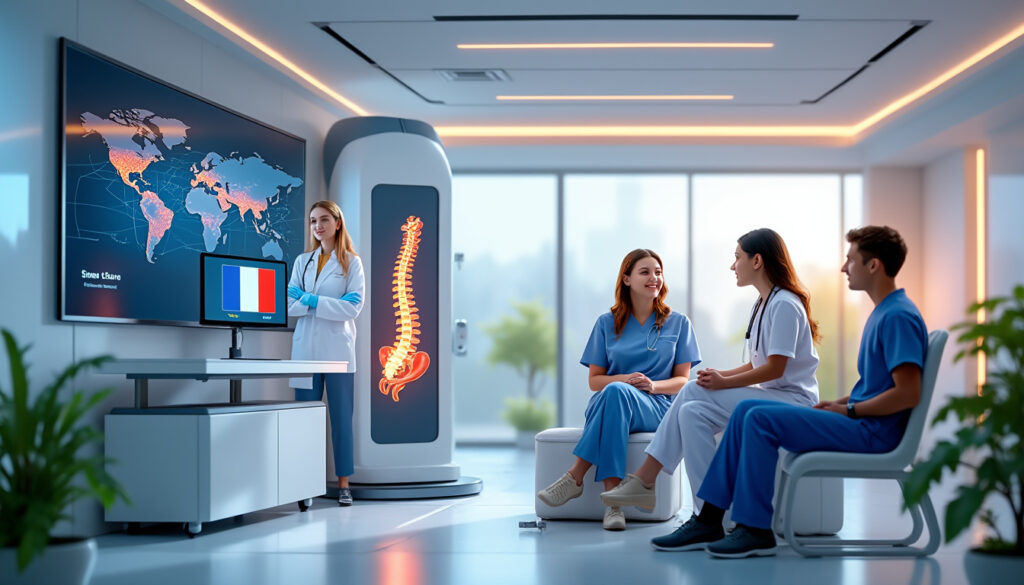
This holistic, patient-centered model ensures every case is treated with personalized care, aiming to prevent surgery when possible. Furthermore, Dr. Desforges fosters international cooperation, coordinating transatlantic care pathways with French spine specialists to offer the best options. Detailed patient journeys and success stories can be accessed at Mirabel’s non-surgical herniated lumbar disc solutions.
| Care Component | Description | Patient Benefit |
|---|---|---|
| Comprehensive Evaluation | Detailed assessment of spinal disorder | Accurate understanding of condition |
| Advanced Therapies | Non-surgical solutions using latest technology | Minimized recovery time and risks |
| International Cooperation | Coordinated care between Canada and France | Broader access to specialized treatment options |
| Patient Education | Clear explanations avoiding jargon | Empowered, informed patient decisions |
Laval Sciatica Recovery After Failed Injections
Living with sciatica can be a debilitating experience, especially when common treatments like injections fail to bring the relief patients hope for. In Laval and across Québec, many individuals suffering from this nerve pain find themselves at a crossroads after…
Real-World Impact: Stories of Montreal Workers Avoiding Surgery
The practical application of Dr. Desforges’ expertise and innovative care at TAGMED Clinics has been transformative for many Montreal desk workers dealing with herniated discs. For example, a mid-career office worker with persistent L5-S1 sciatica who feared surgery experienced remarkable relief after a structured course of spinal decompression combined with workstation ergonomics and posture coaching.
Many patients report:
- Decreased pain and numbness within weeks of therapy initiation
- Improved mobility and ability to perform daily activities
- A successful reduction in reliance on pain medications
- The confidence to maintain active, productive lifestyles without invasive surgery
Patient testimonials available on sites like Mascouche’s herniated disc success stories highlight the comprehensive, compassionate care provided through this model. These narratives reinforce how focused preventive care combined with innovative treatment expands possibilities far beyond surgical intervention alone.
Montreal Chronic Neck Pain Solutions Without Invasive Care
Chronic neck pain affects countless individuals across Montreal and beyond, often leading to frustration due to persistent discomfort and limitations in daily activities. While invasive surgical options exist, many patients seek safer, more natural alternatives that focus on relief without…
Creating a Sustainable Spine Health Culture in Office Environments
Beyond individual care, fostering a sustainable culture of spine health in office settings is crucial. Companies in Montreal and surrounding areas have begun investing in ergonomic training, workspace upgrades, and health promotion programs. Dr. Sylvain Desforges supports such initiatives by offering consulting and educational programs that underscore prevention and early intervention.
Key elements to cultivating a spine-healthy workplace include:
- Regular Ergonomics Assessments: Tailoring workstations to each employee’s needs, factoring in body dimensions and comfort.
- Employee Education: Workshops about spine anatomy, posture, and proper movement.
- Activation Programs: Encouraging microbreaks and use of movement reminder apps during long shifts.
- Access to Supportive Equipment: Providing active sitting stools, orthopedic seat cushions, and standing desk options.
| Program Component | Description | Expected Outcome |
|---|---|---|
| Workstation Ergonomics | Personalized setups with ergonomic furniture | Reduction in spinal stress and discomfort |
| Employee Training | Education on spine health and posture | Enhanced worker awareness and behavior change |
| Movement Activation | Integrating breaks and reminders | Improved circulation and reduced pain |
| Ergonomic Equipment Access | Availability of supportive chairs and desks | Increased comfort and lowered injury risk |
Establishing this kind of collaborative health culture benefits both employers and employees through reduced absenteeism and enhanced productivity, all while lowering the incidences of severe spinal conditions. More details on workplace adaptations can be found with expert guidance from specialists in workplace herniated disc prevention.
Candiac Lumbar Disc Care Without Steroid Injections
Back pain caused by lumbar disc issues is a widespread condition affecting adults globally, posing significant challenges in everyday activities and overall quality of life. In Candiac and the greater Québec region, the quest for effective spinal care solutions has…
Guidelines on Activities to Avoid and Modify for Herniated Disc Sufferers
One cornerstone of non-surgical management involves identifying activities that exacerbate herniated disc symptoms. Common movements like bending, twisting, prolonged sitting, or heavy lifting can intensify radicular pain or numbness, prolonging recovery and potentially leading to surgery.
According to experts including Dr. Desforges and corroborated by clinical literature:
- Avoid prolonged static sitting: Sitting increases disc load and nerve pressure.
- Limit forward bending and twisting: These motions aggravate disc herniation at cervical and lumbar levels.
- Refrain from heavy lifting or rapid lifts: These actions heighten disc and muscular stress.
- Modify household chores: Tasks like vacuuming, laundry, or shoveling snow should be performed in multiple short sessions or aided by assistive devices.
- Steer clear of high-impact or jarring exercises: Activities like running, jumping, or certain yoga poses may worsen symptoms.
Instead, patients are encouraged to pursue low-impact exercise and ergonomic task modifications. For specialized advice on safe movements and activities, unique to lumbar herniated discs, visit this comprehensive guide.
| Activity | Risk | Recommended Approach |
|---|---|---|
| Prolonged Sitting | Elevates lumbar disc pressure | Use ergonomic chairs; stand or walk every 30 minutes |
| Heavy Lifting | Increases lumbar stress and muscle spasms | Bend knees, keep load close, split heavy loads |
| Rapid Twisting or Bending | Triggers radicular pain flare-ups | Use slow, controlled movements; avoid excessive twisting |
| High-Impact Exercise | Jarring aggravates disc injury | Choose low-impact activities such as swimming or cycling |
| Household Chores (vacuuming, laundry) | Repetitive strain exacerbates symptoms | Break tasks into smaller sessions; use assistive tools |
Can desk workers completely avoid herniated disc surgery?
While surgery may be necessary in severe cases, many desk workers can avoid it by adopting proper ergonomics, engaging in non-surgical therapies, and modifying daily activities under expert guidance.
What ergonomic office tools are most beneficial for spine health?
Tools such as lumbar support chairs, standing desks, posture correction devices, and active sitting stools are highly effective in reducing spinal strain and preventing herniated discs.
How often should desk workers take breaks to prevent spinal stress?
It is recommended to take breaks every 30 to 60 minutes to stand, stretch, or walk, to reduce pressure on spinal discs and improve circulation.
Are there any safe exercises for those with herniated discs?
Yes, low-impact activities like walking, swimming, and stationary cycling, combined with gentle core strengthening exercises, support spinal health without aggravating symptoms.
What makes Dr. Sylvain Desforges’ approach unique in spinal care?
Dr. Desforges combines advanced technology, a patient-centered focus, strict adherence to medical ethics, and international collaboration to provide personalized, non-invasive spinal care that prioritizes prevention and recovery.