
Herniated Disc Care in Mercier–Hochelaga-Maisonneuve: Why TAGMED Stands Out with Neurovertebral Decompression Therapy
November 28, 2025
Motion Surgery in Terrebonne: Reduce Postoperative Complications
November 28, 2025
The deployment of initial questionnaires and examinations serves as a cornerstone in modern patient assessment frameworks, particularly within the field of spinal surgery. In 2025, as innovative care pathways intensify their cross-border reach – notably between Quebec and France – these diagnostic tools offer structured, reliable data collection indispensable for optimizing surgical outcomes. The integration of scientifically validated questionnaires alongside comprehensive physical and neurofunctional examinations ensures a nuanced understanding of patient symptomatology, neurological status, and psychosocial factors influencing recovery. This dual modality not only facilitates a thorough health screening but also fosters a collaborative environment where multidisciplinary teams align their clinical decisions based on precise evaluation processes. Unveiling the intertwined purposes, multifaceted benefits, and inherent limitations of these assessment instruments delivers critical insight into how they enhance clinical pathways while acknowledging the challenges posed by cultural and technical variability in international care coordination.
In evolving healthcare landscapes, the initial questionnaires act as subjective yet structured reflections of patients’ pain experiences, mobility challenges, and quality of life dimensions. Parallelly, objective examinations—including neurophysiological testing and functional mobility assessments—complement these self-reports, enabling comprehensive diagnostics essential for surgical candidacy evaluations. This article navigates the complex interplay between these data collection methods and diagnostic tools, elucidates their advantages such as improved patient stratification and reduced operative risks, and critically appraises their boundaries rooted in patient understanding, cultural contexts, and equipment accessibility. Strategically positioned within advanced spinal surgery protocols, these assessment modalities crystallize an evidence-based approach that champions patient safety and personalized treatment in transatlantic surgical collaboration frameworks.
Essential Roles of Initial Questionnaires in Patient Assessment for Spinal Surgery
The role of initial questionnaires in spinal surgery is pivotal for gathering qualitative and quantitative insights into patient health status, symptom burden, and psychosocial influences. Developed and validated through rigorous scientific processes, these instruments provide a standardized methodology for data collection that enhances the objectivity of subjective patient experiences. For example, in dedicated programs such as those operated by Neurothérapie Montréal, questionnaires are carefully chosen based on their ability to capture detailed pain descriptions, neurological impairments like numbness or muscle weakness, and the functional impact on daily living.
These evaluation tools extend beyond symptom documentation; they are integral in detecting psychosocial factors that can substantially affect post-operative recovery trajectories. Mental health elements, anxiety levels, and social support structures emerge from these questionnaires, equipping clinicians to tailor perioperative interventions accordingly. Furthermore, these instruments serve to screen for potential comorbidities that might contraindicate surgery or require preoperative management.
Clinically, their deployment improves communication between multidisciplinary teams, especially within international networks where a mutual understanding of patient status underpins coordinated care efforts. The language of quantified questionnaire results offers a universal framework that bridges diverse healthcare environments. This becomes particularly valuable when planning complex procedures like neurovertebral decompression, which may involve robotic assistance or novel surgical approaches initiated in Quebec and performed in France.
- Comprehensive pain characterization and functional limitation assessment
- Identification of neurological symptoms that inform clinical decision-making
- Screening for psychosocial risk factors impacting surgical recovery
- Baseline quality of life and autonomy evaluation to support preoperative counseling
- Monitoring improvement or deterioration through longitudinal follow-ups
Despite their strengths, the reliability of questionnaires can be influenced by patient literacy, cultural nuances, and the context of administration. Misinterpretation of medical terminology or variable health literacy poses challenges in accurate self-reporting. This calls for adaptations such as multilingual supports and guided assistance to mitigate these limitations and uphold data quality.
| Questionnaire Indications | Benefits in Clinical Practice | Limitations and Challenges |
|---|---|---|
| Pain and functional capacity evaluation | Rapid, cost-effective, remotely accessible subjective data | Dependent on patient honesty and comprehension |
| Quality of life and psychosocial dimensions | Early detection of recovery-impacting factors | Potential cultural bias and objectivity concerns |
| Tracking pre- and post-treatment changes | Reproducible metrics aiding clinical adjustments | Risk of respondent fatigue and repeated-measure bias |
For further insights on designing impactful patient questionnaires, resources such as educational material on questionnaire design provide guidance in structuring surveys with purposeful outcomes.


Understanding Sciatic Pain: Key Symptoms and When to Seek Medical Advice
Sciatic pain is a prevalent condition impacting a wide demographic, manifesting primarily as intense pain radiating from the lower back down the leg. This pain stems from irritation or compression of the sciatic nerve, a major nerve extending through the…
Comprehensive Initial Examinations: Objective Diagnostic Tools Complementing Questionnaires
Initial examinations serve as an indispensable adjunct to questionnaire data by offering objective evaluation of the patient’s functional and neurological condition. In spinal surgery candidate selection, these include a portfolio of neurofunctional tests, biomechanical assessments, and thorough physical examinations. Their data underpin critical clinical decisions such as detecting nerve root or spinal cord compression and ruling out serious contraindications before surgical intervention.
Neurothérapie Montréal integrates protocols that leverage cutting-edge technologies to elevate precision in patient evaluation. Electromyography and nerve conduction studies quantitatively measure nerve function, while dynamic functional assessments analyze range of motion and muscular strength with measurable parameters. These examinations also encompass autonomic nervous system evaluation—vital for understanding complex neurological involvement in spinal pathologies.
Advanced modalities like biofeedback and neurofeedback add personalized layers to patient monitoring, shaping preoperative rehabilitation plans and optimizing patient preparedness. Although access to such sophisticated tools may be limited by geographic or resource constraints, strategic international coordination ensures patients in Quebec access these services through established partnerships with French clinical centers.
- Objective quantification of mobility and neurological reflexes
- Identification of anatomical and functional pathologies warranting surgery
- Assessment of autonomic nervous function influencing surgical risk profiles
- Prevention of adverse events by comprehensive general health screening
- Data standardization enabling international multidisciplinary decision-making
Nevertheless, challenges include the need for specialized equipment and trained personnel, as well as potential delays caused by unexpected findings during screening. Addressing these requires logistics planning and flexible protocols that prioritize patient safety without unnecessary postponements.
| Examination Type | Objective | Advantages | Limitations |
|---|---|---|---|
| Neurofunctional tests (mobility, strength, reflexes) | Evaluate spinal nerve function and motor control | High objectivity and quantitative data | Requires advanced technology and expert operators |
| Biofeedback and neurofeedback | Personalized patient monitoring and therapy adjustment | Innovative approach enhances rehabilitation outcomes | Limited accessibility in rural or low-resource settings |
| Comprehensive medical screening | Ensure general medical fitness and safety for surgery | Minimizes surgical complications | May delay surgery if abnormalities are detected |
In-depth methodological guides like those detailed in health research questionnaires studies shed light on the integration of subjective and objective data to reinforce patient safety.

The Stepwise Role of Functional Recovery in Achieving Successful Outcomes
The journey to full recovery following spinal surgery is often complex and multifaceted, demanding a meticulously structured approach to ensure optimal functional outcomes. In recent years, the concept of functional recovery through a stepwise approach has garnered significant attention in…
Synergistic Benefits of Combining Initial Questionnaires and Examinations in Healthcare Evaluation Processes
Combining the subjective insights from initial questionnaires with the objective findings from clinical examinations produces a synergistic effect, elevating the overall quality and accuracy of patient assessments. This integrative approach is critical in the evolving landscape of international spinal surgery programs, where diverse healthcare frameworks converge, demanding rigorous data reconciliation.
This holistic methodology permits clinicians and surgical teams to develop highly personalized treatment plans tailored to the individual patient’s physical and psychosocial profile. For instance, data from questionnaires highlighting psychosocial distress can be linked with neurofunctional examination results to fine-tune preoperative preparation, selecting between minimally invasive techniques, fusion surgeries, or newer motion-preserving technologies.
The dual assessment facilitates early risk identification, drastically reducing perioperative complications. Moreover, it provides a robust baseline against which postoperative recovery metrics can be benchmarked. Such precise monitoring accelerates intervention adjustments and patient reassurance, contributing to enhanced clinical outcomes.
- Enhanced patient stratification through multidimensional data integration
- Customization of surgical approaches based on comprehensive profiles
- Reduction of intra- and postoperative complications via early detection
- Reliable benchmarking for postoperative follow-up and outcome evaluation
- Optimized resource allocation by avoiding redundant diagnostics
Recent evidence from cross-continental programs like SOS Tourisme Médical demonstrates significant improvements in recovery speed and complication rates attributable to this combined approach. Such findings underscore the necessity of sustained investments in both questionnaire design and examination infrastructure. Insights into questionnaire methodologies can be further explored through resources such as in-depth questionnaire methodology analyses.


Transatlantic Patient Journey: Insights into Indications, Benefits, and Challenges
The emergence of the Transatlantic Patient Journey as a strategic model within healthcare continues to capture attention for its innovative potential, especially in specialized fields such as spinal surgery. This cross-border care pathway integrates rigorous medical evaluation from Quebec with…
Addressing Challenges and Limitations in Implementing Initial Questionnaires and Examinations Across Borders
Despite their clear advantages, the deployment of initial questionnaires and examinations in international healthcare settings encounters several obstacles. Linguistic and cultural barriers remain primary limiting factors affecting patient comprehension and response accuracy. Misinterpretations can lead to skewed data, compromising diagnoses and treatment plans.
Emotional variables such as anxiety, fear, or optimism bias may inflate or downplay symptom severity, challenging the interpretative framework clinicians rely upon. Variations in clinical guidelines and selection criteria between countries add complexity to harmonizing assessment outcomes.
On the technical front, disparities in access to specialized diagnostic technologies or expert personnel across regions restrict uniform evaluation quality. Rural and underserved areas may particularly experience limited availability of neurofunctional testing or advanced imaging tools.
- Linguistic and cultural misinterpretations causing inconsistent responses
- Emotional and psychosocial factors biasing symptom reporting
- Variability in international clinical standards complicating interpretations
- Unequal distribution of diagnostic technology across geographic regions
- Delays due to logistical challenges in cross-border coordination
Mitigation strategies pioneered by Neurothérapie Montréal include the deployment of multilingual questionnaire versions, empathetic patient accompaniment, and contextualization of assessment frameworks to local realities. Regular multidisciplinary consultations help validate findings and align treatment pathways, ensuring patient safety despite these hurdles.
| Limitation | Potential Impact | Implemented Solutions |
|---|---|---|
| Cultural and language barriers | Data reliability reduction due to misunderstanding | Multi-language supports and personalized explanations |
| Emotional biases in self-reporting | Misestimation of symptom severity | Patient support and repeated assessments |
| Differences in clinical selection criteria | Mismatched surgical decisions | International coordination and consensus validation |
| Regional equipment inaccessibility | Delayed or unavailable diagnostic services | Referral to equipped centers and alternative tests |
Relevant expert recommendations on managing these limitations and ensuring quality in preliminary assessments are accessible through platforms focusing on effective questionnaire administration and validation.
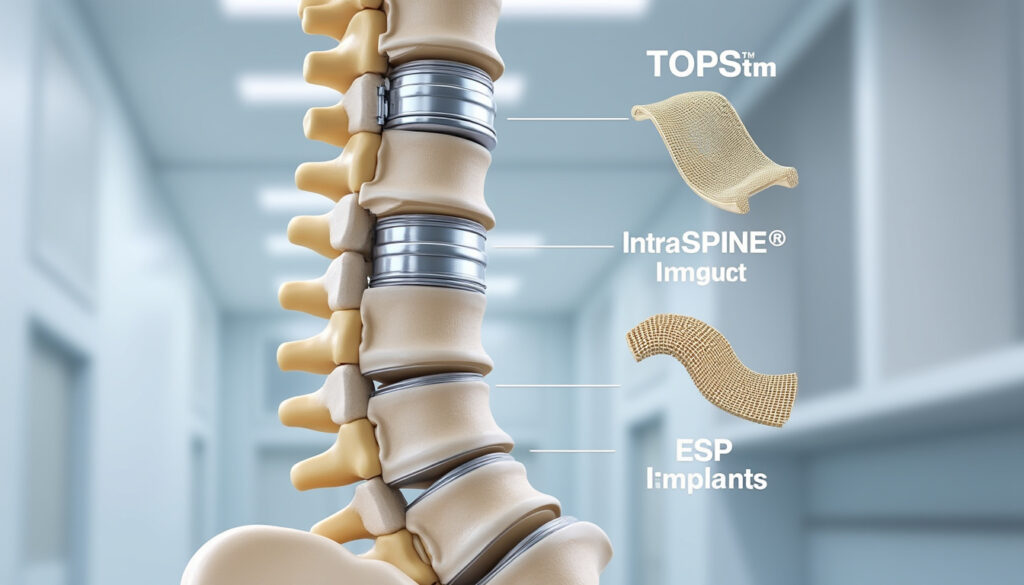
The evolving field of spinal surgery is witnessing a transformative shift, fueled by cutting-edge implant technologies such as TOPS, Intraspine, and ESP. These innovative implants redefine treatment possibilities by emphasizing preservation of natural spinal mechanics, while ensuring durable stabilization and…
Structured Evaluation Steps for International Spinal Surgery Patients from Quebec to France
Standardized evaluation pathways have been crafted to streamline patient journeys from Quebec to France for spinal interventions. Supervised by experts such as Marcel Mazaltarim at Neurothérapie Montréal, this process exemplifies rigorous coordination and holistic care.
The pathway begins with remote digital completion of validated questionnaires assessing pain, mobility, and psychosocial dimensions, supported by bilingual assistance to assure accuracy. Concurrently, local clinics conduct neurofunctional examinations and comprehensive medical evaluations that compile essential baseline data for eligibility determination.
Subsequent multidisciplinary consultations across both continents synthesize these findings to customize surgical plans. This includes technique selection—be it fusion, motion preservation, or minimally invasive procedures—and preoperative preparation logistics.
- Remote collection and review of internationally standardized questionnaires
- Neurofunctional and general health examinations completed in the patient’s local environment
- Validation of surgical candidacy through multidisciplinary bilateral meetings
- Planning patient travel, accommodation, and clinical appointments in France
- Deployment of continuous post-operative monitoring ensuring recovery continuity
| Stage | Objective | Key Responsible Party | Documentation and Support Tools |
|---|---|---|---|
| Completion of Questionnaires | Gather subjective patient data | Patient with support from Neurothérapie Montréal | Multilingual online platforms and telephonic assistance |
| Initial Examination Analysis | Verify clinical appropriateness and safety | Neurothérapie Montréal and TAGMED collaboration | Medical records and neurofunctional testing documentation |
| Multidisciplinary Case Review | Personalize surgical approach | Medical teams from Quebec and France mediated by Franchir | Shared case reports and virtual meeting records |
| Logistic Organization | Coordinate patient journey and care access | Franchir and SOS Tourisme Médical | Travel arrangements, accommodation bookings, transfer schedules |
Additional detailed guidelines for patient preparation can be found on specialized platforms such as this comprehensive research summary on questionnaires and clinical examinations.


Preparing for Surgery in France: Key Indications, Benefits, and Limitations
In an evolving global healthcare landscape, France emerges as a beacon of advanced surgical expertise, particularly attracting international patients seeking expedited and innovative medical interventions. Patients from regions experiencing long wait times, such as Quebec, increasingly view France as an…
Innovative Technologies Enhancing Questionnaire and Examination Integration in Spinal Care Protocols
The advent of advanced technologies is reshaping the landscape of initial questionnaires and examinations by improving accuracy, efficiency, and patient engagement. Digital health platforms now facilitate seamless remote questionnaire completion, allowing real-time data capture and automated scoring based on internationally accepted scales.
Moreover, 3D imaging and robotic navigation technology—garnering FDA clearance for spinal applications—are being employed to augment traditional examinations. These tools provide detailed anatomical visualization and precise surgical planning, reducing intraoperative risks and improving patient outcomes. For instance, emerging robotic systems enable minimally invasive interventions guided by data integrated from initial questionnaires and neurofunctional tests.
Additionally, artificial intelligence algorithms are being developed to analyze questionnaire responses and examination data collectively, enhancing predictive modeling of surgical success and complication likelihood. This technology assists clinicians in making informed, patient-specific decisions early in the evaluation process.
- Remote and computerized patient assessments for efficient data collection
- Robotic-assisted spinal navigation improving operative precision
- AI-driven analytics supporting personalized surgical decision-making
- Integration of multimodal data sets enhancing diagnostic accuracy
- Improved patient engagement and understanding through digital tools
The progressive fusion of technology with traditional patient assessment practices is thoroughly discussed in literature concerning robotic spine surgery and digital questionnaire design available at institutions focused on medical innovation such as ScienceDirect’s articles on questionnaire methodology.

Unveiling the Hidden Benefits of Quality and Certification in Devices
The landscape of device manufacturing and clinical application in 2026 has been fundamentally shaped by the rigorous interplay between quality management and certification processes. Within this complex framework, the hidden benefits of adhering to international standards and obtaining relevant certifications…
Comparative Analysis of Initial Questionnaires and Examinations: Balancing Strengths and Weaknesses
An integrated analysis underscores that while both questionnaires and examinations provide vital information individually, their combined utilization presents a comprehensive picture unattainable by either alone. Questionnaires excel in capturing patient-reported outcomes efficiently, whereas examinations offer the scientific rigor of objective testing.
This complementary relationship mitigates individual method drawbacks. For example, questionnaires’ susceptibility to subjective bias is tempered by the precise, reproducible nature of physical evaluations. Conversely, examinations frequently constrained by resource availability gain broader functional context through self-reported data.
| Assessment Tool | Primary Strengths | Main Limitations | Ideal Application Scenarios |
|---|---|---|---|
| Initial Questionnaires | Cost-effective, rapid subjective assessment; remote administration possible | Dependent on patient literacy, prone to emotional biases, cultural variability | Screening large patient cohorts and longitudinal quality of life tracking |
| Initial Examinations | Objective, quantifiable data; detects physical and neurological changes | Requires specialized equipment and staffing; cost and accessibility barriers | Preoperative risk stratification and surgical planning in specialized centers |
Understanding these nuances aids clinical teams in prioritizing resources and designing evaluation protocols tailored to patient populations and institutional capabilities. For a broader perspective on assessment methods and their pros and cons, consult comprehensive reviews available in educational materials such as this guide to assessment methods.
Comparateur : Questionnaires et Examens Initiaux
Filtre les résultats dans le tableau en fonction du texte saisi.
| Outil ▲▼ | Forces ▲▼ | Limites ▲▼ | Meilleur Usage ▲▼ |
|---|
Aucun résultat trouvé.

Why Experts Advocate for Comprehensive Preoperative Evaluations
In the complex and demanding field of spinal surgery, the emphasis on comprehensive preoperative evaluations has become a fundamental pillar supporting successful surgical outcomes. These evaluations, far beyond mere routine checks, integrate detailed analyses of patient health, surgical risk assessments,…
Key Advantages of Systematic Use of Initial Questionnaires and Examinations in Spinal Surgery Pathways
Systematic implementation of initial questionnaires combined with clinical examinations brings substantial advantages to spinal surgery pathways, enhancing the safety, personalization, and effectiveness of care. This dual approach underlies the success of international programs that emphasize patient-centeredness and multidisciplinary coordination.
Foremost, it enables a comprehensive health screening that identifies surgical candidates with precision unmatched by unidimensional approaches. The evaluation process is accelerated and streamlined, reducing delays while highlighting individual needs and potential red flags early. The clarity offered by combined subjective and objective metrics supports transparent communication among clinicians and reassures patients with evidence-based pathway plans.
The approach also fosters optimal allocation of healthcare resources by minimizing redundant testing and facilitating concerted clinical decision-making. Moreover, it nurtures confidence in both patients and providers, demonstrating commitment to safety and scientific rigor. Reports from international collaborative networks observe reduced perioperative complications and expedited rehabilitations among patients evaluated through integrated methodologies.
- Improved risk stratification and patient selection accuracy
- Personalized surgical pathway development
- Accelerated access to innovative surgical options
- Enhanced multidisciplinary team communication
- Increased patient confidence and satisfaction
Further elaborations on these themes are presented in detailed discussions available through international spinal care consortia, such as materials referenced by SOS Tourisme Médical websites detailing benefits of integrated evaluation processes.
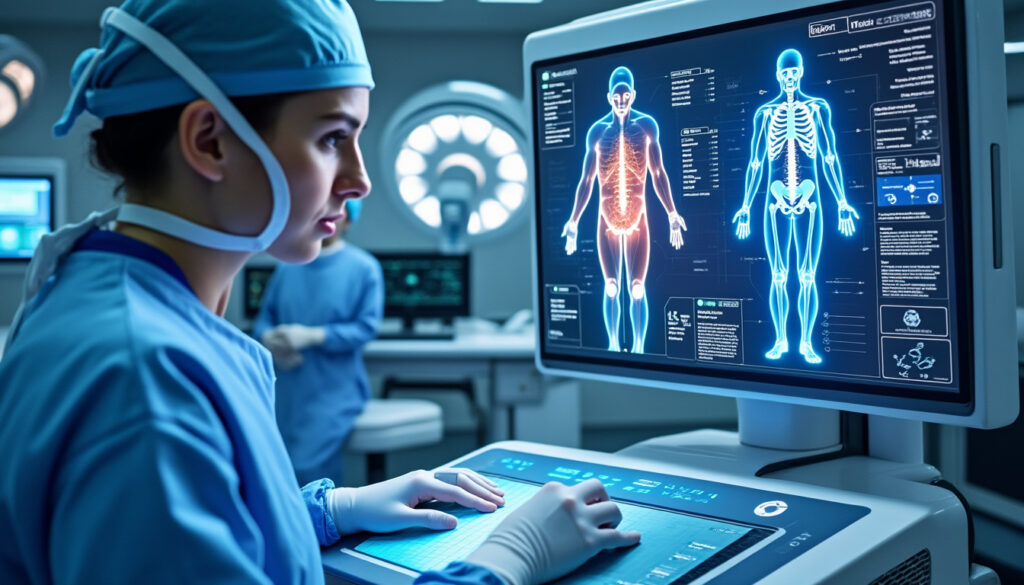
The Future of Surgery Lies in Stepwise Functional Recovery
The evolution of surgical care in 2026 reveals a compelling shift toward approaches that prioritize the holistic recovery of patients, moving beyond traditional metrics like length of hospital stay or mortality rates. This modern paradigm highlights the principle that the…
Frequently Asked Questions Regarding Initial Questionnaires and Examinations in Spinal Surgery
What types of questionnaires are used in initial patient assessments?
Internationally validated questionnaires evaluate pain, mobility, quality of life, and psychosocial factors to provide comprehensive and precise patient profiles.
Are initial examinations mandatory before spine surgery?
Yes, these examinations are essential to ensure patient safety, verify the absence of contraindications, and guide surgical planning.
How is post-operative follow-up managed after patients return to Quebec?
Personalized follow-up is coordinated by Neurothérapie Montréal in partnership with SOS Tourisme Médical to ensure continuous care and monitoring.
What benefits does the Canada-France spinal surgery pathway offer patients?
Patients experience expedited access to advanced surgical techniques and implants, reduced waiting times, and dedicated multidisciplinary and humanized support.
How can one determine candidacy for surgery in France?
A thorough evaluation combining questionnaires and examinations, conducted by Neurothérapie Montréal with TAGMED collaboration, ascertains surgical suitability.