Laval Lumbar Disc Injury Recovery Timeline Explained
November 26, 2025
Terrebonne Neck Herniation Case Studies and Outcomes
November 26, 2025
In recent years, spinal health has witnessed significant advancements, especially in addressing chronic low back pain through innovative surgical solutions. Among these, the IntraSPINE implant, available in Sherbrooke, offers a personalized and minimally invasive approach tailored to preserving mobility and restoring quality of life. This breakthrough procedure blends the latest biomechanical research with patient-centered care, creating new opportunities for individuals seeking effective relief without extensive surgical trauma. Patients from Québec and beyond are increasingly drawn to this option, benefiting from a collaborative international network that rigorously coordinates every step from evaluation in Canada to surgery in France.
Back pain remains a leading cause of disability globally, often resulting from degenerative disc disease, spinal stenosis, or mechanical instability. Traditional surgical interventions, while effective, sometimes involve fusion techniques that limit spinal motion and extend recovery time. The emergence of dynamic implants like IntraSPINE aligns with evolving philosophies in orthopedics and spine care, emphasizing motion preservation and minimally invasive surgery. Moreover, the integration of advanced technologies and thorough patient assessment protocols ensures that each case receives a customized strategy, optimizing both clinical outcomes and patient experience.
Understanding IntraSPINE: A Personalized Approach to Minimally Invasive Spine Procedures
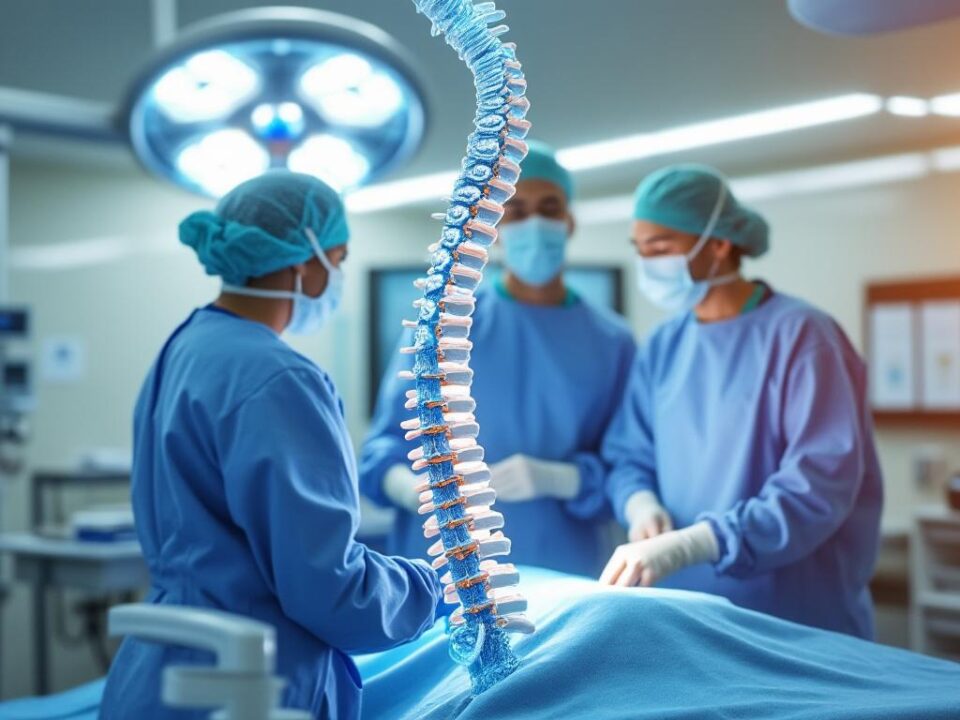
IntraSPINE represents a paradigm shift in spine procedures designed to provide relief for mechanical low back pain and moderate spinal stenosis while maintaining natural spinal biomechanics. Unlike traditional fusion surgeries that immobilize segments of the spine, IntraSPINE acts as a dynamic stabilizer positioned uniquely between the spinous processes, close to the instant axis of rotation, which enables preservation of lumbar lordosis and flexibility.
This implant’s distinct interlaminar placement avoids over-restriction of movement, reducing the risk of adjacent segment degeneration commonly observed following fusion. By allowing controlled, dynamic stabilization, it supports spinal segments effectively while accommodating daily movements. The minimally invasive surgical technique for implantation shrinks skin incisions to mere millimeters, shortens hospital stays—sometimes even allowing ambulatory procedures—and significantly diminishes postoperative discomfort.
Key Biomechanical Principles and Practical Benefits
- Preserving Lumbar Lordosis: By implanting IntraSPINE near the spine’s natural pivot points, the procedure maintains the essential curvature crucial for even load distribution and posture.
- Dynamic Stabilization: Offers flexibility that protects adjacent vertebral segments by reducing undue mechanical stresses.
- Minimally Invasive Access: Uses small unilateral or bilateral incisions, sparing muscles and ligaments, thus enabling expedited recovery and less postoperative pain.
- Targeted Indications: Suited for persistent mechanical low back pain, moderate spinal stenosis, and disc degeneration without severe deformity.
Cases treated with IntraSPINE in Sherbrooke report significant symptom relief, improved functional capacity, and faster return to daily activities, highlighting the real-world efficacy of this approach within a patient-friendly context.
| Feature | Description | Patient Benefits |
|---|---|---|
| Placement | Between spinous processes, near neutral axis | Preserves spinal alignment and movement |
| Stabilization | Dynamic with controlled flexibility | Prevents overload on adjacent segments |
| Surgical Approach | Minimally invasive, small incisions | Reduced pain, quicker hospital discharge |
| Indications | Mechanical back pain, moderate stenosis | Targeted, conservative-friendly application |
This innovative solution is driving a new standard in orthopedics for optimal spine health, offering patients in Sherbrooke and Québec accessible, personalized intervention options that respect their biomechanical integrity.
Minimally Invasive Surgery in Longueuil: Reduce Post-Surgery Pain
Minimally invasive surgery in Longueuil is transforming the patient experience by significantly reducing post-surgery pain and accelerating recovery times. With advances in surgical techniques such as laparoscopic and robotic-assisted procedures, patients can benefit from smaller incisions, less tissue damage, and…
The Transatlantic Patient Journey: Coordinated Care from Initial Evaluation to Post-Surgery Recovery
The patient pathway for accessing IntraSPINE surgery for Canadian patients involves a well-orchestrated transatlantic collaboration, ensuring both the highest quality and patient-centeredness. This journey begins with a thorough evaluation in Québec, guided by Dr. Sylvain Desforges, a leading expert in spine evaluation with over 30 years of experience, who ensures each patient undergoes rigorous assessment and appropriate conservative treatment prior to any surgical consideration.
Following confirmation of eligibility after a 3 to 6-month period of dedicated conservative management—typically involving advanced neurovertebral decompression therapies at Clinique TAGMED—patients are connected with specialized French centers renowned for their expertise and cutting-edge minimally invasive technologies. The logistical coordination is managed by Franchir, arranging all travel, accommodation, and medical appointments to provide a seamless and stress-free experience.
Steps of the Transatlantic Care Coordination
- Initial Evaluation and Conservative Care: Detailed clinical and imaging studies at Clinique TAGMED under Dr. Desforges’ supervision.
- Orientation via Franchir: Personalized selection of the surgical center in France, comprehensive travel arrangements.
- Patient Support from SOS Tourisme Médical: Administrative assistance, transparent information about surgery and implants, and ongoing patient communication.
- Minimally Invasive Surgery in France: Surgery performed by teams using advanced robotic assistance such as the Mazor robot for precise implant placement.
- Postoperative Follow-Up in Montréal: Multidisciplinary rehabilitation and monitoring at Neurothérapie Montréal enabling optimal recovery.
| Stage | Responsible Entity | Role |
|---|---|---|
| Initial Evaluation | Dr. Sylvain Desforges & Clinique TAGMED | Comprehensive assessment, conservative treatment oversight |
| Orientation and Planning | Franchir | Logistical and medical coordination for surgery in France |
| Patient Support | SOS Tourisme Médical | Administrative aid and patient education |
| Surgical Intervention | French Surgical Teams | Precision implant placement via minimally invasive robotics |
| Post-Op Rehabilitation | Neurothérapie Montréal | Multidisciplinary recovery and functional reintegration |
This integrated care pathway not only shortens waiting times—it also assures consistency and rigor throughout the treatment process, anchored in scientific evidence and a personalized patient approach.
Neck Surgery in Montreal: Maintain Natural Cervical Flexibility
Neck surgery remains a crucial consideration for patients suffering from severe cervical spine disorders where conservative treatments have failed. In Montreal, access to specialized care offers patients the opportunity to explore advanced surgical solutions designed to maintain natural cervical flexibility—an…
Essentiality of Conservative Treatment Prior to Considering Spinal Surgery
Before contemplating surgical intervention such as IntraSPINE, it is crucial to exhaust well-planned conservative treatments that aim to alleviate symptoms and improve spinal function. This principle is strongly advocated by Dr. Sylvain Desforges, emphasizing a period of 3 to 6 months of targeted therapies to evaluate true surgical candidacy.
At Clinique TAGMED, patients gain access to innovative neurovertebral decompression techniques, notably robotic-assisted controlled lumbar traction designed to decrease nerve root compression and restore alignment. Complementary orthopedic functional adaptations focus on modifying postures and activities to minimize mechanical stress on the spine.
- Robot-Assisted Neurovertebral Decompression: Computerized traction targeting precise decompression for nerve root relief.
- Functional Orthopedics: Customized guidance on activity modification and ergonomic optimization.
- Continuous Expert Supervision: Ongoing evaluation by Dr. Desforges to adapt treatments and prevent unnecessary early surgery.
| Conservative Treatment | Description | Expected Benefits |
|---|---|---|
| Neurovertebral Decompression | Robotic lumbar traction minimizing nerve compression | Reduced pain, improved nerve function |
| Orthopedic Adjustments | Postural corrections and activity adaptation | Lower mechanical strain on spine |
| Expert Monitoring | Personalized treatment adjustment by Dr. Desforges | Enhanced safety, avoidance of premature surgery |
If symptoms persist despite these efforts, surgery with innovative implants such as IntraSPINE can be confidently considered as part of a comprehensive strategy.
References to Comprehensive Conservative Care
Clinique TAGMED, located at Terrebonne and Montréal, remains a leading institution exemplifying the application of evidence-based, patient-centered conservative spine care under the guidance of Dr. Sylvain Desforges. Patients are encouraged to consider this step as a prudent prerequisite ensuring the best possible outcomes.
Disc Prosthesis in Lévis: Fast and Lasting Results
In the realm of spinal care, patients battling chronic back pain and degenerative disc diseases continuously seek solutions that offer not just symptom relief but also the restoration of natural spinal function. Disc prosthesis, or artificial spinal disc replacement, has…
Comparing Surgical Options in France: Simple Fusion, Motion Preservation, and Dynamic Implants
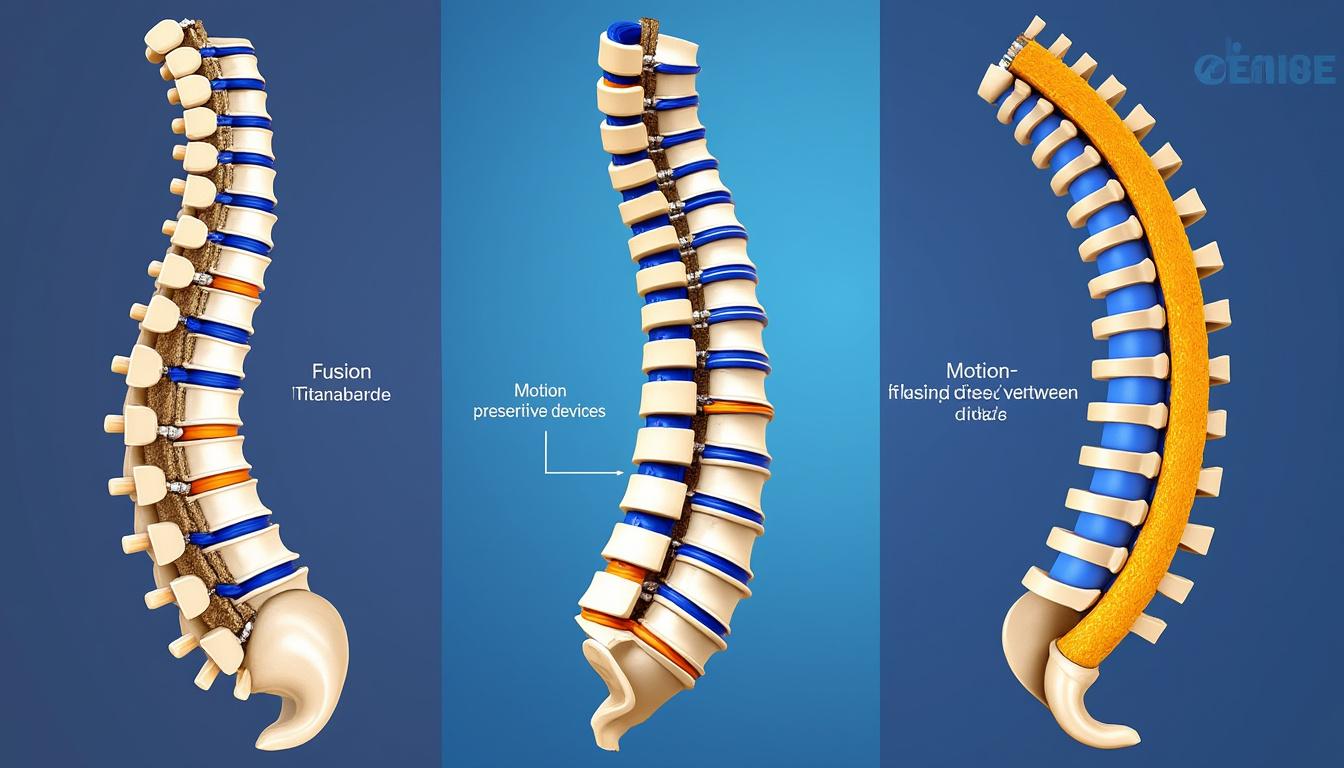
The French healthcare system has integrated a variety of advanced spine surgical options tailored to patient pathology and functional needs. These include:
- Simple Fusion Surgery: A traditional method involving rigid stabilization by fusing vertebrae to eliminate painful motion.
- Motion Preservation Surgery: Utilizes implants like prosthetic discs or dynamic devices that maintain segmental spinal movement.
- Dynamic Implant Procedures: IntraSPINE and other similar devices stabilize the spine with controlled flexibility, bridging the gap between fusion and motion preservation.
This spectrum allows a tailored approach depending on the patient’s anatomy and severity of disease, potentially mitigating the risks of adjacent segment degeneration and improving postoperative mobility.
| Surgical Type | Main Objective | Advantages | Limitations |
|---|---|---|---|
| Simple Fusion | Rigid stabilization | Strong pain relief | Loss of segmental mobility, possible adjacent degeneration |
| Motion Preservation | Maintain spinal movement | Preserves flexibility, less stiffness | Not suitable for severe deformities |
| Dynamic Implants | Controlled flexibility and support | Balances stability and mobility | Specific indications, less common availability |
Access to these advanced procedures is facilitated through partnerships orchestrating international patient care, ensuring patients receive treatments aligned with their needs and modern standards in spine care.
Motion Surgery in Terrebonne: Reduce Postoperative Complications
In the evolving landscape of spine care, Motion Surgery in Terrebonne represents a groundbreaking approach that offers patients a significant advantage in reducing postoperative complications while preserving spinal mobility. Traditional spinal surgeries have long been associated with challenges, including stiffness,…
Biomechanical Advantages of the IntraSPINE Implant Compared to Traditional Fusion
The IntraSPINE implant offers significant biomechanical advantages compared to conventional spinal fusion surgeries. By maintaining natural motion and spinal lordosis, it tackles the common pitfalls of rigid fusion—namely adjacent segment disease and stiffness.
Its proximity to the instant axis of rotation permits physiological spinal movement, reducing stress transfer to adjacent vertebral segments. This controlled flexibility achieves pain relief while preserving the functional integrity of the spine. Importantly, this dynamic stabilization diminishes the risk of accelerated degeneration in nearby levels, a frequent complication after fusion procedures.
- Preservation of Natural Curvature: The spinal lordosis essential for proper balance is maintained, minimizing compensatory postural issues.
- Reduced Adjacent Segment Disease: Controlled movement lessens mechanical overload on neighboring vertebrae.
- Enhanced Postoperative Function: Patients retain a greater range of motion, facilitating quicker functional recovery.
| Aspect | IntraSPINE Implant | Traditional Fusion Surgery |
|---|---|---|
| Spinal Motion | Maintained with dynamic flexibility | Eliminated segmental movement |
| Lordosis Preservation | Preserved | Often compromised |
| Risk of Adjacent Segment Degeneration | Reduced | Elevated |
| Recovery Speed | Accelerated due to less tissue trauma | Slower recovery, more stiffness |
Patients opting for IntraSPINE in Sherbrooke markedly benefit from an improved biomechanical environment that supports long-term spinal health without sacrificing mobility or comfort.
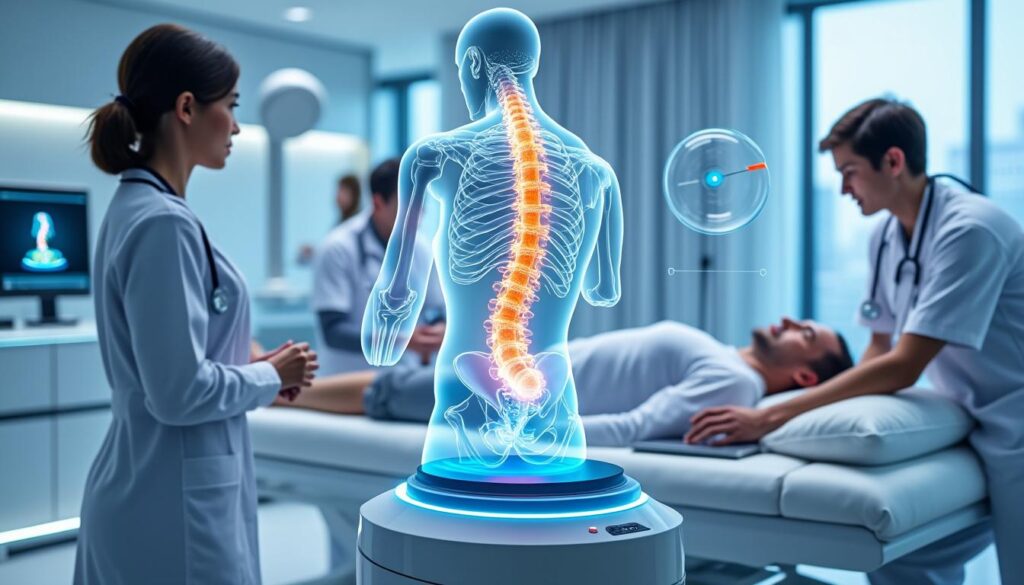
Lumbar Disc Prosthesis in Saguenay: Maintain Intervertebral Mobility
In recent years, the landscape of spinal treatment has been dynamically evolving, particularly for patients in Saguenay and regions of Quebec who face the challenges of degenerative lumbar disc disease. Traditional spinal fusion surgeries, often associated with prolonged recovery times…
Postoperative Care and Rehabilitation: Ensuring Sustained Recovery and Function
Successful outcomes with IntraSPINE implantation extend beyond the operating room, emphasizing the vital role of attentive postoperative care and rehabilitation. Neurothérapie Montréal offers a multidisciplinary approach tailored to assist patients in regaining strength, managing pain, and resuming normal activities in a timely manner.
This rehabilitation includes personalized physical therapy focusing on spinal stabilization, progressive mobility exercises, and functional re-education. Coupled with ongoing pain management and psychological support, this holistic care model addresses all facets of recovery.
- Multidisciplinary Team: Involves physiotherapists, osteopaths, psychologists, and pain specialists specialized in spinal care.
- Pain Management Strategies: Minimizes chronic pain development and addresses postoperative discomfort effectively.
- Progressive Rehabilitation: Tailored exercises to rebuild spinal strength and flexibility without risking implant integrity.
| Postoperative Element | Purpose | Patient Outcome |
|---|---|---|
| Physical Therapy | Restore spinal stability and mobility | Improved functional capacity |
| Pain Control | Prevent chronic pain and discomfort | Enhanced comfort and compliance |
| Psychological Support | Address anxiety and stress | Better mental well-being |
This diligent follow-up ensures the benefits of the minimally invasive procedure are maximized, reducing complications and promoting durable results crucial for restoring patient autonomy.
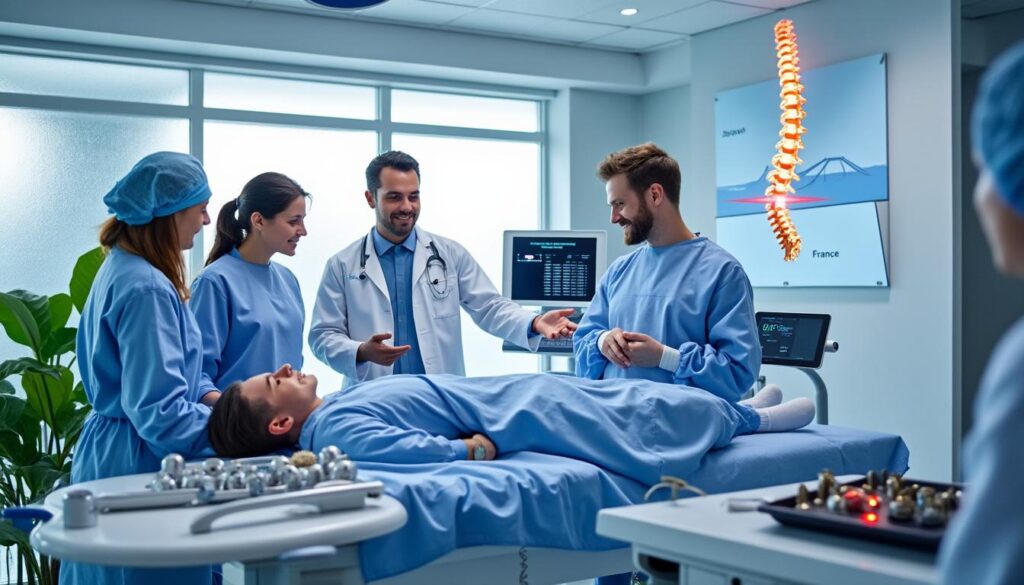
Spine Surgery in Trois-Rivières: Reduce Chronic Pain
Living with chronic back pain can feel like a daily battle, significantly impacting one’s quality of life and limiting the ability to enjoy simple pleasures. In Trois-Rivières, Quebec, patients facing persistent spinal conditions now have access to a pioneering realm…
The Economic and Human Impact of the Transatlantic Spine Surgery Program
Opting for the IntraSPINE procedure within the established Canada-France transatlantic program offers not only clinical but also considerable economic and human benefits. Given the high costs and long wait times associated with private spine surgeries in Québec, patients gain access to state-of-the-art technologies faster and at competitive prices when coordinated through this international partnership.
From a human perspective, the program prioritizes patient-centered care, ensuring clarity in communication, informed decision-making, and continuous support before, during, and after surgery. This results in less anxiety and greater confidence throughout the journey. Importantly, accelerated recovery times foster quicker return to work and family life, significantly improving overall quality of life.
- Cost-Efficient Access: Reduced financial burden with coordinated international care pathways.
- Shortened Wait Times: Avoidance of extended delays prevalent in local private health care.
- Comprehensive Support: Continuous patient guidance through every phase of treatment.
- Improved Quality of Life: Faster return to physical activity and vocational productivity.
| Benefit | Description | Impact on Patient |
|---|---|---|
| Cost Savings | Competitive pricing from French surgical centers | Reduced financial stress |
| Waiting Time Reduction | Faster access to specialized surgery | Less physical deterioration, timely intervention |
| Patient-Centered Care | Personalized support and education | Increased satisfaction and engagement |
| Recovery Outcomes | Accelerated return to normal activities | Enhanced family and social integration |
Such value-added benefits confirm the transatlantic program’s role as a leading model of modern spinal healthcare that delivers safety, innovation, and humanity combined.
Minimally Invasive Surgery in Longueuil: Modern Techniques for the Spine
In the evolving landscape of spinal healthcare, patients suffering from chronic back pain or degenerative spine conditions in Longueuil and across Quebec are increasingly seeking advanced solutions that surpass traditional surgical methods. Minimally invasive surgery has emerged as a transformative…
Empowering Patients Through Education and Personalized Guidance
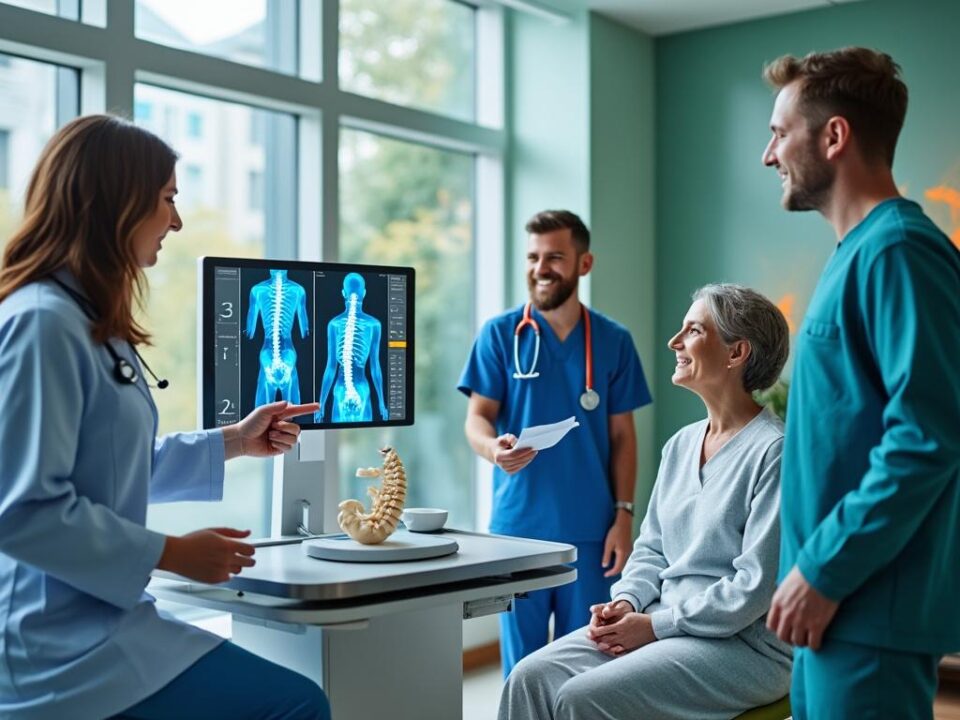
Dr. Sylvain Desforges has long championed the importance of clear communication and education for patients facing spine health decisions. By demystifying complex clinical concepts and making them understandable without jargon, he helps patients and healthcare professionals alike engage in informed and empowering decision-making.
Understanding the indications, limitations, and potential benefits of the IntraSPINE procedure—and how it fits into the broader context of spine care—allows patients to become active participants in their treatment journey. This educational approach fosters trust, reduces anxiety, and encourages questions that tailor treatment to each patient’s unique constitution.
- Clear Explanation of Treatment Options: Helping patients grasp what a minimally invasive spine procedure entails.
- Transparent Discussions of Risks and Benefits: Providing balanced information to support realistic expectations.
- Personalized Evaluation:* Stress on each case’s uniqueness avoiding one-size-fits-all approaches.
- Encouraging Active Patient Participation: Promoting questions and shared decision-making.
This attentiveness to human factors complements the technical expertise available through the transatlantic network, ensuring every patient receives care that respects their dignity and autonomy.
For more details or to discuss your individual case with experienced professionals, please visit https://www.sostourismemedical.com/contact.
What makes IntraSPINE different from traditional spinal fusion?
IntraSPINE preserves natural spinal motion and lumbar curvature, reducing postoperative stiffness and risk of adjacent segment degeneration compared to rigid fusion procedures.
Is minimally invasive surgery safer for spine patients?
Minimally invasive approaches like IntraSPINE implantation reduce tissue trauma, minimize pain, shorten hospitalization, and lead to faster recovery, making them safer and more comfortable for patients.
Why is conservative treatment important before surgery?
A 3 to 6-month course of targeted conservative treatments, including specialized neurovertebral decompression, maximizes surgical outcomes and helps avoid premature interventions.
How is postoperative rehabilitation managed after IntraSPINE implantation?
Neurothérapie Montréal provides multidisciplinary, personalized rehabilitation involving physical therapy, pain management, and psychological support to ensure optimal recovery and function.
What does the transatlantic patient pathway involve?
It encompasses initial evaluation and conservative care in Québec, coordination of surgery in France with expert teams, and subsequent postoperative rehabilitation back in Canada for comprehensive personalized care.
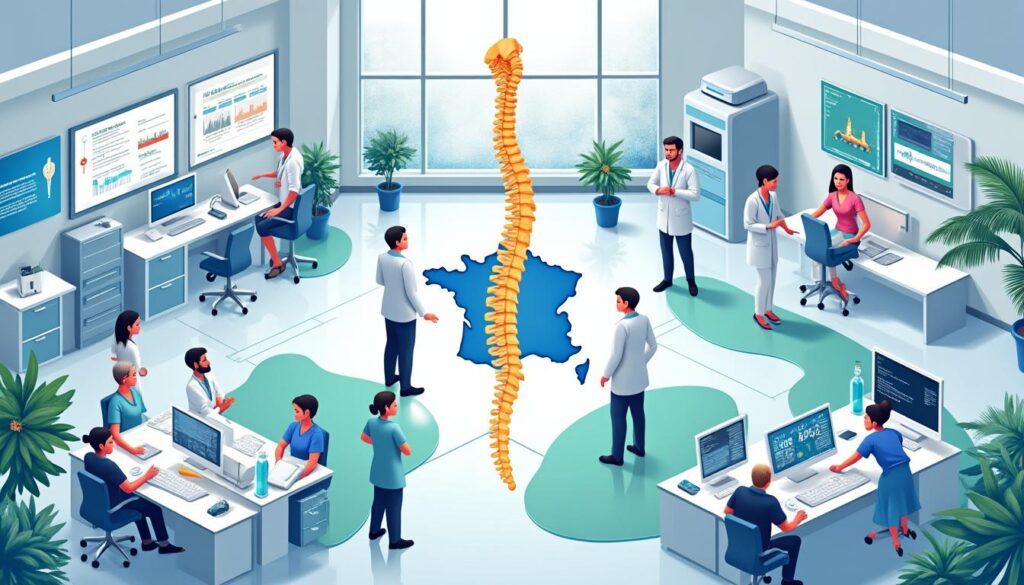
IntraSPINE® in Laval: Innovative and Approved Intervention
Chronic low back pain affects millions of individuals in Quebec, disrupting their daily lives and limiting their activities significantly. As the search for effective treatments continues, the medical field has witnessed remarkable innovations aimed at alleviating spinal disorders. Among these…