How the Role of Franchir Enhances Clinical Outcomes in Patient Care
June 15, 2026
Candiac Neck Herniation Relief Without Surgery
June 15, 2026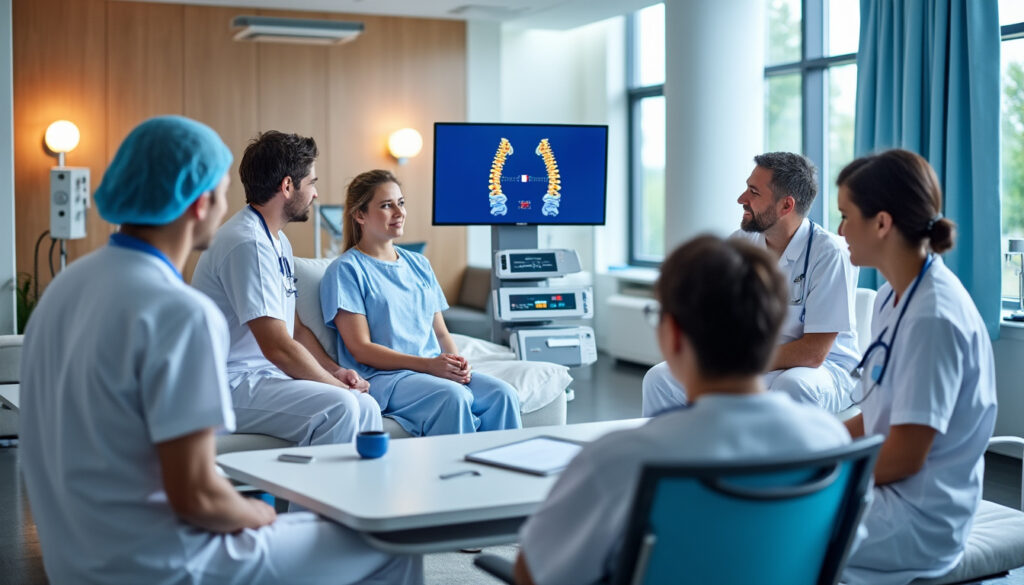
Low back pain is an affliction that affects millions globally, impacting daily activities and diminishing quality of life. In the Saguenay region, known for its vibrant and active population, preserving spinal health is paramount to maintaining mobility and independence. For patients wrestling with chronic lower back pain, particularly due to degenerative disc disease, the search for effective relief often intersects with the decision to consider surgical options. While traditional spinal fusion has been the mainstay treatment, advancements in orthopedic surgery now present lumbar disc prosthesis as an innovative alternative. These artificial discs promise immediate relief post-surgery while preserving spinal motion, a critical factor for active individuals. Understanding the options, surgical pathways, and rehabilitation processes available both locally and through coordinated international care can provide hopeful patients with clarity and confidence in their treatment journey.
Dr. Sylvain Desforges, with over 30 years of dedicated experience, unique expertise in spinal pathology evaluation, and leadership roles in Canadian osteopathic organizations, has pioneered a transatlantic approach connecting Saguenay patients to advanced lumbar disc prosthesis services in France. This approach combines scientific rigor, patient-centered ethics, and innovative techniques to deliver a seamless healthcare experience. With a focus on evidence-based treatments, safety compliance, and personalized care, Dr. Desforges supports patients navigating complex decisions surrounding back pain treatment, ensuring they are informed and empowered every step of the way.
Modern Surgical Options for Lumbar Spine: Beyond Fusion Techniques in France
Back pain from degenerative disc disease (DDD) challenges not only the individual’s comfort but also their long-term spinal functionality. In France, patients seeking surgical intervention benefit from a broad range of options designed to target the underlying pathology while considering the biomechanics of the spine. These surgical methods include:
- Simple Discectomy: This minimally invasive procedure removes herniated or torn disc material pressing on spinal nerves. While effective at alleviating nerve pain, it does not restore the disc’s height or mechanical motion.
- Spinal Fusion Surgery: A well-established intervention, fusion entails joining two or more vertebrae to eliminate movement at painful segments. Although fusion reduces pain effectively, it restricts spinal mobility and may accelerate degeneration of adjacent discs due to altered mechanics.
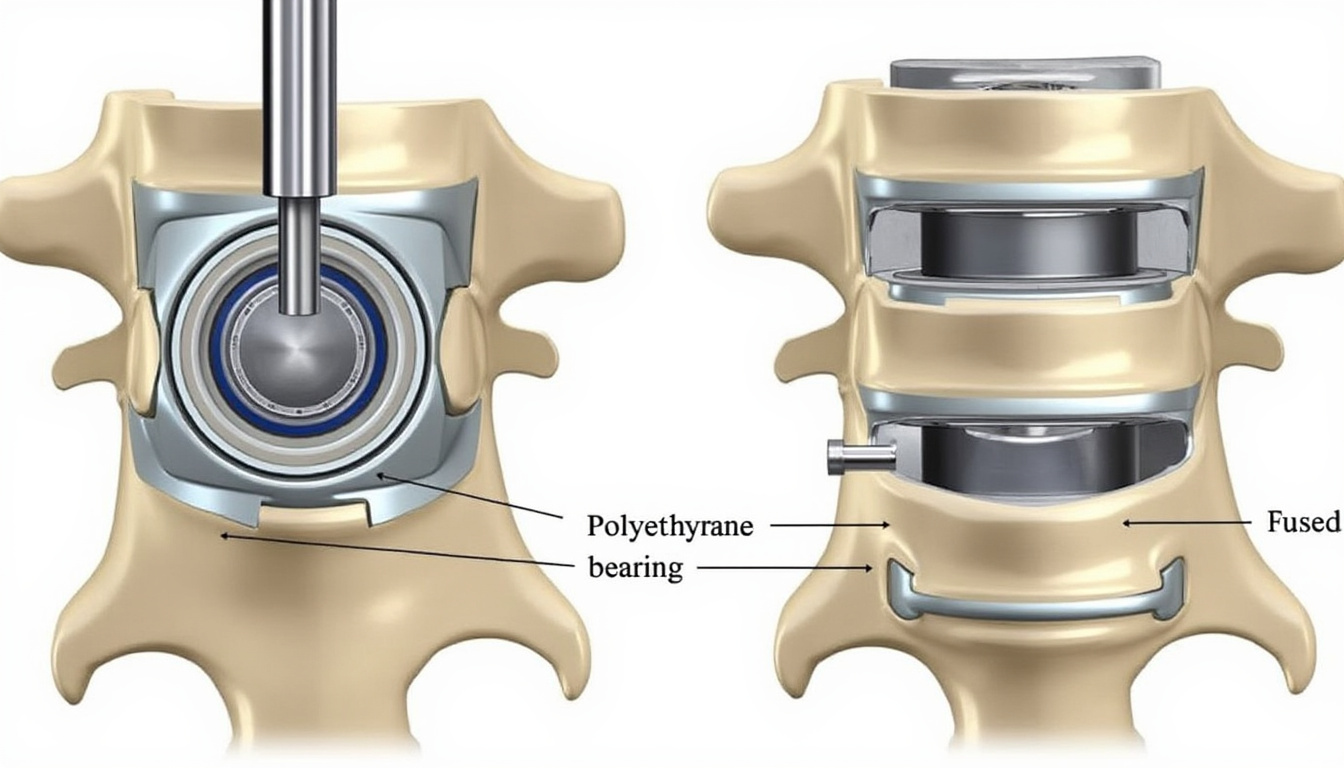
- Motion-Preserving Disc Replacement: Artificial disc prostheses replicate natural spinal motion by replacing the diseased intervertebral disc with an implant designed to maintain flexibility. This approach reduces stress on adjacent segments, preserving long-term mobility and reducing the risk of subsequent degenerative issues.
The natural biomechanics of the lumbar spine require solutions that preserve range of motion when possible. Unlike fusion, lumbar disc prostheses mimic the complex movements of a healthy spine—enabling flexion, extension, lateral bending, and rotation. Implants are constructed using medical-grade materials, such as titanium alloys combined with polyethylene cores, carefully selected to balance durability with biomechanical compatibility.
Dr. Desforges promotes careful patient evaluation to ensure the surgical method aligns with the individual’s spinal pathology and functional needs. Especially for Saguenay’s active population, starting with less invasive discectomies or advanced conservative care, then considering disc replacement for appropriate candidates, harmonizes treatment with lifestyle goals. This philosophy is backed by long-term clinical data demonstrating that disc prostheses deliver sustained pain relief while preserving spinal mechanics, an essential consideration in modern orthopedic surgery. For more technical insights, patients can refer to resources such as the detailed intervertebral disc prosthesis overview.

IntraSPINE® in Sherbrooke: Durable Solution for Chronic Low Back Pain
The management of chronic low back pain, a widespread condition affecting millions across Quebec and beyond, has reached a pivotal moment thanks to innovative medical technologies and coordinated care pathways. At the heart of this evolution lies the IntraSPINE implant,…
Patient-Centered Lumbar Disc Prosthesis Journey: From Saguenay to France
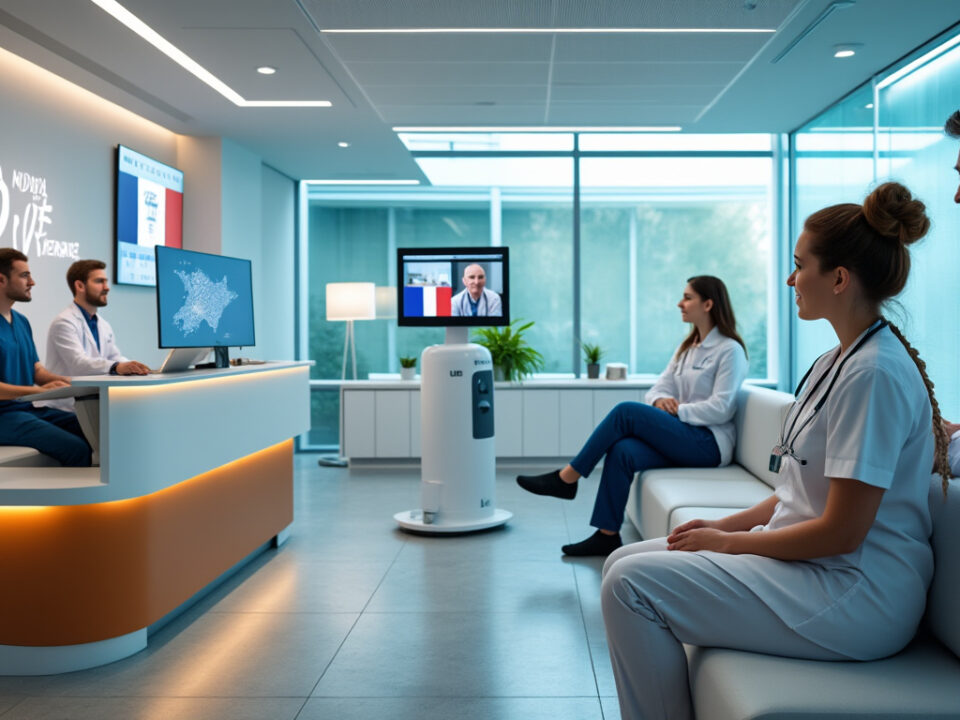
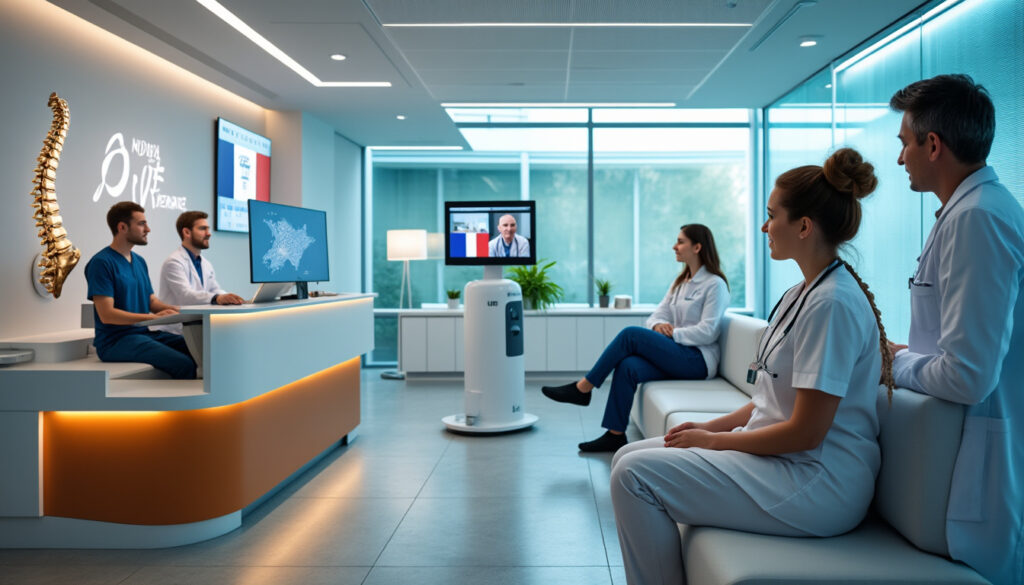
The path to successful lumbar disc prosthesis surgery requires a carefully orchestrated process to ensure safety, personalization, and effective outcomes. This is particularly vital for transatlantic care coordination linking Saguenay patients with French surgical centers. Dr. Sylvain Desforges plays a central role in facilitating this cutting-edge journey, combining his expertise and professional connections to optimize every step:
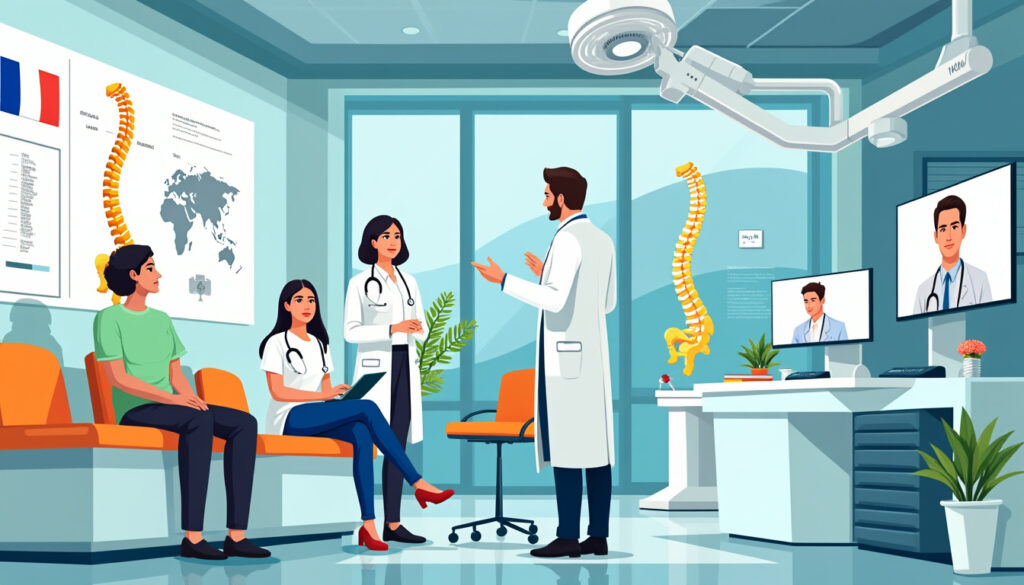
- Initial Comprehensive Evaluation: Dr. Desforges evaluates clinical presentation, diagnostic images, and treatment history to confirm candidacy. Central to his protocol is ensuring patients have first undergone 3 to 6 months of advanced conservative treatments, such as neurovertebral decompression offered at Clinic TAGMED, before surgery is considered.
- Diagnostic Confirmation: Advanced imaging modalities including MRI, CT scans, and discography clearly identify affected discs, crucial for targeting surgery to one or two primary pain sources.
- International Coordination: Leveraging his role as founder and president of multiple osteopathic and medical associations, Dr. Desforges arranges surgical appointments, preoperative assessments, and postoperative plans with leading French spine centers, tailoring timelines to reduce waiting periods.
- Preoperative Preparation in France: Patients undergo specialist consultations, including vascular assessments and educational sessions explaining procedure details, risks, and rehabilitation, building understanding and reducing procedural anxiety.
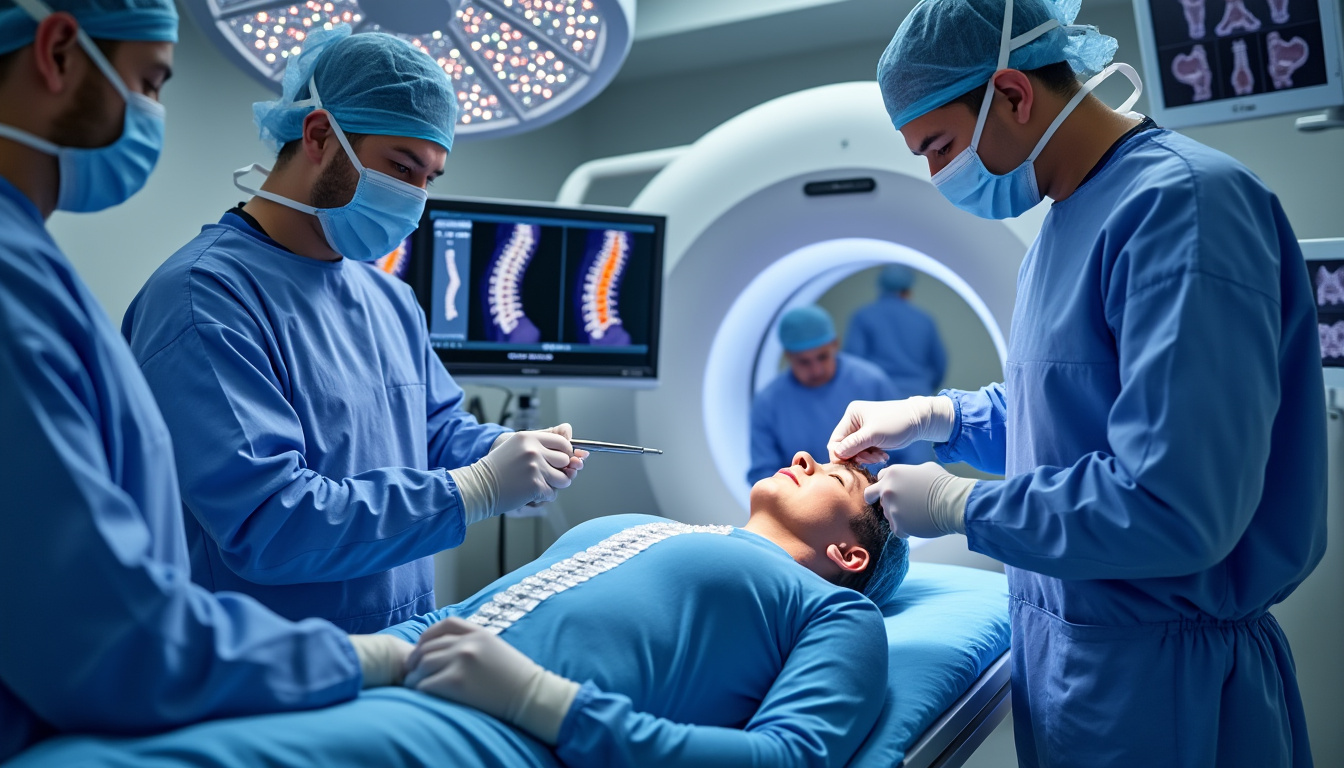
- Surgical Procedure and Immediate Recovery: Surgery typically lasts 2 to 3 hours using an anterior abdominal approach, allowing access without disturbing spinal nerves. Early mobilisation begins within 24 hours, with average hospital stays between 1 to 3 days depending on recovery trajectory.
- Rehabilitation and Follow-Up Care: Structured therapy emphasizes gentle spinal movements, walking, and patient-specific activity modifications, promoting bone healing around the prosthesis while maintaining mobility.
- Return to Saguenay and Long-Term Monitoring: Post-discharge, Dr. Desforges continues evaluation and treatment coordination, guiding lifestyle adjustments and managing potential late complications to preserve spinal health indefinitely.
This model optimizes the best attributes of both healthcare systems: innovative surgical technologies available in France combined with ongoing, personalized oversight rooted in Quebec’s care network. The result is a patient-centric experience that minimizes wait times and maximizes satisfaction and outcomes.
Spine Surgery in Trois-Rivières: Reduce Pain and Preserve Mobility
In recent years, spine surgery in Trois-Rivières has evolved notably, combining advanced medical expertise with innovative technologies to deliver patient-centered care. This growing field addresses the increasing demand among Quebec residents seeking effective solutions for chronic back pain and mobility…
Biomechanical Benefits of Lumbar Disc Prosthesis for Preserved Mobility in Saguenay
Lumbar fusion, although effective at pain reduction, eliminates motion at the fused level, which often leads to increased stress and accelerated degeneration of adjacent spinal segments. In contrast, lumbar disc prosthesis offers biomechanical advantages critical for patients aiming to maintain active lifestyles:
- Preservation of Natural Motion: Prostheses replicate normal spine flexibility including bending and rotation, unlike fusion which restricts segmental mobility.
- Reduced Adjacent Segment Disease: Maintaining motion distributes mechanical loads evenly, lowering the risk of degeneration in neighboring discs and joints.
- Improved Functional Outcomes: Enhanced spinal motion aids return to occupational, recreational, and daily activities without the stiffness commonly observed after fusion.
- Shorter Rehabilitation Time: Immediate post-op motion reduces muscle stiffness and joint immobility, accelerating overall recovery.
| Aspect | Spinal Fusion Surgery | Lumbar Disc Prosthesis |
|---|---|---|
| Spinal Mobility | Eliminated at fused segments | Preserved nearly natural range of motion |
| Recovery Duration | Longer due to bone healing | Shorter with early mobilization |
| Risk of Adjacent Segment Disease | Elevated due to altered biomechanics | Reduced by preserving segmental motion |
| Long-Term Pain Relief | Variable; 50-90% success rate | Consistently positive with motion retention |
Evidence from clinical studies, including mid- and long-term follow-ups, confirms that patients with lumbar disc prosthesis experience durable pain relief while maintaining spinal mobility essential for quality of life. Saguenay patients benefit from this approach, which respects the biomechanical intricacies of the lumbar spine and supports ongoing activity.

Cervical Disc Prosthesis in Quebec City: Avoid Post-Surgery Stiffness
Chronic neck pain remains a significant challenge for thousands of residents in Quebec City every year, often leading them to seek effective spinal surgery options that minimize downtime and maximize long-term mobility. Among the recent advancements revolutionizing cervical spine care,…
Rigorous Patient Selection: Ensuring Safety and Efficacy of Lumbar Disc Prostheses
Not all patients with low back pain are candidates for lumbar disc prosthesis. Rigorous assessment protocols ensure that this advanced surgical option is both safe and effective. Dr. Sylvain Desforges, emphasizing scientific rigor and ethical standards, oversees the following criteria for identifying suitable patients:
- Disc-Specific Pain: Pain localized to one or two degenerated lumbar discs confirmed by diagnostic imaging and clinical examination.
- Facet Joint Condition: No significant arthritis or deterioration of the facet joints that might compromise implant function.
- Bone Health: Healthy bone density without osteoporosis to support implant stability.
- Absence of Prior Major Lumbar Surgeries: No complex scarring or anatomical changes that could complicate prosthesis placement.
- Body Mass Index (BMI): Within a range conducive to implant durability and biomechanical function.
- Spinal Alignment: No severe spinal deformities such as scoliosis impacting surgical outcomes.
In addition to physical criteria, psychosocial factors and patient expectations are evaluated to promote informed consent and realistic goal setting. Imaging techniques employed include MRI, CT scanning, discography, and functional x-rays to provide a comprehensive map of spinal degeneration and guide decision-making.
This meticulous selection process exemplifies the evidence-based and patient-centric approach that Dr. Desforges champions, ensuring that lumbar disc prosthesis does not replace but complements existing treatment modalities with the highest standards of safety and efficacy. More detailed procedural information can be found through trusted sources like disc replacement surgery insights.
Minimally Invasive Surgery in Longueuil: Reduce Hospital Stay Duration
In recent years, advances in spinal care have dramatically reshaped the treatment landscape for patients suffering from debilitating spinal conditions. Particularly in Longueuil, the emergence of minimally invasive surgery (MIS) techniques offers a transformative alternative to conventional open surgeries. These…
Post-Surgery Recovery and Rehabilitation: Optimizing Outcomes in Saguenay Patients
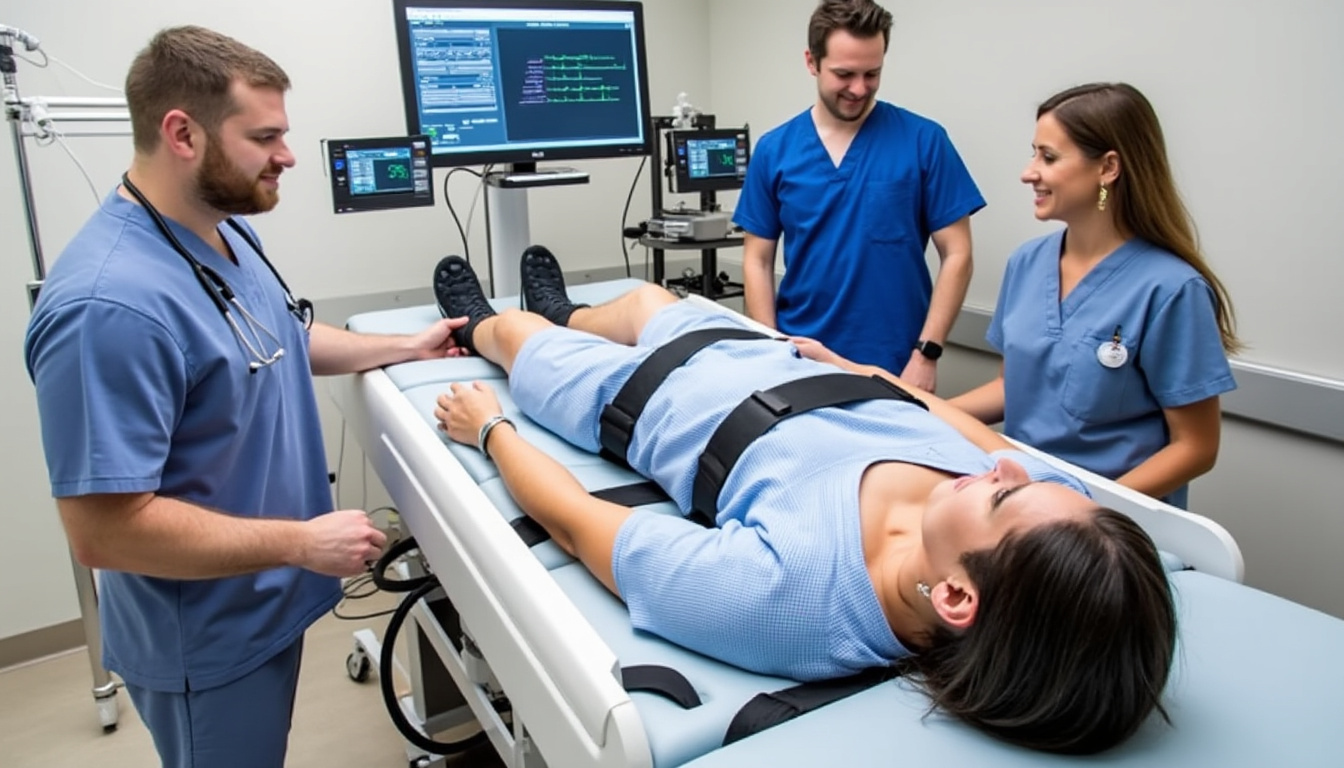
Recovery after lumbar disc prosthesis demands a nuanced rehabilitation strategy focused on balancing early mobilization with protection of surgical healing. Unlike spinal fusion, which necessitates immobilization, disc prosthesis allows controlled motion from the outset, expedited by comprehensive multidisciplinary support.
Dr. Desforges coordinates post-operative care to include:
- Early Mobilization: Standing and walking typically begin within 24 hours, promoting circulation and muscle engagement.
- Gentle Range-of-Motion Exercises: Encouraging spine flexion and extension within safe limits to sustain mobility and implant integration.
- Activity Modification: Avoidance of hyperextension and high-impact activities for the initial 6 to 12 weeks to ensure bone healing around the prosthesis.
- Physical Therapy: Customized programs to progressively strengthen spinal musculature and enhance postural support.
- Continuous Monitoring: Regular follow-up appointments to assess implant status, pain levels, and functional recovery ensuring timely adjustments.
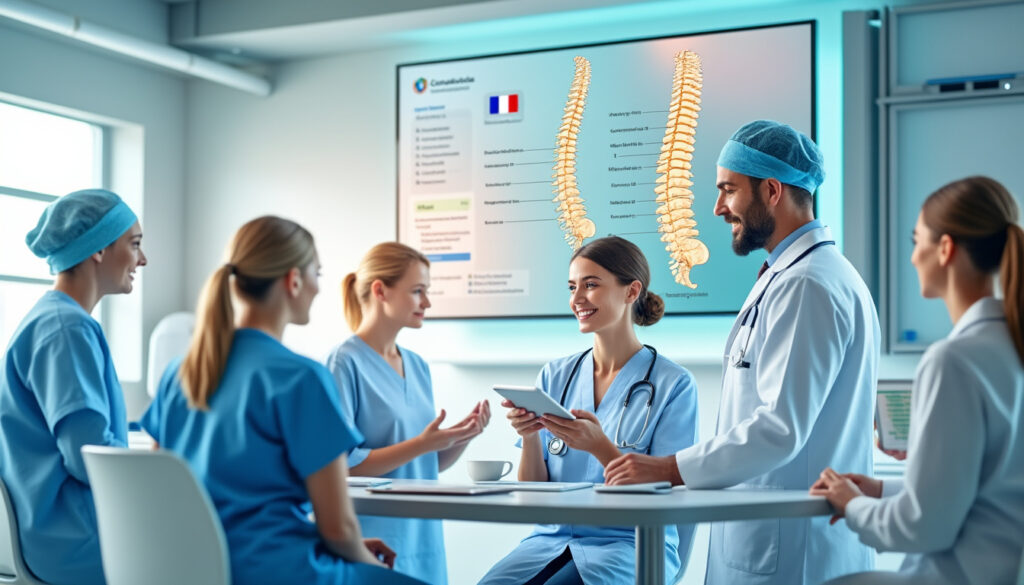
Patient education forms a cornerstone of successful recovery, with clear communication regarding expectations and gradual progression. The transatlantic coordination between French surgical teams and Saguenay rehabilitation providers ensures seamless continuity in care, significantly enhancing recovery experiences.
IntraSPINE® in Laval: Modern Solution for Lumbar Stabilization
In the evolving landscape of orthopedic treatments, the city of Laval has become a hub for innovations addressing chronic lower back pain. Among the groundbreaking solutions gaining attention is the IntraSPINE device—a modern spinal implant designed to offer dynamic lumbar…
Conservative Care Before Surgery: A Non-Negotiable Preliminary Step
The cornerstone of ethical spinal health management, as advocated by Dr. Desforges, emphasizes firmly that surgery is only appropriate after exhaustive conservative care has been attempted. For 3 to 6 months at minimum, patients must explore advanced non-surgical options designed to relieve back pain and improve function without invasive interventions.
Typical conservative treatments include:
- Physical Therapy: Targeted strengthening and mobility exercises tailored to individual limitations.
- Pain Management: Pharmacologic approaches balanced with interventional injections as needed.
- Neurovertebral Decompression: Cutting-edge therapies available at the Clinic TAGMED, employing technology to alleviate nerve root pressure non-invasively.
- Lifestyle Adjustments: Ergonomic advice and activity pacing to protect spinal integrity.
Should symptoms persist despite these efforts, surgical evaluation for lumbar disc prosthesis may then be warranted. This structured approach reflects Dr. Desforges’ dedication to science-driven, ethical care that prioritizes patient safety and optimizes long-term results.
Neck Surgery in Montreal: Maintain Cervical Flexibility and Function
Neck conditions causing persistent pain or functional loss place a substantial burden on individuals and healthcare systems, especially in urban centers like Montreal. Surgical interventions targeting the cervical spine have evolved tremendously, aiming not only to relieve symptoms but to…
Economic and Human-Centered Benefits of Transatlantic Lumbar Disc Prosthesis Care
The unique transatlantic treatment pathway linking Saguenay patients with French specialists embodies not only medical innovation but also practical economic and human advantages. Dr. Desforges’ dual expertise in Canadian and French healthcare systems facilitates an optimized balance between cost, time efficiency, and personalized attention.
Economic Advantages:
- Reduced wait times compared to public Canadian healthcare delays for advanced spine surgery.
- Access to innovative implants and technologies not widely available in Canada, such as advanced dynamic prostheses.
- Lower overall costs when factoring in quicker return to work and reduced disability duration.
Human-Centered Benefits:
- Continuous patient support through every phase, reassuring and educating patients about complex procedures and recovery.
- Seamless integration of care before, during, and after surgery, minimizing fragmentation and anxiety.
- Empowerment through clear communication and shared decision-making, respecting patient autonomy and individual needs.
This comprehensive care network supports restored quality of life in a manner that places patients at the center of the therapeutic journey, a hallmark of Dr. Desforges’ approach. For further reading, see the rich evidence supporting these outcomes at Lumbar Disc Prosthesis in Saguenay – maintaining mobility.

Disc Prosthesis in Lévis: Quick and Long-Lasting Results
Chronic back pain caused by degenerative disc disease continues to profoundly impact the quality of life for many residents in Lévis and the broader Quebec area. For decades, traditional spinal fusion surgery has been the primary solution for alleviating severe…
Taking the Next Steps: Personalized Lumbar Spine Care for Saguenay Patients
For individuals in Saguenay struggling with persistent back pain who have exhausted conservative treatments, exploring lumbar disc prosthesis as a surgical option warrants professional evaluation. Under the guidance of Dr. Sylvain Desforges, patients receive an expert, customized assessment reflecting their unique pathology, functional demands, and life circumstances.
Patients are encouraged to gather all pertinent medical history, undergo recommended imaging, and engage actively in consultations to understand the journey ahead. Openness to questions and clarity about treatment expectations foster informed decision-making and reassure patients about the personalized nature of care, from initial examination through long-term spinal health monitoring.
Welcome to a comprehensive care experience that integrates the latest advancements in spine surgery with human-centered coordination. For more information or to schedule an expert evaluation, visit SOS Tourism Medical contact page and take the informed step towards renewed spinal health and mobility.
Who is an ideal candidate for lumbar disc prosthesis?
Ideal candidates are patients with identifiable pain from one or two lumbar discs without significant facet joint arthritis, spinal deformity, or prior major lumbar surgeries. Bone density and body weight also influence suitability.
How does lumbar disc prosthesis compare to spinal fusion?
Lumbar disc prosthesis preserves spinal mobility, reduces the risk of adjacent segment degeneration, often results in faster recovery, and maintains better long-term function compared to fusion which immobilizes affected segments.
What is the typical hospital stay after lumbar disc replacement surgery?
Most patients remain hospitalized for 1 to 3 days depending on pain control and early mobilization progress, enabling rapid recovery and discharge.
Should surgery be the first treatment option for low back pain?
No. Surgery is advocated only after a thorough trial of 3 to 6 months of conservative treatments including advanced modalities such as neurovertebral decompression offered at Clinic TAGMED.
How does transatlantic care coordination improve patient outcomes?
Coordinated care between Saguenay and French medical teams ensures timely surgery access, use of advanced technologies, and comprehensive post-operative management for enhanced patient safety and satisfaction.

Motion Surgery in Terrebonne: Maintain Intervertebral Mobility
Back pain remains a widespread concern for many in Quebec, with traditional treatment pathways often imposing lengthy waiting periods and financial constraints. Recently, Motion Surgery in Terrebonne has emerged as a transformative option, attracting patients seeking spinal solutions that prioritize…