Why Experts Advocate for Initial Questionnaires and Assessments
November 27, 2025
Longueuil Sciatica Relief Using Decompression Therapy
November 27, 2025
In recent years, the landscape of spinal treatment has been dynamically evolving, particularly for patients in Saguenay and regions of Quebec who face the challenges of degenerative lumbar disc disease. Traditional spinal fusion surgeries, often associated with prolonged recovery times and loss of natural spinal flexibility, have driven many to explore more advanced and motion-preserving alternatives. Lumbar disc prostheses, designed to restore and maintain intervertebral mobility, are emerging as innovative solutions in this domain. These artificial discs offer a biomechanically superior approach, promising pain relief while preserving the natural movement of the lumbar spine. Through a unique transatlantic pathway, patients from Quebec are increasingly accessing state-of-the-art lumbar disc replacement surgeries in France, benefiting from rapid scheduling, skilled multidisciplinary teams, and advanced implant technologies.
Dr. Sylvain Desforges, with over 30 years of expertise in spinal evaluation, osteopathy, and patient advocacy, plays a vital role in guiding Quebec patients through this intricate medical journey. His commitment to scientific rigor, patient-centered communication, and ethical practice ensures that every candidate receives a thorough assessment rooted in the latest evidence-based protocols. Moreover, Dr. Desforges facilitates seamless coordination between Canadian patients and French surgical centers, reinforcing the promise of an optimized, personalized, and trustworthy care continuum.
Exploring these developments reveals not only the clinical advantages of artificial disc replacements but also highlights the economic and human benefits of international care collaboration. This article delves into the various surgical options available, the essential preoperative conservative treatments, detailed patient pathways, cutting-edge technologies deployed, and the groundbreaking results observed with prostheses like the LP-ESP lumbar disc implant.
Understanding Lumbar Disc Prosthesis and Motion Preservation in Saguenay
The lumbar region of the spine, comprised of five vertebrae and intervertebral discs, is fundamental for supporting the upper body’s weight and enabling extensive motion including bending, twisting, and lifting. When these discs degenerate due to age, injury, or disease, debilitating back pain and functional limitations may ensue, a condition broadly termed degenerative disc disease (DDD). For patients in Saguenay and greater Quebec, lumbar disc prosthesis offers a transformative alternative to conventional fusion surgery, promising to maintain intervertebral mobility and preserve spine health.
Unlike spinal fusion, which eliminates motion by permanently joining vertebrae, a lumbar disc prosthesis replaces the diseased disc with an artificial implant engineered to replicate the natural disc’s biomechanical properties. Prominent devices, such as the Prodisc-L and the advanced LP-ESP system, provide multiple degrees of freedom including flexion, extension, lateral bending, and crucially, shock absorption. This design minimizes undue stress on adjacent discs, reducing the risk of accelerated degeneration—a common complication following fusion.
The concept of motion preservation is central to these technologies. Through sophisticated materials such as polycarbonate urethane and silicone gel cores embedded in titanium endplates, these implants simulate the natural elasticity and movement patterns of healthy intervertebral discs. This approach is supported by extensive biomechanical studies confirming improved outcomes in spinal alignment and functionality.
- Benefits of Lumbar Disc Prostheses:
- Restore and maintain physiological lumbar mobility
- Reduce mechanical stress on adjacent spinal segments
- Provide shock absorption similar to natural discs
- Allow patients an earlier return to daily activities
- Lower rates of post-surgical stiffness compared to fusion
| Key Feature | Traditional Fusion | Lumbar Disc Prosthesis (e.g., LP-ESP) |
|---|---|---|
| Spinal Motion Preservation | None (immobilized) | Up to 6 degrees in multiple axes |
| Shock Absorption | Absent | Present via viscoelastic materials |
| Risk of Adjacent Segment Disease | Elevated due to altered biomechanics | Significantly reduced |
| Recovery Time | Longer, cautious movement | Shorter with early mobilization |
By prioritizing biomechanical fidelity, lumbar disc prostheses not only alleviate pain but preserve the functional kinetics of the lumbar spine, particularly vital for active patients in Saguenay seeking sustainable long-term relief. For detailed insights on preserving natural lumbar movement, visit Lumbar Disc Prosthesis in Saguenay Preserve Natural Mobility.
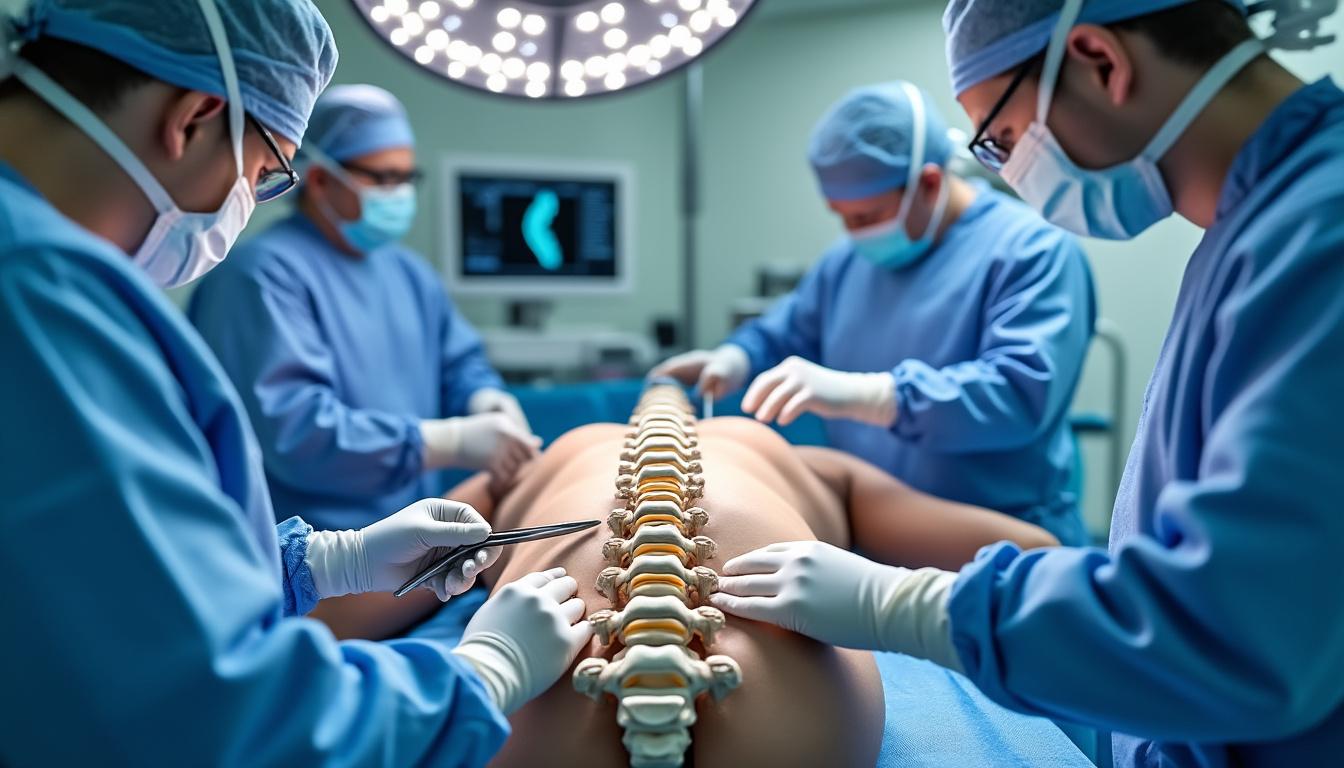
Minimally Invasive Surgery in Longueuil: Reduce Post-Surgery Pain
Minimally invasive surgery in Longueuil is transforming the patient experience by significantly reducing post-surgery pain and accelerating recovery times. With advances in surgical techniques such as laparoscopic and robotic-assisted procedures, patients can benefit from smaller incisions, less tissue damage, and…
Available Surgical Techniques for Lumbar Spine Disorders in France: Simple, Fusion, and Motion-Preserving Options
France has emerged as a global leader in advanced spinal surgeries, offering Quebec residents innovative options that extend beyond the familiar fusion procedures. Understanding the types of lumbar surgeries is crucial in evaluating which approach aligns with clinical needs and patient lifestyle.
Simple Decompression Surgery
Primarily indicated for lumbar spinal stenosis or herniated discs causing nerve compression, simple decompression surgery aims to relieve pressure by removing offending tissue such as bone spurs or herniated disc fragments. This surgery preserves most of the native spinal structures and generally offers a quicker recovery. However, it does not directly address disc degeneration, and some patients may experience recurrent symptoms.
Spinal Fusion Surgery
Spinal fusion involves the surgical joining of adjacent vertebral bodies, eliminating segmental motion to stabilize painful areas. While effective at reducing pain, fusion results in permanent loss of movement at the operated level. This loss of mobility may increase the biomechanical load on neighboring spinal segments, accelerating degeneration and potentially causing secondary pain problems.
Motion-Preserving Lumbar Disc Prosthesis Surgery
This approach replaces the damaged intervertebral disc with an artificial implant designed to restore natural biomechanics. These devices, including the Mobidisc L Lumbar Disc Prosthesis, utilize innovative fixation mechanisms and mobile cores to enable controlled movement, closely mimicking physiological spine mechanics. The LP-ESP disc prosthesis, notable for its viscoelastic one-piece design, provides elastic return properties avoiding excessive facet joint stress and replicates six degrees of freedom about the three spatial axes.
- Comparison of Lumbar Surgical Options in France
- Simple Decompression: Quick recovery, nerve decompression
- Fusion Surgery: Stabilizes but limits motion
- Disc Prosthesis: Maintains mobility, reduces adjacent segment risk
| Surgical Type | Primary Goal | Advantages | Potential Drawbacks |
|---|---|---|---|
| Simple Decompression | Relieve nerve compression | Preserves anatomy, shorter recovery | Does not treat disc degeneration |
| Spinal Fusion | Stabilize painful levels | Strong pain relief | Loss of mobility, adjacent degeneration risk |
| Disc Prosthesis | Restore disc function and motion | Maintains natural flexibility, shock absorption | Requires specialized expertise and candidate selection |
French surgical centers, supported by an ecosystem of advanced technology providers such as Zimmer Biomet and Globus Medical, ensure personalized care with implants selected according to patient anatomy and biomechanical needs. This ensures optimal functional results and longer implant survival. Learn more about safe and approved lumbar disc prosthesis alternatives in Saguenay.
Pre-Surgical Evaluation and Conservative Treatment Prerequisites
Prior to considering any surgery, especially disc replacement, it is imperative patients undergo a comprehensive period of conservative therapy. Dr. Sylvain Desforges underscores the importance of completing a minimum of three to six months of non-surgical treatments encompassing physical therapy, pharmacologic pain management, and innovative interventions such as neurovertebral decompression available at Clinique TAGMED. This approach aligns with best practice guidelines to avoid premature or unnecessary surgery.
- Physical therapy focused on spinal stabilization and mobility
- Use of non-invasive neurovertebral decompression to alleviate disc pressure
- Targeted osteopathic care to optimize biomechanics
- Medical pain management optimizing comfort and function
- Patient education for effective lifestyle modifications
Only when these avenues do not produce sufficient symptomatic relief should spinal surgery, including the lumbar disc prosthesis, be evaluated as the next step. This important sequence safeguards patient welfare and ensures that invasive interventions are justified and appropriate. For expanded information on conservative care protocols, visit long-term solutions emphasizing conservative management.
Neck Surgery in Montreal: Maintain Natural Cervical Flexibility
Neck surgery remains a crucial consideration for patients suffering from severe cervical spine disorders where conservative treatments have failed. In Montreal, access to specialized care offers patients the opportunity to explore advanced surgical solutions designed to maintain natural cervical flexibility—an…
Detailed Patient Journey for Lumbar Disc Prosthesis Surgery Across the Canada-France Transatlantic Pathway
The decision to pursue lumbar disc prosthesis surgery in France represents a meticulous process requiring expert guidance, coordination, and patient-centered care strategies. Dr. Sylvain Desforges, recognized for his leadership in Canadian spinal associations and osteopathy, ensures seamless integration between Quebec patients and French surgical experts.
Step 1: Comprehensive Evaluation in Quebec
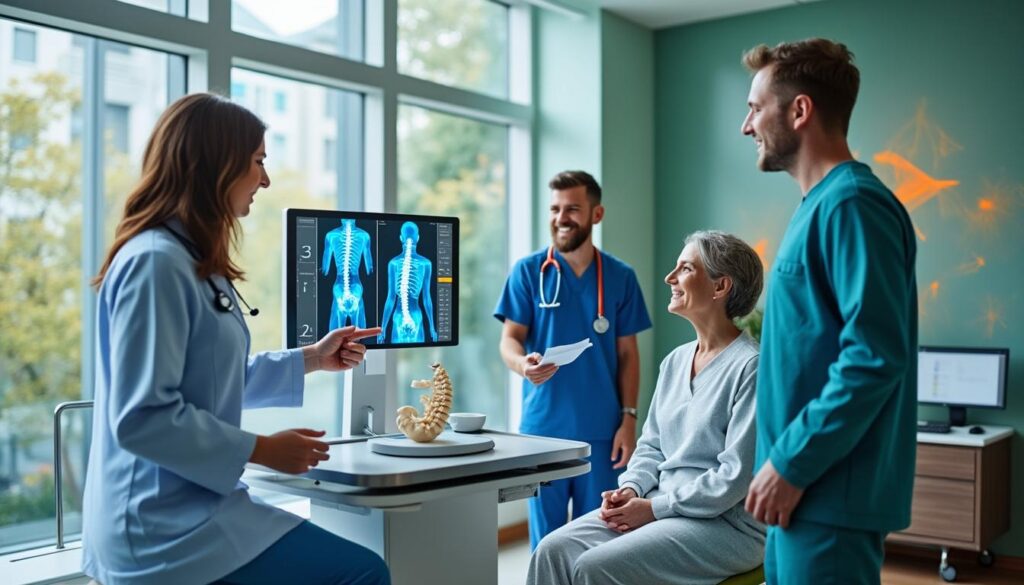
Initial assessment includes clinical examination and advanced imaging studies to localize and characterize the degenerative pathology. Dr. Desforges reviews previous treatments to verify completion of the conservative phase, including specialized neurovertebral decompression if applicable. This evaluation identifies surgical candidates realistically suited to benefits from disc replacement.
Step 2: International Coordination and Surgical Planning
Once surgical indication is established, Dr. Desforges facilitates transatlantic case management by collaborating with French surgeons and leading centers specialized in motion-preserving spinal surgery. This process features:
- Teleconsultations to discuss procedure details, risks, and expectations
- Careful selection of the optimal prosthesis model based on biomechanical analysis
- Organized scheduling to substantially reduce wait times compared to local options
- Multidisciplinary planning involving anesthesiology, rehabilitation, and nursing teams
Step 3: Surgical Procedure and Hospitalization
The implantation is generally performed through an anterior approach with an average hospitalization of two to three days. Minimally invasive techniques and involvement of vascular surgeons minimize complications. Postoperative care prioritizes early mobilization and pain control to expedite recovery while ensuring implant stability.
Step 4: Rehabilitation and Follow-Up Post-Return to Quebec
After hospital discharge, rehabilitation programs begin promptly, emphasizing mobility, core strengthening, and gradual return to activity. Dr. Desforges coordinates with Quebec-based therapists to sustain rehabilitation quality and utilizes telehealth tools for monitoring progress and addressing concerns remotely.
| Patient Journey Stage | Key Activities | Patient Benefits |
|---|---|---|
| Evaluation | Comprehensive spinal assessment, conservative treatment review | Ensures surgery is appropriate, informed decision-making |
| Coordination | International consultations, implant selection, scheduling | Reduced wait time, personalized implant, clear expectations |
| Surgery | Disc prosthesis implantation via anterior access | Motion preservation, pain relief, surgical safety |
| Rehabilitation | Structured physical therapy, telemedicine follow-up | Optimized recovery, sustained functional gains |
This comprehensive care model has demonstrated improved patient satisfaction and long-term outcomes while mitigating common barriers such as extended local waitlists and prohibitive costs. Discover how natural movement is preserved in these procedures.
The above video provides detailed insights into lumbar disc prosthesis surgery, explaining the biomechanical principles and benefits of motion preservation.
Disc Prosthesis in Lévis: Fast and Lasting Results
In the realm of spinal care, patients battling chronic back pain and degenerative disc diseases continuously seek solutions that offer not just symptom relief but also the restoration of natural spinal function. Disc prosthesis, or artificial spinal disc replacement, has…
Biomechanical and Functional Advantages of Lumbar Disc Prosthesis Over Fusion Surgery
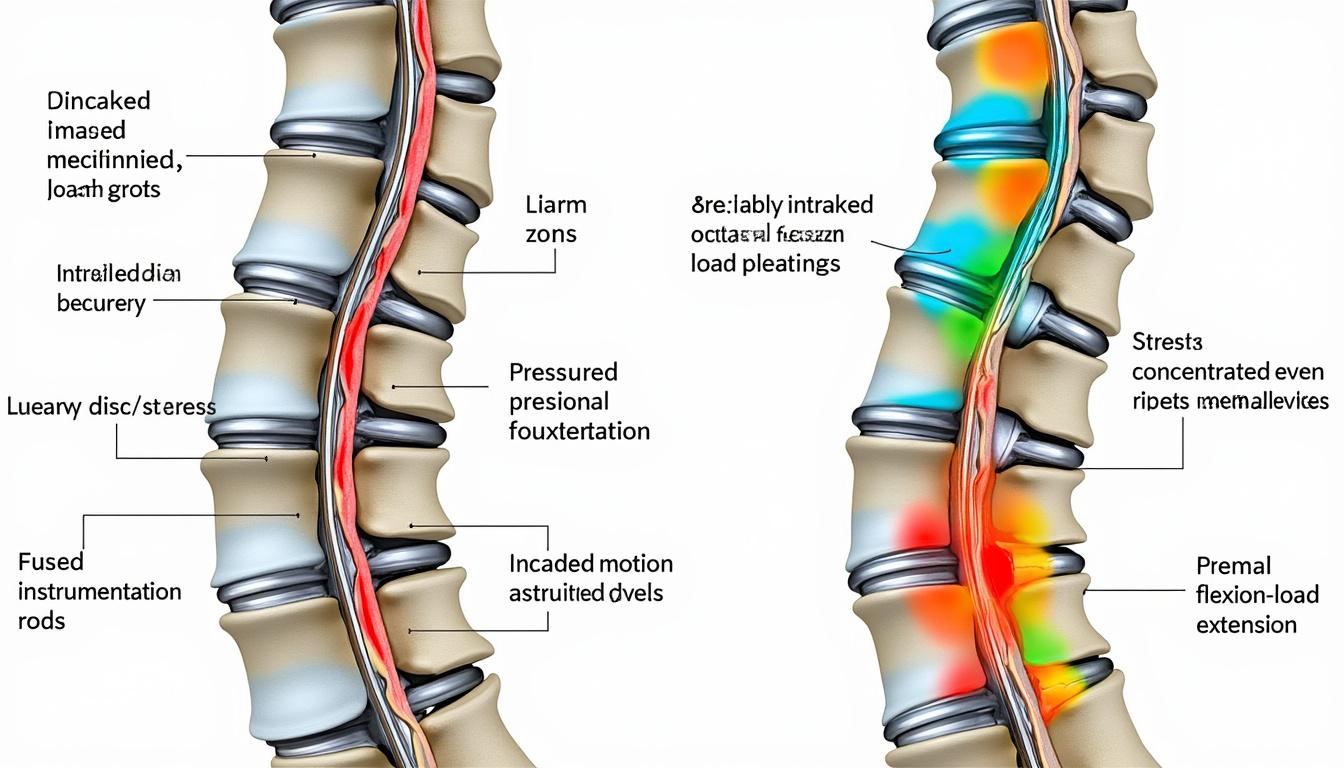
Understanding the biomechanical impact of spinal surgeries is essential in appreciating the superiority of lumbar disc prostheses in many cases. Spinal fusion immobilizes the affected segment, which disrupts normal spinal kinematics.
Disc prostheses like the LP-ESP are engineered to mimic the natural disc’s six degrees of freedom:
- Flexion and Extension
- Lateral Bending
- Axial Rotation
- Vertical Displacement with Shock Absorption
This multidimensional mobility reduces abnormal mechanical stress transferred to adjacent vertebral levels. Moreover, the elastic return property inherent in materials like polycarbonate urethane resists hypermobility, protecting facet joints from overload and degeneration.
| Biomechanical Parameter | Natural Disc | Fusion Surgery | Disc Prosthesis (LP-ESP) |
|---|---|---|---|
| Range of Motion per Segment | Up to 6° | 0° (immobile) | 4-6° (approximate natural) |
| Shock Absorption | High | None | Provided (viscoelastic) |
| Stress on Adjacent Segments | Physiological | Increased, risk of degeneration | Reduced |
Studies indicate patients receiving motion-preserving implants return more rapidly to functional status, experience lower incidences of adjacent segment disease, and often report higher satisfaction. This aligns with findings available through sources such as comprehensive health criteria documents supporting disc replacement technology.
Motion Surgery in Terrebonne: Reduce Postoperative Complications
In the evolving landscape of spine care, Motion Surgery in Terrebonne represents a groundbreaking approach that offers patients a significant advantage in reducing postoperative complications while preserving spinal mobility. Traditional spinal surgeries have long been associated with challenges, including stiffness,…
Advanced Technologies and Implant Innovations in Lumbar Disc Replacement Surgery
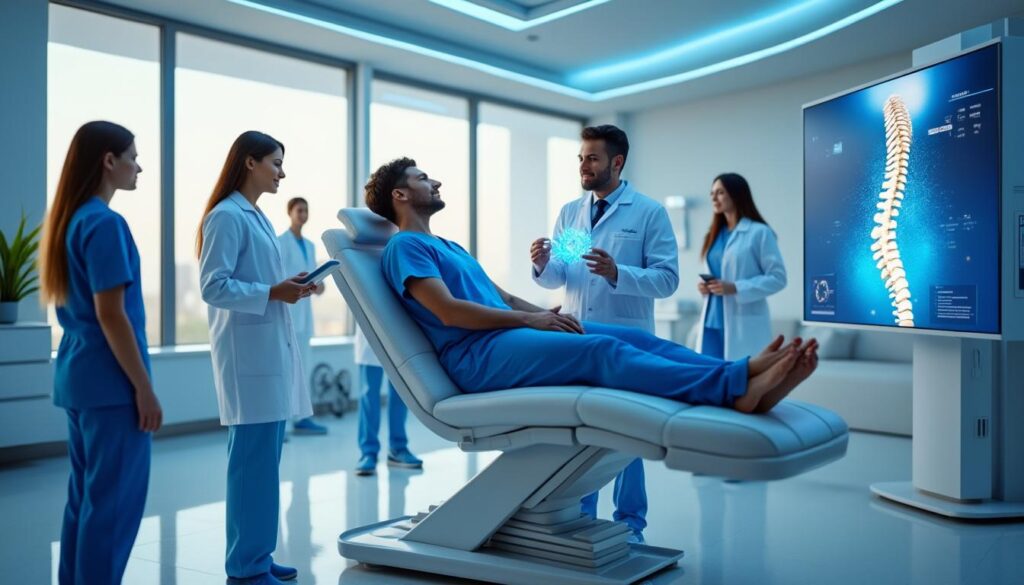
Surgical success in lumbar disc replacement relies heavily on implant design and state-of-the-art surgical tools. French spine centers are at the forefront of integrating cutting-edge technologies that enhance safety and outcomes.
- Innovative Implant Designs: The LP-ESP prosthesis stands out with its unique one-piece viscoelastic core fixed to titanium endplates using adhesion-molding technology, yielding six degrees of freedom and durable elastic properties.
- High-Precision Instrumentation: Utilizing systems from esteemed providers like Medtronic and Stryker, surgeons benefit from spinal navigation, enhanced imaging, and minimally invasive techniques reducing operative risk and tissue damage.
- Motion-Preservation Platforms: Models like the Spineway motion preservation systems allow tailored implant selection aligning with individual biomechanical profiles.
- Bioactive Coatings: Technologies that promote osseointegration through porous titanium and hydroxyapatite coatings accelerate implant stability and longevity.
These advances empower surgical teams to customize care precisely and effectively, reflecting Dr. Desforges’ endorsement of innovation combined with scientific rigor and patient safety. For a patient-centered overview, see related discussions on safe and modern lumbar disc prosthesis solutions.
This video elaborates on the latest technological innovations in artificial disc implants and highlights procedural advancements enhancing patient outcomes.
IntraSPINE® in Sherbrooke: Personalized Minimally Invasive Procedure
In recent years, spinal health has witnessed significant advancements, especially in addressing chronic low back pain through innovative surgical solutions. Among these, the IntraSPINE implant, available in Sherbrooke, offers a personalized and minimally invasive approach tailored to preserving mobility and…
Economic and Human Benefits of the Transatlantic Lumbar Disc Prosthesis Treatment Pathway
The route from Saguenay to France for lumbar disc prosthesis surgery offers more than clinical advantages. Economic and humanistic factors play a pivotal role in decision-making.
- Cost Efficiency: Surgical and hospitalization costs in France often compare favorably with private care costs in Quebec, making advanced spinal procedures more accessible without sacrificing quality.
- Reduced Waiting Times: Through international coordination led by Dr. Desforges, patients bypass lengthy local queues, enabling earlier relief and less functional downtime.
- Comprehensive Care Continuity: Integration across preoperative evaluation, surgery, and post-discharge rehabilitation fosters smoother recovery and less patient uncertainty.
- Personalized Support and Communication: Patients benefit from dedicated attention, regular updates, and educational resources helping them navigate complex decisions with confidence.
| Benefit | Explanation | Impact on Patient |
|---|---|---|
| Cost Savings | Competitive surgical packages and care costs in France | Less financial burden, improved affordability |
| Shorter Wait Times | Optimized scheduling and international collaboration | Faster access to relief, less inactivity time |
| Integrated Care Approach | Coordinated evaluation, surgery, and rehab across continents | Smoother treatment flow, better outcomes |
| Patient-Centered Guidance | Transparent education and emotional support | Reduced anxiety, empowered decision-making |
The synergy of these factors creates an appealing framework for Saguenay residents and their families seeking advanced spinal care solutions. Dr. Desforges’ expertise ensures the human dimension remains at the forefront. Discover further insights on international spinal care coordination at approved lumbar disc prosthesis pathways.
Spine Surgery in Trois-Rivières: Reduce Chronic Pain
Living with chronic back pain can feel like a daily battle, significantly impacting one’s quality of life and limiting the ability to enjoy simple pleasures. In Trois-Rivières, Quebec, patients facing persistent spinal conditions now have access to a pioneering realm…
The Crucial Role of Conservative Treatments Before Considering Surgery
In alignment with the highest clinical standards and ethical practice, Dr. Sylvain Desforges stresses that lumbar disc prosthesis surgery should be a considered option only after thorough conservative management has been attempted. This typically involves:
- A consistent rehabilitation program spanning 3 to 6 months
- Incorporation of advanced, non-invasive neurovertebral decompression techniques available at the Clinique TAGMED
- Osteopathic interventions aimed at spinal mobility enhancement
- Pharmacological pain and inflammation control
- Patient education emphasizing lifestyle modifications and spinal care
This deliberate conservative approach serves several purposes:
- Identify patients who respond to non-surgical treatments and possibly avoid surgery altogether.
- Lower surgical risks by optimizing spinal condition prior to any intervention.
- Ensure well-informed decision-making bolstered by clear understanding of all options.
When conservative strategies, especially those omitting neurovertebral decompression, have not been explored or completed, Dr. Desforges recommends these steps before advancing to surgical options. Contacting specialized centers like Clinique TAGMED empowers patients with access to cutting-edge conservative care, aligning with complementary practices of lumbar disc prosthesis pathways.

Minimally Invasive Surgery in Longueuil: Modern Techniques for the Spine
In the evolving landscape of spinal healthcare, patients suffering from chronic back pain or degenerative spine conditions in Longueuil and across Quebec are increasingly seeking advanced solutions that surpass traditional surgical methods. Minimally invasive surgery has emerged as a transformative…
Clinical Outcomes and Long-Term Efficacy of the LP-ESP Lumbar Disc Prosthesis Implant
Clinical data from over 2,000 implanted LP-ESP devices worldwide, along with detailed 7-year follow-up studies, showcase the implant’s excellent safety profile and efficacy in preserving lumbar function in patients with degenerative disc conditions. Key findings include:
- Substantial pain reduction measured by Visual Analog Scales (VAS) across multiple postoperative time points
- Marked improvement in functional disability indices such as the Oswestry Disability Index (ODI), with up to 90% of patients achieving significant gains
- Preservation of segmental range of motion averaging approximately 5°-6° postoperatively, closely matching physiological mobility
- Maintenance of normal sagittal balance, reducing the risk of abnormal spinal posture and compensatory issues
- Low incidence of device-related complications or revisions, underscoring implant durability and biocompatibility
| Outcome Measure | Preoperative Status | 2 Years Post-Op |
|---|---|---|
| Visual Analog Scale (VAS) Pain Score | 6.6 ± 1.7 | 3.4 ± 2.1 |
| Oswestry Disability Index (ODI %) | 47.6 ± 14.6 | 20.6 ± 17.3 |
| Range of Motion (Degrees) | Reduced / impaired | Approximately 5°-6° restored |
These results compare favorably with other contemporary artificial disc implants and outperform fusion surgery in mobility preservation. Ongoing research seeks to refine implant designs further and establish clearer criteria to prevent adjacent segment degeneration. For more detailed clinical insights, see clinical outcomes of LP-ESP lumbar disc prosthesis in Saguenay.
IntraSPINE® in Laval: Innovative and Approved Intervention
Chronic low back pain affects millions of individuals in Quebec, disrupting their daily lives and limiting their activities significantly. As the search for effective treatments continues, the medical field has witnessed remarkable innovations aimed at alleviating spinal disorders. Among these…
Empowering Patients with Knowledge: Clear Communication and Personalized Care
Dr. Sylvain Desforges’ approach emphasizes thorough patient education, striving to demystify complex spinal conditions and treatment modalities. Patients are encouraged to engage actively by asking questions and understanding:
- The anatomical and biomechanical basis of their lumbar condition
- The indications and limitations of lumbar disc prosthesis versus alternative interventions
- The detailed steps involved in the transatlantic surgical journey
- The expected recovery timeline, risks, and rehabilitation phases
- The importance of individualized evaluation given unique clinical circumstances
This transparent dialogue fosters confidence and encourages responsible decision-making, vital for optimizing outcomes and satisfaction. It also aligns with the ethical expectations of Canadian and Quebec medical regulatory bodies. Empowerment through education remains a cornerstone of superior spine health management.
What distinguishes lumbar disc prosthesis from traditional spinal fusion?
Lumbar disc prosthesis replaces the damaged disc while preserving spine motion, unlike fusion which immobilizes vertebrae, maintaining flexibility and reducing strain on adjacent discs.
How long should conservative treatment last before surgery is considered?
A 3 to 6 month phase of conservative therapies, including physical treatments and neurovertebral decompression, is recommended to attempt symptom control before moving to surgery.
Who qualifies as a candidate for lumbar disc replacement?
Ideal candidates are patients with one or two degenerative discs causing back pain, without significant facet joint disease or spinal deformity, and who have completed conservative treatments.
What risks are associated with lumbar disc prosthesis surgery?
Risks include surgical complications inherent to anterior spinal approaches and implant issues, though modern techniques and devices have greatly reduced these concerns.
Why consider the transatlantic care pathway for lumbar disc prosthesis?
This approach offers shorter wait times, access to advanced technology and expert multidisciplinary teams, and cost savings compared to private local options.