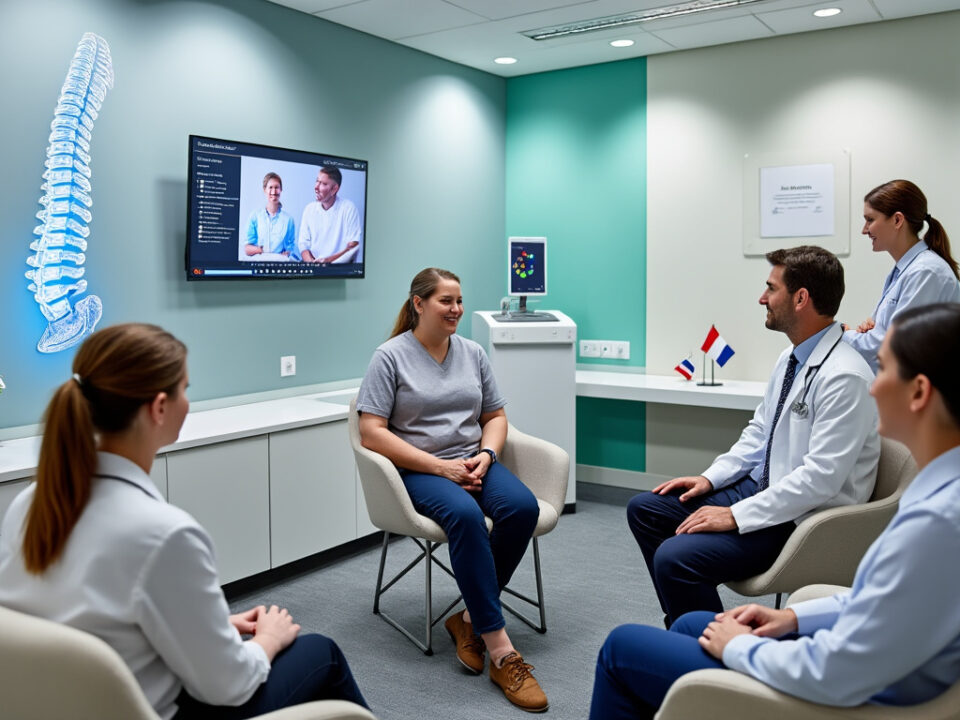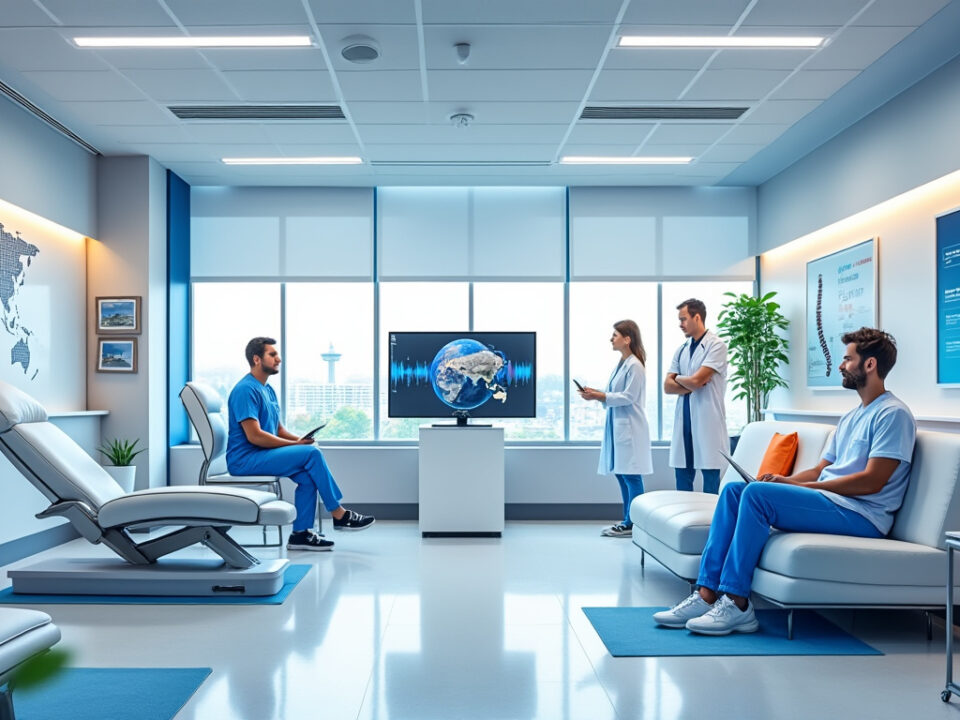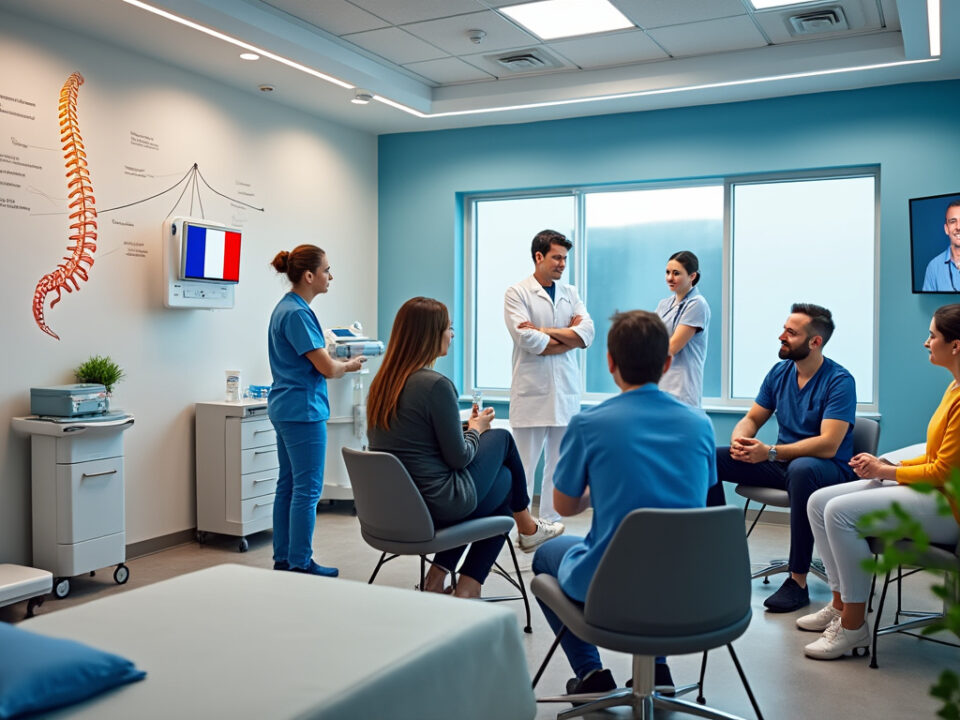
Discectomy Insights in Côte-des-Neiges–Notre-Dame-de-Grâce: A Step-by-Step Guide to Neurovertebral Decompression Sessions and Treatment
August 1, 2026
Comprendre la douleur sciatique : Symptômes et quand consulter
August 2, 2026
Chronic back pain, especially stemming from lumbar disc degeneration, remains a significant health burden for many adults in the Saguenay region. The struggle with persistent pain affects mobility, quality of life, and everyday functioning, leading patients on a challenging quest for effective treatment. Lumbar Disc Replacement, a modern surgical innovation, is rapidly gaining ground in Saguenay as a proven and lasting solution that balances pain relief with the preservation of natural spinal movement. This transformative approach not only addresses the root cause of debilitating back pain but also supports patients in reclaiming their active lives without the limitations imposed by conventional spinal fusion surgeries.
With over 30 years of expertise in spinal care, Dr. Sylvain Desforges stands as a leading figure in guiding patients through the complexities of lumbar disc issues. His extensive clinical experience and commitment to advancing evidence-based and personalized care pathways emphasize not only innovation but also patient safety and holistic well-being. The international coordination he facilitates between Canadian and French medical teams fosters access to cutting-edge technologies and surgical techniques, ensuring that patients in Saguenay receive solutions tailored to their unique needs. Within this landscape, the Lumbar Disc Replacement procedure promises a future where spine health is restored without compromising mobility and quality of life.
Understanding Lumbar Disc Replacement as a Durable and Proven Treatment in Saguenay
Lumbar Disc Replacement, also known as lumbar arthroplasty, presents a groundbreaking alternative to traditional spinal fusion surgery and other invasive interventions. Instead of immobilizing the affected spinal segment, this procedure replaces the degenerated intervertebral disc with a prosthetic implant designed to mimic the natural biomechanics of the lumbar spine. The idea is to relieve chronic back pain while preserving the spine’s physiological mobility, which is crucial for sustaining long-term spine health and patient quality of life.
The traditional spinal fusion, although effective for stabilization, often results in reduced spinal flexibility and can accelerate degeneration of adjacent spinal segments. In contrast, the disc prosthesis maintains segmental motion, which decreases biomechanical stress on neighbouring discs. This key advantage reduces the potential for further degeneration, making lumbar disc replacement a durable choice for patients whose symptoms persist despite exhaustive conservative treatments such as physical therapy, medication, and minimally invasive interventions.
Dr. Sylvain Desforges leverages his deep knowledge of spinal biomechanics and ostéopathy to evaluate patients comprehensively, ensuring that this treatment is offered only when appropriate and beneficial. The rigorous patient assessment prior to surgery includes detailed clinical examinations and imaging studies, which Dr. Desforges coordinates between Canada and France for optimal surgical planning. This meticulous approach increases the probability of excellent outcomes and minimizes risks, making this method a reliable and lasting solution for lumbar disc-related chronic pain patients in Saguenay.
For those interested in learning more about this advanced technique and its application in Saguenay, exploring resources such as Lumbar Disc Replacement in Saguenay: An Innovative and Lasting Solution provides valuable scientific backing and patient-centered explanations.
IntraSPINE® in Sherbrooke: A Long-Lasting Solution for Chronic Lower Back Pain
Chronic lower back pain remains one of the most pressing health concerns in Sherbrooke and beyond, impacting millions and often diminishing daily quality of life. Despite the prevalence of lumbar discomfort, many face limited access to cutting-edge treatments amidst lengthy…
Biomechanical Benefits of Lumbar Disc Prosthesis Over Fusion Surgery
One of the most critical advantages of lumbar disc replacement lies in its biomechanical impact on spine health. The prosthetic implant is designed to emulate the natural disc’s capacity for movement, including flexion, extension, lateral bending, and axial rotation. Preserving this mobility reduces the mechanical overload often seen in adjacent segments following spinal fusion. This overload can lead to accelerated degeneration, resulting in further back problems over time.
By restoring the spine’s dynamic function, lumbar disc replacement promotes better load distribution during activities. Patients benefit from reduced stiffness and improved movement, which directly correlates with enhanced functional capability and decreased pain. For instance, patients who underwent replacement often report a return to recreational sports or physically demanding occupations, which was impractical before surgery.
The choice of a dynamic implant also mitigates the common post-operative challenge of adjacent segment disease (ASD), one of the drawbacks seen in fusion surgeries that contributes to additional surgical interventions later in life. Dr. Desforges carefully assesses the implantation strategy to ensure biomechanical compatibility tailored to each patient’s anatomy and physical demands. His expertise in osteopathy and advanced spinal assessment techniques allows customized selection and optimization of implants with proven durability and function.
This biomechanical approach aligns with the overarching goal of sustainable spine health and has been documented extensively in scientific literature highlighting the preservation of natural spinal mechanics as essential to long-term back pain relief. To understand the practical benefits and durability of such solutions, you may refer to analyses like Lumbar Disc Prosthesis in Saguenay: Maintain Spinal Biomechanics.
Herniated Disc Care in Sainte-Julie: Why TAGMED’s Neurovertebral Decompression Therapy Stands Out
In the vibrant community of Sainte-Julie, back pain—particularly that stemming from herniated discs—has become a widespread concern affecting people from all walks of life. The relentless search for effective, non-invasive treatments has brought renewed attention to a pioneering therapy that…
Different Surgical Options in France: Fusion, Simple Surgery, and Motion-Preserving Techniques
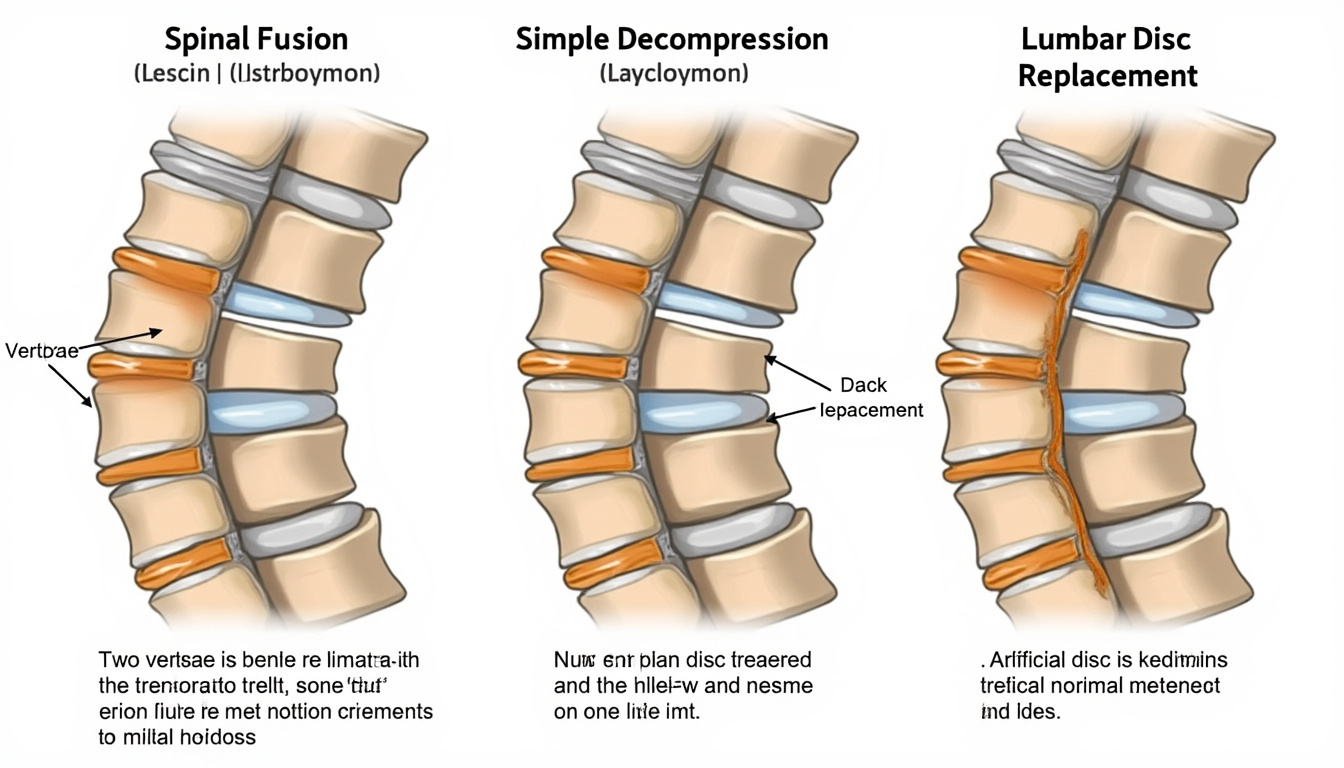
Within the French healthcare context, patients have access to a diverse range of surgical approaches to treat lumbar disc degeneration. These options include simple decompression surgery, spinal fusion (arthrodesis), and motion-preserving procedures such as disc replacement. Understanding the distinctions between these surgeries is crucial.
Simple surgery typically targets localized nerve compression and involves decompression of affected spinal nerves. While effective for symptom relief, it does not address the structural integrity of the disc itself nor preserve segmental motion.
Spinal fusion stabilizes the affected vertebrae by fusing them, which eliminates painful motion between them. However, though fusion offers durable spine stability, it inherently limits spinal flexibility and increases biomechanical stress on adjacent segments, often leading to additional degeneration and back problems down the road.
Motion-preserving surgery like lumbar disc replacement introduces dynamic implants that replicate the natural articulation of the disc space. This method aims not only to alleviate pain but preserve the spine’s native movement and resilience. Though not suitable for every patient due to specific anatomical or pathological considerations, it represents a significant evolution in spinal surgery.
Dr. Sylvain Desforges’ expert evaluations play a vital role in steering patients toward the most appropriate surgical pathway. His scrutiny combines clinical history, imaging studies, and biomechanical analysis to recommend procedures that align with long-term functional goals. This comprehensive understanding is integral for patients preparing to cross the Atlantic for surgery, optimizing outcomes and recovery.
Back Surgery in Trois-Rivières: Alleviating Pain While Preserving Mobility
In Trois-Rivières, Quebec, the persistence of back pain affects a substantial portion of the population seeking effective and personalized solutions. Back pain, often caused by spinal disorders or herniated discs, can drastically diminish quality of life, limiting mobility and causing…
Key Patient Selection Criteria for Lumbar Disc Replacement
Not every patient with lumbar disc pathology qualifies for replacement surgery. The selection process is meticulous and considers several essential clinical factors to ensure efficacy and safety.
Primarily, candidates must not demonstrate severe spinal instability or significant deformities such as scoliosis or kyphosis. These conditions may contraindicate motion-preserving implants due to their complex biomechanical detriments. Additionally, sufficient bone quality is necessary to support implant fixation; thus, severe osteoporosis generally excludes patients from this procedure.
Advanced imaging—including MRI and CT scans—plays a foundational role in assessing disc integrity, adjacent vertebral health, and neural element status. It aids in confirming that degenerative changes are localized and that indications for arthroplasty are met without compromising spinal stability.
Dr. Desforges’ vast experience enables a thorough clinical assessment that goes beyond imaging alone. He integrates biomechanical principles with patient-specific factors such as pain pattern, activity level, and previous treatments. This personalized evaluation ensures that only those truly suitable undergo lumbar disc replacement, maximizing benefits and reducing complications.
Below is a summary table contrasting the primary benefits and limitations of the main surgical options for lumbar disc pathology:
| Type of Intervention | Advantages | Limitations |
|---|---|---|
| Spinal Fusion (Arthrodesis) | Provides durable stabilization of the spine | Results in loss of segmental mobility; may accelerate adjacent segment degeneration |
| Lumbar Disc Replacement | Preserves natural spinal movement and function | Strict patient selection criteria; not suitable for severe instability |
| Neurovertebral Decompression | Minimally invasive; pain relief without fusion | Variable outcomes depending on pathology |
Disc herniation remains a significant health concern in Pointe-Claire, impacting the lives of a diverse population ranging from labor-intensive workers to the aging community. The condition, characterized by the displacement or rupture of the intervertebral disc, often leads to debilitating…
The Patient Journey: From Evaluation in Québec to Surgery in France and Rehabilitation
The pathway for lumbar disc replacement typically begins with a comprehensive evaluation in Québec. Dr. Sylvain Desforges coordinates a detailed assessment that includes clinical consultation, imaging diagnostics, and osteopathic evaluation. This stage is pivotal to identify the underlying cause of symptoms and to ensure that the patient is a suitable candidate for surgery.
Once eligibility is confirmed, the collaborative transatlantic model comes into play. Dr. Desforges liaises with renowned French surgical teams who specialize in motion-preserving spinal techniques. This international partnership allows the patient to benefit from access to sophisticated implants and advanced surgical methods often unavailable or with longer wait times in Canada.
Postoperative care is equally important; Dr. Desforges oversees the rehabilitation process, coordinating with physiotherapists to design a tailored program that facilitates gradual recovery, functional restoration, and return to daily and professional activities. This holistic care pathway is a hallmark of Dr. Desforges’ approach, blending scientific rigor with compassionate patient support throughout the entire journey.
For a detailed exploration of the patient pathway and its benefits, more information can be accessed through resources such as Lumbar Disc Prosthesis in Saguenay: Durable and Proven Relief.
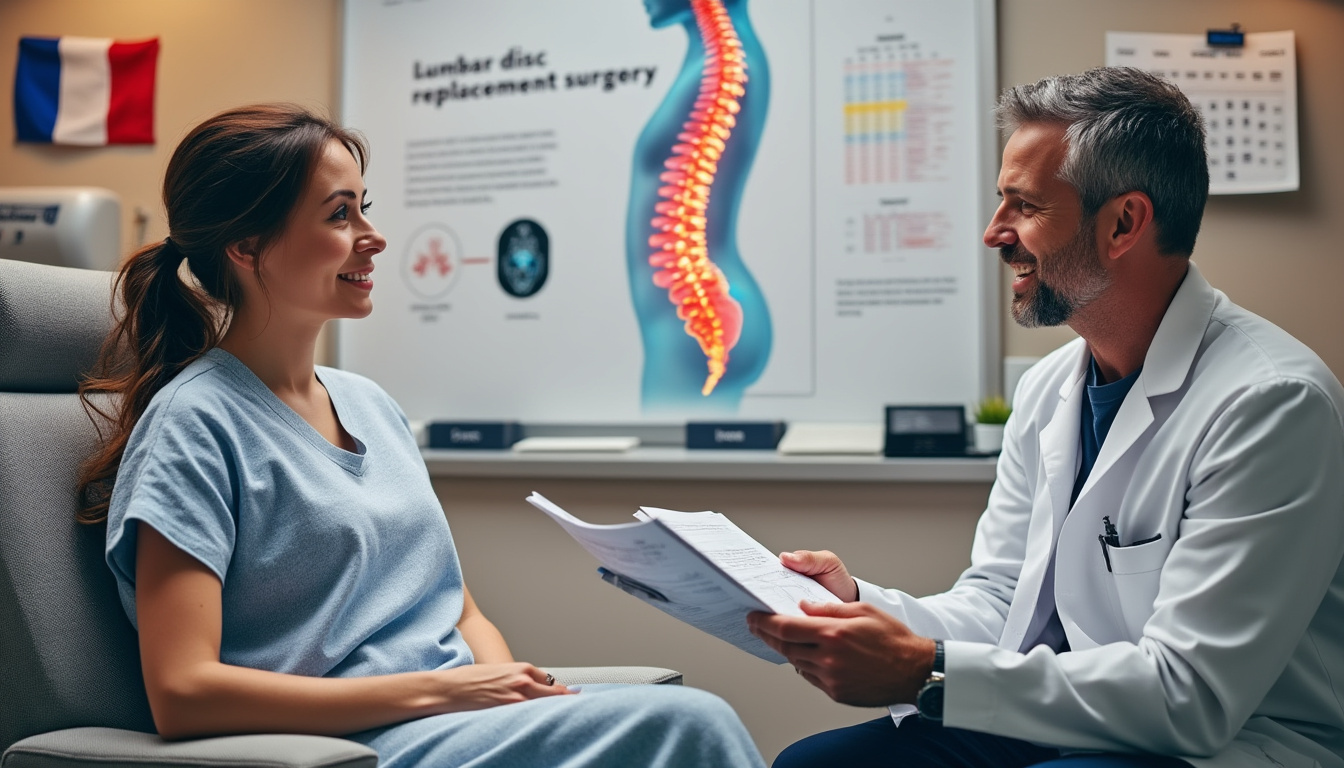
At Gouin Clinic, the landscape of herniated disc therapy has entered a transformative era marked by the integration of Personalized Treatment Plans and breakthrough Neurovertebral Decompression Therapy. This non-surgical approach is revolutionizing how spinal disorders are managed, offering patients an…
Post-Operative Follow-Up and Rehabilitation for Sustained Recovery
The period following lumbar disc replacement is critical for optimizing surgical outcomes and ensuring the patient regains the best possible spinal function. Dr. Sylvain Desforges supervises individualized post-operative care routines that emphasize gradual reintroduction to motion and strengthening of spinal musculature.
Rehabilitation programs include specific exercises designed by physiotherapy specialists familiar with lumbar arthroplasty, focusing on core stabilization, flexibility, and neuromuscular control. This measured approach minimizes risks of reinjury and enhances patients’ confidence in resuming physical activity.
Regular follow-ups, including clinical reviews and imaging when appropriate, allow early identification and management of any complications. Dr. Desforges ensures that each patient’s rehabilitation journey is closely monitored to achieve a seamless transition from medical care to independent wellness.
This structured follow-up contrasts with less coordinated postoperative scenarios and speaks to Dr. Desforges’ dedication to comprehensive, patient-centered care.
For further insight into rehabilitation after lumbar disc replacement, interested individuals can consult approaches documented in articles like Prothèse discale lombaire à Saguenay: Alternative sécuritaire et moderne.
Cervical Disc Prosthesis in Quebec: Preventing Post-Operative Stiffness
Neck pain is one of the most common musculoskeletal complaints in Quebec, affecting a significant portion of the population annually. Often rooted in degenerative cervical disc diseases or herniated discs, this persistent discomfort severely impacts daily life and mobility. Fortunately,…
Advantages of a Transatlantic Patient Pathway Between Canada and France
The innovative transatlantic patient care model promoted by Dr. Sylvain Desforges combines the best of Canadian clinical evaluation and follow-up with French surgical expertise and advanced implant technologies. This model addresses several challenges often encountered in the Canadian healthcare system, such as lengthy surgery wait times and limited availability of certain cutting-edge implants.
By coordinating care across continents, patients can access minimally invasive, technologically advanced lumbar disc replacement procedures without compromising on safety and regulatory compliance with standards set by the Collège des médecins du Québec. The collaboration ensures a seamless transition between pre-operative assessment in Québec, surgical intervention in France, and post-operative rehabilitation back home.
Beyond technical advantages, the pathway is human-centered. Dr. Desforges emphasizes empathy and transparency throughout the process, empowering patients with clear explanations, addressing expectations realistically, and providing personalized support to alleviate anxieties related to surgery abroad.
This approach has resulted in numerous success stories where quality of life significantly improved thanks to timely and effective intervention that respects each patient’s individual circumstances.
The prevalence of herniated disc conditions in Blainville has sparked considerable discussion and misconceptions about their causes, symptoms, and treatments. While the pain and disability associated with this spinal disorder are well documented, the emergence of non-surgical options such as…
When to Consider Lumbar Disc Replacement: Timing and Treatment Pathways
A critical decision point in managing lumbar disc conditions is determining the appropriate timing for surgical intervention. Current recommendations encourage patients to exhaust conservative treatments such as pharmacotherapy, physical therapy, osteopathic care, and minimally invasive options over a period of 3 to 6 months before considering surgery.
Should symptoms persist with significant impairment of function or quality of life despite these measures, evaluating lumbar disc replacement as a treatment option becomes relevant. Candidates typically present with disabling chronic pain unresponsive to conservative care and imaging-confirmed disc degeneration without severe spinal instability.
Dr. Sylvain Desforges advises a methodical, evidence-based approach emphasizing comprehensive evaluation before any invasive intervention, ensuring patients are fully informed about indications, benefits, and potential limitations. His individualized care model means treatment plans are tailored not just to the diagnosis, but also to each patient’s life and goals, reflecting a holistic commitment to sustained well-being.
For those hoping to begin their care journey or seeking evaluations tailored to their needs, an initial consultation can be arranged with the clinic TAGMED to explore personalized treatment pathways.
- Exhaust at least 3 to 6 months of conservative treatment before surgical consideration
- Ensure rigorous clinical and imaging evaluation to confirm candidacy
- Understand the differences and benefits of disc replacement versus fusion
- Engage with experts who coordinate international care pathways for advanced treatment access
- Commit to structured post-operative rehabilitation for lasting recovery
What is lumbar disc replacement?
Lumbar disc replacement is a surgical procedure where a damaged lower spine disc is replaced with an artificial implant to relieve pain while preserving natural spinal movement.
Who is a good candidate for lumbar disc replacement?
Candidates must have localized lumbar disc degeneration with minimal spinal instability or deformity and sufficient bone quality, along with persistent symptoms after trying conservative treatments.
How does lumbar disc replacement compare to spinal fusion?
Unlike fusion, which immobilizes the spinal segment, lumbar disc replacement maintains natural spine mobility, potentially reducing adjacent segment degeneration and promoting better long-term function.
What should I expect during recovery after lumbar disc replacement?
Recovery involves a structured rehabilitation program supervised by specialists focusing on gradual return of motion and strengthening, with regular follow-ups to ensure optimal healing.
How can I begin the process for lumbar disc replacement?
To start, contact Clinique TAGMED for a personalized evaluation and guidance on the transatlantic care pathway coordinated by Dr. Sylvain Desforges.
Minimally Invasive Surgery in Longueuil: Reducing Hospital Stays for Faster Recovery
In recent years, a transformative wave has swept through spinal healthcare in Longueuil, aiming to revolutionize treatment experiences for patients suffering from back disorders. This shift stems from a growing demand for procedures that minimize hospital stays without compromising efficacy.…