

The prevalence of lumbar herniated discs continues to challenge both patients and healthcare providers worldwide. This spinal condition, commonly manifesting as lower back pain combined with possible radiating symptoms down the legs, is a significant cause of disability and reduced quality of life. Advances in understanding spinal anatomy, coupled with innovative non-surgical treatments, have transformed the management of herniated discs. Patients now have access to a spectrum of evidence-based care options that prioritize conservative therapies before considering invasive procedures.
Among the forefront of spinal care experts is Dr. Sylvain Desforges, a distinguished osteopath and founder of leading institutions such as the Canadian College of Osteopaths and Clinique TAGMED. With over three decades of clinical experience, Dr. Desforges embodies the integration of scientific rigor, patient-centered care, and cutting-edge technologies in managing spinal disorders. His profound expertise in evaluating spinal conditions ensures tailored, compassionate support for patients navigating the complexities of disc herniation.
Understanding the complexities of lumbar herniated discs from symptoms to diagnosis and therapeutic pathways requires detailed insight. This comprehensive article explores each stage of the patient journey, emphasizing non-surgical options that lead to meaningful recovery and enhanced spinal health. The tailored guidance here is crafted to inform and motivate those seeking relief without immediately resorting to surgery.
Recognizing Lumbar Herniated Disc Symptoms and Their Impact
Lumbar herniated discs are a frequent etiology of low back pain and neurological symptoms. Patients often describe a constellation of signs that stem from nerve root irritation caused by the protrusion or rupture of disc material. Recognizing these hallmark symptoms is critical for early intervention.
The typical symptom profile includes:
- Lower back pain localized or radiating through the buttocks down to the legs.
- Paresthesia such as numbness or tingling sensations in the lower limbs.
- Muscle weakness particularly affecting muscles innervated by the compressed nerve root.
- Restriction in mobility adversely affecting daily activities and work functions.
It is important to differentiate lumbar disc herniation symptoms from other sources of back pain. For instance, pain that worsens with coughing or straining often indicates nerve root involvement. Moreover, symptoms may intensify during sitting or bending forward due to increased spinal pressure.
Dr. Sylvain Desforges highlights that each patient’s presentation is unique and warrants a personalized discussion to assess symptom severity and progression. With over 30 years of clinical experience, he has observed that a patient’s adherence to early symptom recognition often determines the success of non-surgical interventions.
Persistent or severe neurological symptoms such as difficulty controlling bladder or bowel function require urgent medical evaluation. In most other cases, thorough assessment and conservative management suffice to restore function and comfort.
| Symptom | Description | Clinical Consideration |
|---|---|---|
| Localized Back Pain | Pain concentrated in the lumbar region without radiation. | Often initial sign warranting further assessment. |
| Radiculopathy | Sharp or burning pain radiating along a nerve root pathway. | Indicative of nerve compression; affects patient mobility. |
| Neurological Deficits | Numbness, tingling, or weakness affecting leg function. | May denote progressive nerve involvement; requires close monitoring. |
| Functional Impairment | Difficulty performing tasks requiring bending or walking. | Highlights impact on quality of life and need for intervention. |
Comprehensive Diagnostic Approaches for Lumbar Herniated Discs
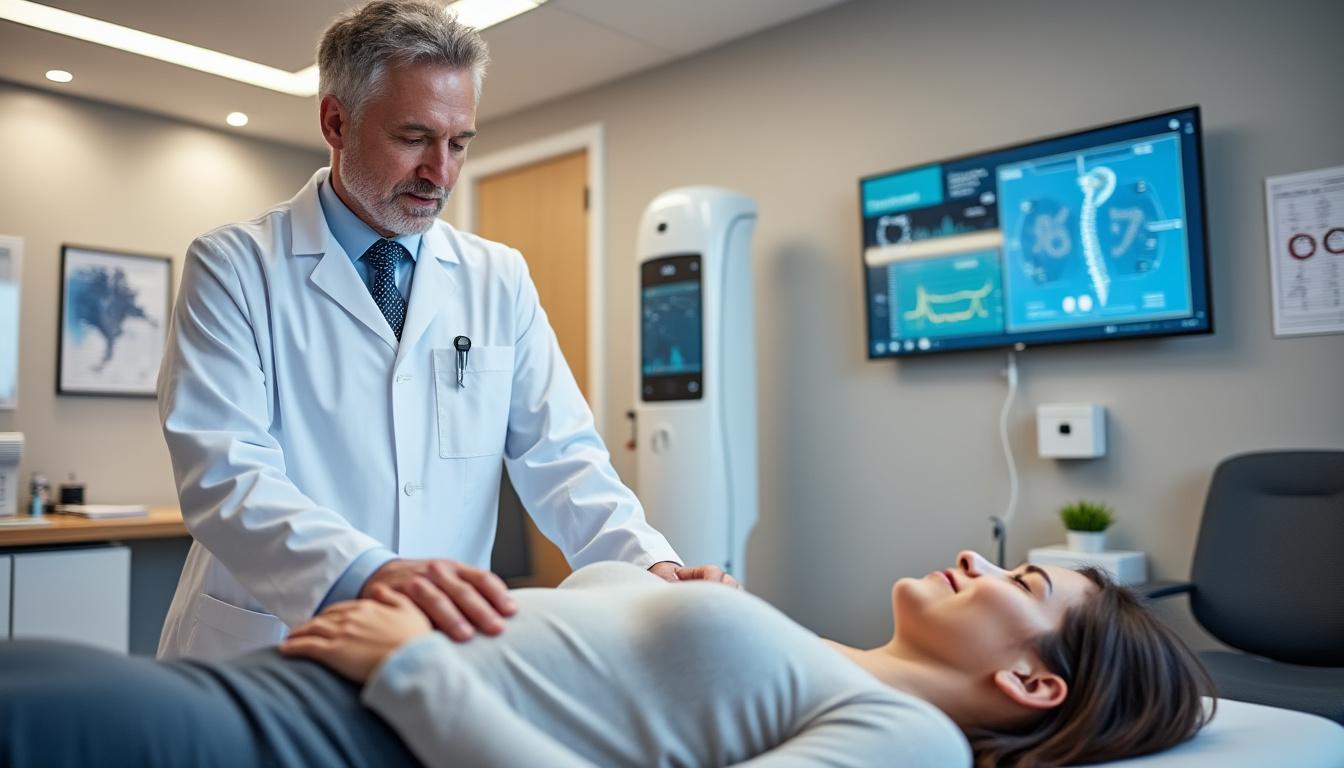
Accurate diagnosis is foundational for effective treatment planning. When lumbar disc herniation is suspected, Dr. Sylvain Desforges advocates for a systematic evaluation protocol that integrates patient history, physical examination, and targeted imaging studies. This methodology underpins his ethical and scientifically rigorous practice.
The diagnostic process begins with a detailed review of the patient’s symptoms, including onset, characteristics, aggravating factors, and any neurologic impairments. This thorough history helps exclude differential diagnoses and directs subsequent investigations.
Next, a physical examination evaluates range of motion, muscle strength, reflex status, and dermatomal sensation. Specifically, tests such as the straight leg raise and slump test assess nerve root irritation objectively.
Advanced imaging — predominantly magnetic resonance imaging (MRI) — plays a pivotal role in confirming the diagnosis. MRI provides high-resolution images of soft tissues, allowing visualization of disc protrusion, nerve root compression, and spinal canal status without radiation exposure. In cases where MRI is contraindicated, computed tomography (CT) scans offer an alternative, although with less soft tissue detail.
Diagnostic precision is crucial to align symptoms with imaging findings, as asymptomatic disc protrusions are common. A multidisciplinary team approach, often coordinated by experts like Dr. Desforges, ensures comprehensive interpretation and guides patient-specific management.
| Diagnostic Tool | Purpose | Advantages | Limitations |
|---|---|---|---|
| Medical History | Identify symptom characteristics | Non-invasive, patient-centered | Subjective; depends on patient accuracy |
| Physical Examination | Assess neurological function and pain response | Detects functional impairment, nerve irritation | Operator-dependent |
| MRI | Visualize soft tissue structures and nerve compression | High-resolution, non-radiative | Expensive, contraindicated in some patients |
| CT Scan | Alternative imaging for bone and some soft tissue visualization | Widely available, quick | Exposure to ionizing radiation |
State-of-the-Art Non-Surgical Treatment Modalities for Lumbar Disc Herniation
Emerging evidence supports the efficacy of conservative treatment for many patients experiencing lumbar herniated discs. Dr. Sylvain Desforges champions a holistic intervention framework that integrates innovative non-invasive technologies alongside traditional modalities to maximize patient outcomes.
The mainstay of care usually includes:
- Physical therapy: Tailored exercises aimed at strengthening core musculature, improving lumbar flexibility, and reducing nerve root strain.
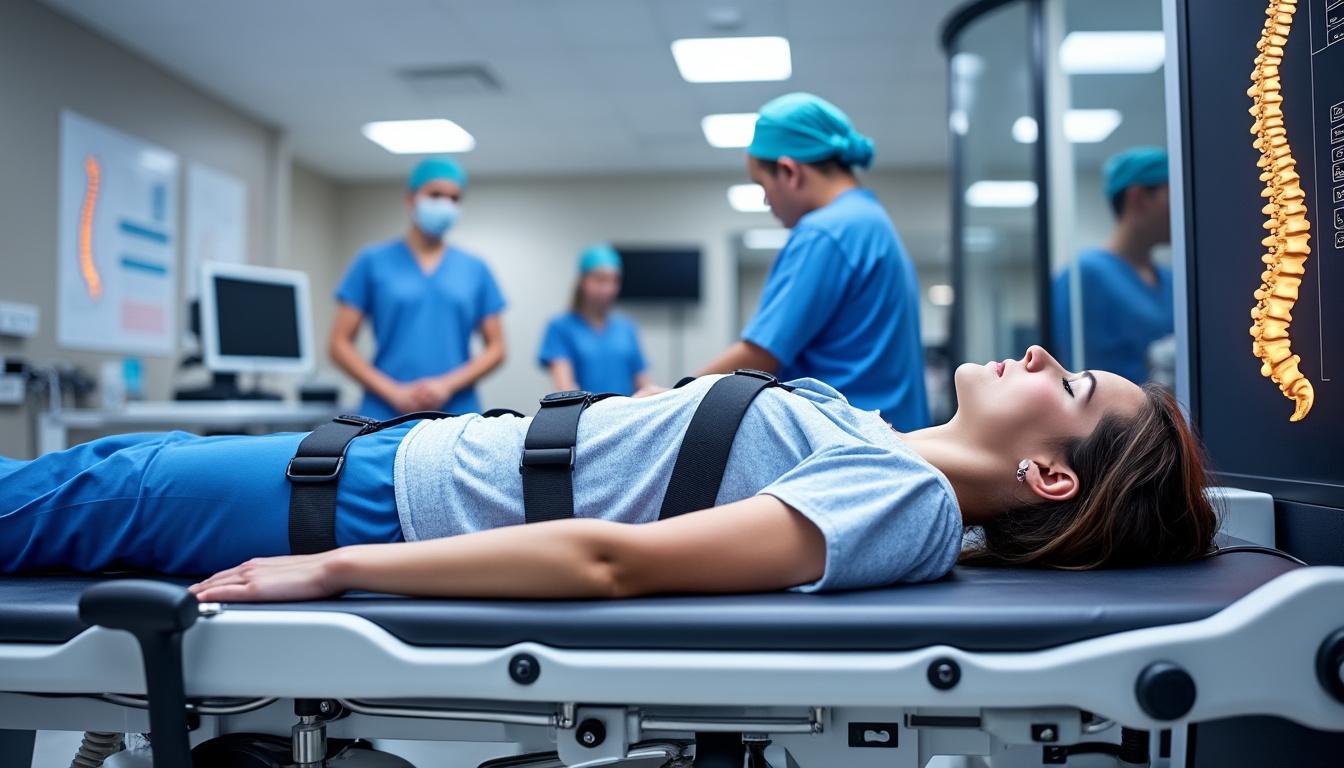
- Spinal decompression therapy: Advanced mechanical decompression using specialized tables to gently relieve nerve pressure.
- Medication management: Use of analgesics and NSAIDs for controlling inflammation and pain, with cautious consideration of corticosteroid injections where appropriate.
- Lifestyle modification: Guidance on ergonomics, posture correction, weight management, and activity adaptations to reduce spinal stress.
- Complementary therapies: Incorporation of chiropractic care, acupuncture, and laser therapy to support pain relief and functional recovery.
Importantly, each treatment plan is customized, reflecting Dr. Desforges’ belief that understanding the individual patient’s condition profoundly influences therapeutic success. Consistent patient education encourages active participation and realistic expectations, vital components in conservative care efficacy.
| Therapy | Mechanism of Action | Clinical Benefits | Considerations |
|---|---|---|---|
| Physical Therapy | Strengthens muscles, improves mobility | Reduces pain, prevents recurrence | Requires patient compliance |
| Spinal Decompression | Creates negative pressure to reposition disc material | Alleviates nerve root pressure | Needs specialized equipment and expertise |
| Medication | Reduces inflammation and pain | Symptom relief | Short-term usage preferred |
| Lifestyle Changes | Minimizes mechanical spinal stress | Supports long-term management | Requires lasting behavior adjustments |
| Complementary Therapies | Enhances circulation, reduces muscle tension | Improved overall comfort | Best combined with medical care |
The Role of Advanced Technologies in Enhancing Disc Care Outcomes
With the rapid evolution of spine care technologies, modalities such as neurovertebral decompression, laser therapy, and dynamic spinal implants are becoming integral components of conservative treatment strategies. These innovations are supported by industry leaders including Medtronic, NuVasive, and Stryker, who develop equipment designed for precision and patient safety.
Dr. Sylvain Desforges incorporates these advancements at Clinique TAGMED, ensuring patients benefit from the latest methods aligned with the highest ethical standards and compliance with Quebec and Canadian health regulations. The synergy between traditional osteopathic evaluation and mechanized decompression devices epitomizes personalized, cutting-edge spinal care.
Laser therapy, for example, is employed to reduce inflammation and promote tissue regeneration without invasive procedures. Dynamic spinal implants, albeit more common in surgical contexts, inspire ongoing research into minimally invasive alternatives that could complement or even replace surgery in select cases.
The commitment to scientific rigor means that these technologies are carefully validated before integration into clinical protocols, ensuring treatments are evidence-based and optimally tailored to individual patient needs.
| Technology | Application | Benefits | Leading Manufacturers |
|---|---|---|---|
| Neurovertebral Decompression | Non-surgical spinal decompression therapy | Reduces nerve root pressure, promotes healing | Orthofix, BioSpine Institute |
| Laser Therapy | Low-level laser treatment to decrease inflammation | Non-invasive pain relief, tissue repair | Boston Scientific, Aspen Medical Products |
| Dynamic Spinal Implants | Designed to restore spine stability | Minimally invasive, preserves motion | Zimmer Biomet, Medtronic |
Emphasizing Patient Education and Understanding in Lumbar Disc Care
Clear, accessible education empowers patients to make informed decisions and actively engage in their recovery journey. Dr. Sylvain Desforges prioritizes transparent communication that demystifies complex medical concepts without resorting to jargon.
Understanding the indications, limitations, and potential benefits of each treatment option lays the foundation for shared decision-making. This approach reduces patient anxiety and fosters compliance with prescribed therapeutic regimens.
Examples of educational strategies employed include:
- Visual aids explaining spinal anatomy and disc pathology
- Interactive discussions on symptom monitoring and activity modifications
- Providing written materials and online resources from trusted sources such as SpineUniverse, Spine-health, and the BioSpine Institute
By tailoring education to the patient’s unique condition, the process transforms from passive receipt of information to active participation. This patient-centric model exemplifies best practices endorsed by authoritative bodies within Quebec and Canadian medical frameworks.
| Educational Component | Purpose | Patient Benefit |
|---|---|---|
| Visual Aids | Clarify anatomy and pathology | Improved symptom comprehension |
| Interactive Discussion | Address patient concerns | Enhanced trust and adherence |
| Written & Online Resources | Reinforce learning post-consultation | Ongoing support and information |
Addressing Common Concerns: Pain Management and Mobility Restoration
Effective management of pain and restoration of mobility represent central goals in lumbar herniated disc care. Patients frequently raise concerns about the duration of symptoms, safety of exercise, and availability of non-pharmaceutical options.
Dr. Sylvain Desforges reassures patients by emphasizing:
- Non-surgical recovery timelines: Many individuals experience symptom improvement within 6 to 12 weeks with appropriate therapy.
- Safe exercise protocols: Customized low-impact activities like swimming and walking can strengthen the spine without exacerbating symptoms.
- Holistic pain relief options: Including cold and heat therapy, acupuncture, and targeted nerve mobilization techniques.
Comprehensive rehabilitation also focuses on gradual restoration of function and prevention of future episodes by correcting postural imbalances and enhancing muscular support around the spine.
| Concern | Recommended Approach | Outcome Expectation |
|---|---|---|
| Pain Duration | Consistent physical therapy and medication as needed | Symptom abatement usually within weeks |
| Exercise Safety | Supervised, gradual mobility exercises | Improved spinal strength without injury |
| Pain Relief | Complementary techniques alongside medications | Enhanced comfort and decreased reliance on drugs |
When Is Surgical Evaluation Necessary? Understanding the Boundaries of Conservative Care
The vast majority of lumbar herniated disc cases respond well to non-surgical treatments. Nonetheless, discerning when escalation to surgical consultation is appropriate is critical for patient safety and wellbeing.
Indications for surgical evaluation include:
- Progressive neurological deficits: Such as increasing leg weakness, loss of reflexes, or sensory disturbances.
- Severe, intractable pain: Unresponsive to exhaustive conservative measures.
- Cauda equina syndrome symptoms: Including urinary retention, incontinence, or significant lower limb dysfunction.
Dr. Desforges emphasizes that surgery should be reserved as a last option after thorough non-invasive care has been pursued. Collaborative decision-making with a multidisciplinary team ensures that when surgery is warranted, the approach is minimally invasive and evidence-based, incorporating innovations from manufacturers such as NuVasive and Zimmer Biomet.
| Indication | Surgical Consideration | Urgency |
|---|---|---|
| Neurological Deterioration | Microdiscectomy or laminectomy | Urgent to prevent permanent damage |
| Persistent Severe Pain | Evaluated for minimally invasive surgery | Elective but timely |
| Cauda Equina Syndrome | Emergency decompression surgery | Immediate |
Collaborative and Ethical Care: Dr. Sylvain Desforges’ Philosophy and Practice
Dr. Sylvain Desforges’ approach epitomizes a patient-focused, ethics-driven ethos aligned with the highest standards of Quebec and Canadian medical regulations. His 30+ years of clinical experience enhance his ability to provide meticulous evaluations and craft individualized, evidence-based care plans.
He advocates an integrative model that combines osteopathic expertise, advanced technologies, and continuous patient education to optimize outcomes. His leadership roles across prominent institutions underscore his commitment to elevating spinal care standards nationally.
Patients engaging with Clinique TAGMED benefit not only from innovative therapies but also from a compassionate environment that respects their uniqueness, encouraging active participation and shared decision-making. This comprehensive model fosters trust and motivates patients toward recovery and sustainable spinal health.

How long does it take for a lumbar herniated disc to heal without surgery?
Most patients experience significant symptom relief and improved mobility within 6 to 12 weeks with appropriate non-surgical treatment, though full healing varies individually.
Are epidural steroid injections safe and effective for lumbar herniated discs?
Epidural steroid injections, when administered by trained specialists, are generally safe and can provide temporary relief by reducing inflammation, often used in conjunction with physical therapy.
Can physical therapy alone resolve symptoms of a herniated disc?
Many patients achieve considerable improvement with dedicated physical therapy focusing on strengthening, stretching, and posture correction, especially in mild to moderate cases.
When should surgery be considered for lumbar disc herniation?
Surgery is typically recommended for cases with worsening neurological deficits, severe unremitting pain, or cauda equina syndrome after conservative treatments have been exhausted.
What lifestyle changes help prevent recurrent lumbar disc herniation?
Maintaining a healthy weight, practicing good posture, engaging in regular low-impact exercise, and avoiding heavy lifting are key strategies to reduce recurrence risk.