The Ultimate Guide to Medical Logistics and Accommodation Management
November 22, 2025
La Prairie Chronic Sciatica Managed with Spinal Decompression
November 22, 2025
In the evolving landscape of spinal healthcare, patients suffering from chronic back pain or degenerative spine conditions in Longueuil and across Quebec are increasingly seeking advanced solutions that surpass traditional surgical methods. Minimally invasive surgery has emerged as a transformative approach, reducing trauma, accelerating recovery, and preserving the natural biomechanics of the spine. This article sheds light on the modern techniques in minimally invasive spine surgery (MISS) available in Longueuil, highlighting the pioneering work of Dr. Sylvain Desforges, a recognized expert with over 30 years of experience in spinal evaluation and care coordination.
As healthcare systems in Quebec contend with long wait times and high costs associated with private spine care, the integration of innovative modalities alongside transatlantic cooperation with renowned French surgical centers offers patients a compelling alternative. These collaborative efforts ensure timely access to cutting-edge surgical technologies such as dynamic implants, laser-assisted decompression, and robotic navigation. Understanding the spectrum of surgical options, the comprehensive patient care pathway, and the critical prerequisite of conservative treatment forms the foundation for informed decision-making. With a focus on scientific rigor, ethical practice, and personalized care, this exploration offers a beacon of hope and clarity for patients navigating complex spine health challenges.
Understanding Minimally Invasive Spine Surgery in Longueuil: Modern Techniques and Patient Benefits
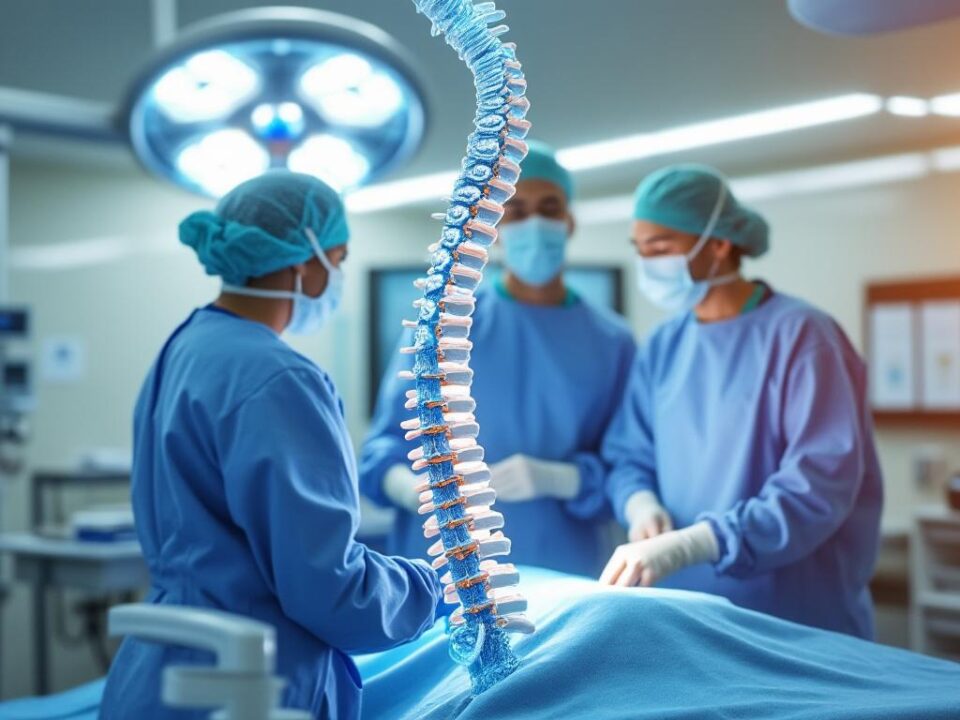
Minimally invasive spine surgery (MISS) is an advanced surgical strategy that seeks to treat spinal disorders through smaller incisions, preserving muscle tissue, ligaments, and spinal integrity. Unlike traditional open spine surgery, which involves extensive muscle dissection and longer recovery times, MISS uses specialized instruments and sophisticated imaging technologies to precisely target problem areas, mitigating damage to surrounding tissues. This approach significantly reduces postoperative pain, decreases blood loss, and shortens hospitalization duration.
Leading clinics in Longueuil utilize state-of-the-art procedures encompassing endoscopic decompression, percutaneous pedicle screw fixation, and dynamic spinal implants. Dr. Sylvain Desforges, with credentials including a B.Sc., D.O., and N.D., applies his extensive expertise to seamlessly integrate these techniques into patient care, emphasizing scientific evidence and safety aligned with Quebec and Canadian medical regulations.
Key Minimally Invasive Surgical Techniques Available in Longueuil
- Endoscopic Decompression: Utilizing tiny incisions and high-definition cameras, surgeons relieve nerve compressions caused by herniated discs or spinal stenosis while minimizing tissue disruption.
- Percutaneous Pedicle Screw Fixation: This technique allows the stabilization of spinal segments through small skin punctures, avoiding extensive muscle injury traditionally associated with screw placement.
- Dynamic Implantation and Motion Preservation: Implants such as the TOPS system maintain spinal motion, reducing risks of adjacent segment degeneration often observed with fusion surgeries.
These procedures collectively contribute to enhanced recovery trajectories and a more favorable patient experience. Evidence suggests patients undergoing MISS experience reduced postoperative pain and regain mobility faster than those receiving conventional open surgery. For a detailed overview of minimally invasive spine surgery techniques and their benefits, resources like the Cleveland Clinic guide offer comprehensive insights.
| Characteristic | Minimally Invasive Surgery | Traditional Open Surgery |
|---|---|---|
| Incision Size | 1-2 cm | 5-10+ cm |
| Muscle Disruption | Minimal | Extensive |
| Postoperative Pain | Lower | Higher |
| Hospital Stay | Hours to 1-2 days | Several days to weeks |
| Recovery Time | Weeks | Months |
Minimally Invasive Surgery in Longueuil: Reduce Post-Surgery Pain
Minimally invasive surgery in Longueuil is transforming the patient experience by significantly reducing post-surgery pain and accelerating recovery times. With advances in surgical techniques such as laparoscopic and robotic-assisted procedures, patients can benefit from smaller incisions, less tissue damage, and…
Types of Spine Surgery in France for Quebec Patients: Innovative Options Beyond Borders
French medical centers have become hubs of innovation in spinal surgery, particularly for Quebec patients who face prolonged wait times or restricted access to specialized procedures close to home. Collaborations facilitated by experts such as Dr. Desforges enable patients to explore advanced surgical interventions that emphasize function preservation and biomechanical integrity.
The principal categories of spine surgery available in France include:
- Simple Decompression Procedures: Laminectomies and discectomies focused on alleviating nerve compression with minimal impact on spinal stability.
- Vertebral Fusion Surgeries: These stabilize the spine by fusing vertebrae, benefiting patients with severe instability, deformities, or fractures.
- Dynamic Motion-Preserving Surgeries: Featuring implants like the IntraSPINE, which maintain natural spinal movement while securing affected segments, reducing long-term complications linked to fusion.
Technological advancements enabling these surgeries include laser-assisted procedures for tissue sparing, robotic-assisted navigation for precision, and high-definition visualization systems that improve outcomes and safety. Such innovations, often inaccessible in Canadian practice, offer Quebec patients an opportunity to benefit from state-of-the-art care.
| Technology | Description | Patient Benefit |
|---|---|---|
| Dynamic Implants (TOPS, IntraSPINE) | Allow controlled spinal segment motion post-surgery | Preserve mobility, reduce degeneration |
| Laser-Assisted Procedures | Non-invasive tissue dissection, inflammation reduction | Less trauma, faster healing |
| Robotic-Assisted Navigation | Guides instruments with high accuracy | Improved safety, fewer complications |
| High-Definition Visualization | Enhanced operative field imaging | Better surgical precision, reduced errors |
For those interested in exploring these options, detailed perspectives on French spinal surgery innovations are accessible through expert overviews.
Neck Surgery in Montreal: Maintain Natural Cervical Flexibility
Neck surgery remains a crucial consideration for patients suffering from severe cervical spine disorders where conservative treatments have failed. In Montreal, access to specialized care offers patients the opportunity to explore advanced surgical solutions designed to maintain natural cervical flexibility—an…
The Patient Journey in Minimally Invasive Spine Surgery: From Evaluation in Quebec to Recovery Abroad
Embarking on minimally invasive spine surgery involves a meticulously coordinated pathway that ensures safety, clarity, and personalized support at every step. Under the expert leadership of Dr. Desforges, patients receive comprehensive guidance encompassing clinical evaluation, conservative management verification, surgical planning, and postoperative rehabilitation.
Stages of the Care Continuum
- Initial Evaluation: A thorough clinical assessment includes reviewing patient history, imaging diagnostics, and determining candidacy for surgery.
- Conservative Treatment Confirmation: Ensuring a minimum 3 to 6 month trial of advanced non-surgical treatments has been completed, notably neurovertebral decompression at Clinique TAGMED.
- Multidisciplinary Consultations: Collaboration with surgeons, osteopaths, physical therapists, and pain specialists to tailor individualized surgical plans.
- Operation Scheduling & Logistics: Coordinated arrangements, often involving French surgical facilities, ensuring smooth access to care.
- Minimally Invasive Procedure: Advanced surgical intervention using modern tools and implants.
- Postoperative Rehabilitation: Multidisciplinary support to optimize recovery, pain management, and functional restoration.
- Long-Term Monitoring: Ongoing evaluation of spinal biomechanics, implant function, and overall health.
This structured pathway not only improves clinical outcomes but fosters patient confidence and proactive participation throughout the surgical journey. Patients can gain further understanding of this coordinated process at resources detailing recovery strategies.
| Phase | Key Activities | Goal |
|---|---|---|
| Evaluation | Imaging, clinical exams, treatment history | Identify surgical candidates and ensure conservative care compliance |
| Preparation | Surgical planning, patient education, logistics | Ensure safe, personalized intervention |
| Surgery | Minimally invasive operation with cutting-edge technology | Relief of symptoms, biomechanical preservation |
| Recovery | Rehabilitation, pain management, functional restoration | Accelerate healing, return to activities |
| Follow-up | Clinical evaluations and imaging | Monitor long-term success and intervene if needed |
Disc Prosthesis in Lévis: Fast and Lasting Results
In the realm of spinal care, patients battling chronic back pain and degenerative disc diseases continuously seek solutions that offer not just symptom relief but also the restoration of natural spinal function. Disc prosthesis, or artificial spinal disc replacement, has…
Conservative Treatments Before Surgery: Essential Step to Optimize Outcomes
Fundamental to the philosophy promoted by Dr. Desforges is the principle that surgery should only be contemplated after an adequate period of conservative care. This 3 to 6 month window allows for less invasive options to be explored thoroughly, including the advanced neurovertebral decompression therapies available at Clinique TAGMED.
Comprehensive conservative care typically involves:
- Physical Therapy: Customized exercises to strengthen paraspinal muscles and improve spinal flexibility.
- Medication Management: Safe, evidence-based approaches to pain control minimizing reliance on opioids.
- Neurovertebral Decompression: Non-surgical methods aiming to reduce nerve root pressure to alleviate symptoms.
- Laser and Shockwave Therapies: Innovative treatments that enhance tissue repair and reduce inflammation.
- Osteopathic Care: Manual interventions to optimize spinal alignment and overall function.
Research consistently demonstrates that patients benefit from this conservative period through improved function, reduced pain, and fewer unnecessary surgeries. Should surgery become necessary, patients often achieve more favorable postoperative results having prepared their bodies appropriately. For detailed insights on this critical aspect, refer to expert discussions on conservative care.
| Conservative Treatment | Primary Objective | Expected Benefit |
|---|---|---|
| Physical Therapy | Strengthen muscles, increase flexibility | Reduce mechanical stress, improve stability |
| Medication Management | Pain control with minimal side effects | Enhanced comfort, reduced opioid use |
| Neurovertebral Decompression | Alleviate nerve pressure non-surgically | Decrease pain, improve function |
| Laser/Shockwave Therapies | Promote tissue healing and reduce inflammation | Accelerate recovery, reduce symptoms |
| Osteopathic Care | Optimize spinal alignment | Enhance mobility and reduce discomfort |
Motion Surgery in Terrebonne: Reduce Postoperative Complications
In the evolving landscape of spine care, Motion Surgery in Terrebonne represents a groundbreaking approach that offers patients a significant advantage in reducing postoperative complications while preserving spinal mobility. Traditional spinal surgeries have long been associated with challenges, including stiffness,…
Biomechanical and Human Advantages of Minimally Invasive Spine Procedures in Longueuil
Preserving spinal biomechanics is paramount in surgical decision-making to ensure long-term health and function. MISS techniques prioritize minimal muscle disruption and the maintenance of natural vertebral motion, contributing directly to superior patient outcomes.
- Reduced Postoperative Pain due to limited tissue trauma and nerve irritation.
- Preserved Spinal Mobility especially with the use of dynamic implants, avoiding stiffness and reducing adjacent segment degeneration.
- Lower Risk of Muscle Atrophy and improved rehabilitation potential.
- Faster Return to Daily Activities and work compared to traditional surgeries.
- Decreased Risk of Complications including infections and longer-term biomechanical failure.
Dr. Desforges integrates these principles in clinical practice, ensuring each intervention balances innovation with ethical care considerations. The longitudinal preservation of spinal mechanics not only promotes physical health but also enhances quality of life. A detailed exposition on biomechanical preservation is available via specialized resources.
| Benefit | Outcome for Patients |
|---|---|
| Minimized Tissue Damage | Reduced pain and faster healing |
| Motion Preservation | Maintained flexibility and function |
| Lower Complication Rates | Safer surgery and enhanced longevity |
| Accelerated Recovery Time | Earlier return to work and leisure |
| Improved Quality of Life | Greater independence and well-being |
Lumbar Disc Prosthesis in Saguenay: Maintain Intervertebral Mobility
In recent years, the landscape of spinal treatment has been dynamically evolving, particularly for patients in Saguenay and regions of Quebec who face the challenges of degenerative lumbar disc disease. Traditional spinal fusion surgeries, often associated with prolonged recovery times…
Specialized Services in Longueuil: Innovation, Expertise, and Personalized Care
What distinguishes the Longueuil spinal care framework is its commitment to integrating advanced technologies with the compassionate and rigorous expertise of Dr. Desforges and his multidisciplinary team. This unique ecosystem offers patients:
- Access to Cutting-Edge Implants and Surgical Devices that are rarely available in Canadian centers, enhancing biomechanical outcomes.
- Comprehensive Preoperative and Postoperative Care including personalized education, psychological support, and tailored rehabilitation plans.
- Collaboration with International Partners ensuring patients benefit from global innovations and research-based practices.
- Emphasis on Patient-Centered Communication to demystify procedures, benefits, and risks, fostering informed shared decisions.
- Safety and Regulatory Compliance in line with Quebec and Canadian medical standards.
This holistic approach, championed by Dr. Desforges, represents the future of spine care—one that is scientifically sound, ethically responsible, and human-centered. For a comprehensive understanding of these offerings, visit Longueuil’s advanced spine surgery services.
| Service | Distinctive Features | Value Added to Patient Care |
|---|---|---|
| Advanced Implants | Dynamic motion preserving devices | Reduced degeneration and maintained function |
| Multidisciplinary Rehabilitation | Tailored therapy and support | Accelerated recovery and reduced complications |
| International Coordination | Cross-border surgical planning | Access to innovative procedures and timely care |
| Patient Education | Clear, jargon-free communication | Empowered decision-making |
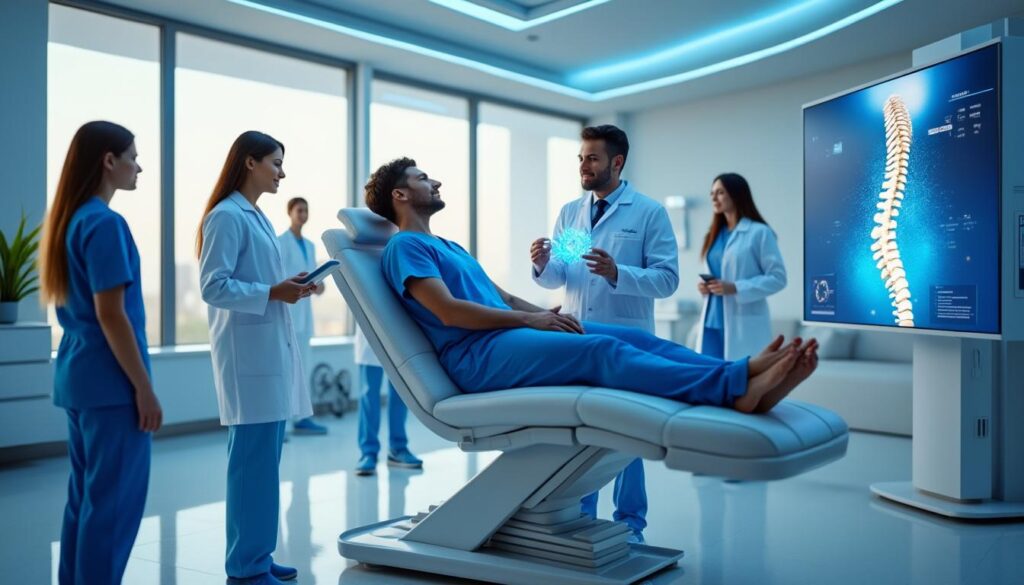
IntraSPINE® in Sherbrooke: Personalized Minimally Invasive Procedure
In recent years, spinal health has witnessed significant advancements, especially in addressing chronic low back pain through innovative surgical solutions. Among these, the IntraSPINE implant, available in Sherbrooke, offers a personalized and minimally invasive approach tailored to preserving mobility and…
Transatlantic Coordination: The Bridge Between Quebec and France for Spine Surgery
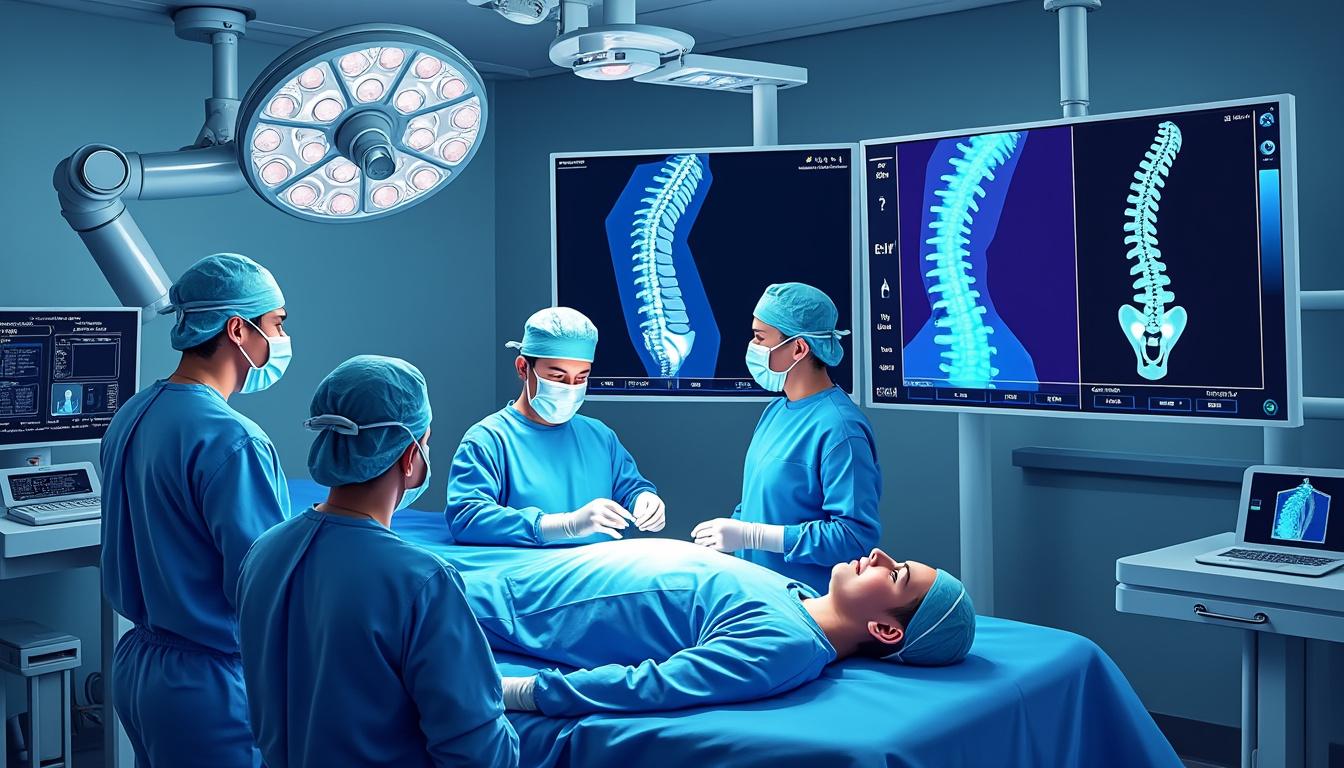
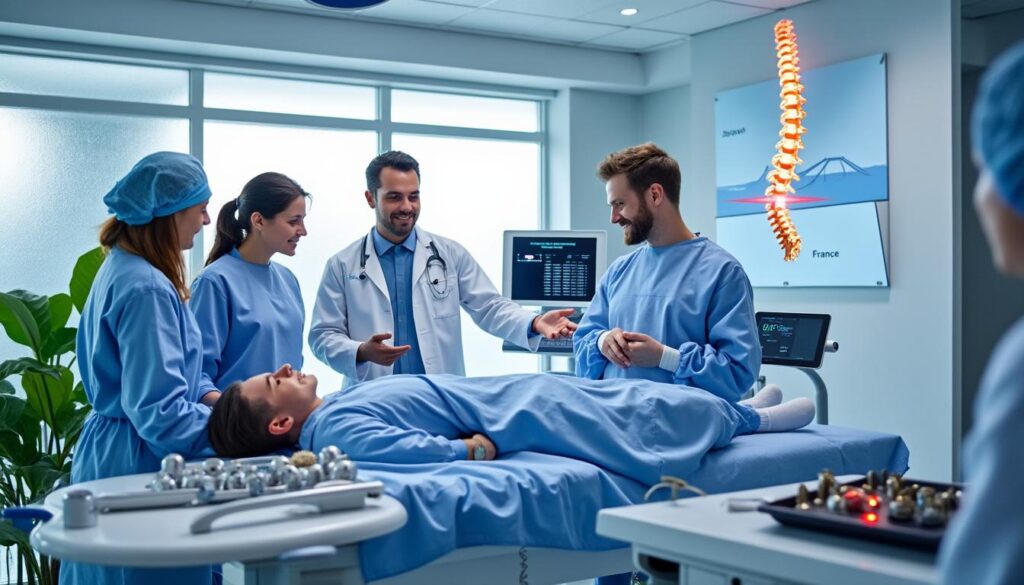
One of the defining features of the modern minimally invasive surgical landscape is the seamless collaboration between Canadian spine experts and French surgical centers. Dr. Desforges plays a crucial role in this transatlantic partnership, orchestrating care pathways that overcome logistical and systemic barriers inherent in the Quebec healthcare environment.
Key advantages of this model include:
- Shortened Surgical Wait Times by leveraging capacity in specialized French institutions.
- Access to Rare and Innovative Technologies that may not be locally available, including the latest dynamic implants and laser technologies.
- Personalized Multidisciplinary Care involving cross-border communication between osteopaths, surgeons, and rehabilitation specialists.
- Cost-Effective Packages that encompass surgery, hospitalization, and rehabilitation, minimizing financial burdens.
- Continuous Follow-Up ensuring optimal long-term outcomes and early identification of complications.
This international synergy exemplifies the ethical and scientific ethos helm by Dr. Desforges, combining compassion, innovation, and expertise. For patient stories and detailed coordination insights, see transatlantic care perspectives.
Spine Surgery in Trois-Rivières: Reduce Chronic Pain
Living with chronic back pain can feel like a daily battle, significantly impacting one’s quality of life and limiting the ability to enjoy simple pleasures. In Trois-Rivières, Quebec, patients facing persistent spinal conditions now have access to a pioneering realm…
Patient Education and Empowerment: Demystifying Spinal Surgery for Optimal Outcomes
Recognizing that spinal surgery decisions are life-changing, Dr. Desforges prioritizes an educational approach that equips patients with clear, accessible information to foster informed consent and active participation. Understanding the surgical indications, benefits, risks, and postoperative expectations empowers patients to engage meaningfully in their care.
Key elements of this educational framework include:
- Clear Explanation of Diagnosis and Prognosis to contextualize the spinal condition and its impact on function.
- Transparent Discussion of Surgical Options outlining differences among minimally invasive decompression, fusion, and motion-preserving procedures.
- Review of Conservative Versus Surgical Pathways emphasizing the necessity of exhausting non-surgical treatments first.
- Postoperative Recovery Expectations detailing rehabilitation, lifestyle adjustments, and long-term maintenance.
- Open Channels for Questions and Continuous Support throughout the care continuum.
Such pedagogical attentiveness reduces anxiety, enhances treatment adherence, and contributes to better outcomes. Those interested can explore the detailed philosophy on patient communication at Dr. Desforges’ patient education resources.
| Educational Aspect | Patient Benefit |
|---|---|
| Diagnosis Explanation | Understanding condition and prognosis |
| Treatment Options | Informed decisions aligned with personal goals |
| Postoperative Expectations | Realistic preparation and adherence |
| Supportive Communication | Reduced anxiety and better cooperation |
What types of minimally invasive spinal surgeries can patients in Longueuil access?
Patients in Longueuil have access to decompression surgeries, spinal fusion, and motion-preserving procedures that utilize advanced implants and precision techniques to minimize tissue damage and promote rapid recovery.
Why is a period of conservative treatment recommended before considering surgery?
A 3 to 6 month conservative treatment period, including neurovertebral decompression at Clinique TAGMED, ensures optimal preparation, reduces unnecessary surgeries, and often leads to better surgical outcomes if surgery becomes necessary.
How does transatlantic care coordination between Quebec and France benefit spinal surgery patients?
This model shortens wait times, offers access to cutting-edge surgical technology, provides comprehensive multidisciplinary support, and delivers personalized, cost-effective care packages that improve patient satisfaction and outcomes.
What are dynamic spinal implants, and how do they support spine health?
Dynamic implants maintain spinal segment motion after surgery, thereby preserving biomechanical function, reducing adjacent segment degeneration, and enhancing long-term spinal health.
How does patient education improve outcomes in minimally invasive spine surgery?
Providing clear, jargon-free explanations empowers patients to make informed decisions, encourages adherence to treatment and rehabilitation plans, reduces anxiety, and ultimately leads to more successful surgical outcomes.
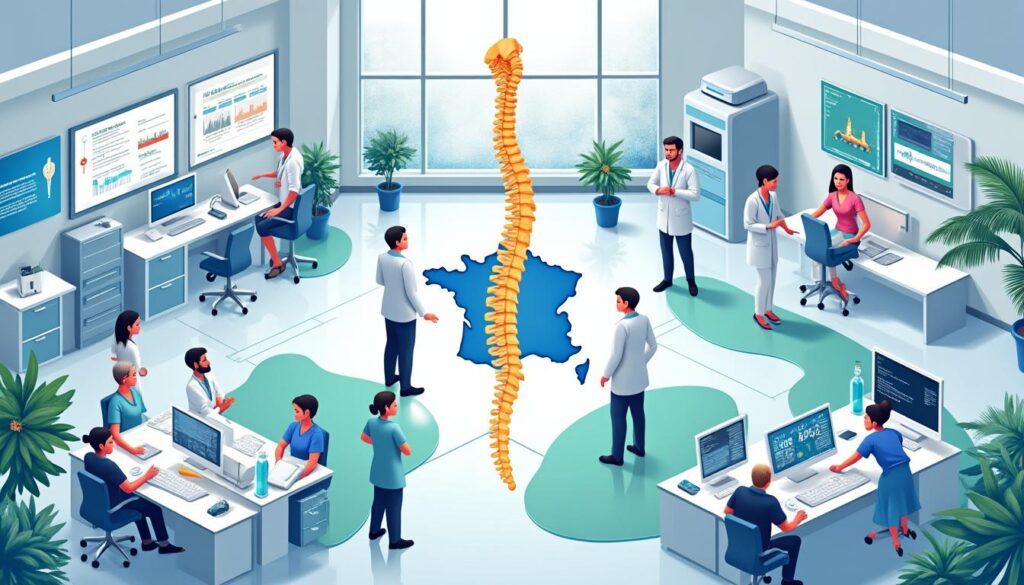
IntraSPINE® in Laval: Innovative and Approved Intervention
Chronic low back pain affects millions of individuals in Quebec, disrupting their daily lives and limiting their activities significantly. As the search for effective treatments continues, the medical field has witnessed remarkable innovations aimed at alleviating spinal disorders. Among these…