

Neurogenic claudication, frequently manifesting due to spinal stenosis, presents a multifaceted challenge for patients grappling with lower back and leg discomfort. Lumbar spinal stenosis, characterized by the narrowing of the spinal canal, compresses the nerves and provokes intermittent leg pain that significantly diminishes mobility and quality of life. Distinct from vascular claudication, neurogenic claudication stems from mechanical nerve compression rather than compromised blood flow, necessitating targeted, condition-specific interventions. The role of spinal flexion exercises, which involve forward bending movements, has garnered substantial attention for their therapeutic potential in relieving neural pressure and improving symptoms.
Throughout this detailed exploration, the contributions of Dr. Sylvain Desforges, an expert in spinal health with over three decades of clinical experience, illuminate the complexities of diagnosing and managing neurogenic claudication. His approach, grounded in scientific rigor and innovative therapy modalities such as dynamic spinal implants and neurovertebral decompression, reflects a dedication to personalized care and patient education. As we delve into the anatomy, pathology, symptomatology, and advanced management strategies—including why flexion exercises are pivotal—readers will gain a comprehensive understanding essential for informed decision-making and meaningful recovery prospects.
Understanding Neurogenic Claudication and Its Relationship to Spinal Stenosis
Neurogenic claudication occurs specifically due to the compression of spinal nerves within the lumbar spine, often caused by lumbar spinal stenosis (LSS). While stenosis denotes the physical narrowing of the spinal canal or nerve root pathways, neurogenic claudication refers to the symptomatic manifestation when these narrowed spaces impinge on nerve function.
Symptoms typically include sharp, shooting, or aching pain radiating into the legs, accompanied by numbness, tingling, or weakness. These symptoms notably worsen during activities involving lumbar extension such as standing, walking, or descending stairs, and improve with flexion movements like sitting or bending forward. This pattern is a hallmark indicator differentiating neurogenic claudication from vascular claudication, where arterial insufficiency causes limb pain typically exacerbated by exertion but relieved by rest in any position.
Dr. Sylvain Desforges emphasizes the importance of thorough patient evaluation to delineate these syndromes accurately, avoiding misdiagnosis that could delay effective conservative treatment. In clinical practice, detailed history-taking combined with physical examination and imaging—particularly magnetic resonance imaging (MRI)—facilitates precise localization of stenotic segments and nerve compression severity. MRI is preferred as it vivid ly captures both osseous and soft tissue structures, guiding subsequent therapeutic decisions with high confidence.
- Key distinguishing features: Pain worsens with lumbar extension, alleviated by flexion movements.
- Typical symptom localization: Predominantly bilateral leg pain and intermittent cramping.
- Diagnostic tools utilized: MRI for soft tissue visualization; X-rays and CT scans for bony anatomy assessment.
| Condition | Cause | Characteristic Symptoms | Response to Movement |
|---|---|---|---|
| Neurogenic Claudication | Lumbar spinal stenosis causing nerve compression | Leg pain, numbness, weakness | Worsened by extension; relieved by flexion |
| Vascular Claudication | Arterial blood flow restriction | Leg pain with exertion | Relieved by rest regardless of position |
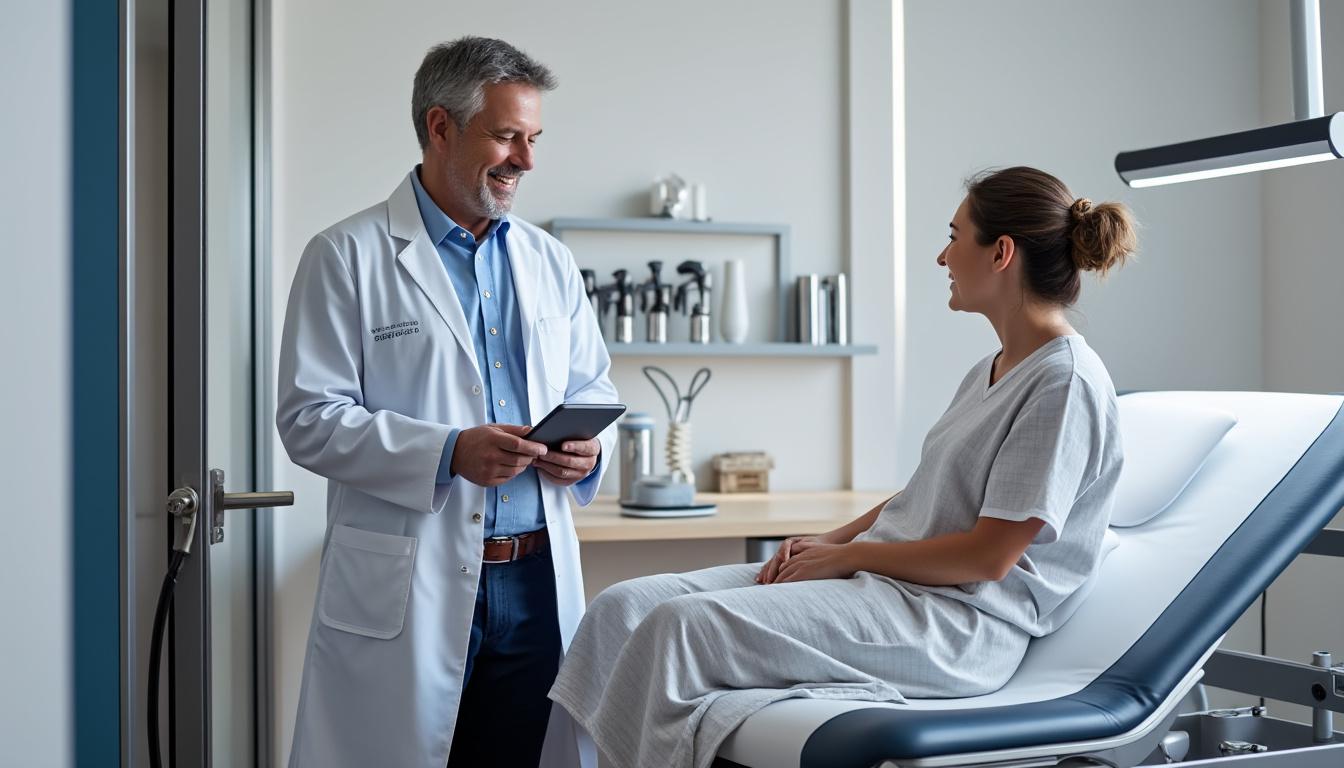
The Anatomy and Pathophysiology of Lumbar Spinal Stenosis and Nerve Compression
Lumbar spinal stenosis encompasses a variety of anatomical alterations that reduce the diameter of the spinal canal, lateral recesses, or intervertebral foramina. These narrowed passages cause mechanical compression of nerve roots and the cauda equina, resulting in the classical symptom complex of neurogenic claudication. Understanding this pathology requires examining the spinal components involved and how their degeneration affects neural function.
The lumbar spine consists of vertebrae stacked to enclose and protect the spinal cord and nerve roots. The central canal carries the spinal cord, while the lateral recesses and foramina allow nerve roots to exit the vertebral column. Degenerative changes such as intervertebral disc bulging, facet joint hypertrophy, ligamentum flavum thickening, and osteophyte formation all contribute to stenosis.
There are two primary categories of lumbar spinal stenosis based on the site of narrowing:
- Central stenosis: Narrowing of the central spinal canal results in bilateral symptoms affecting both legs due to pressure on the cauda equina.
- Foraminal stenosis: Narrowing of the nerve root exit foramina leads to radicular symptoms localized to one leg depending on the particular nerve root involved.
Lumbar spinal stenosis can be either acquired, most commonly related to aging and spinal degeneration, or congenital, where individuals are born with a narrower canal. Acquired stenosis arises from multiple factors including traumatic injury, spinal osteoarthritis, disc herniation, and development of osteophytes or bone spurs. Congenital stenosis may predispose patients to earlier and more severe symptoms given their baseline reduced canal diameter.
Dr. Sylvain Desforges’ clinical practice integrates advanced diagnostic tools alongside emerging therapeutic technologies such as dynamic spinal implants by companies like Zimmer Biomet and Stryker, which aim to stabilize and decompress stenotic segments without resorting immediately to extensive fusion procedures. This innovation supports pain relief while preserving spinal mobility.
| Type of Stenosis | Anatomical Site | Symptoms | Common Causes | Innovative Treatment Options |
|---|---|---|---|---|
| Central Stenosis | Spinal canal | Bilateral leg pain, neurogenic claudication | Degeneration, ligamentum flavum hypertrophy | Dynamic spinal implants, neurovertebral decompression |
| Foraminal Stenosis | Nerve root exit foramina | Unilateral radicular symptoms | Disc bulging, osteophytes | Minimal invasive decompression, laser therapy |
- Anatomical changes contribute to nerve compression: Disc herniation, facet hypertrophy.
- Impact on neural tissues: Impaired nerve conduction and pain transmission.
- Innovative treatments focus on: Function preservation and minimizing surgical trauma.
Why Flexion Exercises Are Effective in Relieving Neurogenic Claudication Symptoms
Flexion, characterized by forward bending of the lumbar spine, increases the diameter of the spinal canal and foramina, thereby reducing pressure on the compressed nerve roots. This biomechanical effect explains why patients experience symptom relief when adopting flexed postures such as sitting or bending forward, while extension movements exacerbate pain by narrowing these spaces.
Dr. Sylvain Desforges highlights that incorporating flexion-based exercises into conservative treatment regimens effectively enhances spinal flexibility, decompresses nerve roots, and mitigates symptoms without immediate recourse to surgery. Flexion therapy supports muscle strengthening surrounding the lumbar spine, which aids in maintaining posture and preventing further deterioration.
Common flexion exercises include:
- Seated forward bends: Gently bending forward while seated to open the lumbar canal.
- Pelvic tilts: Activating core muscles to improve lumbar spine alignment.
- Knee-to-chest stretches: Drawing knees to chest to elongate lower back muscles.
- Walking with a slight forward lean: Modifying gait to reduce nerve compression during ambulation.
Clinical studies support that targeted exercise protocols emphasizing lumbar flexion can improve walking capacity and reduce pain intensity in patients with neurogenic claudication. Moreover, these exercises foster increased mobility, reduce disability, and enhance overall quality of life.
| Exercise | Mechanism | Benefits | Indications |
|---|---|---|---|
| Seated Forward Bend | Increases spinal canal diameter | Reduces nerve compression, alleviates pain | All neurogenic claudication patients under supervision |
| Pelvic Tilt | Strengthens core muscles, enhances lumbar stability | Improves posture, reduces progression of stenosis | Patients with mild to moderate symptoms |
| Knee-to-Chest Stretch | Decompresses lumbar nerves, relieves muscle tension | Enhances spinal flexibility, reduces pain episodes | Suitable as part of a daily routine |
Diagnostic Approach and Comprehensive Evaluation Protocols by Dr. Sylvain Desforges
Distinguishing neurogenic claudication from other etiologies is vital due to the implications for treatment pathways. Dr. Sylvain Desforges undertakes a meticulous evaluation process that includes comprehensive patient history, physical examination, and targeted imaging studies. This protocol adheres strictly to guidelines of the Collège des médecins du Québec ensuring scientific rigor and patient safety.
Key components of his evaluation include:
- Detailed symptom chronology: Characterizing pain onset, intensity, duration, and positional influences.
- Neurological examination: Assessing motor strength, reflexes, and sensory changes.
- Gait and postural analysis: Observing compensatory movements indicative of spinal nerve involvement.
- Imaging review: MRI prioritized for precise assessment of soft tissue and nerve root compression severity.
This rigorous evaluation supports creating a personalized management plan emphasizing conservative approaches such as physical therapy, osteopathic manipulative treatment, and advanced pain management techniques. Throughout, Dr. Desforges reinforces patient education to empower self-management and informed participation in care decisions.
| Evaluation Step | Description | Purpose |
|---|---|---|
| Medical History | Symptom description and timeline | Identify triggers and symptom patterns |
| Physical Examination | Neurological and postural assessment | Locate nerve involvement and functional limitations |
| Imaging (MRI) | Visualization of stenosis and nerve compression | Guide treatment planning |
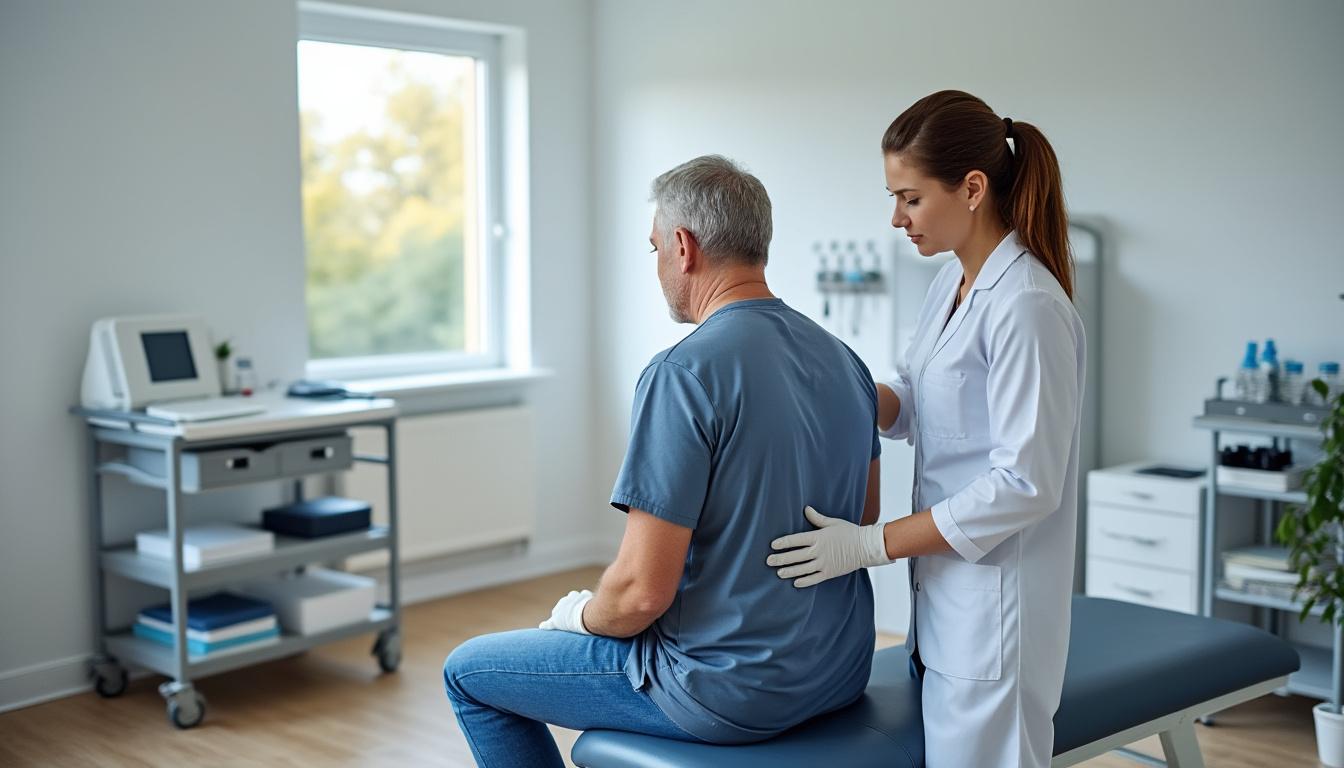
Innovative Conservative Therapies for Neurogenic Claudication: Neurovertebral Decompression and Laser Therapy
Conservative management of neurogenic claudication has evolved significantly, with innovative interventions complementing classical physical therapy and pharmacological treatments. Among these, neurovertebral decompression stands out as a non-invasive technique that utilizes advanced equipment—often involving technology from esteemed medical device leaders like Medtronic, NuVasive, and Orthofix—to gently separate vertebral segments and diminish nerve root compression.
Laser therapy represents another cutting-edge modality that employs targeted light energy to reduce inflammation, promote tissue healing, and possibly remodel fibers contributing to stenosis. This approach, often integrated into a multidisciplinary treatment regimen, offers hope especially to patients contraindicated for surgery or those seeking to postpone invasive interventions.
Dr. Sylvain Desforges advocates for these therapies within an ethical framework that prioritizes patient safety and adherence to Quebec and Canadian medical standards, including the Conseil québécois d’ostéopathie guidelines.
- Neurovertebral decompression: Non-surgical spinal traction to increase intervertebral space.
- Laser therapy: Reduces inflammation and enhances tissue repair.
- Physical therapy integration: Strengthens musculature to support treated segments.
- Multidisciplinary collaboration: Adds customized patient education and psychosocial support.
| Therapy | Mechanism | Benefits | Associated Devices |
|---|---|---|---|
| Neurovertebral Decompression | Spinal segment traction | Reduces nerve compression, improves mobility | Medtronic, NuVasive |
| Laser Therapy | Cellular repair stimulation | Decreases inflammation, accelerates healing | Stryker, Smith & Nephew |
Addressing Mobility Challenges and Enhancing Quality of Life Through Exercise and Rehabilitation
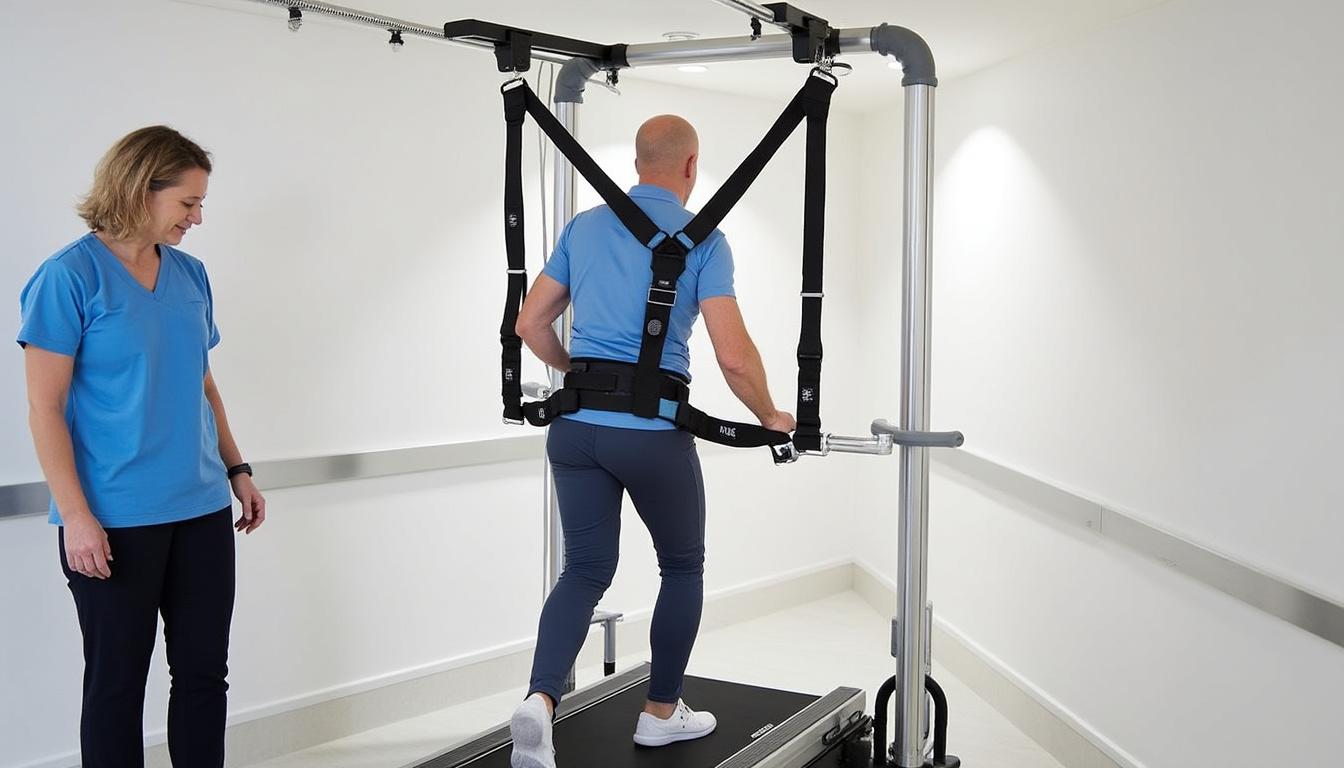
Walking difficulty is a defining symptom of neurogenic claudication that progressively restricts daily activities and independence. Dr. Sylvain Desforges emphasizes early intervention targeting gait and endurance enhancement through specialized rehabilitative programs. Structured treadmill training, sometimes with bodyweight support systems, safely incrementally increases walking distance while minimizing symptom provocation.
Rehabilitation also extends to strength and flexibility exercises focused on the lumbar support musculature, which stabilizes the spine and thereby mitigates symptoms. Occupational therapy plays a pivotal role in teaching adaptive strategies that reduce strain during activities and promote sustained participation in social and occupational roles.
Patients frequently benefit from a coordinated care approach incorporating advanced devices from companies like Boston Scientific and Globus Medical, which enable precision spinal stabilization when conservative methods require surgical backup. This continuum of care underscores Dr. Desforges’ holistic philosophy: integrating tailor-made conservative interventions first, surgery only if strictly necessary.
- Gait training with progressive intensity for endurance improvement.
- Strengthening core and lumbar muscles to enhance spinal stability.
- Occupational therapy guidance to reduce pain-triggering activities.
- Use of assistive devices to complement rehabilitation as needed.
| Rehabilitative Strategy | Focus | Expected Outcome |
|---|---|---|
| Treadmill walking with body weight support | Safe incremental walking practice | Improved walking distance and endurance |
| Core strengthening exercises | Enhance spinal support musculature | Reduced pain and better posture |
| Occupational therapy interventions | Functional adaptation education | Improved daily activity participation |
Comprehensive Patient Education and Empowering Self-Management in Neurogenic Claudication
Understanding the pathophysiology and treatment options for neurogenic claudication empowers patients to actively participate in their care journey. Dr. Sylvain Desforges dedicates significant effort toward clear, accessible communication tailored to diverse patient backgrounds to demystify spinal stenosis and rationale behind therapeutic choices.
Patients are encouraged to adopt lifestyle modifications, engage in prescribed flexion exercises, monitor symptom patterns, and maintain realistic expectations regarding recovery timelines. Education also stresses the importance of balancing activity and rest, recognizing early exacerbations, and communicating promptly with care providers.
Effective self-management is augmented by incorporating wearable technologies that track activity and posture, enabling data-informed adjustments. Collaboration with multidisciplinary teams including physiotherapists, occupational therapists, and pain specialists creates a supportive environment designed to reinforce patient confidence and resilience.
- Explanation of condition and symptoms in lay terms.
- Stepwise treatment plan with goals and timelines.
- Encouragement of active lifestyle within limits to maintain mobility.
- Guidance on symptom monitoring and when to seek help.
| Education Component | Purpose | Patient Benefit |
|---|---|---|
| Condition Explanation | Demystify spinal stenosis and neurogenic claudication | Reduced anxiety and better compliance |
| Treatment Overview | Clarify conservative and surgical options | Empowered decision-making |
| Activity Guidance | Balance movement and rest | Optimized symptom control |
| Symptom Tracking | Identify exacerbations early | Prompt intervention improves outcomes |
Utilizing Advanced Technology and Medical Devices in Spinal Care for Neurogenic Claudication
The integration of cutting-edge technology plays a decisive role at each treatment phase for neurogenic claudication. Advanced spinal decompression tables and dynamic stabilization implants developed by industry leaders like DePuy Synthes and Lifeback are instrumental in delivering personalized, minimally invasive therapies aimed at restoring nerve function and spine integrity.
These devices enhance precision in treatment delivery while reducing complications, hospital stays, and recovery periods. Collaborative interdisciplinary teams, including osteopaths, physiotherapists, and pain management specialists trained by the Canadian College of Osteopaths and ACMA, optimize outcomes through evidence-based protocols incorporating these medical innovations.
Dr. Sylvain Desforges consistently integrates devices with a strong track record of research-backed efficiency and safety, ensuring ethical usage aligned with all Canadian healthcare standards.
- Dynamic spinal implants: Preserve mobility while stabilizing the spine.
- Non-surgical decompression tables: Provide targeted decompression therapy.
- Laser therapy devices: Promote tissue healing and reduce inflammation.
- Wearable monitoring technologies: Support active patient engagement.
| Technology | Manufacturer | Clinical Application | Patient Benefit |
|---|---|---|---|
| Dynamic Spinal Implants | Zimmer Biomet, Globus Medical | Segmental spinal stabilization | Maintains spinal mobility, reduces pain |
| Spinal Decompression Tables | Medtronic, NuVasive | Non-invasive nerve decompression | Improves nerve function, decreases symptoms |
| Laser Therapy Devices | Smith & Nephew, Stryker | Tissue repair and anti-inflammatory | Accelerates recovery, reduces pain |
Personalized Care and the Importance of Ethical, Evidence-Based Practice in Spinal Health
Dr. Sylvain Desforges exemplifies a model of care that prioritizes patient-specific evaluations, scientific accuracy, and strict compliance with medical regulations. His multidisciplinary approach ensures each patient’s unique anatomy, symptomatology, and lifestyle requirements inform the individualized treatment plan, maximizing the likelihood of therapeutic success.
Ethical practice is paramount; diagnostic evaluations focus on comprehensive clinical assessment rather than premature surgical referrals. Conservative therapies are exhausted before considering invasive interventions, reflecting Dr. Desforges’ belief in minimizing risk and optimizing quality of life. Patient education and psychosocial support further empower individuals navigating a complex condition, ensuring they remain central partners throughout the treatment continuum.
- Thorough evaluation before treatment planning.
- Preference for conservative and minimally invasive methods.
- Rigorous adherence to Quebec and Canadian medical guidelines.
- Ongoing patient engagement and education.
| Principle | Practice Implementation | Outcome |
|---|---|---|
| Scientific Rigor | Evidence-based therapies, strict clinical protocols | Higher treatment efficacy, patient safety |
| Personalized Care | Customized plans reflecting patient specifics | Improved satisfaction and adherence |
| Ethical Standards | Non-surgical evaluations first, patient consent | Minimized risk, patient trust |
What is neurogenic claudication and how does it relate to spinal stenosis?
Neurogenic claudication is a syndrome caused by nerve compression in the lumbar spine due to narrowing (stenosis), leading to intermittent leg pain and mobility issues.
Why do flexion exercises help relieve symptoms of neurogenic claudication?
Flexion exercises increase the spinal canal diameter, reducing nerve compression and alleviating pain.
What are the main conservative treatments available for neurogenic claudication?
Treatment often includes pain medications, physical therapy focusing on flexion exercises, occupational therapy, neurovertebral decompression, and laser therapy.
When is surgery considered for spinal stenosis with neurogenic claudication?
Surgery, such as laminectomy, is considered when conservative therapies fail and symptoms significantly impair quality of life.
How does Dr. Sylvain Desforges ensure patient safety and personalized care?
He uses comprehensive evaluations, evidence-based approaches, and works within Quebec and Canadian medical standards, emphasizing conservative care and patient education.