

Back pain resulting from herniated discs often leads patients to consider surgery as a last resort after conservative therapies fail. Microdiscectomy, a minimally invasive surgical option, is frequently recommended to alleviate nerve compression caused by disc herniation. However, evolving medical advancements and growing expertise among practitioners now offer a variety of effective non-surgical alternatives designed to reduce risks and promote recovery while preserving spinal integrity. These options help patients avoid the inherent complications of surgery, enabling faster return to daily life, all within a framework of evidence-based and patient-centered care practices.
With over three decades of clinical experience, Dr. Sylvain Desforges, a leading expert in spine care, has championed innovative spine health strategies focusing on non-invasive and less intrusive treatments. At Clinique TAGMED, renowned for its technologically advanced approach, patients receive individualized care plans tailored to their specific spinal conditions. This article explores the range of non-surgical therapies for herniated discs, highlighting their principles, benefits, and patient suitability, to provide a comprehensive understanding of alternatives to microdiscectomy.
Understanding the Role of Microdiscectomy and Its Non-Surgical Alternatives
Microdiscectomy is a procedure aimed at removing a portion of the herniated disc material that compresses spinal nerves, providing relief from symptoms like sciatica, numbness, or weakness. Although patients may benefit from this surgery, it carries risks such as infection, nerve damage, and the potential for reherniation due to residual disc defects. Importantly, the procedure requires a small incision and partial muscle dissection, which can prolong recovery time and cause postoperative discomfort.
As knowledge has advanced, practitioners like Dr. Desforges emphasize evaluating comprehensive patient conditions prior to surgical intervention. This evaluation encourages the pursuit of conservative therapies that minimize tissue disruption. Among notable alternatives is endoscopic discectomy, which employs a thin, flexible endoscope through a minimal skin puncture to precisely remove herniated tissue with less collateral damage than microdiscectomy. This technique enables preservation of disc structure, reducing risks of relapse and accelerating recuperation.
Beyond endoscopic options, non-surgical interventions focus on alleviating symptoms and improving spinal health, such as spinal decompression therapy, laser therapy, physical rehabilitation, and targeted pain management protocols. Consider, for instance, the neurovertebral decompression technology employed at TAGMED Clinics—a method that gently relieves pressure on spinal discs, promoting natural healing without surgery.
- Microdiscectomy entails removal of herniated disc material through a minimally invasive surgical approach.
- Endoscopic discectomy offers a less invasive alternative with enhanced precision via an endoscope.
- Non-surgical therapies include spinal decompression, laser therapy, physical therapy, and pain management.
- Choosing an appropriate treatment requires specialist evaluation focusing on individual patient anatomy and symptoms.
| Treatment Option | Invasiveness | Typical Recovery Time | Key Benefits | Possible Risks |
|---|---|---|---|---|
| Microdiscectomy | Minimally invasive surgery | 4-6 weeks | Effective nerve decompression, symptom relief | Infection, nerve injury, reherniation |
| Endoscopic Discectomy | Minimally invasive with endoscope | 1-2 weeks | Reduced tissue trauma, quicker recovery | Limited by disc size and anatomy |
| Non-Surgical Therapies (Decompression, Laser) | Non-invasive | Variable (weeks to months) | Preserves disc structure, avoids surgery risks | May require longer treatment durations |
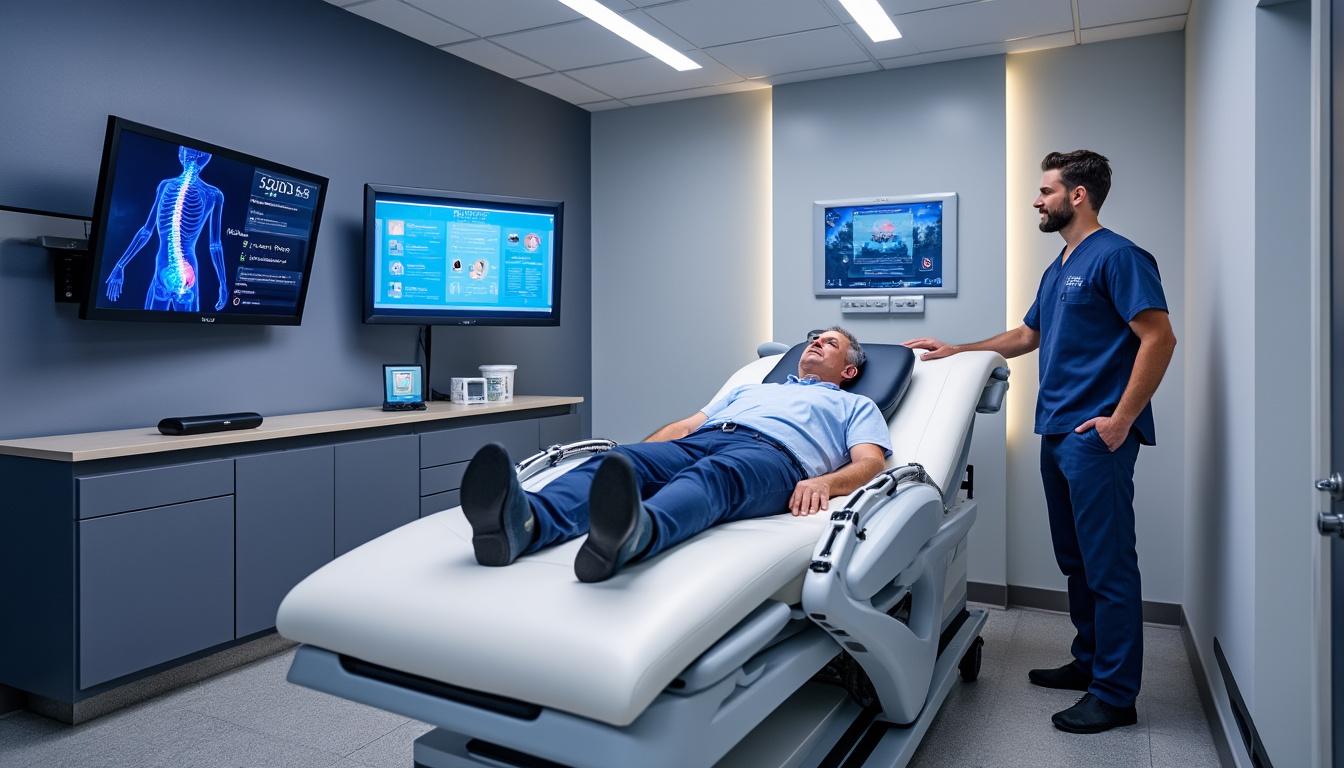
Endoscopic Discectomy: A Groundbreaking Minimally Invasive Alternative
Endoscopic discectomy represents a significant breakthrough in spine surgery techniques, widely respected for its ability to effectively address herniated discs with minimal surgical footprint. Utilizing a specialized endoscope equipped with a camera and operative tools, the surgeon gains magnified visualization to remove problematic tissue precisely through a tiny skin puncture. This precision translates into preserving surrounding muscles and ligaments, drastically reducing postoperative pain and speeding functional recovery.
Comparatively, microdiscectomy requires a slightly larger incision and more extensive tissue dissection. Endoscopic surgery typically admits patients as outpatients with same-day discharge, making it attractive for individuals wishing to avoid hospitalization. Dr. Sylvain Desforges is a prominent advocate for this method, integrating it within a spectrum of evidence-based interventions that emphasize patient safety and tailored care according to Quebec and Canadian regulations.
Clinical studies attest to several advantages of endoscopic discectomy:
- Shortened hospital stays: Many patients return home the same day.
- Rapid symptom improvement: Patients often resume daily activities within days.
- Reduced risk of wound infection: Smaller puncture wounds heal faster and limit complications.
- Lower nerve injury risk: Enhanced visibility ensures nerve roots are spared.
- Minimized scar tissue formation: Less tissue trauma results in decreased postoperative stiffness.
Indications for endoscopic discectomy involve patients with one or two-level disc herniations causing persistent sciatica unresponsive to conservative measures. However, it is not suitable for extensive spinal deformities, multi-level large herniations, or active spinal infections. Prior to recommendation, thorough evaluation including magnetic resonance imaging (MRI) or computed tomography (CT) scans is essential for management planning.
| Candidate Profile Criteria | Endoscopic Discectomy Suitability |
|---|---|
| Single or two-level lumbar disc herniation | Suitable |
| Symptoms of persistent leg pain, numbness, or weakness | Suitable |
| Spinal instability or slipping vertebra (spondylolisthesis) | Not suitable |
| Previous surgery at same spinal level | Generally not suitable |
| Presence of spinal infections or severe deformities | Not suitable |
Preparation for this procedure involves lifestyle adjustments such as cessation of smoking and alcohol, avoiding anti-inflammatory and blood-thinning medications, and arranging postoperative care. The procedure generally takes about an hour under local anesthesia with sedation, ensuring patient comfort throughout.
Postoperative care focuses on wound management, gradual return to mobility, and participation in physical rehabilitation programs to enhance spinal stability and function.
Advanced Non-Surgical Treatments for Cervical Degenerative Disc Disease
When degenerative changes to the cervical spine progress, symptoms like radiating arm pain, weakness, and tingling can severely impair daily functioning. For patients experiencing these effects, conservative management is always prioritized. Dr. Sylvain Desforges advocates structured care models emphasizing non-invasive protocols that can significantly reduce discomfort and improve quality of life without resorting to surgery.
The primary nonsurgical strategies include:
- Rest and modified activity: Temporarily avoiding activities that exacerbate symptoms helps reduce inflammation and nerve irritation without leading to muscle deconditioning.
- Pain management: A tailored combination of over-the-counter anti-inflammatory medications, prescription analgesics when needed, and adjunctive therapies such as acupuncture or manual manipulation can be effective.
- Physical therapy: Customized exercise regimens strengthen neck, shoulder, and back muscles, improving support and posture.
- Behavioral and lifestyle adjustments: Stress reduction, smoking cessation, balanced nutrition, and consistent sleep hygiene contribute to overall spinal health and symptom alleviation.
One illustrative example is a patient presenting moderate cervical radiculopathy with intermittent tingling and arm weakness. Upon comprehensive evaluation by Dr. Desforges, a conservative program involving physical therapy targeting postural muscles combined with epidural steroid injections produced gradual symptom resolution over a five-month period, avoiding surgical intervention.
| Treatment | Goal | Typical Duration | Notes |
|---|---|---|---|
| Activity Modification | Reduce aggravation of symptoms | Weeks to months | Temporary rest without immobilization recommended |
| Medication Management | Pain and inflammation control | Variable | Trial and error to find effective combination |
| Physical Therapy | Strengthen muscles and improve mobility | 3-6 months | Customized programs essential |
| Lifestyle Changes | Support overall spinal health | Ongoing | Smoking cessation particularly important |
Though patients may experience symptom improvement within six months, ongoing monitoring is necessary to detect any progression requiring surgical consideration. Notably, the natural re-stabilization of vertebral segments and possible resorption of herniated disc material explain spontaneous symptom resolution often seen in practice.
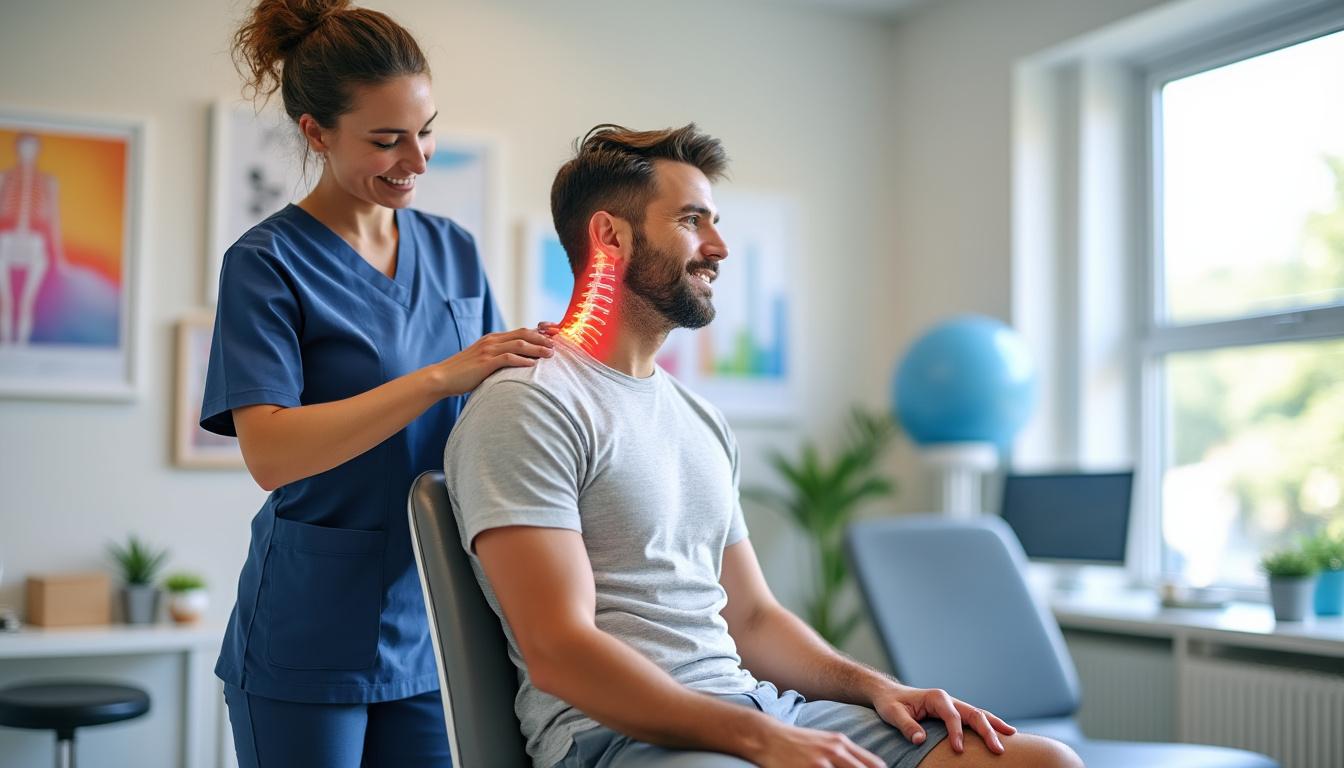
Emerging Technologies in Non-Surgical Spine Care
The field of spinal care continues to innovate with technologies like neurovertebral decompression devices, precise laser therapies, and dynamic spinal implants that provide alternatives targeting pain relief and structural improvement without surgery. Clinicians, including Dr. Desforges, stay at the forefront of these developments to offer patients cutting-edge therapy options while abiding by rigorous standards.
Some notable technologies integrated within clinics such as TAGMED include:
- Neurovertebral Decompression Systems: Mechanically relieve pressure on spinal discs and nerves, promoting natural healing.
- Laser Therapy: Target inflamed tissue and stimulate repair processes with minimal discomfort.
- Dynamic Spinal Implants: Facilitate stabilization while preserving mobility and reducing adjacent segment degeneration risks.
| Technology | Purpose | Benefit | Limitations |
|---|---|---|---|
| Neurovertebral Decompression | Disk pressure relief | Non-invasive, promotes healing | Requires multiple sessions |
| Laser Therapy | Tissue repair | Reduced pain and inflammation | Effectiveness varies |
| Dynamic Spinal Implants | Spinal stabilization | Maintains motion, reduces fusion need | Requires surgical implantation |
Prioritizing Patient Education and Personalized Spinal Care
Dr. Sylvain Desforges underscores the importance of clear, comprehensible communication to empower patients. Understanding the nature of spinal disorders and available treatment options helps patients make informed decisions aligned with their values and lifestyle. Education covers indications, realistic outcomes, potential risks, and expected recovery pathways.
Clinics such as TAGMED leverage interdisciplinary teams involving osteopaths, physiotherapists, and spine health educators, ensuring holistic assessment and ongoing support from initial evaluation through rehabilitation. This approach respects each patient’s unique condition and preferences, enhancing satisfaction and clinical outcomes.
- Use of easy-to-understand language avoiding medical jargon
- Customized treatment plans reflecting patient-specific spinal anatomy and health status
- Access to support from multidisciplinary teams for comprehensive management
- Continuous patient involvement in care decisions strengthens adherence and recovery
| Educational Approach Aspect | Benefits to Patient |
|---|---|
| Clear Explanation of Diagnosis and Treatment Options | Reduces anxiety and confusion |
| Decision-Making Involvement | Increases treatment adherence |
| Follow-up Communication and Support | Supports long-term spinal health maintenance |

The Vital Role of Lifestyle and Rehabilitation in Spine Health
Maintaining spinal health extends beyond treatment sessions. Lifestyle choices have a measurable impact on outcomes, motivating long-term modifications in physical activity, posture, and ergonomics. Rehabilitation programs designed by experts such as Dr. Desforges promote muscle strengthening, flexibility, and core stability to reduce recurrence of disc issues.
Examples of lifestyle interventions include:
- Ergonomic workplace adjustments promoting neutral spine alignment.
- Regular low-impact aerobic exercise such as swimming or walking to enhance circulation and muscle tone.
- Weight management to reduce mechanical spinal load.
- Smoking cessation for improved tissue healing and reduced surgical risks.
- Mindfulness and stress reduction techniques to diminish muscular tension contributing to pain.
| Lifestyle Intervention | Impact on Spine Health | Recommended Frequency |
|---|---|---|
| Ergonomic Adjustments | Prevents repetitive strain injuries | Daily |
| Aerobic Exercise | Improves circulation, muscle strength | 3-5 times per week |
| Weight Management | Reduces spinal load, inflammation | Ongoing |
| Smoking Cessation | Enhances healing and reduces complications | Permanently |
Optimizing Posture to Support Non-Surgical Treatments
PosturePro and Vertebra Wellness are examples of innovative programs that help patients incorporate effective posture habits into daily life routines. Using biofeedback and guided training, these programs aim to minimize spinal stress and encourage balanced muscular engagement. Such measures complement interventions like neurovertebral decompression and physical therapy by extending benefits beyond clinical settings.
The Future of Spine Care: Integrating Technology and Personalized Medicine
Emerging fields such as regenerative medicine and biotechnological enhancements are making promising strides in non-surgical spine care. Advanced techniques like dynamic spinal implants and cellular therapies hold potential to repair and strengthen disc tissue without invasive surgery. Clinics at the forefront, such as those led by Dr. Desforges, actively research and implement these innovations, balancing scientific rigor with ethical patient management.
Key benefits anticipated in future spine care approaches include:
- Reduced need for surgical procedures through early intervention.
- Tailored treatments based on genetic and anatomical patient profiling.
- Integration of neurotechnology for enhanced pain modulation.
- Remote monitoring through digital health platforms improving continuity of care.
| Future Technology | Potential Benefits | Current Research Status |
|---|---|---|
| Regenerative Therapies | Stimulate disc repair and reduce degeneration | Clinical trials ongoing |
| Dynamic Implants | Preserve spine mobility post-injury | FDA-approved, limited availability |
| Neurotechnology | Personalized pain control | Experimental in select centers |
Collaborative Patient-Centered Approaches for Optimal Outcomes
Effective spine care transcends isolated treatment, involving collaborative, interdisciplinary teamwork that ensures every aspect of the patient’s condition is addressed. At TAGMED Clinics, teams comprising osteopaths, physiotherapists, and pain specialists coordinate care plans tailored by Dr. Desforges’ evaluations. This collaborative model fosters holistic healing and sustained spinal health.
- Multidisciplinary evaluation and personalized care planning.
- Patient education to enhance engagement and informed consent.
- Continuous assessment and adjustment of therapies according to patient progress.
- Integration of technological innovations ensuring evidence-based treatments.
| Team Member | Role in Spine Care | Contribution to Patient Outcome |
|---|---|---|
| Osteopath | Spinal structure and function evaluation | Provides manual therapy enhancing spinal alignment |
| Physiotherapist | Designs rehabilitation and exercise programs | Strengthens musculature and restores mobility |
| Pain Specialist | Manages pharmacological and interventional analgesia | Improves quality of life by managing symptoms |
Practical Steps to Embark on Your Non-Surgical Spine Care Journey
Patients experiencing herniated disc symptoms seeking alternatives to microdiscectomy should start by scheduling a comprehensive evaluation with qualified experts like Dr. Sylvain Desforges. Such evaluations involve detailed assessments using clinical examination, imaging, and functional analysis to design individualized care approaches.
Key steps to initiating non-surgical spinal care include:
- Contact the Clinic: Reach out to TAGMED Clinics for a personalized consultation.
- Obtain Thorough Evaluation: Undergo detailed assessment to clarify best treatment options.
- Explore Therapy Options: Discuss suitability of endoscopic discectomy, decompression therapy, or rehabilitation programs.
- Implement Lifestyle Adjustments: Engage in advised activity modifications and health optimizations.
- Join Support Networks: Utilize resources such as SpineZone and PainFree Spine for ongoing education and community support.
Progress is monitored closely, with modifications made according to response and evolving needs, ensuring that care remains patient-focused and adaptable. Patients are encouraged to ask questions and actively participate in decision-making to maximize outcomes and satisfaction.
{“@context”:”https://schema.org”,”@type”:”FAQPage”,”mainEntity”:[{“@type”:”Question”,”name”:”What distinguishes endoscopic discectomy from traditional microdiscectomy?”,”acceptedAnswer”:{“@type”:”Answer”,”text”:”Endoscopic discectomy uses a small, flexible tube with a camera and tools to remove herniated disc material through a tiny puncture, resulting in less tissue damage, quicker recovery, and reduced risks compared to the limited incision and muscle dissection involved in microdiscectomy.”}},{“@type”:”Question”,”name”:”Are non-surgical treatments effective for severe herniated disc symptoms?”,”acceptedAnswer”:{“@type”:”Answer”,”text”:”While non-surgical treatments are effective for many patients, their success depends on symptom severity, extent of nerve compression, and individual patient factors. Severe or progressive neurological deficits might still require surgical intervention after careful evaluation.”}},{“@type”:”Question”,”name”:”How long does recovery take after endoscopic discectomy?”,”acceptedAnswer”:{“@type”:”Answer”,”text”:”Recovery is typically faster than with traditional surgery, with many patients resuming daily activities within one to two weeks. Complete nerve healing can take several weeks to months, during which following rehabilitation and lifestyle recommendations is critical.”}},{“@type”:”Question”,”name”:”What lifestyle changes support non-surgical spine health?”,”acceptedAnswer”:{“@type”:”Answer”,”text”:”Ergonomic adjustments, aerobic exercise, weight management, smoking cessation, and stress reduction are key lifestyle factors that enhance spinal health and reduce the risk of disc degeneration and pain recurrence.”}},{“@type”:”Question”,”name”:”How can I explore non-surgical spine care options in Quu00e9bec?”,”acceptedAnswer”:{“@type”:”Answer”,”text”:”Contact TAGMED Clinics to schedule a comprehensive evaluation with experts such as Dr. Sylvain Desforges. Utilize available patient resources like SpineZone and BackRelief Solutions for education and support journeys.”}}]}What distinguishes endoscopic discectomy from traditional microdiscectomy?
Endoscopic discectomy uses a small, flexible tube with a camera and tools to remove herniated disc material through a tiny puncture, resulting in less tissue damage, quicker recovery, and reduced risks compared to the limited incision and muscle dissection involved in microdiscectomy.
Are non-surgical treatments effective for severe herniated disc symptoms?
While non-surgical treatments are effective for many patients, their success depends on symptom severity, extent of nerve compression, and individual patient factors. Severe or progressive neurological deficits might still require surgical intervention after careful evaluation.
How long does recovery take after endoscopic discectomy?
Recovery is typically faster than with traditional surgery, with many patients resuming daily activities within one to two weeks. Complete nerve healing can take several weeks to months, during which following rehabilitation and lifestyle recommendations is critical.
What lifestyle changes support non-surgical spine health?
Ergonomic adjustments, aerobic exercise, weight management, smoking cessation, and stress reduction are key lifestyle factors that enhance spinal health and reduce the risk of disc degeneration and pain recurrence.
How can I explore non-surgical spine care options in Québec?
Contact TAGMED Clinics to schedule a comprehensive evaluation with experts such as Dr. Sylvain Desforges. Utilize available patient resources like SpineZone and BackRelief Solutions for education and support journeys.