

Low back pain (LBP) remains one of the most prevalent and challenging health conditions globally. Characterized by discomfort in the lumbar region between the lower ribs and the upper buttocks, its impact reverberates through every aspect of an individual’s life, from mobility to mental well-being. In 2025, an estimated 619 million people worldwide are living with LBP, firmly establishing it as the leading cause of disability. Beyond the personal toll, LBP imposes enormous economic burdens due to decreased productivity and increased healthcare costs. Recognizing the complexity and diversity of LBP manifestations, healthcare professionals now emphasize comprehensive, multidisciplinary approaches that combine evidence-based therapies and patient-centered care. Within this scope, experts like Dr. Sylvain Desforges, a pioneer with over 30 years of clinical experience and a profound commitment to scientific rigor and innovation, illuminate pathways to effective management and recovery. His thorough spinal evaluations, personalized treatment plans, and integration of advanced technologies such as neurovertebral decompression underscore the evolving landscape of spinal care designed to address not only symptoms but the root causes of pain.
Understanding the nature of low back pain requires differentiating between its types, causes, and trajectories. LBP can be acute, lasting a few days or weeks; sub-acute, extending from six to twelve weeks; or chronic, persisting beyond twelve weeks. While specific LBP is linked to identifiable structural or disease-related causes, such as herniated discs or spinal stenosis, about 90% of cases are non-specific, where no direct pathology is discernible. Rehabilitation remains pivotal across all categories, aiming to restore function, reduce pain, and reintegrate patients into their daily activities confidently. Strategies involve a blend of physical therapies, lifestyle modifications, psychological support, and selective use of medications. This nuanced approach ensures that patients receive tailored care, emphasizing safety, efficacy, and respect for individual circumstances. As the 2025 healthcare paradigm advances, the fusion of compassion, innovation, and clinical acumen sets new standards in addressing the burdens of low back pain.
Comprehensive Anatomy and Function of the Lumbar Spine Influencing Low Back Pain Patterns
The lumbar spine functions as the lower backbone segment and is central to the load-bearing and movement mechanisms of the human body. Comprised typically of five vertebrae, though sometimes six, this spine portion supports significant weight and facilitates a range of motions such as bending, twisting, and lifting. Each vertebra is separated by intervertebral discs that act as cushions, absorbing shocks and enabling flexible movement.
The lumbar vertebrae are larger than those in other spinal segments, a design adapted to sustain substantial mechanical stress. These vertebrae are connected through facet joints, which provide controlled mobility without compromising spinal stability. The spinal cord runs through a central canal within these vertebrae, protected by bone and ligaments, with nerve roots exiting via neural foramina to supply the lower body. The surrounding paraspinal muscles provide further support and motor function, enabling balanced posture and movement.
Damage or degeneration in any of these components can interfere with normal function, leading to pain and disability. Commonly affected structures include:
- Intervertebral Discs: Degeneration or herniation can compress nerve roots, causing radicular symptoms.
- Facet Joints: Osteoarthritis of these joints may provoke mechanical back pain.
- Ligaments and Muscles: Strains or spasms can cause sharp localized pain or contribute to chronic tension.
- Nerve Roots: Compression or irritation produces radiculopathy, often perceived as sciatica.
Understanding these structures holistically facilitates pinpointing the source of LBP and tailoring interventions. For instance, a herniated disc at L4-L5 causing pressure on the L5 nerve root can produce pain, numbness, or weakness in the leg, often referred to as sciatica, a common and debilitating presentation.
| Spinal Component | Function | Common Pathologies | Symptoms |
|---|---|---|---|
| Vertebrae | Support body weight and protect spinal cord | Fractures, osteoarthritis | Localized pain, reduced mobility |
| Intervertebral Discs | Shock absorption and flexibility | Herniation, degeneration | Radiating pain, nerve compression symptoms |
| Facet Joints | Enable spinal movement | Facet joint syndrome, arthritis | Mechanical back pain, localized tenderness |
| Nerve Roots | Transmit signals between spinal cord and body | Radiculopathy, compression | Shooting pain, numbness, muscle weakness |
| Paraspinal Muscles | Support and motor control of spine | Strains, spasms | Muscle tenderness, stiffness, spasms |
Distinguishing Between Specific and Non-Specific Low Back Pain: Implications for Patient Care
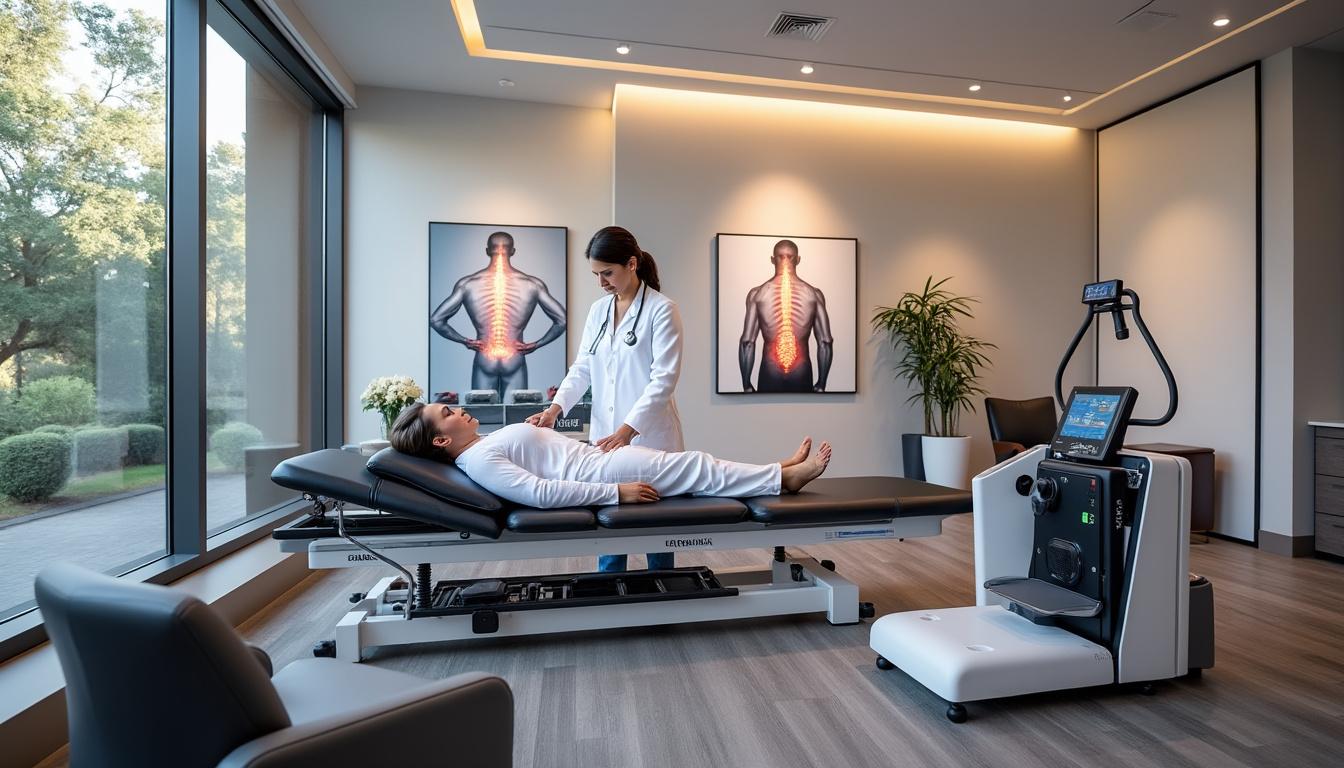
One of the essential clinical challenges in managing low back pain lies in discerning whether the pain is specific or non-specific. About 90% of LBP cases fall into the non-specific category, where no clear pathological cause can be identified through standard imaging or clinical tests. This distinction profoundly influences treatment planning and prognosis.
Specific Low Back Pain refers to cases where LBP originates from identifiable causes such as:
- Spinal fractures
- Infections or tumors
- Herniated discs causing nerve compression
- Spinal stenosis (narrowing of the spinal canal)
- Inflammatory or systemic diseases (e.g., ankylosing spondylitis)
Patients with specific LBP often require targeted interventions addressing the root pathology, sometimes including surgery. However, even in these cases, conservative therapies such as those offered by experts like Dr. Sylvain Desforges can provide significant relief and enhanced function when applied with scientific rigor and ethical consideration.
Non-Specific Low Back Pain is characterized by the absence of structural or inflammatory causes identifiable by current diagnostic tools. This type of pain may be due to muscle strain, ligament sprain, or subtle biomechanical imbalances. The multifactorial nature means psychological and social factors also prominently influence pain perception and chronicity.
Management for non-specific LBP emphasizes:
- Physical therapy focusing on strength, flexibility, and endurance
- Psychosocial support to manage stress, anxiety, and coping mechanisms
- Lifestyle modifications including exercise, weight management, and smoking cessation
- Use of analgesics such as Aleve or topical agents like Biofreeze and Salonpas, as adjuncts
Dr. Desforges’ patient-centered approach integrates these elements, ensuring that hormonal and psychosocial aspects are considered alongside biomechanical correction.
| Type of LBP | Main Causes | Diagnostic Approach | Treatment Focus |
|---|---|---|---|
| Specific LBP | Structural problems, disease, injuries | Imaging (MRI, CT), laboratory tests, clinical exam | Treat underlying cause, pharmacological and surgical if needed |
| Non-specific LBP | Muscle strain, biomechanical imbalance, multifactorial | Clinical evaluation, ruling out serious conditions | Rehabilitation, lifestyle, pain management with medication like Icy Hot or ThermaCare |
For both types, rehabilitation plays a vital role in maintaining or regaining function. Dr. Desforges ensures all patients understand their condition clearly, empowering them to engage actively in their recovery journey with personalized, evidence-based guidance.
Holistic and Multidisciplinary Rehabilitation Strategies for Sustained Recovery of Lumbar Health
Rehabilitation constitutes a cornerstone of effective recovery from low back pain, regardless of its duration or origin. The contemporary rehabilitation model acknowledges more than just the physical implications of LBP. It addresses psychological, social, and occupational dimensions of the condition, adopting a biopsychosocial framework.
Key components of rehabilitation protocols include:
- Physical Therapy: Tailored exercises to improve lumbar muscle strength, flexibility, and endurance. Emphasis is placed on restoring normal movement patterns and posture to reduce mechanical stress.
- Psychological Support: Techniques like cognitive-behavioral therapy (CBT) help manage pain perception, anxiety, and depression often associated with chronic LBP.
- Pain Management: Use of non-pharmacological interventions such as TENS 7000 units for electrical nerve stimulation, combined with topical treatments like Tiger Balm and Biofreeze to provide symptomatic relief.
- Workplace Ergonomics: Evaluation and modification of occupational environments to minimize physical strain, leveraging equipment like lumbar support belts and ergonomic chairs.
- Lifestyle Interventions: Encouraging regular physical activity, weight management, healthy nutrition, and quality sleep, supported by products such as Tempur-Pedic mattresses for optimal spinal posture during rest.
A rehabilitation plan crafted by specialists like Dr. Desforges accounts for individual patient’s preferences, medical history, and social context. Frequent reassessment and patient education are integrated to foster autonomy and adherence.
| Rehabilitation Component | Description | Benefits |
|---|---|---|
| Exercise Therapy | Strengthening, stretching, mobility exercises | Enhances flexibility, reduces pain, improves function |
| Psychological Interventions | CBT, stress management | Reduces fear-avoidance, improves coping strategies |
| Pain Control | TENS units, topical analgesics | Provides non-invasive symptom relief |
| Ergonomic Adjustments | Workplace modifications, lumbar supports | Prevents aggravation and recurrent injury |
| Lifestyle Counseling | Activity advice, diet, sleep hygiene | Promotes long-term spinal health |
Evidence-Based Use of Spinal Decompression and Innovative Technologies for Herniated Discs
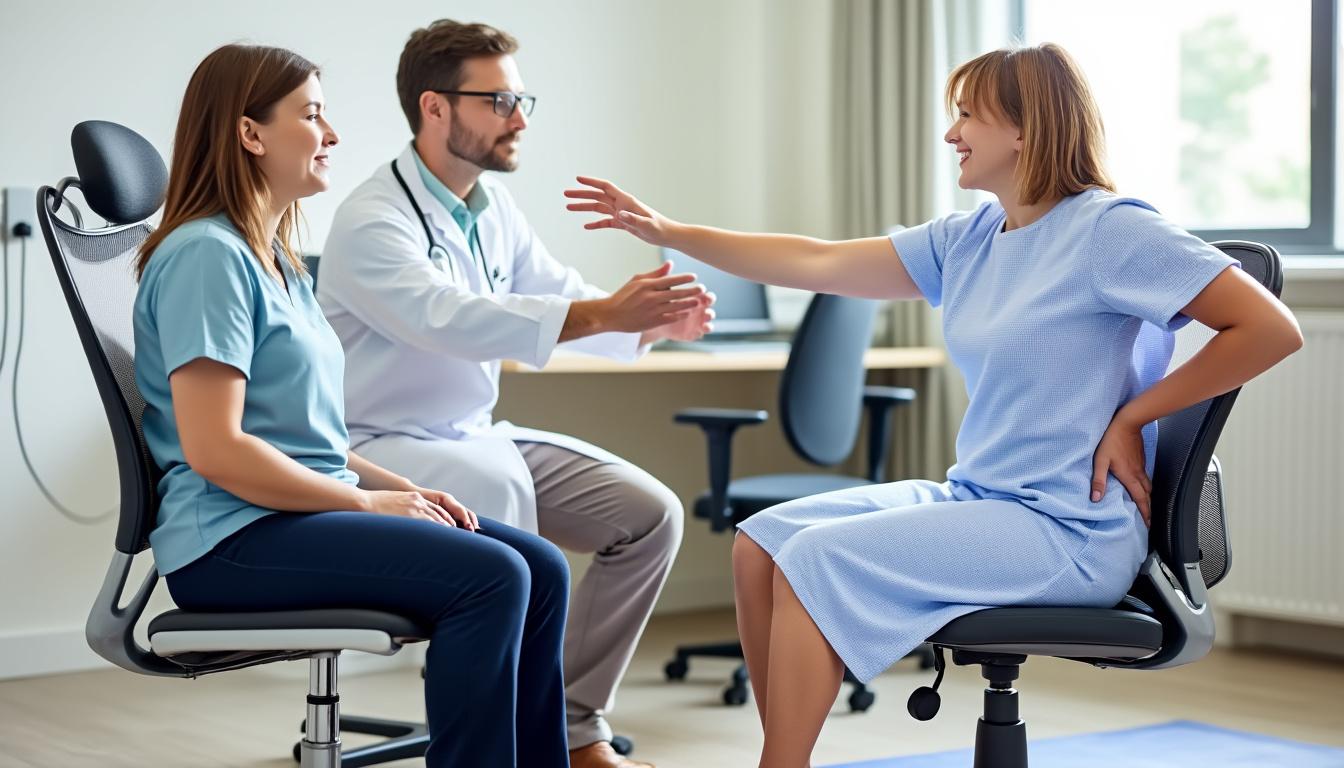
Among the innovative treatments offered by experts like Dr. Sylvain Desforges, spinal decompression therapy stands out as a non-invasive option that targets herniated discs and nerve compression with promising results. This method uses mechanical traction to gently elongate the spine, reducing pressure on the affected discs and nerve roots.
Clinical evidence supports spinal decompression as a viable alternative to surgery for many patients experiencing radiculopathy caused by lumbar disc herniation. Patients often report significant pain relief, improved mobility, and faster return to daily activities.
- Benefits of Spinal Decompression Therapy:
- Decreases intradiscal pressure, allowing retraction of herniated material
- Improves nutrient flow and oxygenation to the discs
- Reduces inflammation and nerve irritation
- Non-surgical, minimizing risks associated with invasive procedures
- Can be combined with osteopathy for holistic care
Dr. Desforges integrates advanced devices such as dynamic spinal implants and laser therapy to further enhance outcomes. His dedication to maintaining ethics and scientific rigor guarantees patient safety and optimizes treatment efficacy.
| Technology | Mechanism of Action | Indications | Benefits |
|---|---|---|---|
| Spinal Decompression Tables | Mechanical spinal traction to reduce disc pressure | Herniated discs, radiculopathy | Non-invasive pain relief, improved mobility |
| Dynamic Spinal Implants | Support and stabilize spinal segments while preserving motion | Instability, degenerative disc disease | Reduces surgical invasiveness, maintains flexibility |
| Laser Therapy | Promotes tissue healing and reduces inflammation | Post-injury recovery, chronic inflammation | Accelerates repair, decreases discomfort |
Medications, Topical Agents, and Supportive Devices Complementing Low Back Pain Management
While conservative and rehabilitative measures are fundamental, adjunct pharmaceutical and topical treatments aid symptom management in low back pain. Medications such as Aleve provide anti-inflammatory benefits to reduce acute flare-ups, whereas topical agents like Biofreeze, Tiger Balm, Icy Hot, and Salonpas offer localized analgesia through cooling and warming effects.
Careful selection and judicious use of these treatments, ideally under expert guidance, maximize their benefits without incurring adverse effects. Overreliance on pharmacological interventions is discouraged, particularly as first-line treatments. Additionally, specialized lumbar support belts like those from DonJoy are invaluable in maintaining spinal alignment and providing stabilizing support during activity or recovery phases.
- Common adjunct therapies and devices:
- Aleve (NSAID) for systemic inflammation reduction
- Topical analgesics (Biofreeze, Tiger Balm, Salonpas) for localized pain relief
- Lumbar Support Belts (DonJoy) for mechanical spinal support
- Heat wraps (ThermaCare) for muscle relaxation and circulation improvement
- TENS 7000 units for non-invasive electrical nerve stimulation
These interventions serve as critical complements within integrated treatment plans, providing comfort, enhancing function, and reducing dependency on invasive methods.
| Product/Device | Type | Purpose | Key Benefits |
|---|---|---|---|
| Aleve | Oral Medication | Anti-inflammatory and pain relief | Reduces swelling, eases pain spikes |
| Biofreeze | Topical Analgesic | Cooling pain relief to muscles and joints | Targeted relief, non-greasy, fast acting |
| DonJoy Lumbar Support Belt | Mechanical Support | Stabilizes lumbar spine, reduces strain | Improves posture, decreases discomfort during activity |
| ThermaCare Heat Wraps | Heat Therapy | Muscle relaxation and circulation | Soothes spasms, promotes healing |
| TENS 7000 | Electrical Nerve Stimulator | Non-invasive pain control | Reduces nerve pain, decreases need for medication |
Impact of Lifestyle on Low Back Pain Development and Recovery
Lifestyle choices play a pivotal role in both the onset and resolution of low back pain. Sedentary behaviors, obesity, smoking, and poor sleep quality significantly increase the risk of developing chronic LBP. Conversely, engaging in regular physical activity, maintaining a healthy weight, and adopting ergonomic habits contribute to spinal health and resilience against injury.
Key lifestyle factors and their influence include:
- Physical Activity: Regular moderate exercise strengthens lumbar muscles, enhances flexibility, and reduces inflammation.
- Weight Management: Excess body weight increases mechanical load on the spine, often accelerating degenerative changes.
- Tobacco Use: Smoking impairs microcirculation and delays tissue healing, worsening outcomes of spinal injuries.
- Sleep Quality: Poor sleep exacerbates pain perception and slows recovery; specialized mattresses like Tempur-Pedic help optimize spinal alignment during rest.
- Ergonomics: Proper posture and workplace adjustments prevent undue mechanical stress.
Dr. Sylvain Desforges emphasizes patient education on these modifiable risk factors, empowering individuals to take an active role in safeguarding their spinal health beyond clinical interventions.
| Lifestyle Factor | Effect on Low Back Pain | Recommended Action | Examples of Tools or Practices |
|---|---|---|---|
| Physical Activity | Reduces risk, improves recovery | Exercise regularly | Walking, swimming, yoga |
| Weight Management | Decreases mechanical load | Maintain healthy BMI | Balanced diet, portion control |
| Smoking | Delays healing, increases pain | Quit smoking | Nicotine replacement, counseling |
| Sleep Quality | Improves pain threshold and healing | Maintain consistent sleep schedule | Tempur-Pedic mattress, sleep hygiene |
| Ergonomics | Prevents exacerbation | Use lumbar support, adjust workstations | Ergonomic chairs, lumbar belts |
Addressing Chronic Low Back Pain: Strategies for Long-Term Function and Quality of Life
Chronic low back pain, defined as persistent pain exceeding twelve weeks, presents complex challenges necessitating ongoing management. Psychological components often contribute significantly, including anxiety, depression, and fear-avoidance behaviors that can amplify disability and perpetuate pain cycles.
Successful long-term management incorporates:
- Interdisciplinary rehabilitation integrating physical, psychological, and social interventions
- Patient education to realign expectations and promote self-efficacy
- Adaptive pain management plans balancing pharmacologic and non-pharmacologic options
- Regular reassessment to tailor interventions and avoid unnecessary procedures
Dr. Sylvain Desforges advocates for personalized evaluation leveraging his extensive clinical expertise to help patients navigate their unique pathways toward regaining function and improving quality of life without resorting prematurely to invasive surgery.
| Chronic LBP Management Element | Description | Benefits |
|---|---|---|
| Physical Rehabilitation | Ongoing exercise and mobility work | Maintains strength, reduces disability |
| Psychological Therapies | CBT and mindfulness practices | Improves coping, reduces pain intensity |
| Education and Self-Management | Empowers patient autonomy | Enhances adherence, reduces fear |
| Medication Management | Appropriate, monitored pharmacologic use | Controls symptoms, limits side effects |

Diagnostic Evaluation: The Foundation of Personalized Spinal Care by Dr. Sylvain Desforges
The cornerstone of effective management for low back pain lies in a comprehensive diagnostic evaluation. Dr. Sylvain Desforges brings his extensive osteopathic and naturopathic expertise to deliver thorough clinical examinations tailored to each patient’s presentation. This nuanced assessment is essential for distinguishing specific causes from non-specific presentations and for designing individualized care plans.
The evaluation process often includes:
- Detailed Patient History: Understanding pain characteristics, functional limitations, and psychosocial context.
- Physical Examination: Assessing range of motion, muscle strength, neurological function, and identifying tender points.
- Imaging and Tests: Selective use of MRI, CT, or X-rays guided by clinical indications to avoid unnecessary procedures.
- Psychosocial Assessment: Identifying factors like stress, anxiety, or depression that influence pain experience.
This comprehensive, patient-centered evaluation adheres strictly to Quebec and Canadian healthcare regulations and integrates best practice guidelines from the Collège des médecins du Québec. It forms the basis for tailored, effective intervention plans that respect patient values and prioritize safety.
| Diagnostic Component | Purpose | Outcome |
|---|---|---|
| Patient History | Gather symptom details and background | Identify red flags, guide further testing |
| Physical Exam | Assess mobility, neurological status | Locate pain sources, functional deficits |
| Imaging | Visualize spine structures as needed | Confirm diagnosis, rule out serious pathology |
| Psychosocial Assessment | Evaluate mental health factors | Inform holistic treatment planning |
Empowering Patients Through Clear Education About Low Back Pain
Effective communication is vital in reducing anxiety and improving outcomes in low back pain management. Dr. Sylvain Desforges prioritizes clear, accessible education that demystifies spinal conditions and dispels common misconceptions. Patients receive detailed explanations of their condition’s nature, treatment options, potential benefits, and realistic expectations.
Key educational elements include:
- Understanding Pain: Differentiating mechanical versus compressive pain and recognizing that sensation does not always reflect serious damage.
- Self-Management Techniques: Guidance on exercises, posture, and lifestyle adjustments to foster independence and reduce recurrence risk.
- Role of Technology and Treatments: Information about spinal decompression, osteopathic care, and adjunctive therapies such as TENS 7000 devices and ergonomic supports.
- Addressing Fears and Misconceptions: Encouragement to avoid fear-avoidance behaviors and highlighting the importance of activity.
This transparent approach empowers patients, encourages engagement in their care, and enhances adherence to complex regimens. As a result, patients are more likely to experience improved quality of life and sustained recovery.
| Educational Topic | Focus | Patient Benefit |
|---|---|---|
| Pain Mechanisms | Explain sources and types of pain | Reduces fear, improves understanding |
| Self-Care Strategies | Exercise, ergonomics, lifestyle | Enhances recovery, prevents recurrence |
| Therapies | Description of available treatments | Informed choices, realistic expectations |
| Psychosocial Factors | Role of mental health in pain | Improves engagement with care |
Encouraging Patient Engagement: Personalized Care Journeys at Clinique TAGMED
Modern management of low back pain requires more than standard protocols; it demands personalized care journeys that recognize each patient’s unique experience and goals. At Clinique TAGMED, Dr. Sylvain Desforges fosters a collaborative environment where patients are partners in their healthcare decisions.
The clinic offers:
- Comprehensive spinal evaluations conducted in compliance with Quebec health regulations
- Multidisciplinary teams integrating osteopathy, naturopathy, and physical therapy
- Advanced, evidence-based technologies such as neurovertebral decompression systems and dynamic spinal implants
- Patient education sessions focusing on individualized treatment pathways
- Accessible channels for follow-up and queries to sustain engagement and optimize outcomes
This model ensures a reassuring, empathetic atmosphere where patients feel heard and supported throughout their recovery, mitigating anxiety and promoting functional restoration.
What distinguishes specific from non-specific low back pain?
Specific low back pain has identifiable structural or disease-related causes such as herniated discs or fractures, while non-specific low back pain lacks a clear pathological origin and accounts for about 90% of cases. Treatment varies accordingly.
How does spinal decompression therapy work for herniated discs?
Spinal decompression therapy gently stretches the spine to reduce pressure on herniated discs and nerve roots, promoting healing and pain relief without surgery. It is often effective in relieving radiculopathy symptoms.
What lifestyle changes can help prevent and manage low back pain?
Regular physical activity, maintaining a healthy weight, quitting smoking, improving sleep quality, and practicing ergonomic habits are key lifestyle factors that reduce risk and aid recovery from low back pain.
Why is a biopsychosocial approach important in treating chronic low back pain?
Chronic low back pain involves physical, psychological, and social factors that interact to influence pain experience and disability. Addressing all these domains improves management outcomes and patient quality of life.
How does Dr. Sylvain Desforges ensure ethical and evidence-based spine care?
Dr. Desforges integrates over 30 years of clinical experience with adherence to Quebec medical regulations and the Collège des médecins du Québec guidelines. He emphasizes scientific rigor, patient safety, innovation, and personalized care.