

Pain originating from the neck or lower back is a common complaint that disrupts everyday activities and overall quality of life. Differentiating between a pinched nerve and a herniated disc is essential for targeted and effective treatment. While they might appear similar at first glance—causing radiating pain, numbness, or tingling—the underlying mechanisms, symptoms, and treatment strategies vary significantly. Understanding these differences empowers patients and healthcare providers to pursue informed decisions while emphasizing the importance of a comprehensive clinical evaluation by spine care experts.
The experience of spinal-related pain is deeply personal and multifaceted. A pinched nerve typically arises when the nerve fibers are compressed or irritated by surrounding tissues, such as muscles, bones, or herniated discs. On the other hand, a herniated disc involves displacement or rupture of the spinal disc material that then presses on nearby nerves. These conditions can affect the cervical spine (neck) or lumbar spine (lower back), leading to symptoms that overlap but also diverge based on anatomical and functional differences in these regions.
Given the complexity of spinal health and the overlapping clinical presentations, specialized evaluation remains paramount. Dr. Sylvain Desforges, an esteemed expert with over three decades of experience in spinal care and founder of the TAGMED clinics (TECHNIQUE AVANT GARDE MEDS INC.), emphasizes the need for precise assessment. His approach integrates evidence-based methods, patient-centered care, and advanced technologies, including neurovertebral decompression and laser therapy, to ensure accurate diagnosis and a personalized treatment regimen. As you navigate the intricacies of spinal pain, appreciating the distinct characteristics of a pinched nerve versus a herniated disc can facilitate better communication with healthcare professionals and improve outcomes.
Defining a Pinched Nerve: Mechanisms and Common Triggers in Neck and Lower Back Pain
A pinched nerve, medically known as nerve root compression, occurs when surrounding structures exert pressure on a nerve, disrupting its normal function. Throughout the body, nerves transmit electrical signals between the brain and various tissues, enabling sensation and muscle control. When compressed, these nerves can malfunction, leading to pain, numbness, or weakness along their distribution.
Pinched nerves can manifest in different spinal segments, particularly in the neck (cervical spine) and lower back (lumbar spine). The cervical spine comprises seven vertebrae supporting the head and facilitating neck movements, while the lumbar spine contains five vertebrae that bear much of the body’s weight and enable mobility. The varying anatomy of these regions influences symptom patterns. For example, a pinched nerve in the neck often results in symptoms radiating down the shoulder, arm, and hand, whereas in the lower back, symptoms can travel down the buttocks, legs, and feet.
Common triggers of pinched nerves include:
- Repetitive motion or overuse: Activities involving sustained or repetitive neck or back movements, such as manual labor or sports, increase risk.
- Degenerative changes: Osteoarthritis and age-related disc degeneration lead to joint inflammation and reduced space for nerve roots.
- Injury or trauma: Sudden impacts or accidents can cause swelling, misalignment, or disc bulging that compresses nerves.
- Posture irregularities: Poor ergonomic habits at work or home can subtly strain nerves over time.
Notably, a pinched nerve tends to resolve spontaneously in many cases within days or weeks due to tissue healing and reduced inflammation. However, persistent nerve compression can cause chronic symptoms that severely limit day-to-day activities. Differentiating a pinched nerve from other pathologies requires careful clinical evaluation, often supported by imaging tools.
| Pinched Nerve Feature | Common Presentation in Neck | Common Presentation in Lower Back |
|---|---|---|
| Pain Location | Neck, shoulder, arm, hand | Lower back, buttocks, leg, foot |
| Sensory Symptoms | Numbness, tingling in arms and hands | Numbness, tingling in legs and feet |
| Movement Impact | Difficulty turning head, arm weakness | Difficulty walking, leg weakness |
| Typical Cause | Disc bulge, arthritis, muscle strain | Disc protrusion, spinal stenosis, injury |
Addressing a pinched nerve involves a combination of rest, physical therapy, pain management, and sometimes interventions like corticosteroid injections. Notably, modern approaches at advanced clinics such as TAGMED utilize non-invasive spinal decompression techniques. These technologies help reduce pressure on the nerve roots, complementing traditional care with innovation-driven methodologies.

Herniated Disc Explained: Levels of Disc Injury and Their Impact on Spinal Health
Discs serve a vital function as shock absorbers between vertebrae in the spine. Each spinal disc consists of a tough outer layer (annulus fibrosus) and a soft inner core (nucleus pulposus). A herniated disc occurs when the inner core pushes through a tear in the outer layer, potentially pressing on adjacent nerves and causing pain.
Four progressive levels define the severity of disc herniation:
- Compression: Increased pressure pushes the disc toward the nerve canal without deformation.
- Bulging: The disc extends beyond its normal boundary but maintains integrity.
- Protrusion: The disc’s outer layer bulges further causing pressure on nerves.
- Herniation: Actual rupture of the disc, with fragments pressing on the nerve canal.
The lumbar spine is particularly susceptible to herniated discs due to high mechanical loads. Herniation here leads to symptoms such as sciatica—radiating leg pain and numbness. Conversely, cervical herniation can cause neck pain and neurologic symptoms in the arms.
Patients report a range in pain intensity, from mild discomfort to severe, debilitating episodes. The nature of pain varies, including sharp shooting pain and constant dull ache. Chronic herniation may lead to persistent muscle weakness if left untreated.
| Herniated Disc Characteristics | Symptoms in Neck | Symptoms in Lower Back |
|---|---|---|
| Level of Herniation | Mostly bulging to protrusion | Bulging to full herniation and fragmentation |
| Pain Type | Neck and arm pain, numbness | Lower back pain, sciatica, leg numbness |
| Diagnostic Imaging | MRI preferred for soft tissue visualization | MRI and CT to assess disc damage |
| Treatment Options | Mostly conservative, surgery rare | Conservative and surgical for chronic cases |
Diagnosis involves detailed clinical assessment and imaging studies such as MRI, which is highly sensitive to soft tissue abnormalities. While many herniated discs respond well to conservative therapies—rest, physical therapy, pain management—severe herniations may necessitate surgical intervention including disc replacement. At Clinique TAGMED, expert evaluation by Dr. Sylvain Desforges ensures treatment plans are individualized, leveraging innovations like dynamic spinal implants and laser therapy for optimal outcomes.
Comparison of Symptoms and Typical Progression Between Pinched Nerve and Herniated Disc
While often conflated, pinched nerves and herniated discs differ notably in symptom onset and progression:
- Onset: A pain surge triggered by specific movements suggests herniated disc; random or constant tingling favors pinched nerve.
- Duration: Pinched nerve symptoms often improve within weeks; herniated discs might cause persistent pain for months without intervention.
- Pain Radiation: Both cause radiating pain, but herniated disc pain frequently is more severe and chronic.
- Associated Symptoms: Muscle weakness and reflex changes are more pronounced in herniation.
Early detection and differentiation are critical. Dr. Desforges underscores the value of comprehensive evaluation to prevent chronic pain and nerve damage. Documentation of symptom patterns aids medical professionals in refining diagnosis and tailoring treatment.
This video provides an in-depth explanation of the functional anatomy and differential diagnosis of pinched nerves and herniated discs, enhancing patient understanding.
Clinical Diagnostic Tools: Imaging and Tests To Differentiate Between Pinched Nerve and Herniated Disc
Accurate diagnosis of neck or lower back pain is essential to effective management and avoiding unnecessary interventions. Physicians utilize various tools:
- X-rays: Useful for detecting vertebral fractures, alignment issues, and degenerative changes but limited for soft tissue.
- CT scans: Provide detailed bone images and can detect disc calcifications or narrowing of nerve passages.
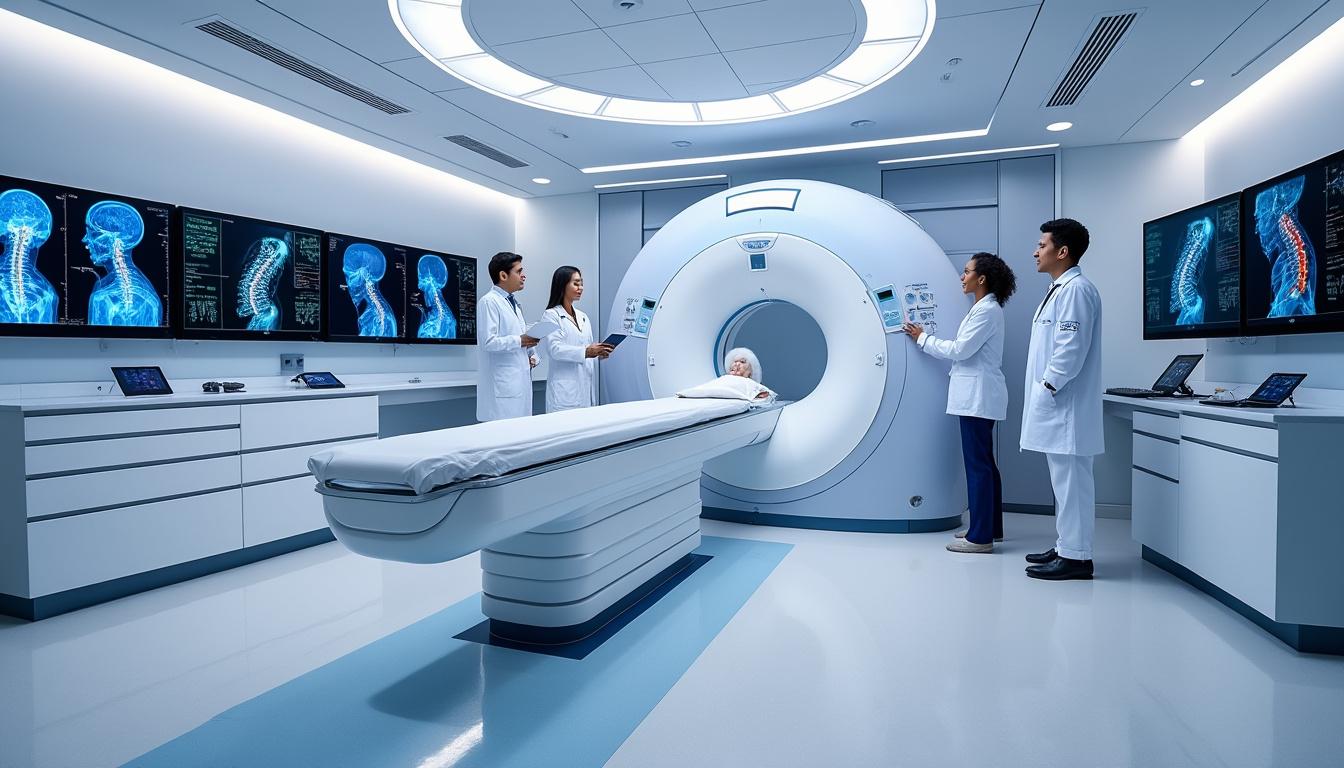
- MRI (Magnetic Resonance Imaging): Gold standard for visualizing intervertebral discs, nerve roots, ligaments, and muscles. Essential for detecting herniated discs and nerve compressions precisely.
- Electromyography (EMG) and Nerve Conduction Studies (NCS): Assess nerve electrical activity to identify nerve damage or compression.
These diagnostic modalities, combined with clinical examination, allow experts like Dr. Desforges to separate overlapping symptoms and formulate personalized care plans that prioritize conservative measures before invasive steps. This scientific yet empathetic approach upholds medical ethics and provincial health regulations while integrating novel modalities.
| Diagnostic Method | Purpose | Usage in Neck Pain | Usage in Low Back Pain |
|---|---|---|---|
| X-ray | Identify bone fractures, alignment | Routine initial imaging | Initial to rule out fractures |
| CT Scan | Bone and narrow canal assessment | Supplement to X-ray | Assess spinal stenosis and calcifications |
| MRI | Soft tissue and nerve evaluation | Preferred to identify disc issues | Essential for herniated disc diagnosis |
| EMG/NCS | Measure nerve function | Assess nerve root compression | Confirm radiculopathy |
Conservative Treatment Approaches: Non-Surgical Management in Neck and Lower Back Pinched Nerve and Herniated Disc Cases
Initial management for both pinched nerves and herniated discs prioritizes conservative methods aimed at pain relief, nerve decompression, and restoration of function. This includes:
- Activity modification and rest: Avoiding aggravating activities to allow tissue healing.
- Physical therapy: Customized exercise regimens improve spinal mobility, strengthen supporting musculature, and relieve nerve irritation.
- Medications: NSAIDs, analgesics, and corticosteroids reduce inflammation and mediate pain.
- Ice and heat therapy: Cold combats swelling while heat relaxes tense muscles.
- Spinal decompression therapy: Innovative non-invasive technique using devices from brands like Teeter and ComfyMed to gently stretch the spine and relieve nerve pressure.
Patients at TAGMED Clinic benefit from a blend of traditional osteopathic manipulations and cutting-edge technologies such as neurovertebral decompression, laser treatment, and the potential use of dynamic spinal implants for chronic conditions. This interdisciplinarity ensures holistic care while adhering strictly to the highest ethical standards.
| Treatment Type | Pinched Nerve Benefits | Herniated Disc Benefits | Limitations |
|---|---|---|---|
| Physical Therapy | Relieves nerve compression, restores function | Improves spinal stability, reduces inflammation | Requires patient compliance |
| Medications | Pain and inflammation control | Symptom management | Potential side effects with prolonged use |
| Spinal Decompression | Non-invasive relief of nerve pressure | Supports disc healing and pain reduction | Not suitable for severe herniation cases |
This video presents detailed procedural insights into non-surgical spinal decompression, highlighting patient experiences and outcomes.
When Surgery Becomes Necessary: Understanding Surgical Options and Innovations
Though many patients benefit from non-invasive methods, some cases of herniated discs and persistent pinched nerves require surgical intervention. Surgery is generally reserved for:
- Severe or progressive neurological deficits: Such as worsening muscle weakness or loss of bladder/bowel control.
- Chronic pain unresponsive to conservative treatment: Despite months of therapy.
- Significant disc herniation causing nerve impingement: Where mechanical decompression is necessary.
Emerging surgical techniques have improved the safety and efficacy of spine operations. Disc replacement surgeries using devices developed by companies like Medtronic provide dynamic spinal stabilization, preserving mobility. Minimally invasive microdiscectomies reduce tissue damage, and laser-assisted surgeries limit recovery times. Dr. Sylvain Desforges and his team advocate a tailored approach, ensuring each patient receives the most appropriate intervention aligned with their condition and lifestyle.
| Surgical Procedure | Indications | Advantages | Recovery Time |
|---|---|---|---|
| Microdiscectomy | Herniated disc with nerve compression | Minimally invasive, effective pain relief | 4-6 weeks |
| Disc Replacement | Chronic disc degeneration and herniation | Maintains spine motion, reduces adjacent stress | 3-6 months |
| Laser Spine Surgery | Selected herniated discs | Reduced scarring and quicker recovery | Weeks |

Patient-Centered Education: Clear Communication of Symptoms, Diagnosis, and Treatment Pathways
Transparent communication is a cornerstone of effective spinal care. Dr. Sylvain Desforges stresses the importance of delivering complex medical information in clear, accessible language to promote patient understanding and engagement.
Patients may find it difficult to distinguish symptoms between a pinched nerve and herniated disc. Here are some educational points Dr. Desforges highlights:
- Symptom tracking: Documenting pain triggers, frequency, and intensity can clarify diagnosis.
- Role of imaging: MRI and other tests supplement clinical evaluation but do not replace hands-on assessment.
- Benefits and risks of treatments: Understanding conservative therapies as first-line management, with surgery as a last resort, empowers patient decisions.
- Importance of personalized care: Every patient responds uniquely, so customized treatment plans are critical.
Accessible information dispels anxiety and motivates patients to actively participate in their recovery journey. Clinics like TAGMED model a compassionate and reassuring atmosphere where education, innovation, and ethical care converge.
Practical Lifestyle and Ergonomic Recommendations to Prevent Nerve Compression and Disc Injury
Prevention plays a pivotal role in reducing the incidence and recurrence of pinched nerves and herniated discs. Dr. Sylvain Desforges champions strategies that integrate ergonomic principles and healthy habits:
- Maintain good posture: Especially during work or screen time, align the spine to minimize strain.
- Regular physical activity: Low-impact exercise like swimming or walking strengthens spinal muscles supported by products such as Mueller Sports Medicine and Bauerfeind braces.
- Use ergonomic supports: Chairs, lumbar rolls, and neck supports from brands like Aspen Medical and Neck Hammock help maintain spinal alignment.
- Incorporate therapeutic devices: Tools like Theragun for muscle relaxation and Omron Healthcare products for pain monitoring aid recovery and prevention.
- Avoid prolonged static positions: Frequent breaks during desk work or driving reduce nerve compression risk.
| Preventive Strategy | Recommended Product Examples | Health Impact |
|---|---|---|
| Posture Correction | Bauerfeind back braces, DonJoy supports | Improves spinal alignment, reduces nerve pressure |
| Ergonomic Furniture | Aspen Medical chairs and supports | Enhances comfort, prevents strain injuries |
| Muscle Therapy | Theragun devices, ComfyMed cushions | Relaxes muscles, decreases inflammation |
| Functional Monitoring | Omron Healthcare diagnostic tools | Tracks pain and progress for tailored care |
Distinctive Features of Pinched Nerves in Neck versus Lower Back: Symptoms, Causes, and Outcomes
Pinched nerves in the neck differ clinically from those in the lower back because of anatomical variations, nerve distributions, and common etiologies.
Neck Pinched Nerve Characteristics:
- Usually results from cervical disc bulges, osteoarthritis, or muscular strain.
- Symptoms include limited neck mobility, radiating pain to shoulders and arms, and hand numbness or weakness.
- Patients often report difficulty turning their head or lifting objects with their hands.
- Treatment involves cervical traction, physical therapy, and spinal decompression sessions with equipment like Teeter devices.
Lower Back Pinched Nerve Characteristics:
- Commonly associated with lumbar disc protrusion, spinal canal narrowing, or traumatic injury.
- Symptoms include lower back pain radiating down the legs (sciatica), leg weakness, and tingling sensations in the feet.
- Patients may experience difficulty walking or sitting for extended periods.
- Therapeutic approaches focus on lumbar decompression, targeted muscle strengthening, and ergonomic adjustments.
| Aspect | Pinched Nerve in Neck | Pinched Nerve in Lower Back |
|---|---|---|
| Common Causes | Cervical disc issues, arthritis, muscle strain | Lumbar disc protrusion, spinal stenosis, injury |
| Symptoms | Neck stiffness, arm pain, hand numbness | Lower back pain, sciatica, leg numbness |
| Functional Impact | Challenges in head and arm movement | Leg weakness and mobility difficulties |
| Treatment Modalities | Cervical traction, physical therapy, spinal decompression | Lumbar decompression, muscle strengthening, ergonomic support |
This informative video reviews clinical differences, patient testimonials, and therapeutic options distinguishing pinched nerves in the cervical and lumbar regions.
How can I tell if my pain is from a pinched nerve or herniated disc?
You should consult a spine expert who will perform clinical evaluations and imaging studies such as MRI to distinguish between these conditions accurately. Tracking your symptoms and noting pain triggers can help your healthcare provider pinpoint the cause.
Are pinched nerves more common in the neck or lower back?
Pinched nerves frequently occur in both regions, but the causes differ. The neck is more prone to incidents related to arthritis and muscular strain, while the lower back is commonly affected by disc protrusions and spinal canal narrowing.
What are modern non-surgical treatments available for pinched nerves and herniated discs?
State-of-the-art treatments include spinal decompression therapy using equipment like Teeter or ComfyMed, laser therapy, physical therapy, and pain management under expert supervision such as at Clinique TAGMED.
When should surgery be considered for herniated discs or pinched nerves?
Surgery is typically considered if there are severe neurological symptoms such as muscle weakness, loss of bladder control, or if conservative treatments fail to relieve chronic pain over an extended period.
How can I prevent pinched nerves or herniated discs from occurring?
Maintaining good posture, engaging in regular low-impact exercise, using ergonomic supports such as those from Bauerfeind or Aspen Medical, and avoiding prolonged static positions are effective preventive strategies.