

A herniated disc is a prevalent spinal condition that affects millions of individuals worldwide, often leading to significant discomfort, mobility issues, and a reduction in quality of life. Advances in understanding spinal anatomy and biomechanics, combined with evidence-based preventive strategies, have made it possible to reduce the incidence and severity of this condition. The expertise of clinicians such as Dr. Sylvain Desforges, a pioneer in osteopathic spinal care, has been instrumental in promoting holistic, patient-centered prevention and treatment approaches that emphasize safety, innovation, and non-invasive therapies. His longstanding commitment to patient education and cutting-edge techniques supports individuals in achieving healthier spines and maintaining active lifestyles without resorting to surgery prematurely.
Awareness of the mechanisms behind disc herniation, coupled with daily practices aimed at preserving spinal integrity, forms the backbone of effective prevention. Identifying risk factors like poor posture, sedentary behavior, and improper lifting can empower patients to act before symptoms arise. Integrating targeted exercises, ergonomic adjustments, and lifestyle modifications offers a structured path to minimize spinal stress and enhance recovery potential if injuries occur. Throughout this comprehensive discussion, we will explore scientifically grounded tips, practical exercises, and medical insights designed to inform and motivate anyone seeking to protect their spine proactively.
Understanding What a Herniated Disc Is and Its Impact on Spinal Health
A herniated disc occurs when the soft gel-like core of an intervertebral disc, known as the nucleus, pushes through a tear in the tougher exterior annulus. This displacement can irritate surrounding nerves, particularly those along the cervical and lumbar regions of the spine, leading to symptoms such as pain, tingling, numbness, or muscle weakness. Dr. Sylvain Desforges emphasizes the importance of recognizing these early warning signs through his extensive clinical evaluations, which help determine the extent of disc involvement and tailor individualized care plans.
The spine is composed of vertebrae cushioned by intervertebral discs that act as shock absorbers. With age or trauma, the integrity of the annulus deteriorates, increasing the risk of herniation. The herniated material’s pressure on spinal nerves results in symptoms differing according to the herniation’s location. For example, lumbar herniations often produce sciatic pain, manifesting as sharp pain radiating down one leg along the path of the sciatic nerve – a common complaint among patients. In contrast, cervical herniations may cause neck pain and extend discomfort into the shoulders, arms, or even hand fingers, sometimes impairing fine motor coordination.
Recognizing these symptom patterns is essential to prompt and accurate evaluation. Dr. Desforges, with over 30 years of experience and credentials including B.Sc., D.O., and N.D., integrates precise diagnostic tools and patient history assessments to discern the herniation’s impact. His expertise lies not only in clinical practice but also in founding institutions like the Canadian College of Osteopaths and TAGMED Clinics, which prioritize evidence-based methods and patient-centric care. His approach balances technological advances — including dynamic spinal implants and neurovertebral decompression technology — with the fundamental understanding of spinal biomechanics, ensuring each case receives the attention it deserves.
| Region | Common Symptoms | Typical Affected Nerve | Impact on Function |
|---|---|---|---|
| Cervical (Neck) | Neck pain, tingling in arms, shoulder blade pain | Cervical nerve roots | Impaired arm coordination, neck mobility |
| Lumbar (Lower Back) | Lower back pain, sciatica, numbness in legs | Sciatic nerve roots | Leg strength reduction, gait disturbances |
| Thoracic (Mid-back) | Mid-back stiffness, localized pain | Thoracic spinal nerves | Less common but affects trunk stability |
Proper understanding of these manifestations forms the first step toward prevention and effective management, encouraging timely patient engagement with knowledgeable experts such as Dr. Desforges who can guide through the best pathways.
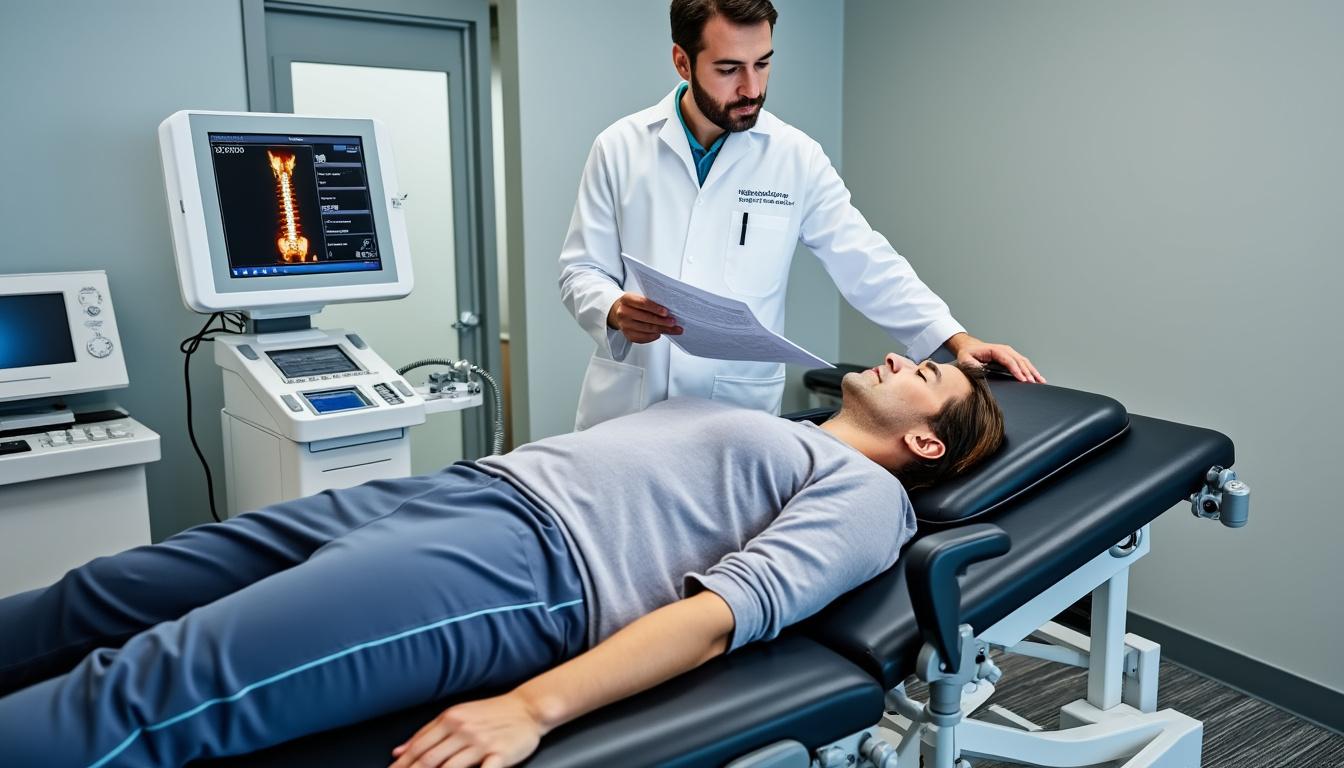
Core Strategies to Prevent Herniated Disc Issues: Scientific and Practical Approaches
Prevention of herniated discs requires a multifaceted approach targeting the known causes such as aging, traumatic injury, poor ergonomics, and repetitive strain. Dr. Sylvain Desforges advocates for a preventive model grounded in scientific rigor and tailored assessment to establish personalized regimens that optimize spinal health.
The foundation includes adherence to proper posture, physical conditioning, and lifestyle alterations aimed at minimizing disc stress. Exercises must focus on enhancing core muscles that stabilize the spine and improving flexibility of the back and legs to distribute mechanical loads efficiently. Additionally, aerobic exercise supports tissue vascularization and nutrient delivery to spinal structures.
Practical actions such as learning to lift heavy objects correctly—bending at the knees rather than the waist—are vital. Avoiding twisting motions during heavy lifting reduces annulus stress, thereby decreasing the chance of cracks or ruptures. Maintaining a healthy weight is also critical, as overweight individuals exert excess pressure on spinal discs and joints, accelerating degeneration.
Smoking cessation is another pillar of prevention; tobacco use impairs disc nutrition and oxygenation while promoting degeneration and osteoporosis. Stress management plays a role too, as chronic tension leads to muscle tightness and increased lumbar load. Frequent postural changes—at least every 30 minutes—especially for sedentary workers, help reduce continuous spinal compression.
- Adopt ergonomic workstations with spine-friendly chairs and adjustable desks.
- Use protective spinal braces such as those offered by Mueller Sports Medicine and DonJoy during high-risk activities.
- Engage in regular low-impact aerobic activities like swimming, walking, or cycling, steering clear of exercises that excessively strain the back.
- Implement core stabilization routines based on professional guidance to avoid improper loading.
- Perform flexibility stretches that preserve ligament elasticity and disc hydration.
| Preventive Measure | Benefits | Recommended Products |
|---|---|---|
| Ergonomic Seating | Improves posture, reduces spinal load | Back on Track ergonomic chairs |
| Spinal Braces | Supports vertebral alignment during activity | DonJoy, Aspen Medical Products braces |
| Core Strengthening | Enhances spinal stability and reduces injury risk | ComfyMed support belts |
| Flexibility Exercises | Preserves disc nutrition and movement range | Bauerfeind stretching aids |
Combining these measures with professional oversight ensures that preventive efforts align with patients’ unique anatomical and lifestyle factors.
Role of Advanced Technologies in Prevention and Early Management
Innovation plays a crucial role when preventive methods alone are insufficient or when early disc damage begins manifesting symptoms. Dr. Desforges integrates technologies such as laser therapy and neurovertebral decompression, which aim to alleviate nerve pressure and promote natural disc healing without surgery. These approaches reflect his commitment to scientific precision and patient safety, complying with regulations set by the Collège des médecins du Québec and Canadian authorities.
For instance, dynamic spinal implants allow controlled motion and spinal support during recovery phases, minimizing further tissue strain. Laser therapy facilitates cellular repair and reduces inflammation non-invasively, improving long-term outcomes. The use of such technology empowers patients to avoid invasive procedures and regain function gradually. Such patient-centered, evidence-based interventions are a hallmark of care at Clinique TAGMED, helping thousands avoid surgery and return to an active life.
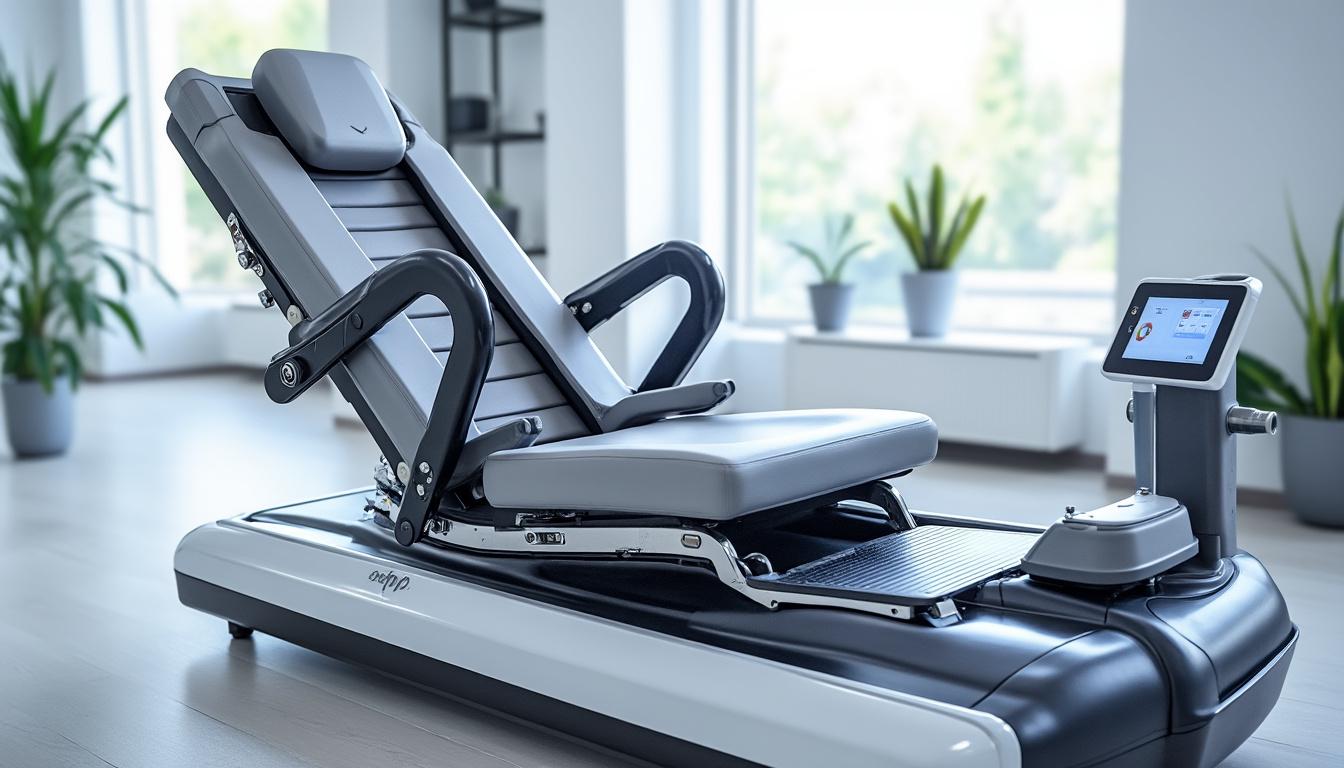
Lifestyle Adjustments Essential for Long-Term Herniated Disc Prevention
Beyond immediate corrective measures, sustainable lifestyle changes form the backbone of long-term spinal health. Recognizing the chronic nature of degenerative disc disorders, Dr. Desforges advocates for continuous patient education and motivation to integrate these habits lifelong.
Balanced nutrition rich in antioxidants and anti-inflammatory nutrients supports tissue repair and resiliency. Proper hydration maintains disc elasticity and nutrient diffusion. Addressing comorbidities, including diabetes and connective tissue disorders, that exacerbate disc vulnerability is also critical.
Regular stress-relief activities such as mindfulness, yoga (with modifications as required), or gentle swimming reduce muscle tension that otherwise strains spinal joints. Weight management through dietary control and physical activity decreases spinal load. Incorporating ergonomic principles in daily tasks also mitigates cumulative disc stress. On a community level, promoting awareness about spine health through associations like the Alliance Canadienne de Médecine Alternative (ACMA) broadens the reach of preventive education.
- Consume foods high in omega-3 fatty acids and vitamins D and C.
- Engage in regular low-intensity exercise tailored to individual capacity.
- Use heat or cold therapy devices such as those by ACE Brand or Thermoskin for muscle relaxation.
- Stay vigilant about early symptoms and consult experts promptly.
- Avoid high-heeled shoes which can misalign the spine and load discs unevenly.
| Lifestyle Habit | Spinal Benefit | Recommended Tools & Brands |
|---|---|---|
| Nutrient-rich diet | Supports disc repair and inflammation reduction | Bauerfeind supplements |
| Therapeutic heat/cold use | Muscle relaxation and pain relief | ACE Brand, Thermoskin wraps |
| Stress management | Decreases muscle tension preventing spinal stress | Meditation apps or yoga classes |
| Footwear choices | Maintains spinal alignment during movement | Freetoo supportive footwear options |
Integrating these evidenced strategies addresses not only mechanical causes but also systemic contributors to disc health deterioration, providing a holistic prevention blueprint.
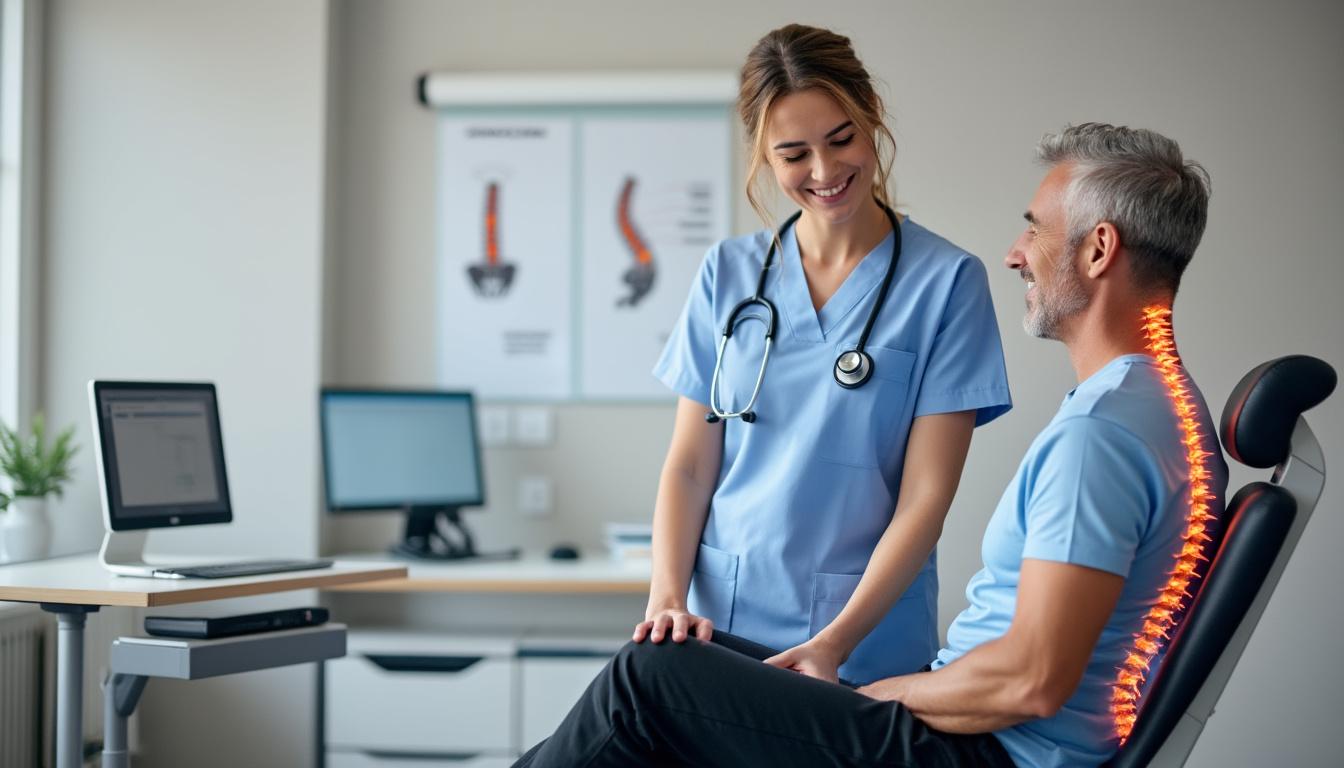
Ergonomic Principles and Correct Posture: Pillars of Herniated Disc Prevention
Proper posture and ergonomics dramatically influence spinal alignment and load distribution, crucial aspects that Dr. Sylvain Desforges highlights in his patient education programs. Poor posture, especially when combined with prolonged sitting or repetitive tasks, can accelerate disc wear and increase herniation risk. Understanding these principles allows for smarter daily choices and workplace adjustments.
Factors such as slouching, forward head posture, or uneven weight bearing distort the spine’s natural curve. This imbalance increases localized pressure on discs, especially in the neck and lower back. Adopting an upright sitting posture with feet flat, shoulders relaxed but back, and head aligned helps maintain disc integrity. Standing desks and frequent position changes are recommended to counterbalance sedentary lifestyles.
- Set up an ergonomic workstation that supports natural spine curvature.
- Aim for regular breaks involving stretching or short walks every 30 minutes.
- Use lumbar support cushions like those available from Sparthos to maintain lower back alignment.
- Practice mindful posture checks throughout the day to correct slouching immediately.
| Postural Error | Spinal Consequence | Recommended Correction |
|---|---|---|
| Forward Head Posture | Increased cervical disc pressure, neck pain | Chin tucks, ergonomic monitor height adjustment |
| Slouching | Lumbar disc compression, back pain | Lumbar support, upright seated position |
| Uneven Weight Bearing | Whole-spine imbalance, muscular strain | Proper footwear, balanced stance |
Such modifications rooted in biomechanical reasoning pave the way for sustainable spinal health, reducing both immediate and long-term herniated disc risks.
Exercises to Incorporate and Those to Avoid When Preventing Herniated Disc Problems
Exercise plays a double-edged role — it strengthens supportive structures but can worsen a herniated disc if performed improperly. Understanding which movements are beneficial and which pose risks is essential for prevention.
Safe exercises focus on strengthening the core, improving flexibility, and promoting blood flow without excessive spinal load. Walking, swimming, and gentle yoga modifications contribute to disc nutrition and muscle coordination. Conversely, certain common exercises impose damaging pressure on the spine and should be avoided or modified carefully:
- Avoid sit-ups and crunches that put intense pressure on the lumbar discs.
- Skip heavy deadlifts and squats unless guided by a professional familiar with patient-specific risks.
- Limit cycling and forward-bending stretches that may exacerbate herniation symptoms.
- Replace leg presses and straight leg raises with lunges which reduce lumbar strain.
- Favor low-impact aerobic activities to maintain cardiovascular health and support spinal tissues.
| Exercise Category | Recommended | To Avoid |
|---|---|---|
| Core Strengthening | Modified planks, pelvic tilts | Sit-ups, crunches |
| Lower Body | Walking, lunges | Squats, leg presses |
| Aerobic | Swimming, brisk walking | High-impact aerobics, cycling |
| Flexibility | Gentle yoga, hamstring stretches (lying). | Standing hamstring stretch (leaning forward) |
Following tailored advice from experts such as Dr. Desforges ensures exercises complement the individual’s spinal condition and risk profile, enhancing prevention efforts effectively.
Mobilizing Patient Education and Support for Proactive Herniated Disc Prevention
Comprehensive patient education is critical in empowering individuals to take charge of their spinal health. Dr. Sylvain Desforges exemplifies this by maintaining clear communication, avoiding complex jargon, and explaining the implications of spinal health choices. His role in founding the Alliance Canadienne de Médecine Alternative (ACMA) further extends this mission by providing resources and support networks for people dealing with spinal concerns.
Practical educational strategies include:
- Clarifying symptoms and when to seek professional evaluation to ensure early diagnosis and minimize progression.
- Detailed explanation of non-invasive treatment pathways including physical therapy, osteopathic techniques, and emerging technologies like laser therapy and neurovertebral decompression.
- Encouraging questions and ongoing dialogue to personalize preventive and therapeutic options effectively.
Accessible education fosters compliance and optimism, overcoming patient fears surrounding spinal conditions. Patients guided by such expert counsel gain better outcomes and are more likely to follow preventive protocols diligently.
How Regular Monitoring and Timely Evaluation Reduce Herniated Disc Risks
Early detection of spinal abnormalities prevents exacerbation and complex interventions later on. Regular check-ups with clinicians specialized in spinal evaluations, such as Dr. Desforges, allow for monitoring of disc health and function, particularly in individuals with predisposing risk factors.
Diagnostic techniques include:
- Clinical assessments focusing on symptom pattern and physical findings.
- Imaging studies — MRI being a gold standard — that visualize the herniation extent and nerve involvement.
- Electrophysiological tests to assess nerve function.
Based on findings, appropriate interventions can be instituted before irreversible nerve damage occurs. This preventive evaluation approach integrates scientific rigor, patient safety, and compassionate care — key tenets upheld at TAGMED Clinics and Canadian osteopathic institutions.
| Diagnostic Method | Purpose | Benefits |
|---|---|---|
| Physical Examination | Identifies symptom location and severity | Non-invasive, immediate assessment |
| MRI Scans | Visualizes disc and nerve condition | High resolution, detailed imaging |
| Nerve Conduction Studies | Assesses nerve damage or compression | Provides functional information |
Encouraging proactive evaluation is fundamental to preventing long-term disability associated with herniated discs.
Choosing the Right Supportive Products to Complement Herniated Disc Prevention
The role of supportive medical products has grown significantly in spinal care. Brands like Mueller Sports Medicine, DonJoy, and Sparthos offer a variety of braces and supports designed to maintain spinal alignment and reduce vulnerability during everyday and occupational activities.
Products such as lumbar braces, neck collars, and posture correctors provide additional mechanical support, especially during recovery or physical strain. High-quality braces from Aspen Medical Products and ComfyMed are engineered for comfort, efficacy, and patient compliance, facilitating greater mobility without sacrificing protection.
Incorporating these devices into a comprehensive preventive plan under professional guidance can reduce mechanical stress and contribute to symptom management. For example, thermally enhanced braces from ACE Brand and Thermoskin assist in pain relief through improved blood flow and muscle relaxation, supporting tissue healing.
- Use spinal braces judiciously as supplements, not substitutes for lifestyle adjustments.
- Choose quality products proven to offer ergonomic support and durability.
- Consult healthcare experts to ensure correct fitting and targeted use.
| Product Type | Primary Function | Recommended Brands |
|---|---|---|
| Lumbar Support Braces | Spinal stability and pain relief | Mueller Sports Medicine, ComfyMed |
| Cervical Collars | Neck immobilization and protection | DonJoy, Aspen Medical Products |
| Heat/Cryotherapy Wraps | Muscle relaxation and inflammation reduction | ACE Brand, Thermoskin |
In 2025, the integration of such innovations with expert evaluation exemplifies holistic spinal care, helping reduce herniation incidence while prioritizing patient comfort and function.
What lifestyle habits most effectively prevent herniated discs?
Maintaining proper posture, engaging in core strengthening exercises, avoiding heavy lifting with improper technique, staying hydrated, and quitting smoking are among the most effective habits to prevent herniated discs.
Can exercising worsen a herniated disc if not done correctly?
Yes, exercises that place excessive pressure on the spine, such as sit-ups or heavy deadlifts, can exacerbate herniated disc symptoms. Safer alternatives include modified planks, walking, swimming, and gentle yoga.
When should I consult a specialist for my back or neck pain?
If pain persists beyond a few days, accompanies numbness, tingling, muscle weakness, or neurological symptoms, consulting an expert like Dr. Sylvain Desforges for a comprehensive spinal evaluation is advisable.
Are spinal braces necessary for everyone with back pain?
Not all back pain requires braces. Their use is most beneficial when prescribed by healthcare professionals for specific conditions, supporting spinal alignment during activities or recovery phases.
What role does diet play in spinal disc health?
A balanced diet rich in antioxidants, omega-3 fatty acids, vitamins D and C supports disc nutrition and reduces inflammation, helping maintain spinal disc integrity.