

In the rapidly evolving landscape of healthcare, the coordination of non-surgical care has taken center stage, especially in managing complex conditions like spinal disorders. Efficient referral networks connecting primary care providers and specialists form the backbone of patient-centered care, ensuring timely interventions and optimal outcomes. Dr. Sylvain Desforges, an expert with over 30 years of clinical experience in spinal care and osteopathy, embodies this integrated approach by emphasizing evidence-based, personalized patient management while fostering collaboration among healthcare professionals. Understanding the intricacies of referral coordination—why, when, and how patients are directed within the healthcare system—can dramatically influence the quality and cost-effectiveness of care delivered.
Developing and sustaining a high-functioning referral network requires meticulous data analytics, transparent communication, and leadership committed to continuous improvement. Institutions like Mayo Clinic, Cleveland Clinic, and Johns Hopkins Medicine have long exemplified these principles, shaping practices that prioritize patient safety and innovation. In this article, we delve into the essential elements of non-surgical care coordination for referring clinicians, addressing challenges, solutions, and the pivotal roles that evidence-based guidance and patient engagement play in enhancing healthcare delivery in 2025.
Building a High-Functioning Specialist Referral Network for Non-Surgical Care
For primary care providers managing patients with spinal complaints or chronic musculoskeletal conditions, knowing when to refer to a specialist is critical. A high-functioning referral network balances clinical judgment, timely intervention, and patient preferences to avoid unnecessary procedures while expediting appropriate care paths.
Key components of an effective referral network include:
- Comprehensive data analytics to identify referral trends, outcomes, and utilization patterns.
- Clear criteria for referral based on evidence-based guidelines and clinical decision support systems.
- Strong communication channels between referring clinicians and specialists, ensuring continuity and coordinated care.
- Patient-centered coordination emphasizing education and engagement in the referral process.
- Access management to optimize appointment scheduling, reducing delays in care delivery.
Understanding the motivations behind referrals, such as worsening symptoms or failure of conservative treatment, assists clinicians in making informed decisions. The separation between office-based care and hospital services has historically fragmented referral pathways, but modern integrated systems leverage electronic health record (EHR) technologies to streamline information exchange and appointment coordination.
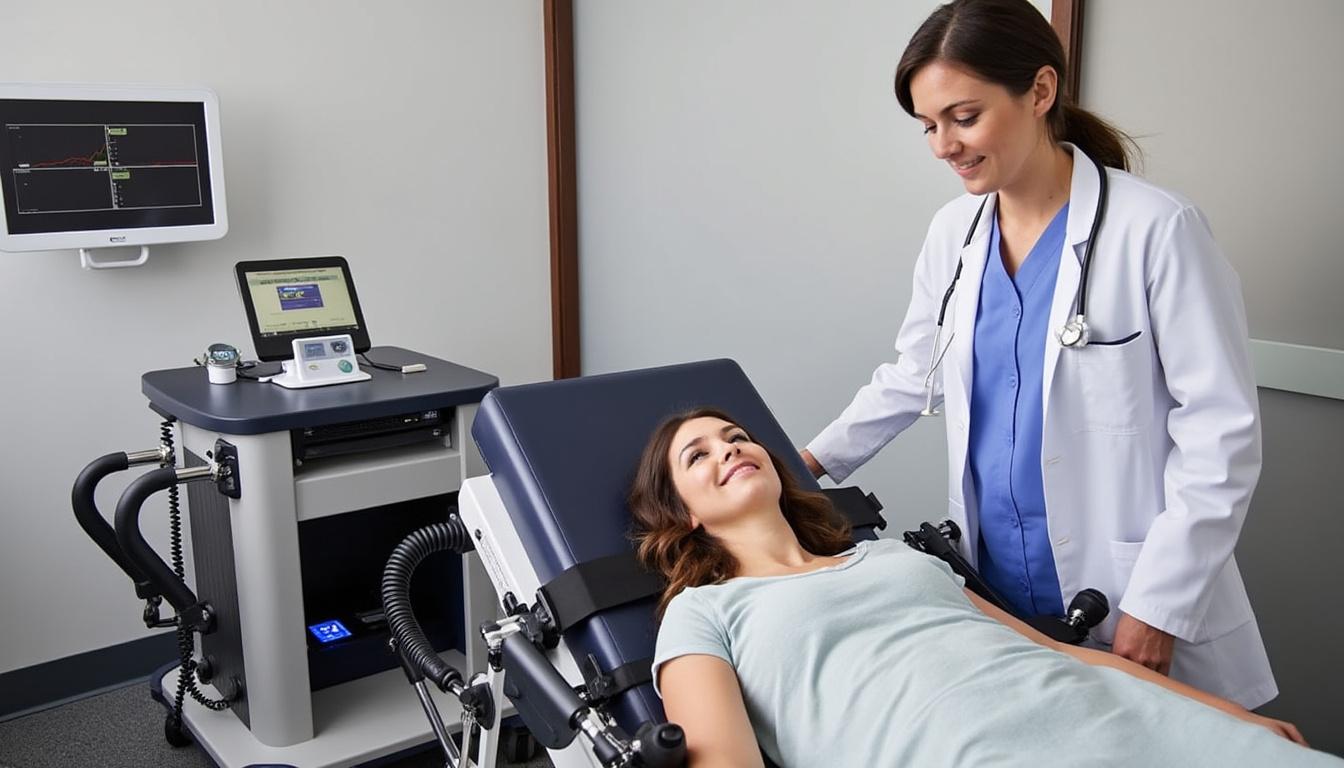
At Clinique TAGMED, Dr. Sylvain Desforges employs advanced spinal decompression therapy in close collaboration with referring physicians, showcasing how innovation and interdisciplinary care converge in non-surgical spinal interventions. This approach provides patients with conservative treatment alternatives that can preclude the need for invasive surgical procedures.
| Referral Network Element | Key Features | Benefits |
|---|---|---|
| Data Analytics | Monitoring referral patterns, treatment outcomes, patient demographics | Improved decision-making and resource allocation |
| Communication | Timely sharing of clinical findings, treatment plans, and expectations | Enhanced care coordination and patient safety |
| Patient Engagement | Education on referral reasons and treatment options | Increased adherence and satisfaction |
| Access & Scheduling | Direct scheduling into specialists’ calendars at point of referral | Reduced wait times and better utilization of specialist services |
| Leadership & Oversight | Physician champions facilitating collaboration and network maintenance | Continuous quality improvement and engagement |
Understanding the Dynamics of Referral Decisions in Non-Surgical Care
Referral decisions are seldom arbitrary; they reflect nuanced clinical reasoning, patient context, and system-level factors. Clinicians must evaluate whether a referral is necessary, weighing the potential benefit against costs and patient preferences.
Some common reasons prompting referrals include:
- Persistent or worsening symptoms despite conservative care.
- Diagnostic uncertainty requiring specialist evaluation or imaging.
- Complex comorbidities demanding multidisciplinary input.
- Need for advanced non-surgical interventions not available in primary care.
Often, primary care providers hesitate to refer prematurely, partly due to uncertainties about specialists’ expectations or concerns over patient costs. Establishing clear guidelines aligned with authoritative sources such as the Collège des médecins du Québec and organizations like the Mayo Clinic or Kaiser Permanente helps mitigate variability and ensures referrals are appropriately targeted.
Effective referrals involve:
- Exhausting primary care management options, such as physical therapy or medication optimization.
- Identifying the most suitable specialist or service, considering accessibility, expertise, and prior outcomes.
- Engaging the patient with clear explanations about referral rationale, expected procedures, and possible timelines.
These steps prevent unnecessary interventions and empower patients in their care journey. For instance, Dr. Desforges illustrates this by dedicating consultation time to explain how neurovertebral decompression can relieve herniated disc symptoms, aligning patient expectations with realistic outcomes.
| Referral Phase | Responsibility | Best Practice |
|---|---|---|
| Initial Evaluation | Primary Care Provider | Comprehensive clinical assessment and conservative management |
| Decision to Refer | Primary Care Provider | Use of referral criteria and clinical decision support tools |
| Referral Communication | Referring Clinician & Specialist | Complete transfer of clinical information and patient education |
| Follow-Up Coordination | Specialist & Primary Care Provider | Timely exchange of consultation results and treatment plans |
Enhancing Communication Between Referring Clinicians and Specialists
Effective communication stands as the cornerstone of a functional referral network. Yet, barriers such as fragmented systems, differing documentation practices, and workload pressures often hinder consistent information exchange. Studies indicate that referring clinicians receive feedback from specialists less than 40% of the time following a consultation, underscoring a critical gap.
Bridging this gap requires deliberate strategies:
- Implementing shared electronic health records (EHRs) that allow real-time updates accessible to both parties.
- Standardizing referral and consultation templates, ensuring comprehensive yet concise clinical notes.
- Encouraging direct communication via phone or secure messaging, especially for complex cases.
- Designating care coordinators or case managers to facilitate smooth handovers and follow-ups.
- Educating clinicians on the value of reciprocal communication in improving patient outcomes and satisfaction.
Dr. Sylvain Desforges emphasizes that specialists must recognize the primary care physician’s pivotal role in maintaining continuity of care, and timely sharing of consultation notes is vital.
| Communication Strategy | Description | Outcome |
|---|---|---|
| Shared EHR Systems | Real-time, comprehensive access to patient data | Improved coordination and reduced duplicative testing |
| Standard Referral Forms | Structured clinical communication templates | Clear expectations and efficient information transfer |
| Direct Clinician Contact | Phone calls or messaging for urgent and complex discussions | Faster decision-making and enhanced collaboration |
| Case Management | Dedicated personnel to coordinate between clinicians | Smoother transitions and patient adherence |
| Clinician Education | Training on communication importance and techniques | Increased awareness and improved reporting rates |

Optimizing Access and Efficiency in Non-Surgical Referral Networks
Timely access to specialists is paramount for patient satisfaction and clinical outcomes. However, delays stemming from appointment backlogs, insurance barriers, or geographic limitations often frustrate patients and clinicians alike.
Strategies to optimize access include:
- Direct scheduling capabilities at the point of referral to reduce patient burden and improve adherence.
- Utilizing telehealth consultations to overcome geographic and mobility challenges.
- Expanding specialist availability through extended hours or same-day appointments.
- Regular performance monitoring of wait times and referral patterns to identify and address bottlenecks.
- Patient navigation services guiding patients through complex healthcare systems.
At TAGMED Clinics, Dr. Desforges has integrated scheduling technologies and follow-up protocols that enable referring clinicians to book appointments directly into specialist calendars, markedly reducing wait times for patients with spinal conditions.
| Access Strategy | Implementation | Benefits |
|---|---|---|
| Direct Scheduling | Real-time booking during referral process | Improved patient compliance and reduced no-shows |
| Telehealth Services | Remote consultations for initial or follow-up visits | Expanded accessibility and convenience |
| Universal Extended Hours | Specialist availability during evenings/weekends | Flexibility for working patients |
| Performance Monitoring | Analyzing referral wait times and trends | Data-driven improvements in access |
| Patient Navigation | Dedicated staff assisting patients post-referral | Enhanced satisfaction and care continuity |
Addressing Variation and Consistency in Referral Practices
Inconsistency in referral frequency and target specialists among primary care providers can create inefficiencies and patient confusion. Significant variability often signals opportunities for education and network refinement.
Data from integrated networks such as Village Family Practice highlight discrepancies where some physicians refer two to four times more to certain specialties than their peers, unrelated to patient demographics. Addressing this inconsistency involves:
- Utilizing data analytics to monitor individual clinician referral patterns.
- Providing feedback and educational support to align referral behavior with evidence-based standards.
- Developing consensus-driven referral guidelines to reduce unwarranted variability.
- Engaging physician leaders to promote best practices and adherence.
- Encouraging open dialogue about challenges and alternatives to referral.
Dr. Desforges actively participates in mentoring programs that empower primary care providers to enhance diagnostic skills related to spinal health, aiming to reduce unnecessary specialty consultations while ensuring timely access when warranted.
| Variability Factor | Impact | Mitigation Strategy |
|---|---|---|
| Referral Frequency Variation | Unequal specialist workload and patient inequities | Data monitoring and targeted education |
| Referral Destination Variation | Confusion and inefficiency in care pathways | Standardized referral algorithms |
| Clinical Practice Disparities | Diverging diagnostic and treatment strategies | Peer learning and protocol development |
| Communication Gaps | Coordination failures and duplicated tests | Interdisciplinary communication training |
| Cultural Resistance | Inertia against change and inconsistent adoption | Leadership engagement and feedback mechanisms |

Emphasizing Cost-Conscious Referral Decisions in Coordinated Care
Specialty care costs often represent a significant portion of healthcare expenditures. Data from networks such as VillageMD indicate specialty services comprise roughly 20-25% of medical expenses, underscoring the importance of cost-conscious referral decisions in non-surgical care coordination.
Key considerations for cost-conscious referrals include:
- Awareness of varying site-of-service charges, for example, outpatient facilities versus hospital-based services.
- Encouraging utilization of lower-cost, high-quality sites such as ambulatory surgical centers or dedicated imaging facilities.
- Education on insurance coverage and patient out-of-pocket implications.
- Collaboration with specialists to select resource-efficient diagnostic and treatment options.
- Monitoring clinical outcomes alongside costs to ensure value-based care.
To illustrate, the average cost of an endoscopy in a hospital setting can be double that performed in an outpatient surgical facility, and CT scans may cost up to six times more in hospitals compared to freestanding centers. Approaches championed by Dr. Desforges focus on integrating such cost-effective strategies while maintaining clinical excellence and patient safety.
| Service Type | Typical Cost Ratio (Hospital vs Outpatient) | Value-Based Considerations |
|---|---|---|
| Endoscopy | 2x Hospital cost | Use outpatient centers for uncomplicated cases |
| CT Scan | 6x Hospital cost | Prefer freestanding imaging facilities |
| MRI Scan | >2x Hospital cost | Consider accessibility and insurance coverage |
| Specialist Consultation | Variable costs by location | Focus on integrated networks providing timely access |
Role of Physician Leadership in Cultivating Referral Networks
Physician leaders play an indispensable role in shaping and sustaining effective referral networks. Their unique position enables them to bridge primary care and specialty divides, advocate for standards, and facilitate feedback that supports continuous quality improvement.
Responsibilities of physician leaders include:
- Engaging with both referring and specialist clinicians to identify needs and gaps.
- Promoting transparency in the criteria for inclusion or exclusion from preferred networks.
- Leading educational initiatives to align referral practices with evolving clinical guidelines.
- Championing patient-centered approaches, ensuring care is timely and appropriate.
- Using data analytics to monitor network performance and address variations or inefficiencies.
Dr. Sylvain Desforges exemplifies this leadership by fostering interdisciplinary collaboration within TAGMED Clinics and his roles at the Canadian College of Osteopaths and the Alliance Canadienne de Médecine Alternative. His commitment to integrating innovation and evidence-based care further empowers clinicians to deliver superior non-surgical spinal treatments.
| Leadership Role | Key Activities | Impact |
|---|---|---|
| Network Development | Identify clinicians, foster collaboration | Coordinated care pathways |
| Quality Oversight | Monitor outcomes and adherence | Improved referral appropriateness |
| Education | Train clinicians on referral guidelines | Standardized practice and reduced variability |
| Data Utilization | Analyze referral and utilization data | Informed network adjustments |
| Patient Advocacy | Promote patient-centered communication | Enhanced satisfaction and trust |
Integrating Technology and Innovation to Support Referral Coordination
Technological advancements provide unprecedented opportunities to enhance referral coordination, especially in non-surgical care paradigms. Tools such as artificial intelligence, telemedicine platforms, and dynamic scheduling systems allow for streamlined processes and data-driven decision-making.
Innovations include:
- Neurovertebral decompression devices that reduce spinal pressure non-invasively.
- Laser therapy techniques for pain modulation and tissue regeneration.
- Dynamic spinal implants improving spinal stability without extensive surgery.
- Integrated EHR platforms providing real-time communication and care coordination.
- Patient engagement apps offering education and appointment reminders.
At facilities like TAGMED Clinics, under Dr. Desforges’ guidance, these technologies are employed with scientific rigor and a dedication to patient safety. Such innovation not only enhances therapeutic outcomes but also facilitates seamless collaboration among healthcare providers.
| Technology | Application in Non-Surgical Care | Patient & Provider Benefits |
|---|---|---|
| Neurovertebral Decompression | Spinal disc herniation relief | Non-invasive, reduces need for surgery |
| Laser Therapy | Pain relief and tissue healing | Accelerated recovery and comfort |
| Dynamic Implants | Stabilizing spine dynamically | Maintains mobility and reduces invasiveness |
| Integrated EHR | Facilitates communication and referral tracking | Improved care coordination and safety |
| Patient Apps | Education and follow-up reminders | Enhances adherence and empowerment |
Patient-Centered Approaches in Coordinating Non-Surgical Care
The essence of a successful referral network lies in prioritizing the patient’s experience and needs throughout the care continuum. Personalized education, empathy, and ongoing support empower patients, fostering adherence and better health outcomes.
Effective patient-centered strategies include:
- Clear explanations of the purpose, expectations, and benefits of non-surgical interventions.
- Accessible educational resources tailored to patients’ literacy and cultural background.
- Engagement in shared decision-making that respects individual preferences and values.
- Continuity of care through consistent communication between providers and with the patient.
- Encouraging questions and feedback, creating a welcoming environment for patient concerns.
Dr. Sylvain Desforges’ comprehensive evaluation process exemplifies this approach, ensuring each patient receives tailored recommendations instead of general diagnoses, which can alleviate anxiety and build trust. His integrative model supports not only symptom relief but long-term spinal health and function.
| Patient-Centered Element | Implementation | Benefits |
|---|---|---|
| Educational Consultation | One-on-one sessions explaining therapies | Increased understanding and compliance |
| Shared Decision-Making | Involving patients in treatment choices | Enhanced satisfaction and empowerment |
| Personalized Care Plans | Tailored to patient’s symptoms and needs | Improved clinical outcomes |
| Continuous Support | Follow-up communication and adjustments | Stronger patient-provider relationship |
| Open Feedback Channels | Encouraging patient questions and concerns | Better adherence and trust |
What defines a high-quality referral in non-surgical care?
A high-quality referral occurs when the primary care provider has exhausted conservative treatments, identified an appropriate specialist, and the patient understands why the referral is necessary along with anticipated procedures.
How can communication between referring clinicians and specialists be improved?
Implementing shared electronic health records, standardized forms, direct communication channels, case management, and clinician education all contribute to improved information exchange and coordination.
What role does data analytics play in referral coordination?
Data analytics monitor referral patterns, identify variability, support targeted education, and inform network development to improve care quality and efficiency.
Why is cost-consciousness important in referral decisions?
Specialty care can represent a major portion of expenses; choosing lower-cost, high-quality facilities for non-surgical procedures maximizes value while maintaining care standards.
How does patient-centered care influence non-surgical referral outcomes?
Engaging patients through education, shared decision-making, and personalized care plans increases adherence, satisfaction, and overall treatment success.