

Low back pain (LBP) remains one of the most pervasive health issues worldwide, impacting mobility, productivity, and overall quality of life in 2025. Despite ongoing advances in medical technology and preventive care, the burden of LBP on healthcare systems continues to escalate, making the identification and management of its risk factors increasingly essential. Understanding these factors not only supports more targeted interventions but also empowers patients to take proactive steps toward maintaining spinal health. This article explores the multifactorial nature of LBP risk factors, drawing on the expertise of Dr. Sylvain Desforges, an authority in spinal care whose pioneering work integrates osteopathy, advanced decompression technologies, and patient-centered evaluation methods.
With over 30 years of clinical experience, Dr. Desforges emphasizes evidence-based approaches and innovation in spinal health, promoting non-invasive interventions and lifestyle modifications to reduce LBP incidence. This comprehensive overview is designed to clarify the complexities of LBP risk factors for patients and healthcare providers alike, ensuring clear understanding of individual vulnerabilities and paths to resilience.
Key Risk Factors Influencing Low Back Pain Development and Progression
Low back pain arises from an intricate interplay of physical, psychological, and environmental factors that vary in impact from person to person. Central among these risk factors is a previous history of LBP, which statistically increases the likelihood of recurrent episodes. Dr. Sylvain Desforges highlights that an initial lumbar spine injury can create a predisposition to chronic issues due to altered biomechanics and muscular compensations.
Beyond prior injury, demographic variables also influence risk. For example, women tend to report higher incidence rates, a trend possibly linked to anatomical, hormonal, and occupational aspects. In occupational settings, repetitive heavy lifting, prolonged standing, and monotonous job roles correlate strongly with increased LBP risk. Conversely, jobs providing social support and engaging environments tend to mitigate psychological stressors that exacerbate pain perception.
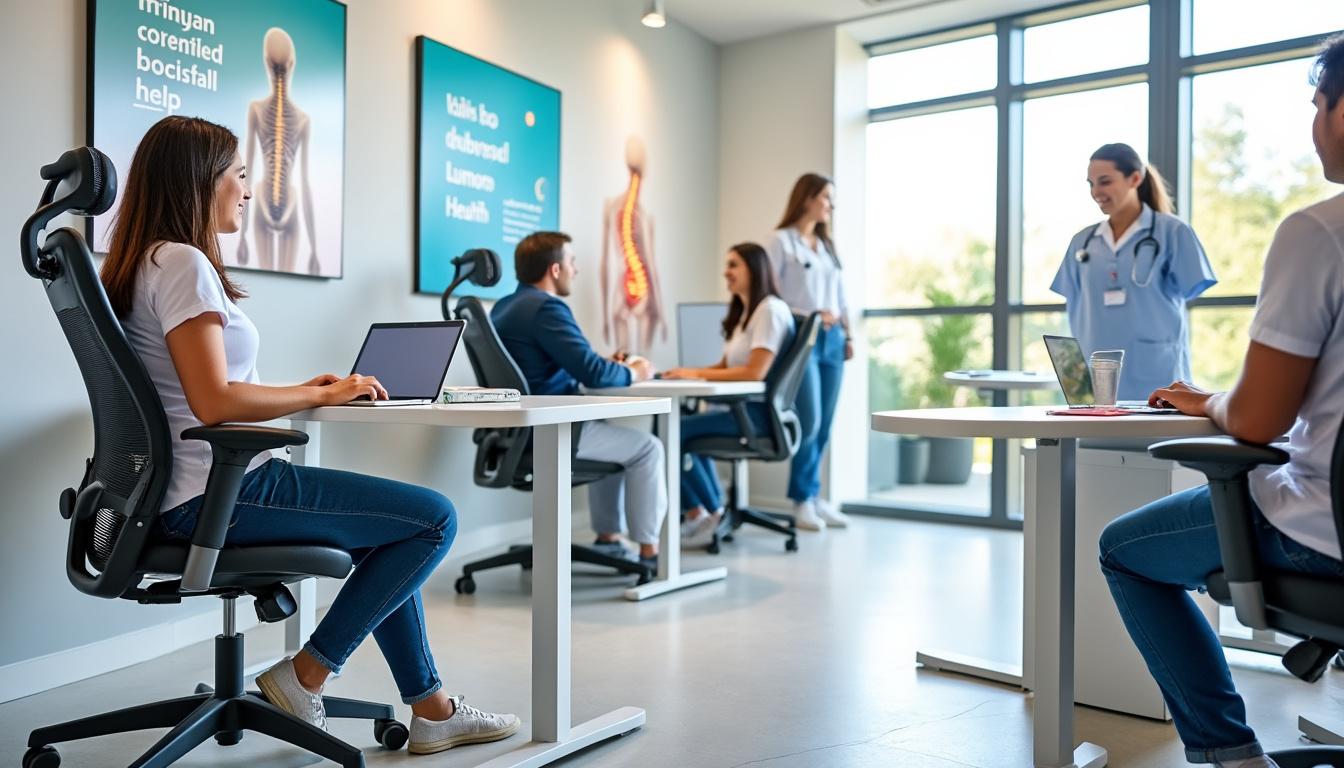
Lifestyle components contribute markedly to LBP as well. Obesity, often quantified by a body mass index exceeding 30 kg/m2, imposes mechanical stress on spinal structures and is associated with inflammatory pathways worsening pain. Sedentary behavior can weaken core musculature critical for spinal stability, while excessive standing or walking over two hours daily, particularly without ergonomic support such as lumbar support cushions or standing desks, may also increase risk. Integrating ergonomic chairs and orthopedic mattresses into daily environments helps counteract these stresses.
Identifying Modifiable Versus Non-modifiable Factors in LBP
In the realm of comprehensive spinal healthcare, recognizing which risk factors can be altered versus those that are inherent forms the basis for effective prevention. Dr. Desforges repeatedly stresses the importance of targeting modifiable risks through education and personalized care plans.
Non-modifiable factors include:
- Age-related degenerative changes in spinal discs and joints
- Genetic predisposition influencing disc composition and pain sensitivity
- Sex-based anatomical differences
Modifiable risk factors encompass:
- Poor posture and ergonomics – correctable by using posture correctors and customized workstation setups
- Obesity and metabolic syndromes – manageable through diet and increased physical activity
- Physical inactivity and weak core muscles – addressable via regular exercise regimes at physical therapy clinics and fitness trackers to monitor progress
- Occupational hazards – preventable by implementing safer lifting techniques, rotating tasks, and integrating ergonomic tools such as standing desks
- Psychosocial stressors – often mitigated by mental health support and workplace social engagement
| Risk Factor Type | Examples | Intervention Strategies |
|---|---|---|
| Non-modifiable | Age, Genetics, Sex | Awareness and regular monitoring |
| Modifiable | Poor posture, Obesity, Physical inactivity, Workplace ergonomics, Stress | Ergonomic adjustments, Weight management, Physical therapy, Mental health support |
This table serves as a guide to help patients and practitioners prioritize interventions accordingly.
The Role of Previous Injury in Increasing Low Back Pain Vulnerability
The most consistent and significant risk factor for low back pain, as identified by extensive systematic reviews led by experts including Dr. Sylvain Desforges, is a prior low back injury. Even after initial recovery, residual biomechanical and neurological changes can predispose individuals to recurrent episodes.
The presence of scar tissue, altered movement patterns, and compensatory muscle activation can perpetuate mechanical stress on spinal discs and facet joints. These factors collectively lower the pain threshold and reduce the spine’s natural resilience.
Understanding this relationship underscores why preventive care following an acute LBP episode is crucial. Early intervention strategies focus on restoring normal movement, strengthening core musculature, and educating patients to avoid behaviors that may trigger recurrence. Physical therapy clinics specializing in spinal rehabilitation offer tailored programs incorporating targeted exercises, manual therapy, and advanced technologies like neurovertebral decompression therapy.
Examples of common injury-related risk scenarios include:
- A warehouse worker with a history of lumbar strain returning to heavy lifting without proper core stability training.
- An office worker whose previous disc herniation leads to recurring discomfort worsened by prolonged sitting without lumbar support cushions.
These cases highlight the need for personalized evaluation, a pillar of Dr. Desforges’ approach at TAGMED Clinics, to create effective, patient-centered care plans that address individual risk profiles and functional demands.
| Injury Type | Possible Long-term Effects | Recommended Interventions |
|---|---|---|
| Lumbar Strain | Muscle imbalance, reduced flexibility | Core strengthening, ergonomic modifications |
| Disc Herniation | Recurrent pain episodes, nerve root irritation | Spinal decompression therapy, posture correction |
| Facet Joint Injury | Chronic joint pain, reduced range of motion | Manual therapy, pain relief creams |
Occupational and Lifestyle Influences on Low Back Pain Incidence
Occupational factors significantly impact low back pain development. Physically demanding jobs involving repetitive heavy lifting, frequent bending, and prolonged standing elevate the risk. Jobs perceived as monotonous or socially isolating tend to compound psychological stress, which studies show can intensify pain perception and disability levels.
Lifestyle choices, including physical inactivity and obesity, magnify these risks. The integration of ergonomic solutions such as special orthopedic mattresses for restorative sleep and lumbar support cushions during prolonged sitting provides critical support to spinal health.
Postural issues deriving from prolonged sedentary work can be alleviated by adopting standing desks and regular movement breaks, coupled with guidance from physical therapy clinics. Wearing appropriate sportswear brands that offer support during workouts also contributes favorably to muscular conditioning and injury prevention.
- Incorporate regular stretching and strengthening exercises aligned with ergonomic best practices.
- Limit continuous standing or walking beyond two hours without adequate rest.
- Implement workplace programs focused on mental wellbeing and social support.
| Occupational Factor | Effect on Low Back Pain | Preventive Measures |
|---|---|---|
| Heavy Lifting | Increased mechanical load, disc stress | Proper lifting techniques, use of lifting aids |
| Monotonous Repetitive Tasks | Muscle fatigue, psychological stress | Task rotation, job enrichment |
| Prolonged Standing | Muscle overuse, joint compression | Scheduled breaks, anti-fatigue mats |
Psychological and Social Dimensions Contributing to Low Back Pain Risk
Psychosocial factors play a pivotal role in the experience and chronicity of low back pain. Stress, depression, anxiety, and lack of social support can exacerbate pain sensitivity and hinder recovery. The perception of a monotonous work environment or the absence of a confidante at work increases vulnerability to LBP.
Dr. Sylvain Desforges points out that holistic care must include attention to these dimensions. Integrating mental health resources and fostering a supportive social network helps patients cope better with pain, leading to improved outcomes.
Effective strategies include:
- Mental health counseling and stress management programs.
- Workplace initiatives to foster social connections and reduce isolation.
- Patient education emphasizing the mind-body connection in pain management.
| Psychosocial Factor | Impact on LBP | Management Approaches |
|---|---|---|
| Stress and Anxiety | Increased muscle tension, heightened pain perception | Relaxation techniques, cognitive-behavioral therapy |
| Workplace Isolation | Reduced coping ability, depressive symptoms | Peer support groups, team-building activities |
| Depressive Disorders | Decreased motivation for rehabilitation | Pharmacotherapy, counseling |
Implementing these psychosocial interventions alongside physical therapies reflects Dr. Desforges’ commitment to comprehensive, evidence-based care that respects the patient’s unique biopsychosocial context.

Innovative Technologies and Techniques Reducing Low Back Pain Risk
The landscape of spinal care has been transformed by technological advancements that offer safer, more effective treatments for LBP. Dr. Sylvain Desforges champions the use of non-invasive spinal decompression therapy, which gently relieves pressure on spinal discs, facilitating healing and pain relief without surgery.
Other emerging technologies gaining traction include:
- Laser therapy targeting inflammation and promoting tissue repair
- Dynamic spinal implants designed to restore natural vertebral movement and prevent degeneration
- Advanced diagnostic tools that provide precise evaluation of spinal disorders to tailor interventions
Hospitals and clinics incorporating these innovations, like Clinique TAGMED, demonstrate the benefits of integrating evidence-based, patient-centered care with cutting-edge medical technology, enhancing recovery rates and minimizing recurrence.
| Technology | Function | Clinical Benefit |
|---|---|---|
| Spinal Decompression Tables | Alleviate disc pressure non-invasively | Reduce pain, improve mobility |
| Laser Therapy | Reduce inflammation, accelerate healing | Decrease pain duration and intensity |
| Dynamic Spinal Implants | Support spine stability with natural motion preservation | Prevent further degeneration |
Ergonomic and Lifestyle Adjustments Essential for Low Back Pain Prevention
Simple yet effective modifications to everyday environments and habits are powerful tools in reducing low back pain risk. Given the growing evidence supporting the use of ergonomic chairs, orthopedic mattresses, and posture correctors, Dr. Desforges advises patients to integrate these elements proactively.
Key recommendations include:
- Adopting ergonomic chairs with lumbar support to maintain natural spinal curvature during sitting
- Utilizing orthopedic mattresses that support the spine during sleep to reduce disc stress
- Employing posture correctors to retrain muscular balance and alignment
- Using fitness trackers to monitor physical activity and encourage adherence to exercise regimens
- Incorporating standing desks to promote periodic shifts from sitting to standing
- Wearing specialized sportswear brands that provide muscular support during exercise
- Applying pain relief creams to manage minor flare-ups during recovery phases
| Ergonomic Tool | Benefit | Usage Tip |
|---|---|---|
| Ergonomic Chairs | Promote proper posture, reduce lumbar strain | Adjust height and lumbar support regularly |
| Orthopedic Mattresses | Support spinal alignment during sleep | Choose firmness based on personal comfort |
| Posture Correctors | Assist muscle memory and alignment | Use for limited periods to avoid muscle dependency |
| Fitness Trackers | Encourage regular activity and monitor progress | Set achievable daily goals |
| Standing Desks | Reduce sitting time, engage core muscles | Alternate sitting and standing every hour |
The Importance of Early Comprehensive Evaluation in Managing Low Back Pain Risks
Dr. Sylvain Desforges advocates that timely and thorough assessment is vital to identifying specific risk profiles and tailoring individualized management strategies. His expertise in osteopathic evaluation allows for nuanced detection of spinal disorders, biomechanics, and compensatory patterns often overlooked in standard medical exams.
Comprehensive evaluation involves:
- Detailed medical and occupational history taking
- Physical examination focusing on posture, flexibility, and muscular strength
- Utilization of advanced imaging and diagnostic modalities when necessary
- Assessment of psychological factors influencing pain perception
Such evaluations enable practitioners to devise customized care plans emphasizing conservative, evidence-based interventions before considering invasive measures. This patient-centered approach aligns with Canadian medical regulatory standards, ensuring ethical and scientifically sound care delivery.
| Evaluation Component | Purpose | Outcome |
|---|---|---|
| Medical History | Identify previous injuries and risk factors | Inform individualized preventive plan |
| Physical Examination | Assess dysfunction and mobility limitations | Targeted therapy and ergonomic advice |
| Imaging | Visualize structural abnormalities | Guide intervention planning |
| Psychosocial Assessment | Evaluate mental health impact | Incorporate supportive resources |
Educational Outreach and Patient Empowerment in Low Back Pain Management
Educating patients on the multifactorial nature of low back pain and the importance of lifestyle and behavioral modifications constitutes a cornerstone of Dr. Desforges’ practice philosophy. Clear communication free of excessive medical jargon fosters better understanding, compliance, and proactive care engagement.
Patient empowerment strategies include:
- Providing accessible information on causes, symptoms, and risk mitigation techniques
- Encouraging active patient participation in care planning and goal setting
- Highlighting the importance of early interventions and regular monitoring
- Supporting questions and concerns to build trust and reduce fear-avoidance behaviors
Such approaches ensure that individuals feel confident to control their spinal health trajectory, potentially decreasing chronicity and healthcare burden.

Personalized Prevention Strategies to Reduce Reoperation and Recurrent Pain Risks
Low back pain recurrence and the risk of subsequent surgeries remain critical concerns. Dr. Desforges’ research and clinical experience underscore the need for individualized prevention plans based on comprehensive assessments.
Key components of such strategies include:
- Core muscle strengthening and flexibility training tailored to the patient’s condition and lifestyle
- Ergonomic workplace assessments and implementation of supportive devices like lumbar support cushions and ergonomic chairs
- Adoption of conservative treatments such as chiropractic services before considering surgical options
- Lifestyle modifications addressing obesity, physical inactivity, and psychological stress
- Long-term monitoring using fitness trackers and follow-up consultations
| Prevention Measure | Targeted Risk | Expected Outcome |
|---|---|---|
| Core Strengthening Exercises | Muscle weakness, poor spinal support | Enhanced stability, reduced recurrence |
| Ergonomic Adjustments | Poor posture, workplace strain | Improved comfort, decreased pain episodes |
| Conservative Treatment Modalities | Disc pathology, injury prevention | Reduced need for surgery |
| Lifestyle Changes | Obesity, inactivity, stress | Improved overall health and resilience |
| Monitoring & Follow-up | Compliance, early detection of relapse | Timely interventions |
Patients interested in reducing their risk of reoperation or recurrent low back pain may refer to studies highlighting top results from prevention programs in Gatineau and other regions implementable within Quebec’s healthcare framework.
Explore effective prevention approaches demonstrated in Gatineau to learn more about reducing surgical interventions.
What are the most significant modifiable risk factors for low back pain?
The most significant modifiable risk factors include poor posture, obesity, physical inactivity, workplace ergonomics, and psychosocial stress. Addressing these can reduce the incidence and severity of low back pain.
How does a previous low back injury affect future pain risk?
A prior injury compromises spinal structures, increasing vulnerability to recurrent pain due to biomechanical changes and reduced spinal resilience. Early rehabilitation and preventive strategies are essential.
What role do ergonomic tools play in preventing low back pain?
Ergonomic tools such as chairs with lumbar support, orthopedic mattresses, and posture correctors help maintain spinal alignment and reduce mechanical stress, thereby lowering low back pain risk.
Can psychological factors influence low back pain outcomes?
Yes, psychological stress, depression, and workplace isolation can exacerbate pain perception and impede recovery, necessitating integrated mental health interventions in care.
When should patients seek comprehensive evaluation for low back pain?
Patients experiencing recurrent or persistent low back pain should seek timely, comprehensive evaluation to identify specific risk factors and receive personalized, evidence-based care recommendations.