

Spinal decompression therapy has transformed the landscape of chronic back pain management, offering an innovative, non-invasive alternative to traditional surgical methods. Its capacity to alleviate nerve pressure, restore disc height, and foster healing has made it an appealing option for individuals suffering from herniated discs, spinal stenosis, and other degenerative spinal conditions. Yet, as with all medical interventions, understanding the risks, contraindications, and safety considerations is essential for optimizing patient outcomes. Under the expert guidance of Dr. Sylvain Desforges—whose clinical expertise spans over three decades and leadership in osteopathy and alternative medicine associations—this exploration delves into the nuanced balance between therapeutic benefits and patient safety. Emphasizing evidence-based assessments, cutting-edge technology, and patient-centered care, the following sections offer comprehensive insights that empower patients and practitioners alike to navigate spinal decompression therapy with confidence.
Comprehensive Evaluation and Patient Selection for Spinal Decompression
Careful patient evaluation is the cornerstone of safe spinal decompression therapy, ensuring that this treatment is reserved for those who stand to benefit most while minimizing potential harms. The expertise of Dr. Sylvain Desforges lies in his holistic, scientifically rigorous approach that integrates clinical observations, patient history, and advanced imaging to form personalized treatment plans.
Crucial aspects of patient selection include:
- Clinical History Assessment: Evaluating symptom duration, pain characteristics, neurological deficits, and response to prior conservative treatments.
- Physical Examination: Assessing spinal mobility, neurological signs such as reflex changes, muscle strength, and sensory disturbances.
- Advanced Imaging: Utilizing MRI, CT scans, dynamic MRI, and weight-bearing studies to visualize disc herniation, spinal canal narrowing, and ligament conditions in fine detail.
- Differential Diagnosis: Ruling out other causes of symptoms such as vascular claudication, inflammatory arthropathies, or malignancies that would contraindicate decompression.
Indications for spinal decompression commonly encompass:
- Herniated or bulging intervertebral discs causing nerve root irritation.
- Degenerative disc disease with chronic pain and functional limitations.
- Lumbar spinal stenosis presenting as neurogenic claudication unresponsive to conservative management.
- Facet joint syndrome and discogenic pain as adjunct target areas.
For example, a patient with chronic low back pain accompanied by sciatica persisting beyond three months despite physical therapy and medications might be assessed with dynamic MRI to determine candidacy for decompression. Dr. Desforges’ multidisciplinary evaluation ensures that such therapies address the root causes of pain while factoring in individual anatomic variations and co-existing conditions.
| Evaluation Component | Purpose | Tools / Methods |
|---|---|---|
| Patient History | Identify symptom patterns and conservative treatment outcomes | Clinical interviews, questionnaires |
| Physical Exam | Detect neurological deficits and mobility limitation | Manual testing, reflex grading, sensory mapping |
| Imaging | Visualize spinal anatomy and pathology | MRI, CT scan, dynamic MRI, weight-bearing studies |
| Differential Diagnosis | Exclude mimicking conditions | Blood tests, vascular studies, neurologic consultation |
Ensuring patient safety through thorough evaluation aligns with Dr. Desforges’ commitment to comply strictly with Quebec and Canadian healthcare regulations as well as international best practices. Patients are educated on realistic expectations about the limitations and benefits of spinal decompression, reinforcing an atmosphere of transparent communication.
Scientific Rigor and Safety Protocols in Spinal Decompression Therapy
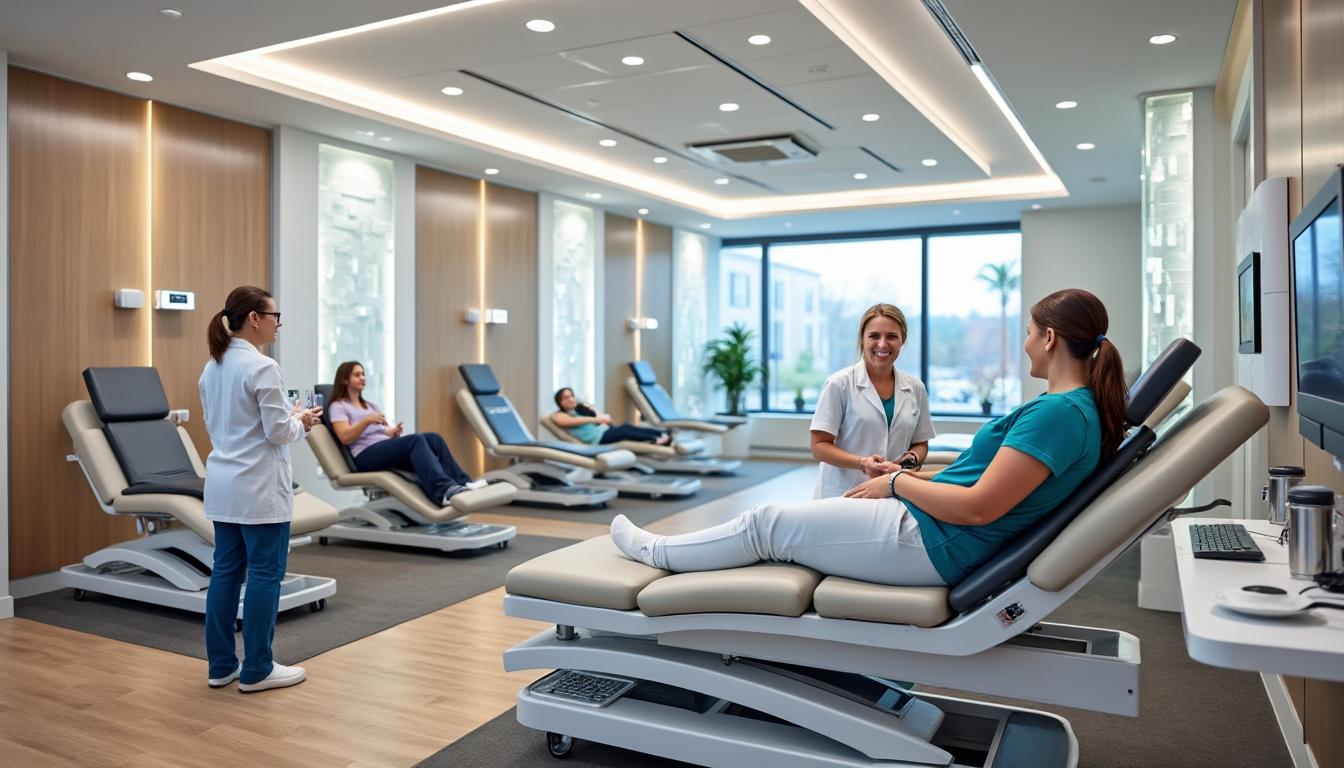
Spinal decompression therapy’s safety profile owes much to scientific rigor underpinning its development and implementation. Unlike invasive surgical options, non-surgical decompression methods employ computer-controlled traction devices to apply gentle, targeted forces, reducing intradiscal pressure without compromising ligamentous or vertebral integrity.
Dr. Sylvain Desforges spearheads adherence to strict protocols that prioritize patient safety, including:
- Real-time Monitoring: Continuous observation during sessions safeguards against excessive load or adverse reactions.
- Use of Approved Equipment: Devices from leading manufacturers such as Medtronic, DePuy Synthes, Stryker, and NuVasive, all compliant with Health Canada and FDA regulations.
- Infection Control: Sterilization of contact surfaces and hygienic handling to minimize risk.
- Calibration and Maintenance: Regular technical checks ensure precise force application and device reliability.
By maintaining this disciplined approach, treatment-related complications remain rare and typically mild, including temporary soreness or stiffness after sessions. This contrasts favorably with surgical risks like dural tears, nerve injury, or infections. Clinical literature reveals that complication rates from spinal decompression procedures are markedly lower than those seen with operative interventions.
| Safety Element | Reason for Importance | Associated Benefits |
|---|---|---|
| Patient Monitoring | Detect early signs of distress or improper traction force | Prevents injury, ensures patient comfort |
| Equipment Compliance | Ensures device safety and efficacy | Reduces mechanical failure risks |
| Hygiene Protocols | Prevents nosocomial infections | Protects patient health |
| Force Calibration | Delivers precise decompression tailored to individual anatomies | Optimizes therapeutic benefit |
Such safety standards exemplify modern spinal care’s integration of ethical practice and technological innovation. Dr. Desforges’ leadership and experience assure patients that science and patient welfare are intertwined in every aspect of the treatment.
Contraindications: Identifying Who Should Avoid Spinal Decompression
A fundamental aspect of patient safety is recognizing contraindications where spinal decompression would be inappropriate or risky. Dr. Desforges’ extensive clinical experience and comprehensive evaluation process enable precise identification of conditions that preclude this therapy.
Absolute contraindications include:
- Spinal fractures or instability: These conditions often require surgical stabilization rather than decompression.
- Active infections: Presence of spinal or systemic infection risks exacerbation through decompression.
- Severe osteoporosis: Fragile bones may collapse or suffer insufficiency fractures under decompressive forces.
- Symptomatic spinal tumors or malignancies: These necessitate oncological and surgical management.
- Coagulopathies or use of strong blood thinners: Elevated risk of epidural hematoma formation makes decompression unsafe.
Relative contraindications require individualized assessment and include:
- History of lumbar surgery at the decompression level—scar tissue may compromise outcomes.
- Advanced spondylolisthesis (Grade II or higher)—risk of spinal instability.
- Severe osteophyte formation or facet hypertrophy—possibly necessitating surgical decompression.
- Inability to maintain necessary positions during treatment due to spinal deformity, pain, or comorbid conditions.
Dr. Desforges advocates transparent communication regarding these contraindications, ensuring patients understand why decompression might be unsuitable and exploring alternative therapies or surgical referrals as warranted. This patient-first philosophy underscores the ethical mandate to do no harm.
| Contraindication Type | Conditions | Implications for Patient Care |
|---|---|---|
| Absolute | Spinal fractures, infections, severe osteoporosis, tumors, coagulopathy | Decompression contraindicated; alternative treatments needed |
| Relative | Prior surgery, severe spondylolisthesis, osteophytes, limited positioning ability | Individualized evaluation; possible surgical or modified intervention |
Technological Innovations Driving Spinal Decompression Safety and Effectiveness
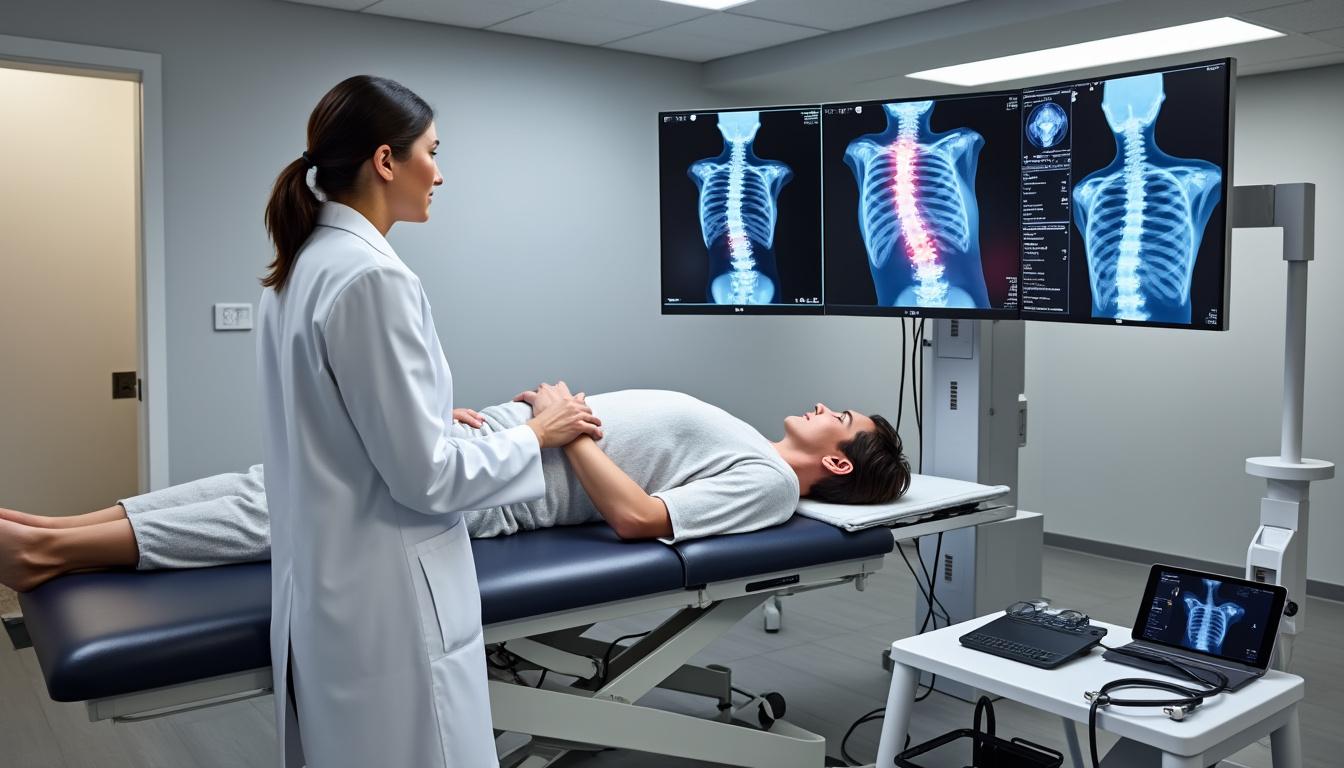
Continual advancements in spinal decompression technology underpin the enhanced safety and outcomes witnessed today. Under Dr. Desforges’ guidance, the integration of innovative devices from industry leaders fosters precision therapy tailored to patient’s unique anatomical and pathological profiles.
Noteworthy technological enhancements include:
- Computer-Aided Traction Systems: Precision control of decompressive forces according to real-time feedback.
- Dynamic Spinal Implants: Devices from Zimmer Biomet, Alphatec Spine, and others that stabilize decompressed segments while preserving mobility.
- Laser Therapy: Adjunctive modalities to stimulate tissue healing and reduce inflammation.
- Neurovertebral Decompression Tables: Specialized equipment designed for comfortable, effective traction allowing optimal nerve root decompression.
- Shockwave Therapy: Non-invasive stimulation to enhance healing processes in soft tissues and ligaments.
Integration of these technologies facilitates improved patient engagement by providing interactive treatment sessions, reducing peri-procedural discomfort, and enabling more rapid recovery. Educational efforts aimed at patients and healthcare professionals demystify treatment processes, set realistic expectations, and promote adherence to therapy plans.
| Technology | Purpose | Benefits |
|---|---|---|
| Computer-Aided Traction Systems | Precisely modulate spinal decompression force | Enhances safety and personalized treatment |
| Dynamic Spinal Implants | Stabilize, preserve segmental mobility | Improves functional outcomes and nerve protection |
| Laser Therapy | Stimulate tissue repair, reduce inflammation | Accelerates recovery and pain relief |
| Neurovertebral Decompression Tables | Provide optimal, comfortable traction | Maximizes decompression efficacy |
| Shockwave Therapy | Non-invasive healing enhancement | Enhances soft tissue and ligament repair |
International Collaboration and Patient-Centered Pathways in Spinal Decompression
Spinal decompression care today is enriched by international collaboration that streamlines patient journeys and elevates standards of care. Dr. Sylvain Desforges plays an instrumental role in developing transatlantic partnerships between Quebec and France, reflecting a commitment to accessible, multidisciplinary spinal health management.
Key advantages of this international approach include:
- Reduced Wait Times: Swift scheduling for consultations and treatments circumventing regional backlogs.
- Access to Specialized Expertise: Leveraging the knowledge and technologies available across borders.
- Seamless Multidisciplinary Care: Coordinated management involving osteopaths, surgeons, physiotherapists, and pain specialists.
- Culturally Sensitive Patient Education: Tailored communication facilitating patient understanding and engagement regardless of background.
- Comprehensive Follow-up: Integrated monitoring and support throughout the treatment continuum.
This cooperative model exemplifies a modern, patient-centric philosophy where geographic barriers are minimized and quality care is delivered through cohesive networks. The leadership roles held by Dr. Desforges in organizations such as the Alliance Canadienne de Médecine Alternative and Canadian College of Osteopaths support the governance frameworks vital to preserving these standards internationally.
| Benefit | Description | Impact on Patient Care |
|---|---|---|
| Reduced Wait Times | Facilitates prompt access to evaluation and treatment | Improves clinical outcomes by early intervention |
| Specialized Expertise | Access to latest technologies and clinical practices | Enhances treatment effectiveness and innovation |
| Multidisciplinary Coordination | Collaborative management across specializations | Ensures holistic, comprehensive patient care |
| Patient Education | Customized, language-appropriate information delivery | Empowers patients for active participation |
| Follow-up Integration | Continuous support and outcome tracking | Supports sustained improvement and satisfaction |
Empathy and Patient Engagement as Pillars of Spinal Decompression Safety
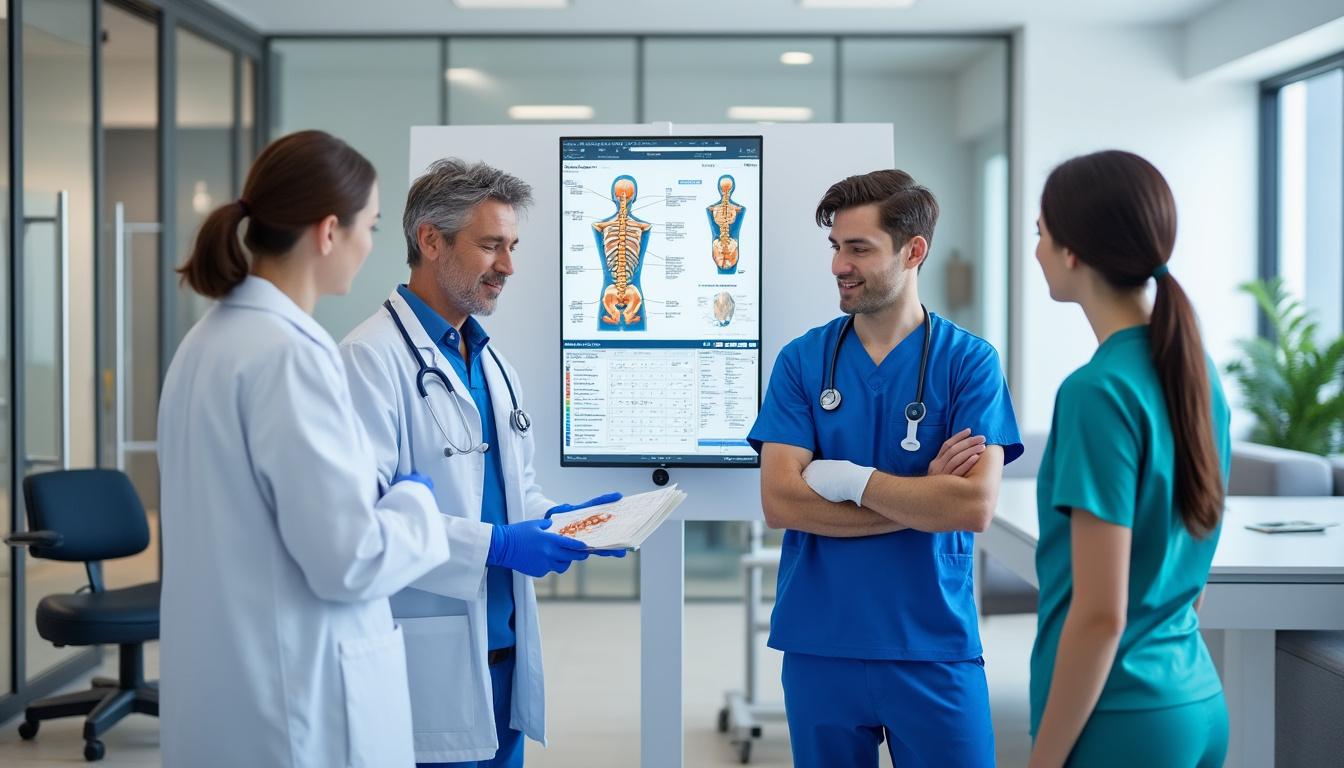
Trust and communication form the foundation of a safe therapeutic environment in spinal decompression care. Dr. Sylvain Desforges champions an empathetic, patient-focused culture that facilitates open dialogue, nurtures confidence, and respects the nuances of each individual’s pain journey.
Core elements of this approach include:
- Clear, Jargon-Free Explanations: Making complex medical concepts accessible to patients and caregivers.
- Emotional Support: Addressing fears, expectations, and anxiety related to chronic pain and treatment.
- Motivational Guidance: Encouraging adherence to treatment and lifestyle modifications to optimize outcomes.
- Responsive Adjustments: Tailoring therapy parameters dynamically based on patient feedback and progress.
- Patient Empowerment: Promoting shared decision-making and personalized care plans.
Such a patient-centered ethos has been correlated with enhanced satisfaction, improved compliance, and better clinical results in spinal decompression therapy. It exemplifies the essential role of human connection within advanced medical treatments and aligns with the ethical commitments upheld by Dr. Desforges and his teams.
| Patient-Centered Practice | Method | Outcome |
|---|---|---|
| Clear Communication | Use of accessible language and personalized education | Increases patient understanding and willingness to engage |
| Emotional Support | Active listening and reassurance during consultations | Reduces anxiety and builds trust |
| Motivational Guidance | Goal-setting and encouragement for lifestyle changes | Enhances treatment adherence and outcomes |
| Responsive Therapy Adjustment | Real-time feedback integration during sessions | Optimizes safety and efficacy |
| Patient Empowerment | Shared decision-making models | Fosters autonomy and personalized care |
Clinical Evidence Supporting the Safety and Effectiveness of Spinal Decompression
Robust clinical research underpins spinal decompression therapy’s reputation as a safe and efficacious option for select spinal conditions. Studies led by expert clinicians, including randomized controlled trials and cohort analyses, consistently demonstrate positive patient outcomes with minimal complication rates.
Highlighted studies include:
| Study Name | Design | Sample Size | Follow-up | Outcomes | Reported Complications |
|---|---|---|---|---|---|
| MiDAS ENCORE | Multi-center RCT | 302 | 1-2 years | Significant reduction in pain and improved functionality | Minor, transient soreness |
| Motion Study | Randomized Controlled | 138 | 1 year | Marked improvement in pain scales (VAS, ODI) over controls | None reported |
| Brown LL et al. | Double-blind RCT | 38 | 12 weeks | MILD decompression superior to epidural steroid injections | No complications |
These findings reinforce that, within properly selected patients and high safety standards, spinal decompression offers sustainable pain relief and functional recovery. The low incidence of adverse events highlights the therapy’s favorable risk-benefit balance.
Personalized Integration of Spinal Decompression Into Holistic Treatment Plans
Optimal outcomes depend on embedding spinal decompression therapy within a personalized, multidisciplinary treatment framework. Dr. Sylvain Desforges, with his extensive expertise, prioritizes such integrated approaches to maximize safety and efficacy.
Key components include:
- Initial Conservative Management: Physical therapy, medication, lifestyle advice aimed at symptom control.
- Expert Comprehensive Evaluation: Determining suitability for spinal decompression based on established criteria.
- Tailored Decompression Therapy: Customizing treatment parameters according to individual anatomy and response.
- Regular Monitoring: Using validated scales like Visual Analog Scale (VAS) and Oswestry Disability Index (ODI) to track progress.
- Prompt Surgical Referral: For patients with contraindications or inadequate response to decompression.
| Treatment Phase | Intervention | Goal |
|---|---|---|
| Conservative | Physical therapy, analgesics, lifestyle changes | Manage symptoms, enhance function |
| Evaluation | Comprehensive clinical and imaging assessment | Determine decompression candidacy |
| Decompression | Non-surgical spinal decompression therapy | Alleviate nerve pressure, restore disc height |
| Follow-up | Functional outcome monitoring | Adjust therapy, refer to surgery if needed |
This methodical cycle reflects Dr. Desforges’ philosophy of maximizing non-invasive treatment benefits while maintaining patient safety as paramount. Such individualized care encourages patient trust and long-term spinal health improvement.
{“@context”:”https://schema.org”,”@type”:”FAQPage”,”mainEntity”:[{“@type”:”Question”,”name”:”What conditions make spinal decompression unsafe?”,”acceptedAnswer”:{“@type”:”Answer”,”text”:”Spinal decompression is contraindicated in cases of spinal fractures, active infections, advanced osteoporosis, spinal tumors, coagulopathies, and certain severe spinal deformities. Patients with these conditions require alternative approaches often involving surgery or medical management.”}},{“@type”:”Question”,”name”:”How does spinal decompression compare to surgery in terms of risks?”,”acceptedAnswer”:{“@type”:”Answer”,”text”:”Compared to surgical options like laminectomy or fusion, spinal decompression presents significantly lower risks, fewer complications, and shorter recovery times. Non-invasive decompression avoids major tissue disruption, reducing infection and nerve injury rates.”}},{“@type”:”Question”,”name”:”Can patients with previous spine surgery undergo decompression therapy?”,”acceptedAnswer”:{“@type”:”Answer”,”text”:”Prior lumbar surgeries at the treatment level require careful evaluation due to scar tissue and altered anatomy, which might affect decompression safety and efficacy. This history is a relative contraindication necessitating expert assessment.”}},{“@type”:”Question”,”name”:”What role do advanced spinal implants play in decompression therapy?”,”acceptedAnswer”:{“@type”:”Answer”,”text”:”Dynamic spinal implants from Zimmer Biomet, Alphatec Spine, and others support spinal stability post-decompression while preserving segmental mobility, improving therapeutic outcomes in selected patients.”}},{“@type”:”Question”,”name”:”Is spinal decompression suitable for all adults?”,”acceptedAnswer”:{“@type”:”Answer”,”text”:”While generally safe for adult patients, contraindications related to comorbidities common in older adults, such as osteoporosis or vascular disease, may limit suitability. Expert evaluation guides safe patient selection by considering overall health beyond age alone.”}}]}What conditions make spinal decompression unsafe?
Spinal decompression is contraindicated in cases of spinal fractures, active infections, advanced osteoporosis, spinal tumors, coagulopathies, and certain severe spinal deformities. Patients with these conditions require alternative approaches often involving surgery or medical management.
How does spinal decompression compare to surgery in terms of risks?
Compared to surgical options like laminectomy or fusion, spinal decompression presents significantly lower risks, fewer complications, and shorter recovery times. Non-invasive decompression avoids major tissue disruption, reducing infection and nerve injury rates.
Can patients with previous spine surgery undergo decompression therapy?
Prior lumbar surgeries at the treatment level require careful evaluation due to scar tissue and altered anatomy, which might affect decompression safety and efficacy. This history is a relative contraindication necessitating expert assessment.
What role do advanced spinal implants play in decompression therapy?
Dynamic spinal implants from Zimmer Biomet, Alphatec Spine, and others support spinal stability post-decompression while preserving segmental mobility, improving therapeutic outcomes in selected patients.
Is spinal decompression suitable for all adults?
While generally safe for adult patients, contraindications related to comorbidities common in older adults, such as osteoporosis or vascular disease, may limit suitability. Expert evaluation guides safe patient selection by considering overall health beyond age alone.