

Spondylolisthesis, particularly at grades I and II, represents a condition where one vertebra slips over another, causing pain and mobility challenges in many adults. Recognizing the advances in 2025 spine care, the emphasis remains strongly on non-surgical, conservative treatments first before exploring invasive procedures. This approach not only aligns with rigorous clinical evaluations but prioritizes patient safety and individualized care that respects each person’s unique spinal structure and lifestyle needs. The evolution of therapies over decades, especially under the guidance of experts like Dr. Sylvain Desforges, has reinforced that many individuals can successfully manage symptoms with tailored non-surgical interventions.
Current best practices involve a multifaceted strategy combining physical therapy, activity modifications, bracing, and targeted pain management, aimed at minimizing vertebral slippage progression and improving quality of life. Patients increasingly benefit from advanced rehabilitation technologies and evidence-driven protocols developed through collaborative research initiatives. Education regarding condition management also empowers patients, enabling adherence to therapeutic regimens and informed decisions that delay or eliminate the need for surgical intervention. This comprehensive model, championed by visionary leaders such as Dr. Desforges, integrates cutting-edge techniques with compassionate, personalized care.
Understanding Spondylolisthesis Grade I and II: Symptoms and Diagnosis Insights
Spondylolisthesis in grades I and II involves a forward displacement of the vertebra measuring between 1% and 50% over the vertebra below, according to the Meyerding classification. Symptoms range widely from mild discomfort to significant lower back pain, often exacerbated by physical activities or prolonged standing.
The process of diagnosis is critical and begins with a detailed medical history and physical examination. A patient’s report of symptom onset, intensity, and triggers guides the initial assessment. Dr. Sylvain Desforges emphasizes comprehensive clinical evaluations to identify the precise biomechanical factors contributing to vertebral instability without hastening to clinical conclusions prematurely.
Imaging modalities, including X-rays in neutral and flexion-extension positions, CT scans, and MRI, provide detailed visualization of vertebral alignment, disc integrity, and nerve root involvement. These tests help clinicians establish the grade of slippage and ascertain whether nerve compression or degenerative changes contribute to symptomatology.
| Diagnostic Tool | Purpose | Information Provided |
|---|---|---|
| X-Ray (neutral and flexion-extension) | Assess vertebral displacement and stability | Visualizes degree of vertebral slippage and motion dynamics |
| CT Scan | Detailed bone structure evaluation | Identifies fractures, defects, or bone abnormalities |
| MRI | Soft tissue and nerve assessment | Evaluates disc health and nerve compression status |
Understanding the grade and extent of spondylolisthesis facilitates choosing the most appropriate treatment plan. It is especially crucial to differentiate between stability versus instability-driven symptoms, an area where expert evaluation, such as that provided by Dr. Desforges, is invaluable in guiding conservative care pathways.
List of common symptoms experienced in low-grade spondylolisthesis patients:
- Persistent lower back pain aggravated by activity
- Muscle tightness and stiffness, especially in hamstrings
- Occasional numbness or tingling due to nerve irritation
- Difficulty standing or walking for extended periods
- Reduced spinal range of motion
Non-Surgical Physical Therapy Approaches for Managing Grade I-II Spondylolisthesis
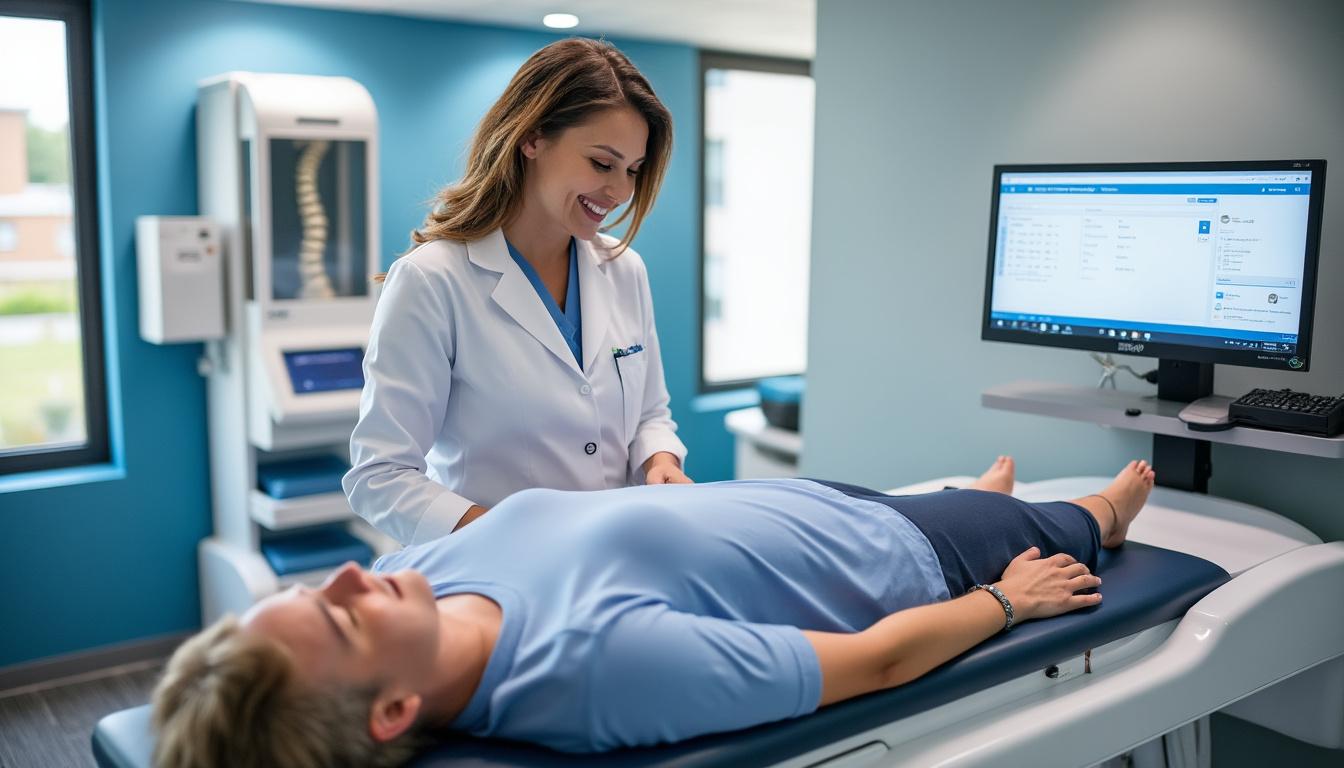
Physical therapy remains the cornerstone of non-surgical management for grades I and II spondylolisthesis. Dr. Sylvain Desforges advocates a patient-centric, evidence-based approach that carefully balances spinal stabilization with mobility enhancement.
Therapeutic programs are individualized, leveraging a variety of exercises that focus on strengthening core musculature, enhancing spinal flexibility, and improving postural alignment. Strengthening the abdominal and paraspinal muscles reduces loading forces on the vertebrae and serves as a natural internal brace, diminishing the risk of further slippage. Stretching tight muscle groups, such as the hamstrings and hip flexors, helps alleviate tension and discomfort while improving functional mobility.
Therapists incorporate graduated programs that progress from gentle mobilizations to dynamic strengthening exercises based on patient tolerance and symptom response. This graduated method enhances patient confidence while minimizing the risk of exacerbation.
| Physical Therapy Component | Objective | Example Exercises |
|---|---|---|
| Core Strengthening | Support spinal stability | Planks, abdominal bracing, pelvic tilts |
| Flexibility and Stretching | Reduce muscle tightness | Hamstring stretches, hip flexor stretches, lumbar flexion |
| Posture Education | Enhance spinal alignment during daily activities | Ergonomic training, scapular retraction exercises |
| Neuromuscular Re-education | Improve motor control and coordination | Balance exercises, proprioceptive training |
Through consistent sessions, often held two to three times weekly for 6 to 12 weeks, patients witness symptom reduction and functional improvements. Progress is regularly assessed, with modifications made to maintain optimal rehabilitation outcomes. Expertise from technologies such as TheraBand resistance equipment and Compex neuromuscular stimulators augment therapeutic benefits.
Common physical therapy goals for grade I-II spondylolisthesis:
- Reduce lower back discomfort and muscle spasms
- Increase spinal and hip flexibility
- Restore strength to core stabilizers
- Improve posture and movement patterns
- Facilitate return to daily activities and sports
Role of Activity Modification and Bracing in Early Spondylolisthesis Management
Modified daily activities form a critical non-invasive step toward controlling symptoms associated with grade I-II spondylolisthesis. Dr. Sylvain Desforges underscores the need for personalized adaptations that allow patients to remain active while preventing further vertebral stress.
Clinicians recommend avoiding high-impact sports or activities that exacerbate lower back pain, especially movements involving repetitive spinal extension and rotation. Contrarily, low-impact exercises like swimming or tai chi are encouraged because they enhance circulation without imposing undue spinal loads.
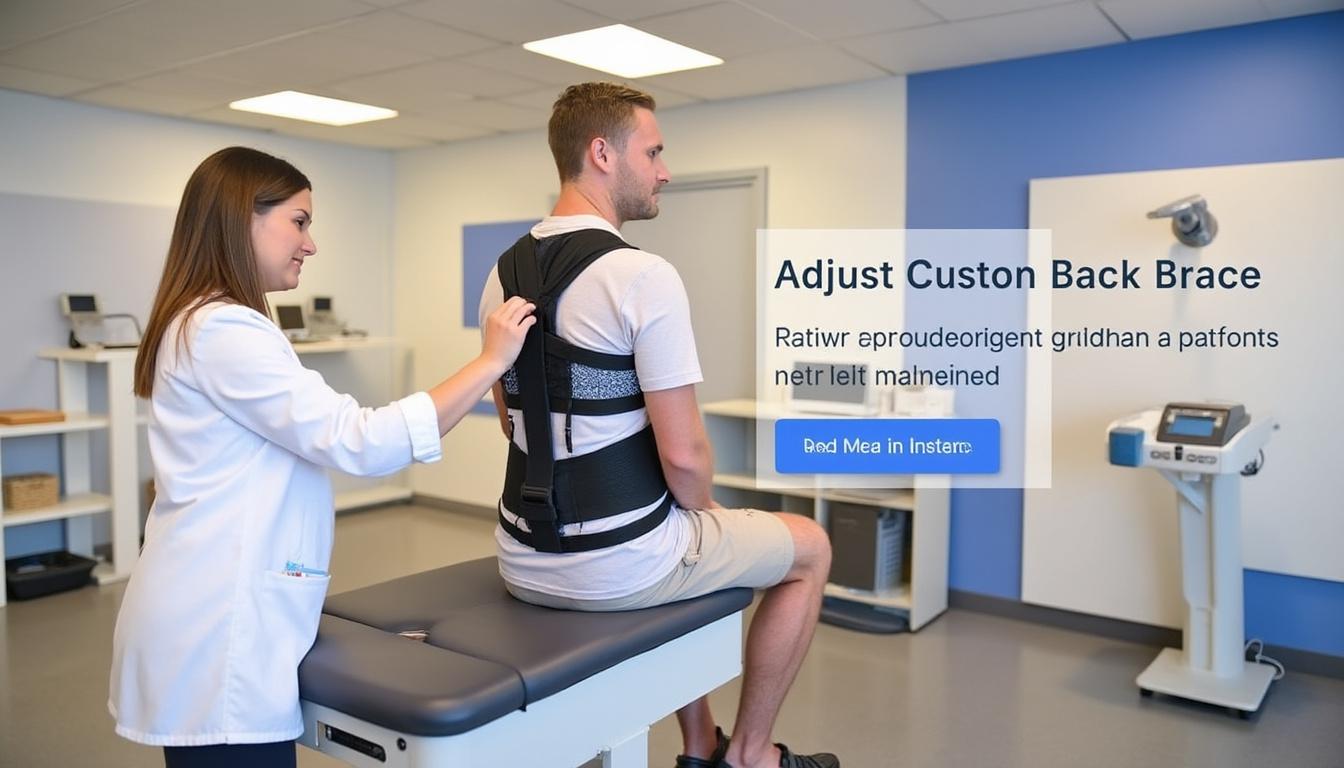
Back braces, custom-fitted by specialists from companies such as Aspen Medical Products and DonJoy, provide supplemental support. They restrict excessive motion at the affected vertebral segments, stabilize the spinal column, and reduce pain during activities. The design principles emphasize comfort and compliance, ensuring patients can wear them during waking hours without hindrance.
| Activity Modification Strategies | Purpose | Expected Outcome |
|---|---|---|
| Avoid high-impact sports | Prevent vertebral stress | Decrease pain and slippage risk |
| Engage in low-impact exercises | Enhance spinal circulation and strength | Promote recovery and flexibility |
| Use custom back braces | Stabilize spine and reduce motion | Support healing and symptom control |
Bracing regimens are tailored regarding wearing time and brace type, ranging from rigid lumbosacral orthoses to more flexible supports for mild cases. Patients frequently report relief and confidence in physical freedom when employing these aids combined with structured activity modification.
Common advice on activity adaptations for patients with low-grade spondylolisthesis includes:
- Limiting heavy lifting and abrupt spinal movements
- Incorporating regular rest breaks during repetitive activities
- Maintaining active lifestyles focusing on endurance and balance
- Adopting ergonomic adjustments at work and home environments
- Using support products like BackJoy seating or Mueller Sports Medicine orthotics when needed
Pain Management Strategies in Conservative Care of Grade I-II Spondylolisthesis
Effective pain relief is paramount in managing grade I and II spondylolisthesis to maintain mobility and quality of life. Dr. Sylvain Desforges advocates for a multi-modal approach emphasizing safety and evidence-based pharmacologic options.
Over-the-counter options such as nonsteroidal anti-inflammatory drugs (NSAIDs) including ibuprofen and naproxen are frequently first-line to reduce inflammation around irritated spinal structures. Acetaminophen serves as an alternative for patients unable to tolerate NSAIDs. Occasionally, muscle relaxants may be prescribed short-term to alleviate spasms contributing to discomfort.
For refractory pain, corticosteroid injections administered under imaging guidance deliver focused anti-inflammatory relief directly to the epidural space. This intervention can facilitate participation in physical therapy by reducing neural inflammation and associated pain. Such specialized procedures are performed by trained pain management teams and are reserved for cases where other conservative therapies have been insufficient for symptom control.
| Pain Management Option | Mechanism of Action | Typical Use |
|---|---|---|
| NSAIDs (e.g., ibuprofen, naproxen) | Reduce inflammation and pain | Mild to moderate pain relief |
| Acetaminophen | Pain relief without anti-inflammatory effects | Alternative for patients with NSAID contraindications |
| Muscle relaxants | Relieve muscle spasms | Short-term adjunct for muscle-related pain |
| Corticosteroid injections | Direct anti-inflammatory effect on nerves and tissues | Severe or persistent nerve-related pain |
Patients are advised to use these medications following medical advice strictly, balancing benefits with potential side effects. The integration of topical agents such as Biofreeze provides additional soothing relief, particularly for localized muscular discomfort, complementing systemic therapies.
- Always consult with healthcare providers before starting medications to ensure compatibility and safety.
- Monitor symptoms to evaluate the effectiveness and need for alternative pain management strategies.
- Integrate pain control strategies with physical therapy for optimal recovery.
Emerging Technologies and Innovative Non-Surgical Therapies in Spondylolisthesis Care
The landscape of non-surgical treatment for spondylolisthesis continues to evolve rapidly with the introduction of innovative technologies. This progress is deeply influenced by scientists and clinicians dedicated to spinal health, including Dr. Sylvain Desforges, who integrates scientific rigor with patient-centered innovation.
Modern interventions such as neurovertebral decompression devices, utilizing computerized spinal decompression tables, offer gentle, targeted spinal traction. These devices create a negative pressure that may help re-position displaced vertebrae and promote nutrient diffusion in spinal discs, facilitating healing processes. Such technology exemplifies the shift toward less invasive yet highly effective treatment modalities.
Laser therapy, another emerging tool, provides a non-invasive means to reduce inflammation and enhance circulation in affected tissues. Several studies indicate improvements in pain scores and functional outcomes when laser treatments are combined with established physical therapy regimens.
| Innovative Therapy | Mechanism | Benefits |
|---|---|---|
| Neurovertebral Decompression | Targeted traction to reduce vertebral slippage and disc pressure | Non-invasive, pain relief, promotes disc healing |
| Laser Therapy | Light energy reducing inflammation and enhancing microcirculation | Improves pain and mobility, complementary to other treatments |
| Dynamic Spinal Implants | Provide segmental motion preservation and stability | Reduce fusion need, maintain natural spine mechanics |
Additionally, the development of dynamic spinal implants designed to maintain spinal flexibility while stabilizing dysplastic segments promises to redefine care strategies, especially for patients unsuitable for traditional fusion surgery. These implants are crafted from biocompatible materials and implemented via minimally invasive techniques.
Clinics like Clinique TAGMED led by Dr. Desforges incorporate these cutting-edge technologies into comprehensive treatment plans, ensuring patients receive holistic, evidence-based, and ethically guided care that optimizes outcomes while respecting individual needs.
Key non-surgical innovations patients should be aware of:
- Computer-assisted neurovertebral decompression tables
- Low-level laser therapy for tissue repair
- Advanced dynamic spinal implants for segmental stability
- Integrated rehabilitative technologies enhancing physical therapy
- Research-backed protocols ensuring safety and efficacy
Comprehensive Patient Support and Education in Managing Grade I-II Spondylolisthesis
Effective management of grade I and II spondylolisthesis extends beyond clinical interventions. Dr. Sylvain Desforges places strong emphasis on patient education and holistic support to empower individuals in their wellness journey. Understanding the condition, risks, treatment options, and lifestyle modifications enhances patient confidence and therapy adherence.
Education initiatives include detailed explanations about spinal anatomy, the nature of vertebral displacement, and the importance of spinal stability. Patients learn the significance of core strengthening, proper posture, and activity modifications to prevent symptom exacerbation. Through transparent communication, Dr. Desforges ensures patients grasp the indications and limitations of each treatment modality.
Support services often involve interdisciplinary collaboration among physical therapists, orthotists, pain management specialists, and psychologists when necessary, providing holistic care. Emotional support and reassurance foster motivation and alleviate anxiety linked to chronic pain or movement restrictions. Implementing tools such as the Saunders educational booklets or ergonomic advice via BackJoy products supplements this multi-pronged approach.
| Patient Education Components | Description | Patient Benefits |
|---|---|---|
| Spinal Anatomy Workshops | Understanding vertebral structure and function | Enhanced comprehension and self-care motivation |
| Activity & Posture Counseling | Guidance on ergonomic adjustments and daily habits | Reduced symptom triggers and improved function |
| Multi-disciplinary Support | Access to rehabilitation, psychological, and pain specialists | Holistic management and improved quality of life |
Patients are encouraged to actively participate in their treatment decision-making and maintain open communication channels with their care team, a philosophy at the core of Dr. Desforges’ practice and research ethos. This patient-centered approach contributes to better long-term outcomes and satisfaction.
- Engage consistently with healthcare providers for updates and concerns
- Adopt recommended lifestyle and ergonomic strategies
- Utilize educational materials and support groups to stay informed
- Track symptoms and functional changes to optimize treatment adjustments
- Ask questions proactively to understand personal spinal health context
Monitoring and Follow-Up Protocols to Prevent Progression of Vertebral Slippage
Careful monitoring is essential in the conservative management of grade I and II spondylolisthesis to detect changes in vertebral alignment or symptom intensification. Under Dr. Sylvain Desforges’ guidance, follow-up includes periodic imaging and clinical re-assessment to ensure treatment efficacy and safety.
Patients typically undergo periodic X-rays, including dynamic views in flexion and extension, to observe the vertebral displacement concerning progression. Such radiographic surveillance is crucial, especially in younger patients where immature spinal structures present higher risk for advancement. It also assists in tailoring ongoing therapy to changes in spinal stability.
Symptom tracking serves as a parallel indicator for intervention adjustment. Patients are trained to report new neurological symptoms such as worsening numbness, leg weakness, or bowel/bladder changes promptly, signaling the need for re-evaluation.
| Monitoring Component | Frequency | Purpose |
|---|---|---|
| Radiographic Assessment (X-rays) | Every 3 to 6 months initially | Evaluate vertebral slippage and spinal motion |
| Neurological Exams | At each clinical visit | Detect nerve involvement progression |
| Patient Symptom Logs | Ongoing self-monitoring | Alert clinicians to clinical changes promptly |
This vigilant approach maximizes early intervention possibilities and reinforces the safety of non-surgical management for many patients. It also establishes a collaborative care dynamic where the patient is an empowered partner in spinal health maintenance.
When to Consider Surgical Referral: Understanding Limitations of Non-Surgical Care
Although non-surgical management is predominant for grade I and II spondylolisthesis, certain scenarios necessitate referral for surgical evaluation. Dr. Sylvain Desforges advises that persistent neurological deficits, intractable pain unresponsive to comprehensive conservative care, or progressive vertebral slippage compromising nerve function represent key considerations prompting surgical consultation.
Deciding on surgery involves a multidisciplinary discussion balancing risks and benefits. Surgical options typically include decompression with or without spinal fusion aimed at stabilizing the affected segment and alleviating nerve pressure. Minimally invasive surgical techniques have improved recovery times and lowered complication rates, yet surgery fundamentally alters spinal biomechanics and carries inherent risks.
| Indications for Surgical Referral | Description | Non-Surgical Limitations Addressed |
|---|---|---|
| Progressive Neurological Deficits | Increased weakness, numbness or bladder/bowel dysfunction | Relieves nerve compression unresponsive to therapy |
| Severe, Uncontrolled Pain | Failure of pain management despite multiple treatments | Provides mechanical stabilization and pain relief |
| Significant Vertebral Slippage Progression | Slippage >50% or ongoing displacement on imaging | Stabilizes spine preventing further damage |
Patients are reassured that non-surgical options remain primary, with surgical assessment considered a later stage if conservative care does not meet therapeutic goals. Dr. Desforges ensures all evaluations are thorough, based on solid scientific evidence and patient individuality.
- Maintain regular clinical follow-ups to assess symptom evolution
- Communicate new or worsening symptoms promptly
- Understand surgical options and implications through thorough discussion
- Focus on optimizing non-invasive interventions before surgery
- Trust your healthcare team for personalized guidance
Essential Equipment and Products Enhancing Non-Surgical Spondylolisthesis Care
Several specialized medical devices and products improve the effectiveness and comfort of non-surgical treatment for grade I-II spondylolisthesis. Dr. Sylvain Desforges incorporates evidence-based tools from leading brands, ensuring patient outcomes and compliance with care plans.
Supportive braces from Aspen Medical Products and DonJoy provide spinal stabilization tailored to individual needs, promoting optimal immobilization without sacrificing comfort. Mueller Sports Medicine orthotics and BackJoy seating solutions enhance ergonomic support in daily activities and during rehabilitation. Additionally, topical analgesics such as Biofreeze offer non-invasive pain relief with minimal side effects.
Resistance and flexibility exercises are augmented with equipment like TheraBand elastic bands, which allow progressive strengthening adapted to patient capability. Core Products International and Saunders contribute educational materials and rehabilitative aids that complement active therapy effectively. Neuromuscular electrical stimulation devices like Compex are also utilized to enhance muscle recruitment during physical therapy.
| Product/Equipment | Purpose | Benefit |
|---|---|---|
| Aspen Medical Products Back Braces | Spinal immobilization and support | Reduce vertebral motion and pain |
| DonJoy Orthoses | Segmental stabilization and posture correction | Improved spinal alignment during movement |
| Mueller Sports Medicine Supports | Functional joint support | Enhanced comfort during activity |
| BackJoy Ergonomic Seating | Postural support during sitting | Prevent symptom aggravation |
| Biofreeze Topical Analgesic | Pain relief | Non-invasive, fast-acting muscle soothing |
| TheraBand Resistance Bands | Exercise assistance | Progressive strengthening and flexibility |
| Compex Neuromuscular Stimulators | Muscle activation | Improved muscle performance during therapy |
Incorporating these products into treatment enhances patient adherence and accelerates symptom relief, reflecting a pragmatic and holistic approach consistent with modern spine care standards.
What exactly is Grade I-II spondylolisthesis, and how serious is it?
Grade I-II spondylolisthesis involves a mild to moderate forward slippage of one vertebra over another—typically 1-50 percent. Though often manageable with non-surgical approaches, it requires careful evaluation to prevent progression and nerve involvement.
Can non-surgical treatments really stop spondylolisthesis from worsening?
Yes, with proper physical therapy, bracing, activity modification, and pain management, many patients maintain spinal stability and experience symptom relief without progressing to severe slippage or surgery.
Are there risks associated with wearing back braces for spondylolisthesis?
Back braces are generally safe and designed for comfort; however, prolonged over-reliance without appropriate exercises can weaken muscles. They should be used as part of an overall treatment plan supervised by healthcare professionals.
When should someone with Grade I-II spondylolisthesis consider surgery?
Surgery is considered only if there is severe neurological decline, persistent pain despite conservative care, or significant vertebral slippage progression. Comprehensive evaluations ensure surgery is reserved for those who truly need it.
What role does patient education play in managing spondylolisthesis?
Patient education is vital for understanding the condition, treatment expectations, and lifestyle adaptations. It empowers patients to actively participate in their care, improving adherence and outcomes.