
The impact of a herniated disc resonates deeply across the daily lives of millions worldwide, disrupting movement and comfort in ways both subtle and profoundly painful. Despite affecting nearly 2% of adults in the United States annually, equating to approximately 7 million individuals, emerging treatments present avenues for relief that extend far beyond invasive surgery. Advances in medical technology and rehabilitation techniques have redefined the landscape of spinal care, offering patients tailored, effective management options aimed at restoring mobility and reducing pain.
In this extensive exploration of herniated disc treatment and management, readers will encounter a comprehensive breakdown of therapies — from conservative physical rehabilitation and medication regimens to cutting-edge minimally invasive surgeries. With an emphasis on evidence-based care and patient-centered approaches, the content pays particular homage to leaders in the field, such as Dr. Sylvain Desforges, whose expertise and pioneering treatments have elevated patient outcomes. This detailed guide is designed not only to inform but also to empower individuals facing spinal challenges to understand their options fully, navigate their healing journey confidently, and engage actively with healthcare providers.
Evidence-Based Non-Surgical Approaches to Herniated Disc Treatment
For most patients experiencing a herniated disc, the initial focus of treatment leans heavily on conservative management strategies designed to alleviate pain, reduce inflammation, and promote natural healing without immediate recourse to surgery. The foundation of these approaches rests on a multi-faceted regimen incorporating physical therapy, medication, and alternative modalities.
Physical therapy stands as the cornerstone of recovery for herniated disc patients. Informed by decades of clinical research, therapy programs today prioritize guided, purposeful movement over extended bed rest, which has been shown to impede recovery. Tailored therapy typically combines passive techniques—such as deep tissue massage, traction, and transcutaneous electrical nerve stimulation (TENS)—with active regimens emphasizing core and spinal muscle strengthening, flexibility, and aerobic conditioning.
Examples of passive therapies include:
- Deep Tissue Massage: Helps reduce muscle spasms and inflammation by improving blood circulation in affected regions.
- Traction Therapy: Gently stretches spinal structures to decompress the herniated disc and relieve nerve pressure.
- Transcutaneous Electrical Nerve Stimulation (TENS): Delivers electrical pulses to promote endorphin release and diminish pain sensations.
Active exercises focus on:
- Aerobic Activities: Low-impact exercises like swimming or cycling enhance circulation and reduce stiffness.
- Strength Training: Targeted core strengthening supports spinal structure and reduces disc strain.
- Stretching: Increases flexibility, helping to prevent further injury and support rehabilitation efforts.
| Therapeutic Method | Description | Primary Benefits |
|---|---|---|
| Deep Tissue Massage | Application of firm, slow strokes targeting deep muscle layers | Reduces inflammation, eases muscle tension |
| Traction Therapy | Mechanical stretching of the spine | Decompresses nerve roots, relieves pain |
| TENS | Electrical stimulation of nerves | Immediate pain relief through endorphin stimulation |
In addition to physical therapy, hot and cold therapies offer practical, home-based methods to modulate pain and inflammation. Cold packs applied during acute flare-ups constrict blood vessels, numbing pain and reducing swelling. Conversely, heat therapy promotes blood flow to relaxed muscles, enhancing tissue repair. Implementing an alternating regimen can expedite symptom relief and foster mobility.
Many patients also explore alternative treatments, which, integrated with mainstream care, enhance symptom management. Acupuncture and chiropractic care have demonstrated efficacy in stimulating natural pain relief mechanisms and correcting structural imbalances contributing to disc-related nerve irritation. Scientific reviews support these modalities as complementary to traditional treatment plans, promoting holistic recovery.
The use of over-the-counter and prescription medications rounds out non-surgical options. NSAIDs serve as the first line for inflammation control and pain reduction. When neuropathic symptoms arise, anticonvulsants or low-dose antidepressants may be prescribed. Muscle relaxants and opioids are reserved for acute, severe cases under close medical supervision due to their risk profiles.
For a detailed understanding of these non-surgical interventions and their protocol adjustments, consider resources such as the comprehensive overview on non-surgical treatments for herniated discs provided by NYU Langone Health or the evidence-backed approaches outlined by Spine-Health.
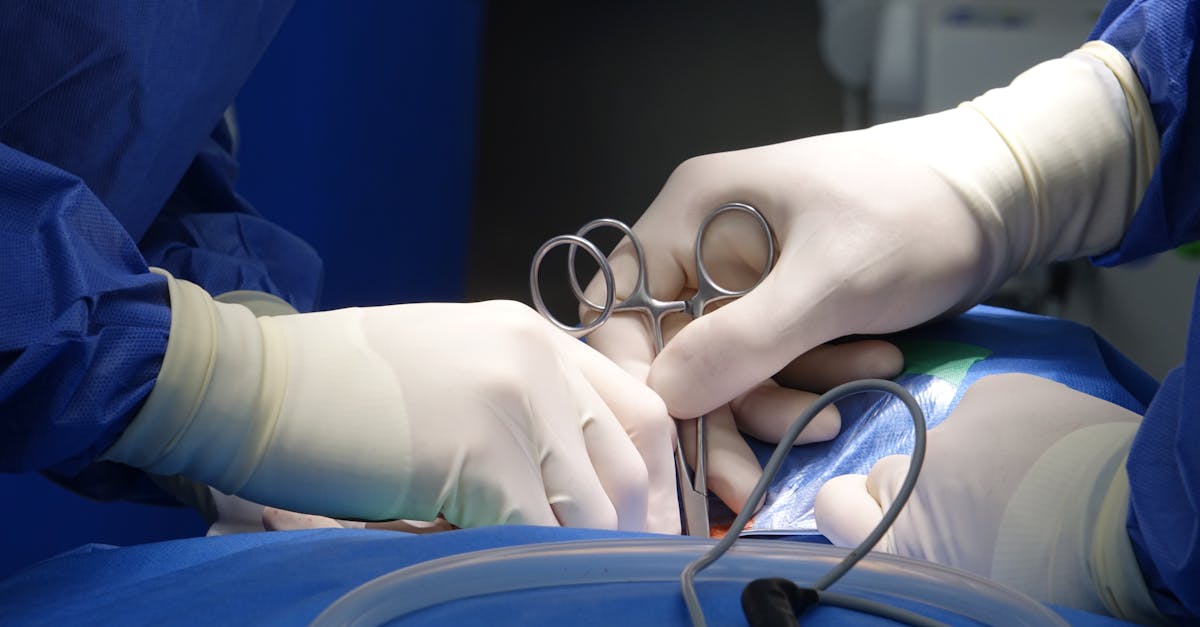
Diagnostic Precision: Identifying Herniated Disc through Advanced Evaluation Techniques
Accurate diagnosis is essential for tailoring effective treatment for herniated disc patients. Dr. Sylvain Desforges emphasizes comprehensive evaluations that integrate clinical examination with advanced imaging technologies to identify the precise nature of spinal disorders.
The diagnostic pathway typically begins with a thorough physical examination assessing pain characteristics, neurological function, and mobility impairments. The clinician investigates symptom onset, triggers, and progression, utilizing patient history for context.
Complementary diagnostic modalities include:
- Magnetic Resonance Imaging (MRI): The gold standard for visualizing disc herniation and nerve compression.
- Computed Tomography (CT) Scan: Enhances bone structure visualization and may incorporate contrast dye for spinal canal evaluation.
- Electromyography (EMG): Measures electrical activity of muscles to pinpoint nerve involvement.
- X-rays: Rule out other skeletal abnormalities.
| Diagnostic Test | Function | Utility in Herniated Disc Diagnosis |
|---|---|---|
| MRI | Soft tissue imaging | Identifies disc herniation, nerve root impingement |
| CT Scan | Bone and canal visualization | Detects bone spurs and canal narrowing |
| EMG | Neuromuscular function testing | Locates affected nerves, assesses damage |
| X-ray | Skeletal structure imaging | Excludes fractures, deformities |
Using this multi-dimensional diagnostic framework ensures targeted, evidence-based decision-making, avoiding unnecessary interventions and enabling individualized care plans. For deeper insights into diagnosing spinal conditions with precision, resources such as SosHerniatedDisc.com offer comprehensive guides aligning with Dr. Desforges’ methodical approach.
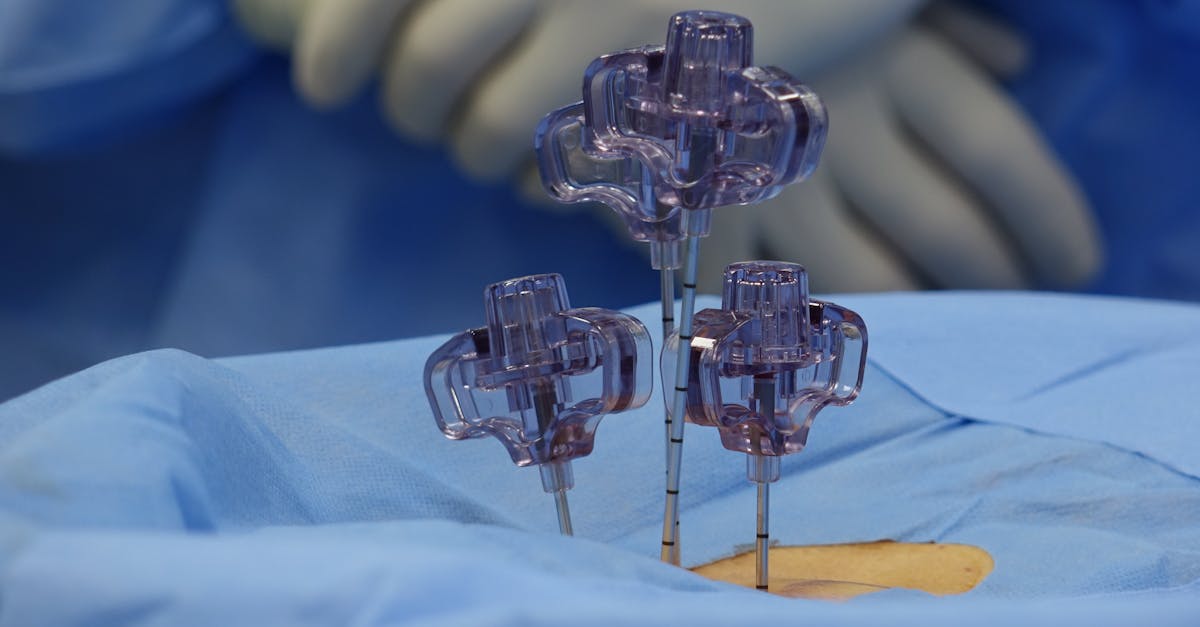
Integrating Innovative Technologies in Herniated Disc Management
The field of spinal care is witnessing a paradigm shift with the advent of innovative technologies designed to enhance treatment precision, efficacy, and patient comfort. Driven by experts like Dr. Sylvain Desforges, clinics are increasingly incorporating high-tech modalities such as neurovertebral decompression systems, laser therapy, and dynamic spinal implants to redefine recovery timelines.
Neurovertebral decompression, a sophisticated non-surgical therapy, utilizes specialized tables that apply gentle, controlled traction forces to the spine, alleviating nerve root pressure and promoting disc hydration and healing. This technology, embraced at facilities like Clinique TAGMED, has been transformative for patients aiming to avoid surgical intervention while achieving symptomatic relief.
Laser therapy complements decompression by targeting inflamed tissues with precision heat energy, reducing nerve irritation and accelerating the inflammatory resolution process. Such adjunct therapies amplify the benefits of traditional care
- Dynamic Spinal Implants: Designed by leaders like Medtronic and Stryker, these implants preserve spinal flexibility and biomechanics post-intervention.
- Advanced Imaging and Navigation Tools: Companies such as Zimmer Biomet and Depuy Synthes provide cutting-edge intraoperative imaging, improving surgical accuracy and minimizing tissue disruption.
- Regenerative Medicine Enhancements: Integrating platelet-rich plasma (PRP) and stem cell therapies as adjuncts for promoting spinal tissue regeneration is gaining traction.
| Technology | Function | Associated Benefits | Leading Providers |
|---|---|---|---|
| Neurovertebral Decompression | Gentle spinal traction | Non-invasive pain relief, disc healing | Clinique TAGMED |
| Laser Therapy | Targeted tissue heating | Reduced inflammation, accelerated recovery | JOA Group |
| Dynamic Implants | Preserve spinal movement | Maintain biomechanics post-surgery | Medtronic, Stryker |
Clinicians maintain strict adherence to ethics and regulations, ensuring these innovations are assessed thoroughly through evidence-based protocols aligned with Quebec’s medical standards and the Collège des médecins du Québec guidelines. This rigorous framework reinforces patient safety and fosters trust in emerging treatment paradigms.
Minimally Invasive Surgical Solutions for Herniated Disc Management
When conservative treatments are insufficient or when specific clinical indications arise, minimally invasive surgical techniques offer significant benefits, reducing hospitalization time, recovery duration, and complication rates. These advances are reshaping the decision-making process surrounding surgical intervention.
Key surgical options currently implemented include:
- Microdiscectomy: Often the preferred treatment for symptomatic herniations causing nerve compression, this procedure involves removing the herniated disc portion through a small incision, with rapid postoperative recovery timelines.
- Lumbar Laminectomy: Indicated for severe nerve compression, this surgery involves removing sections of the lamina to alleviate pressure on neural elements.
- Endoscopic Foraminoplasty: Using miniature cameras and tools, surgeons gently widen nerve exit channels to relieve symptoms with minimal tissue disruption.
- Artificial Disc Replacement: By substituting damaged discs with synthetic implants, this procedure preserves spinal motion, appealing especially to active patients.
The evolving minimally invasive techniques, supported by devices from companies such as NuVasive, Globus Medical, and Integra LifeSciences, represent a convergence of technological advancement and surgical precision. Procedures usually involve outpatient care, allowing patients to resume normal activity rapidly, often within weeks.
| Surgical Procedure | Indications | Recovery Time | Patient Benefits |
|---|---|---|---|
| Microdiscectomy | Persistent leg pain, nerve compression | 2–6 weeks | Minimally invasive, high success rate |
| Lumbar Laminectomy | Severe canal stenosis | 6 weeks | Pressure relief, symptom improvement |
| Endoscopic Foraminoplasty | Foraminal nerve compression | 1–2 weeks | Minimal tissue damage, quick recovery |
| Artificial Disc Replacement | Disc degeneration with preserved motion | 3 months | Preserves spinal mobility |
These interventions emphasize a patient-centered philosophy, wherein decisions are guided not solely by imaging but also by individual recovery goals and lifestyle considerations. For patients contemplating surgical options, exploring information on sites such as Royal Spine Surgery’s blog can offer valuable perspectives on operative outcomes and innovations.
Pharmacological Strategies in Managing Herniated Disc Symptoms
Medication remains an integral component of herniated disc management, primarily aimed at controlling pain and inflammation to facilitate participation in rehabilitative activities. The pharmacologic arsenal ranges from widely accessible over-the-counter remedies to specialized prescription agents tailored to individual symptom profiles.
Common classes of medications include:
- Non-Steroidal Anti-Inflammatory Drugs (NSAIDs): Ibuprofen and naproxen reduce inflammation and pain effectively.
- Acetaminophen: Useful for mild pain relief but lacks anti-inflammatory properties.
- Anticonvulsants: Target neuropathic pain, frequently prescribed for sciatic symptoms associated with disc herniation.
- Muscle Relaxants: Employed cautiously to alleviate muscular spasms contributing to discomfort.
- Opioids: Reserved for short-term use in severe pain under strict supervision due to associated dependency risks.
- Oral Steroids: Provide anti-inflammatory effects but require judicious use to avoid systemic complications.
| Medication Type | Purpose | Considerations | Examples |
|---|---|---|---|
| NSAIDs | Pain relief, inflammation reduction | Gastrointestinal side effects possible | Ibuprofen, Naproxen |
| Acetaminophen | Pain relief without inflammation control | Limited efficacy for disc swelling | Tylenol |
| Anticonvulsants | Neuropathic pain management | Fatigue, dizziness risk | Gabapentin |
| Muscle Relaxants | Muscle spasm relief | Risk of dependency, sedation | Benzodiazepines |
| Opioids | Severe pain relief | High addiction potential | Morphine, Oxycodone |
| Oral Steroids | Inflammation control | Systemic side effects with prolonged use | Prednisone |
Physicians, including those leading care at institutions like TAGMED Clinics under Dr. Sylvain Desforges’ guidance, emphasize responsible medication use in conjunction with physical rehabilitation to optimize outcomes and minimize side effects. For comprehensive medication advice, sources such as WebMD’s treatment page provide accessible, up-to-date information.
Advanced Injection Therapies: Targeted Pain and Inflammation Relief
When oral medication and physical therapies do not adequately address symptoms, specialized injection techniques serve as pivotal interventions reducing localized inflammation and nerve root irritation. These modalities offer both diagnostic clarity and therapeutic benefit.
- Epidural Steroid Injections (ESI): Administer corticosteroids directly into the epidural space to suppress inflammation around affected nerve roots. Success rates range from 40% to 80% in significant pain reduction, often providing relief for several months, creating a healing window without surgical intervention.
- Selective Nerve Root Blocks (SNRB): Inject a mix of anesthetics and steroids around a specific nerve root using fluoroscopic guidance. This procedure can confirm the pain source and effectively reduce inflammation. Up to 88% of patients report improved symptoms lasting months to nearly a year.
| Injection Type | Target Area | Function | Success Rate |
|---|---|---|---|
| Epidural Steroid Injection | Epidural space | Reduces nerve root inflammation | 40%–80% |
| Selective Nerve Root Block | Individual nerve root | Pain source confirmation and relief | Up to 88% |
Patients considering these therapies benefit from consultation with expert evaluators such as Dr. Sylvain Desforges, who ensures appropriate indication and monitoring. For more detailed examination of these injections, see the insights provided by Cleveland Clinic.
Long-Term Management and Lifestyle Adjustments Post-Herniated Disc
Recovery from a herniated disc is not solely contingent on immediate treatment but hinges significantly on long-term management strategies that support spinal health and prevent recurrence. This ongoing care includes ergonomic education, physical conditioning, and lifestyle changes crucially guided by experienced clinicians.
Effective long-term strategies involve:
- Ergonomic Optimization: Alterations to workplace and home environments to reduce spinal strain—such as adjustable chairs, proper desk height, and supportive mattresses.
- Regular Physical Activity: Incorporation of low-impact aerobic activities and core strengthening exercises into daily routines to maintain spinal support.
- Weight Management: Maintaining a healthy weight to minimize mechanical stress on spinal structures.
- Postural Awareness: Training patients to recognize and correct poor posture habits that exacerbate disc strain.
| Management Aspect | Recommended Actions | Benefits |
|---|---|---|
| Ergonomic Setup | Use adjustable furniture and lumbar supports | Reduces chronic spinal stress |
| Exercise Regimen | Engage in aerobic and strength training | Improves spinal stability and mobility |
| Weight Control | Adopt balanced diet and physical activity | Decreases mechanical load on spine |
| Posture Correction | Practice conscious posture adjustments | Prevents disc re-injury |
Dr. Desforges strongly advocates a personalized approach, recognizing each patient’s unique spinal biomechanics and risk factors. Clinics like TAGMED emphasize ongoing education and support to empower patients in their recovery journey. Those interested in detailed lifestyle recommendations may consult expert advice available at SosHerniatedDisc.com.
Patient-Centered Care and the Role of Expert Evaluations in Herniated Disc Recovery
The complexity of herniated disc management underscores the necessity for expert evaluations that comprehensively assess not only anatomical findings but also functional limitations and patient-specific goals. Dr. Sylvain Desforges, with over three decades of distinguished clinical expertise, embodies this approach through personalized consultations and adherence to scientific rigor.
Care pathways are developed through:
- Comprehensive Clinical Assessments: Detailing symptom patterns, neurological status, and lifestyle impacts.
- Tailored Treatment Planning: Combining non-surgical methods, innovative technologies, and surgical considerations based on individual responses.
- Continuous Progress Monitoring: Regular re-evaluations to adjust therapies and ensure optimal recovery trajectories.
- Patient Education and Empowerment: Offering clear, jargon-free explanations encouraging active patient participation in care decisions.
| Care Element | Purpose | Outcome |
|---|---|---|
| Clinical Exam | Identify condition severity | Precise diagnosis guiding care |
| Personalized Plan | Address unique patient needs | Optimized recovery and satisfaction |
| Ongoing Monitoring | Adjust treatments as needed | Enhanced outcomes and safety |
| Patient Education | Inform and motivate patients | Increased engagement and adherence |
This patient-centered paradigm, championed by Dr. Desforges at organizations such as the Canadian College of Osteopaths and the Alliance Canadienne de Médecine Alternative, integrates scientific rigor with empathy. To learn more about personalized spinal evaluations, visit the resource page on diagnostic tests and evaluation.
Exploring the Future: Innovations Shaping Herniated Disc Treatments
The journey to effective herniated disc management continues to evolve with emerging research and technology. Innovations in robotics, regenerative medicine, and personalized medicine hold promise to transform standard care in the coming years.
Current trends include:
- Robotic-Assisted Surgery: Enhances surgical precision, minimizing tissue damage and improving recovery times.
- Biologic Treatments: Stem cell therapies and platelet-rich plasma injections aimed at regenerating intervertebral disc tissue.
- Wearable Technology: Devices monitoring spinal posture and muscle activity to guide rehabilitation in real-time.
- Artificial Intelligence: Sophisticated algorithms supporting diagnosis accuracy and personalized treatment planning.
| Innovative Technology | Potential Impact | Current Development Status |
|---|---|---|
| Robotic Surgery | Improved precision, faster recovery | Widely implemented in specialized centers |
| Biologic Regeneration | Disc tissue repair and restoration | Clinical trials ongoing |
| Wearable Devices | Enhanced rehabilitation monitoring | Increasing availability |
| Artificial Intelligence | Enhanced diagnostics, personalized care | In early clinical integration |
The commitment to innovation blends seamlessly with a patient-first ethos, ensuring advancements prioritize safety and measurable benefits. Institutions such as TAGMED Clinics, founded by Dr. Desforges, remain at the forefront of integrating these technologies with traditional therapies to elevate patient care standards.
What is the first step in treating a herniated disc?
The initial treatment usually involves conservative management such as physical therapy, hot and cold therapy, and medications to reduce pain and inflammation, as recommended by experts including Dr. Sylvain Desforges.
When should surgery be considered for a herniated disc?
Surgical interventions are considered when symptoms persist beyond six weeks despite conservative treatments, or when significant neurological deficits occur, following thorough evaluation by spine care experts.
How do innovative spinal implants improve herniated disc treatment?
Dynamic spinal implants preserve spinal motion, reduce adjacent segment degeneration, and enhance the patient’s quality of life by offering stability without stiffness, supported by leading manufacturers like Medtronic and Zimmer Biomet.
Can alternative therapies aid recovery from a herniated disc?
Yes, modalities such as acupuncture and chiropractic care have demonstrated potential benefits in improving pain and mobility when incorporated into a comprehensive treatment plan under medical supervision.
How important is patient education in herniated disc care?
Patient education is crucial; it empowers patients to understand their condition, adhere to rehabilitation protocols, and make informed decisions regarding treatment options, promoting better outcomes.