common pitfalls to avoid in comparing spine care between france and quebec
August 16, 2025
Can Cousin Spine technology help us avoid surgery?
August 16, 2025
Functional recovery represents a critical aspect of patient care following spinal surgery, particularly for those navigating the complexities of postoperative rehabilitation across international healthcare systems. Patients hailing from Quebec and undergoing spinal procedures in France find themselves at the intersection of advanced surgical techniques and nuanced recovery pathways that prioritize both physical restoration and psychosocial well-being. The landscape of tiered functional recovery has evolved to engage multidisciplinary expertise, integrating neuromodulation strategies such as repetitive transcranial magnetic stimulation (rTMS) alongside meticulously staged kinesthetic rehabilitation protocols.
Advancements in this domain are underpinned by collaborative international networks that harmonize surgical innovation with rehabilitative sciences to optimize convalescence timelines, thereby safeguarding mobility and autonomy. Tailored recovery plans are calibrated to the specific nature of interventions—ranging from decompression surgeries to complex spinal fusions—allowing for graduated mobilization that minimizes adverse outcomes like neuropathic pain and psychological distress. Leveraging technologies from TheraBand for muscle strengthening to life-tracking devices like Fitbit and Garmin ensures adherence and progress monitoring, while state-of-the-art Philips Healthcare imaging and Medtronic neuromodulation devices enhance assessment precision and therapeutic efficacy.
This comprehensive guide elucidates the stratified recovery frameworks, novel therapeutic adjuncts, and coordinated care models shaping the future of spinal postoperative rehabilitation. It draws attention to emerging evidence on functional improvement trajectories and patient-centered approaches that transcend conventional passive recuperation concepts. As healthcare professionals and patients embrace these principles, the promise of sustained functional restoration coupled with enhanced quality of life comes increasingly within reach.
Strategic Frameworks in Tiered Functional Recovery After Spinal Surgery
Tiered functional recovery is an organized, progressive approach that tailors rehabilitation efforts to the specific surgical intervention and individual patient needs. This method not only propels physical restoration but also addresses neurological, psychological, and social dimensions integral to comprehensive healing. Within spinal surgery contexts, recovery stratification aligns the intensity and type of rehabilitation with procedural complexity—ensuring safety while incrementally advancing activity tolerance.
One core principle involves staged mobilization: beginning with strict or relative rest phases to allow structural healing, advancing to gentle movement exercises focused on core and paraspinal muscle activation, and culminating with dynamic, weight-bearing activities that promote neuromuscular integration and functional reintegration. For instance, patients recovering from simple decompression procedures typically observe a 2-4 week rest period before initiating gentle kinesthetic regimens, whereas those undergoing segmental fusion require prolonged immobilization with rehabilitative onset delayed to six or more weeks.
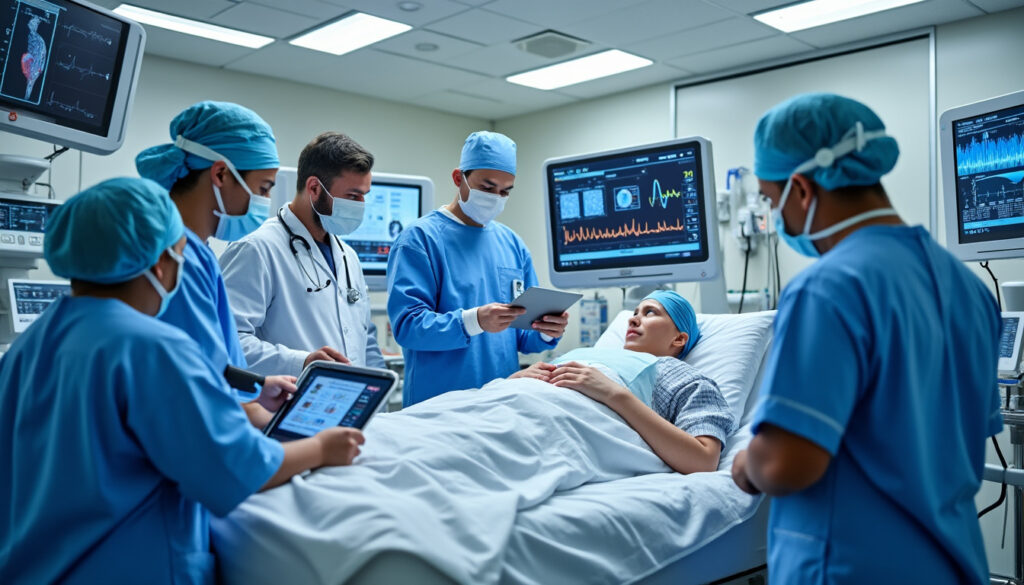
Modern tiered frameworks emphasize interdisciplinary coordination. An exemplar model involves collaborative care between spinal surgeons, neurotherapists, physiotherapists, and pain specialists who jointly design personalized protocols. Such integration allows timing adjustments for rehabilitation milestones, optimizing outcomes and reducing complications such as muscle atrophy, neuropathic pain, and postoperative anxiety or depression.
Wearable technologies have become pivotal components within tiered strategies. Device ecosystems involving Fitbit and Garmin provide real-time data on patient activity levels and vital parameters, enabling clinical teams to refine rehabilitative intensity and detect early signs of overexertion or stagnation. Additionally, TheraBand strength training tools deliver scalable resistance options critical for reinforcing stabilizing musculature without imposing undue spinal stress.
Another significant aspect is neuromodulation’s role within tiered recovery. Therapies like rTMS administered through Philips Healthcare’s advanced platforms aim to modulate neuroplasticity and attenuate chronic post-surgical neuropathic pain, which often hampers functional gains. Integrating such modalities at specific recovery phases augments pain control and supports psychosocial resilience, further smoothing transition back to daily activities.
| Recovery Tier | Typical Postoperative Interval | Rehabilitation Focus | Therapeutic Tools |
|---|---|---|---|
| Immediate Post-Op Rest | 0-2 weeks | Structural protection, pain management | Orthopedic braces, pain meds, Philips Healthcare monitoring |
| Early Mobilization | 2-6 weeks | Gentle kinesthetic exercises, muscle activation | TheraBand, supervised physiotherapy |
| Functional Rehabilitation | 6 weeks to 3 months | Advanced strength & coordination, neuromodulation | rTMS devices, Fitbit for activity tracking |
| Return to Activity | 3-6 months | Gradual resumption of work & sport | Garmin, Strava apps for performance monitoring |
Defined rehabilitation thresholds augment safety, ensuring patients do not advance prematurely, which can lead to surgical site compromise or increased pain. The tiered model also permits regression cycles when setbacks occur, making recovery a fluid, individualized process.
To explore further the theoretical underpinnings and practical applications of functional rehabilitation within this tiered framework, comprehensive resources such as Prime Chiro’s principles overview and the detailed AAPMR’s rehabilitation guidelines provide foundational insights.


Understanding Sciatic Pain: Key Symptoms and When to Seek Medical Advice
Sciatic pain is a prevalent condition impacting a wide demographic, manifesting primarily as intense pain radiating from the lower back down the leg. This pain stems from irritation or compression of the sciatic nerve, a major nerve extending through the…
Gradual Rehabilitation Protocols Tailored to Specific Spinal Surgeries
The heterogeneity of spinal interventions necessitates differentiated rehabilitation plans accommodating biomechanical and neurological variations. Tiered recovery hinges on surgical type classification—decompression, motion-preserving surgery, and fusion—and applies tailored timelines and interventions accordingly.
Recovery After Simple Decompression Surgeries
Procedures such as decompression and foraminotomy aim primarily at relieving nerve root pressure while preserving vertebral segment integrity. Patients are prescribed a cautious initial rest phase lasting 2-4 weeks focusing on tissue stabilization.
Early mobilization emphasizes interventions like walking and passive stretching to prevent stiffness and thrombotic risks. The kinesthetic regimen involves TheraBand-based exercises targeting deep stabilizers without imposing gross spinal loads. Resumption of sedentary occupational tasks often occurs within 6 to 8 weeks, supported by ergonomics and posture management monitoring.
Recovery in Motion-Preserving Surgeries: Disc Prostheses and Dynamic Stabilization
Motion-preserving techniques, including intervertebral disc prostheses and dynamic facet stabilization, strive to maintain segmental mobility and prevent adjacent segment degeneration. Following minimal hospital stays, focused rehabilitation begins often by the third postoperative week.
Customized physiotherapy integrating active mobilization using life-tracking tools like Polar and Under Armour’s performance wearables, combined with neuromodulation sessions, ensures efficient pain suppression and functional reintegration. Return to work is targeted around the 8-10 week timeframe, with restrictions on heavy lifting and abrupt movements.
Complex Rehabilitation After Spinal Fusion Procedures
Fusion surgeries necessitate strict post-operative immobilization for 6-8 weeks to secure the graft sites and promote bony consolidation. Rehabilitation initially centers on gentle isometric exercises defending muscular tone.
Neuromodulation interventions such as Medtronic’s rTMS platforms become particularly vital in managing prevalent neuropathic pain syndromes. Functional enhancement proceeds cautiously, with return to activity often deferred to 3-6 months depending on individual healing and pain control success.
| Surgery Type | Initial Rest Period | Rehabilitation Start | Estimated Return to Work | Neuromodulation Utilization |
|---|---|---|---|---|
| Simple Decompression | 2-4 weeks | Week 2 | 6-8 weeks | Occasional for chronic pain |
| Motion-Preserving Surgery | 1-2 weeks | Week 3 | 8-10 weeks | Supportive |
| Spinal Fusion | 6-8 weeks | After 6 weeks | 3-6 months | Frequent due to neuropathy |
These staged protocols ensure safety without sacrificing timely recovery and mitigate risks of complications such as postsurgical stiffness or prolonged neuropathic discomfort. Through precise timing adjustments informed by ongoing clinical assessments, practitioners optimize patient trajectories for maximum functional outcome. For further guidance on tailored rehabilitation protocols, consult trusted clinical resources like SOS Herniated Disc on motion surgery.

The Stepwise Role of Functional Recovery in Achieving Successful Outcomes
The journey to full recovery following spinal surgery is often complex and multifaceted, demanding a meticulously structured approach to ensure optimal functional outcomes. In recent years, the concept of functional recovery through a stepwise approach has garnered significant attention in…
Role of Neuromodulation Techniques in Enhancing Postoperative Functional Recovery
Neuromodulation is revolutionizing postoperative recovery, particularly in complex spinal cases characterized by persistent neuropathic pain and psychological sequelae. Targeted stimulation techniques such as repetitive transcranial magnetic stimulation (rTMS) serve to modulate neuroplasticity and reduce neural hypersensitivity, expediting pain relief and functional responsiveness.
Neurotherapeutic centers, exemplified by Neurothérapie Montréal, integrate rTMS with personalized rehabilitation programs that dynamically adjust stimulation parameters based on patient-specific neurophysiological data. This tailored approach fosters improved motor control, reduced anxiety, and enhanced motivation—key factors in functional recovery continuity.
The timing and intensity of neuromodulation are adapted by post-surgical phase. Early application may enhance central nervous system readiness for rehabilitation, while later stages focus on chronic pain management and emotional wellbeing. Philips Healthcare and Medtronic both provide advanced rTMS delivery systems featuring brain-mapping capabilities to guide precise neuromodulatory targeting.
- Modulation of neuroplasticity to support motor relearning
- Pain reduction effects decreasing reliance on narcotics
- Improved psychological resilience reducing postoperative anxiety and depression
- Enhanced physical performance supporting gradual return to activity
Clinical case studies demonstrate that patients undergoing integrated neuromodulation protocols report quicker reductions in neuropathic symptoms and improved sleep quality, directly correlating with enhanced participation in physical rehabilitation. Such evidence supports broader adoption of neuromodulation as a vital adjunct in tiered recovery approaches.
For detailed mechanistic insights and clinical applications, explore comprehensive resources on functional recovery and neuromodulation, including Dr. Pradeep Albert’s transformative guide.


Transatlantic Patient Journey: Insights into Indications, Benefits, and Challenges
The emergence of the Transatlantic Patient Journey as a strategic model within healthcare continues to capture attention for its innovative potential, especially in specialized fields such as spinal surgery. This cross-border care pathway integrates rigorous medical evaluation from Quebec with…
International Collaborative Models Facilitating Seamless Postoperative Recovery
The international healthcare network bridging Canadian and French spinal services exemplifies optimal care coordination. Patients benefit from integrated pathways that encompass preoperative evaluation, surgical innovation in France, followed by targeted rehabilitation and neuromodulation in Canada under expert supervision.
Organizations such as SOS Tourisme Médical, Franchir, and Neurothérapie Montréal function symbiotically to manage logistical complexities and clinical continuity. This ensures timely patient transfers, preoperative readiness assessments, and personalized rehabilitation plans aligned with surgical details and patient lifestyle.
This model highlights critical success factors:
- Comprehensive coordination reducing delays and treatment fragmentation
- Multidisciplinary collaboration facilitating holistic patient-centered care
- Use of cutting-edge surgical and rehabilitative technologies advancing recovery potential
- Continuous feedback loops allowing protocol optimization via patient outcomes
The bi-national approach fosters higher patient satisfaction and measurable functional improvements while mitigating risks associated with transitions between healthcare systems. Additionally, the incorporation of digital tools such as Life Fitness exercise equipment and wearable monitoring from Polar enhances engagement and compliance.
For healthcare providers exploring transnational recovery frameworks, current best practice guidelines, including those highlighted by the American College of Surgeons in traumatic brain injury care protocols, offer transferable insights pertinent to spinal surgery contexts (ACS best practices).
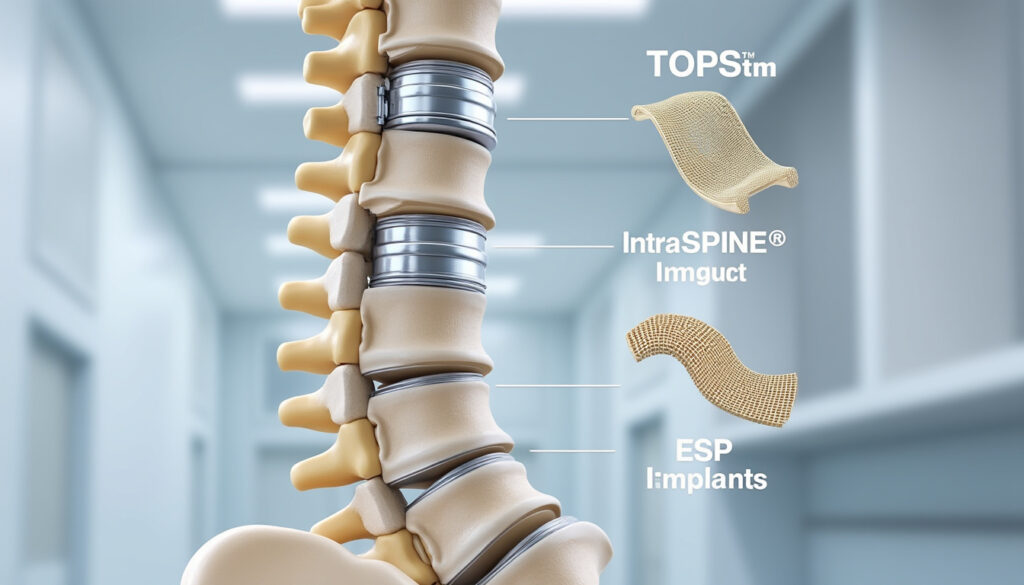
The evolving field of spinal surgery is witnessing a transformative shift, fueled by cutting-edge implant technologies such as TOPS, Intraspine, and ESP. These innovative implants redefine treatment possibilities by emphasizing preservation of natural spinal mechanics, while ensuring durable stabilization and…
Personalized Rehabilitation: Integrating Wearables and Functional Accessories
Modern approaches to functional recovery incorporate patient-driven monitoring and ancillary supports that empower autonomy and enhance effectiveness. Wearable technologies from Fitbit, Garmin, and Polar provide metrics including activity duration, heart rate variability, and sleep quality, crucial for customizing recovery progression.
Combining these devices with resistance bands such as those from TheraBand allows patients to engage in measurable progressive resistance training at home under remote supervision. Brands like Nike and Under Armour offer ergonomic apparel contributing to comfort and biomechanical efficiency during rehabilitation exercises.
- Activity tracking to avoid overexertion and detect plateaus
- Heart rate monitoring for safety during cardiovascular conditioning
- Sleep quality analysis aiding recovery and inflammation reduction
- Customized resistance training with calibrated TheraBand intensities
- Supportive ergonomic apparel enhancing mobility and preventing strain
Additionally, Life Fitness equipment facilitates graduated cardiovascular challenge levels while integrating with digital health platforms. This integrated ecosystem transforms passive rehabilitation into an active and data-informed process personalized per patient tolerances and progress.

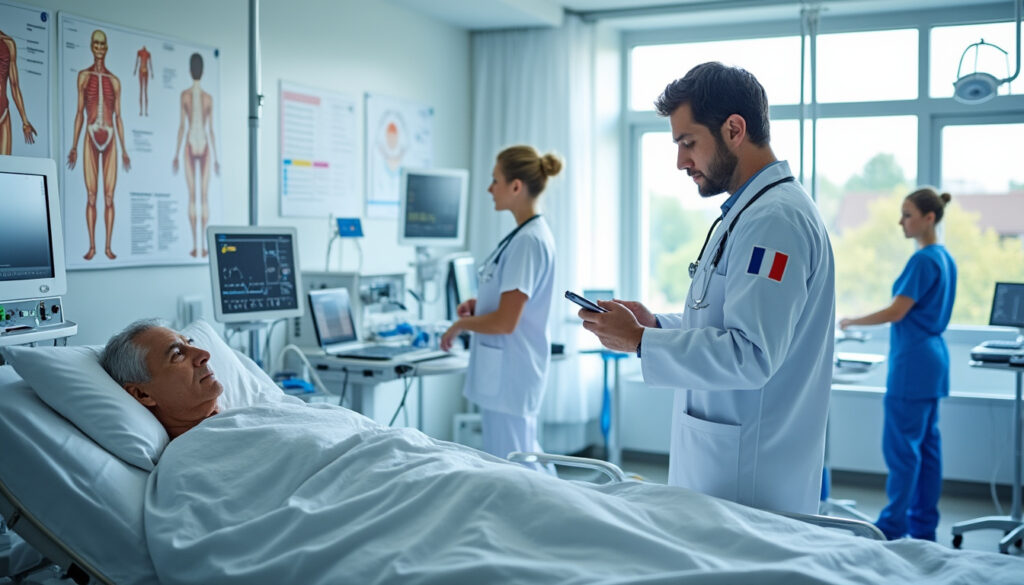
Preparing for Surgery in France: Key Indications, Benefits, and Limitations
In an evolving global healthcare landscape, France emerges as a beacon of advanced surgical expertise, particularly attracting international patients seeking expedited and innovative medical interventions. Patients from regions experiencing long wait times, such as Quebec, increasingly view France as an…
Implementing Psychosocial Support Within Tiered Functional Recovery
Functional recovery transcends physical healing by incorporating psychological and emotional well-being, mitigating conditions such as post-surgical depression and anxiety that can impede progress. Psychosocial interventions target these elements, employing structured counseling, cognitive-behavioral therapy, and support groups within tiered recovery contexts.
The inclusion of mental health professionals within multidisciplinary teams ensures early identification and tailored management of psychological risks. Combined with neuromodulation’s anxiolytic effects, this holistic care framework enhances patient motivation and engagement in rehabilitation activities.
- Routine psychological screening to detect distress
- Behavioral therapies addressing fear-avoidance behaviors and pain catastrophizing
- Support networks fostering community and accountability
- Mindfulness and stress reduction techniques integrated with physical therapy
These interventions demonstrate efficacy in improving adherence to rehabilitation plans and reducing secondary complications, promoting sustainable return to work and daily living standards.

Unveiling the Hidden Benefits of Quality and Certification in Devices
The landscape of device manufacturing and clinical application in 2026 has been fundamentally shaped by the rigorous interplay between quality management and certification processes. Within this complex framework, the hidden benefits of adhering to international standards and obtaining relevant certifications…
Harnessing Emerging Technologies: Robotics and 3D Imaging in Functional Recovery
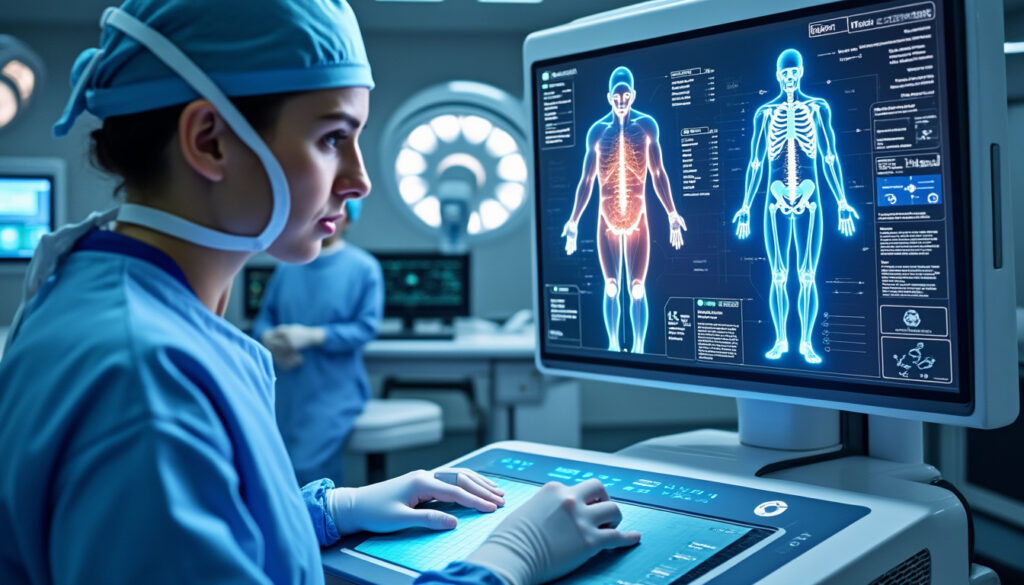
Innovations in robotic-assisted surgery and 3D imaging platforms profoundly affect recovery trajectories by improving surgical precision and enabling targeted rehabilitation strategies. Systems such as those offered by eCential Robotics provide FDA-cleared robotic navigation facilitating minimally invasive spinal procedures, which translate into reduced tissue trauma and faster postoperative recovery phases.
In parallel, 3D printed spinal models guide preoperative planning and postoperative education, enhancing patient understanding and compliance. Operational advances allow clinicians to tailor rehabilitation regimens anticipating anatomical variability and mechanical dynamics optimized through Life Fitness and similar equipment.
Integrating these technologies enables health professionals to monitor progress at granular levels, forecast recovery windows with higher accuracy, and personalize rehabilitation with unprecedented precision. Their growing adoption is aligned with achievements highlighted in the Number Analytics functional recovery guide.
Why Experts Advocate for Comprehensive Preoperative Evaluations
In the complex and demanding field of spinal surgery, the emphasis on comprehensive preoperative evaluations has become a fundamental pillar supporting successful surgical outcomes. These evaluations, far beyond mere routine checks, integrate detailed analyses of patient health, surgical risk assessments,…
Clinical Case Insights: The Journey of a Patient Undergoing Tiered Functional Recovery
Jean, a 58-year-old patient, underwent lumbar arthrodesis in France for degenerative disc disease. His recovery exemplifies the tiered functional rehabilitation model’s efficacy. Postoperatively, Jean engaged in an integrated program coordinated by Neurothérapie Montréal, combining rTMS-mediated neuromodulation and progressive kinesthetic therapy tailored by data from Fitbit activity tracking.
Initial phases focused on pain management and muscle tone preservation, supplemented by TheraBand exercises for core stabilization. Mid-phase rehabilitation introduced Garmin and Strava for cardiovascular conditioning and motivation tracking, ensuring gradual escalation of physical demands. Psychosocial support mitigated anxiety and fostered adherence.
By six months, Jean successfully reduced opioid analgesics, regained functional mobility, and returned to modified work duties. His experience underscores the critical role of personalized plans, advanced technology use, and interdisciplinary collaboration in successful spinal recovery.
Tiered Functional Recovery: Surgery Comparison Tool
The Future of Surgery Lies in Stepwise Functional Recovery
The evolution of surgical care in 2026 reveals a compelling shift toward approaches that prioritize the holistic recovery of patients, moving beyond traditional metrics like length of hospital stay or mortality rates. This modern paradigm highlights the principle that the…
Essential Guidelines for Optimizing Tiered Functional Recovery Outcomes
Successful tiered recovery demands strict adherence to progressive rehabilitation protocols, lifestyle adaptations, and continuous clinical evaluation. Key recommendations include:
- Respect progressive activity phases: Avoid premature exertion; alternate rest with controlled mobility to reduce complications.
- Engage in personalized kinesthetic programs: Utilize TheraBand and supervised exercises to strengthen spinal stabilizers.
- Implement neuromodulatory interventions: Employ rTMS where appropriate to mitigate neuropathic pain and improve psychosocial status.
- Monitor psychosocial wellbeing: Integrate psychological support to counter anxiety, depression, and sustain motivation.
- Prioritize nutrition, hydration, and sleep: Promote healing through optimized physiological conditions.
- Maintain communication with healthcare teams: Report new or worsening symptoms promptly for timely protocol adjustments.
Adopting these principles, with devices from industry leaders such as Life Fitness for conditioning, and apparel by Nike and Under Armour for rehabilitation comfort, enhances patient experience and clinical outcomes alike.
How does tiered functional recovery differ from traditional postoperative rehabilitation?
Tiered functional recovery differs by structuring rehabilitation in clearly defined progressive stages aligned with surgical type and individual patient response. Traditional approaches often employed a one-size-fits-all rehabilitation plan, risking premature activity or prolonged immobilization. The tiered model customizes pacing, integrates technology, and involves multidisciplinary oversight, resulting in safer and more efficient recovery trajectories.
Can neuromodulation techniques like rTMS replace pharmacological pain management?
Neuromodulation techniques can significantly reduce reliance on opioid and other pharmacological pain treatments by modulating neural pathways that contribute to chronic postoperative pain. However, they typically complement rather than replace medications initially. Over time, as pain diminishes, neuromodulation allows for medication tapering under medical supervision.
What role do wearable devices play in postoperative spinal rehabilitation?
Wearables such as Fitbit, Garmin, and Polar facilitate objective monitoring of activity levels, heart rate, and sleep cycles, which inform personalized rehabilitation adjustments. They provide motivation through feedback loops and early indicators of functional improvements or setbacks, empowering patients to engage actively in their recovery journey.
Is early mobilization safe after complex fusion surgeries?
Early mobilization following spinal fusion surgeries must be carefully timed and graduated to prevent jeopardizing fusion integrity. Initial postoperative phases emphasize rest with passive and isometric exercises. Mobilization typically begins after 6-8 weeks in staged protocols, ensuring both safety and gradual functional gains, aided by expert clinician oversight.
How can patients ensure a smooth transition between cross-border surgical and rehabilitation care?
Robust multidisciplinary communication systems, coordinated logistics offered by entities like SOS Tourisme Médical and Franchir, and adherence to personalized rehabilitation plans are key to seamless transitions. Utilizing telehealth consultations and digital monitoring tools further support continuity and responsiveness, minimizing disruptions to recovery.