Repentigny Neck Herniation Rehabilitation Without Steroids
June 21, 2026
IntraSPINE® in Sherbrooke: Personalized and Certified Spinal Care Solutions
June 22, 2026
Disc herniation remains a leading cause of chronic back pain and neurological symptoms, posing significant challenges for patients in Repentigny and beyond. Advances in medical technology have paved the way for non-invasive techniques such as neurovertebral decompression, offering hope for those seeking effective herniated disc treatment without resorting to surgery. However, as appealing as these methods are, safety and patient-specific contraindications must guide every therapeutic decision. In Repentigny, the careful balance between innovation and clinical rigor has propelled modern spinal health care to new heights.
Spinal disorders can be particularly debilitating due to the close interplay between vertebral structures and critical neurological pathways. This makes a thorough evaluation indispensable before embarking on treatments like neurovertebral decompression. Experts like Dr. Sylvain Desforges, whose extensive clinical experience and leadership in osteopathic and naturopathic care provide a solid foundation for personalized patient management, emphasize a comprehensive approach. Dr. Desforges champions interventions grounded in scientific evidence, prioritizing patient safety while harnessing cutting-edge technology.
More than ever, patients and healthcare professionals in regions like Repentigny benefit from an integrated care model. This includes detailed diagnostic processes, interdisciplinary collaboration, and continuous education to clarify the nuances of disc herniation, its symptoms, and available therapies. By fostering transparency around indications and contraindications, providers support informed decisions that optimize outcomes. Moreover, the evolving landscape of neurovertebral decompression requires precise protocols to minimize risks while maximizing benefits, reflecting the commitment to spinal health that the community values.
Understanding Disc Herniation and its Impact on Spinal Health in Repentigny
The spine serves as the central supporting column of the human body, composed of vertebrae cushioned by intervertebral discs. These discs function as shock absorbers, enabling flexibility and movement. A disc herniation occurs when the resilient annulus fibrosus ruptures or degenerates, allowing the gel-like nucleus pulposus to press outward, potentially irritating adjacent nerves.
At its core, a herniated disc disrupts the delicate biomechanical and neurological harmony of the spine. Symptoms vary widely but often include localized back pain, radiating leg or arm pain, numbness, tingling, and muscle weakness, depending on the herniation’s size and location. In Repentigny, many patients report persistent discomfort and functional limitations, driving demand for effective, less invasive treatments.
Disc herniation typically results from repetitive microtraumas, poor posture habits, sedentary lifestyles, or acute injuries. Contributing factors such as overweight and age-related degeneration further exacerbate vulnerability. Comprehending these underlying pathophysiological mechanisms elucidates why comprehensive care, including conservative therapies like neurovertebral decompression, plays an essential role in modern management strategies.
Notably, local healthcare providers integrate diagnostic standards aligned with the latest recommendations from national and international bodies, ensuring that assessments are precise and fully informed. This approach enables targeted care plans tailored to individual patient anatomy and symptomatology, a cornerstone of quality spinal health services in Repentigny.

Disc Prosthesis in Lévis: Fast and Safe Treatment Solutions
The prevalence of spinal disorders, including discopathies, has been steadily increasing among patients in Québec. This trend underscores the urgent need for innovative, effective treatment alternatives that can simultaneously alleviate pain and preserve spinal function. Disc prosthesis in Lévis stands…
Safety Considerations in Neurovertebral Decompression Therapy for Disc Herniation
Neurovertebral decompression stands out as a promising non-invasive option to relieve disc herniation symptoms by gently decompressing the intervertebral space and promoting tissue regeneration. Its safety, however, depends on rigorous patient selection and adherence to best practice protocols.
In Repentigny, specialized clinics like Clinique TAGMED, led by Dr. Sylvain Desforges, employ meticulous screening to confirm that candidates meet safety criteria. Treatments involve controlled mechanical traction delivered by computer-regulated devices designed to provide intermittent tension, reducing intradiscal pressure and assisting in hernia retraction.
Before initiating neurovertebral decompression, a thorough clinical and radiological evaluation — including MRI imaging — is mandatory. This evaluates the condition of vertebrae, discs, and surrounding tissues, and ensures no contraindications are present. Absolute contraindications include recent vertebral fractures, spinal tumors, active infections, and severe inflammatory diseases. Patients with spinal instability or advanced osteoporosis require modified protocols to avoid complications.
Adherence to these safety parameters is critical to avoid exacerbating the condition, such as worsening herniation or nerve compression. Continuous monitoring during treatment sessions verifies patient tolerance and enables adjustment of traction forces as necessary.
Strong multidisciplinary collaboration involving neurosurgeons, osteopaths, physiotherapists, and naturopaths characterizes the safest treatment environments. This integrated approach ensures a comprehensive understanding of each patient’s biological and functional status, allowing for tailored interventions that promote lasting relief while minimizing risks.
| Type of Contraindication | Description | Implication for Treatment |
|---|---|---|
| Absolute Contraindications | Vertebral fractures, spinal tumors, active infections, severe inflammatory pathologies | Complete exclusion from neurovertebral decompression to prevent severe complications |
| Relative Contraindications | Spinal instability, osteoporosis, uncontrolled hypertension | Require protocol adaptation and intensive monitoring during treatment |
| Precautions | Pregnancy, serious cardiovascular diseases, major neurological disorders | Necessitate individualized evaluation and close supervision |
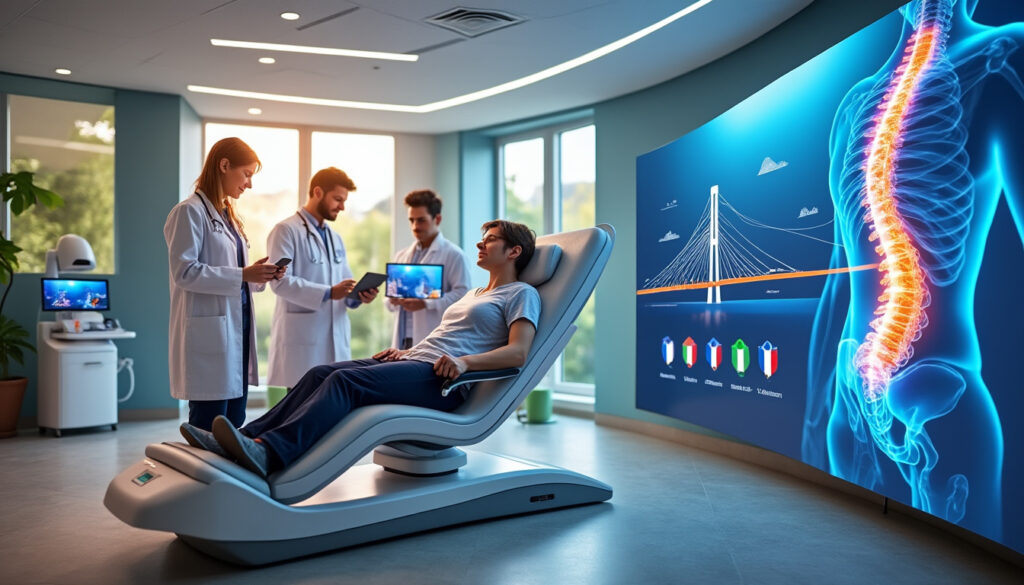
Back pain remains one of the most common and debilitating health complaints worldwide, with specific conditions such as herniated discs generating significant challenges for patients and healthcare providers alike. In Verdun, a vibrant borough known for its community-oriented approach to…
Mechanisms and Therapeutic Benefits of Neurovertebral Decompression in Repentigny
Neurovertebral decompression therapy leverages specialized equipment that applies precise, intermittent vertebral traction to decrease pressure inside affected discs. This reduced pressure may help retract herniated material, relieve nerve root compression, and foster an environment for tissue rehydration and repair.
Clinical outcomes frequently extend well beyond symptomatic relief. Patients often regain spinal mobility and function, experience fewer neurological symptoms, and report improved quality of life. The therapy serves as a gateway to avoiding invasive surgical procedures, which entail higher risks and longer recovery periods.
Therapeutic protocols in places like Care Clinique TAGMED rely on careful customization taking into account patient-specific factors such as herniation stage, intensity of neurological symptoms, and overall spinal health status. Combined with osteopathic adjustments and physical rehabilitation exercises, neurovertebral decompression forms part of a holistic strategy aimed at comprehensive spinal care.
Among testimonials from local patients, many emphasize a significant and sustained reduction of back pain and radicular symptoms after a few weeks of consistent therapy. Neurovertebral decompression has become a recognized pillar in the treatment armamentarium of back pain specialists in the Québec metropolitan area.
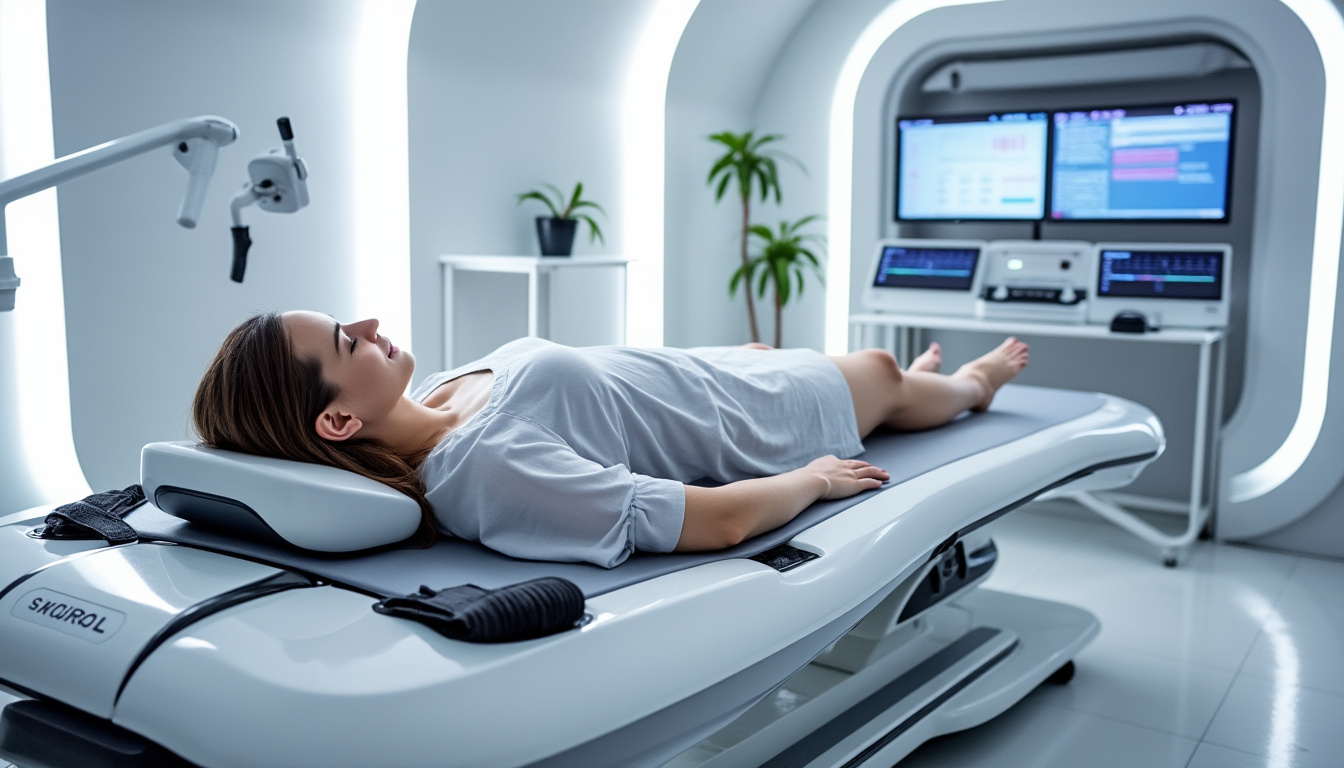

Motion Surgery in Terrebonne: Achieving Superior and Lasting Results
Managing spinal disorders in Québec today is a challenging landscape, marked by extended waiting times for specialized care and limited treatment options for many patients. In response to these obstacles, Motion Surgery has emerged in Terrebonne as a groundbreaking solution,…
Post-Treatment Rehabilitation and Recurrence Prevention in Repentigny Patients
The success of neurovertebral decompression rests not only on the treatment itself but equally on structured rehabilitation and lifestyle adjustments post-therapy. Recovery phases emphasize muscular strengthening, posture correction, and functional mobility restoration.
At the heart of post-treatment care in Repentigny lies a coordinated approach involving physiotherapists and osteopaths. Customized exercise programs target core spinal muscles to ensure durable support for the vertebral column. Attention to ergonomic practices in daily life mitigates undue stress and encourages spinal health.
Lifestyle counseling represents a foundational element—patients receive education on optimal body mechanics, weight management, and activity modifications tailored to their needs. This holistic perspective reduces the risk of recurrence, which remains a common issue without adequate follow-up care.
Implementing these preventive measures has transformed outcomes for many individuals, sustaining the benefits gained from neurovertebral decompression over the long term. This integrative approach embodies the expert care philosophy championed by figures like Dr. Sylvain Desforges, blending innovation with compassionate support.

The surge in sedentary lifestyles combined with repetitive movements and poor posture has notably increased cases of disc herniation, particularly in vibrant urban centers such as Saint-Laurent. Back pain resulting from this condition can severely disrupt daily living, prompting patients…
Evidence-Based Protocols for Evaluating Patients Before Neurovertebral Decompression in Repentigny
Optimal patient evaluation is a multi-layered process guided by the principles of scientific rigor and personalized care. Initial clinical consultations encompass detailed anamnesis, neurological examinations, and a review of imaging results such as MRI scans.
Neurological symptom assessments focus on pain distribution, muscle strength, reflex changes, and sensory anomalies consistent with nerve root compression from herniated discs. These examinations establish the baseline for therapeutic planning and risk stratification.
Diagnostic precision is augmented by adherence to guidelines from medical authorities, including local and international spinal health organizations. These protocols emphasize determining eligibility for neurovertebral decompression and ruling out conditions that require alternative treatment modalities.
During the therapy course, continuous reassessments permit protocol adjustments based on evolving clinical responses. This iterative monitoring ensures patient safety and maximizes therapeutic efficacy, embodying the high standards set forth by healthcare leaders in Repentigny.
Understanding the care pathway clearly helps patients and providers align expectations and outcomes. Transparency about procedure mechanics, expected benefits, and potential limitations enhances patient trust and engagement.

Herniated Disc in Brossard: Comprehensive Monitoring and Neurovertebral Decompression Treatment
The challenges posed by herniated discs in Brossard underline an urgent demand for advanced, non-surgical interventions that prioritize patient safety and long-term spinal health. With the prevalence of lumbar disc herniations continuing to affect a significant segment of the population,…
Enhancing Quality of Life Through Neurovertebral Decompression in Repentigny
Individuals contending with disc herniation often face significant disruptions in their personal and professional lives. The chronic pain and neurological symptoms may lead to functional impairments, social withdrawal, and emotional distress.
The introduction of neurovertebral decompression therapy in clinics around Repentigny marks a turning point by offering a non-invasive treatment focusing on root mechanical causes rather than only symptom control. Patients repeatedly report improvements in pain levels, nerve-related sensations, mobility, and overall well-being.
This progress not only alleviates physical discomfort but also fosters psychological resilience and social reintegration. By combining expert assessment with technology-driven treatment, neurovertebral decompression supports a holistic restoration of health.
Community success stories emphasize the therapy’s role in reducing dependence on analgesic medications and enhancing sleep quality, all critical for sustainable recovery. These outcomes reflect a shift towards evidence-based, patient-centered spinal care.
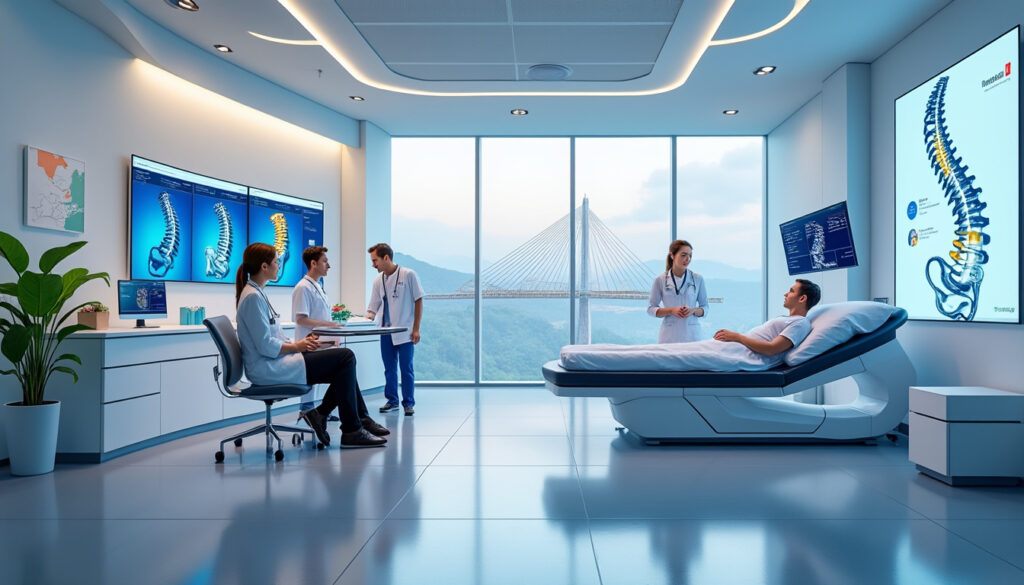
Lumbar Disc Prosthesis in Saguenay: Safeguarding Lower Back Functionality
In the heart of Saguenay, chronic lower back pain afflicts a significant portion of the population, challenging their daily routines and overall well-being. For decades, treatments like spinal fusion were the primary recourse, often resulting in stiffness and compromised spinal…
Comparing Neurovertebral Decompression to Surgical and Other Treatment Modalities in Repentigny
While surgical interventions remain viable options for severe disc herniations, non-invasive therapies like neurovertebral decompression occupy an essential niche in the treatment continuum for many patients with moderate symptoms. Surgery carries inherent risks including complications, extended recovery, and potential for revision procedures.
Neurovertebral decompression presents a lower-risk, cost-effective alternative that aligns with the increasing patient preference for conservative management. Studies suggest that when combined with physical therapy and osteopathic techniques, this method may yield comparable improvements in pain relief and function for select populations.
Emerging research also explores enhancements such as dynamic spinal implants and laser therapy to complement decompression, reflecting ongoing innovation in the field. Clinics in Repentigny, guided by experts like Dr. Desforges, maintain close links with leading surgical centers, facilitating integrated care pathways when surgery becomes necessary.
For patients contemplating treatment options, clear education about indications, contraindications, and expected trajectories empowers informed choices. Resources such as the patient guides on herniated disc management and expert platforms shaping clinical recommendations aid this decision-making process.
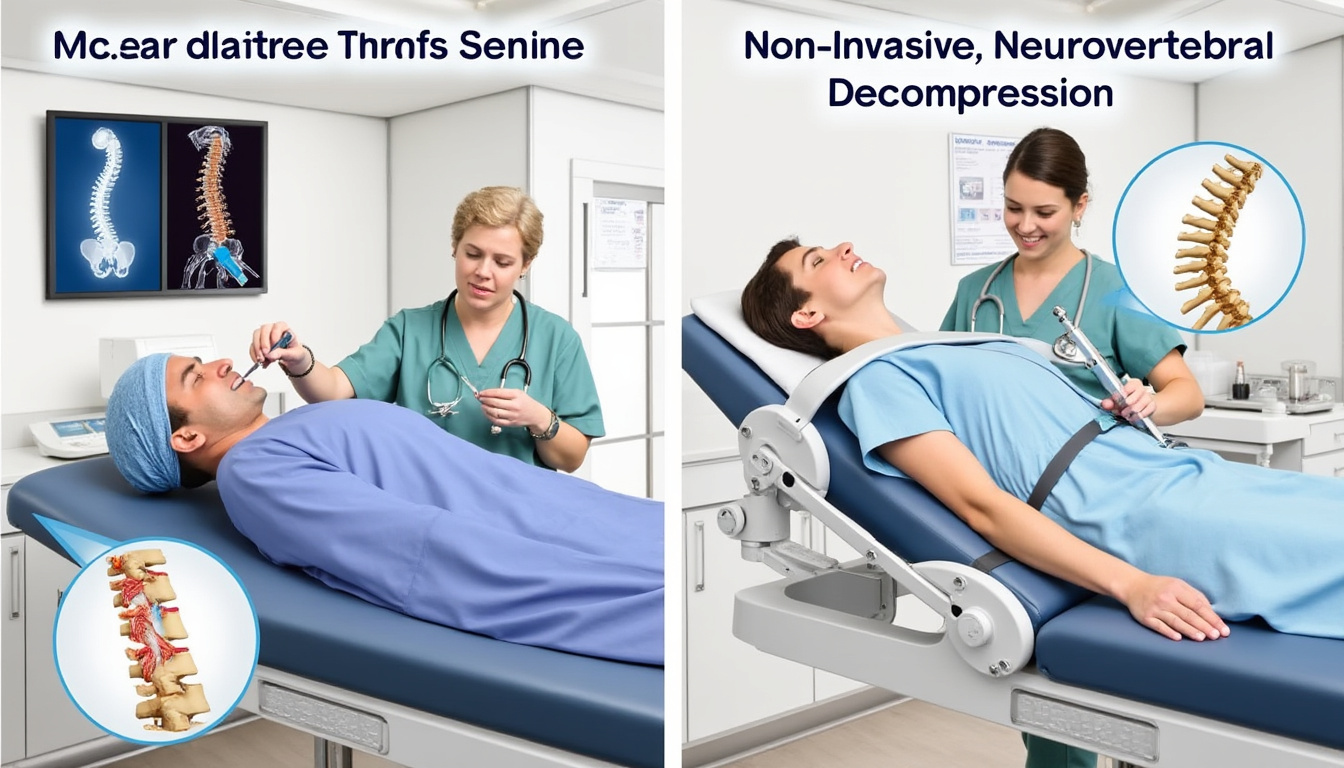
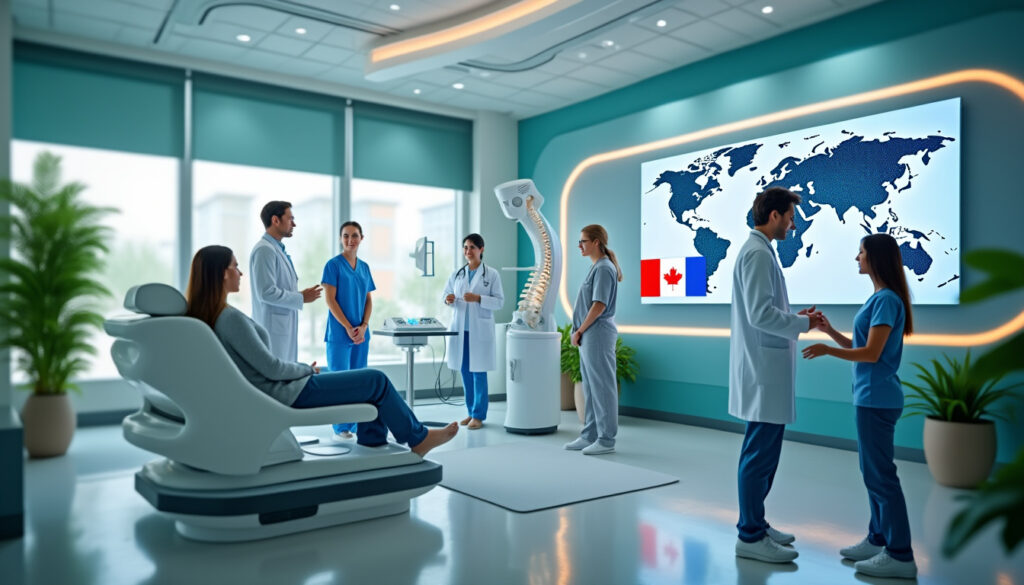
IntraSPINE® in Sherbrooke: Personalized and Certified Spinal Care Solutions
In the evolving realm of spinal care, patients facing persistent low back pain have often felt the constraints of limited options and long waiting times, especially in Quebec’s healthcare system. As medical frontiers advance, the IntraSPINE implant emerges in Sherbrooke…
International Collaboration and Patient Care Pathways Across Canada and France
Dr. Sylvain Desforges’s involvement in transatlantic healthcare coordination demonstrates how modern spinal care transcends geographical boundaries. Patients from Quebec and France benefit from harmonized evaluations and treatments, ensuring consistency and access to advanced technologies.
This collaboration leverages networking with top spine surgeons and medical tourism platforms such as SOS Tourisme Médical. It achieves optimizations in scheduling, reduces wait times, and enhances personalized care delivery while allowing patients to navigate complex health systems with confidence.
Such integrative models epitomize the future of spinal health management, combining the best practices and expertise from both continents. Personalized recommendations derive from comprehensive evaluations performed by Dr. Desforges, with support from multidisciplinary teams on both sides of the Atlantic.
Patients experiencing disc herniation in Repentigny thus have the benefit of a broadened spectrum of care options, innovative therapies, and seamless clinical journeys. The international dimension enriches local practice and promotes a patient-first paradigm focused on efficacy, safety, and quality of life.
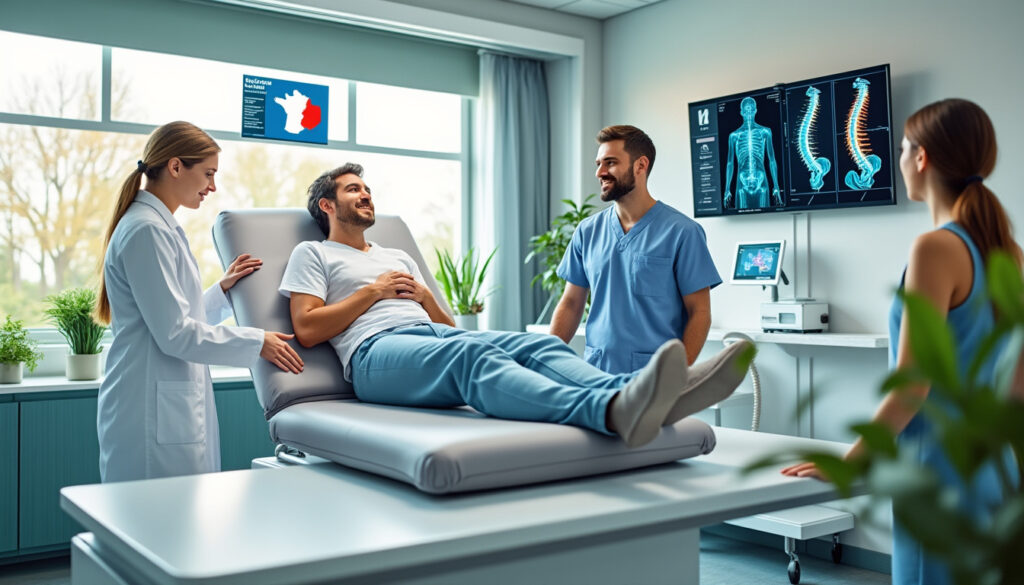
Back Surgery in Trois-Rivières: Ensuring Mobility Preservation Post-Operation
Back surgery remains a critical consideration for many individuals in Trois-Rivières, Quebec, who struggle with chronic spinal conditions that significantly impair their quality of life. The challenge lies not only in addressing unbearable pain but also in preserving spinal mobility…
Frequently Asked Questions about Disc Herniation and Neurovertebral Decompression in Repentigny
What are common symptoms of disc herniation?
Typical symptoms include localized back pain, radiating leg or arm pain, numbness, tingling sensations, muscle weakness, and reduced mobility related to nerve root compression.
Is neurovertebral decompression painful?
Neurovertebral decompression is generally well tolerated and non-painful. Patients may experience slight discomfort during the controlled traction sessions, which are closely monitored and adjusted for comfort.
Who is not a candidate for neurovertebral decompression?
Patients with recent spine fractures, spinal tumors, active infections, or severe inflammatory diseases are typically excluded. Relative contraindications include spinal instability and osteoporosis requiring cautious protocol adjustments.
How many treatment sessions are typically required?
Treatment programs usually consist of 15 to 25 sessions scheduled over several weeks. The exact number depends on symptom severity, patient response, and clinical assessments.
Can neurovertebral decompression be combined with other treatments?
Yes, combining decompression with osteopathy, physiotherapy, and naturopathic care optimizes rehabilitation and long-term spinal health.