
Blainville Chronic Back Pain Solutions for Active Adults
June 22, 2026
Herniated Disc in Brossard: Comprehensive Monitoring and Neurovertebral Decompression Treatment
June 23, 2026
In the heart of Saguenay, chronic lower back pain afflicts a significant portion of the population, challenging their daily routines and overall well-being. For decades, treatments like spinal fusion were the primary recourse, often resulting in stiffness and compromised spinal mobility. However, the emergence of lumbar disc prosthesis represents a paradigm shift in orthopedic surgery, particularly for those seeking preservation of spinal functionality and an enhanced quality of life. This advanced procedure, grounded in meticulous biomechanical principles, addresses the root cause of disc degeneration while maintaining natural movement, a benefit that resonates profoundly with active adults eager to reclaim their physical freedom.
In a healthcare environment marked by long surgical wait times and limited alternatives in Quebec, patients in Saguenay are increasingly turning towards innovative solutions that blend scientific rigor with compassionate care. The lumbar disc prosthesis offers a durable and safe alternative to traditional fusion surgeries, promising pain relief and restored mobility while minimizing the risks often associated with spinal operations. With expert evaluation and comprehensive patient support led by practitioners such as Dr. Sylvain Desforges—recognized for his deep expertise and unwavering dedication—the journey towards recovery becomes a collaborative, well-guided process.
Innovative Lumbar Disc Prosthesis: Preserving Lower Back Movement in Saguenay Patients
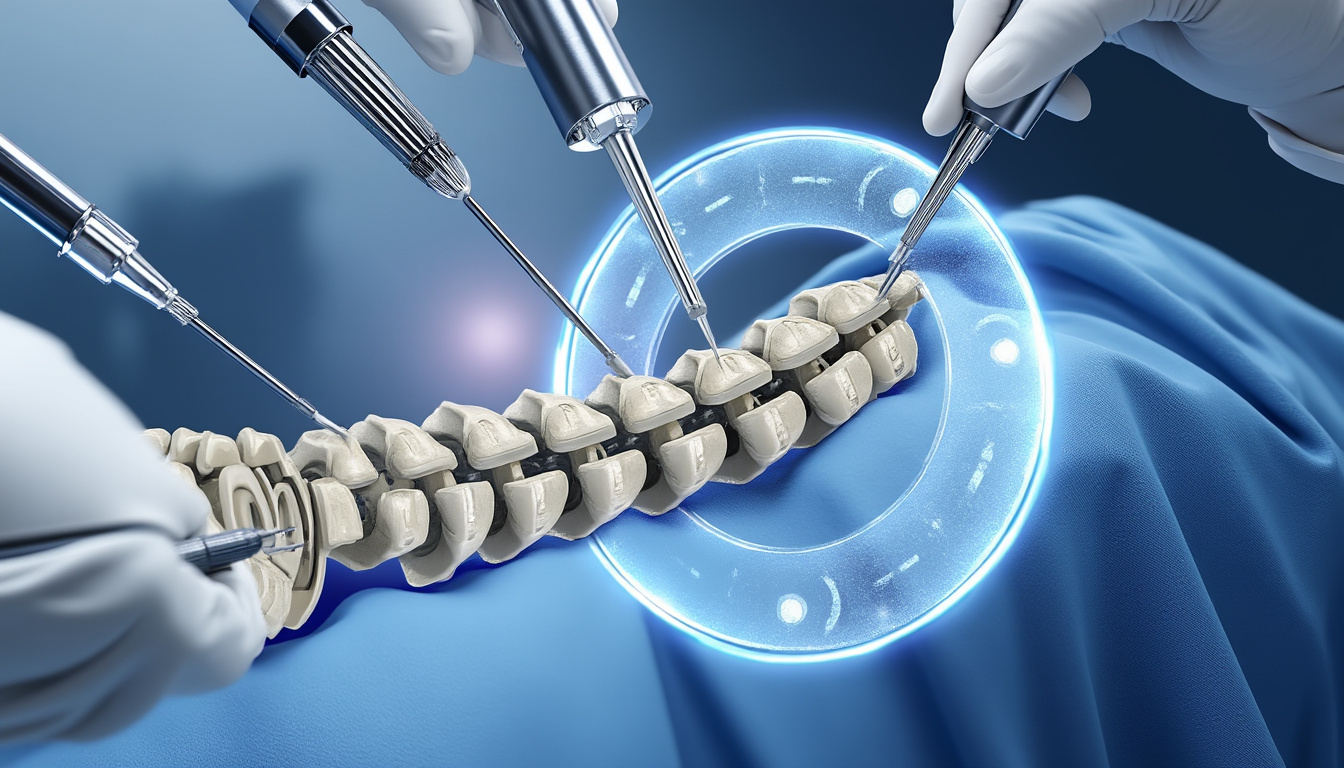
The lumbar disc prosthesis is transforming how orthopedic surgery tackles severe back pain caused by damaged intervertebral discs. Instead of fusing vertebrae together, which restricts spinal motion, this treatment replaces the impaired disc with a state-of-the-art artificial implant designed to mimic natural disc function. Comprising durable materials like metal or ceramic bases coupled with high-performance plastic cores, these prostheses replicate the biomechanical properties of healthy cartilage.
The procedure maintains the intervertebral disc height, which is crucial in restoring physiological movements such as flexion, extension, rotation, and lateral bending. Patients benefit from a more natural spinal range of motion post-surgery, which contrasts sharply with the rigidity imposed by spinal fusion. By ensuring balanced force distribution on adjacent vertebral joints, lumbar disc prosthesis also mitigates the risk of accelerated degeneration of adjacent discs, a common complication following fusion procedures.
Patients with discogenic pain but without significant vertebral instability are ideal candidates for this innovative approach. Prior to recommending surgery, experts like Dr. Sylvain Desforges emphasize thorough conservative management, including neurovertebral decompression therapies and osteopathic treatments. These non-invasive interventions often alleviate symptoms and improve spine health, reserving surgery for when conservative care has reached its limits.
For more detailed information on surgical options and patient eligibility, consult expert resources such as the American Association of Neurological Surgeons, which explains indications and outcomes of artificial lumbar disc surgeries.
Biomechanical Advantages: Why Mobility Preservation Matters
Understanding the biomechanical superiority of the lumbar disc prosthesis is essential in appreciating its benefits. Unlike fusion that halts motion at the treated level, disc replacement allows the spine to maintain its natural flexibility, which is vital for everyday activities such as walking, bending, and lifting. This preservation of intervertebral mobility decreases the stress placed on neighboring spinal segments. This factor is clinically significant, considering that adjacent segment degeneration often leads to further surgeries down the line after fusion procedures.
Recent clinical studies underline that patients receiving lumbar disc replacements experience quicker recoveries, less postoperative pain, and a return to daily activities sooner compared to those undergoing fusion. These outcomes reflect not only surgical technique advancements but also the incorporation of patient-centric rehabilitation plans coordinated by experts in Quebec and abroad.
IntraSPINE® in Sherbrooke: A Long-Lasting Solution for Chronic Lower Back Pain
Chronic lower back pain remains one of the most pressing health concerns in Sherbrooke and beyond, impacting millions and often diminishing daily quality of life. Despite the prevalence of lumbar discomfort, many face limited access to cutting-edge treatments amidst lengthy…
Herniated Disc Care in Sainte-Julie: Why TAGMED’s Neurovertebral Decompression Therapy Stands Out
In the vibrant community of Sainte-Julie, back pain—particularly that stemming from herniated discs—has become a widespread concern affecting people from all walks of life. The relentless search for effective, non-invasive treatments has brought renewed attention to a pioneering therapy that…
Expert Evaluation and Personalized Patient Pathways with Dr. Sylvain Desforges
At the forefront of spinal care innovation in Saguenay, Dr. Sylvain Desforges brings over 35 years of clinical experience, blending scientific rigor with compassionate patient support. His unique qualifications including a Bachelor of Science, Doctor of Osteopathy (D.O.), and Naturopathic Doctorate (N.D.) empower him to conduct comprehensive evaluations of spinal disorders without pronouncing formal diagnoses.
Dr. Desforges’ approach is comprehensive, recognizing that each patient’s spinal health journey is unique. Through detailed assessments and conservative treatment monitoring, he ensures that only patients who truly require surgery proceed with the lumbar disc prosthesis. This patient-first philosophy aligns with the highest standards of ethics and medical guidelines established by the Collège des médecins du Québec.
By coordinating with a specialized team and leveraging cutting-edge techniques such as neurovertebral decompression and laser therapy at Clinique TAGMED, Dr. Desforges facilitates a seamless patient experience. This includes preoperative preparation, surgical coordination with top French orthopedic surgeons, and extensive postoperative rehabilitation guidance to optimize outcomes.
This integrative model reflects a commitment to accessible education, empowering patients to understand the complexities of their condition and treatment options clearly. Patients are encouraged to engage with their care teams, ask questions, and participate actively in their recovery process.
Transatlantic Medical Collaboration: Excellence in Spine Surgery Between Quebec and France
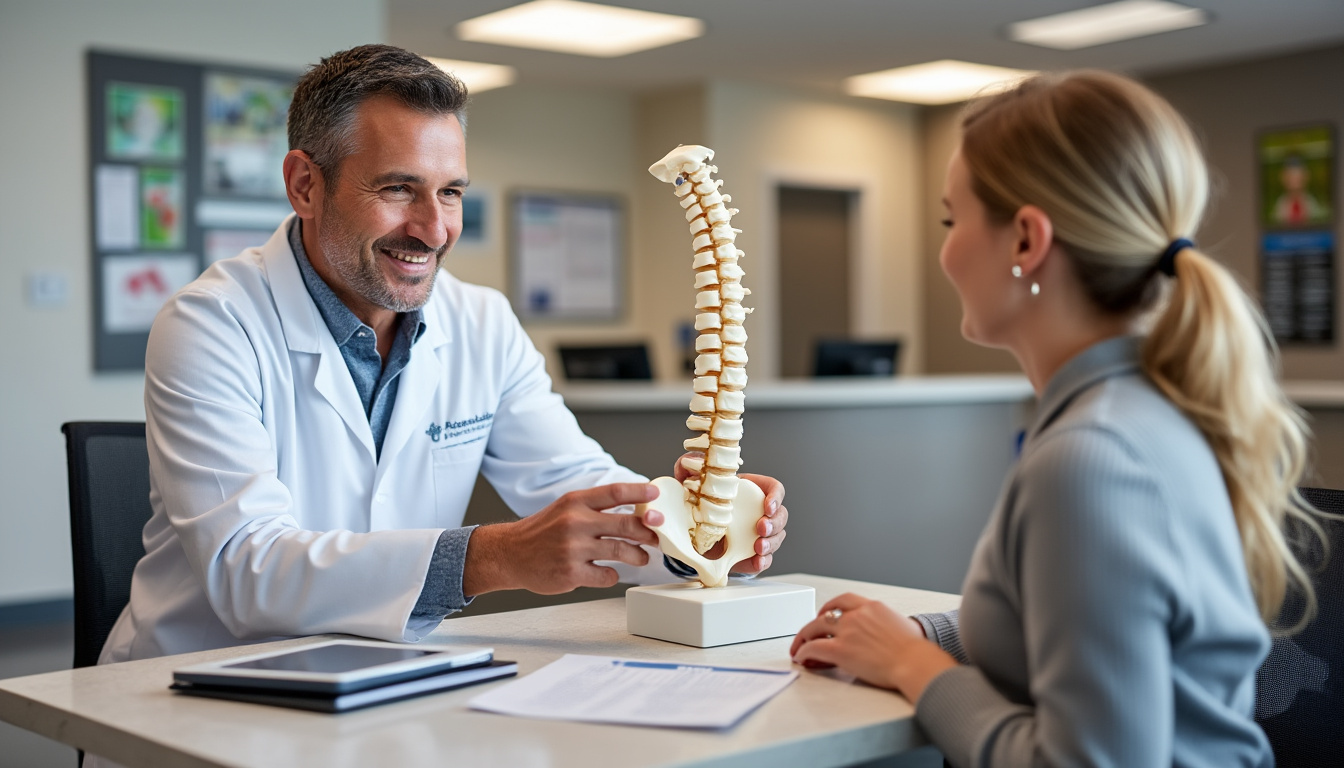
An essential aspect of lumbar disc prosthesis availability and success lies in the transatlantic collaboration coordinated by Dr. Desforges. Recognizing the constraints within the Quebec healthcare landscape, such as long waiting lists and limited access to specialized spinal surgeries, patients benefit from coordinated care pathways that bridge Canada and France.
This international partnership involves collaboration with renowned spine surgeons in France known for pioneering minimally invasive techniques and advanced dynamic implants such as ProDisc and TOPS systems. These technologies have significantly enhanced recovery timelines and surgical outcomes due to smaller incisions and preservation of natural spinal mechanics.
Care coordination extends beyond the surgery itself, ensuring that patients receive attentive follow-ups at Neurothérapie Montréal after returning from France. This continuity in care guarantees a smooth transition and personalized rehabilitation, addressing the holistic needs of the individual.
For more insights about innovative surgical options and international healthcare collaboration, readers may find valuable resources at SOS Herniated Disc, a platform dedicated to spinal health education and patient empowerment.
Back Surgery in Trois-Rivières: Alleviating Pain While Preserving Mobility
In Trois-Rivières, Quebec, the persistence of back pain affects a substantial portion of the population seeking effective and personalized solutions. Back pain, often caused by spinal disorders or herniated discs, can drastically diminish quality of life, limiting mobility and causing…
Disc herniation remains a significant health concern in Pointe-Claire, impacting the lives of a diverse population ranging from labor-intensive workers to the aging community. The condition, characterized by the displacement or rupture of the intervertebral disc, often leads to debilitating…
State-of-the-Art Surgical Techniques for Lumbar Disc Replacement in France
In France, spinal surgery has embraced a spectrum of techniques that cater precisely to varied lumbar pathologies. These range from traditional spinal fusion to sophisticated dynamic stabilization and disc replacement surgeries. Lumbar disc prostheses, such as the M6-L and others, stand out for their capability to mimic native spine biomechanics effectively.
The choice of surgical technique hinges on comprehensive diagnostic evaluations identifying the presence or absence of vertebral instability, the extent of disc degeneration, and patient lifestyle considerations. Dynamic implants offer mobility preservation combined with stability, ideal for selected cases without severe arthritic changes. Conversely, fusion remains indicated in cases of severe instability or deformity, although it sacrifices natural mobility.
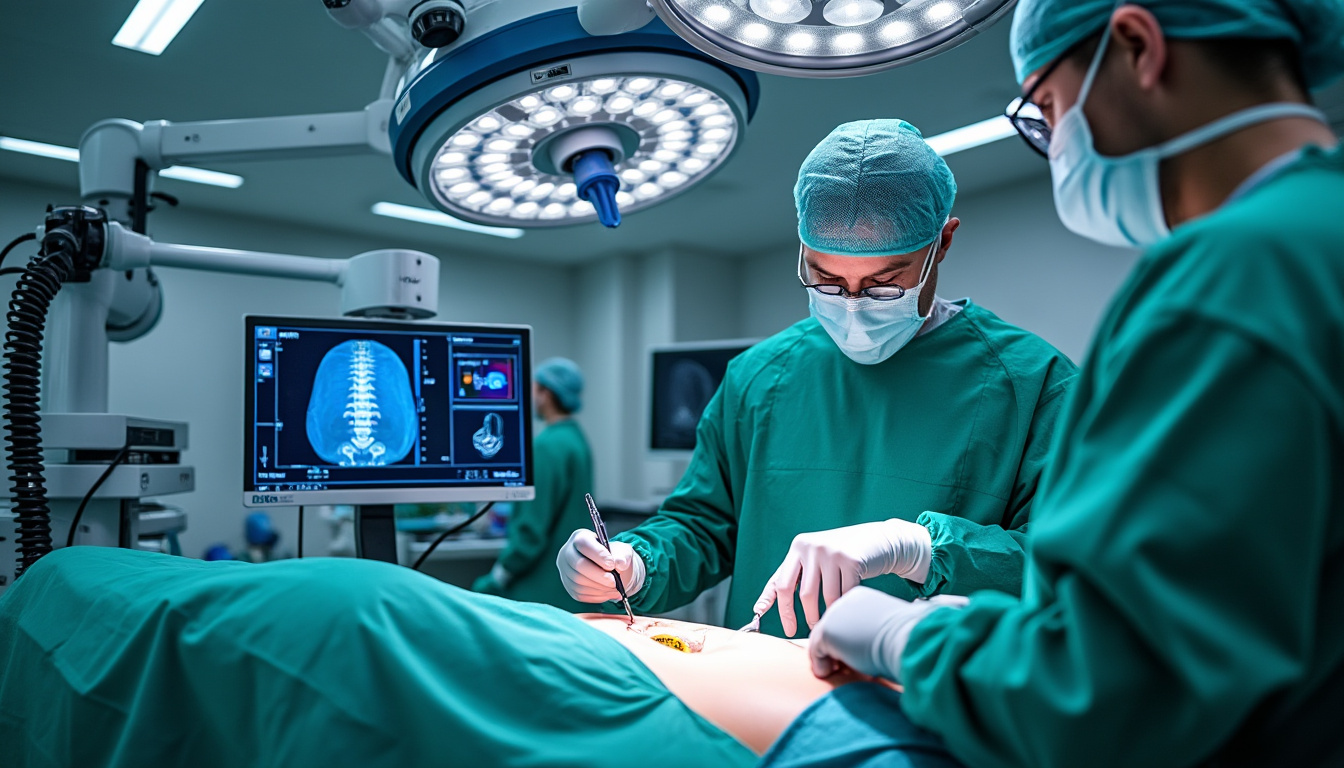
The surgical approach is also increasingly minimally invasive, reducing muscle trauma and enhancing postoperative recovery. Surgeons operate using smaller incisions guided by advanced imaging, resulting in less pain, shorter hospital stays, and expedited return to work or daily activities.
Below is a table summarizing key surgical options available in France and their relative advantages and disadvantages:
| Technique | Indications | Advantages | Disadvantages |
|---|---|---|---|
| Spinal Fusion | Severe instability and deformities | Long-lasting stability | Loss of mobility, risk of adjacent segment degeneration |
| Lumbar Disc Prosthesis | Disc degeneration without major instability | Preserves motion, faster recovery | Limited indications, technically complex |
| Dynamic Implants (e.g., ProDisc, TOPS) | Moderate instability | Functional stabilization retaining mobility | Not suitable for advanced arthrosis |
Ensuring Optimal Patient Outcomes Through Tailored Surgical Decisions
The collaboration between highly trained surgeons and patient-centered experts like Dr. Desforges ensures that every Saguenay patient receives a customized surgical plan based on robust scientific evidence and individual health factors. This tailored approach contributes to improved satisfaction rates and enduring spinal health.
TOPS™ in Gatineau: A High-Performance Solution for Lumbar Spine Care
In a region where chronic back pain increasingly affects quality of life, the quest for advanced and effective lumbar spine treatments is paramount. Lumbar spinal stenosis, a prevalent condition among Quebec’s aging population, often imposes persistent discomfort and mobility limitations.…
At Gouin Clinic, the landscape of herniated disc therapy has entered a transformative era marked by the integration of Personalized Treatment Plans and breakthrough Neurovertebral Decompression Therapy. This non-surgical approach is revolutionizing how spinal disorders are managed, offering patients an…
Conservative Management Before Lumbar Disc Replacement: A Critical Step
Advancing toward surgery for lower back pain demands a thorough and patient-centric approach centered on optimized conservative treatment. Typically, patients undergo a minimum of 3 to 6 months of non-surgical therapies before lumbar disc prosthesis is considered. This window allows natural healing potential and effective symptom management without the risks associated with surgery.
At Clinique TAGMED, under the expert guidance of Dr. Sylvain Desforges, patients receive leading-edge conservative care modalities. These include robotic neurovertebral decompression targeting spinal nerve relief precisely and tailored osteopathic manipulations enhancing spinal flexibility and pain reduction. Through consistent evaluation and adaptation, conservative measures can often forestall the need for surgery altogether.
Such treatments also prime the spine environment for surgery when necessary, improving postoperative recovery and outcomes. The goal is to empower patients with sustainable spinal health strategies while respecting their unique anatomical and lifestyle needs.
Key Components of Effective Conservative Care
- Precise osteopathic assessment to identify biomechanical dysfunctions
- Robotic spinal decompression targeting nerve root relief
- Laser therapy to reduce inflammation and stimulate tissue repair
- Patient education on ergonomic posture and lifestyle adaptations
- Progressive physical therapy tailored to individual recovery pace
Cervical Disc Prosthesis in Quebec: Preventing Post-Operative Stiffness
Neck pain is one of the most common musculoskeletal complaints in Quebec, affecting a significant portion of the population annually. Often rooted in degenerative cervical disc diseases or herniated discs, this persistent discomfort severely impacts daily life and mobility. Fortunately,…
The prevalence of herniated disc conditions in Blainville has sparked considerable discussion and misconceptions about their causes, symptoms, and treatments. While the pain and disability associated with this spinal disorder are well documented, the emergence of non-surgical options such as…
The Patient Journey: From Evaluation to Recovery with Emphasis on Spinal Health
For patients contending with lower back pain in Saguenay, the path toward restoring spinal functionality is enhanced by the attentive coordination managed by Dr. Sylvain Desforges and his expert team. The process initiates with an in-depth evaluation that includes detailed medical history, diagnostic imaging review, and biomechanical assessment. This holistic approach allows for a nuanced understanding of the patient’s condition.
When surgery becomes appropriate, logistical coordination ensures smooth transitions between Quebec-based care and surgical intervention in France, illustrating a continuity in care that respects patient comfort and safety. Post-surgery, multidisciplinary rehabilitation programs facilitate optimal functional recovery while prioritizing pain reduction and gradual return to activities.
This comprehensive continuum of care exemplifies how modern spinal health solutions can harmonize advanced technology, cross-border collaboration, and empathetic patient support for outstanding outcomes. The model championed by Dr. Desforges guarantees that patients receive care honed by decades of clinical experience and scientific precision.
Understanding the Benefits and Risks Associated with Lumbar Disc Prosthesis in Saguenay
Like all surgical interventions, lumbar disc prosthesis carries inherent risks, though these are minimized by selection criteria, surgical expertise, and high standards of postoperative care. Common benefits include significant back pain relief, quicker return to mobility, and preservation of natural spinal function. On the risk side, patients should be aware of possible complications such as infection, implant wear, or rare device failure, although such issues remain rare in experienced centers.
The implant materials used are carefully selected for their biocompatibility and durability, often designed to last many years with routine follow-ups. Furthermore, the minimally invasive surgical approach reduces operative trauma, contributing to fewer complications and enhanced patient satisfaction.
Patients considering this procedure benefit from an in-depth discussion about indications and postoperative expectations, facilitated by experts like Dr. Desforges. This candid dialogue empowers patients to make informed decisions tailored to their unique health profiles.
Frequently Asked Questions About Lumbar Disc Prosthesis and International Care Coordination
Who is a good candidate for lumbar disc prosthesis?
Ideal candidates present with specific lumbar disc degeneration without significant spinal instability and have attempted at least 3 to 6 months of conservative treatments without satisfactory relief.
What are the main advantages of lumbar disc prosthesis over spinal fusion?
Lumbar disc prosthesis preserves natural spine movement, reduces stress on adjacent segments, and generally results in quicker recovery and less postoperative pain.
What does the rehabilitation process typically involve post-surgery?
Recovery usually begins with light activities within one week, progressing to more demanding physical tasks over 3 to 6 months guided by tailored rehabilitation programs.
Can conservative treatments eliminate the need for surgery?
In many cases, diligent conservative care including neurovertebral decompression and osteopathy may significantly reduce symptoms and delay or avoid surgical intervention.
How long do lumbar disc prostheses last?
Modern implants are designed for durability and biocompatibility; however, ongoing medical follow-ups are essential for maintaining spinal health long term.